


06 Oct 2025
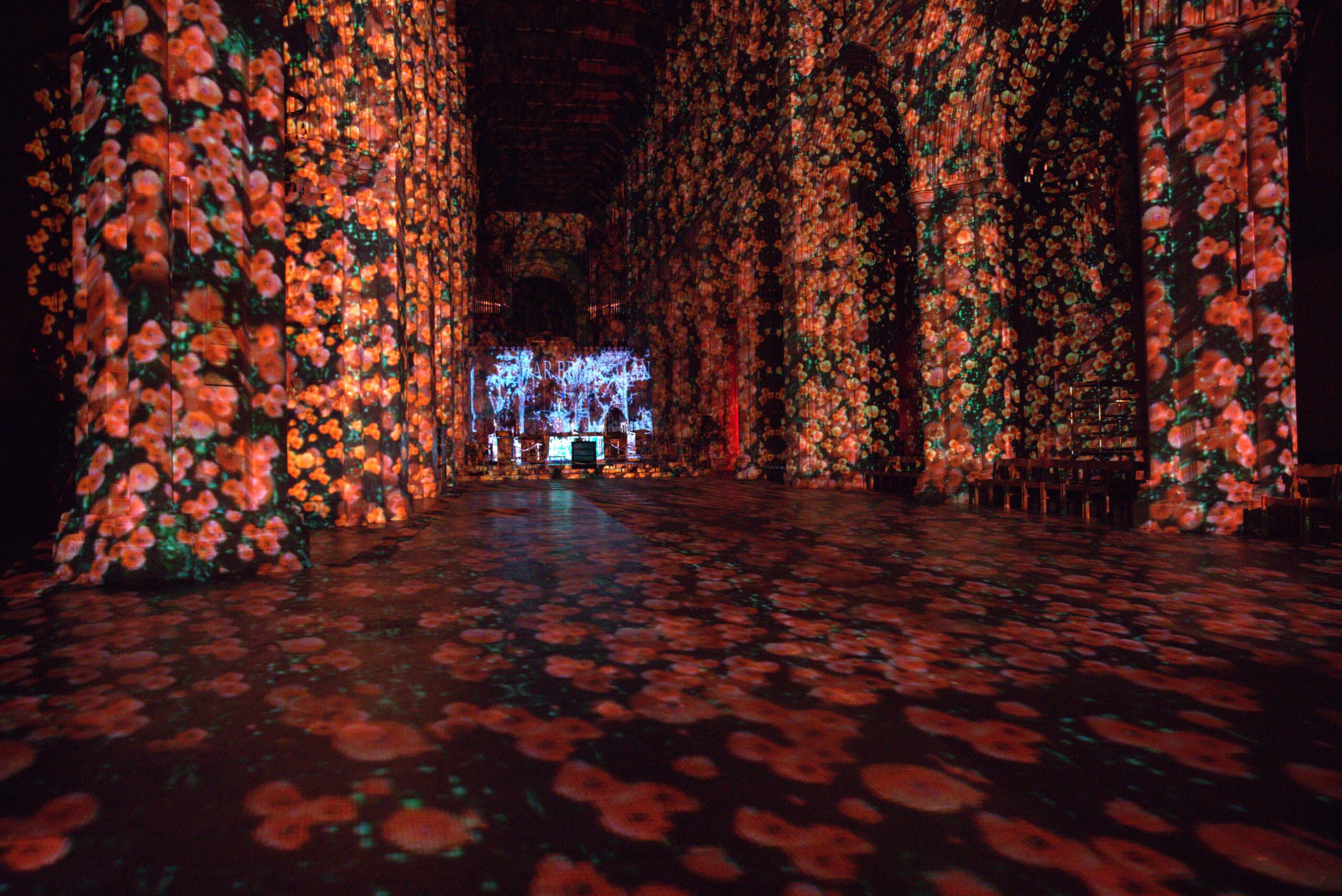
The stories of fallen relatives of local residents will be projected onto the wall of St Albans Cathedral as part of this year’s light show.
Luxmuralis are returning to the Abbey to present Poppy Fields, the immersive light and sound experience previously seen in 2018, taking place over five nights from October 28 to November 1.
A bespoke Roll of Honour recognising those who were lost in the two World Wars, and in other conflicts since, will be available to see as part of the installation.
In the run-up to the event, we are proud to share details of some of the various names featured, tales of courage and humanity which pay tribute to the sacrifices made by members of the armed forces.
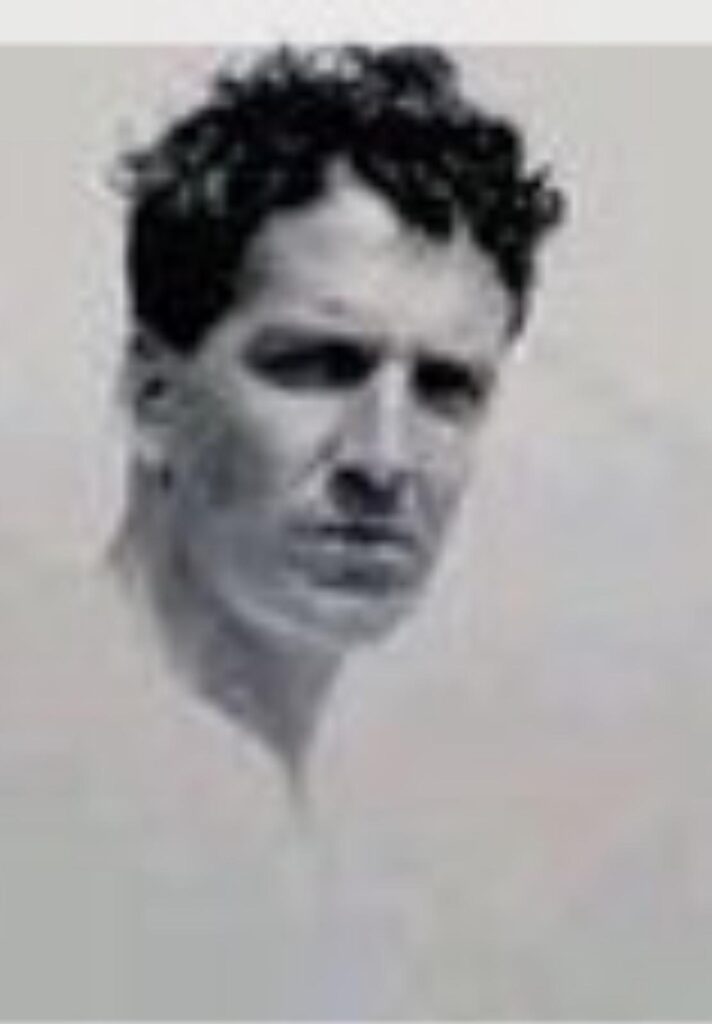
William J Morris is remembered by his great niece Orly Walpole: “Dear Uncle Billy, aged 23, left behind a world of parties, hunting and fishing to go to London to hone his business skills with a view to taking over the running of the family mill in Kilkenny, Ireland. He had been Master of Kilkenny Hunt and a keen steeplechaser.
“He enlisted in the Honorary Artillery Company, the oldest regiment in the British Army incorporated in 1537.
“Frequent letters and parcels passed over and back from Kilkenny, firstly to London and then Northern France. Billy’s letters were upbeat despite the conditions in the trenches. In a letter of December 1917, he spoke of how he was confident that ‘poor old Fritz was done’ and how he expected to be back home soon.
“Unfortunately, his next letter was black bordered and accompanied by a War Office sympathy letter from the King and Queen.
“Billy’s final letter said: ‘My dearest, ever dearest Mum, If this ever reaches you I shall have made the great sacrifice just like many another mother’s son. I shall have made it cheerfully and thank God bravely like a good soldier…’
“He signs off ‘I died smiling – as I lived’. Billy died in February 1917 and is buried in Varenne Military Cemetery in Northern France.”
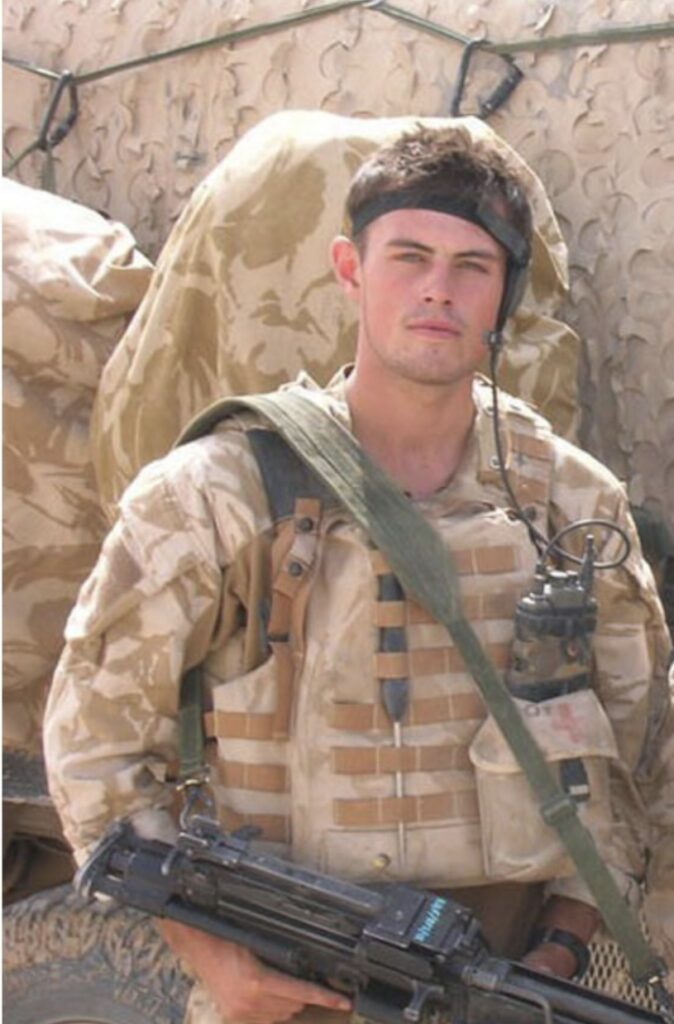
Senior Aircraftman Ryan Tomlin was just 21 when he was killed while serving on patrol in Helmand Province, Afghanistan.
Family friend Kirsti Harrington said: “A proud member of 2 Squadron RAF Regiment, Ryan joined in 2008 and on completion of his Gunners courses was based at RAF Honington.
“Ryan’s first tour of Afghanistan was in 2010, where he served as a specialist driver in the defence of Kandahar Airfield.
“Ryan distinguished himself as a skilled, dedicated and courageous gunner, earning his sniper qualification – a mark of his exceptional ability and professionalism.
“In October 2011, he deployed again with No. 3 RAF Force Protection Wing at Camp Bastion, supporting ground operations amid the challenges of a harsh winter. He was relied upon by his colleagues for vital surveillance, reconnaissance and long-range fire support.
“Sadly whilst out on patrol supporting and engaging with local Afghans in the Nad ‘Ali district, Ryan was fatally wounded.
“To those he served with, Ryan was known not only for his commitment and determination but also for his warmth, humour and ability to lift the spirits of everyone around him. An ability that prevailed in the heat of operations or in the everyday challenges of life.
“To his friends, he will be remembered for his infectious smile, his endless energy, and his unfailing kindness. The joy, laughter, and adventures shared will remain treasured memories, never fading with time.

Ernest “Ern”, Banyard was born on April 15 1880, the second eldest of 12 siblings. He joined the Royal Navy in August 1899 and was assigned to HMS Natal as mechanician in January 1914.
His great niece Caroline Chopping said: “On December 30 1915 HMS Natal was anchored in Cromarty Firth, Scotland, most of the crew and some families were aboard.
“As a result of faulty cordite, ammunition exploded and HMS Natal was sunk with great loss of life, including civilians. Ernest’s body was never recovered; he was 35 years old and survived by his wife Nellie and three young children. He was remembered fondly by his youngest sister Mabel.
“His name is recorded at Chatham Naval Memorial and there is a buoy marking the location of the wreck in Cromarty Firth.”
Caroline attended commemorations for those lost aboard HMS Natal at Invergordon and Cromarty in September 2015, and also visited the grave of another relative in March 2016.
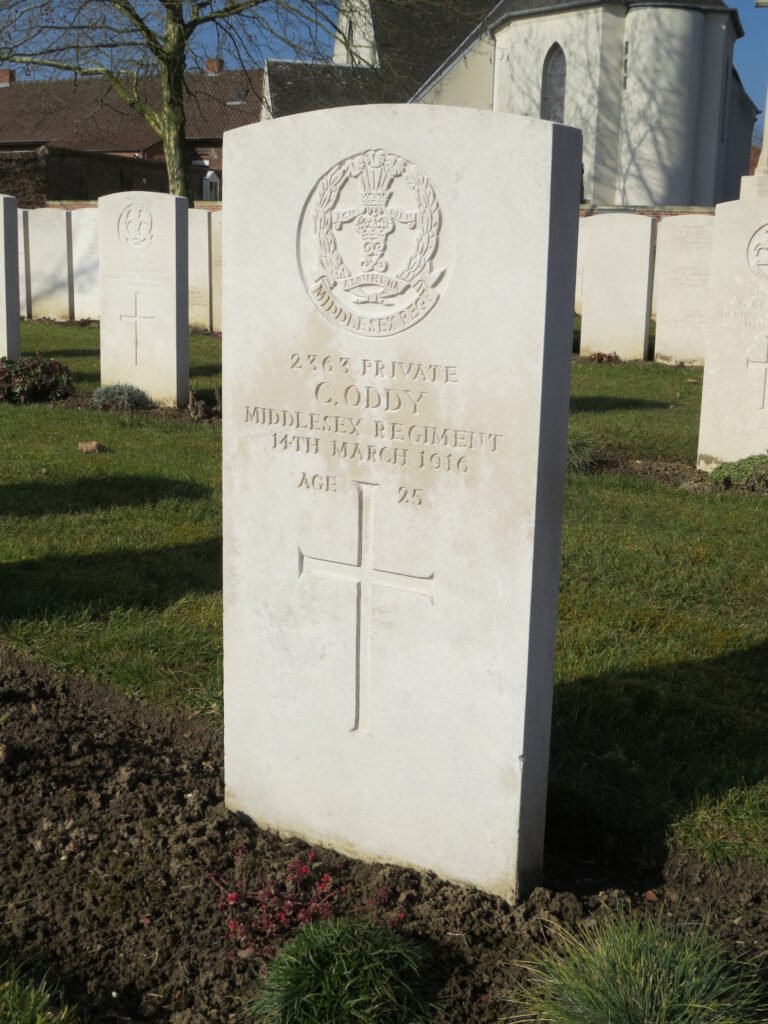
Charles Oddy, born December 23 1890, was killed in action aged just 25 on March 14 1916, and is buried and commemorated at the Cambrin Churchyard Extension in France.
Caroline said: “He served as a Private with the 18th Middlesex Battalion, digging trenches and providing communications to the front line.”
Lucy Simpkins recalled her own family stories: “My grandpa Reg lived 99 years, but his big brother only 19. What a sad and striking juxtaposition of lives lived and lost.”
Private James W Simpkins, was killed in action on April 9 1918 while serving with the Machine Gun Corps. In a message conveying the sympathy of the officers and men of the company, it was stated that he was “fighting gallantly” when he met his death.
Roger Petts’ father Arthur served with the Royal Army Medical Corps during the First World War.
He recalls: “My father was an accountant before the First World War and in February 1916 he joined The Royal Army Medical Corps, where he was eventually summoned as a stretcher bearer to backfill the very heavy attrition being experienced on the Western Front.
“In the papers he left me, he describes in some detail the shock of moving from civilian life to military life in war, but in none of these diaries or papers does he describe the life of a stretcher bearer on the front line between 1917 and 1918 in most of the major engagements in that period.
“Only once did he tell me of the horrors he experienced trying to get wounded men back from the battlefield to a first aid station. Opening up to me led to a breakdown that lasted for over a week. This reluctance to talk about what he went through is shared by nearly all of those who were in combat.
“After the war, my father suffered from severe migraines for many years and he never ever talked about the war again. He did however attend old comrades’ reunions in London every year up until just before his death.”
Lance Corporal James Henry Wade was born in 1897 in Hoxton. Trained as a piano polisher, he had tried to enlist earlier in the war but failed the medical.
His relative Robert Wye explained: “Due to the high casualties the medical standards were lowered and he managed to enlist on April 29 1916 in Islington aged 18. He joined the 16th Battalion Rifle Brigade S/18045 and was part of a Lewis machine gun team. He took part at the Battle of Passchendaele on July 31 1917 and was promoted to Lance Corporal on that day he took part in the attack near Pilckem Ridge, Ypres.
“He was wounded in the face by enemy shrapnel in the attack and was sent to Etaples hospital where he died of wounds on August 7 and is buried in the military cemetery there. He was just 20 years old.”
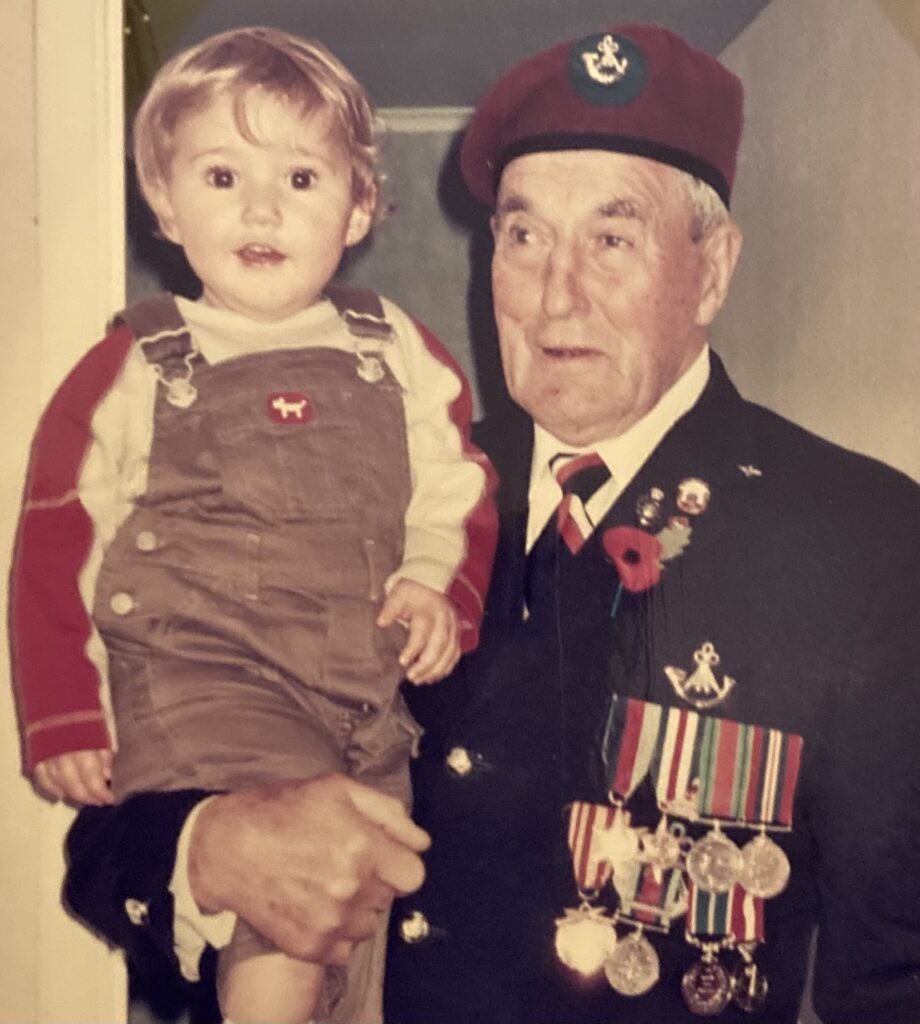
Sarah Beasley is commemorating her grandad Samuel Eric Field on the Roll of Honour.
She said: “He was a great influence on my life. He was very proud to have been a soldier in the Second World War and I am pleased to be able to celebrate his life.
“He joined the 52nd Oxford and Bucks Regiment in 1939 then trained with the 1st and 6th Airborne forces in gliders. His red beret was a prized possession as only those in an airborne regiment were able to wear one. He died in 2008, just after his 90th birthday.”
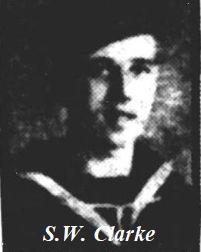
Aivars King is commemorating his two great uncles, Stanley William Clarke and Hilary Laurence Clarke.
He said: “Stanley volunteered to join the Royal Navy when the war started. He was the youngest of three brothers raised by my great-grandmother after her husband died in 1921. He was an electrician in Leicester by trade and was posted to serve as a wireman on the battle cruiser HMS Hood.
He saw action against the French fleet at Mers-El-Kebir in 1940 and died with 1415 of his crew mates when the Hood was sunk by the German battleship Bismark in May 1941. He is commemorated on the Hood memorial at Portsmouth. He was 19.
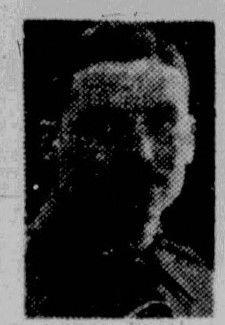
“Hilary was a Constable in the Met Police based at Hammersmith. He was the middle of my great-grandmother’s three sons and was married with a young daughter. After his youngest brother Stanley died on the Hood, he joined the Royal Fusiliers and then volunteered for the Commandos as part of the 1st Police Intake of 1942.
“He was involved in the Allied landings in Sicily and died in an engagement with Italian and German forces at Malati Bridge (3 Commando Bridge). He is buried in Syracuse War Cemetery on Sicily. He is commemorated on the war memorial in Hammersmith police station. He was 24.”
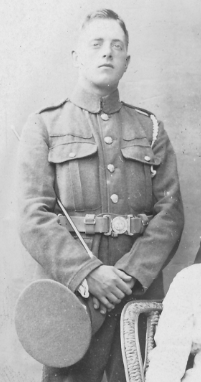
Sarah Fox is one of the great nieces of Bernard Stevens, who died at the Third Battle of Ypres.
“He was born on October 5 1895, youngest of three brothers and one sister, and both his parents had died by the time Bernard was six.
“He was supported by his uncle and siblings, eventually living with his sister, Lilian and her family. He joined up with the Royal Fusiliers in January 1915, and left for France in March 1916. Bernard was wounded several times and returned to his battalion only to be killed in action on September 26 1917 at Passchendaele, the Third Battle of Ypres, Belgium, aged just 21.
“He has no known grave and has only been commemorated at Tyne Cot Cemetery since July 2016 after evidence of his service during WWI was submitted to the Commonwealth War Graves Commission. Bernard is remembered by the descendants of the Stevens family.”

Sergeant Edward Caesar (E.C) Compton is remembered by his great-grandson Freddie Miles. Born in 1912, he served with the 280th Battery, 49th Light Anti-Aircraft Regiment in the Sicily campaign, but was tragically killed on the Adrano-Bronte Road on August 9 1943 at the age of 31. He is buried in the Commonwealth Catania War Cemetery.
Freddie said: “In the ‘Battles of a Gunner Officer’ by John Philip Jones, which is based on the diary of Major Peter Pettit, who served in 17th Field, he makes reference to the day of Sgt. Compton’s passing.
“His entry for 9th August references one incident involving a wounded LAA gunner. The diary recounts how a wounded LAA gunner was being helped by some officers of 17 Field when another shell landed amongst the group with horrific consequences.
“We can’t be sure the LAA gunner is Compton but he is certainly one of the three killed. The shelling was in fact by Nebelwerfers – these are multi-barrelled mortars, known as ‘Moaning Minnies’ by soldiers because of the screaming noise they made.”
Sgt Compton was posthumously mentioned in despatches on March 23 1944 in recognition of his gallant and distinguished service in Sicily.
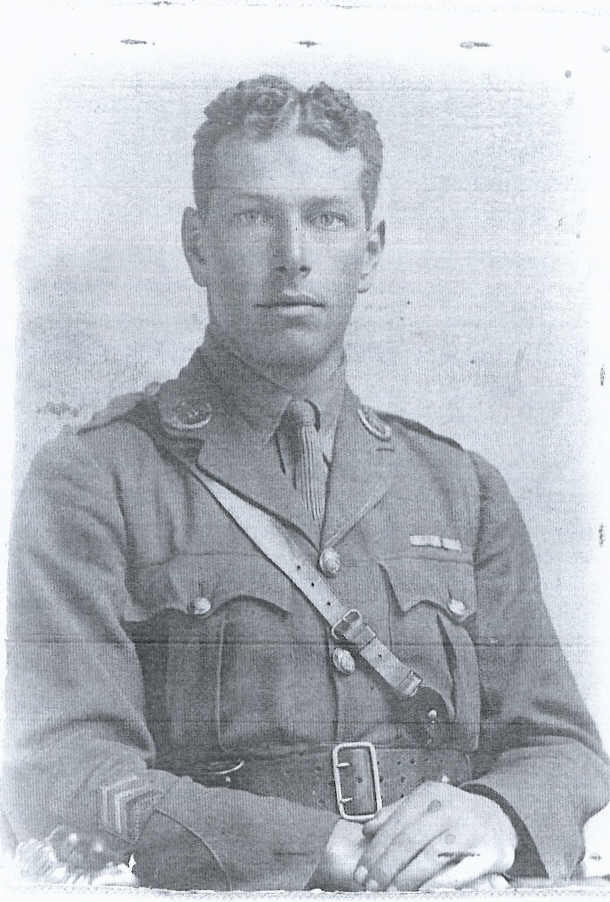
Harold K Turner, the half second cousin of celebrated British economist John Maynard Keynes, is remembered by his family.
He was born in 1894 in Dawley, Shropshire, where he attended Shrewsbury School.
He was awarded the Military Cross during the First World War for his bravery when, in late November 1915, as a 2nd Lieutenant in the Shropshire Light Infantry, he led a group of men behind enemy lines to get water.
The letter remarking on his “gallant and distinguished services in the Field” was signed by none other than Winston Churchill, at the time Secretary of State for War.
He died aged 84 in Weybridge, Surrey on January 26 1978.
To book tickets for Poppy Fields by Luxmuralis, visit https://www.stalbanscathedral.org/event/poppy-fields
