


28 Oct 2026
It was way back in 2009 that I had my first introduction to the work of Grove House, then just a St Albans-based resource which had opened in 1994 following a community fundraising campaign, writes Matt Adams.
Reflecting its involvement in the late Lord Robert Runcie’s bid to raise £1m for a purpose-built hospice in the city, the Herts Advertiser ran a weekly column highlighting its campaigns and achievements, something I was keen to continue as editor.
In fact Grove House had such a prominent position in the local community that it was the designated recipient of almost every charity event which took place in the district, including the flagship Herts 10K, which was launched in 2006 by SACFC co-owner Lawrence Levy.
As well as paying a visit to the iconic facility itself, based on the grounds of St Albans City Hospital, I moved the charity’s weekly column into a more prominent slot in the Herts Ad, and embarked on the first of what would be many fundraisers – a tandem freefall skydive from 13,000ft at Brackley airfield in Northants.
This was followed by participation in various other events, including the Muddy Mucker extreme activity course in 2016 and a 5K obstacle course and fun run at Hammonds End Farm in Harpenden in 2018.
Meanwhile Grove House merged with Iain Rennie Hospice at Home in 2011, and then Peace Hospice Care in 2023, eventually being known as Rennie Grove Peace Hospice Care, and serving a region of 800,000 people which now encompassed both Herts and Bucks.
Following my departure from the HA in 2022, the weekly column continued to feature within its pages, until it was recently dropped as a regular feature, leaving the charity bereft of a permanent home within any local media.
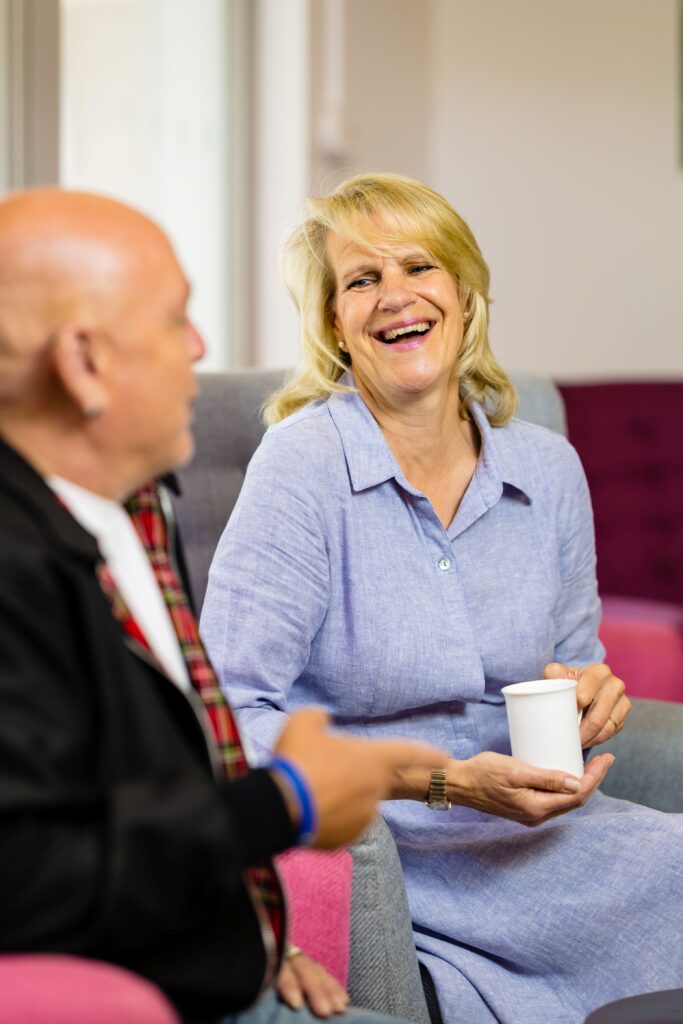
Now, almost 20 years after my first involvement with Grove House, I paid a return visit to the facility ahead of launching a new regular feature focusing on the work and fundraising activities of Rennie Grove Peace Hospice Care here in the St Albans district.
Following an extensive refurbishment in 2019-20, the building has been transformed into a state-of-the-art hub of hospice care for local patients, so it looked a far cry from my previous visit.
The old conservatories at the rear have been replaced with new purpose-build zones for frontline care delivery, there are new flexible areas for children and young adults requiring life-limiting illness support, and a modern education suite has been added dedicated to training healthcare professionals and hospice staff.
In a bid to find out what has changed over the past few decades, both in terms of service need and provision, I sat down with chief clinical officer Jackie Tritton for a catch-up.
“Hospice care has really radically changed over the past 20 years because the way people are dying is changing, and people are living longer, but they’re not necessarily living healthier.
“Traditionally a lot of cancer patients would come to the hospice quite late in the stage of their illness following acute medical treatment.
“The oncologist would say, ‘I’m sorry current treatments are no longer having a benefit, let’s move you to the hospice’. But now people are living longer due to advances in treatments, so we’re seeing more referrals for people with a whole range of diagnoses, including heart failure, respiratory failure and other progressive life limiting conditions. We also find many patients are living with more than one condition and may also have dementia or frailty.
“This means our multi-disciplinary teams need to have the advanced clinical knowledge and skills to manage a complex variety of symptoms.
“To reach more people earlier in their illness and help them manage complex symptoms so they can live well throughout it, we now have four patient pathways: Early support, Living Well, Dying Well and Bereavement.”
Helen Hextall, day services senior nurse, explains: “The early support pathway is crucial because the earlier we see patients and their families, the longer we have a relationship with them. We can understand their wishes and choices, and more people can have a choice to die at home if we work towards that from earlier in their illness.
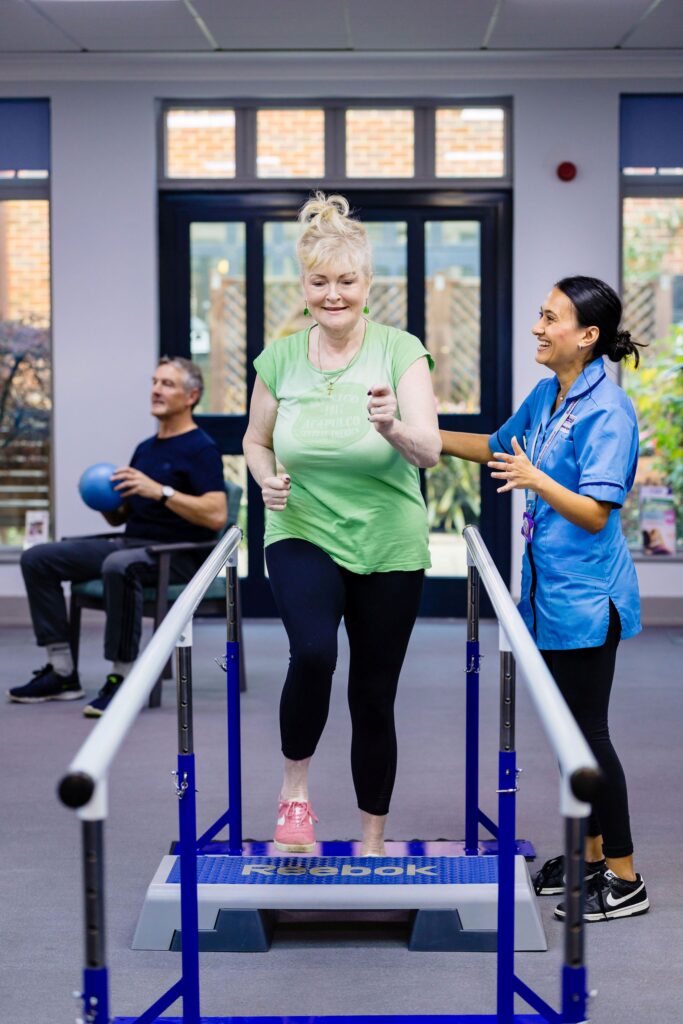
“We have two Living Well Centres that support people living with a life-limiting illness to live as well as possible for as long as possible. Through these services, we focus on empowering people, supporting self-management, and facilitating important conversations about future care and Advance Care Planning.
“We’re focused on seeing the patient as an individual and making sure it’s not just about their physical symptoms, it’s about their social and psychological support, and the patient as a whole person.”
Jackie elaborates: “Then there’s our dying well pathway, which is where our community teams and inpatient unit focus on the people who will be imminently coming to their end-of-life care.
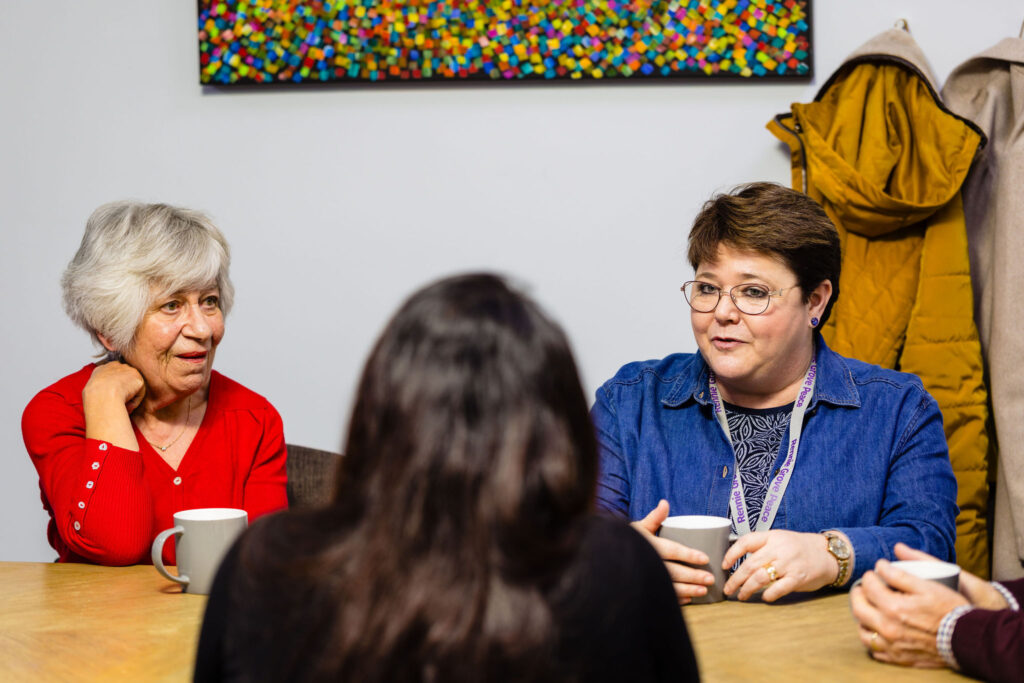
“Our fourth pathway is Bereavement. Our support doesn’t stop when somebody dies. Our bereavement, listening and talking therapy service is here to support people through bereavement in a variety of ways from community-based Compassionate Cafés to volunteer listening and group or individual counselling.”
Rennie Grove Peace is now one of the larger hospice charities in the UK. For the people of St Albans the services offered at Grove House and by the community Hospice at Home teams are probably the most well-known. Outside the city, Rennie Grove Peace also has an Inpatient Unit at Peace Hospice in Watford and provides Hospice at Home care in parts of Buckinghamshire as well as south west Hertfordshire.
One of the biggest challenges faced by the charity is tackling misconceptions about hospice care. The charity recently found that 81 per cent of people in Herts and Bucks hold one or more outdates or inaccurate belief about hospice care. Including things like ‘it’s just a place to go to die’, ‘hospice care is only for people with cancer’ or ‘hospices are like hospitals’.
These misconceptions can put people off accessing care, or lead to them accessing care very late in their illness and missing out on a whole range of support that could have helped them.
Jackie adds: “We serve a diverse population with a wide range of needs, spanning different communities, cultures, and localities, including areas of both affluence and deprivation.
“As we look to the future, it is important that our services continue to evolve and remain responsive to the needs of current and future patients, their families, and those who care for them, ensuring equitable and person-centred support for all.”
With our forthcoming column we’re aiming to showcase the full range of services the hospice provides – and how it raises the funds needed to deliver them – to ensure that everybody in St Albans knows what is available and how to access it if they, or somebody they know, is diagnosed with a progressive life-limiting illness.
