15 Oct 2024
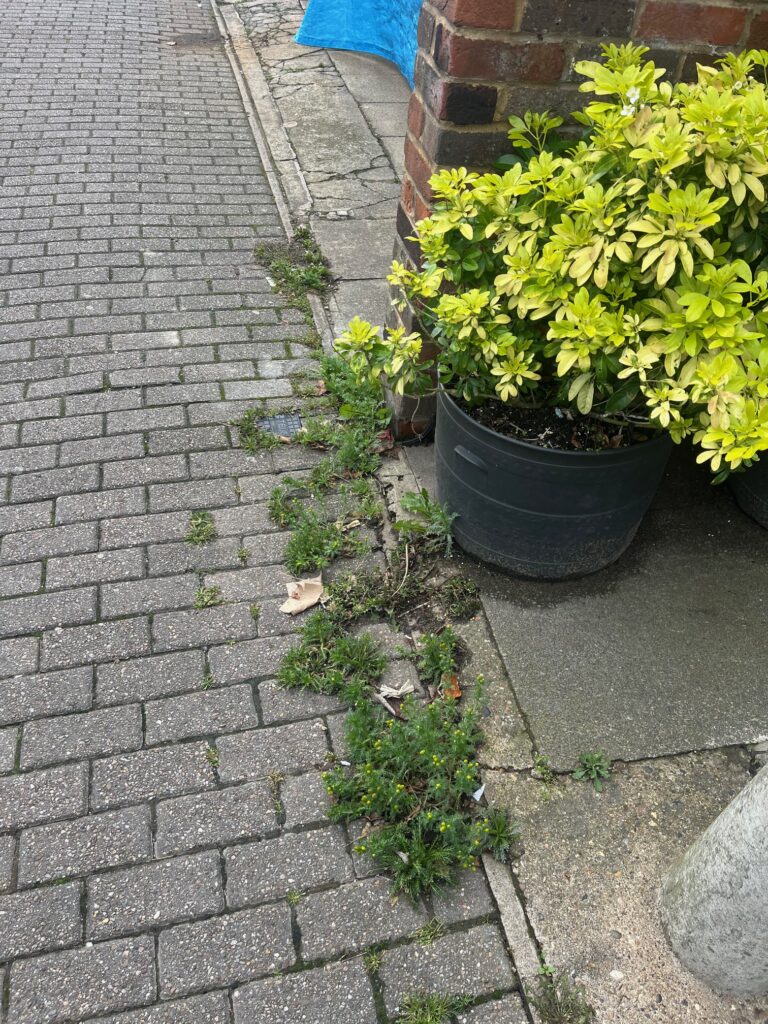
It is said it will take thousands of years for nature to reassert itself over the remnants of civilisation should humanity vanish from the Earth. Walking around St Albans city centre you’d be right in thinking it’s already off to a good start.
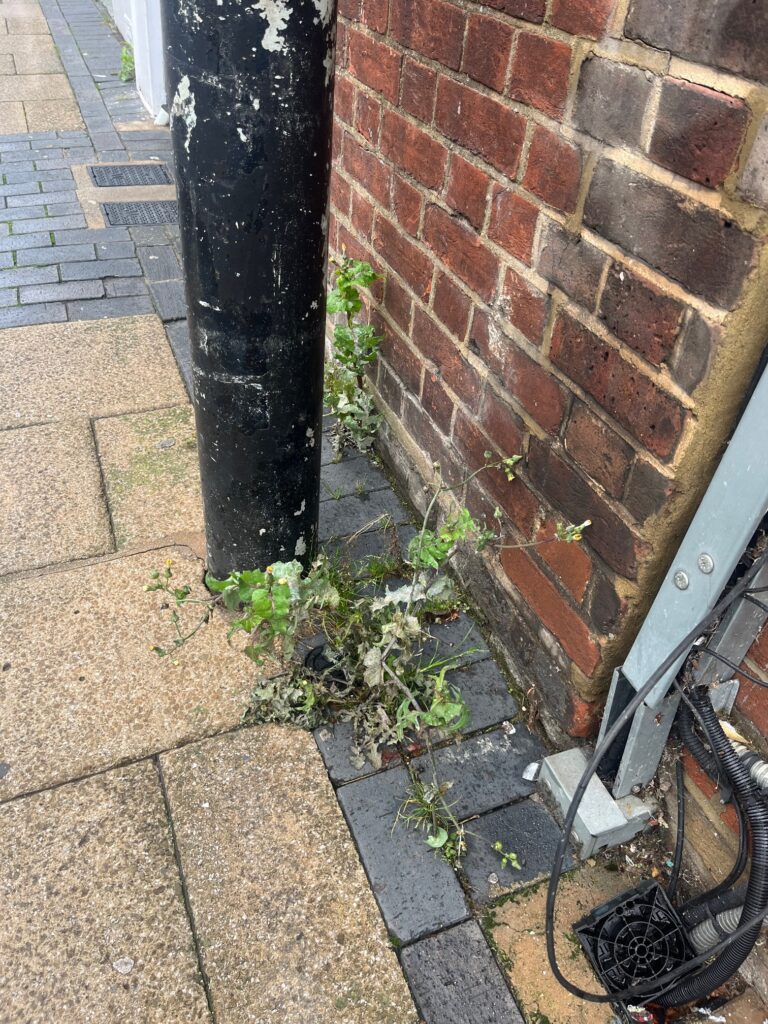
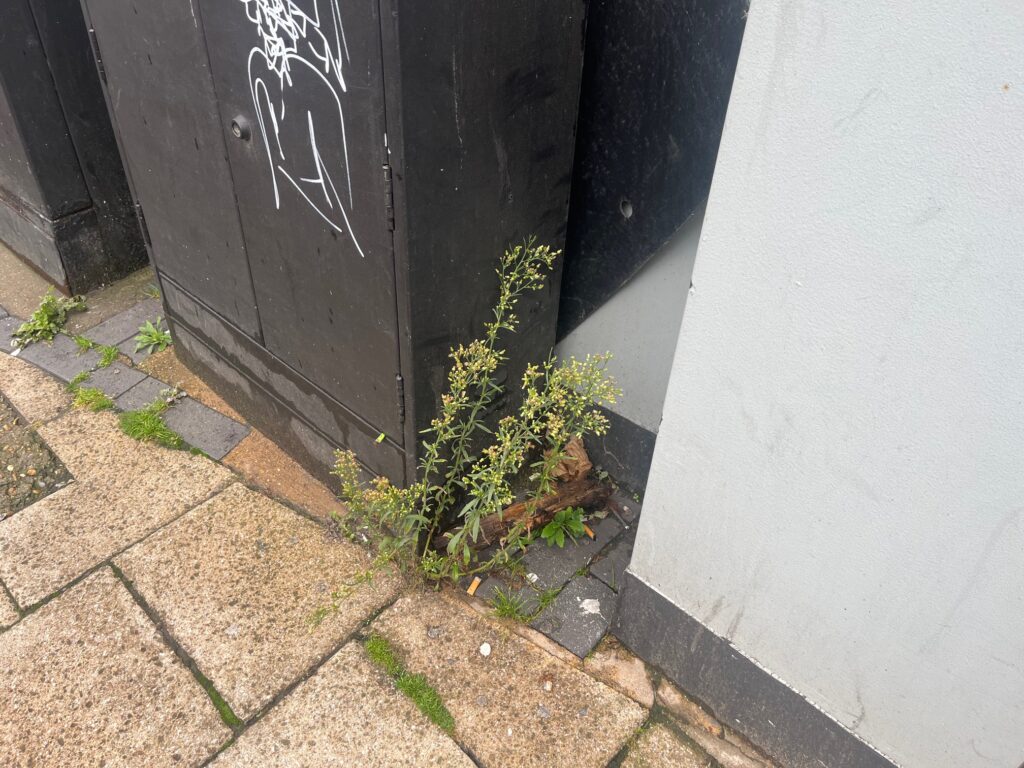
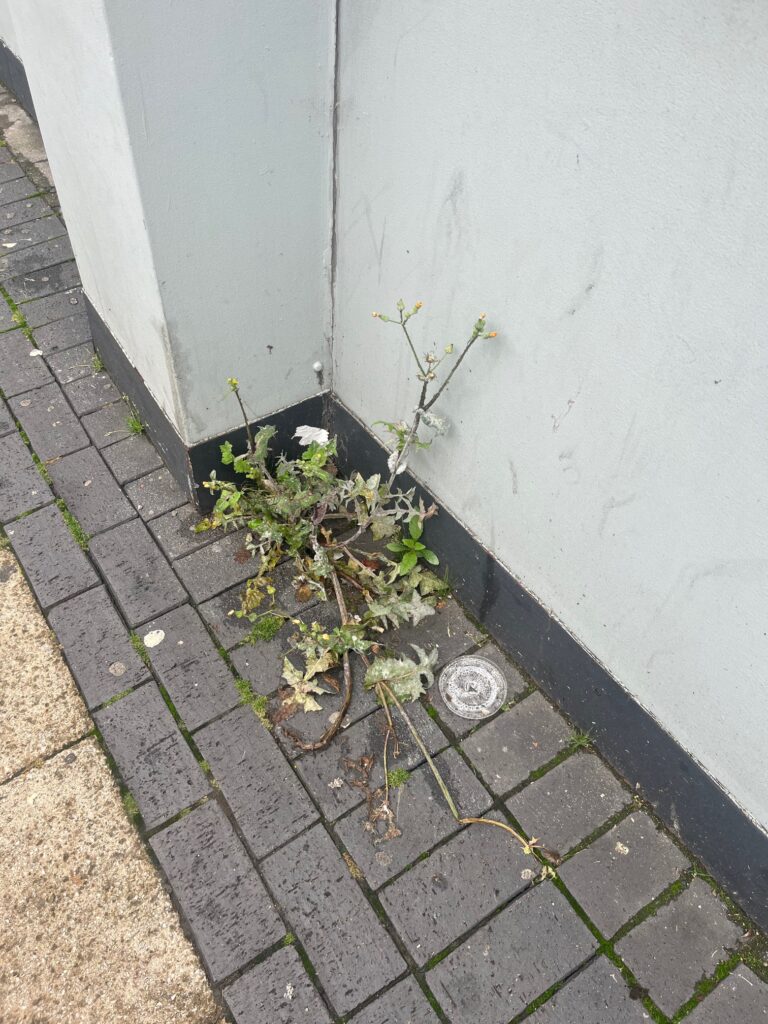
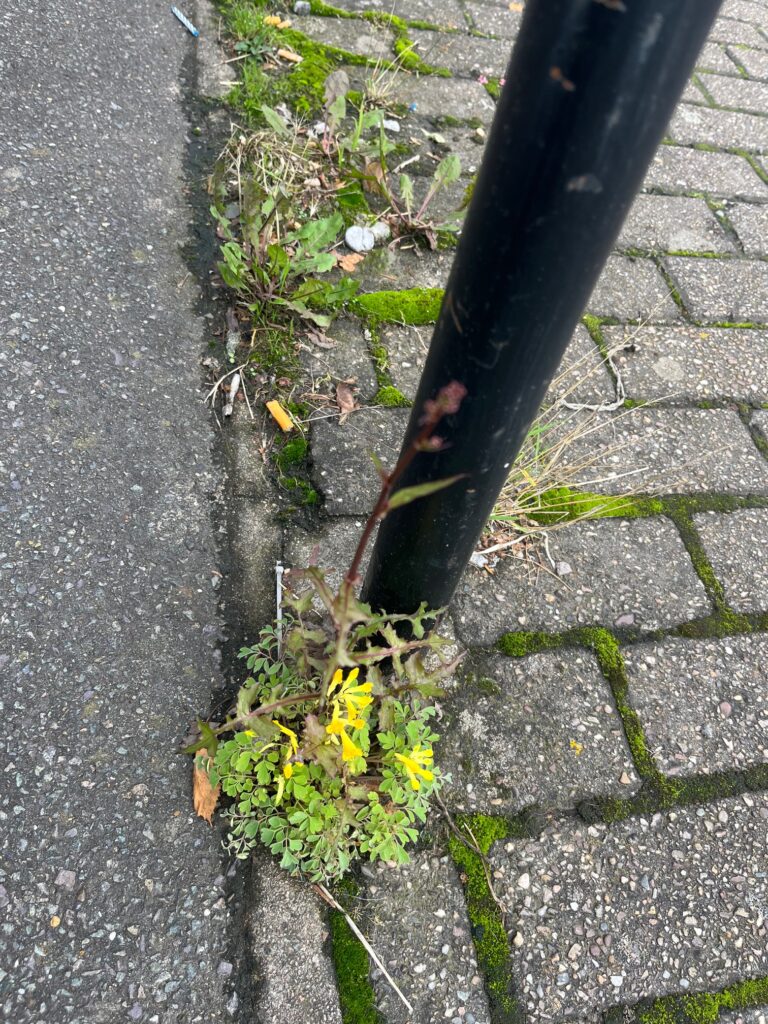
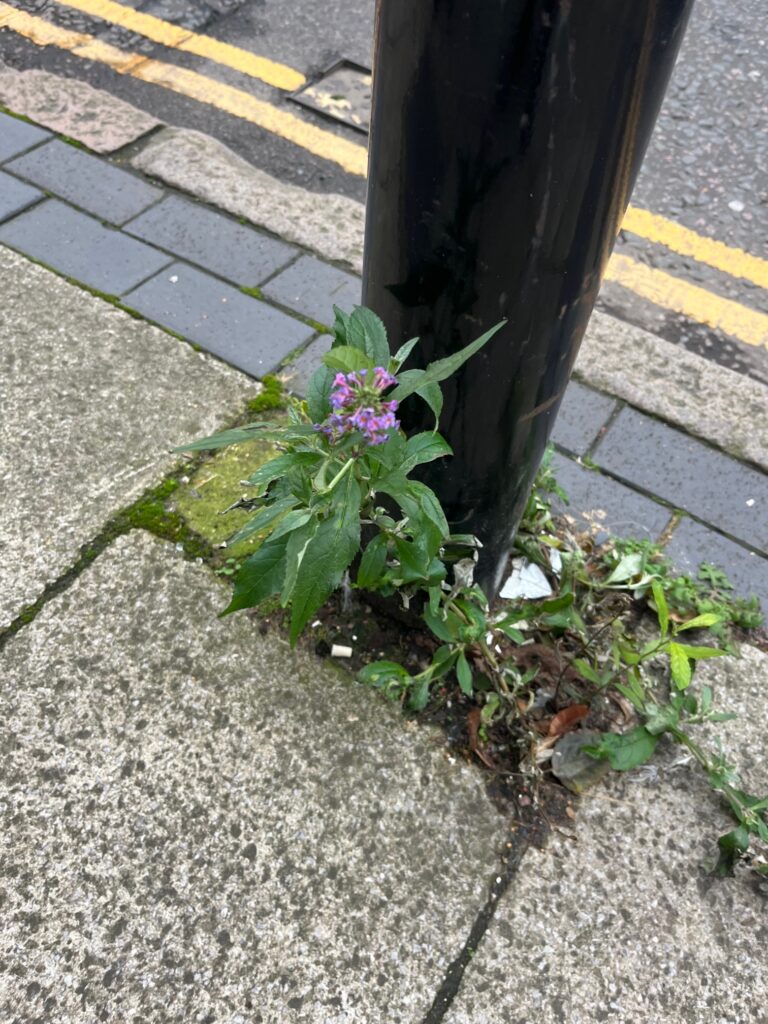
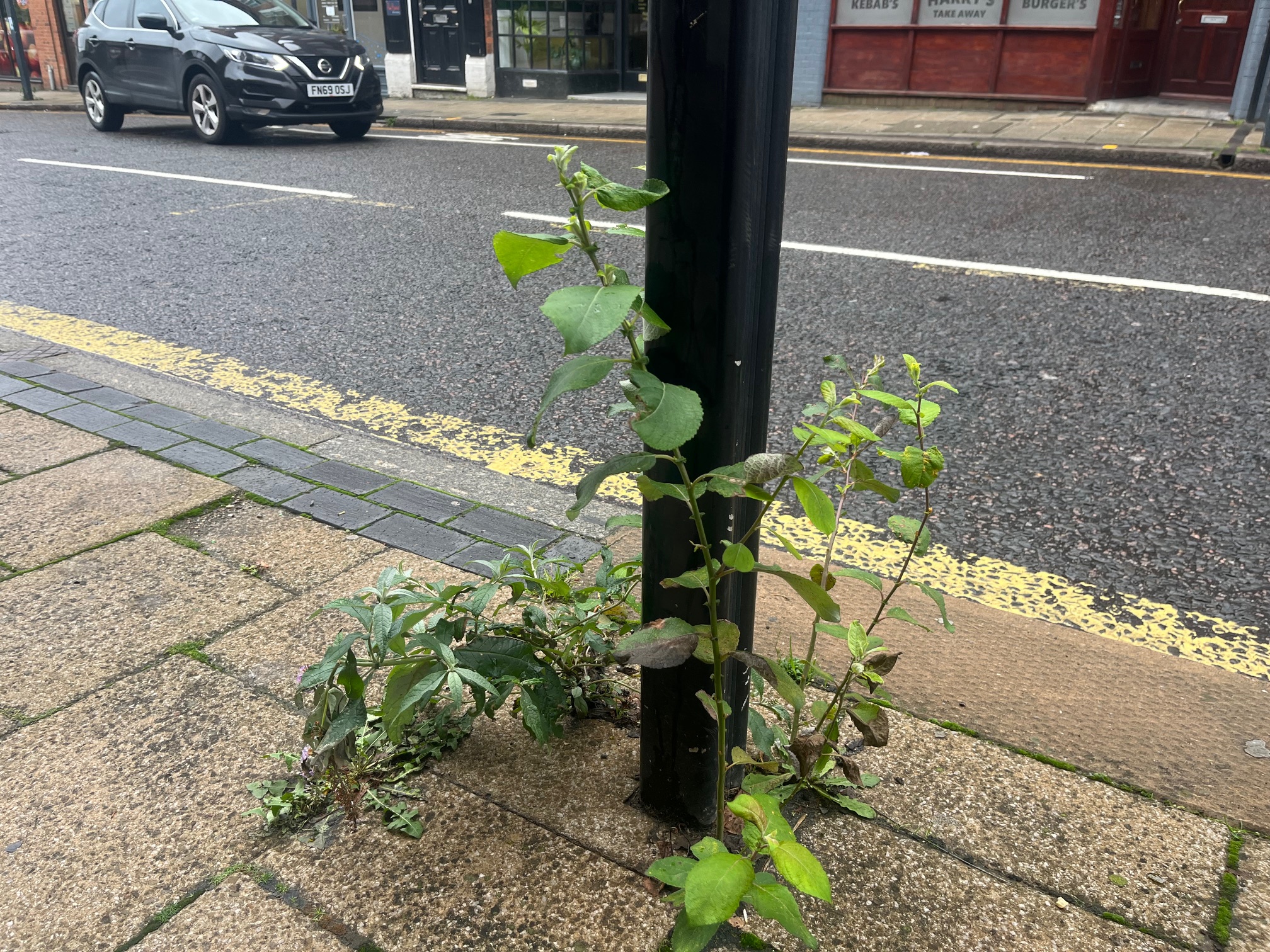
Weeds, moss and grass can be found protruding from pavements, creeping out of cracks and there is even a buddleia growing out of the side of a lamppost in London Road, one of the main throughfares into the city centre.
The image this presents to visitors and residents is hardly going to be a positive one – our streets look tired and neglected, almost as if nobody can be bothered maintaining them.
Is it just a coincidence that SADC has reduced the number of annual weed sprays from three to two in order to save £5,280 a year on its ground maintenance contract?
Viv Cannon, manager of St Albans BID (Business Improvement District), said: “A well-maintained street scene will always present a positive welcome for residents and visitors alike. BID will explore what plans the council has to address the existing growth of weeds aside from their budgetary decision.”
SADC strategic director for community and place delivery Chris Traill explained their current policy: “We carry out a highway weed spray twice a year on behalf of the highways authority, Hertfordshire County Council. The work is funded by them and carried out to their specifications.
“We have had very few complaints about the effectiveness of the spraying regime. We cannot guarantee every single weed will be removed, but our contractor is obliged to respray any areas of concern.
“The two sprays take place around May and September. The most recent round has been completed but it will take a few weeks for its effects to be fully visible.”
Chris elaborated on the process used to tackle weeds: “The current directive from the county council is that we should continue to spray with glyphosate and the application conforms to best practice.
“Other techniques such as electric, hot foam and flame removal tend to not work as well or are not sustainable due to the use of fossil fuel to power the equipment.
“However, we are running a trial with the county council, the Herts and Middlesex Wildlife Trust and a Wilderhood Watch group to test a new approach.
“This involves us not treating the weeds, but instead we are helping resident volunteers participate in a community initiative to remove the weeds themselves.
“If this pilot is successful and captures the imagination of residents, it may be continued and rolled out elsewhere.”