18 Jul 2023
A grassroots campaign has been launched to save mature trees in St Albans threatened with destruction by Network Rail.
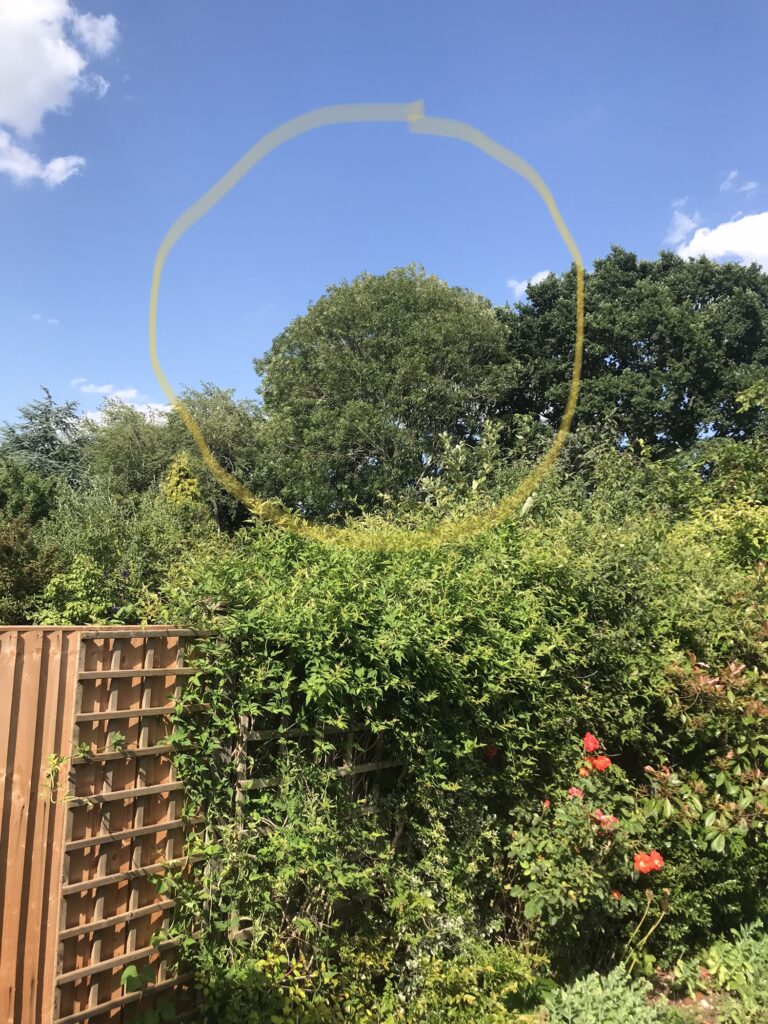
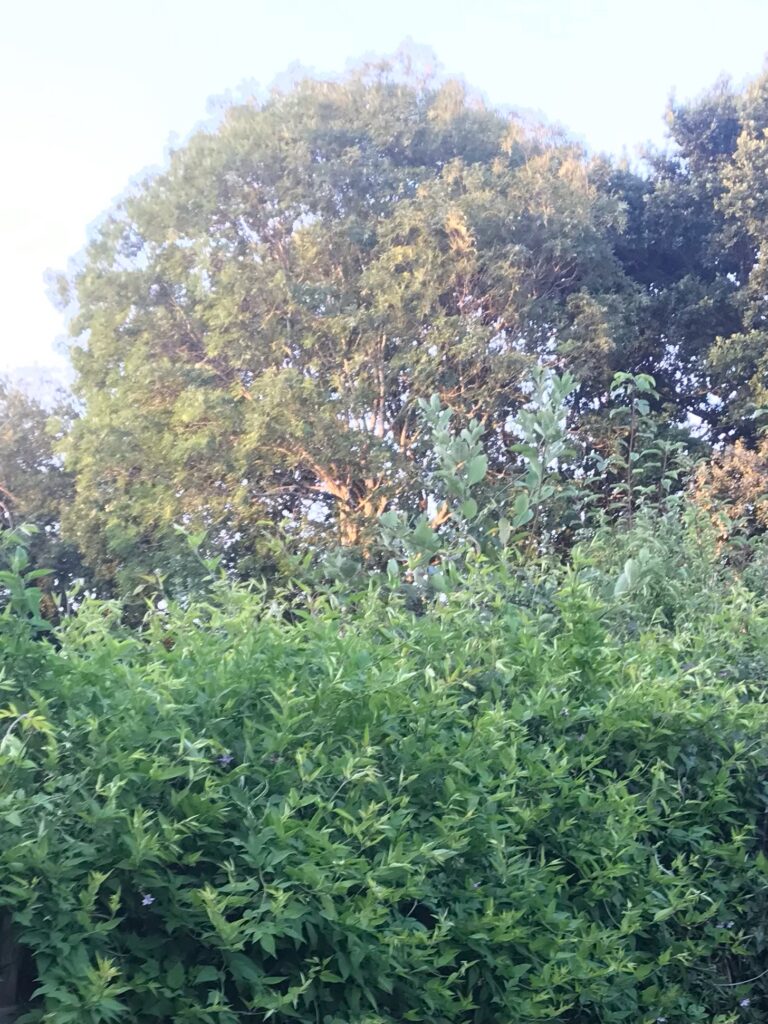
Wilderhood Watch is made up of residents from Lancaster Road and Gurney Court Road, who are angry at plans to remove many of the trees behind their gardens – including sycamore and ash – which are home to bat roosts, badger setts and nesting birds.
The campaign group fears the effect on this green corridor will be irreversible.
They point out that according to Network Rail’s own statistics, only 1,400 out of their 13 million trackside trees have fallen on the line. This means if they fell any tree within 6.5m of the track then 9,000 would have to be cut down to prevent just one from falling.
Last week residents met with the contractors who are overseeing the work, and although they said there may be some leeway regarding the larger oak trees, ultimately they will carry out Network Rail’s instructions.
Nadia Bishara, who is leading the Wilderhood campaign, said: “Even if they adhere to legalities regarding protected species such as badgers and bats (and they’ve assured us that they will), the work will still be devastating.
“Shining a light on Network Rail’s policies will hopefully show people that they are cutting down or severely topping hundreds of thousands of trees, even though the risk of one of them actually falling on the line is minimal.
“It’s not that trees don’t fall on the line – we all know they do. But considering the length of the railway and the number of trees along it, the proportion of fallen trees is tiny.
“We believe Network Rail should only be removing trees that pose a genuine risk.
“The majority of the mature trees along the Lancaster Road side of the cutting are healthy and stable – the risk they pose is pretty much zero.
“In terms of leaves on the line, which is an issue during autumn months, again we think their policies are disproportionate. If people realised Network Rail was cutting hundreds of thousands of trees down because leaves on the line caused delays, I think most people would accept the delays.
“Generally trains are delayed anyway for many reasons – at least if people are being delayed by trees they know they are still standing, mitigating against climate change and protecting diversity. It’s a small price to pay.
“The company is also engaged in pure greenwashing with messages such as ‘we’ve changed our policies since 2018 and are now creating habitats while managing vegetation’.
“This actually means they’re now creating log piles from trees they’ve killed, and sowing wildflower seeds in lieu of the mature, irreplaceable woodland they’ve devastated.
“Wouldn’t it be great if Network Rail could genuinely preserve woodland along the train line instead and publicise it with a message such as ‘Sorry for the slight delay due to leaves on the track. As proud guardians of our forests, we hope you’ll understand that this is a small price to pay for preserving our natural environment’? I don’t think many people would have a problem with that.”
Neighbour Jon Bulloch said: “Network Rail have historically been responsible for a ‘scorched earth’ approach to tree management, with huge numbers of healthy trees removed unnecessarily. The number of trees falling on Network Rail land is roughly one in 9,000, so the pre-emptive removal of trees to prevent them falling on the lines results in literally tens of thousands of trees being removed to achieve only a tiny reduction in the risk of tree-fall. It’s the very definition of disproportionate.
“We’ve had assurances from Network Rail’s representatives that their approach has changed, and that healthy mature hardwood trees, such as the large oaks and hornbeams along the tops of the banks present no realistic danger and need not be significantly affected. We will be holding them to their word on this.”
Tara Scott, East Midlands infrastructure director for Network Rail responded to the growing anger about the works: “With 20,000 miles of track and many millions of trees growing on the lineside, carefully managing vegetation on the railway is one of our most important safety issues.
“We need to cut back some trees along the line between St. Albans and Harpenden which are within 6.5 metres of the tracks, and prune or reduce any beyond that.
“Overgrown trees can make it difficult for drivers to see signals clearly, blow onto the line during storms, or cause a slippery build-up of leaves on the tracks in the autumn.
“We have engaged with local residents throughout this process, which included two public information events and extensive house visits.
“As part of our commitment to biodiversity, we have also consulted The Tree Council directly. Logs and branches will either be left on site to create a safe habitat for wildlife, chipped and spread evenly across the site or completely removed. In safe locations, standing dead timber will be retained, or created from trees that require removal to provide valuable habitats.
“We’re really sorry that this has upset some residents, however this work is absolutely vital so that we can continue to safely run the railway.”