10 Mar 2026
An estimated 70 cubic metres of earth are set to be displaced over the course of a high-profile archaeological dig at a St Albans pub.
Ahead of the redevelopment of the Rose and Crown in St Michael’s village, members of the St Albans Museums Archaeology team have returned to the site for a major excavation project.
It comes in the wake of last summer’s community dig, which saw DRP Archaeology, Minerva Archaeology Ltd, and Verulamium Museum – with guidance from Place Services and Historic England – carry out exploratory work on the site.
That particular excavation found modern, medieval and Roman contexts, and resulted in archaeologists returning as part of a more detailed examination of the area.
The Rose and Crown is located within the historic area of Verulamium – one of the largest Roman cities in Britain – itself built over a major Iron Age settlement.
During the Anglo-Saxon period, Verulamium evolved into St Michael’s village and continued to develop through the medieval and post-medieval eras into the city we know today.
The pub itself dates back to the 16th century, but before that the site would have been in the medieval village of St Michael’s, with a series of inns all the way down the street to capture the pilgrimage trade visiting the shrine of St Alban. Before that was the earlier church of St Michael’s, which would have been surrounded by a series of other buildings, so there is plenty of potential for archaeological finds.
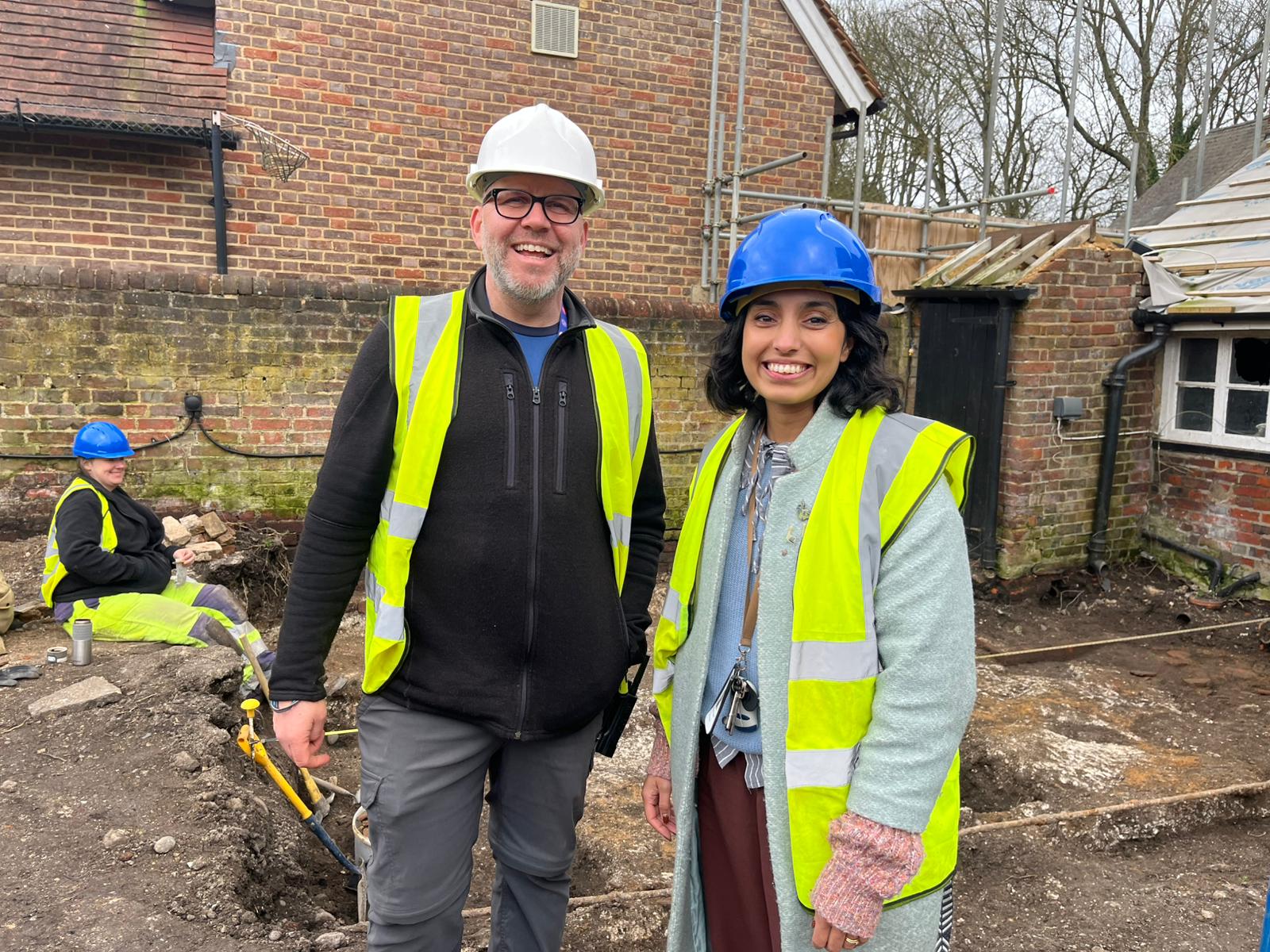
Archaeologist Tom Lucas, who is responsible for developing, maintaining and advancing the knowledge of archaeology for St Albans Museums, has been involved with both digs.
In contrast to the first pub dig, which saw a lot of volunteers getting involved, this one is being run by a professional team of archaeologists working alongside St Albans Museums, working to a tight window to carry out a thorough excavation.
Tom explained why they have returned to the site: “What we found last time was intercutting archaeology with everything from modern to Victorian, down to post-medieval and medieval, and then to Roman.
“It proved there is a whole plethora of archaeology in this area and we needed to excavate more.
“But there are time constraints this time round, and it’s just more complicated when you’re doing it on this scale. Students and volunteers can do great jobs, but you have to spend a lot of time helping them and making sure they’re doing everything correctly, and at the end of the day this is being paid for by the developer.”
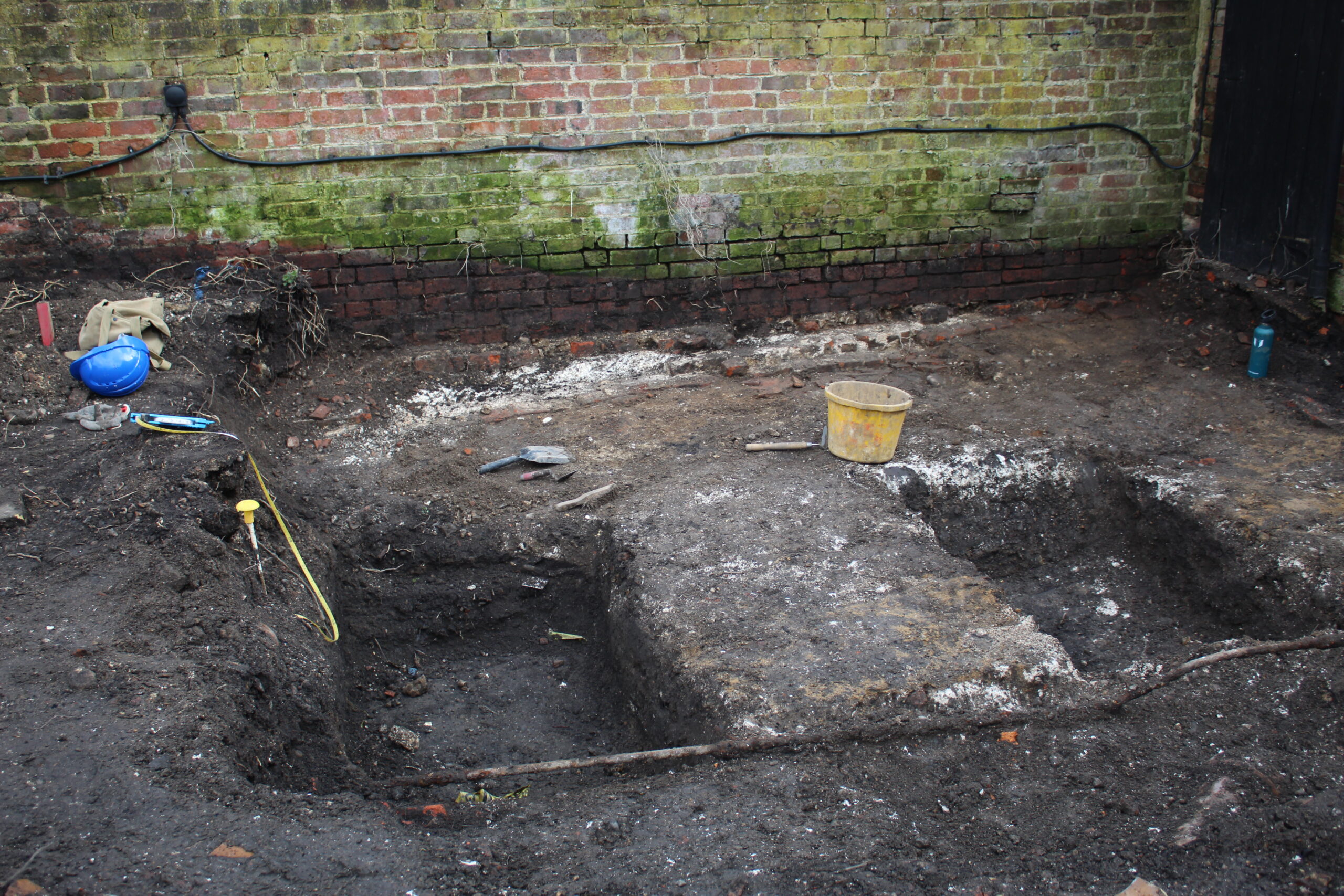
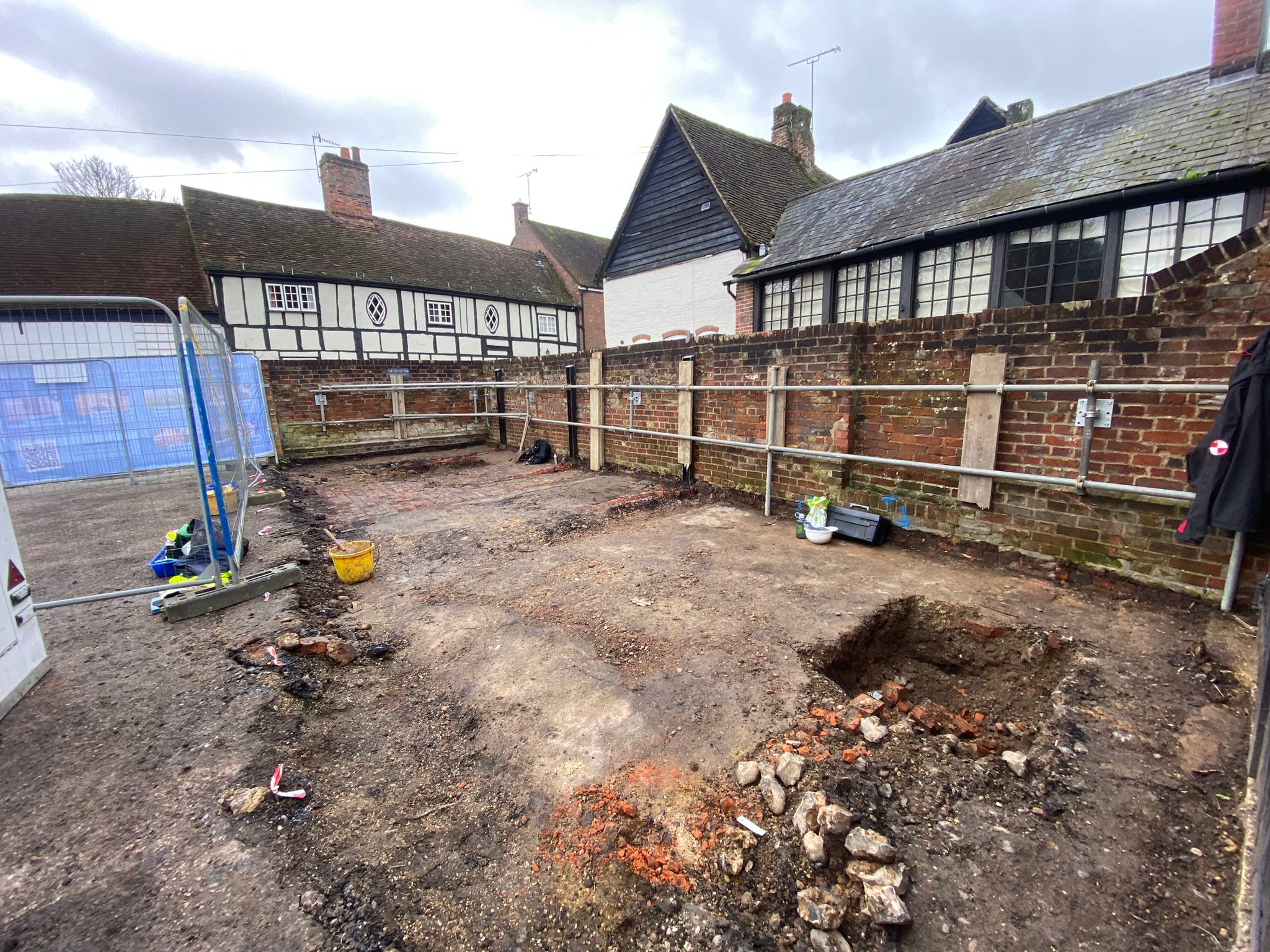
There are two digs taking place, one to the left as you look at the pub, and another to the rear near the kitchen. Both are going down to about a metre, which is a safe limit before you have to shore up the sides of any hole.
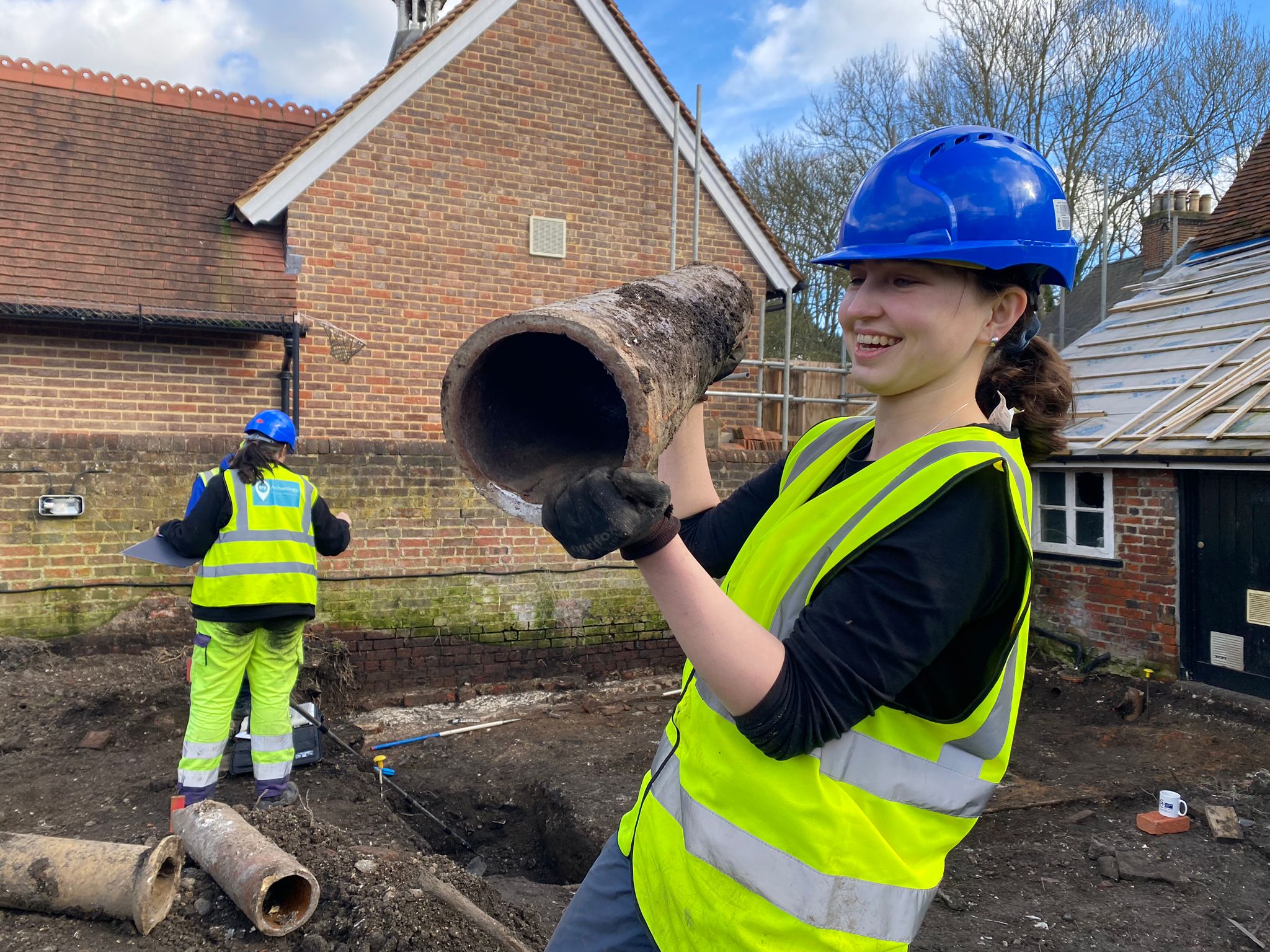
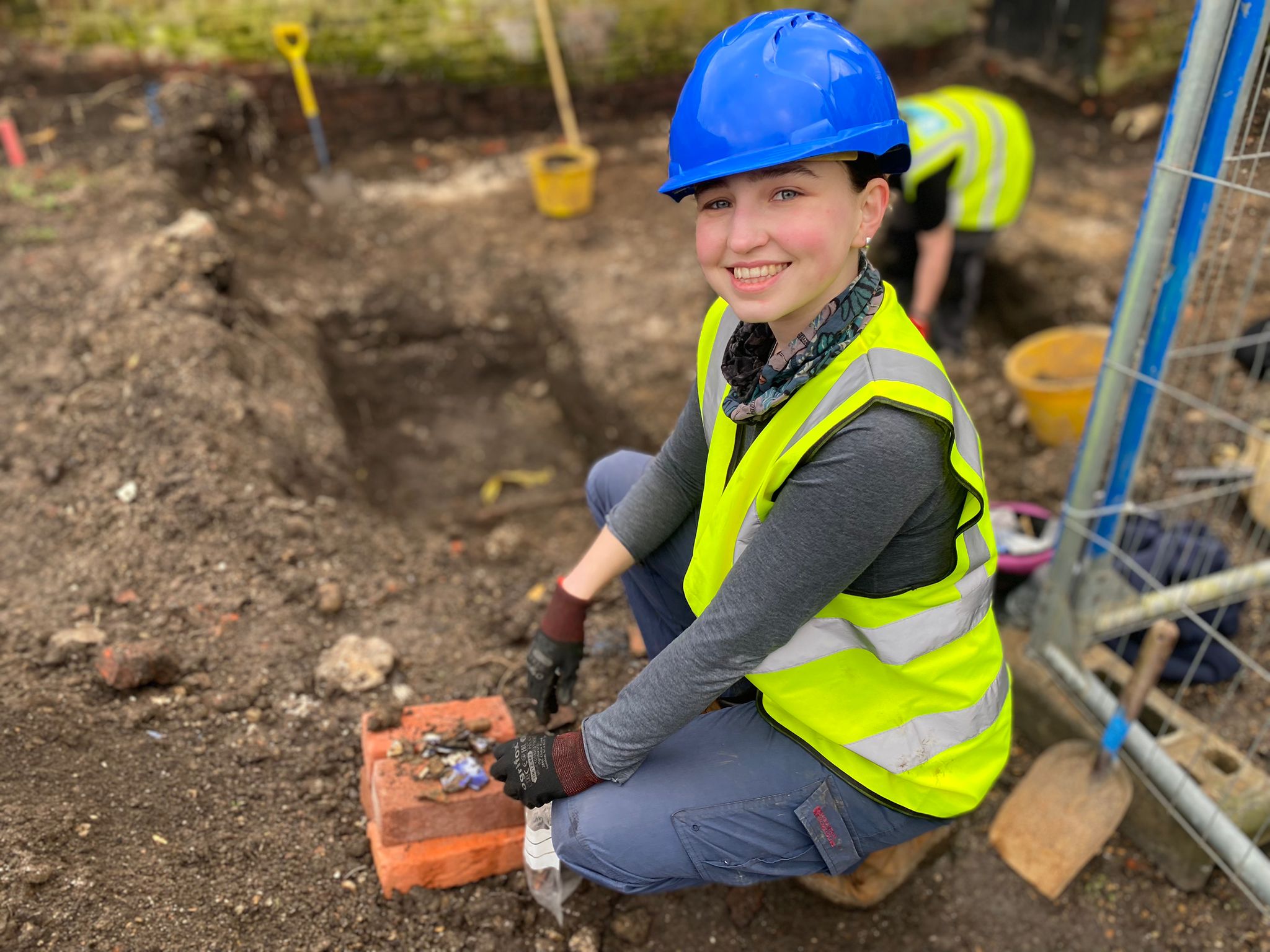
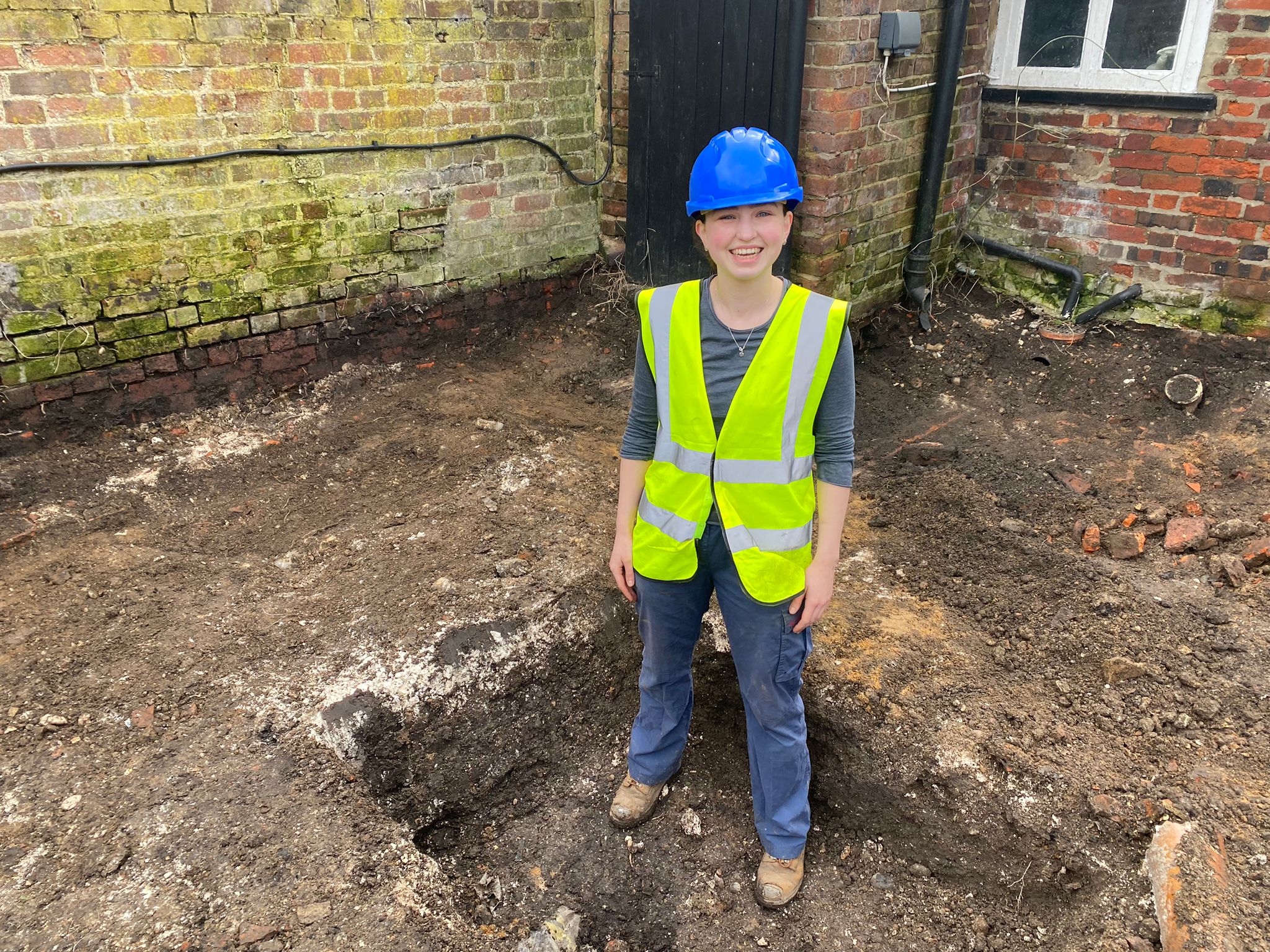
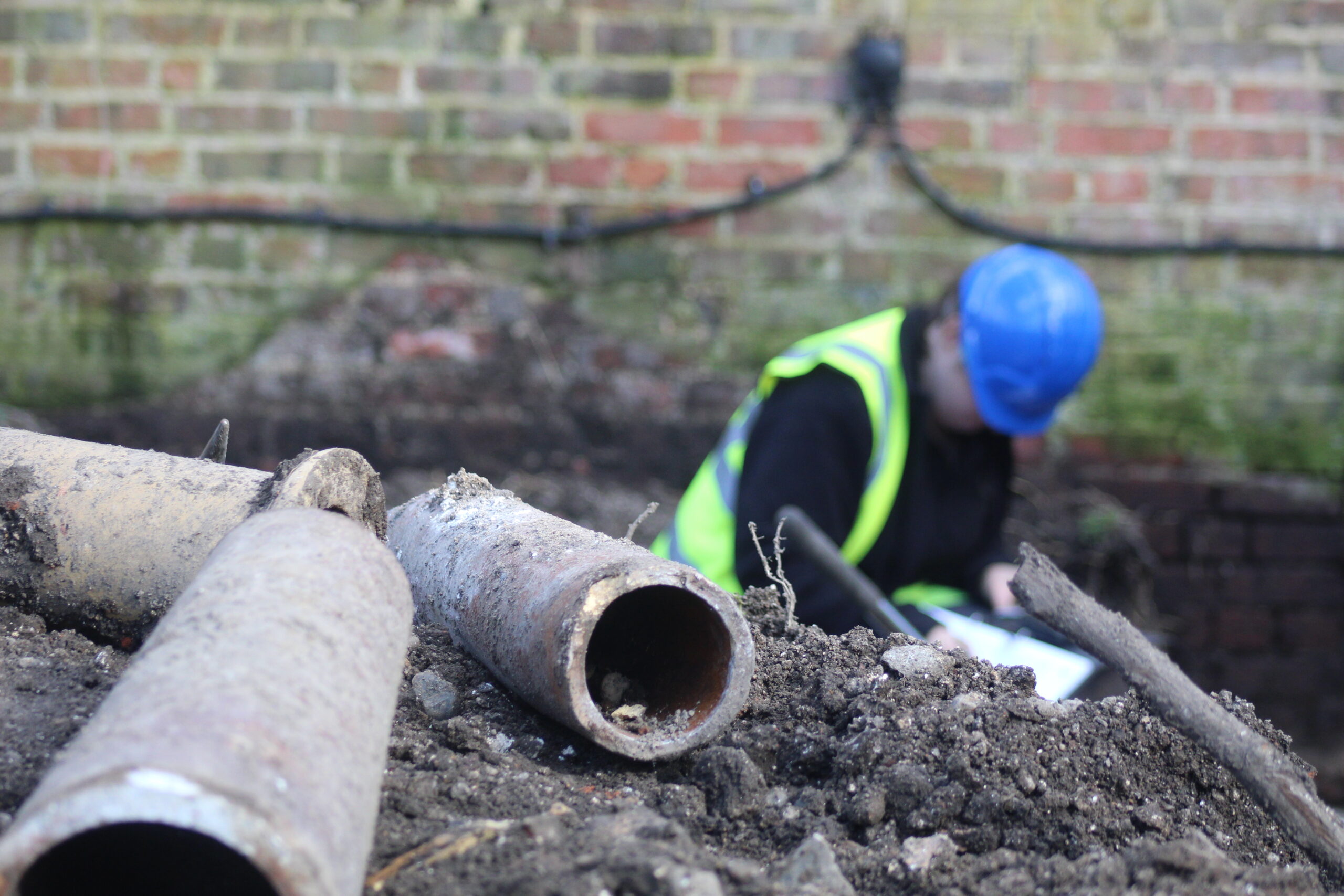
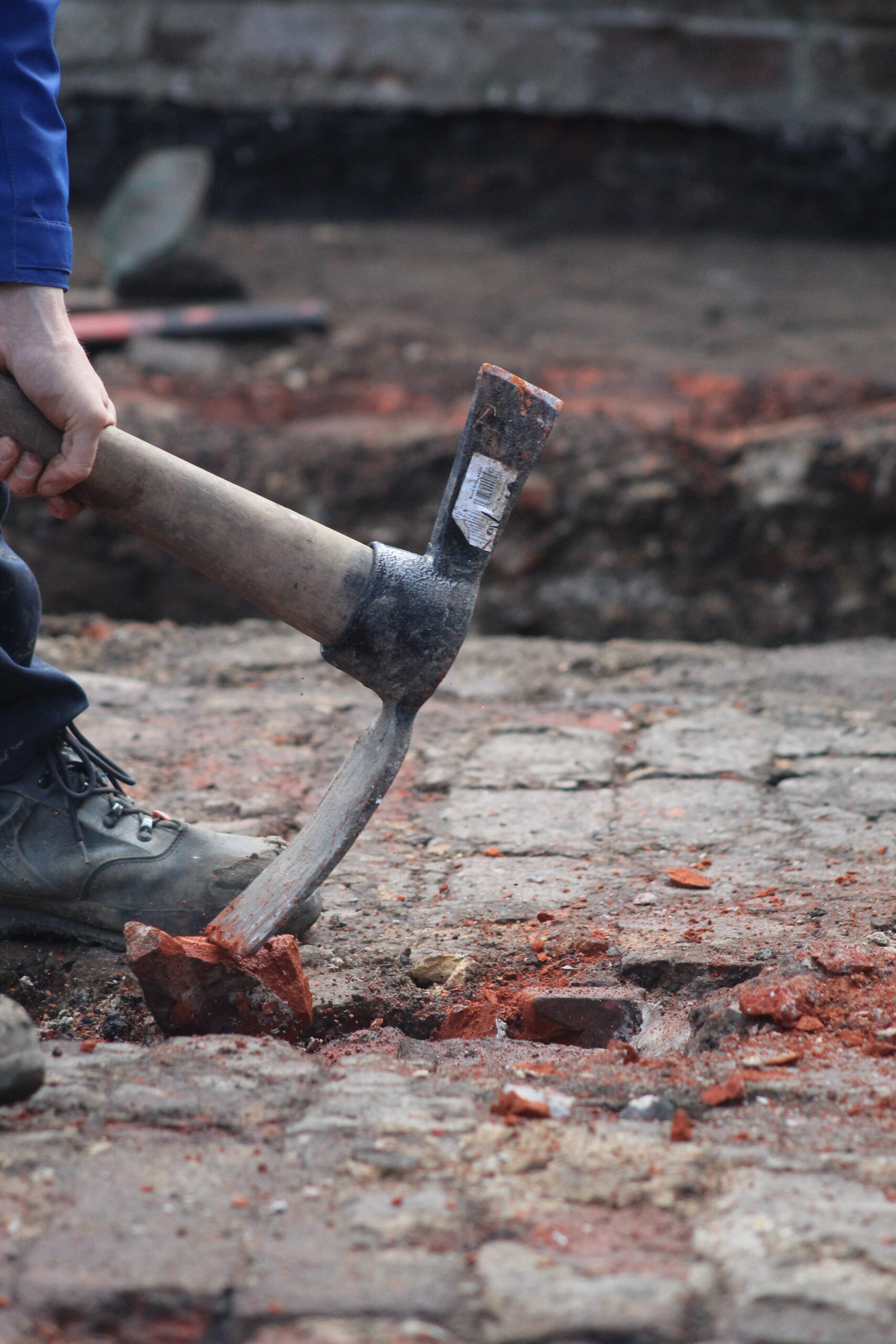
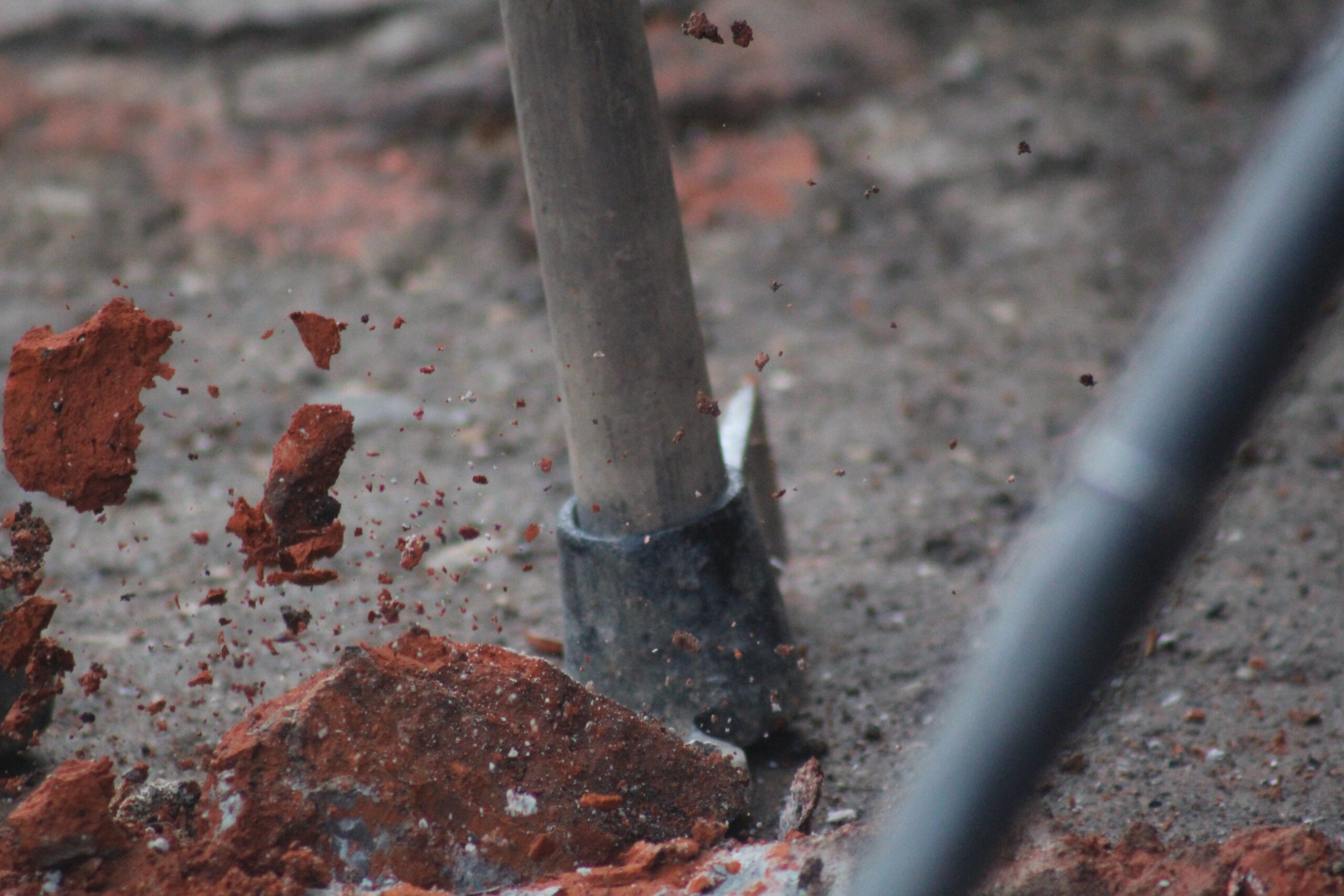
During our initial visit they had only really scratched the surface, having removed the remains of a Victorian building on the site. Sitting adjacent to Blacksmith’s Lane, it may well have been a smithy at one point, later becoming outhouses for the pub. During the course of the dig very single layer unearthed has to be recorded, and the work is all carried out by hand, so it’s a long and arduous process.
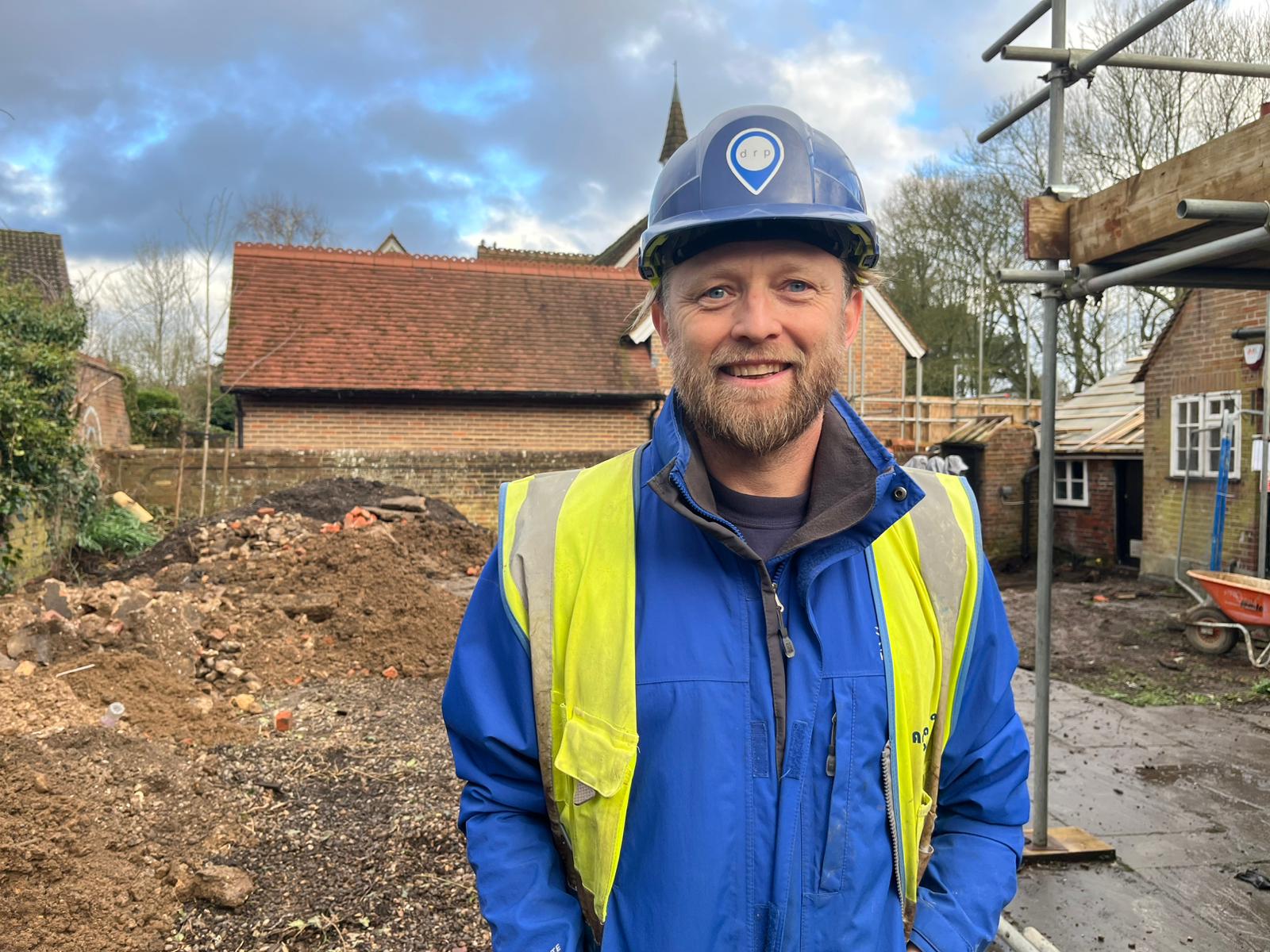
Daniel Phillips, the DRP Archaeology consultant employed on the project by Simon Knight Associates, is excited to be back on the site.
“It was quite a daunting prospect to get where we are now. The test pits last summer was one thing, a small investigation in nice weather with lots of volunteers. But then coming back now and doing the whole area with the particular method of archaeology the planning process requires is totally different.
“When you’re in an urban area like this, you’ve got hundreds if not thousands of years of layers of archaeology which need to be peeled backed one at a time like an onion.
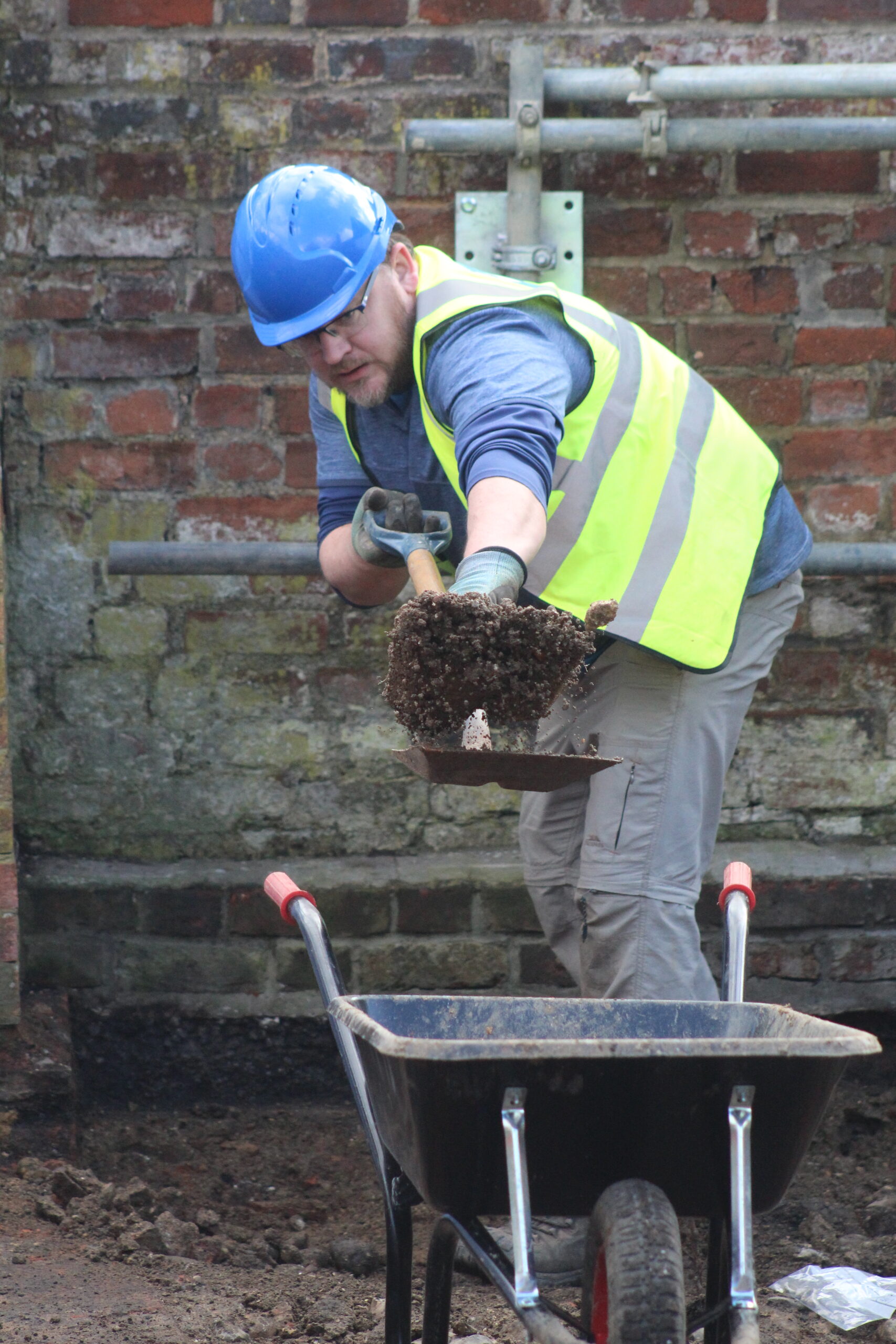
“It’s quite a painful slow process taking these layers away, and even though it’s a small footprint of 50 metres square, that’s 50 cubic metres of soil to remove by hand, and a further 20 cubic metres at the back. That’s a lot of soil.”
The Rose and Crown closed in February 2020, just before the pandemic, and the new owner has made it a labour of love taking it over and bringing it back to its former glory, but faced years of delays when it came to obtaining planning consent.
Part of the conditions were to carry out an archaeological investigation, but there was no requirement to do this publicly.
But as Daniel explained: “I said, ‘Look you’ve got a real opportunity here to demonstrate some community engagement by doing this publicly’, and he took to it like a duck to water.”
The rear test pit uncovered a tessellated floor which was probably part of a corridor, and it is hoped more finds will be revealed in the coming week.
Returning to the front dig, I ask if this project is filling in any gaps in terms of the historical record for St Michael’s?
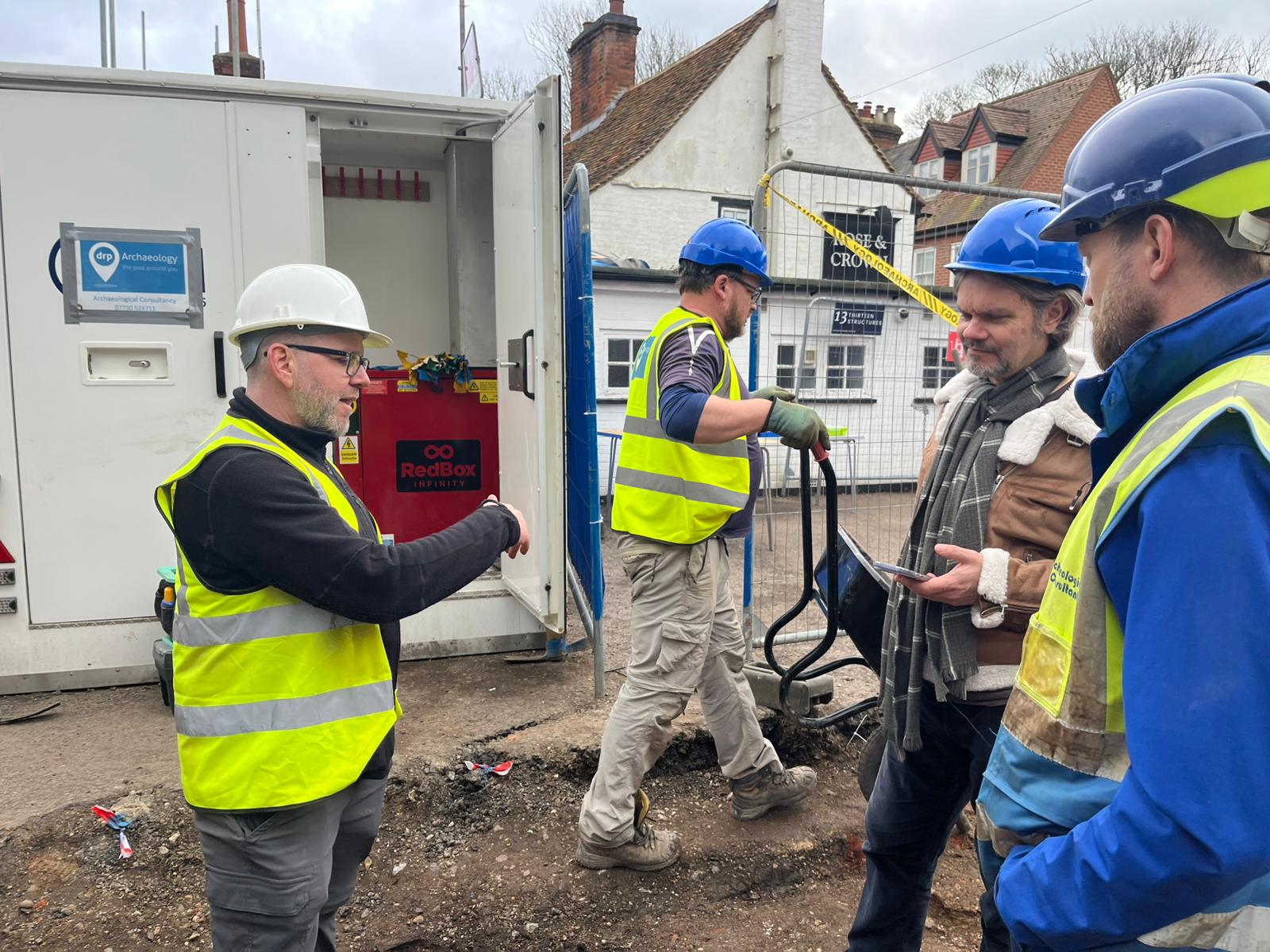
Daniel replied: “Only through our work will we be able to answer that. All of these projects come with a set of research questions linked to a regional agenda. For example, how did St Michael’s form as a medieval community? What were the building techniques used in the 1500s?
“The data we get from this dig will be analysed and will hopefully address some of those questions, it’s just a bit difficult to do that right at this moment.
“We knew this was a barn originally, and probably some sort of cart shed for the inn.
We now down to the earlier post-medieval layers, and we’ll keep going until we get down to Roman times.”
He pointed out a deeper excavated hole which could have been an infilled well: “That’s intriguing in itself, and whether we get to the bottom or not is another matter, but in other places we’ve worked you often find babies buried at the bottom of wells.”
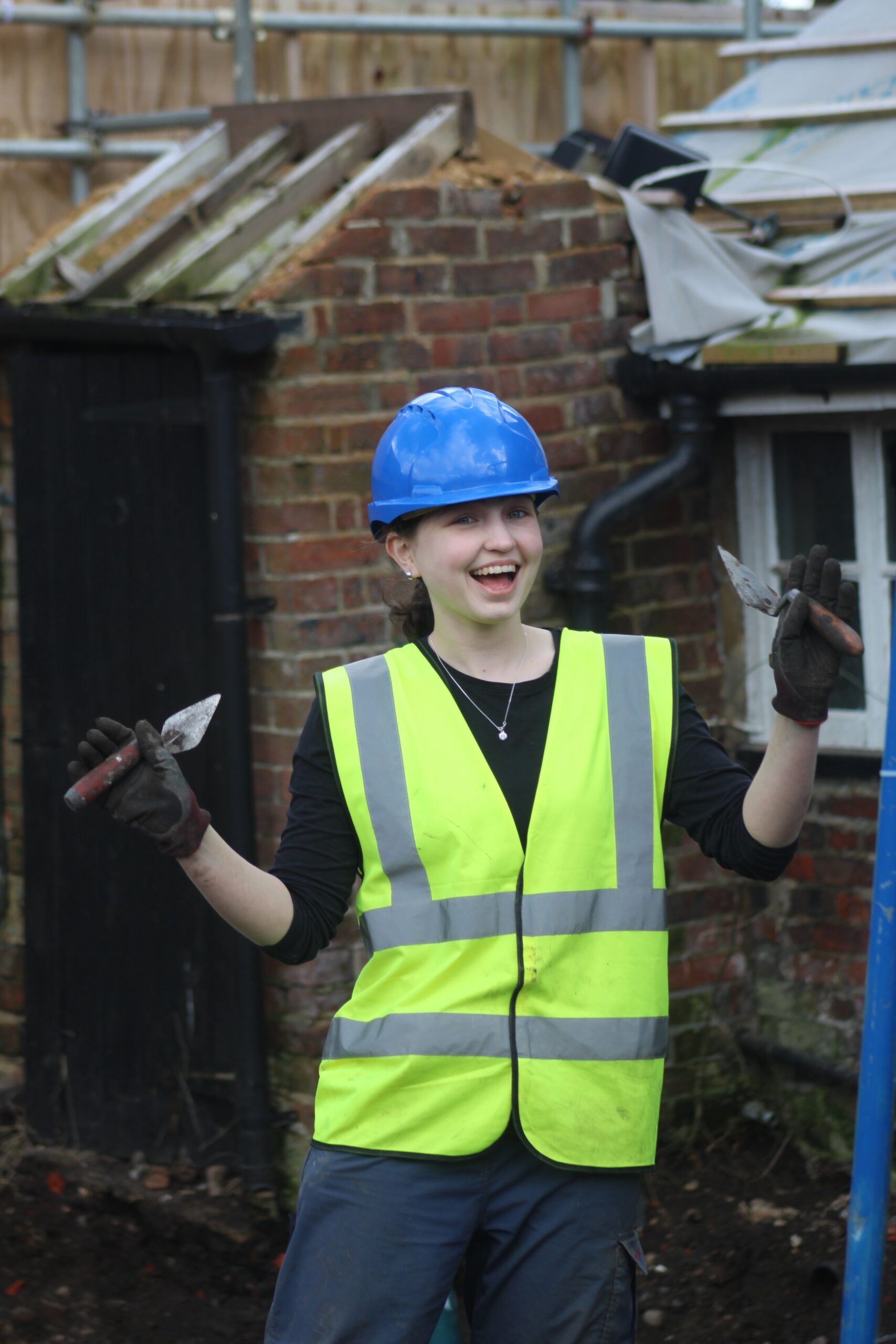
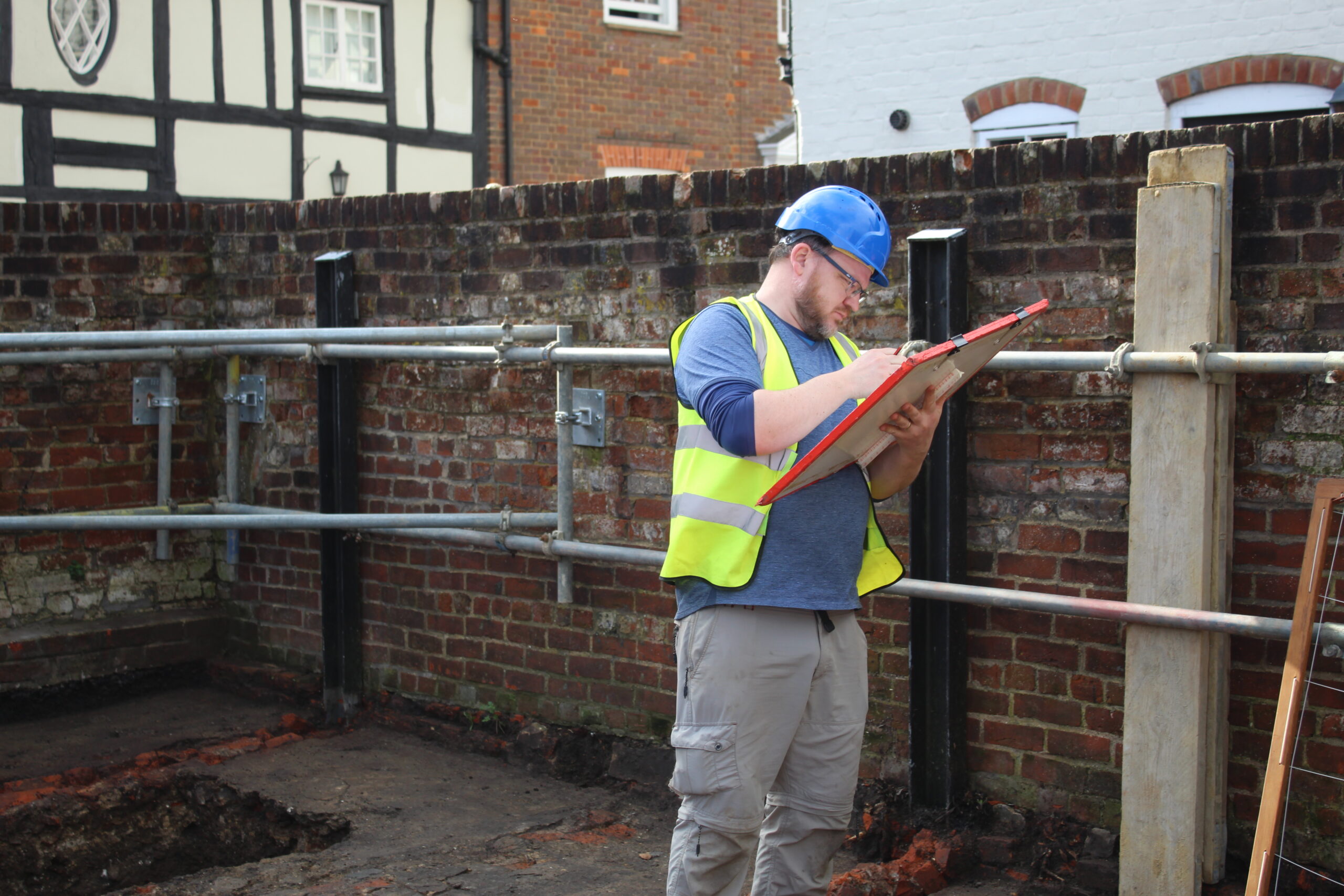
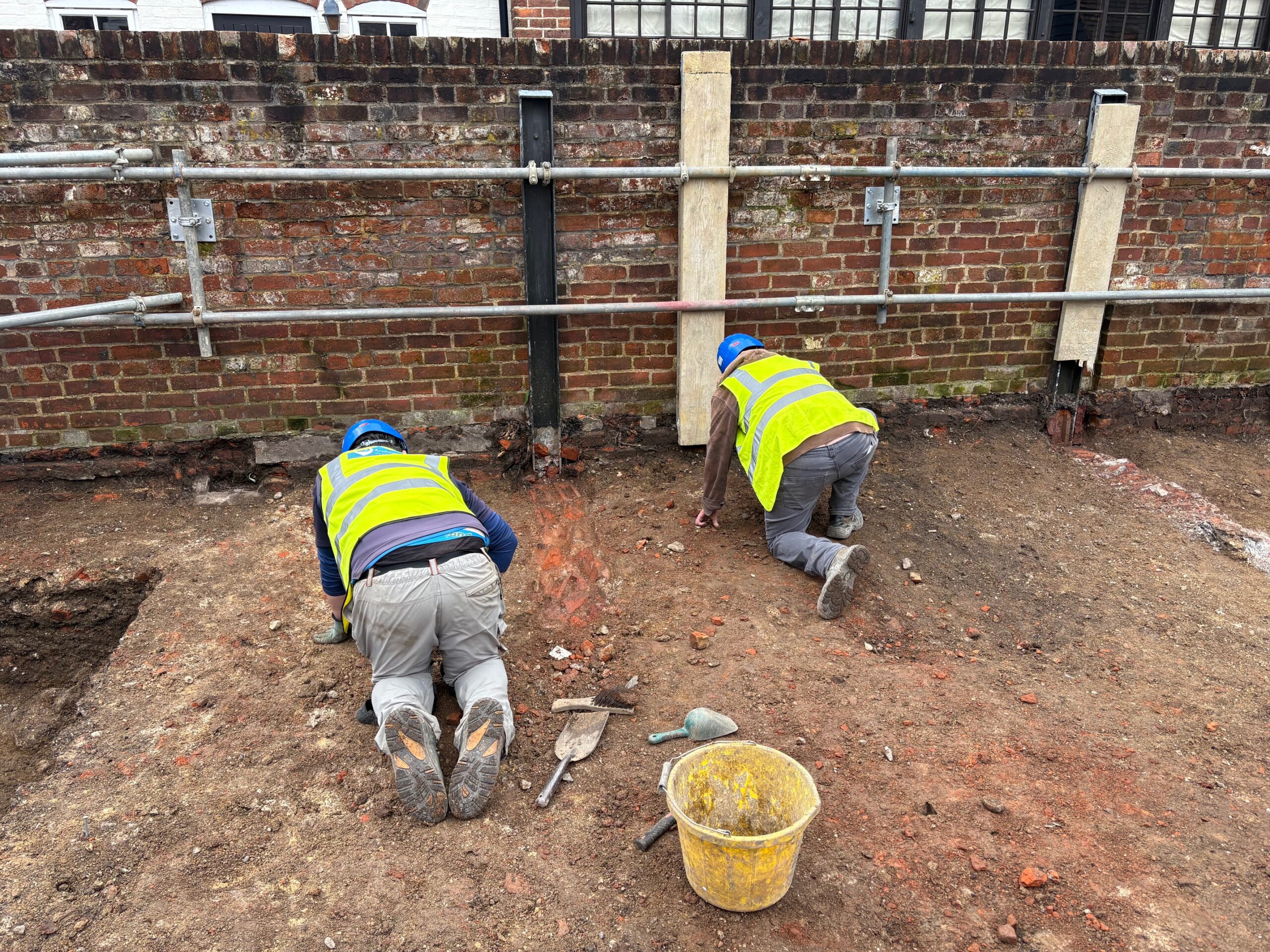
His colleague Ian is cleaning back soil with a trowel to uncover the extent of the layer he is working on.
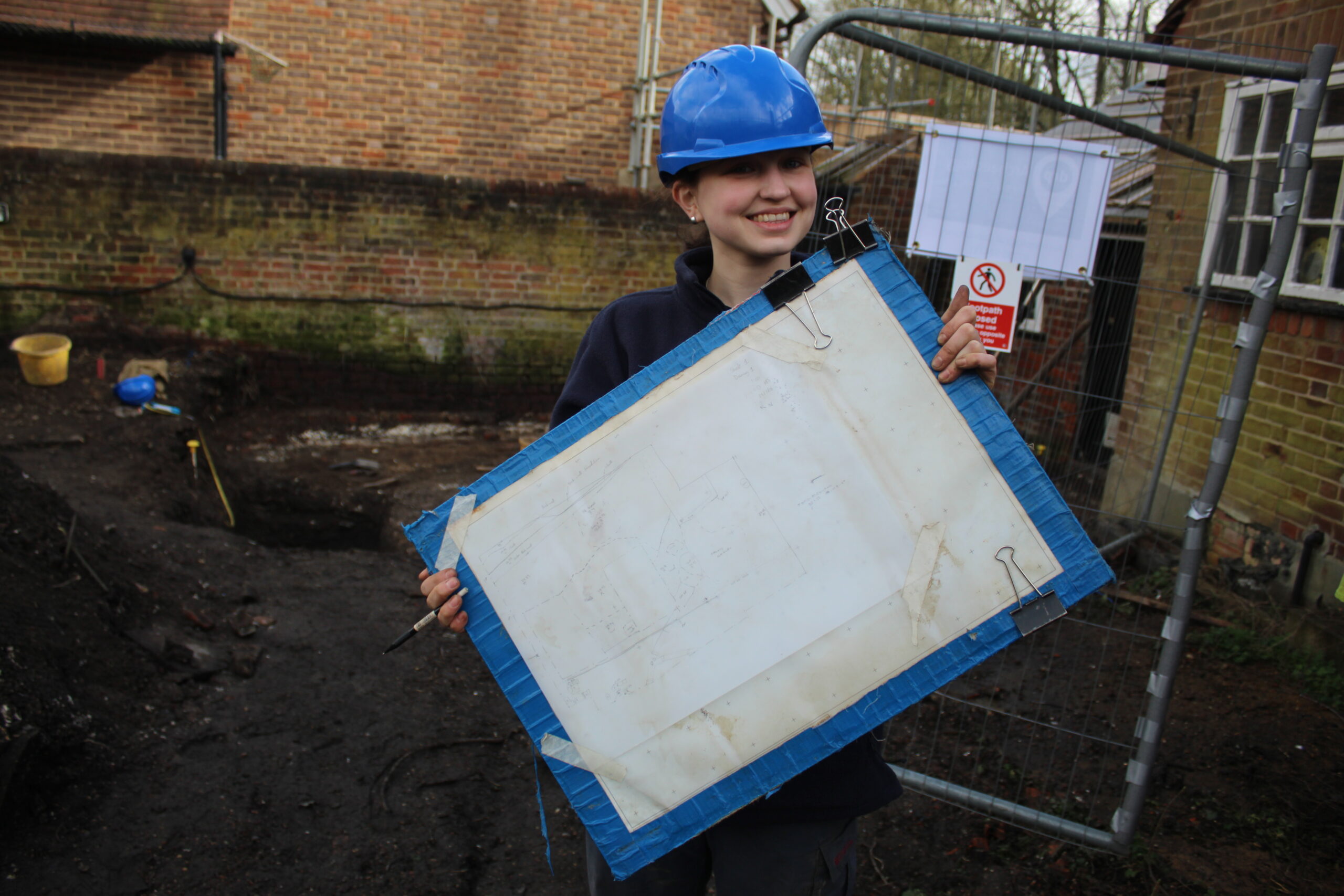
Daniel elaborates: “The process with this type of archaeology is to clean, photograph or draw, remove, repeat. Over and over until you get down to the bottom.”
They’ve already made some interesting discoveries in the few days since being back on site.
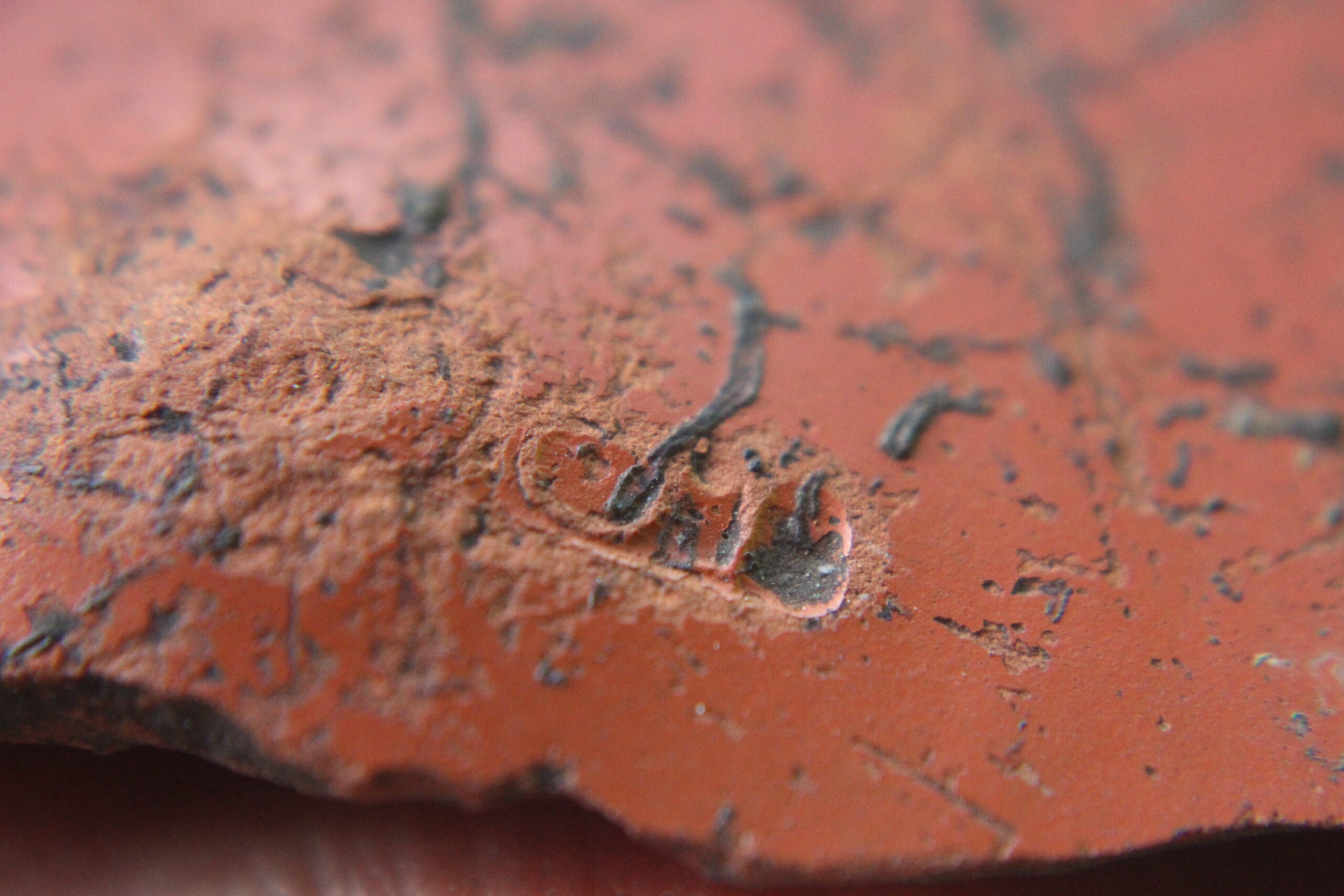
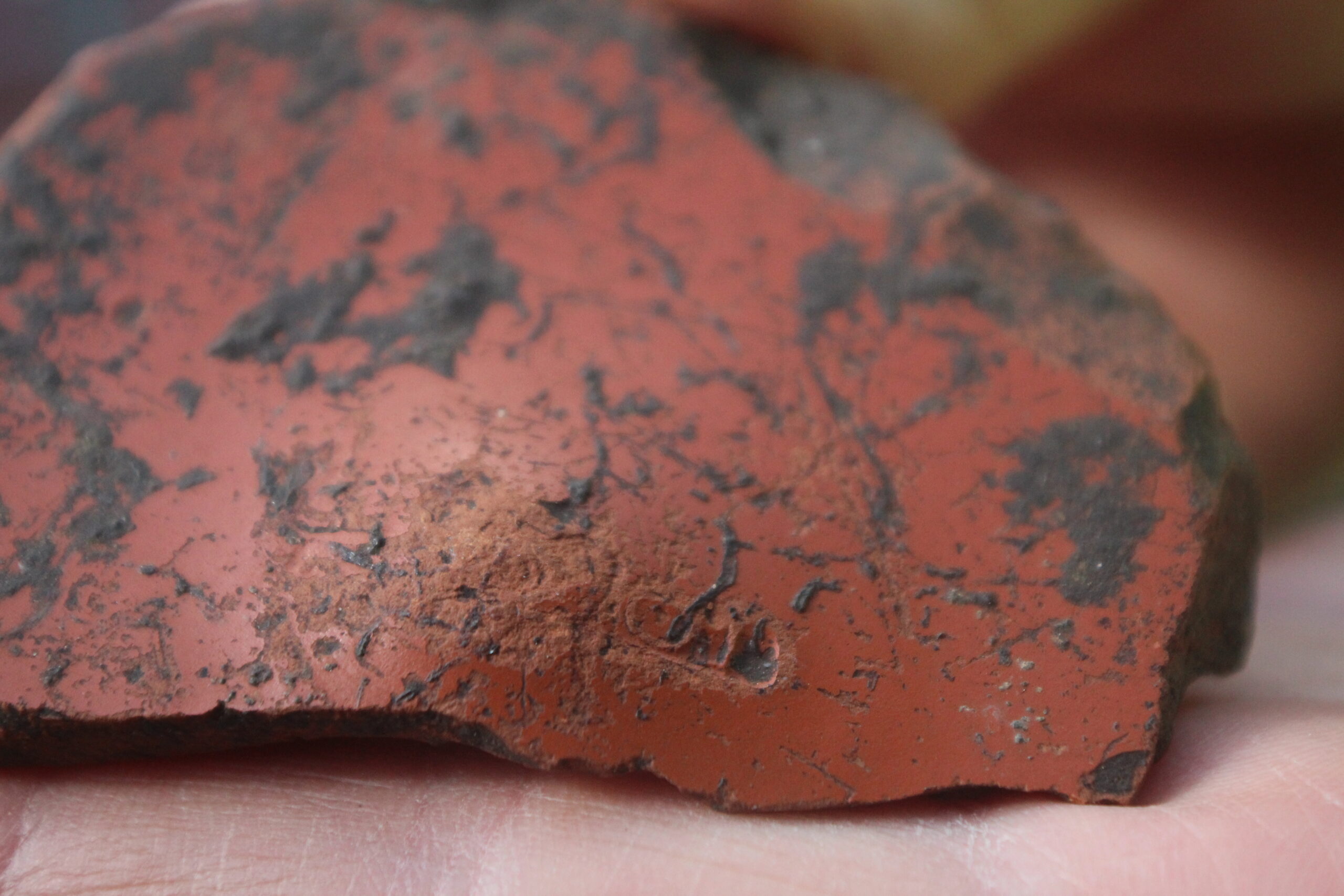
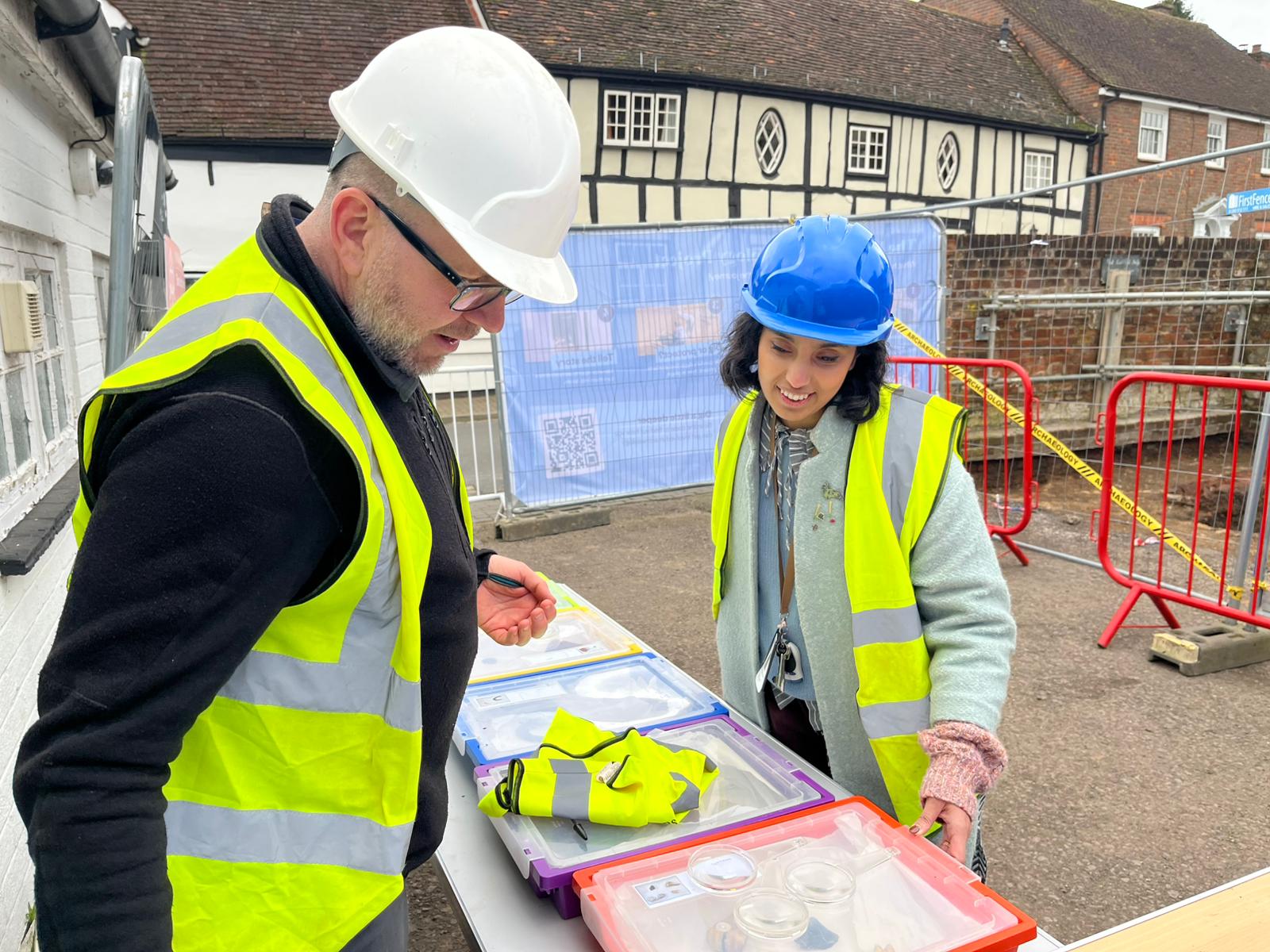
One of the items found was a piece of Samian pottery, the fine tableware of Roman Britain, as Tom explains: “It came from the Gaulish area [France] and went across the whole Roman Empire, and it looks like it has a maker’s stamp on it, which gives pure dating evidence.”
Daniel points to the main dig site: “In that corner, where there are is some flint foundations, we’ve got some painted Roman wall plaster, which isn’t a common thing, and I’m led to believe it’s only put on buildings if you can afford it. So it’s high status, it’s showing off, which means it could be a villa. Then you have to think about where we are in relation to Verulamium itself and the northern wall. Are the flint foundations part of the wall or a building? It’s all up for grabs and it’s fantastic archaeology actually.
“Archaeology is often held up as a barrier to planning, but the fact is that it can and does give a lot more back, whether it’s education, wellbeing and health or placemaking. We’ve got 1,000 kids coming in over this period from across the region.”
It is hoped that some of the items found during the dig will actually end up on display when the pub reopens: “I’d love to be having a pint and see something in there,” Daniel grins.
Photos below by Kate Klevit.