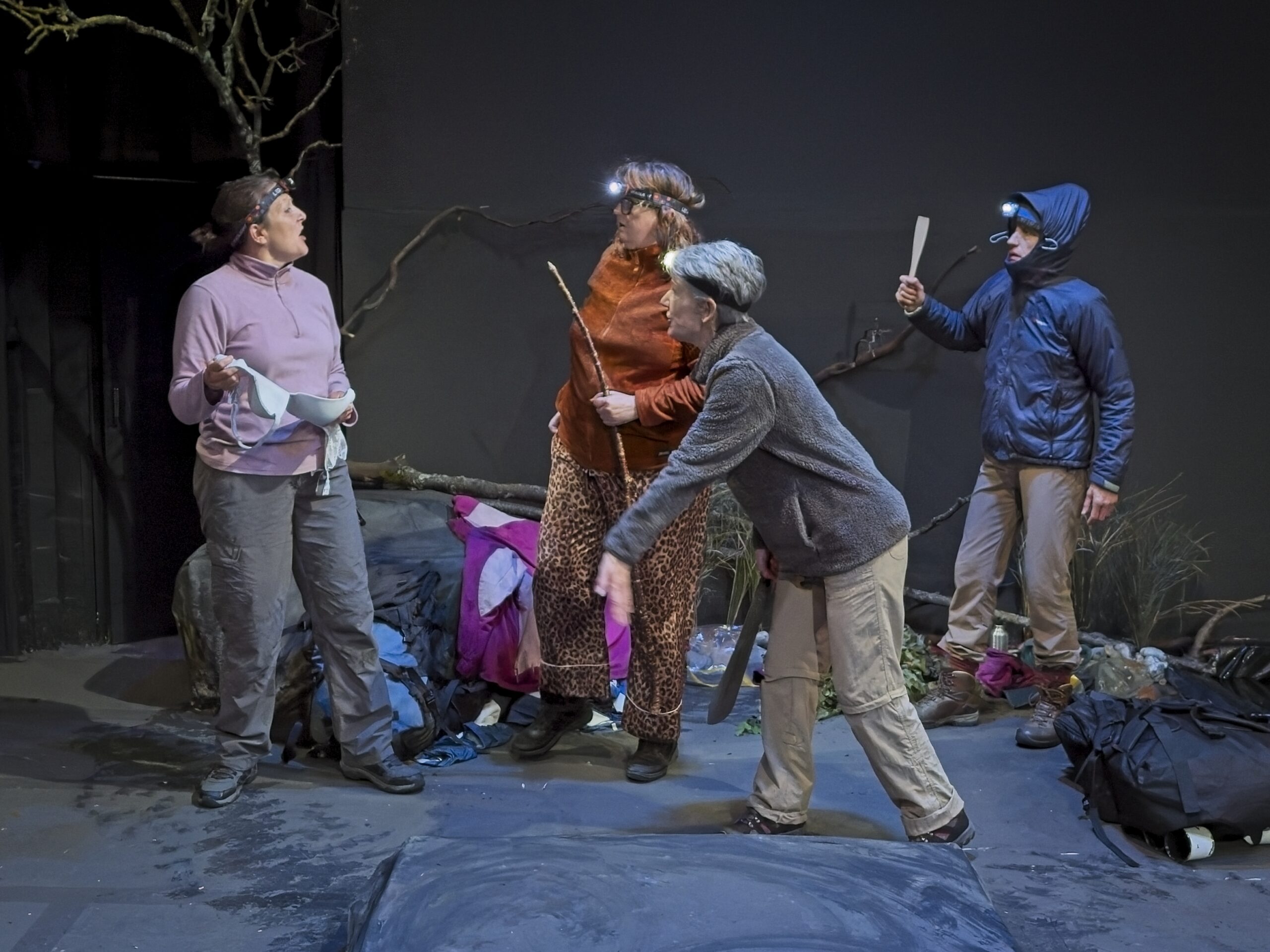
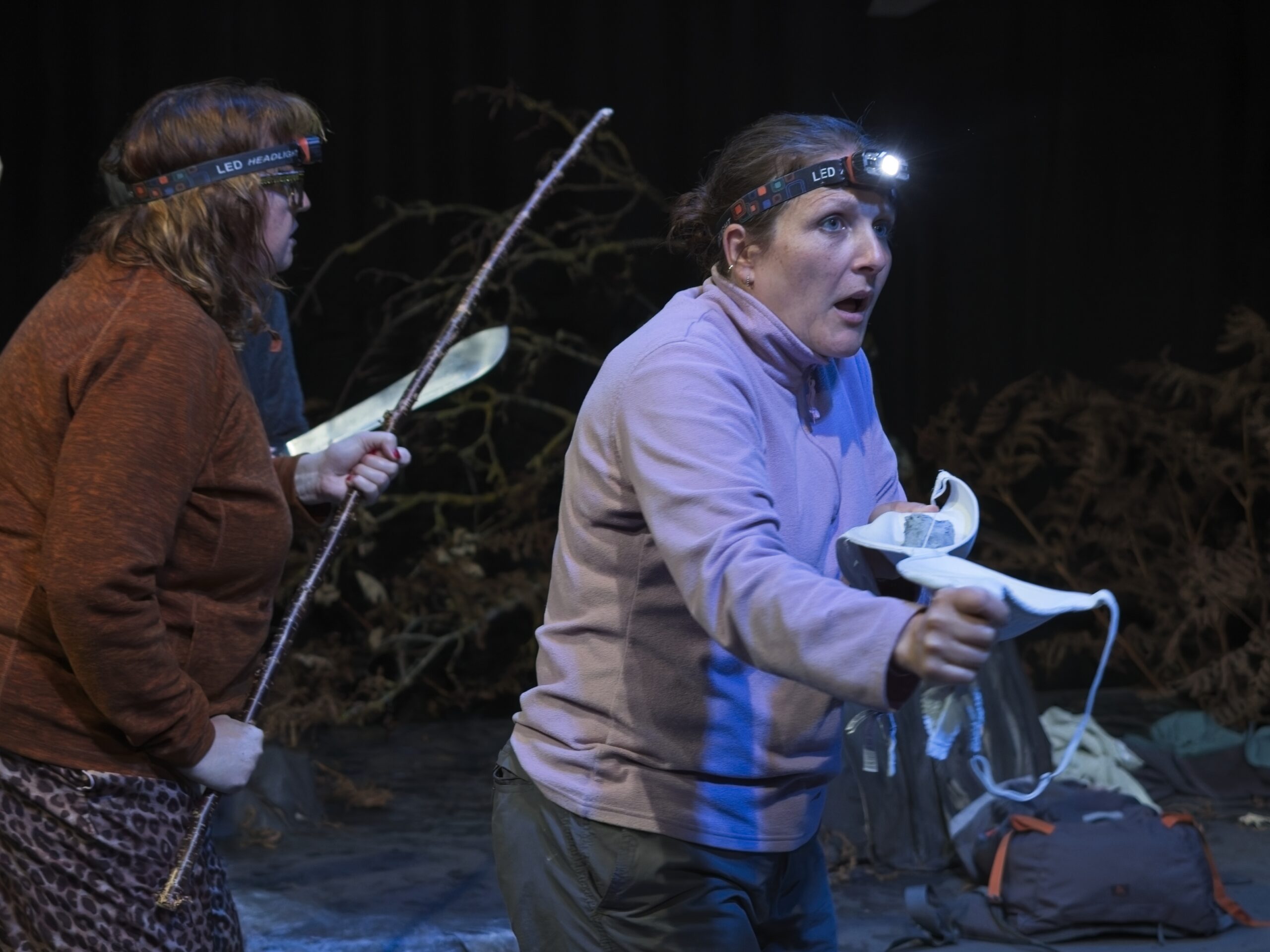
Lesley Cowland is cast away in the Abbey Theatre Studio for Company of Ten’s latest…
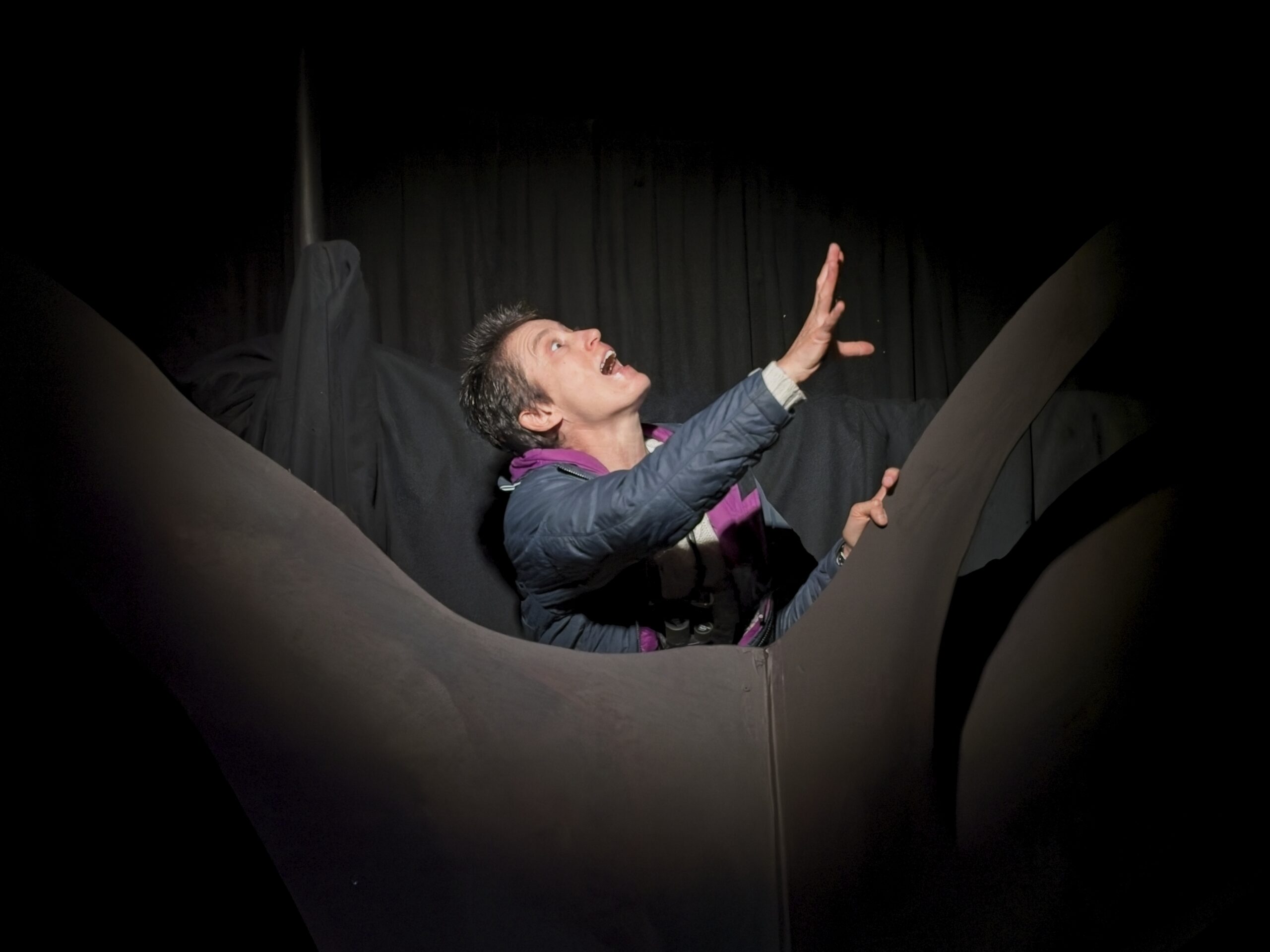
What was meant to be a team building exercise for four women working at the Pennine Mineral Water Company turns out to be something very different when, accidentally, they end up on a small island in the Lake District’s Derwentwater.
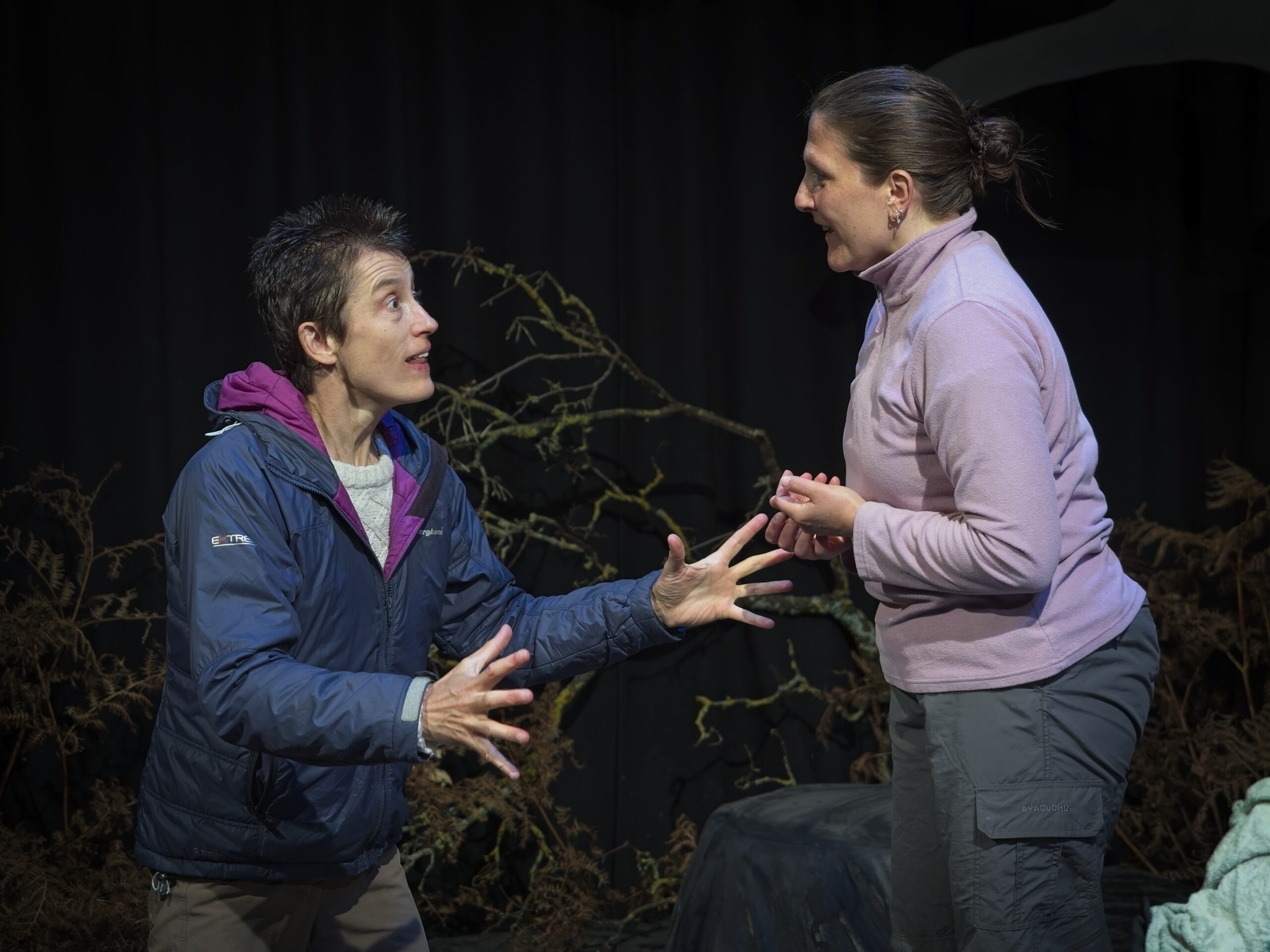
When they come to realise the extent to which they are cut off from life as they know it – the interaction between Sheila, Denise, Julie and Fay becomes, at times humorous, but also downright nasty and slightly scary!
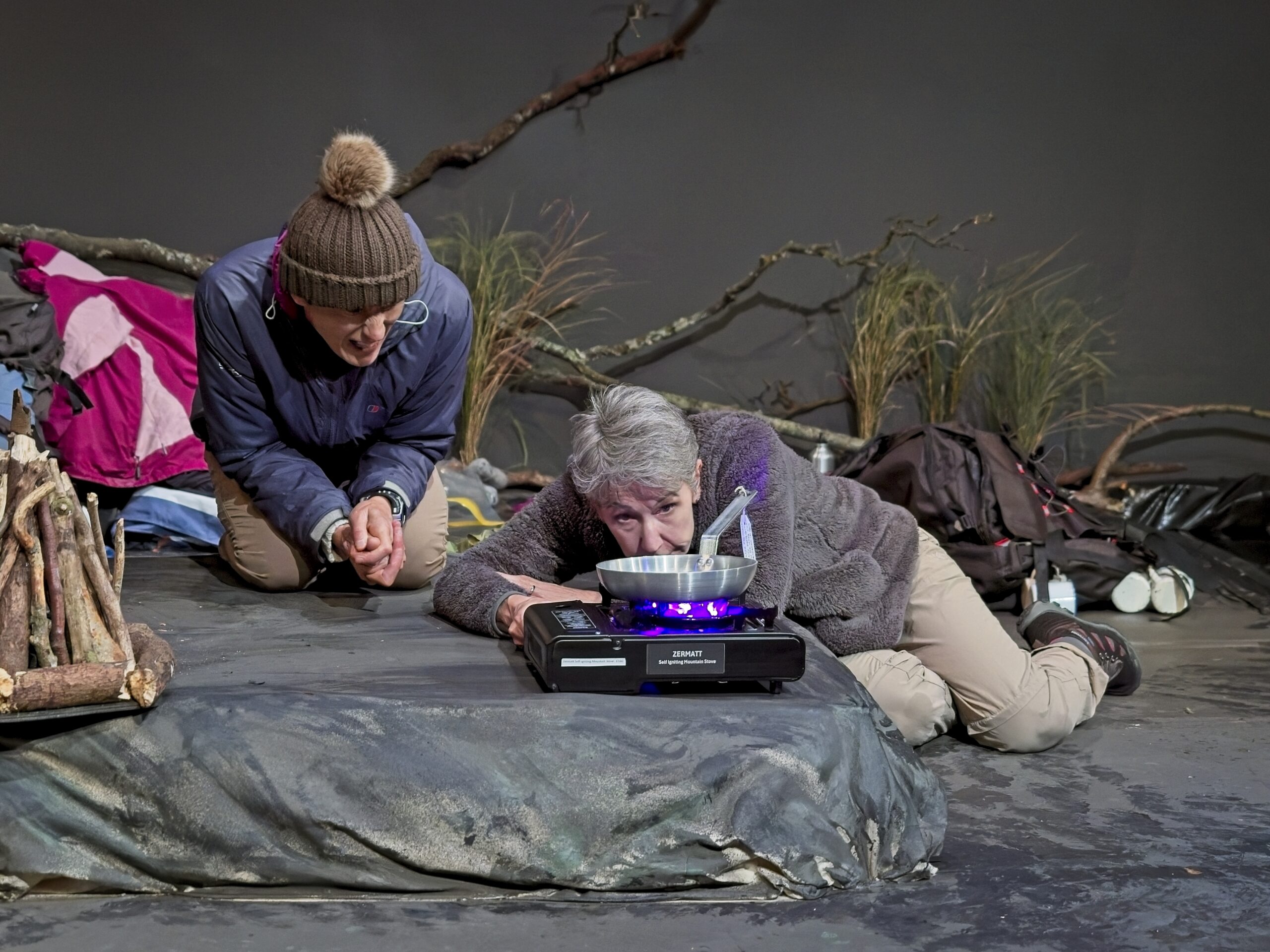
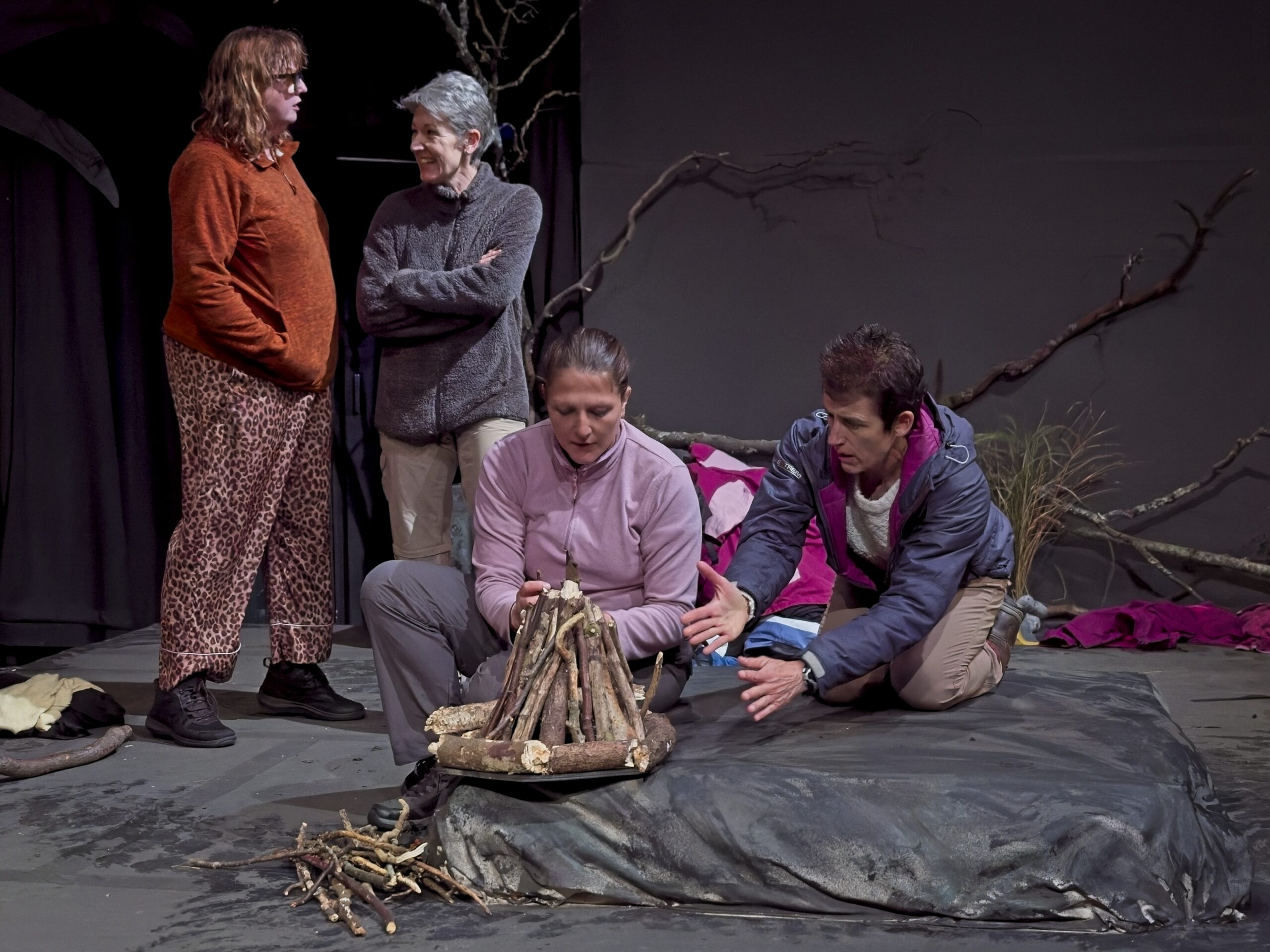
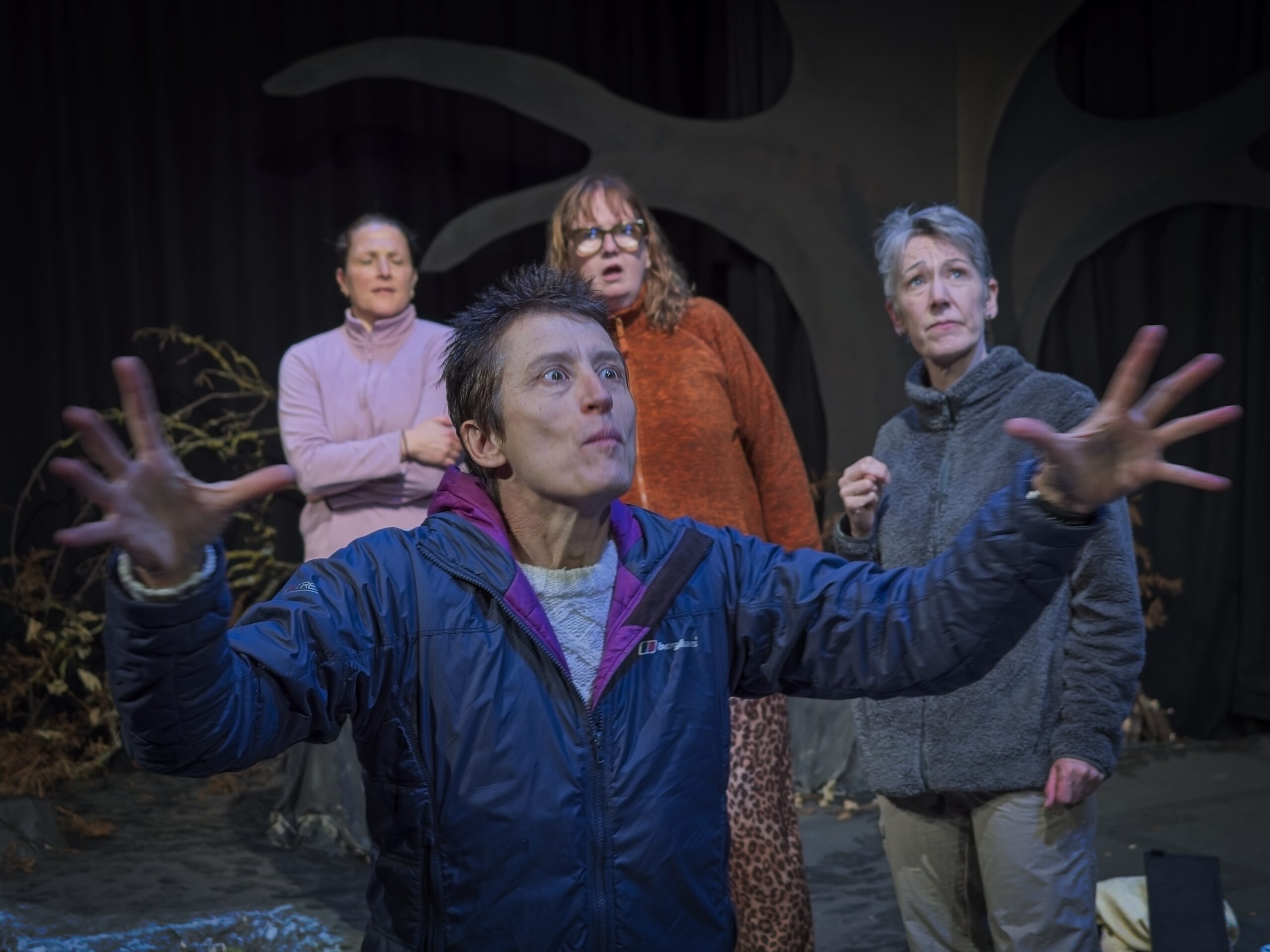
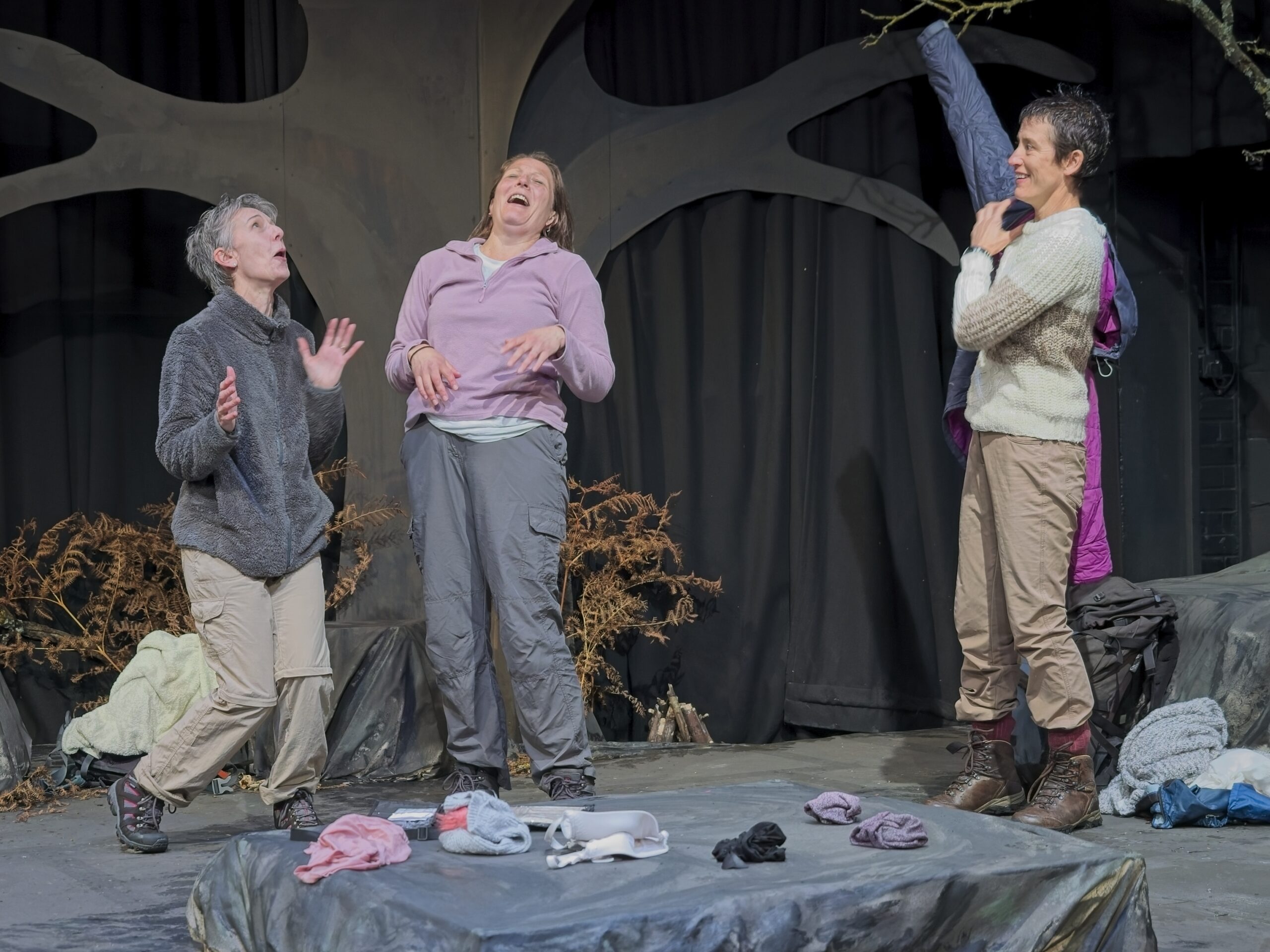
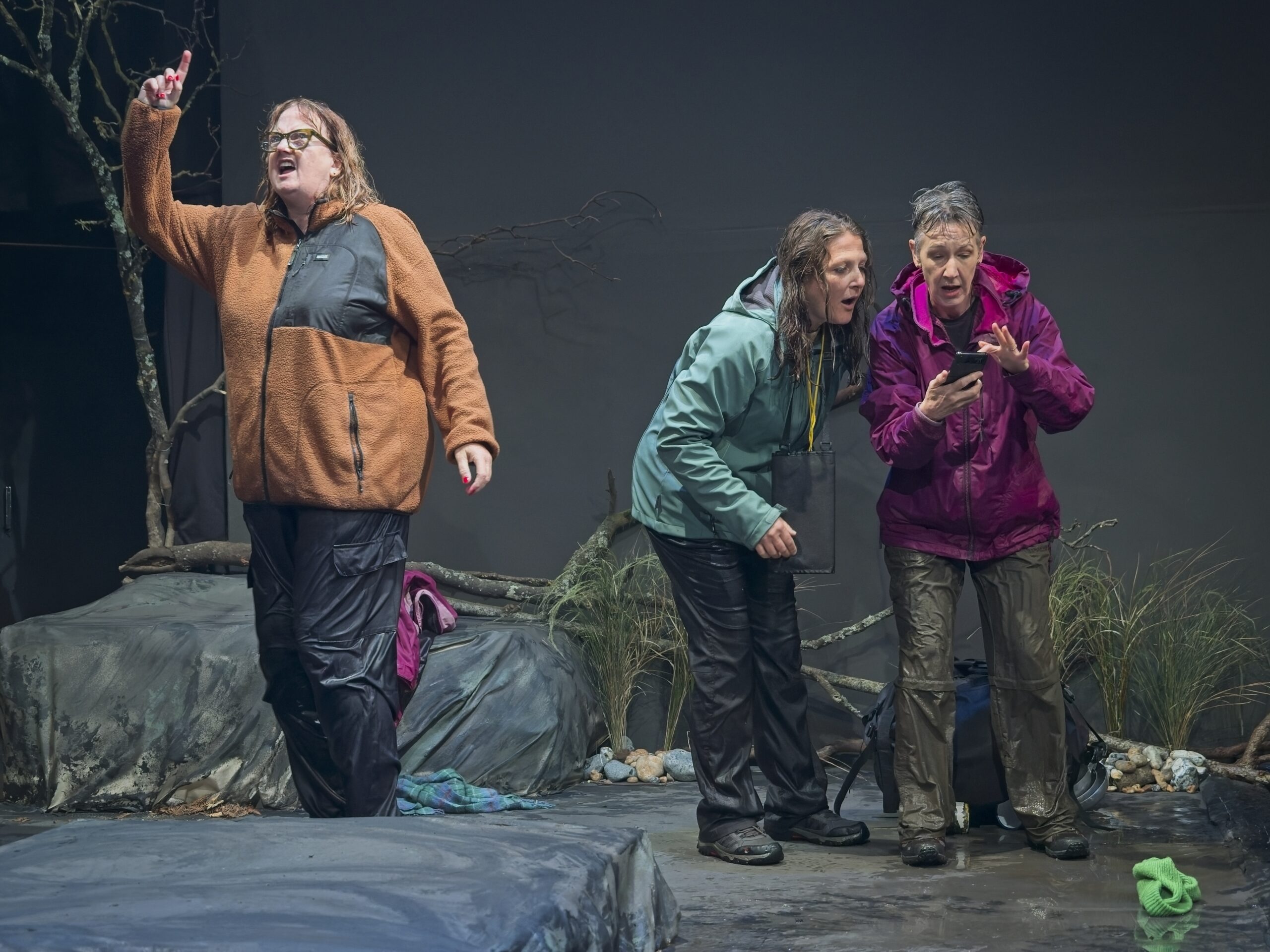
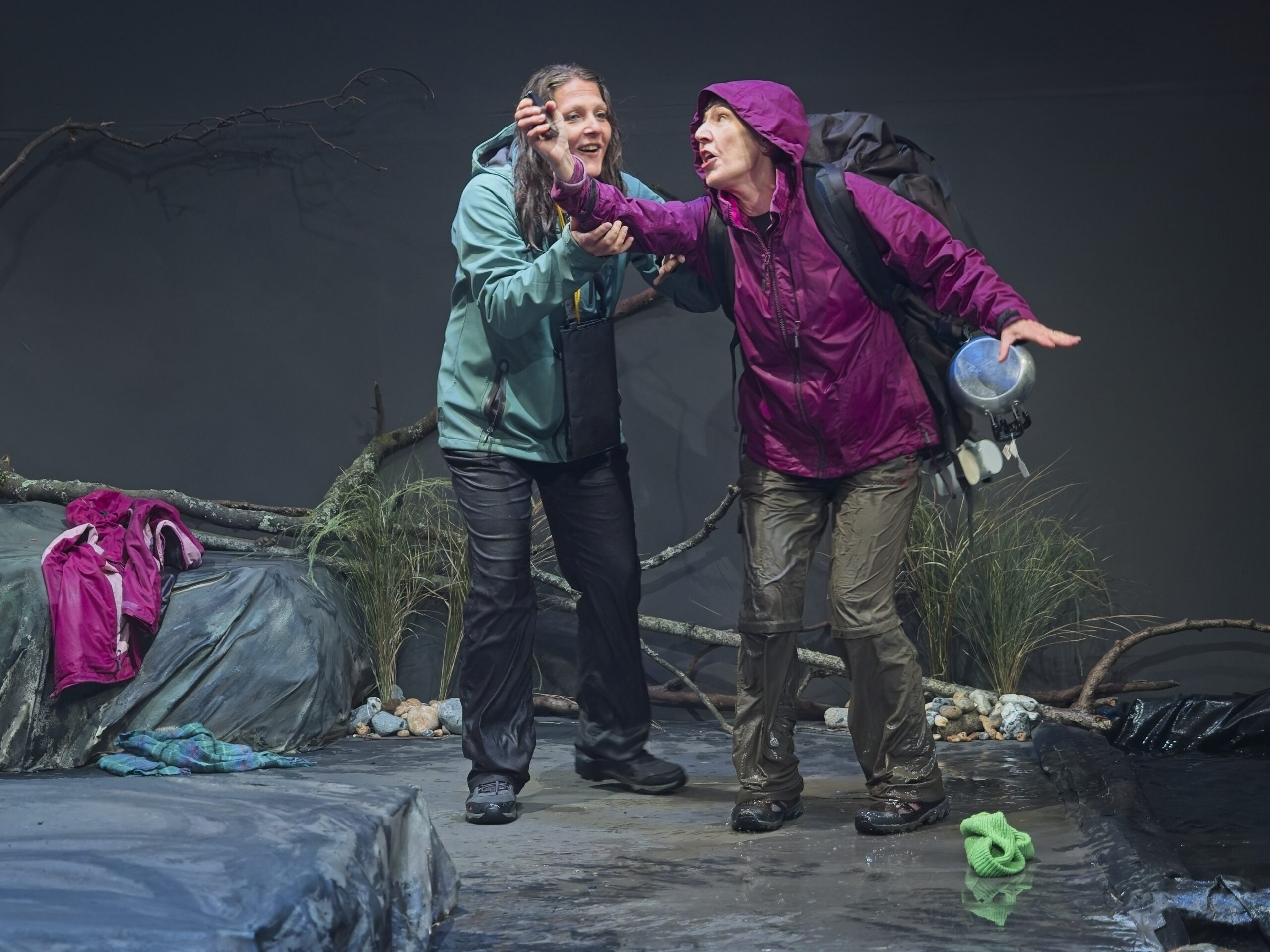
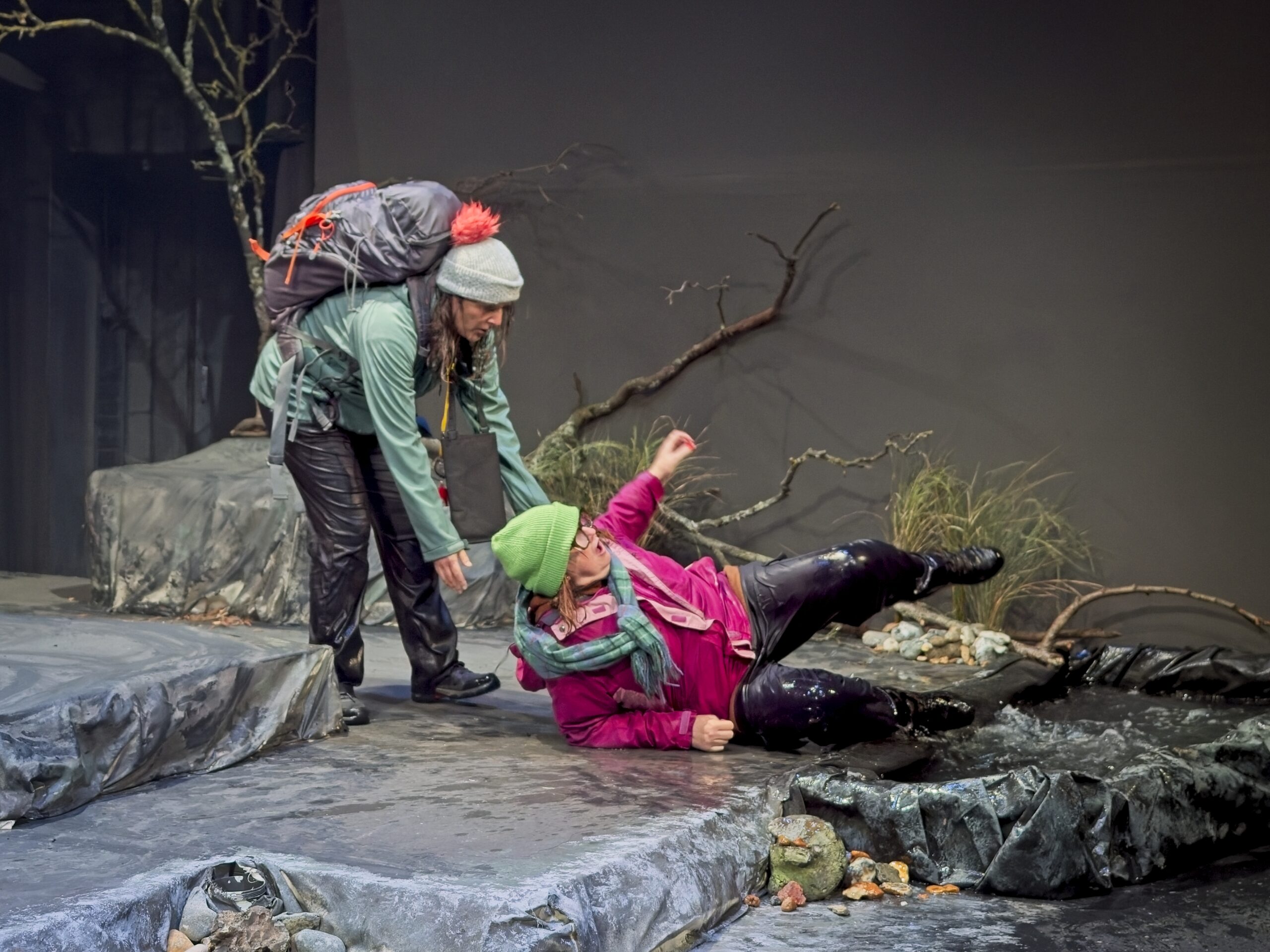
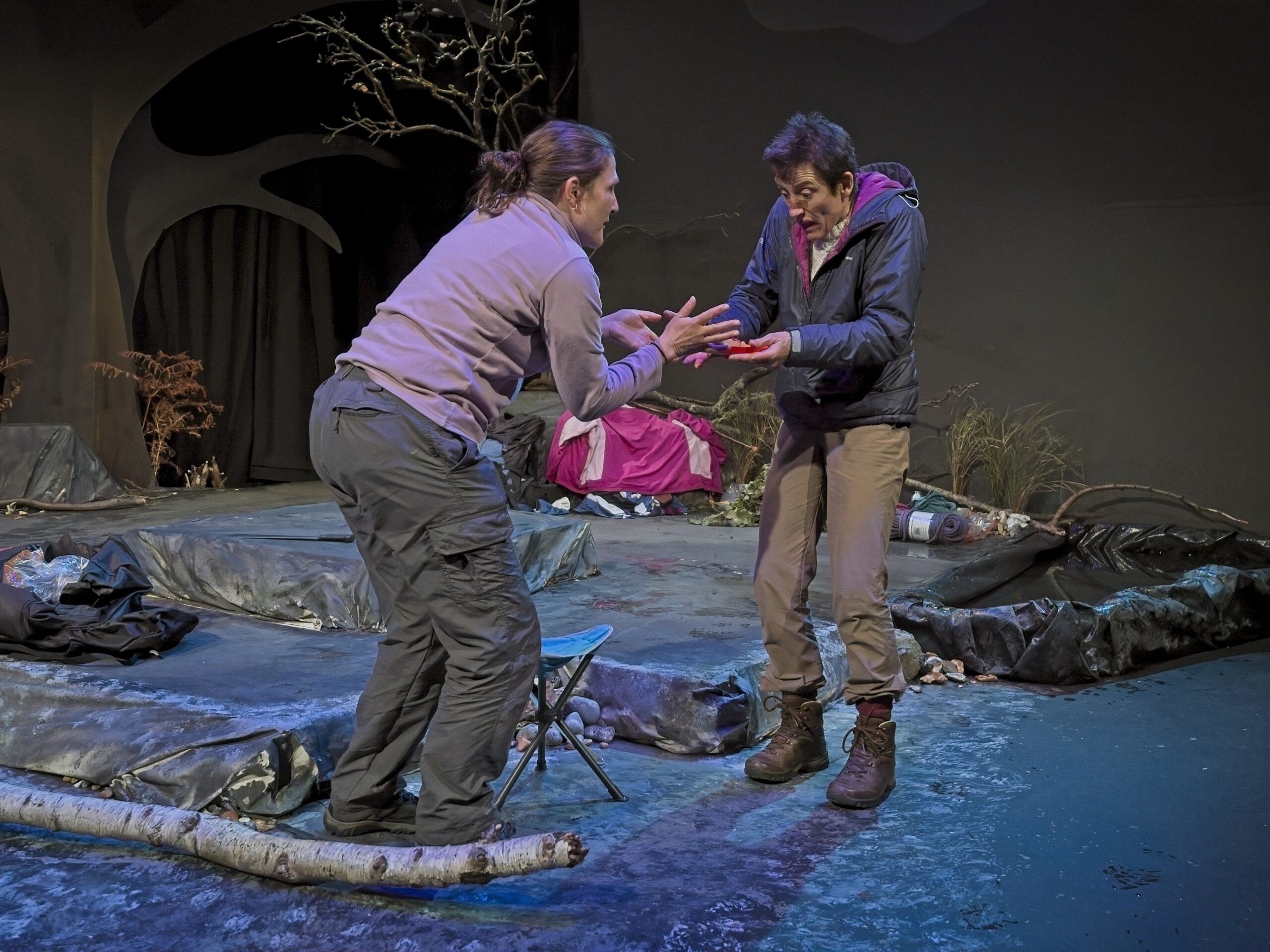
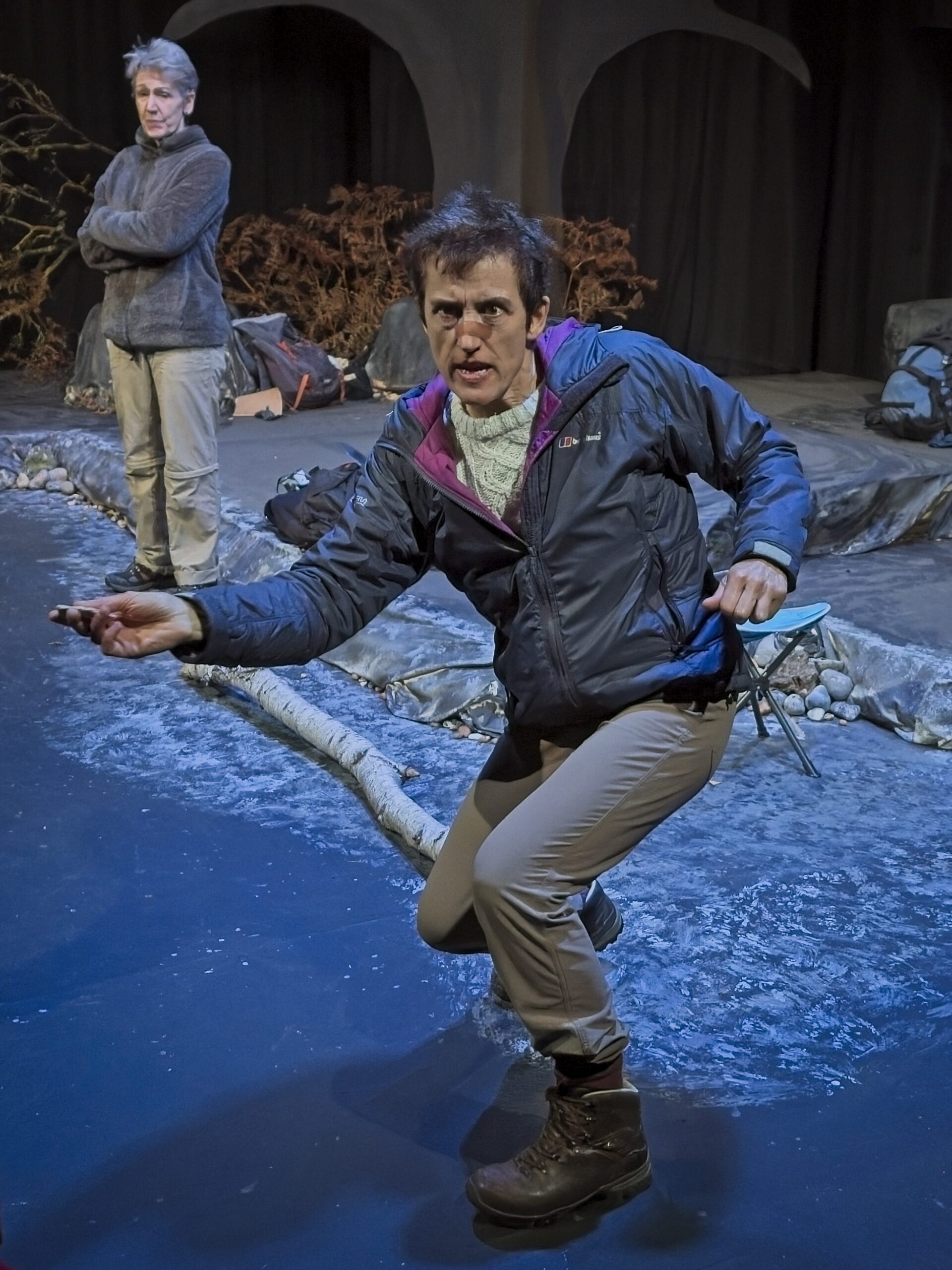
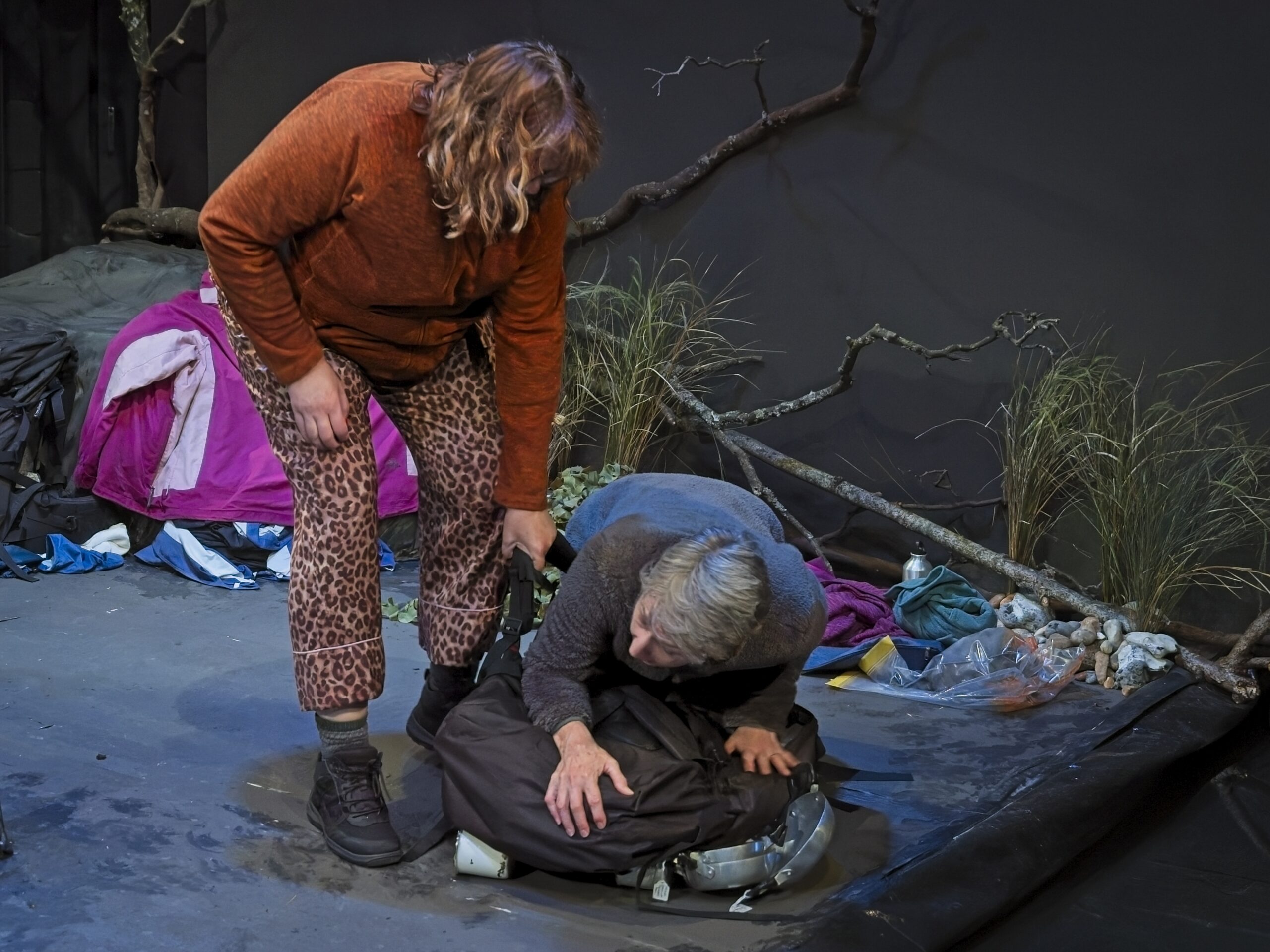
The set was dark and bleak, with a ‘real’ water feature, through which each of the women crawled as they swam to shore, a perfect entry on to the stage. There were a few large rocks dotted around for seating, plus a tree, the top of which featured in some of the scenes. All other props came out of the rucksacks as the play progressed.
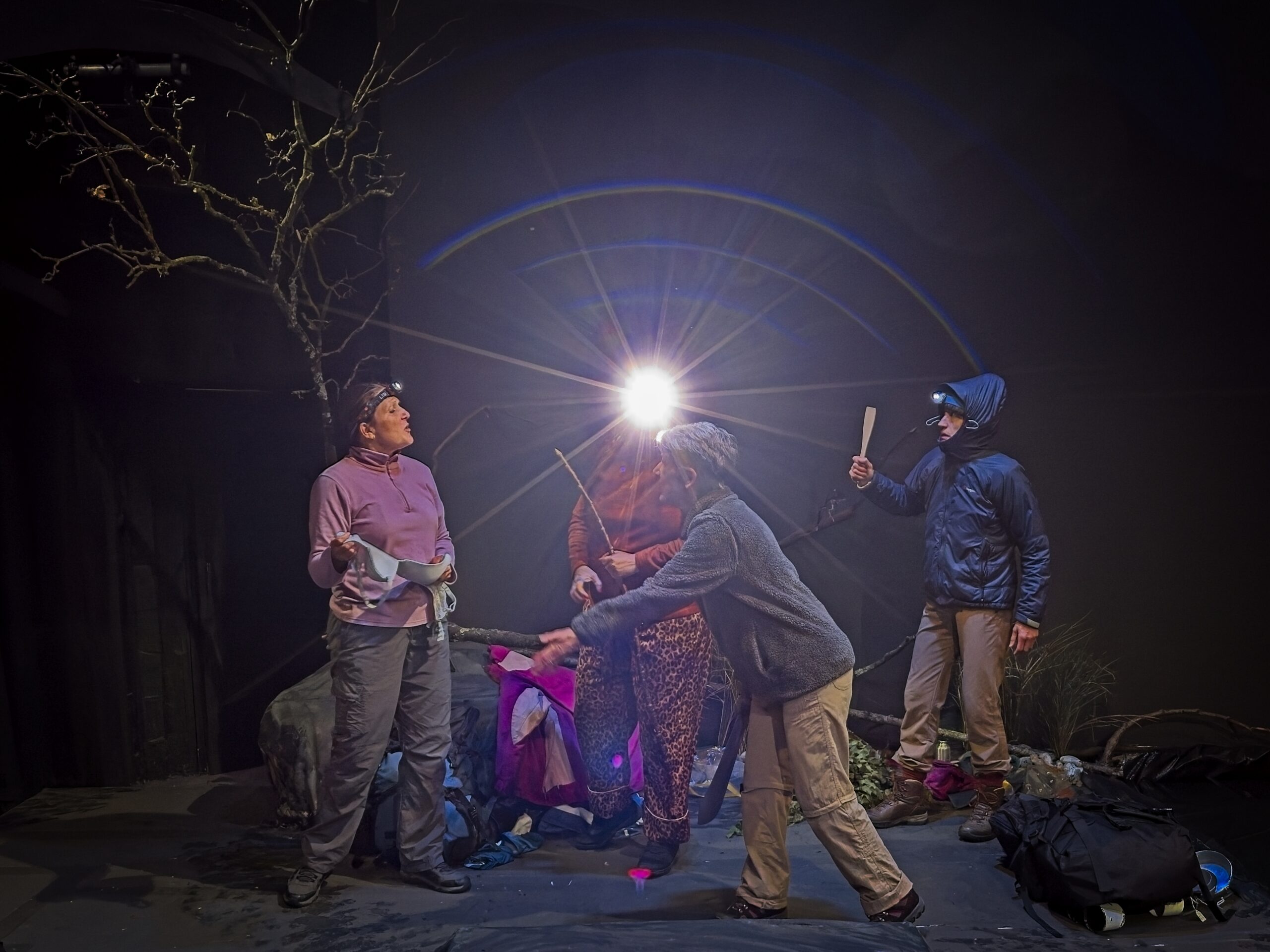
Special effects created a party boat going passed with a disco, a hint of fog and some eerie bird calls which all added to the atmosphere and emphasised the isolation. Arriving on stage really soaking wet could not have been very comfortable for the actors, and getting into dry clothes in full view of the audience was done very tastefully and naturally, not an easy task, but very well done.
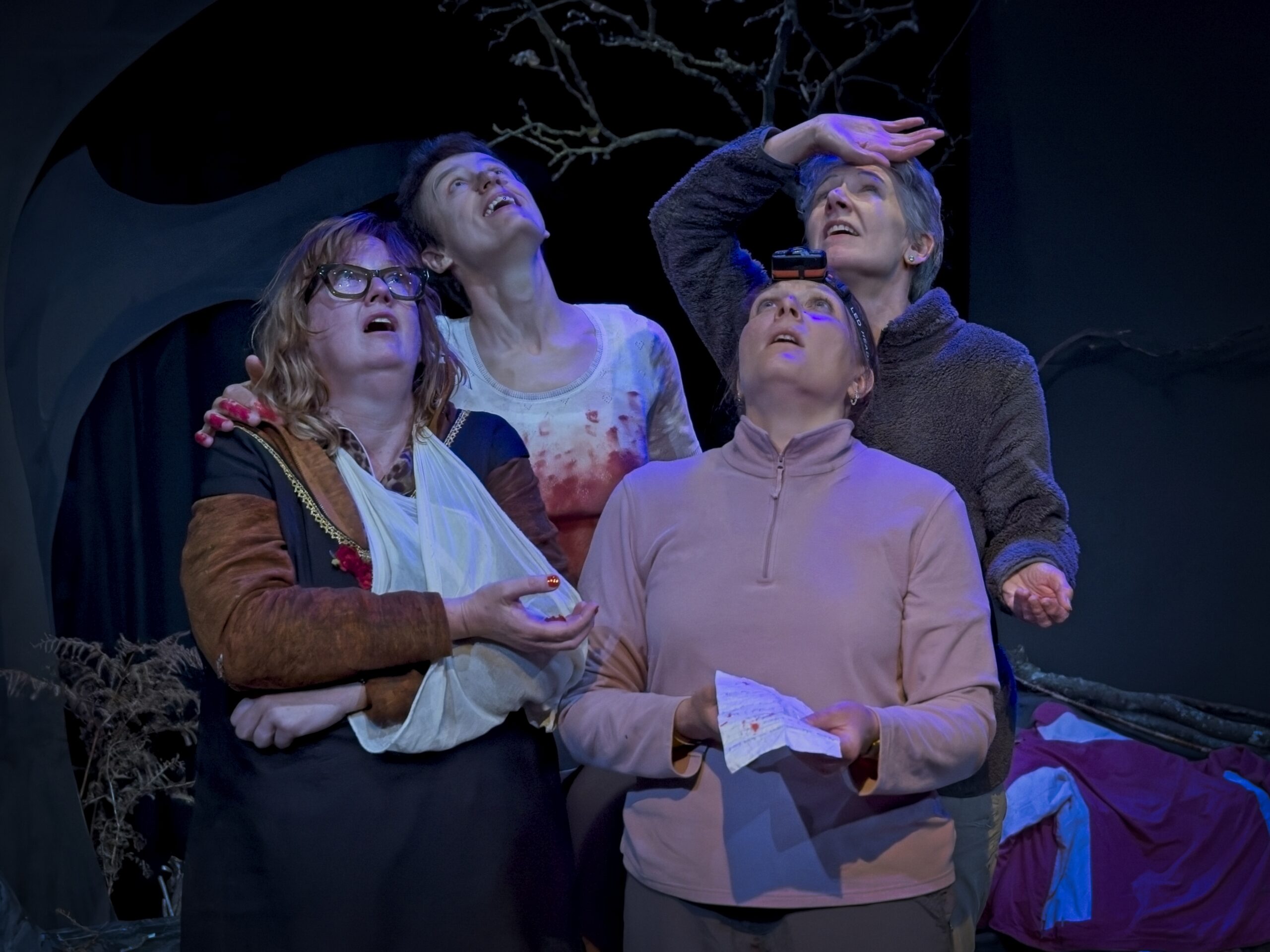
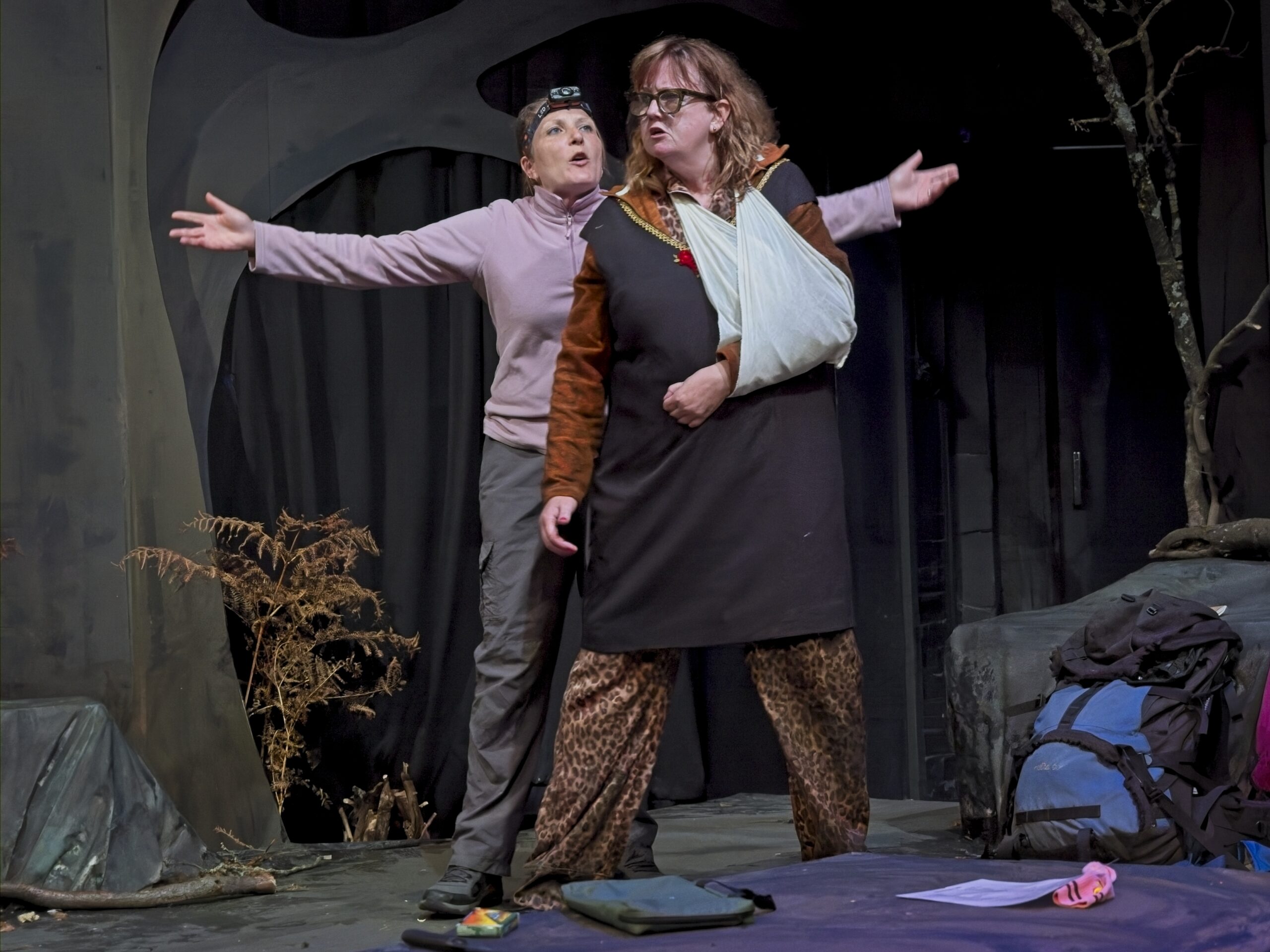
People are not always how they present and the cast made a great job of allowing their characters to alter as the strangeness and isolation of their situation became more desperate.
Sheila, played by Susie Evershed, took her role as Team Captain seriously and throughout the play tries hard to keep the team working together. A very difficult task given the strong and weak natures of the other women.
She is the reasonable one, always trying to pacify, calm situations and keep the team safe. Susie convincingly brought a gentle, but exasperated Sheila to life.
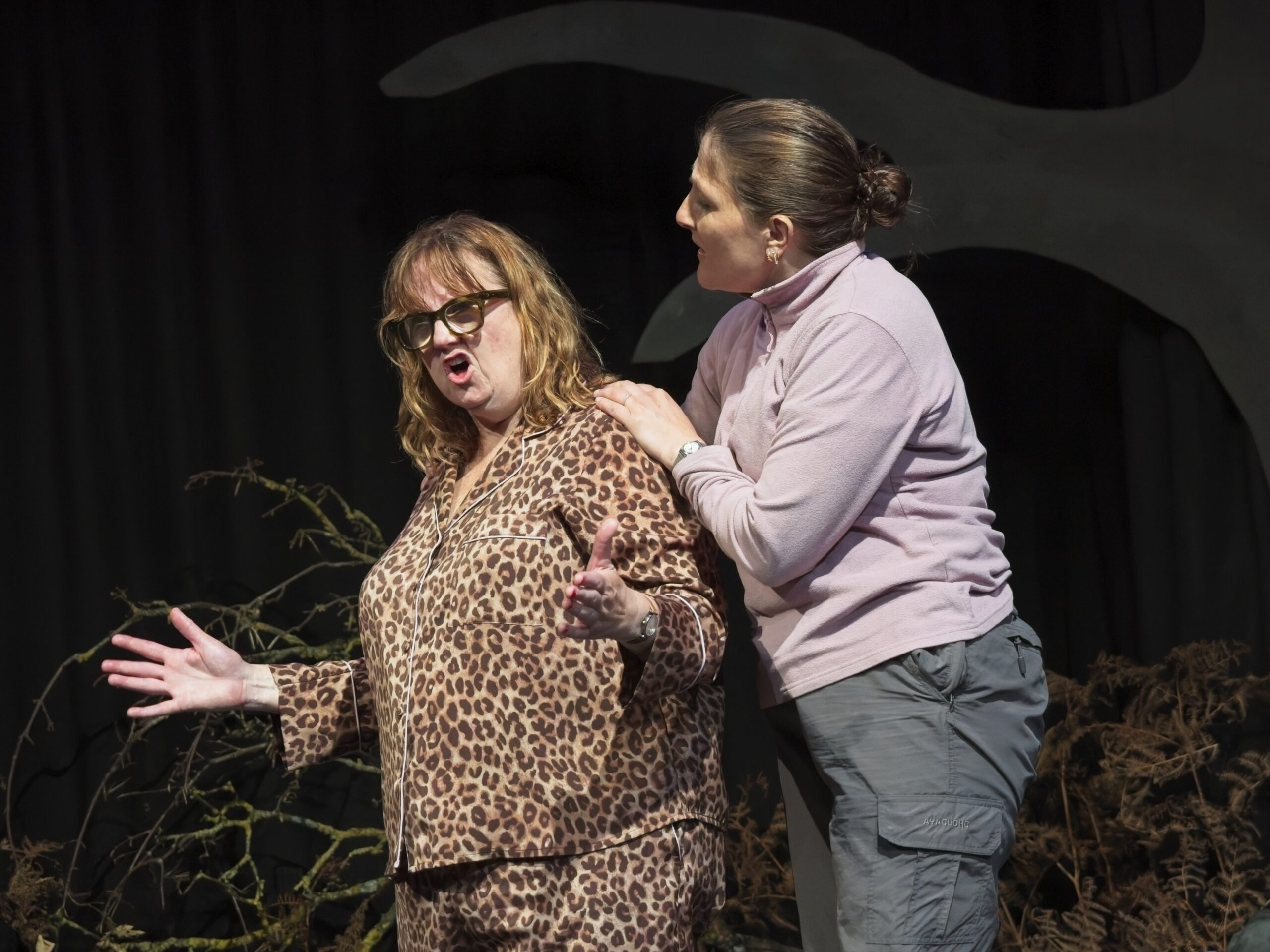
Kathryn Hearn plays Denise with great skill. Denise is not a pleasant person, constantly angry and not used to doing without the luxuries of life so being wet and marooned was anathema for her.
Denise’s interaction with the other members of the team is aggressive and Katherine has just the stature, facial expressions and strong voice to create this forthright woman perfectly.
Jill Priest is cast as Julie who is one of those women who always seem to have a perfect, contained life. She has the latest mobile phone, her rucksack is full of lots of useful items. Everything contained neatly in freezer bags is a metaphor of her life.
As the play moves along that metaphor takes a pounding. Jill projected Julie’s character right from the moment she came out of the water and on to the stage.
Fay, portrayed extremely well by Deborah Cole, was a complex character who we learn has been on sick leave for 13 months due to a trauma, but the cause isn’t known. Deborah’s head in hand, eyes closed, body movement, reaction to the arguments perfectly presented Fay’s vulnerability and distress. Religion has become Fay’s salvation which causes some dissension with the others. As a keen ornithologist she has the ability to forget their predicament and study the unusual birds nesting on the island.
The casting of these four characters is exceptional, from the moment they individually came on stage, they embodied the women they portrayed. The interaction between the actors showed how hard they had worked and how strong the bond between them had been formed which really made for an excellent performance.
In 2001 Rosemary Goodman directed Neville’s Island, Tim Firth’s all-male version of Sheila’s Island. Rosemary told me that although most of the script was the same as the first version, it proved to be a very different dynamic being women and taking account of female issues. Rosemary is justifiably proud of her production and said it was “an absolute joy” to direct.
Tickets sales for the play have been high, but it certainly would be worthwhile trying to get a ticket. I know the people who will be seeing it over the last few nights are in for a real treat.