14 Nov 2024
Matt Adams travels back to Restoration England to meet one of theatre’s pioneering talents…
From low-born origins as the daughter of an alcoholic brothel-keeper, through her time as an orange seller and possible prostitute to becoming one of English theatre’s first actresses, to ending up as the mistress of King Charles II and pretty much the living embodiment of Restoration period, still a great deal of what we know about Nell Gwynn (or Gwyn) is tantamount to gossip and rumour.
It is apposite therefore that the rich story of this folk heroine should be translated to the stage, reflecting her influence and contributions to our nation’s theatrical heritage, while also acknowledging just how much of her history is open to speculation.
The play’s writer Jessica Swale explained: “I wanted to honour Nell’s memory, to capture her spirit and what she stood for rather than stick slavishly to the facts.”
In fact she made a conscious decision early on that the play should be a homage rather than a documentary, very much in the same vein as many TV and film biopics.
In presenting their version of the Olivier-winning comedy at the Abbey Theatre, the Company of Ten are also celebrating their 90th anniversary of providing live theatre in St Albans, which is another fitting touch as this production is very much about the traditions and history of theatre as it is the story of Nell.
The idea that actors trade in magic, not real life, is one of the themes running throughout the production, but it also questions women’s roles on the stage, as they were often portrayed as characters without depth, an unfortunate trope which continued in theatre, television and film until arguably only recently.
“Juliet is a noodle!” is one declaration, referring to the Shakespearean teenager’s decision to take her own life after losing a lover she only met the previous week.
Restoration England was very much a turning point for theatre, with Charles II declaring that women should be allowed on stage for the first time, and it seems Nell was in the right place at the right time.
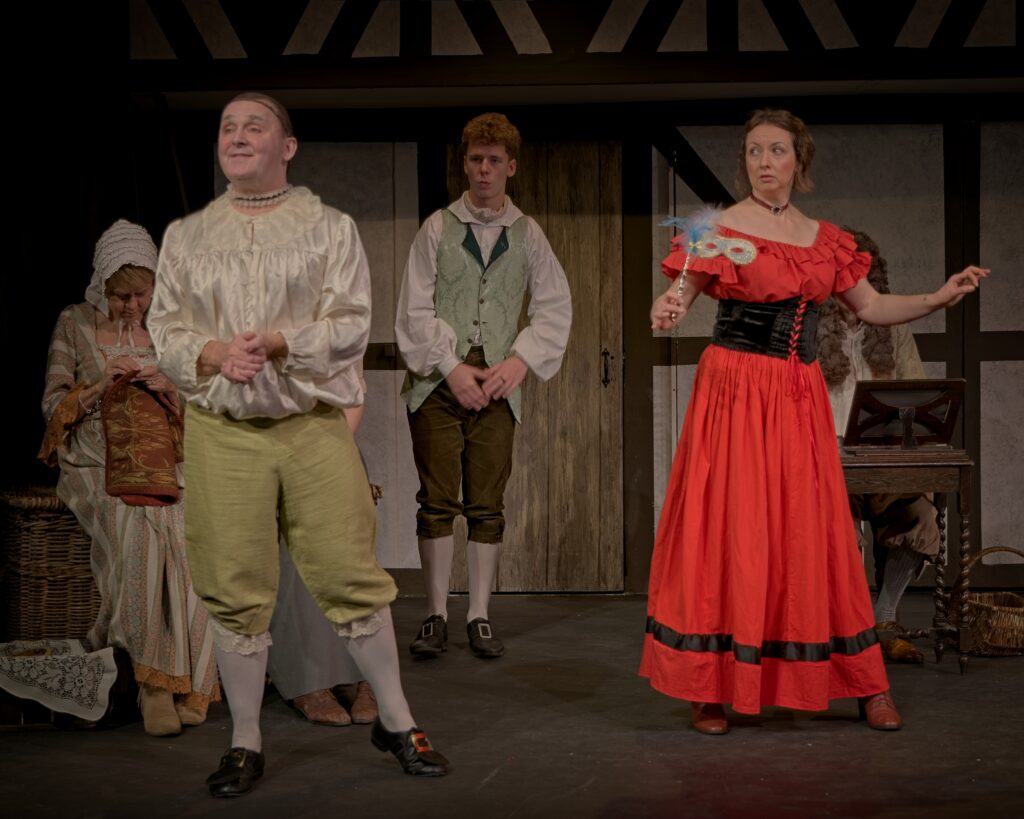
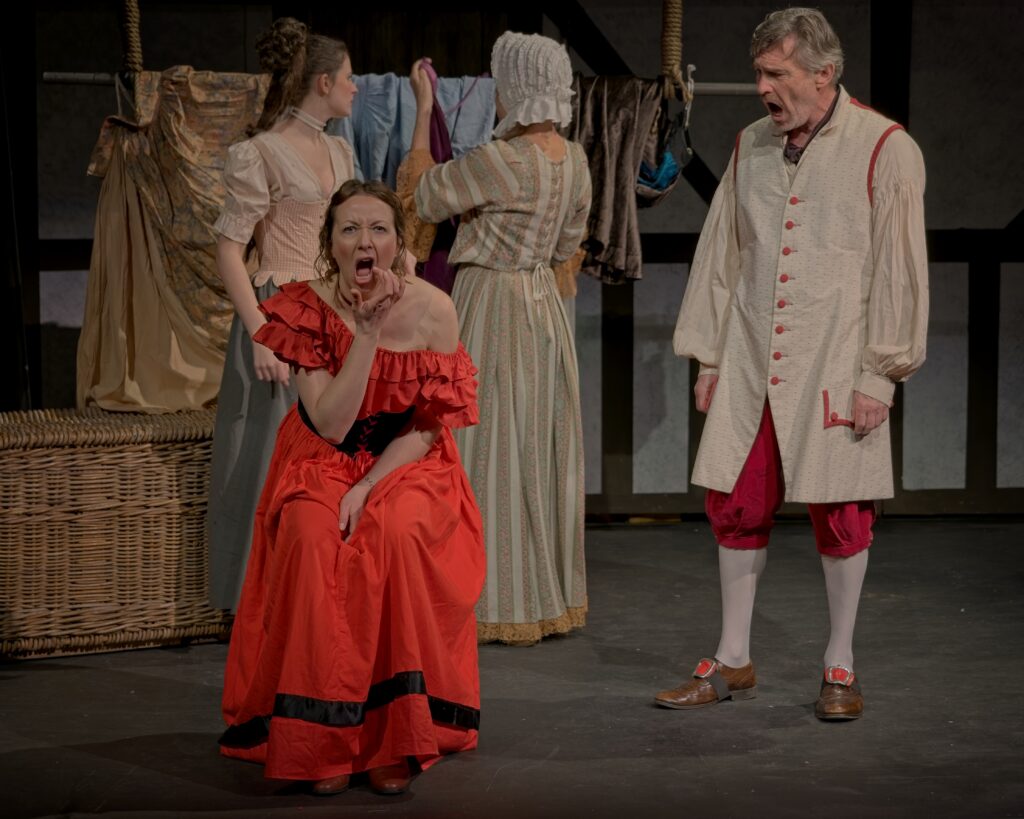
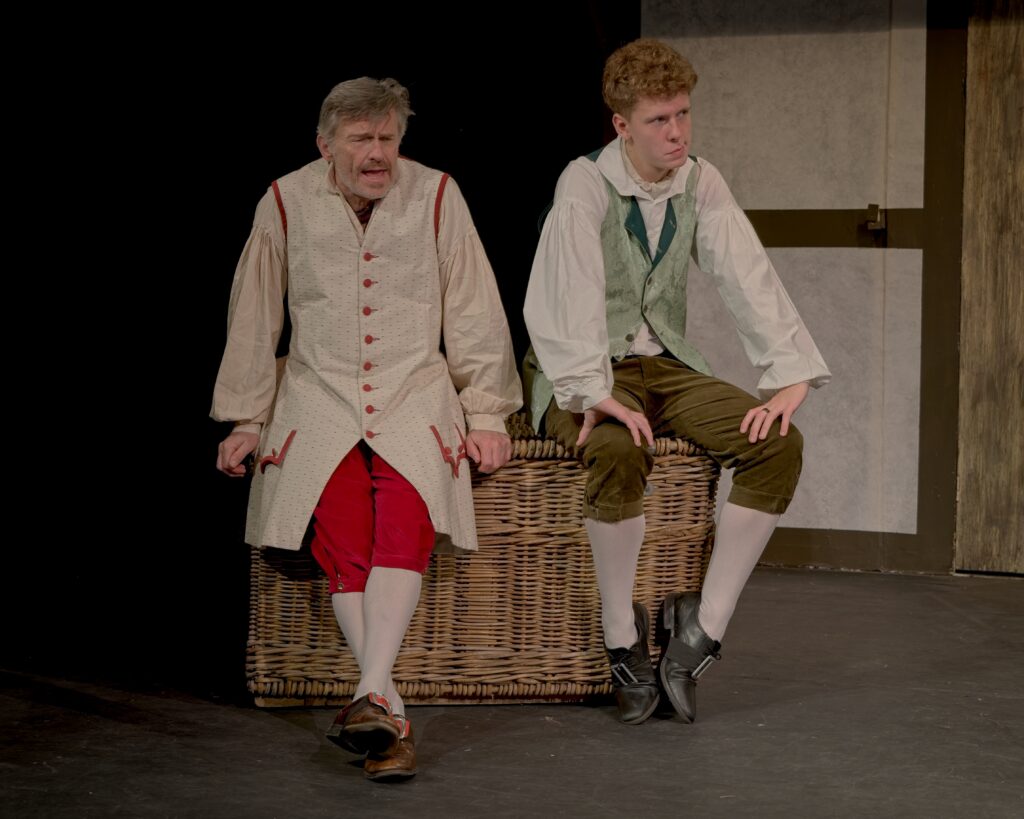
Having eeked out a living selling oranges, her quick wit attracts the attention of actor Charles Hart (Dan Clucas), who resolves to give her lessons in acting – or “pretending for a living” as she describes it.
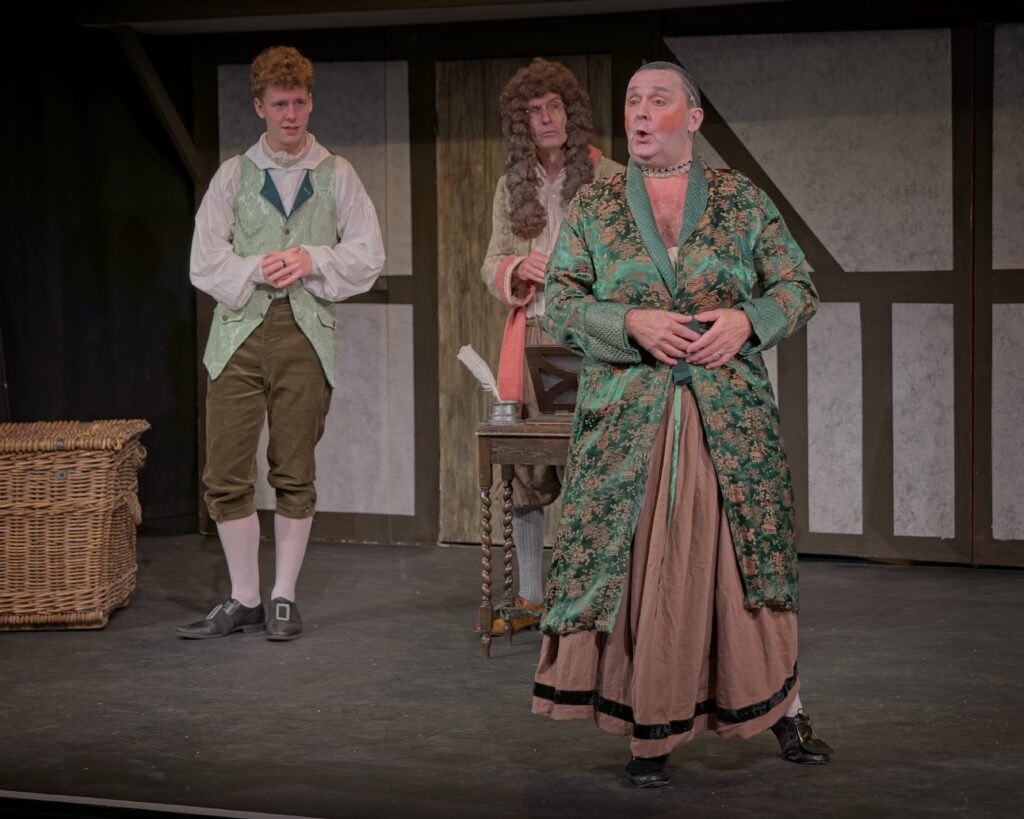
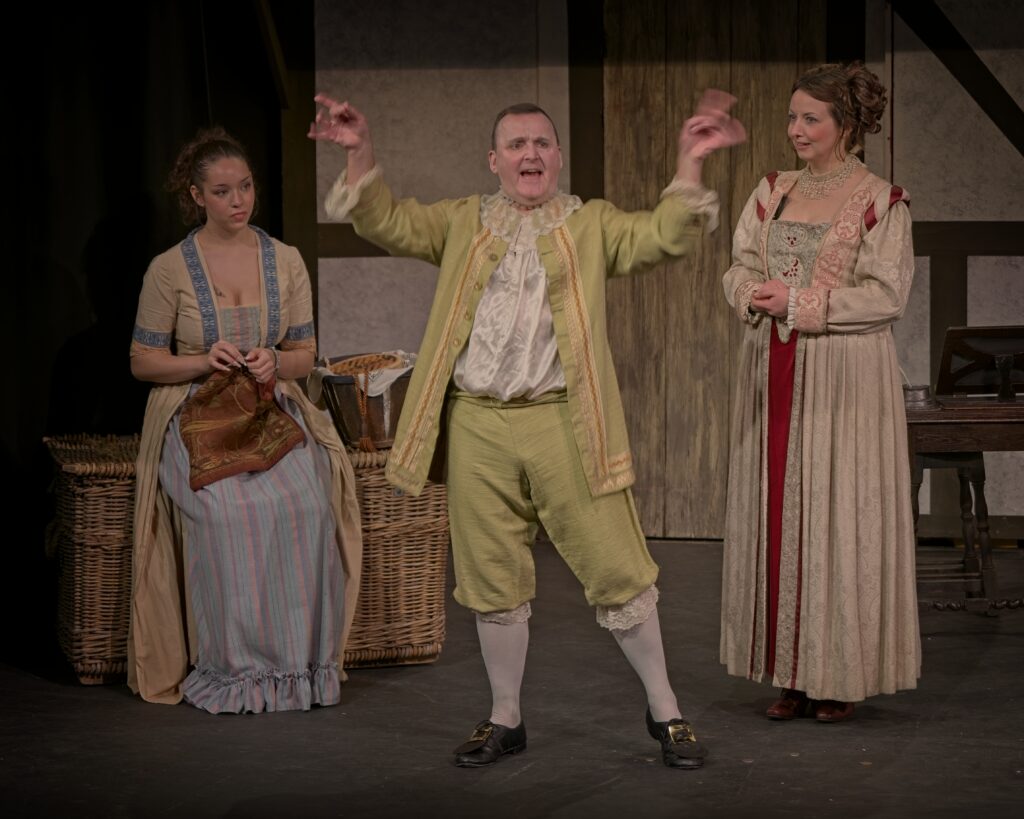
But this provokes the ire of his company colleague Edward Kynaston (Mark Dawson), who has made a career out of female roles.
“No woman can play a woman as well as I can play a woman!” he declares.
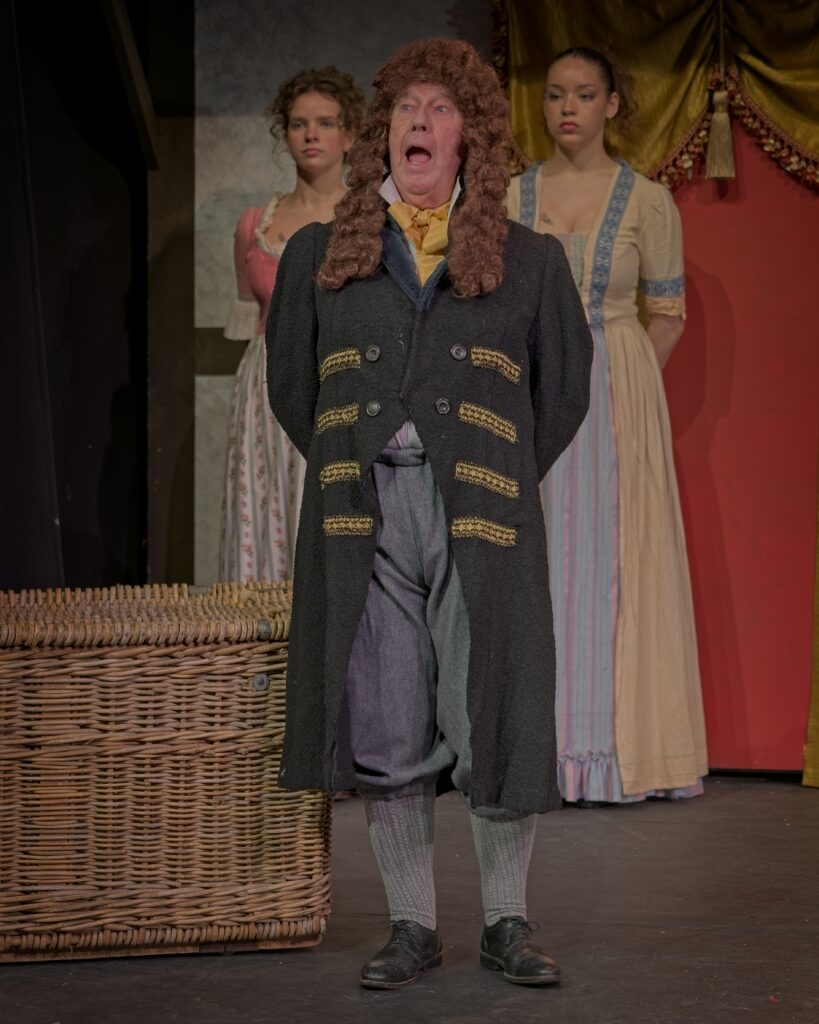
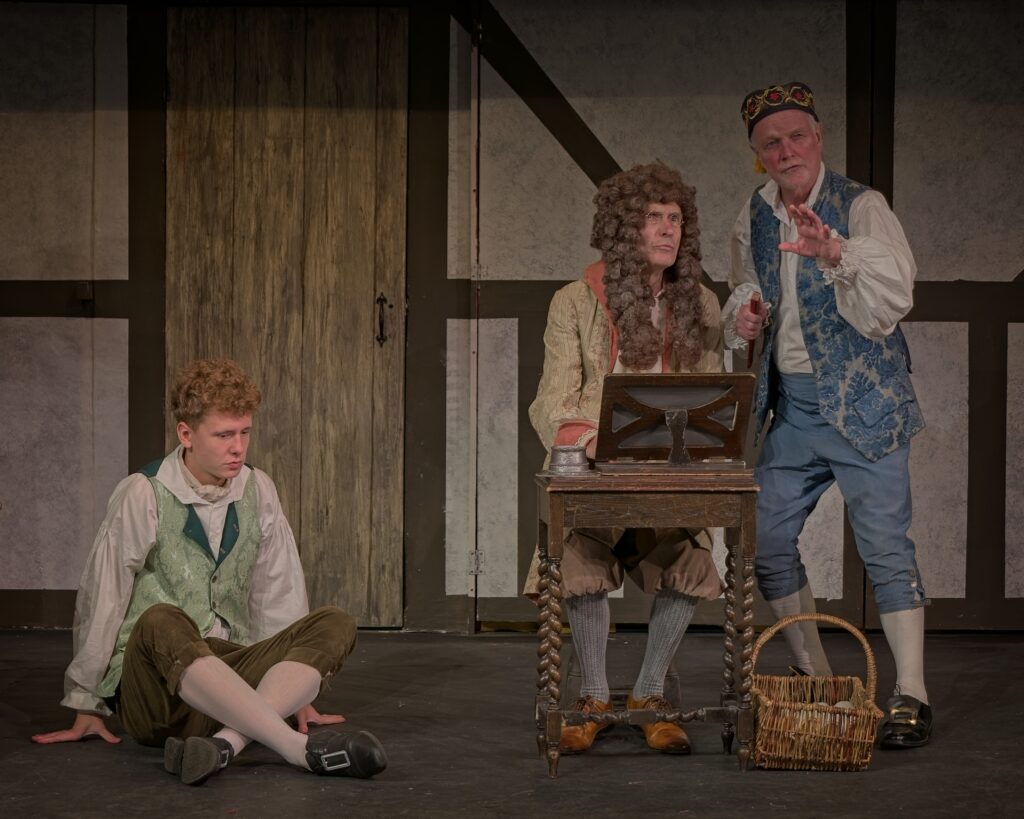
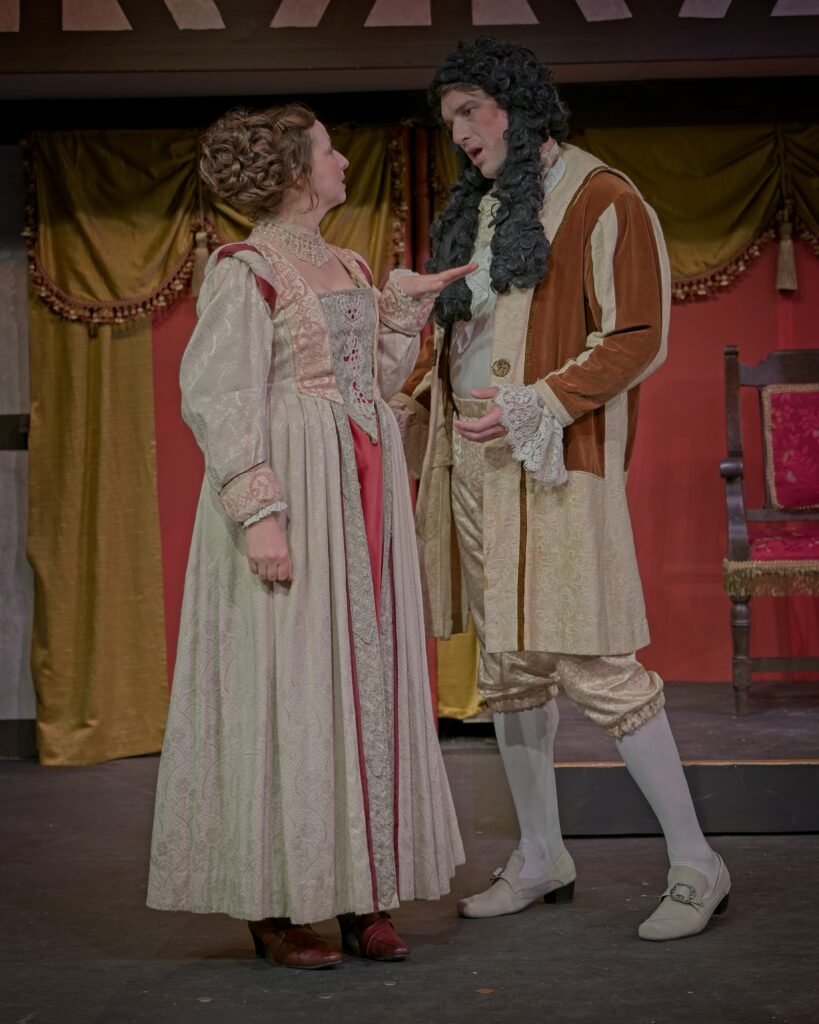
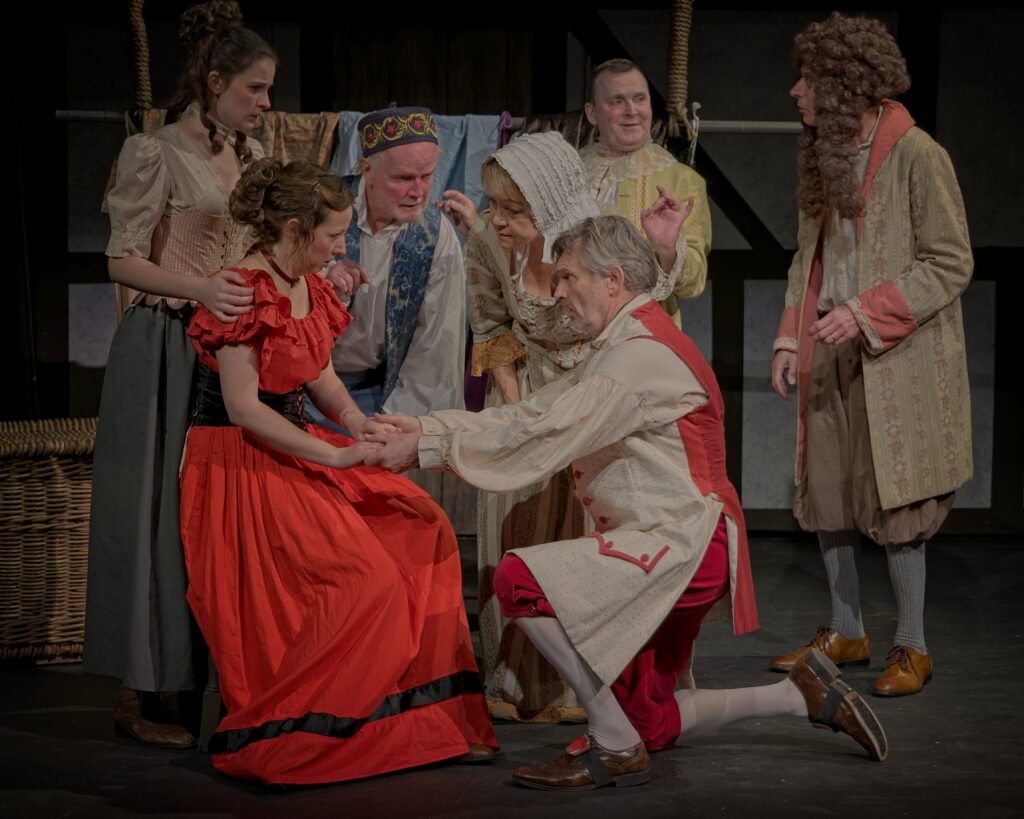
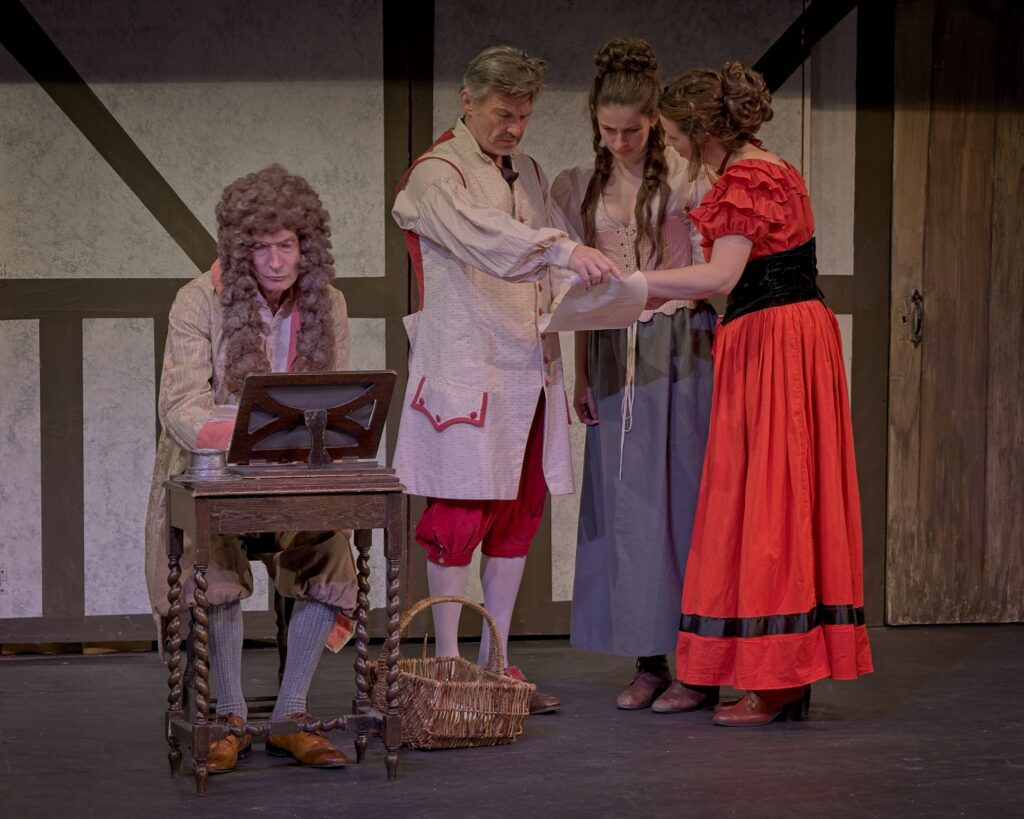
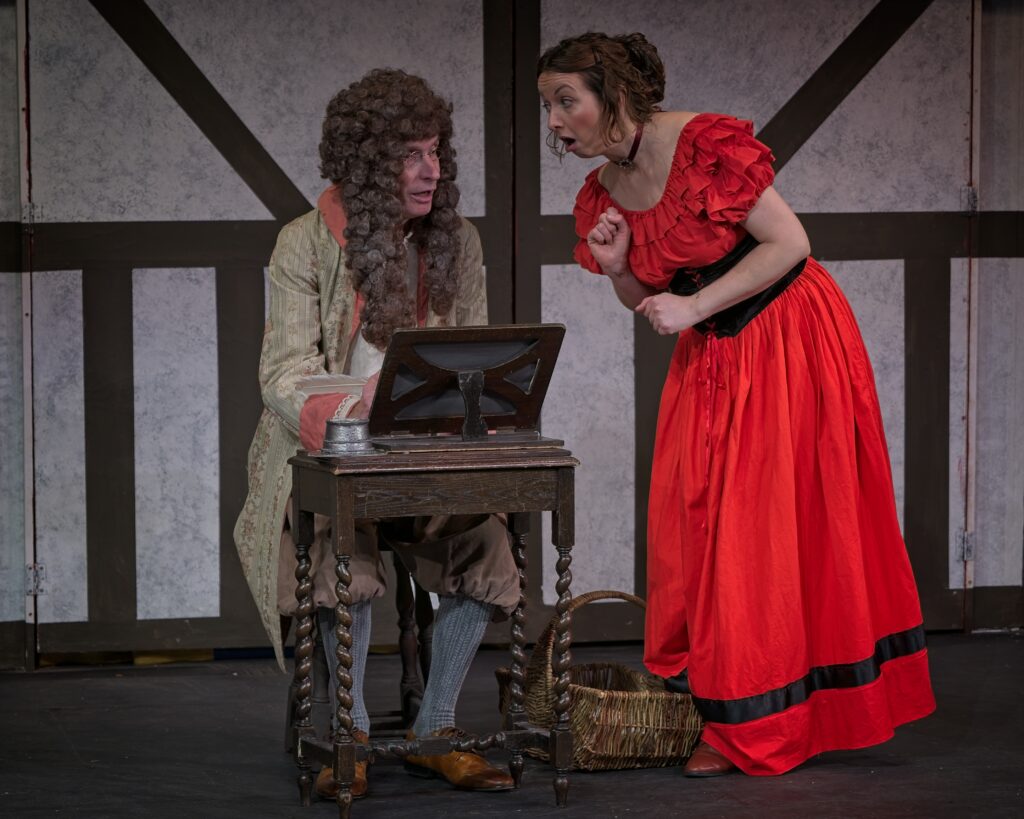
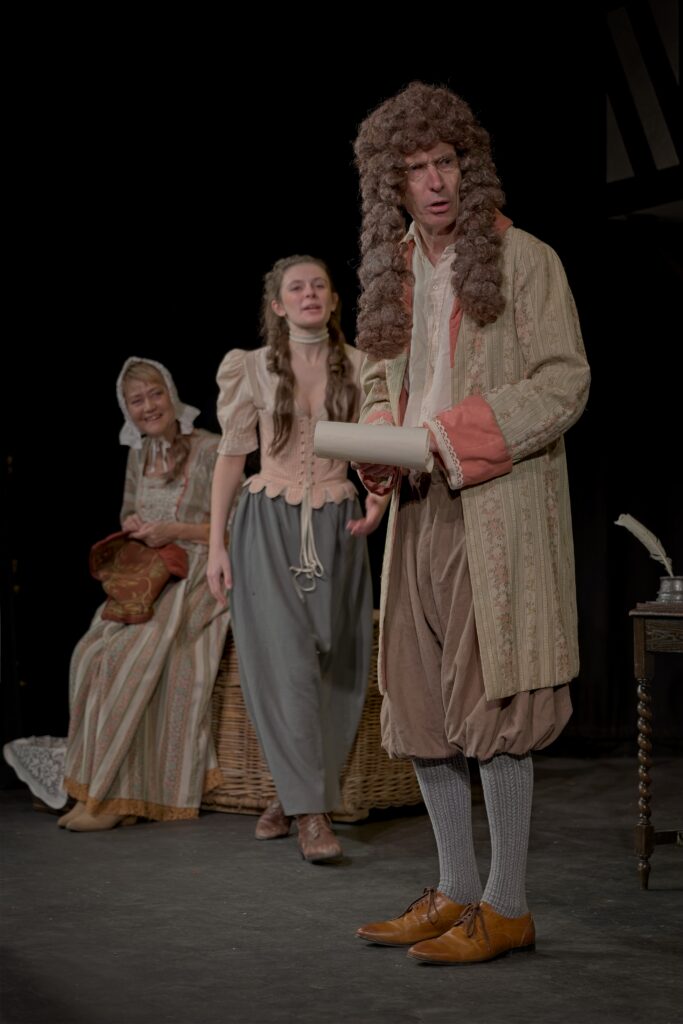
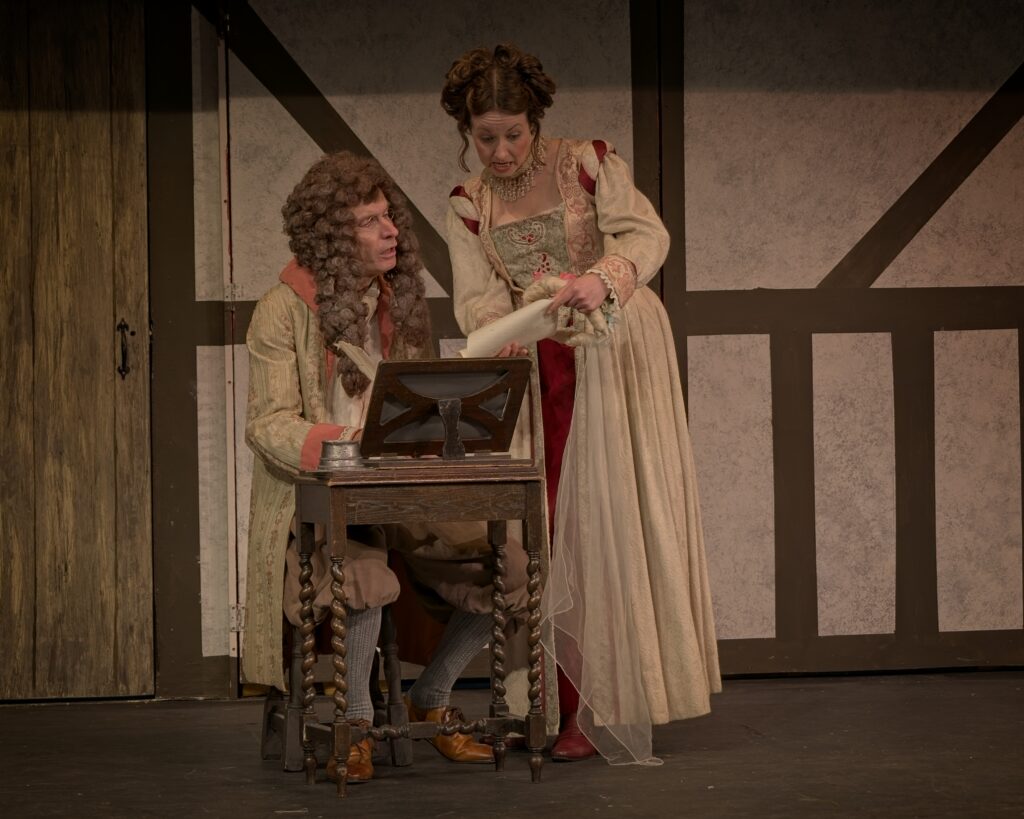
Nell’s natural talent and charm soon win over her fellow actors and the company’s owner Thomas Killigrew (Clive Webb), who tells their playwright John Dryden (Keith MacDougall) to write for “a real woman, with character, skill, heart and sense in her head”.
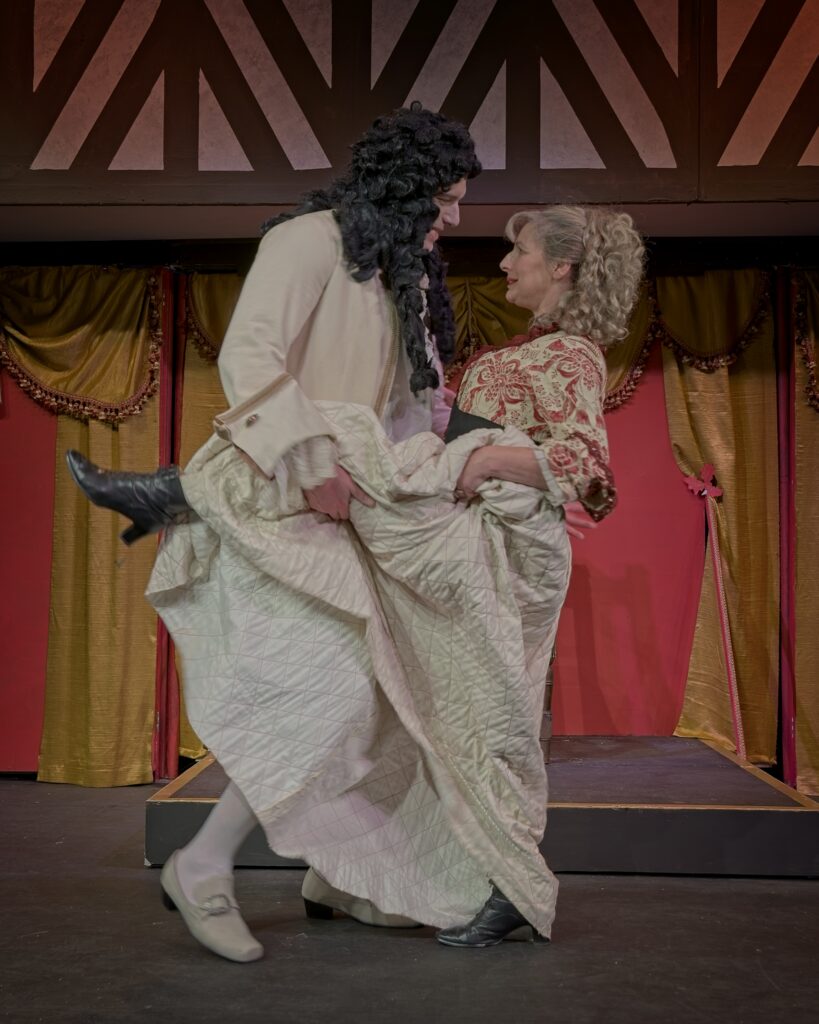
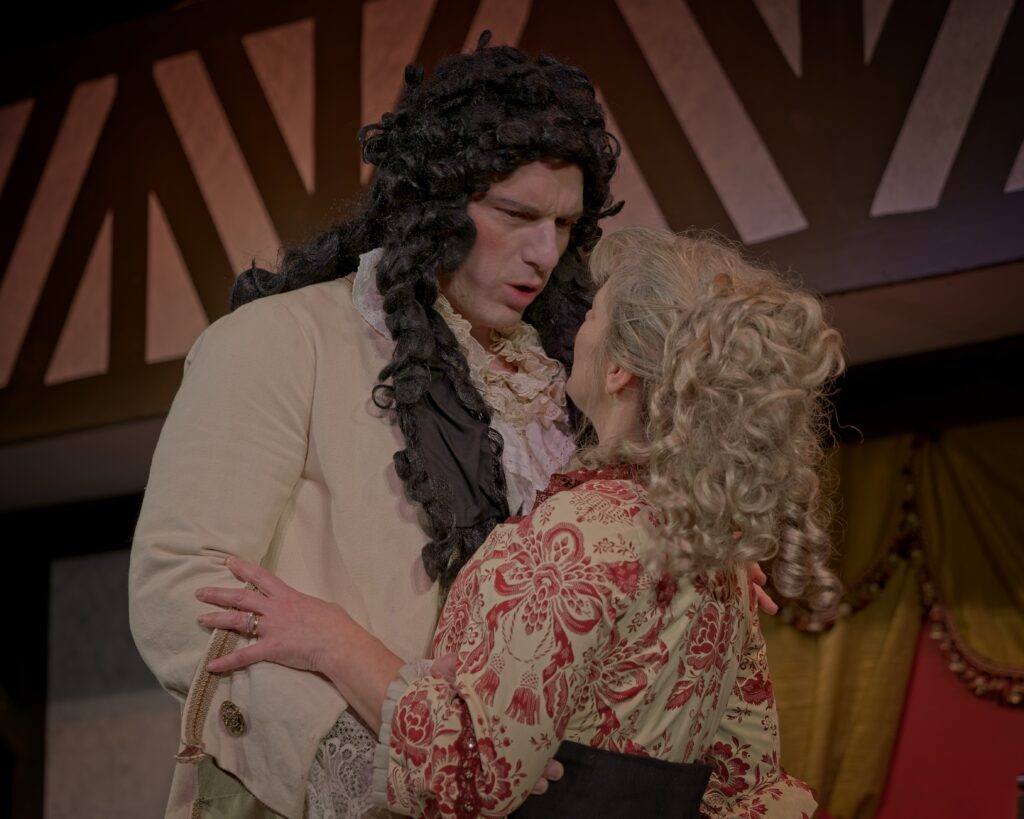
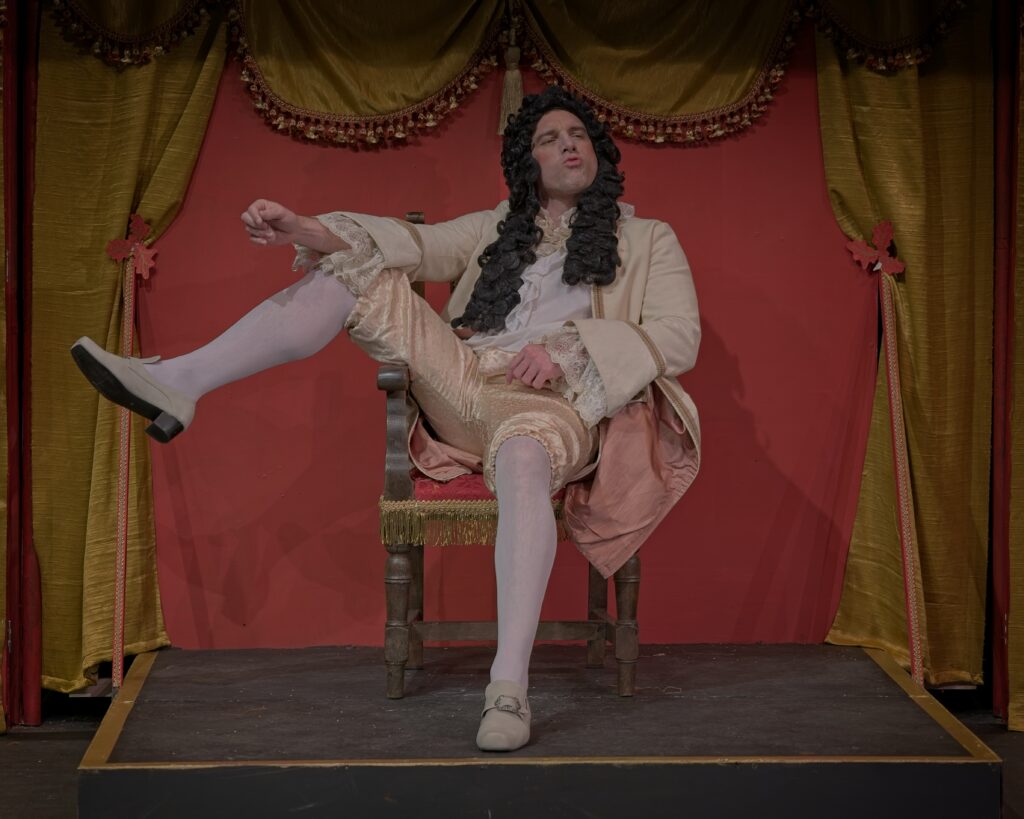
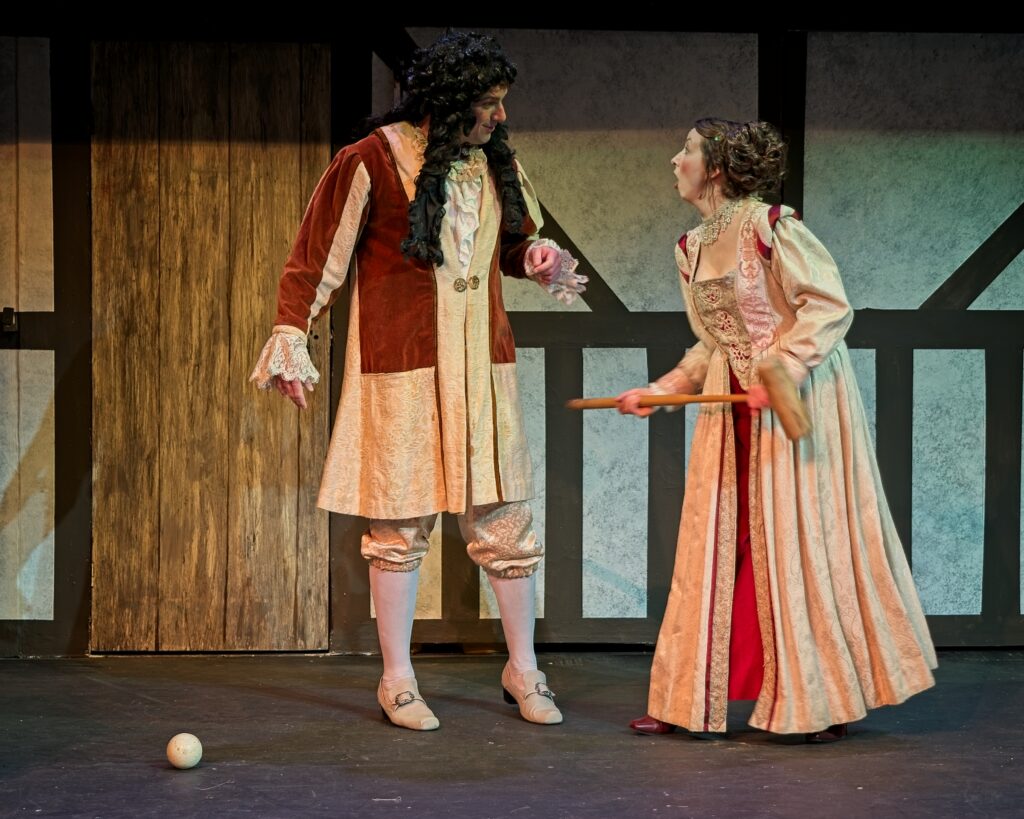
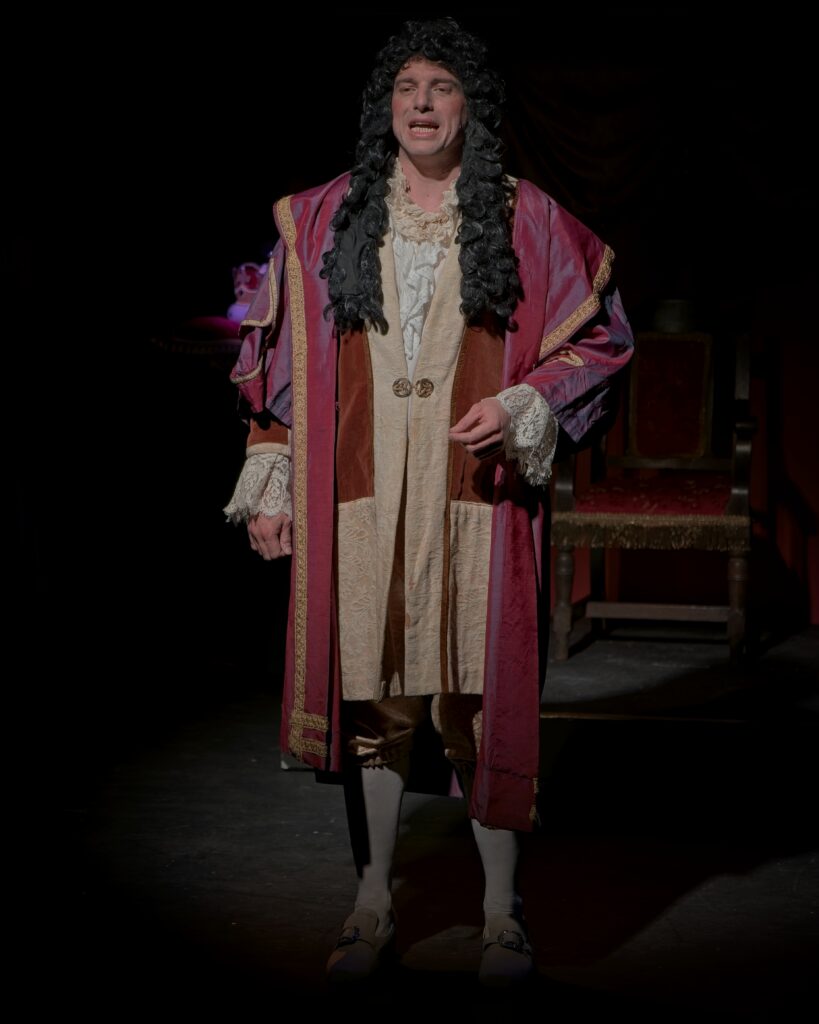
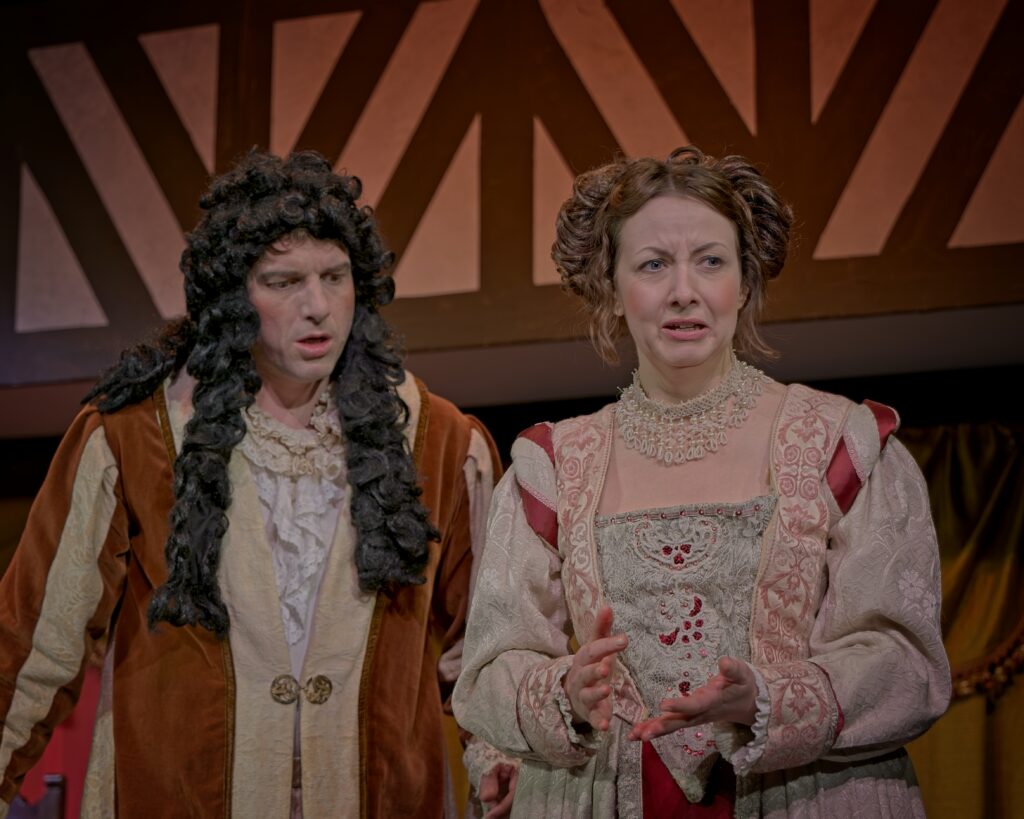
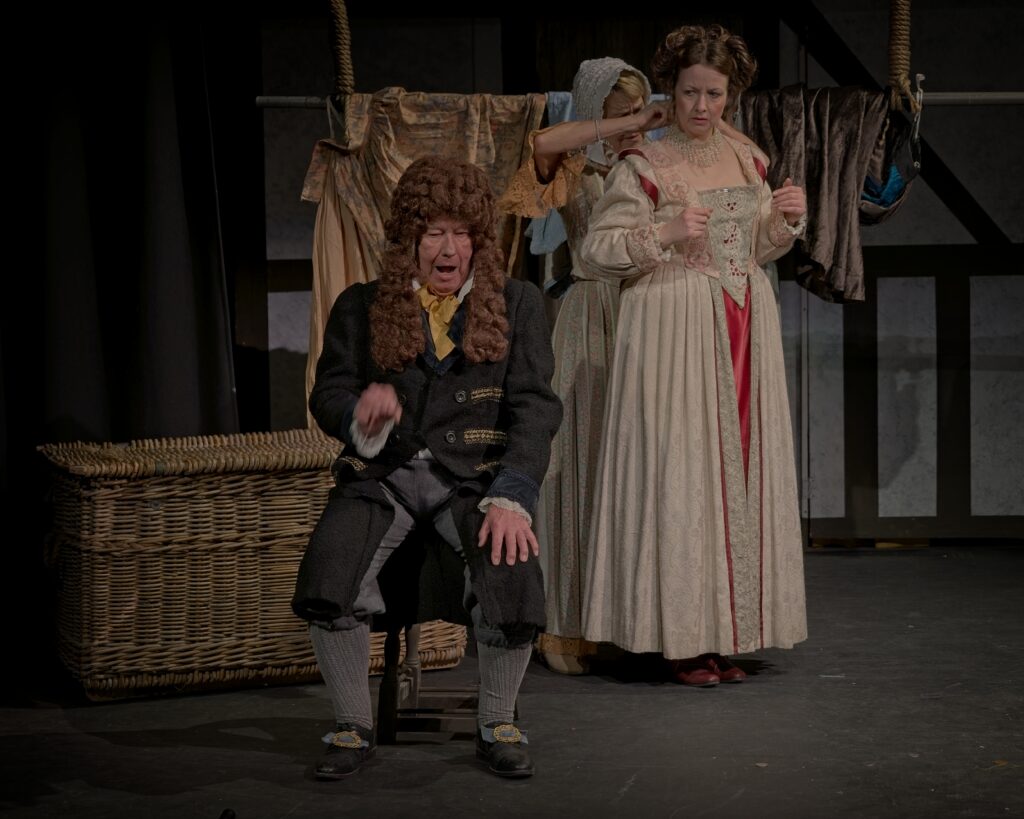
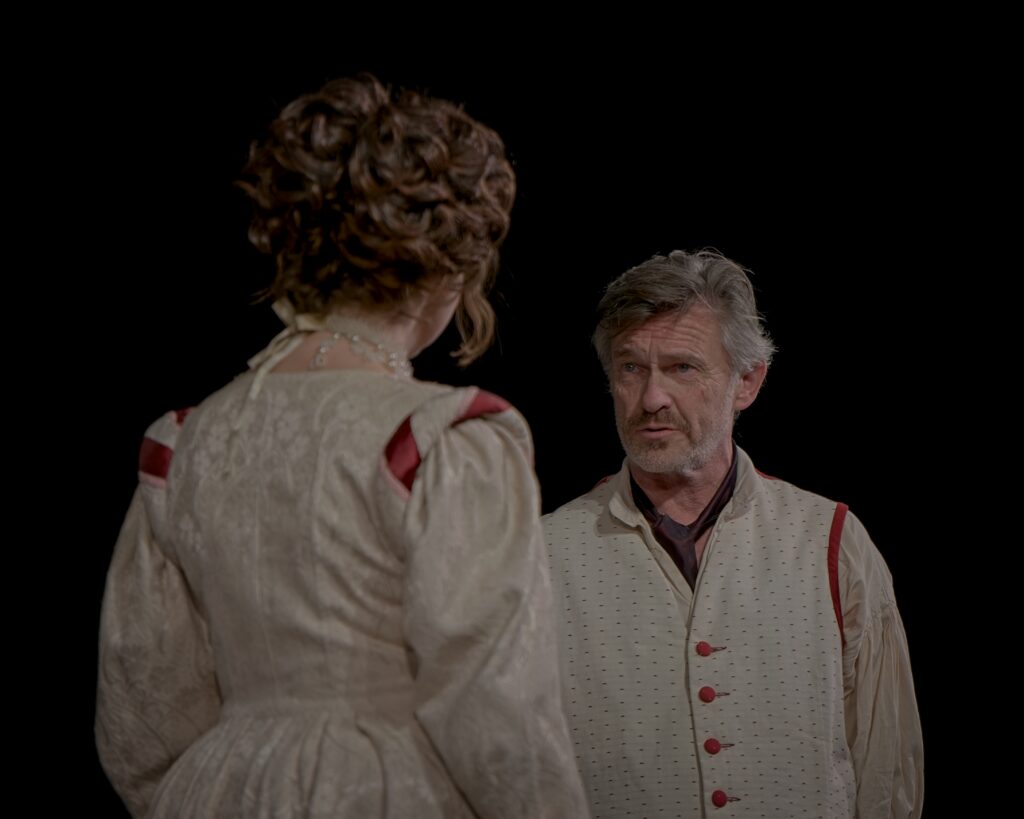
Propelled onto the stage, Nell attracts the wandering eye of the King himself, Charles Stuart (Mike Butcher) which results in a passionate affair which lifts her status out of the gutter and into the Royal court…
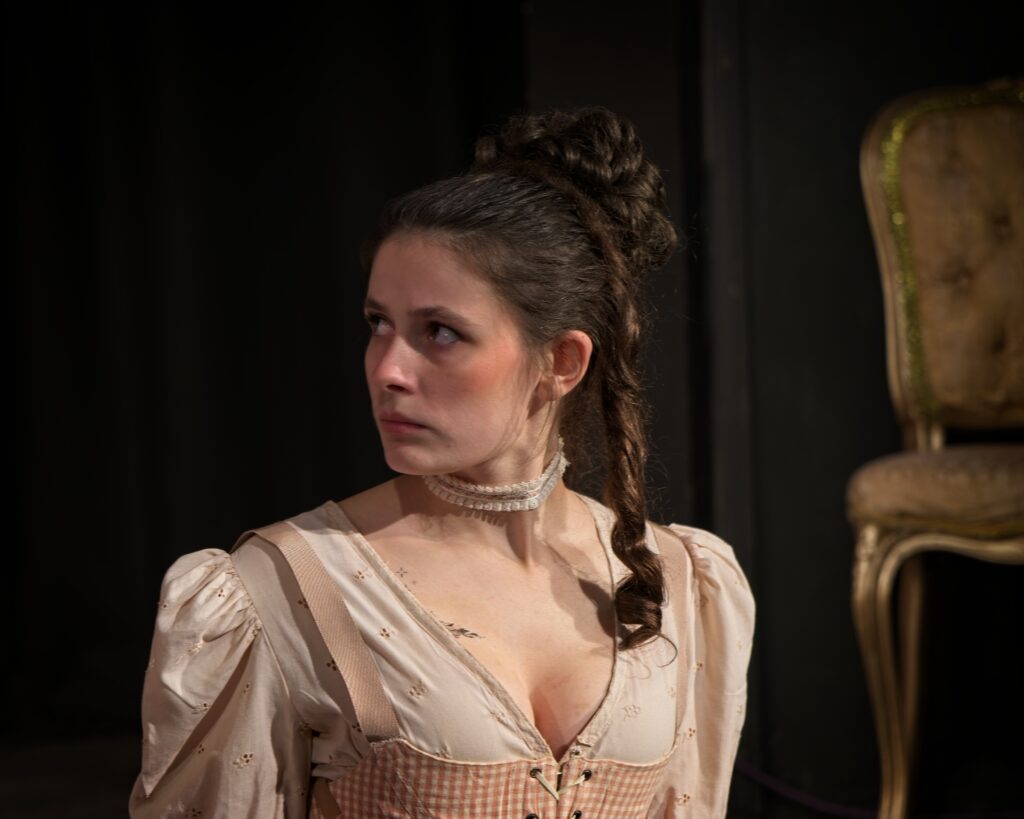
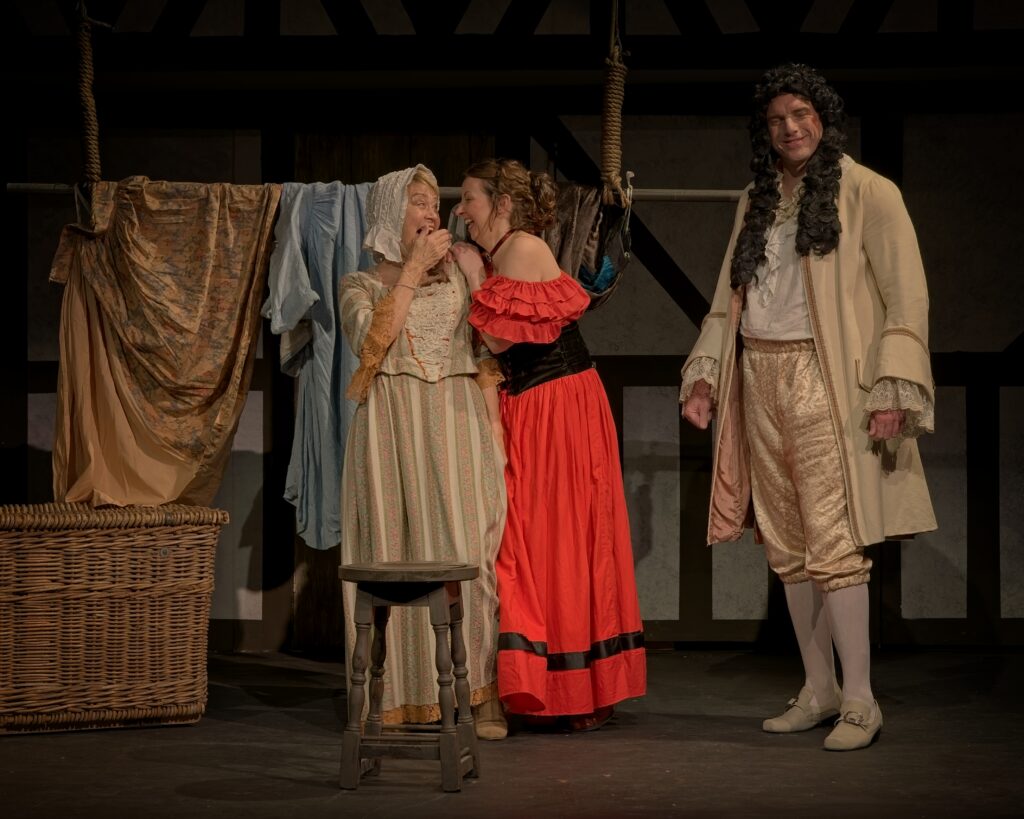
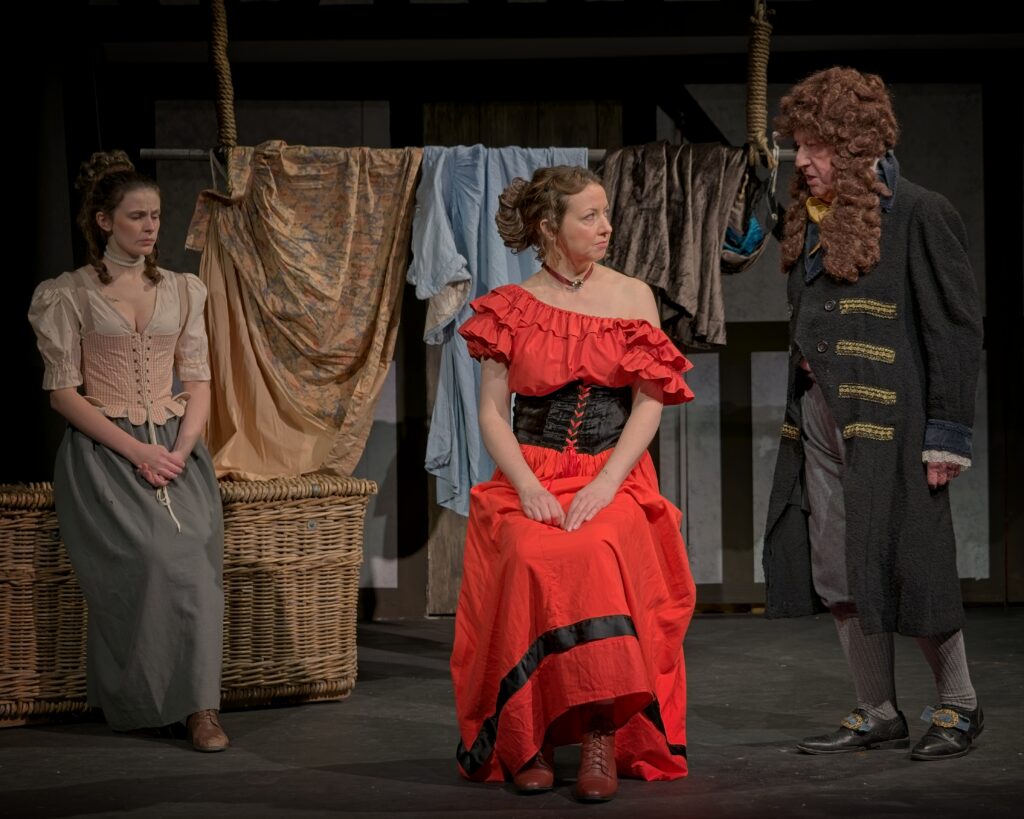
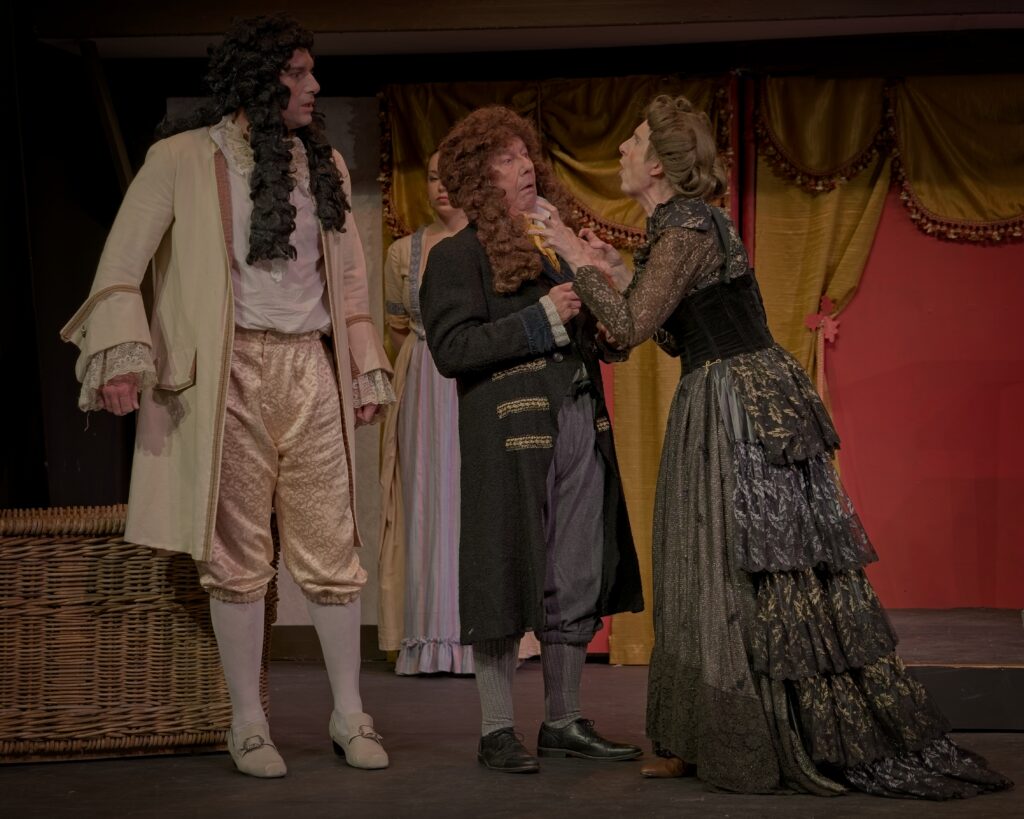
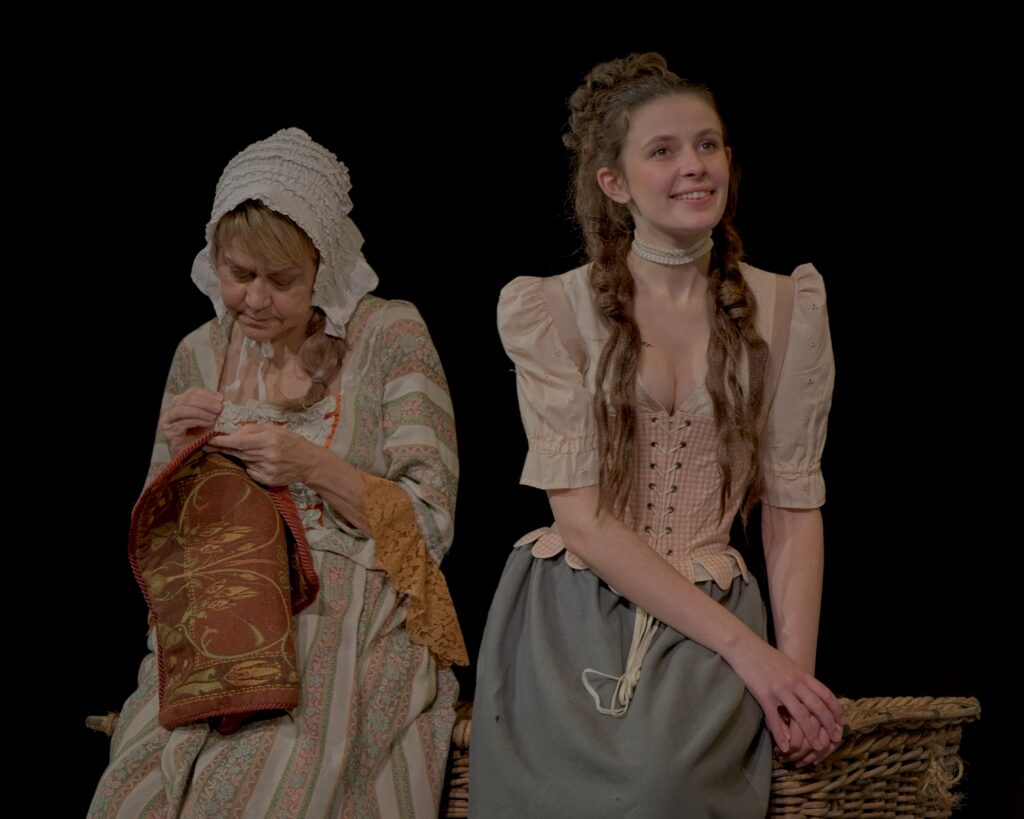
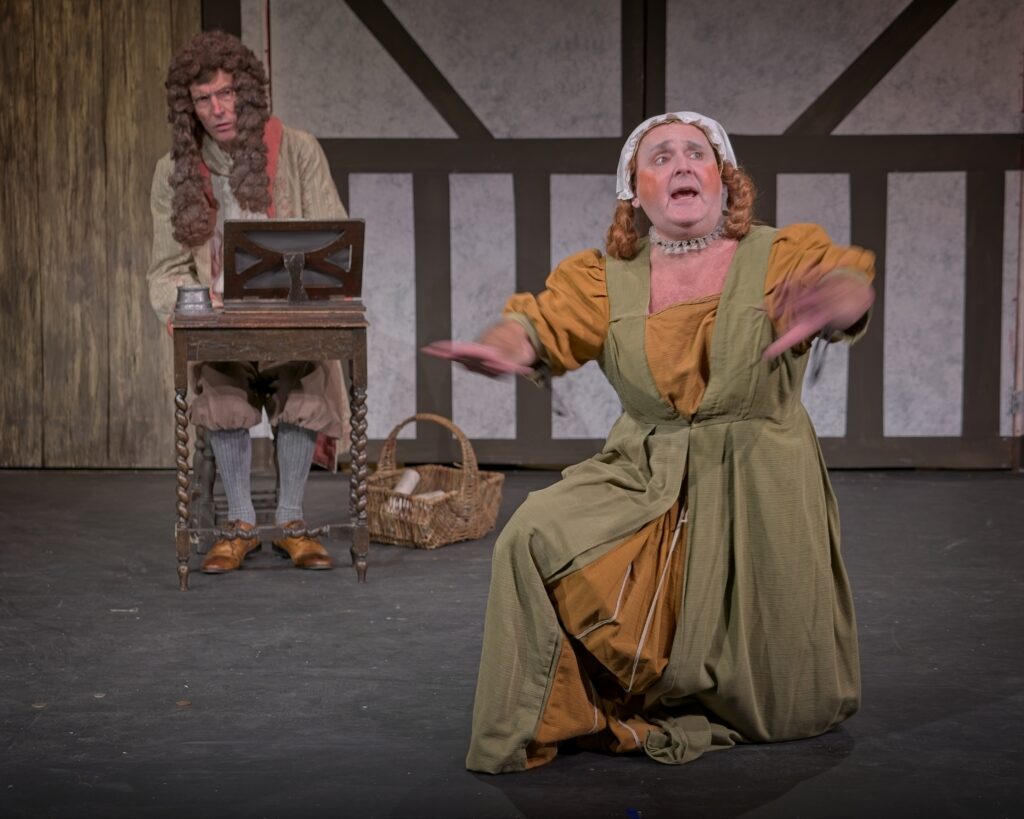
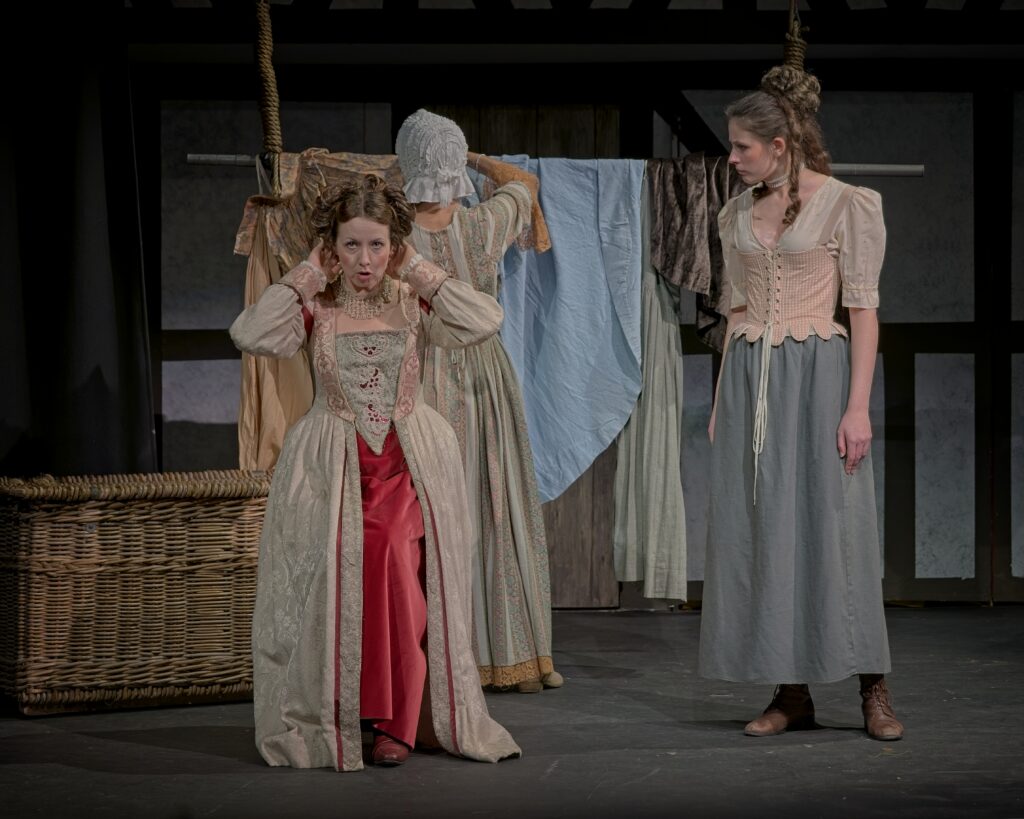
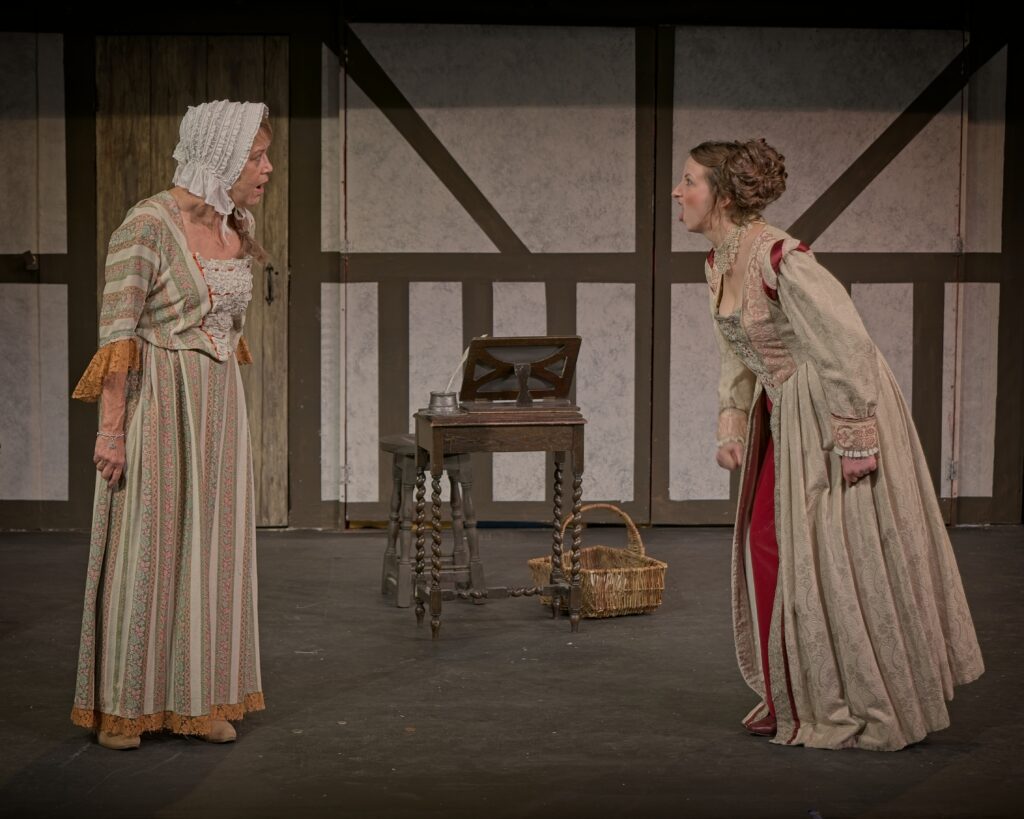
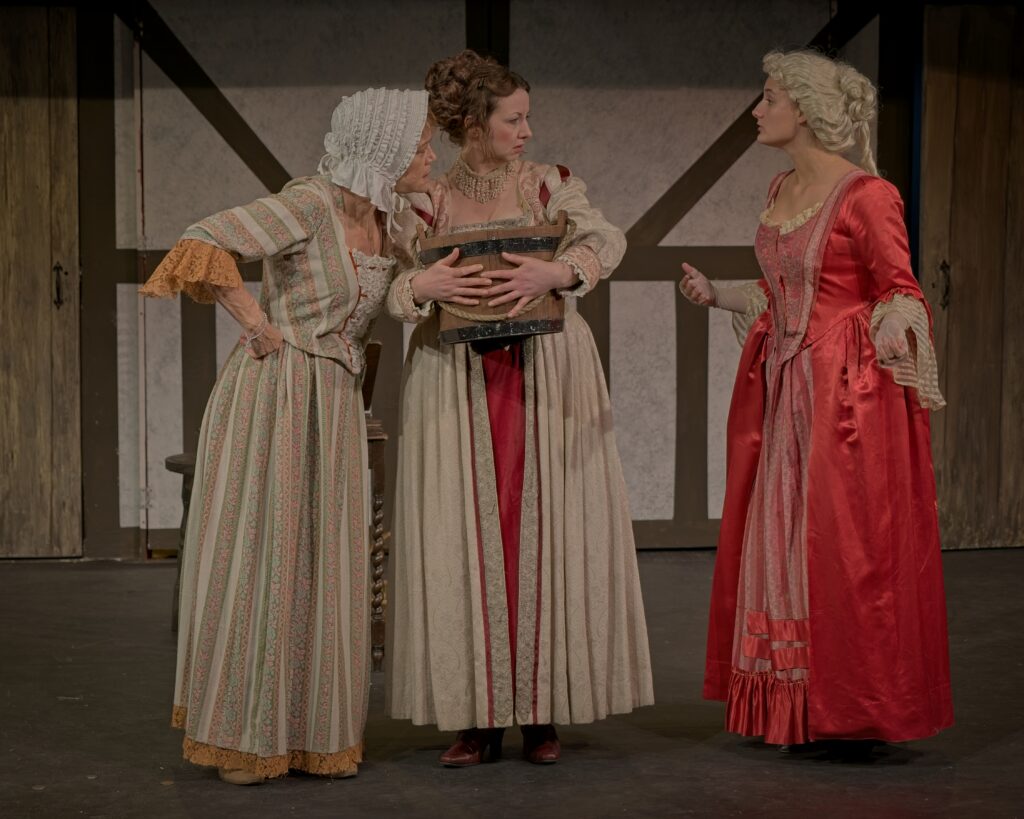
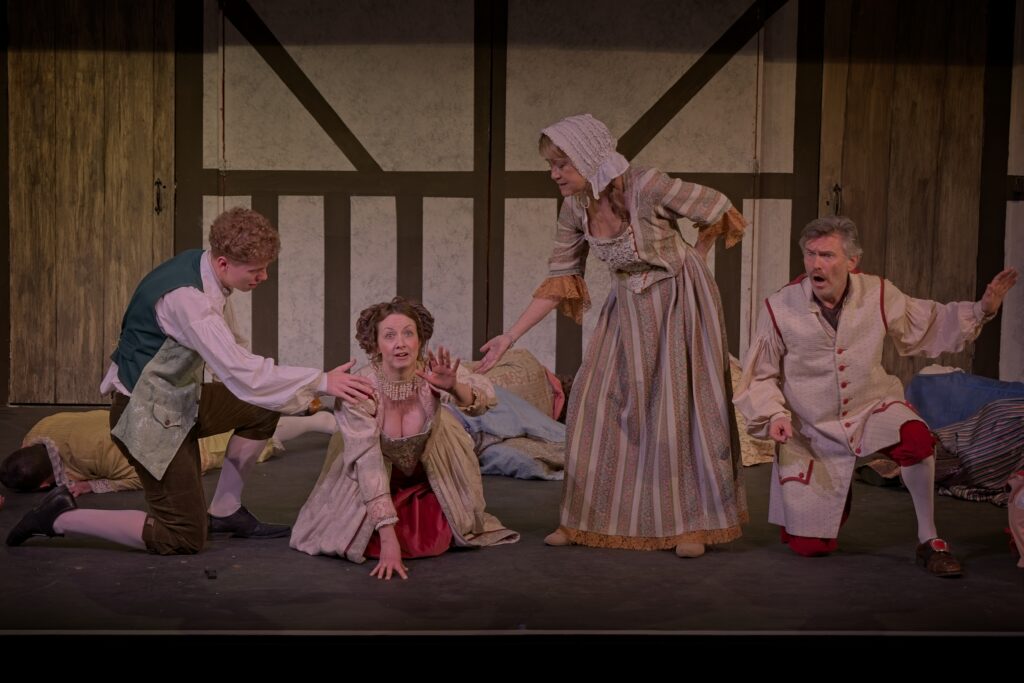
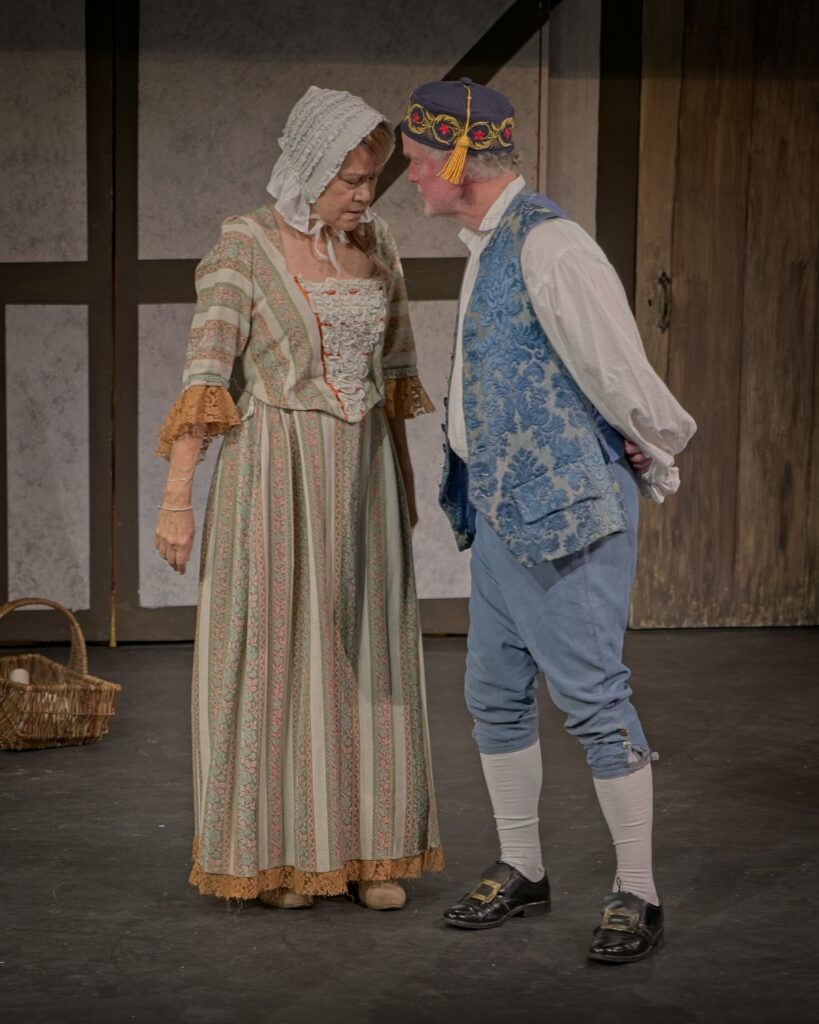
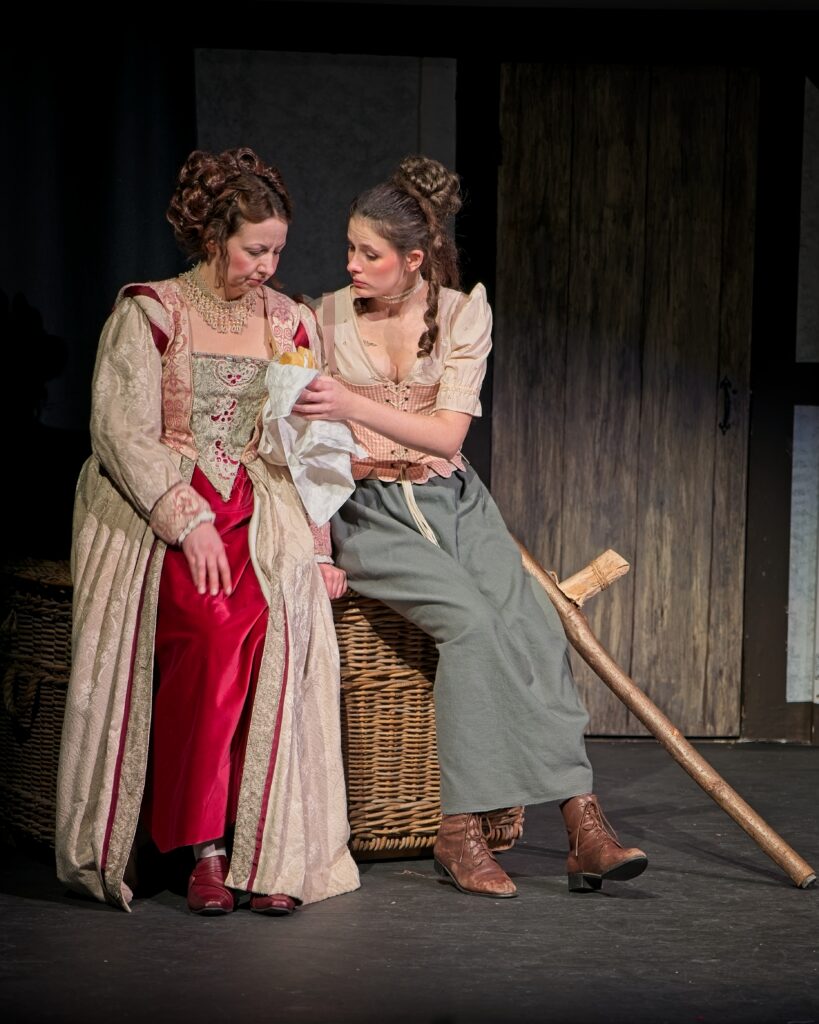
Unfortunately not everyone is happy for her rise to fame and influence. On the one hand is courtier Lord Arlington (Tony Bradburn), who has waited a decade for the return of the monarchy following the execution of Charles I. Then there is Nell’s sister Rose (Elouise Wathen) and mother (Lianne Weidmann), who don’t want her to forget the Cheapside slum she came from…
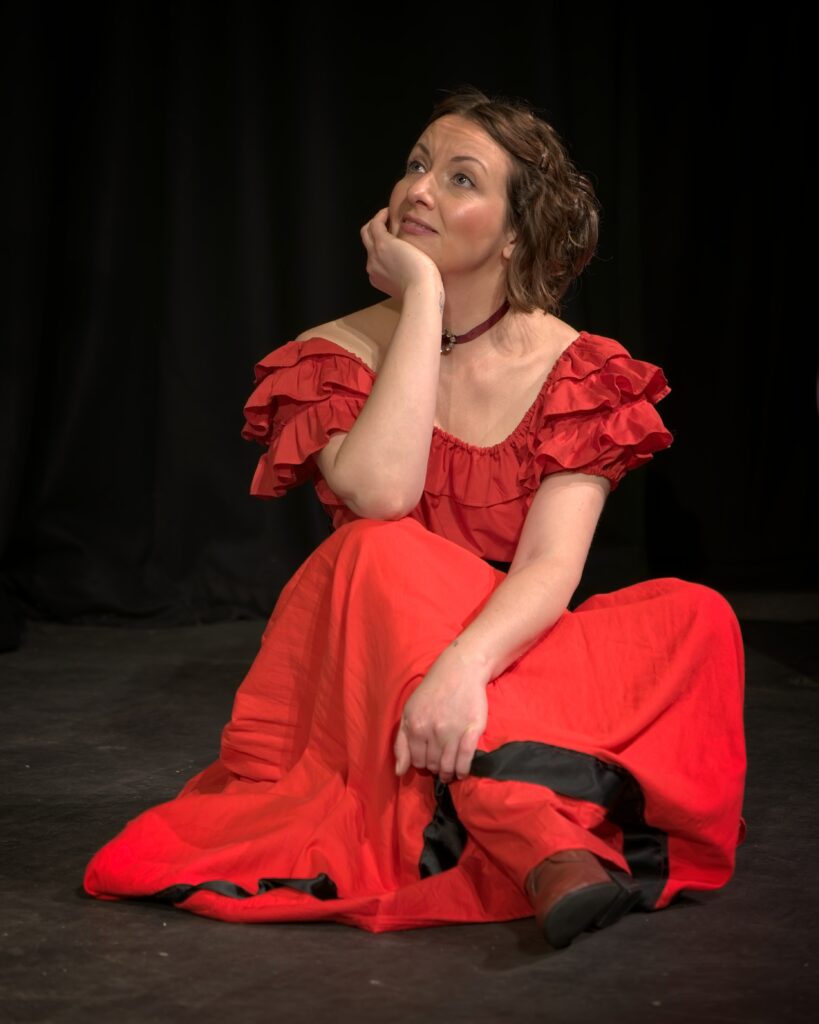
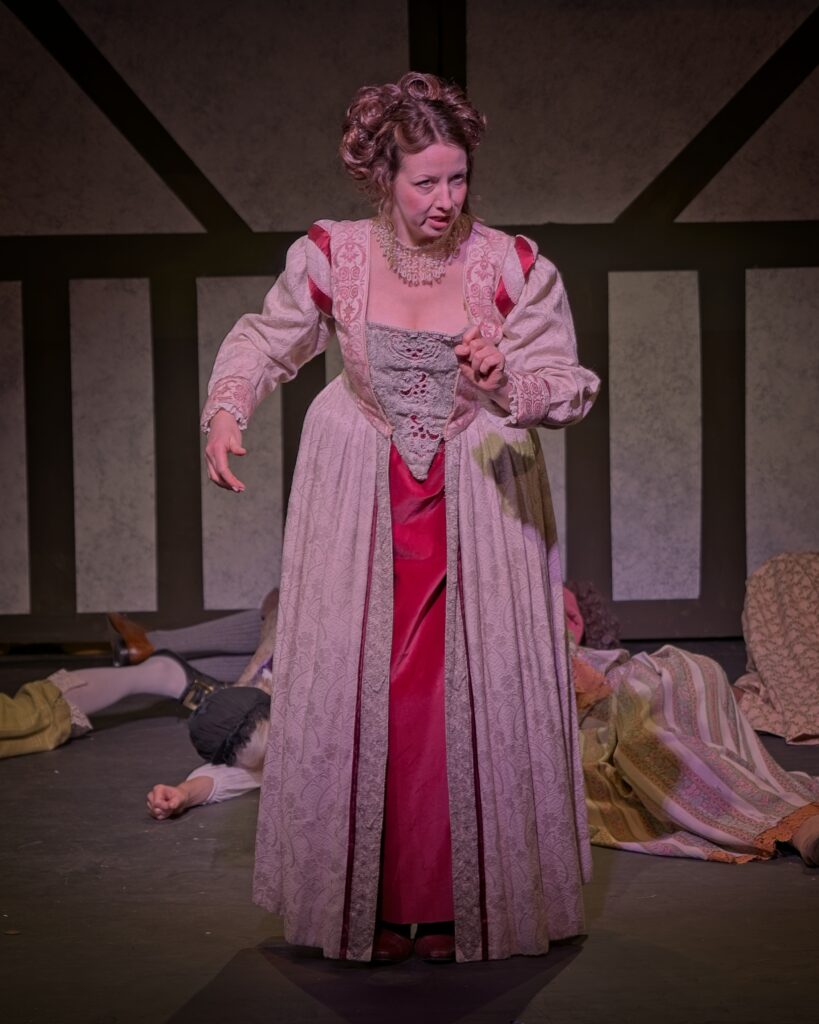
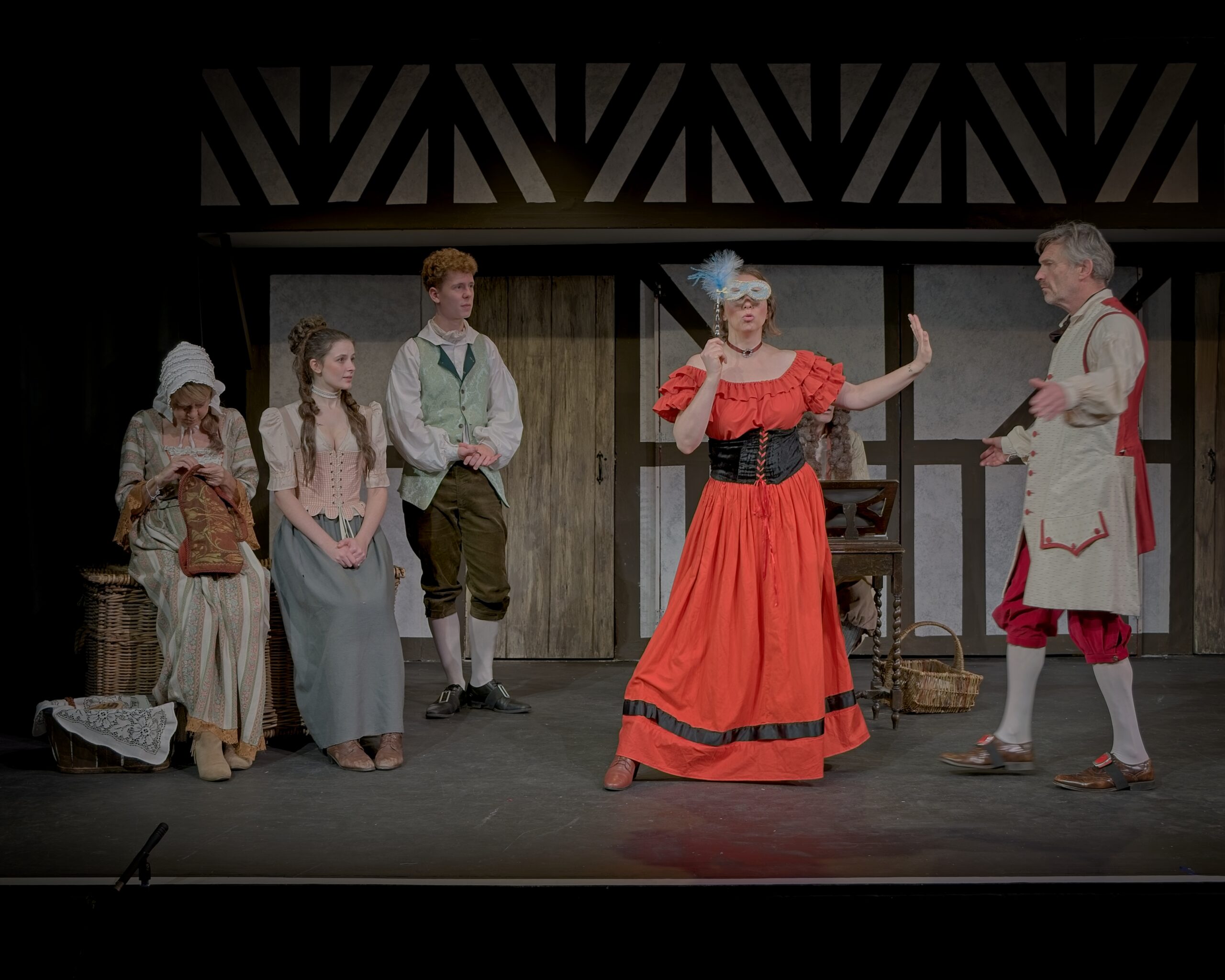
But what of Nell herself? Rachel Maloy portrays one of history’s original rags-to-riches heroines as formidable yet funny, never really losing sight of her past while determined to make her mark in society as both an actor-ess and the King’s mistress.
This is also a story of rising above your social class and the responsibility you have to those you leave behind. It’s about how you have to fake it to make it, but can’t ever go back home again.
The script sizzles with post-modern commentary, and is both laugh-out-loud hilarious and also deeply moving. The idea that Charles II is a man frozen by indecision in fear of repeating his father’s mistakes adds a new depth to the testosterone-fuelled monarch, for as he says: “Sitting on the fence is the only way to survive.”
The political turmoil of Restoration England is never far from the fore – “People disappear all the time!” – with echoes of contemporary England as well: “Down with austerity!”
But it’s not all politics and power, the real story here is that of Nell, arguably a game-changing force in English theatre, described by none other than Samuel Pepys as “pretty, witty Nell”, and the Company of Ten do her story proud.
Directors Elena Markham and Tim Hoyle inject just the right atmosphere into proceedings, from the orange sellers who appeared in the foyer before heckling from the front of the house, to the way they bring the audience into proceedings, almost as part of the cast.
The original music by Nigel Hess is a definite highlight of the production, with my particular standout line being the saucy “fluffing up my merkin”! (Look it up!)
As always, it’s impossible to credit all of the cast and creatives who brought Nell Gwynn to life, but I wanted to give particular recognition to Katherine Barry’s terrifying Queen Catherine, and the heartfelt performance by Dan Clucas as Charles Hart, capturing his pride and admiration even when jilted by his lover and prodigy.
With the St Albans Times’ usual theatre critic unable to review this production, it was a definite honour to take her place and share in a performance which will stay with me for a long time to come. Do try and catch it before the end of the run…