11 Jun 2025
Deborah Heath returns to the Roman Theatre for the first production of this year’s outdoor festival…
It was lovely to be back at the Roman Theatre at the dawn of a new festival. The familiar sight of the fairy lights marking this historical setting made me feel both relaxed and excited.
This year’s audience can enjoy a few changes – there is more bar seating, now stretching around the site perimeter to take in as many views as possible. The well-stocked bar now sells hot drinks to keep the audience warm as night falls.
An exciting development for those who wish to pay more is the addition of two premier seating units providing a rain cover, comfy seats and complementary nibbles.
However, I’m hardcore so I sat in the standard seating area, with my own cushion, blanket and a rain poncho in my bag just in case (I wasn’t rained on at all last year). Although I had visited on Sunday June 8 for the Mark Morris gig, this performance of ‘Les Misérables’ (a play version, not the musical) marked the official launch of the festival and I was very pleased to be invited.
OVO’s aim is to bring us “bold and imaginative theatre” and it certainly was a bold move to open their season with a challenging and let’s be honest, bleak story like ‘Les Misérables’.
Full disclosure here, despite being a lover of classic literature, I have not read Victor Hugo’s five-volume novel. I have seen and disliked the West End musical but I trust OVO and knew that they would work hard to take this harrowing political piece to new heights.
They have proved themselves masters of handling the works of Charles Dickens so why not Victor Hugo too? Both 19th century novelists used their artform to increase awareness of the challenges faced by the poorer classes and ‘Les Misérables’ is a great example of this intention.
Would I have preferred OVO to open their 2025 season with something jolly? Yes. Do I admire them for trying something different? Yes. Let’s find out why.
Whether it is truly possible to compress an epic novel into two hours is an issue up for debate but it is something many have tried over the years in TV, film and stage versions. Now, because I have not read the original story I am unable to comment on Johnathan Holloway’s script as an actual adaptation so will be considering it as a play in its own right, which I expect was the case for many audience members.
The script certainly has momentum. Although it is difficult to get a real sense of 17 years passing in a mere two hours, Holloway, who also directed the show, gave us helpful signposting along the way.
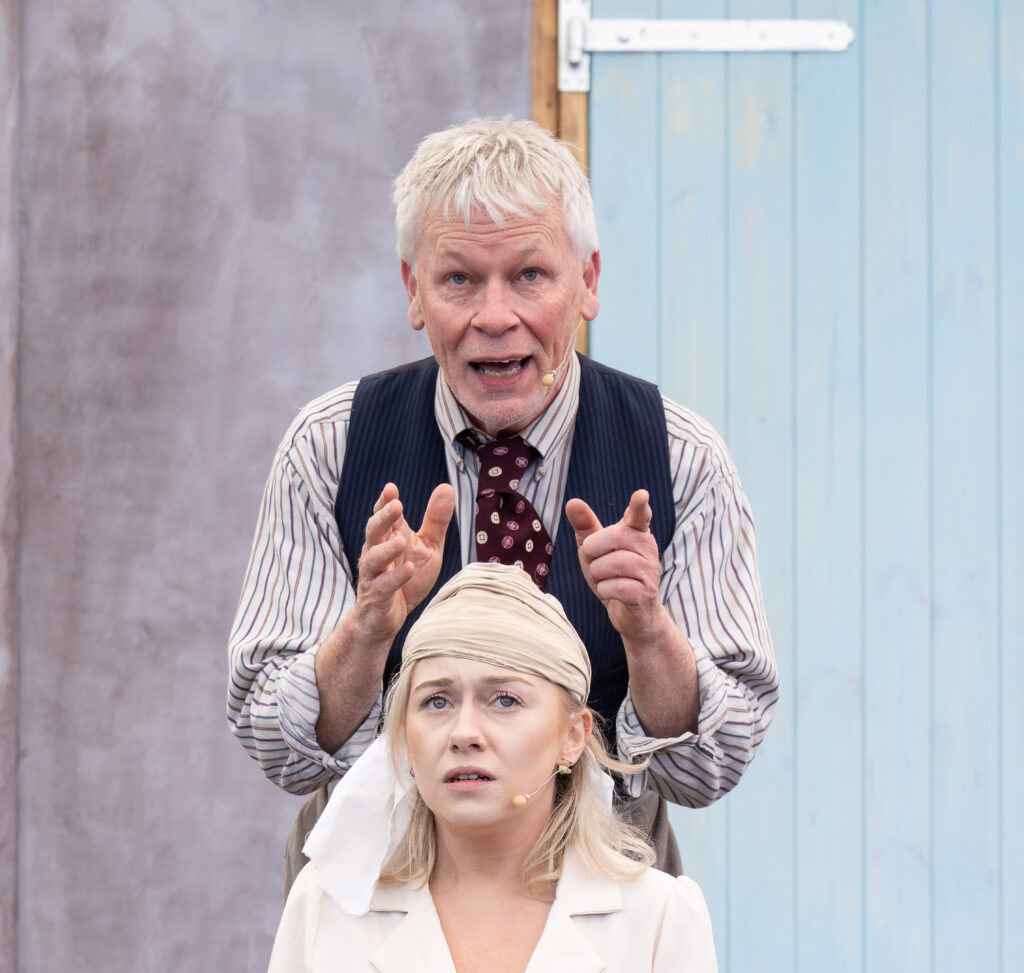
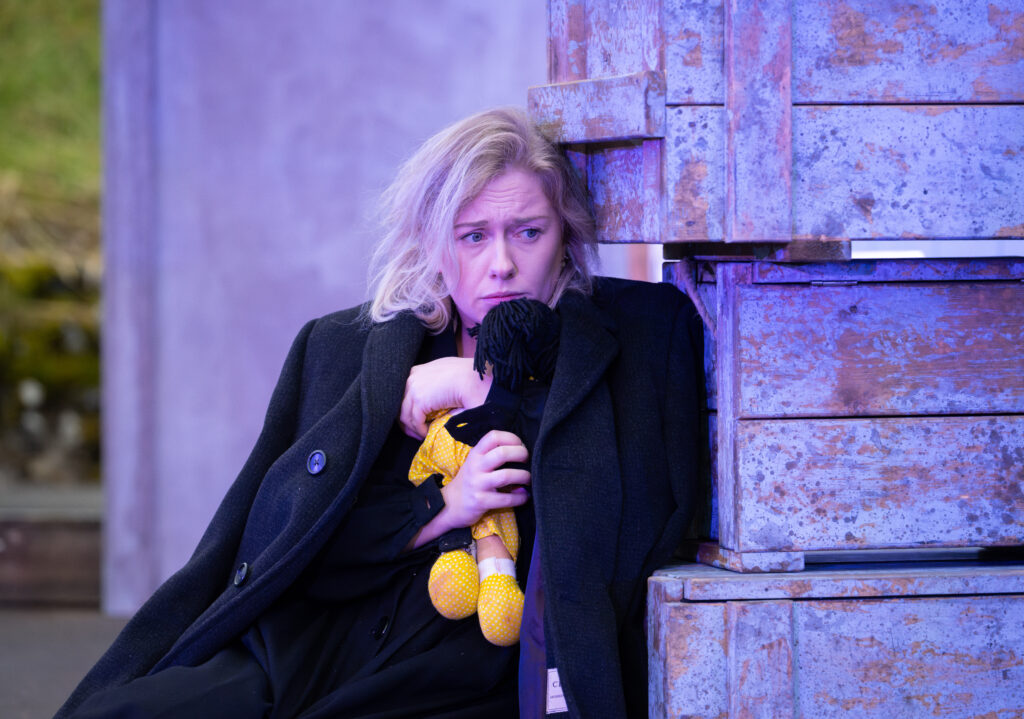
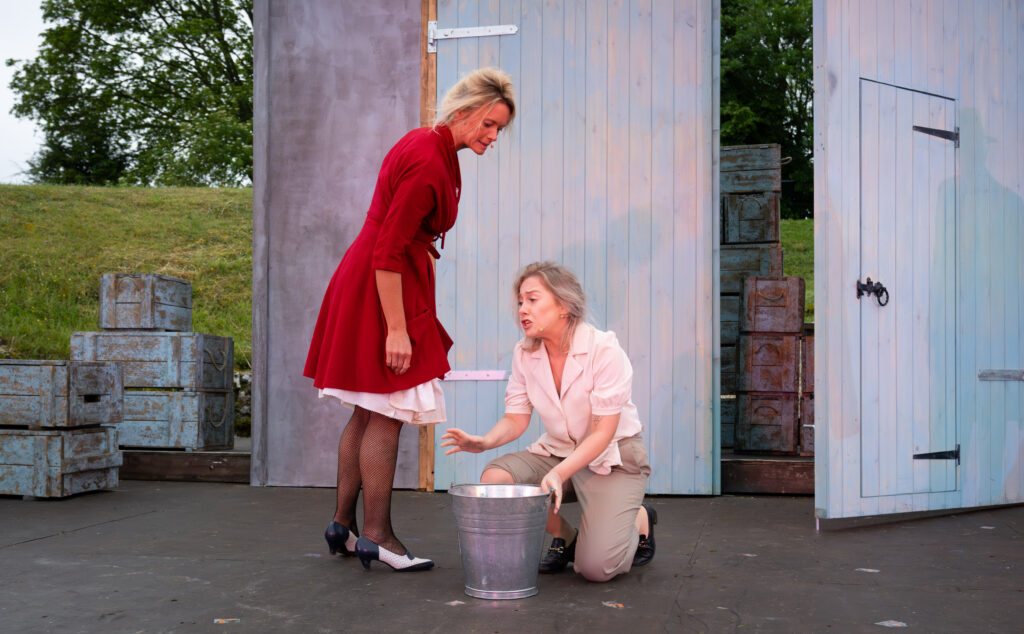
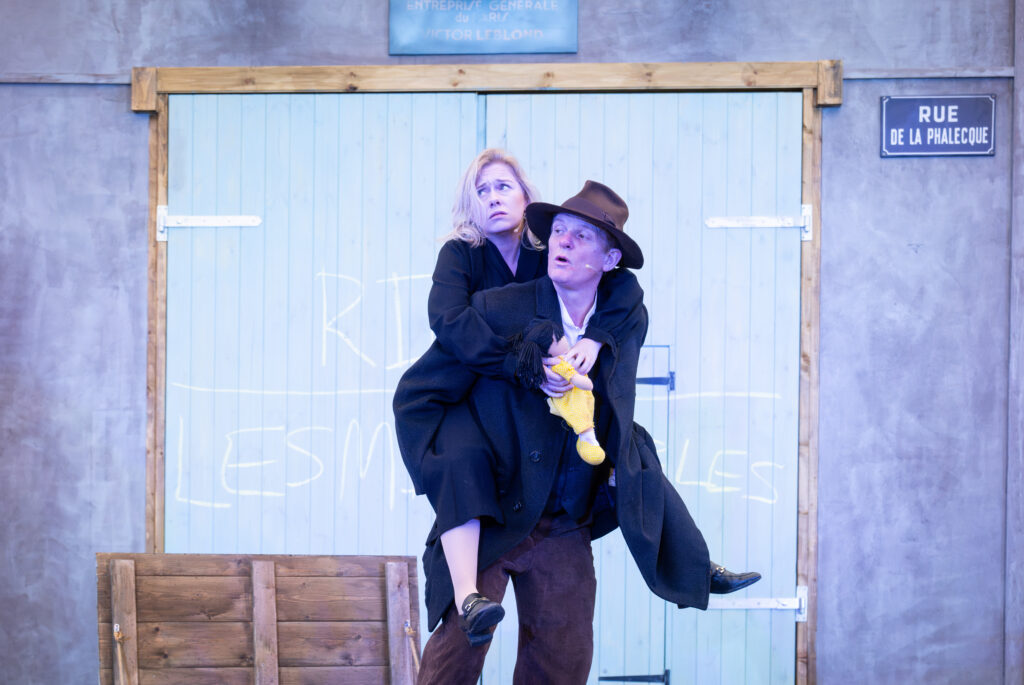
The first act got me thinking about what it would take for me to abandon my own children at a time of crisis. Yes, on the face of it, it seems extremely far-fetched that a mother would leave her daughter with a stranger and sell her own teeth to fund her care but let’s remember that Hugo was writing about genuine, crippling poverty that he had witnessed.
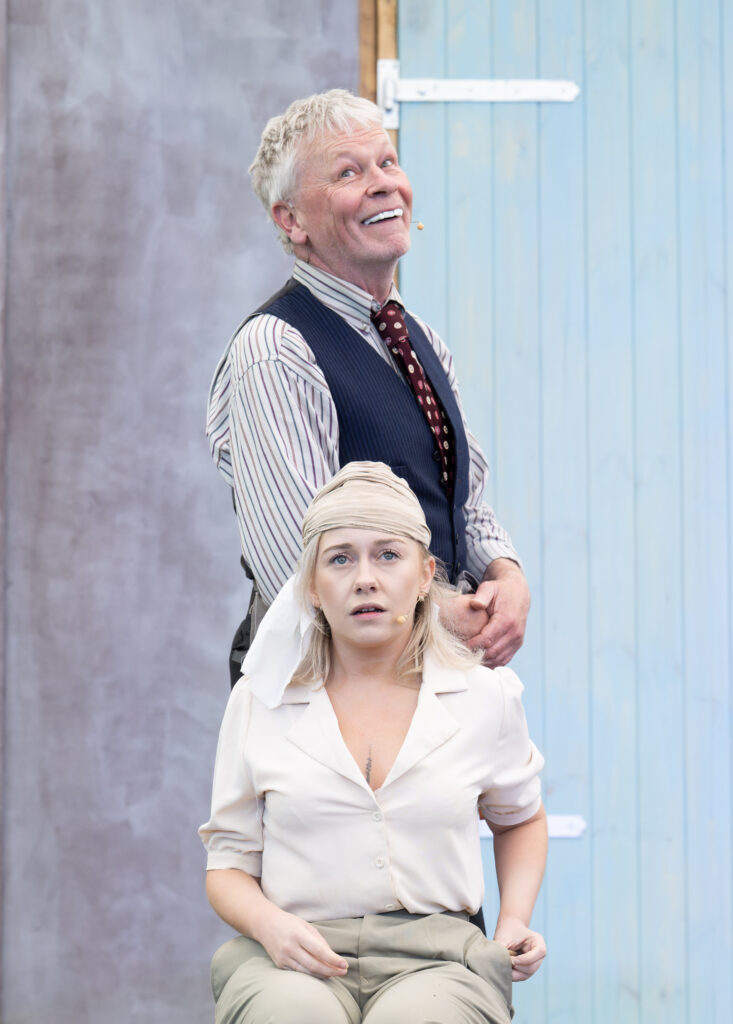
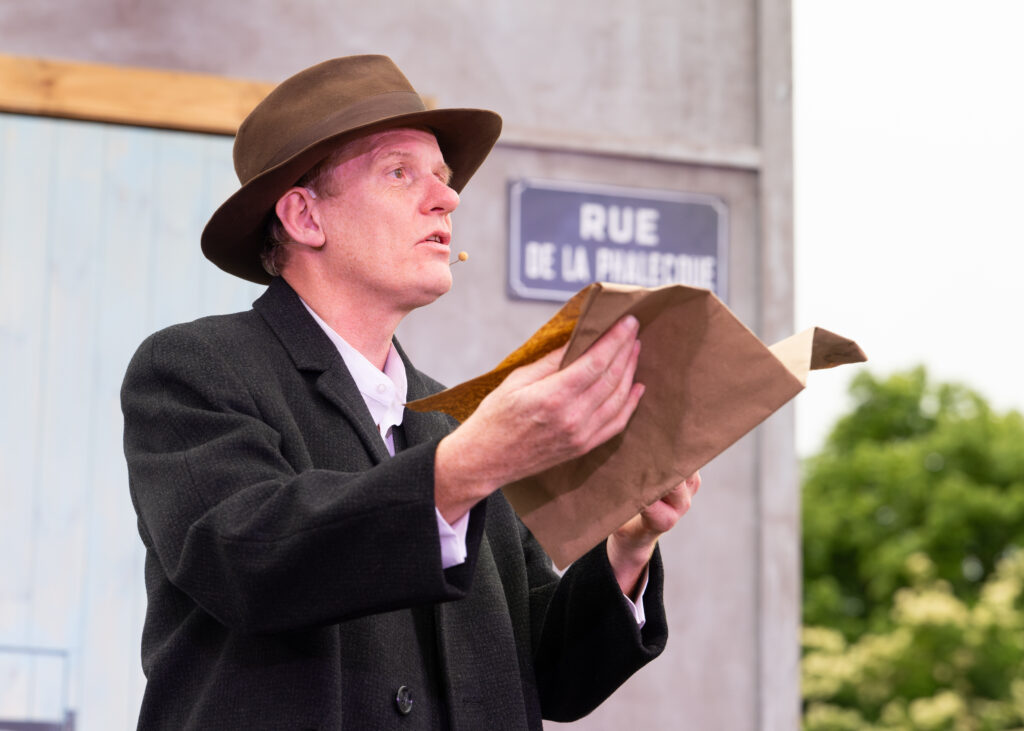
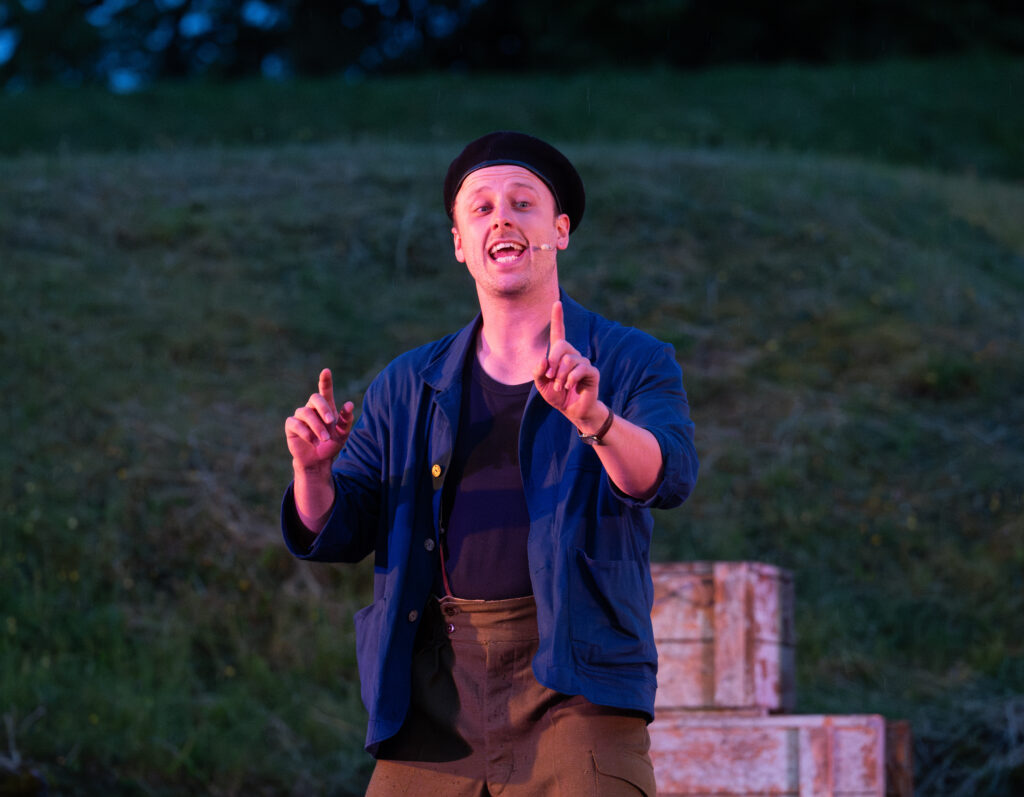
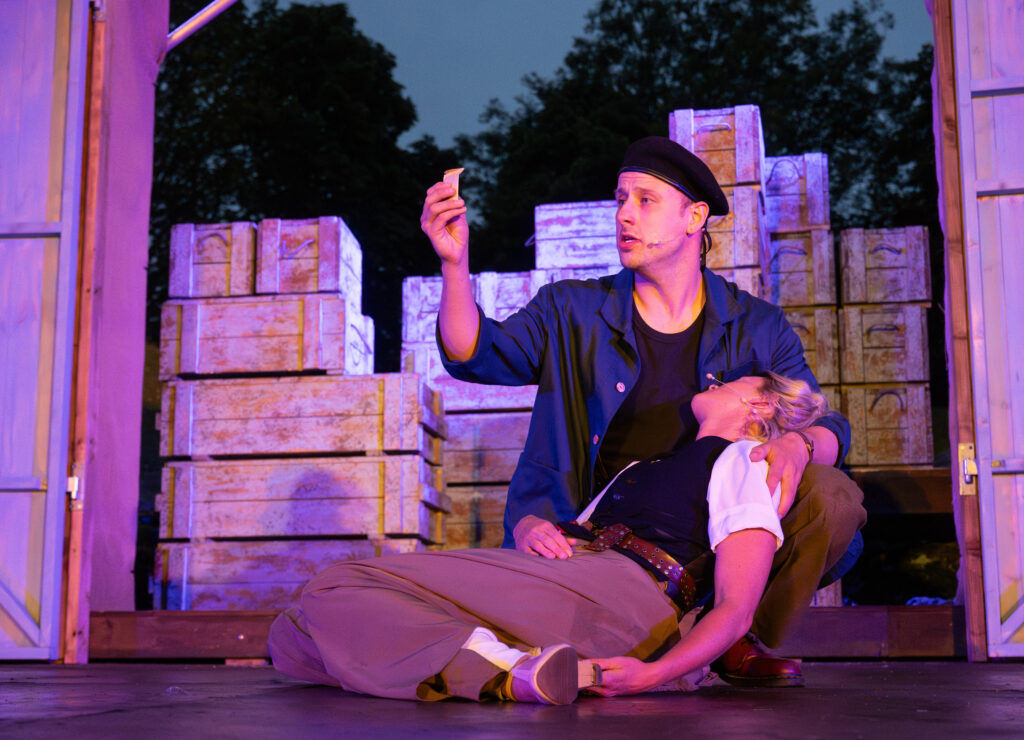
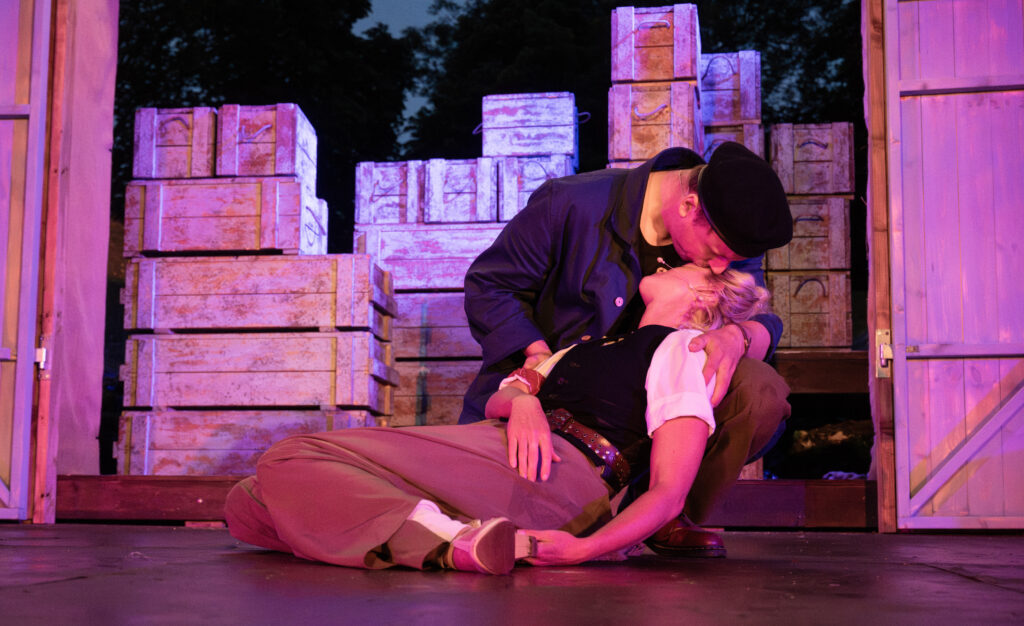
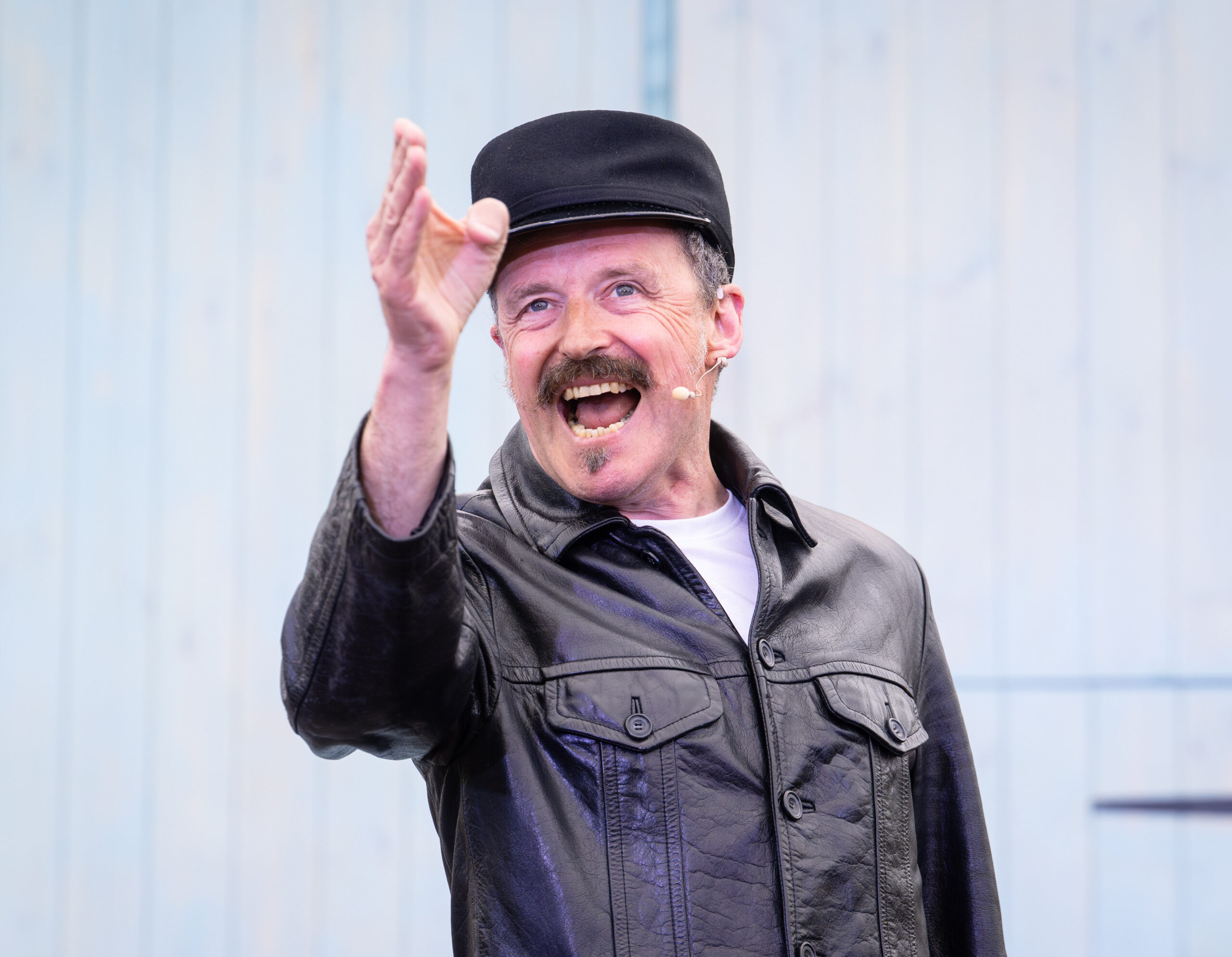
I thank the author for forcing me to reflect on how similar situations might arise for families today; a sobering thought. I found the second act to be engaging, especially the developing love story and liked Holloway’s little nuggets of humour which lifted the sad tale, such as the nun and gardener scene which was played beautifully by Madeleine Joseph, who had great comic timing and Ralph Bolland, the latter having a particularly impressive range for the many characters he performed over the play.
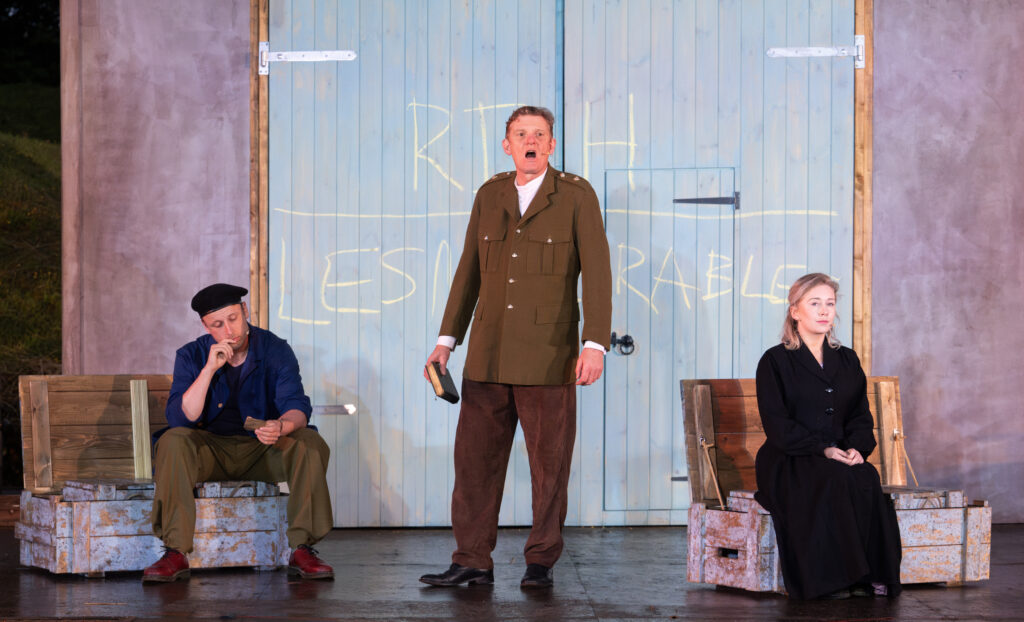
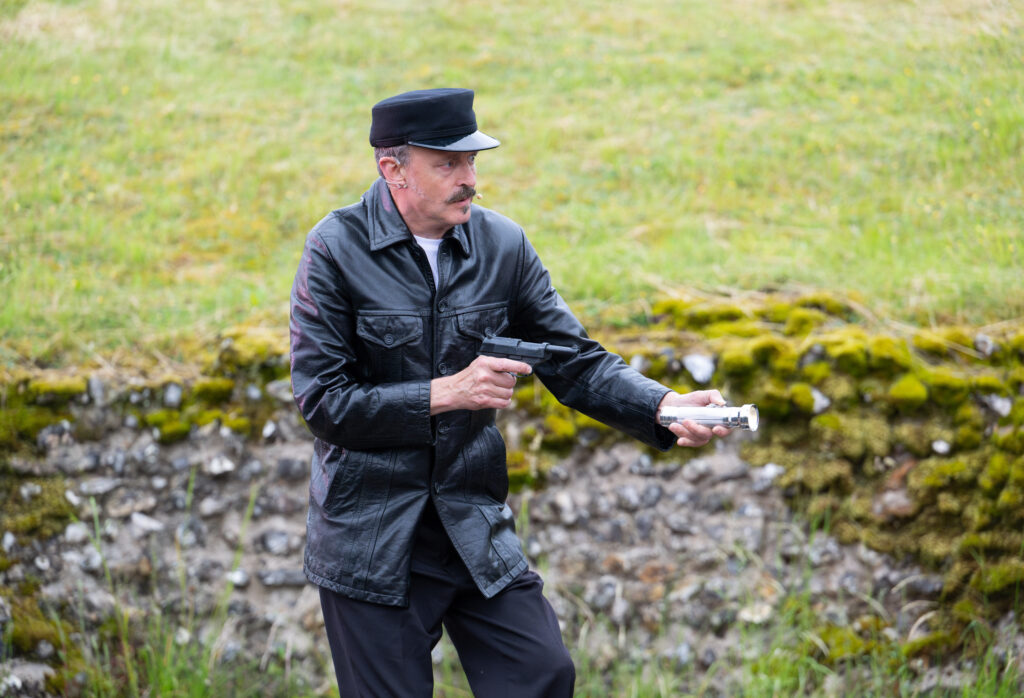
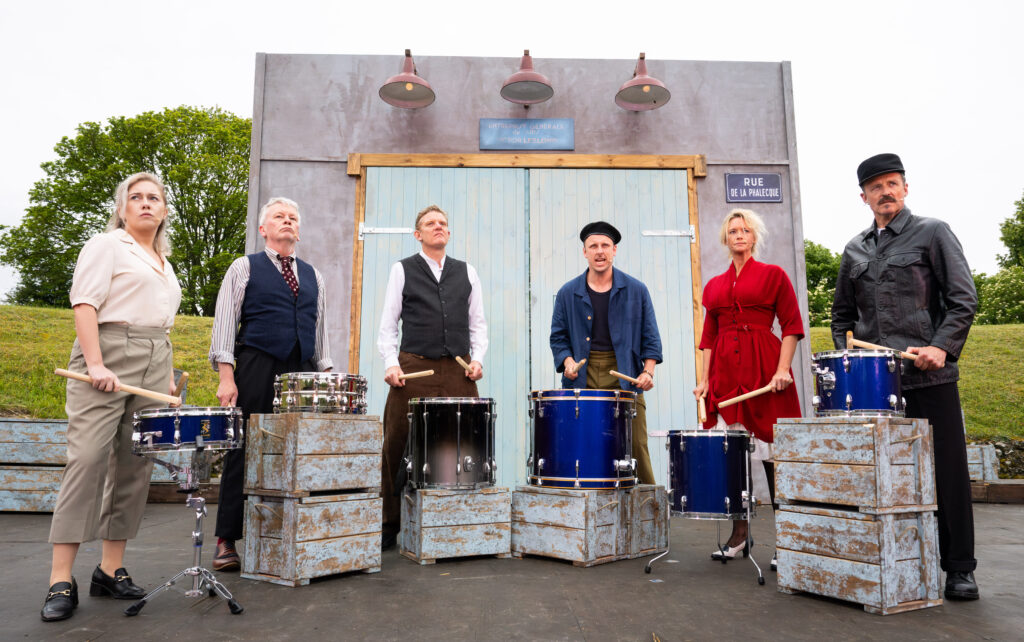
The acting in this production is of a high standard. The cast of six worked extremely hard to portray a variety of roles. To mention the remaining four actors, Graeme Rose’s nasty Inspector Javert was solid and Laura Anna-Mead’s Cosette, sympathetic, showing off the actor’s physical flexibility in demonstrating a range of ages.
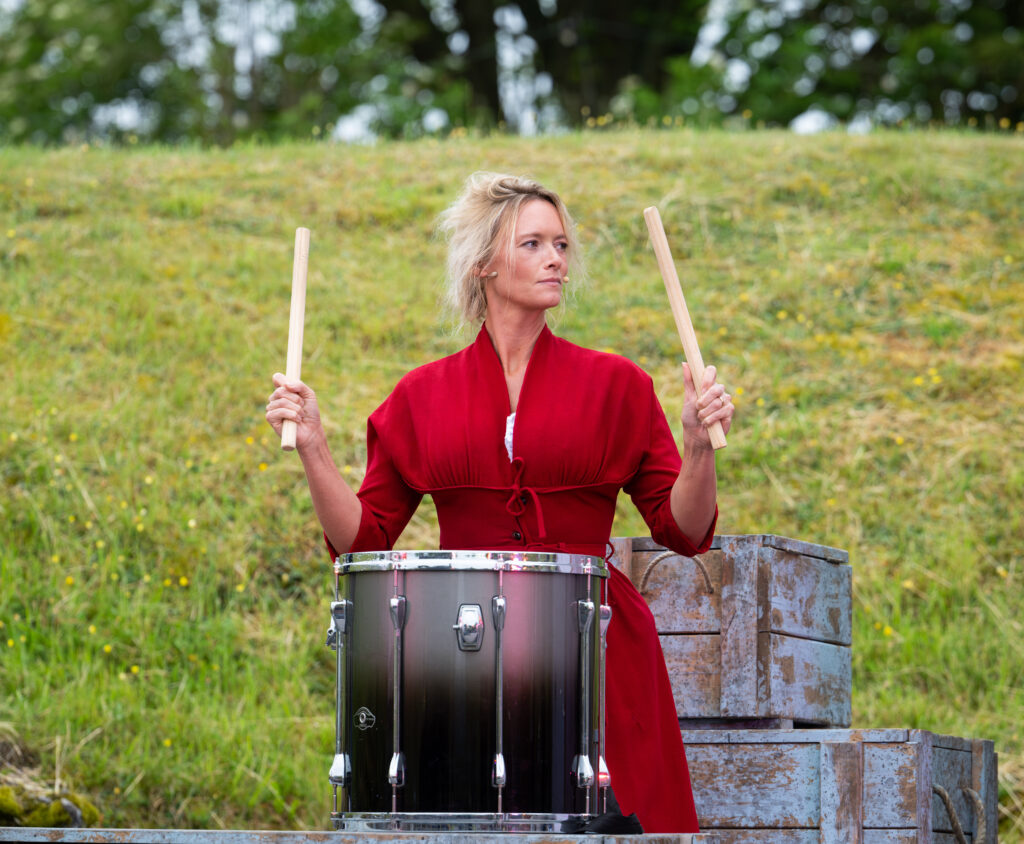
Jacob Powell, as well as being a talented drummer gave a convincing and touching portrayal as Marius. Lastly, Cameron Robertson playing central character Jean boasted a security and strength that formed the backbone of the play.
I was not surprised to see that many of the actors had worked with the director before as there was a vibe of trust and camaraderie on show.
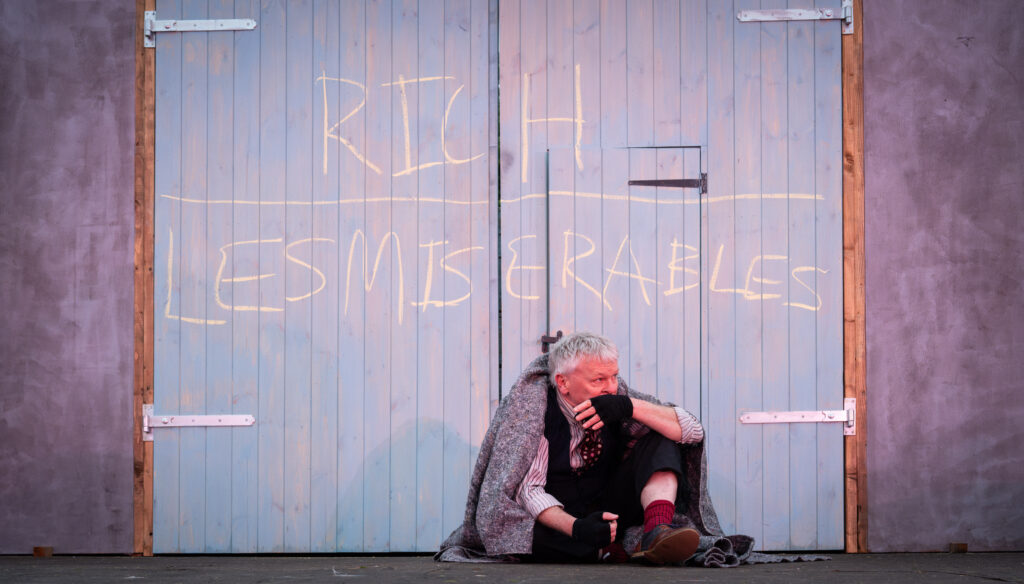
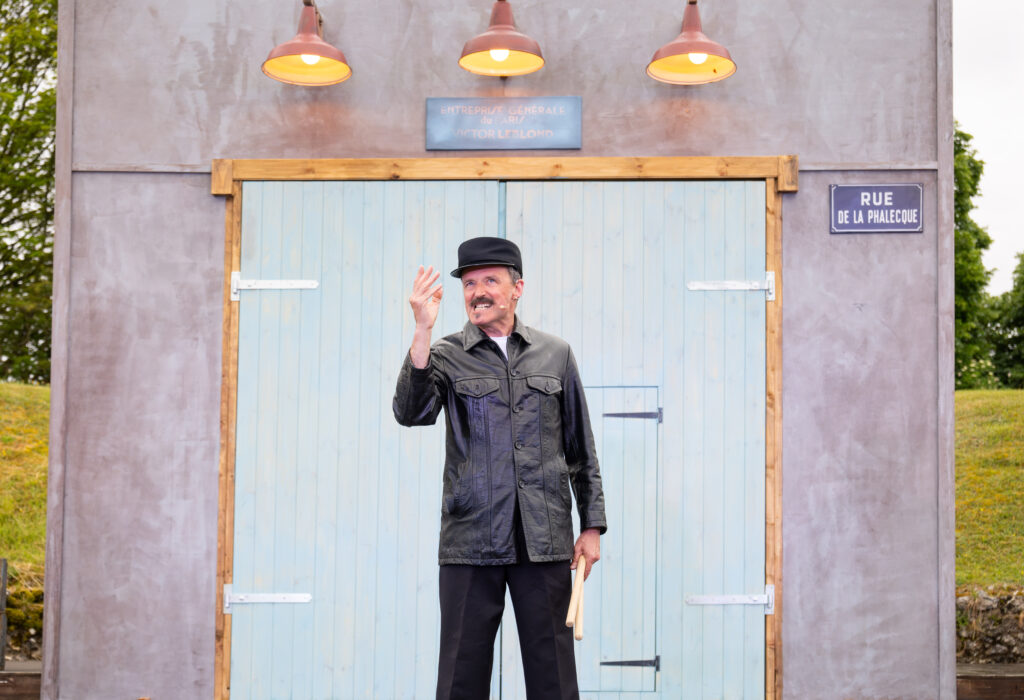
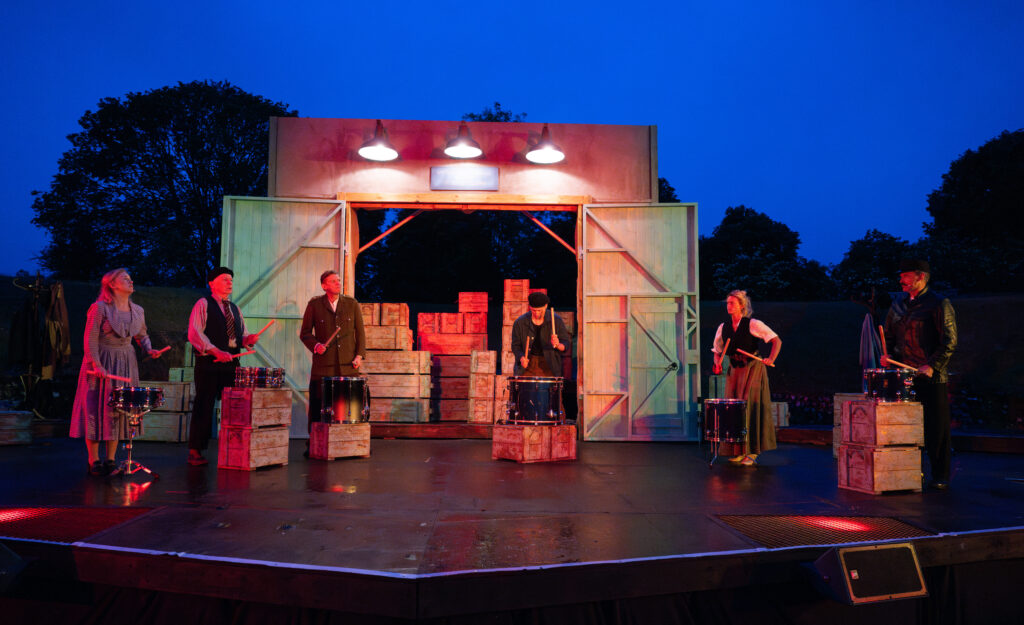
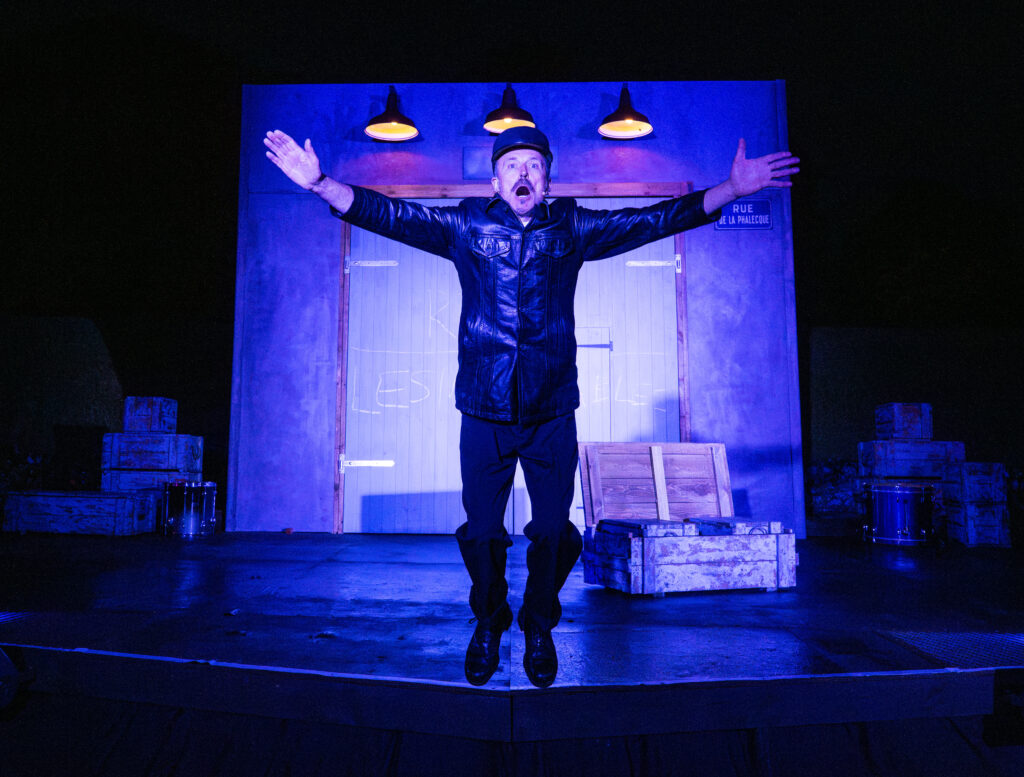
A high point of this production is Simon Nicholas’ minimalist set which highlights the poverty within the story.
I have rarely seen multi-functional packing crates used in such a creative way and so well. Actors moved them seamlessly in character. Highlights included using the crates to represent an elderly worker being crushed and later, a coffin, containing one of the actors!
Lighting (Migle Dulevicius) and sound (Ryan Rusconi) were very well executed and supported the action well, especially the nighttime scene in Act II which was very atmospheric.
The addition of drums to punctuate the developing tension in the story was a superb idea which worked well during the rebellion scene. Unfortunately, the actual playing was not well coordinated when the cast played as team. More work needs to be done on all percussion sections to ensure that everyone is locked in at the same tempo going forward.
To conclude, there are great performances and technical realisation in OVO’s opening production this summer. To return to my original consideration about its place in the festival though, I do feel the overall mood of the piece lends itself to being better situated centrally rather than as an opening number. However, I do admire OVO’s pluck for challenging their audience by placing this thought-provoking piece where they did and wish them all the best for the run.