24 Jan 2026
Matt Adams explores the menu at George Street’s new Iberian eatery…
Imagine walking down a dusty path in the foothills of the Pyrenees and coming across a humble taberna on the outskirts of a small farming village, the mouthwatering smell of cooking wafting from the tiny kitchen.
The food is simple, yet the fresh produce ensures a depth of flavour to the cuisine, which draws on influences from both Spain and Portugal, reflecting the blend of cultures in this part of the world.
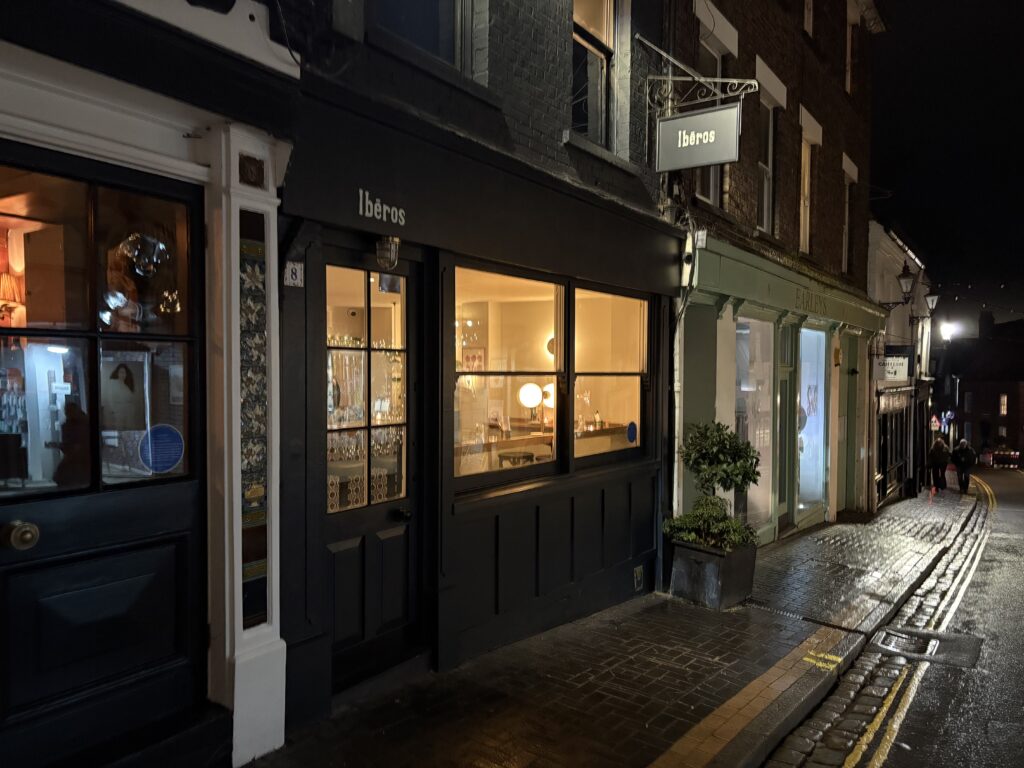
This is the concept behind Ibéros, St Albans’ new Iberian-inspired restaurant, which strives to capture the ethos behind the region’s food and wine.
Their offerings are produce-driven, with only a gentle touch of cooking in the kitchen to avoid over-complicating the dishes, using ingredients sourced directly from independent, small-scale, family-owned businesses.
Devised by Sean Hughes, the driving force behind Dylans at the Kings Arms and The Boot Cantina, the George Street eatery aims to offer a menu completely different to anything else found in St Albans.
It was fate which brought head chef Tom Cormie into the operation, after he received a phone call while on a culinary tour of Spain and Portugal which proved the inspiration behind many of the plates which can be enjoyed at Ibéros.
Joining us at our table, Tom took us on a journey through menu and provenance, explaining why certain items are included and the processes behind their preparation, all the while offering an insight into his own culinary journey, which has taken him to Public House Group, Noble Rot Lambs Conduit Street and JKS.
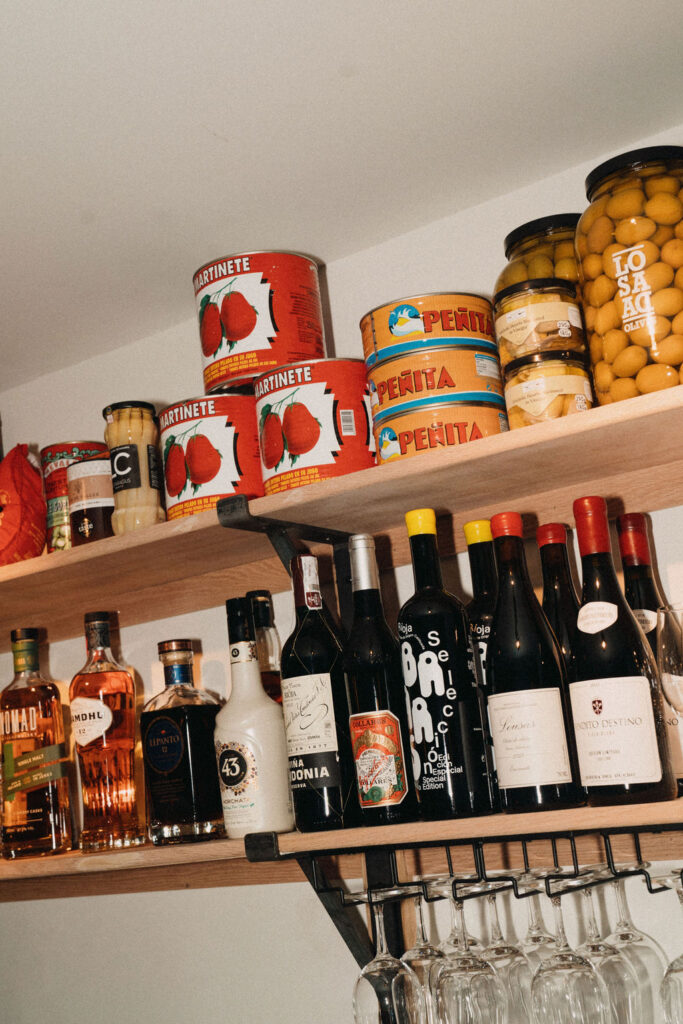
His passion for the project was almost palatable, and his attention to detail impossible to ignore. For example, Tom revealed that he never uses pepper for seasoning, that flavour comes from the picual olive oil, which also provides fat and balance, and a depth and complexity to any sauces. Olive oil is a staple of almost everything Ibéros serves, using only the highest quality produce as you might expect, bottled to order so as to prevent degrading.
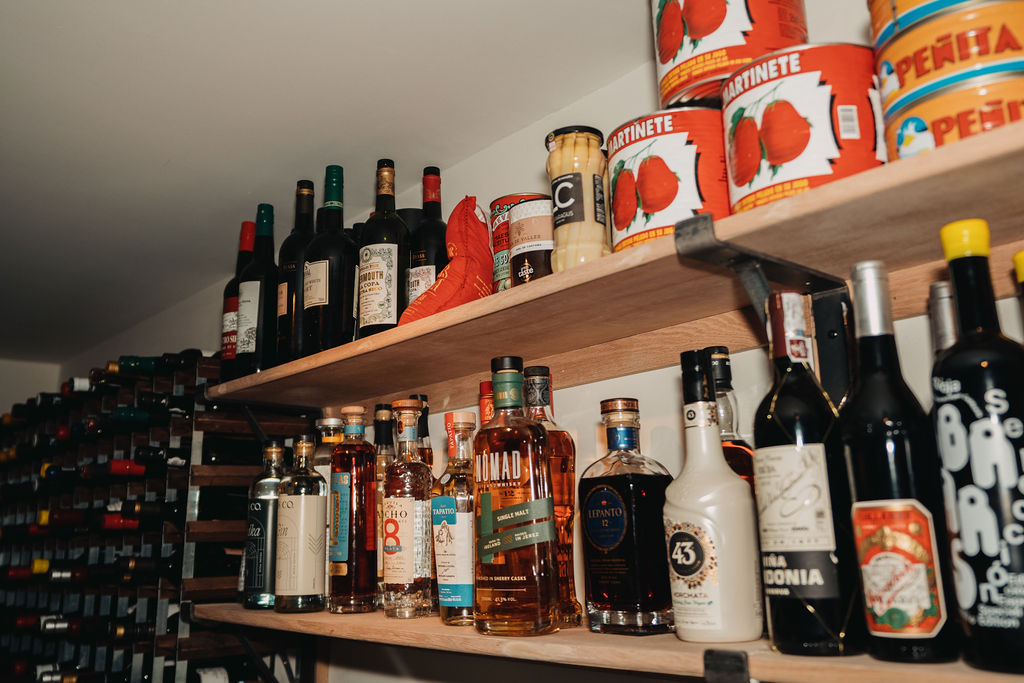
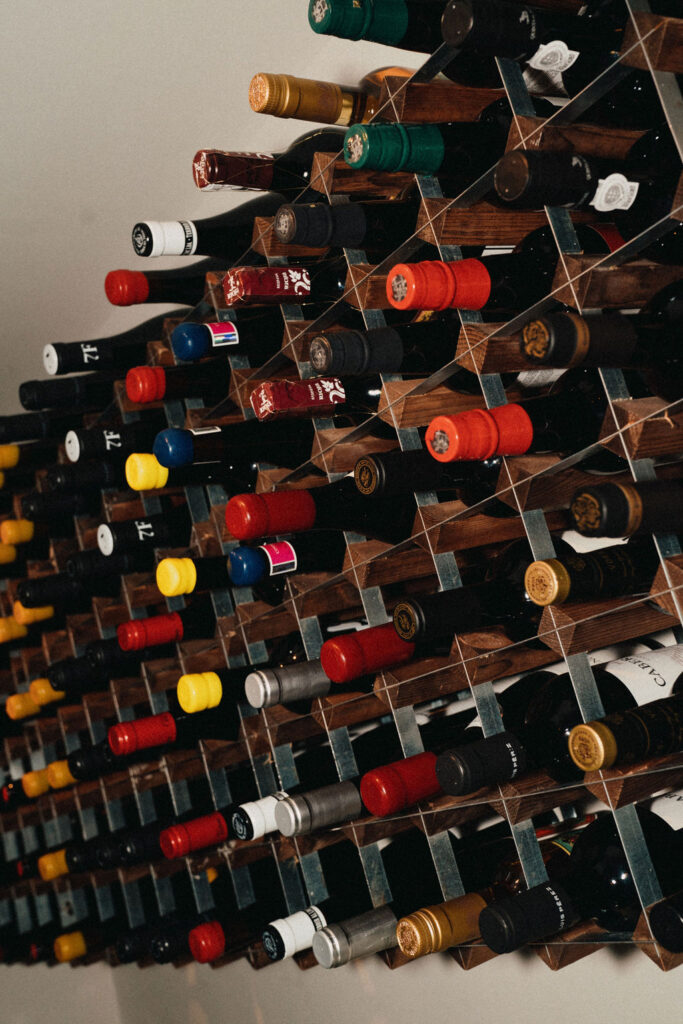
Rather than focusing on just an handful of dishes, he offered samples from most of the menu, washed down by some selections from the extensive wine list…
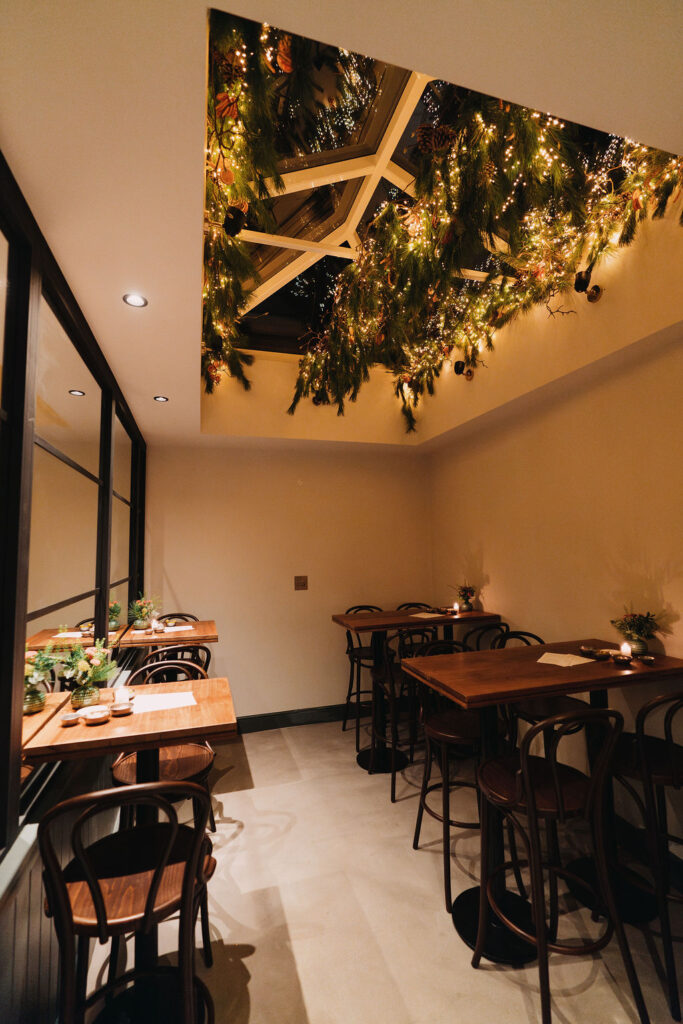
Offering a mix of counter and table seating, Ibéros is the sort of venue you can visit for a glass of wine and some snacks or a full two or three course meal, and the menu opens with a selection of larder dishes, all served at room temperature and prepared on the restaurant floor.
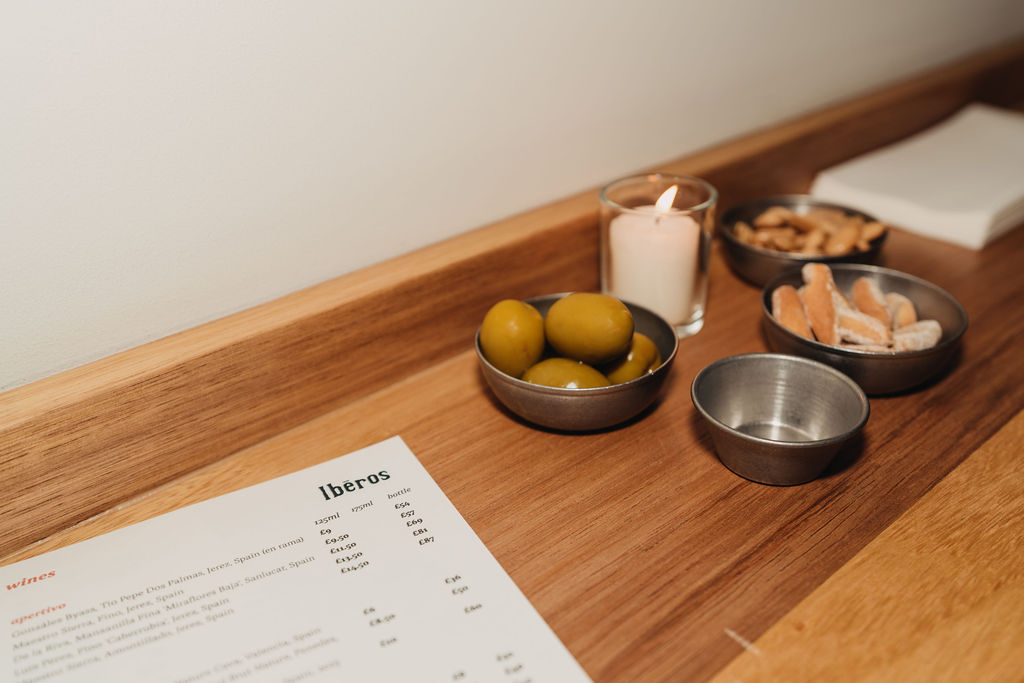
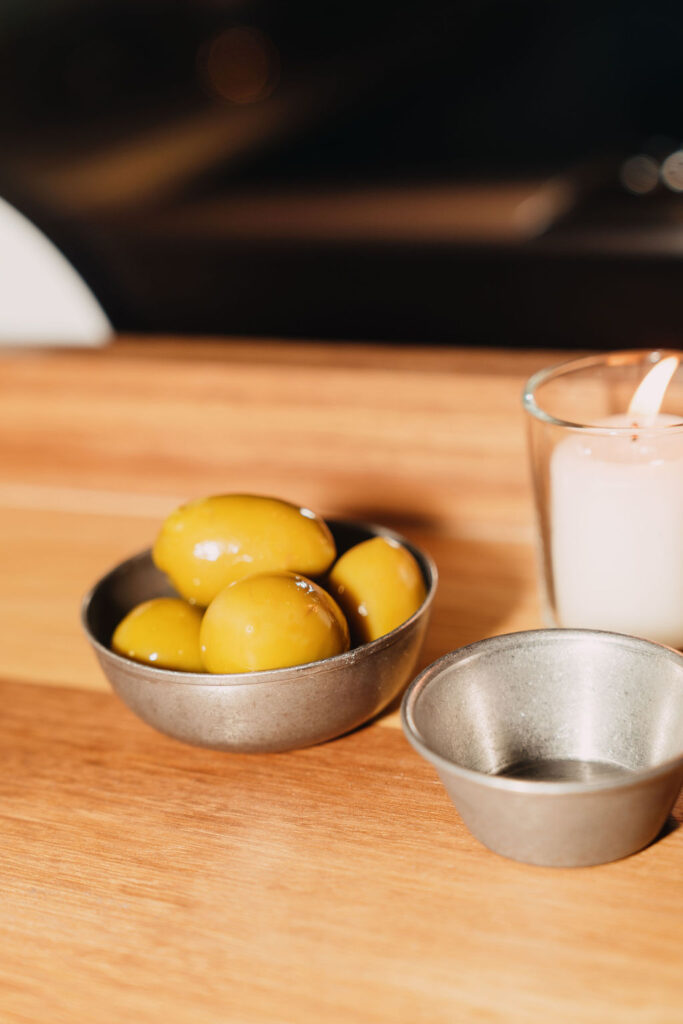
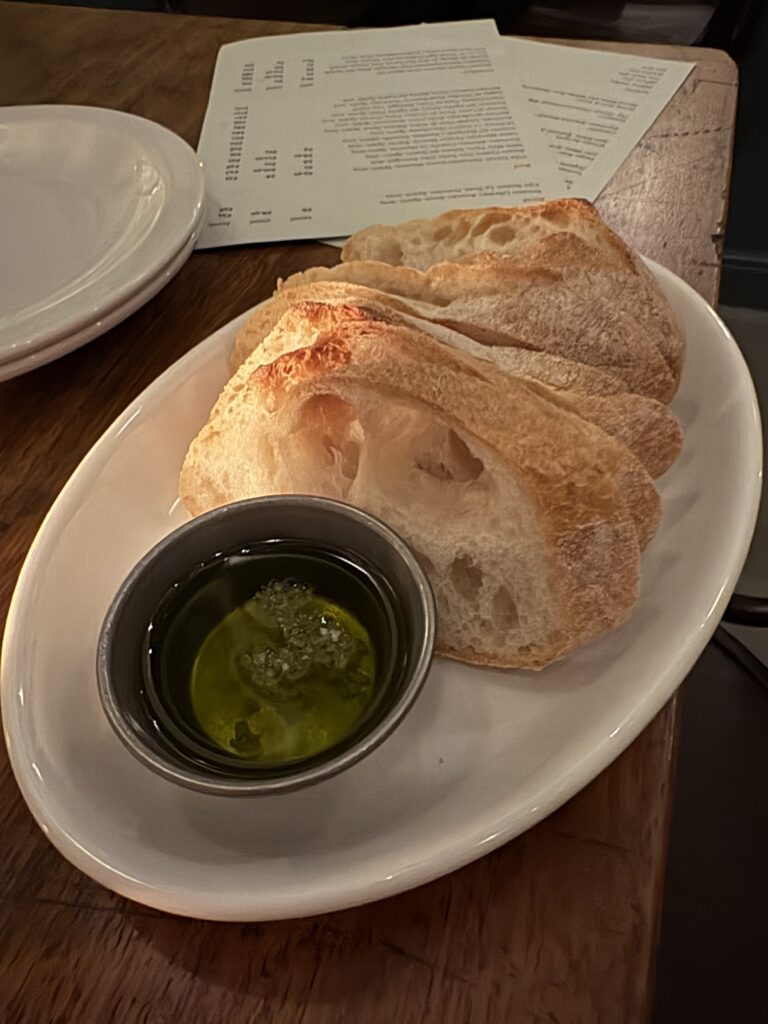
Salted Marcona almonds, buttery Gordal olives, and sourdough with arbequina olive oil make for perfect bar snacks, but there’s actually so much more to explore if you have the inclination…
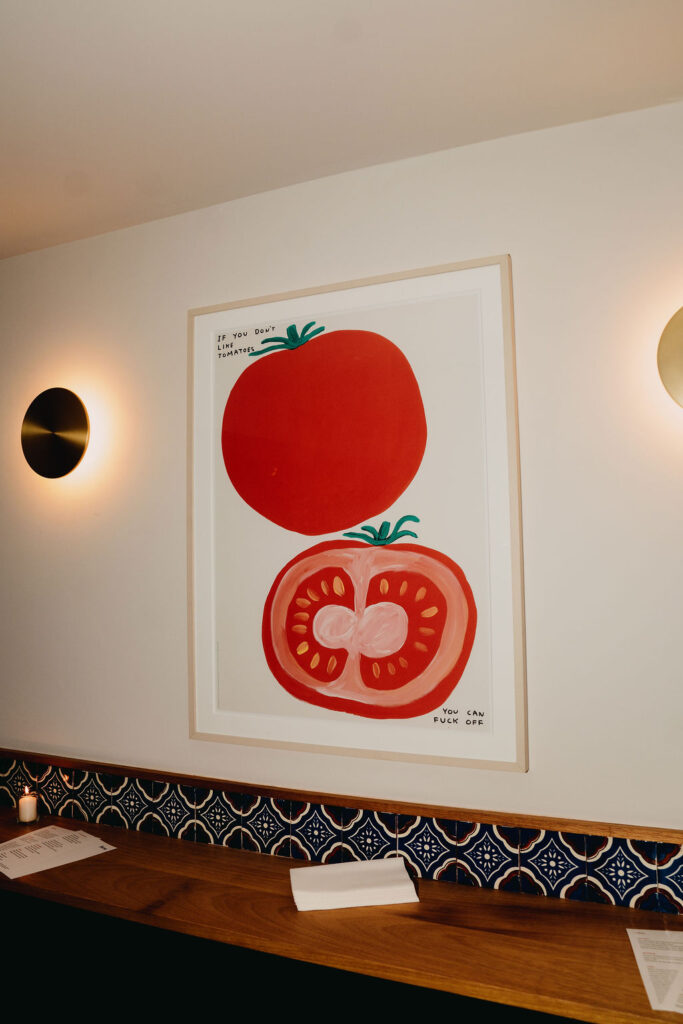
The traditional dish of pan con tomate is usually just fresh tomato grated onto toasted bread, but because of the time of year the fruit is semi-roasted with plenty of olive oil and a touch of garlic, elevating what is arguably just tomatoes on toast.
Olavidia is a handmade artisanal goats’ cheese using traditional methods, and actually won the World Cheese Awards in 2021. It is made using milk from Malaga goats which live on the producers’ farm, taken first thing in the morning and then later in the day, which creates two noticeably different flavour profiles that are separated by a thin layer of ash.
Only 60 cheeses are made each week, and Ibéros obtains its allocation through its supplier Mevalco, a company which sources authentic Spanish goods directly from small independent producers.
Tom serves it with chestnut honey and thin crackers with a hint of rosemary. If you’re not a fan of the funkiness often found in goats’ cheese, this is really quite unlike anything you’ll have tasted before, with the honey adding a sweet note that takes away any sourness you might have expected to find there.
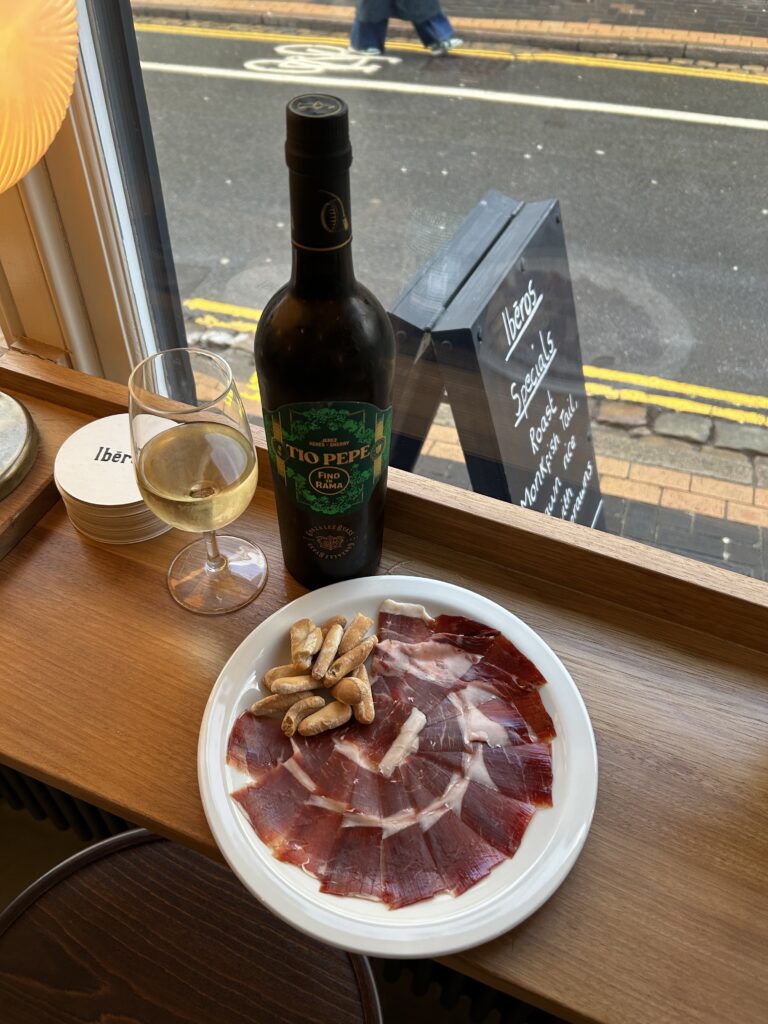
Jamón Ibérico Cebo de Campo is perhaps the most premium product on the menu, thin slices of cured Spanish ham served with small sourdough breadsticks where the simplicity of the dish belies its exceptional taste.
It has a rich, nutty flavour and silky texture, and lacks any saltiness you might expect from the curing process. The entire creative process is a labour of love, from breeding and raising the Ibérian pigs, curing and aging the ham, and then skilfully slicing it to ensure there is minimum wastage. It really is a luxury item, and one of the dishes which really elevates Ibéros to a whole new level.
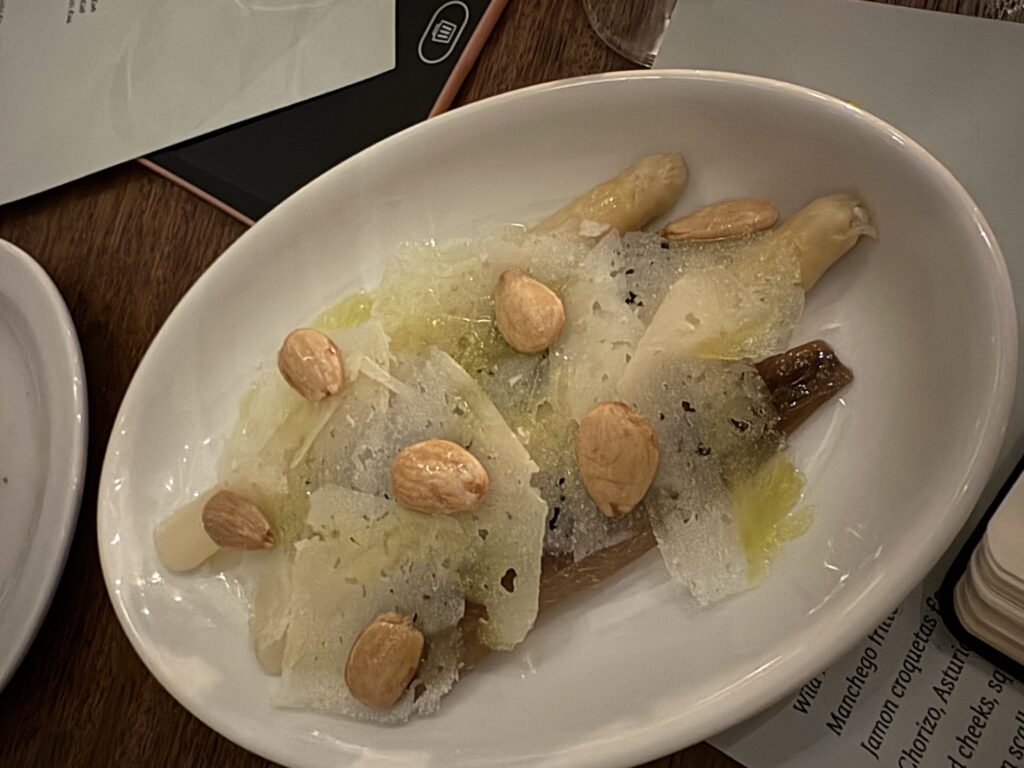
Finally came another highlight, preserved white asparagus with smoked sardines and almonds, elements which complemented each other perfectly to produce a rich and intense dish which manages to avoid being overbearing in terms of flavour.
Paired with our food were some spectacular glasses of red, including a rich and rounded Ribera del Duero, a light and quaffable Garnacha Joven, and a full-bodied Casilla La Mancha, all selected by general manager Sam Jones, who also joined the team from Noble Rot.
In all honesty, you could comfortably explore the larder options in isolation, confident of enjoying a fascinating array of dishes representative of flavours from the Pyrenees all the way down to Cádiz, Lisbon and Porto, but then you’d be missing out on the talents of Tom and his team…
The tapas plates are simple and elegant, with no heavy sauces or complicated cooking techniques, and are all the more refreshing as a result. After all, with produce this good, why ruin it by subjecting it to over-working in the kitchen, just let it sing on its own right.
“It’s all about knowing when to stop,” Tom explains, “there’s a fine line between excessive complexity and layers of flavour.”
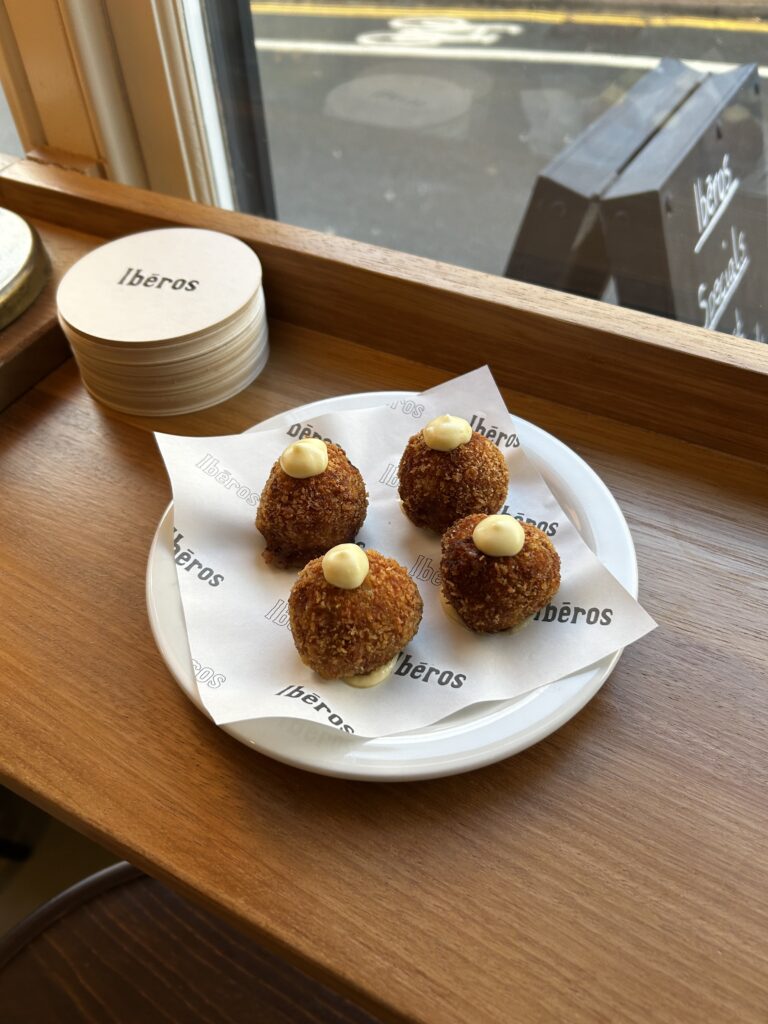
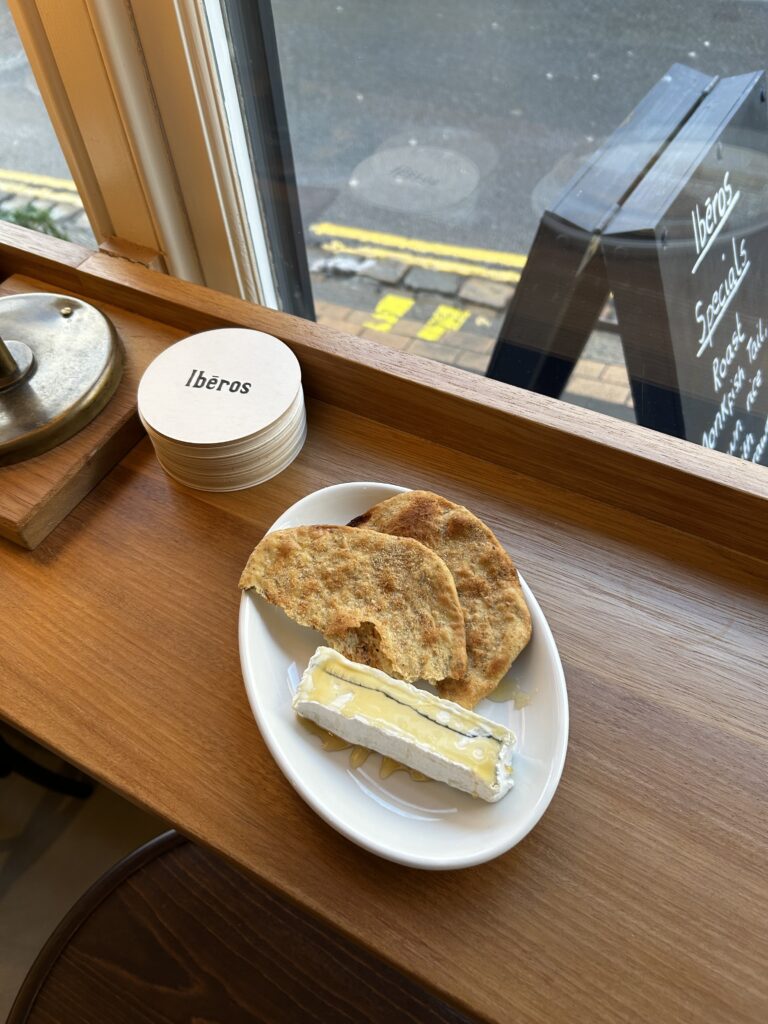
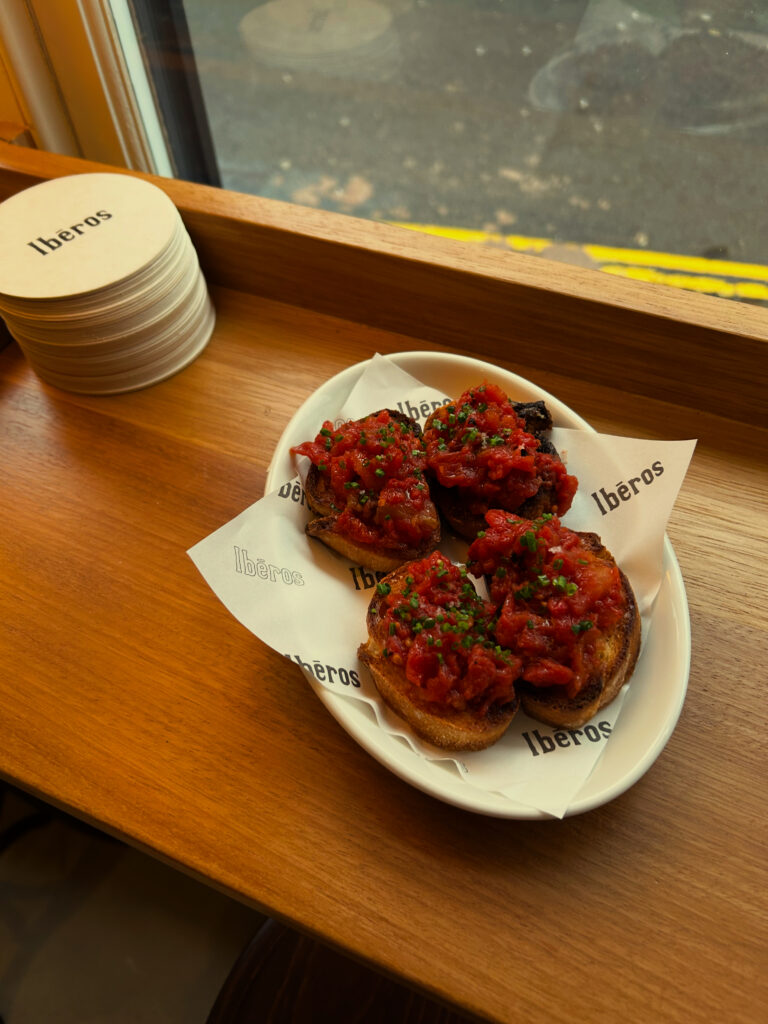
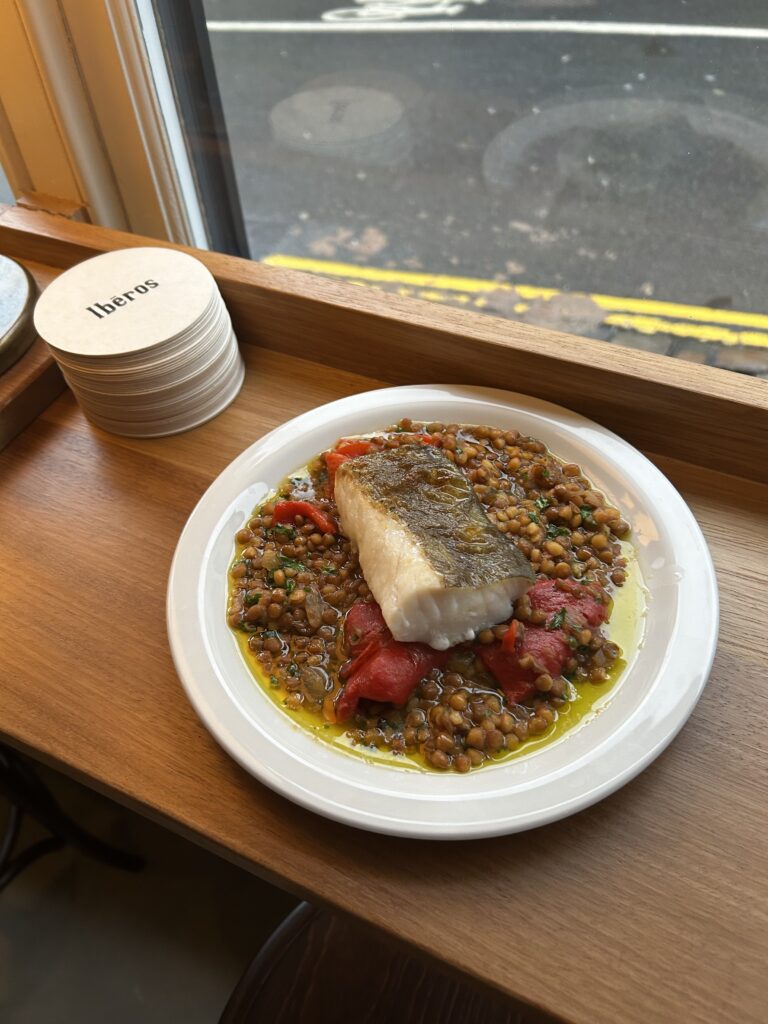
We were served smaller portions of the usual sized dishes in order to try a selection of everything available, but even then it was an impressive onslaught of food which we struggled to finish.
Roasted Jerusalem artichokes are served with a romesco dip – made up of tomatoes, almonds, paprika and red peppers with some sherry vinegar and olive oil – the earthy and nutty flavours of the root vegetable pairing well with the robust and smoky sauce.
Grated Manchego cheese and chickpea flour mix together for the deep-fried fritters, described as “cheese donuts” for the benefit of our six-year-old daughter, who proclaimed they were her favourite dish on the entire menu.
There’s one dish which is ordered by almost every single table in the restaurant, and it’s not hard to see why when you take a mouthful. The jamón croquettes are bechamel based, with the trim of the meat rendered and used in the sauce, and the milk infused with bone, ensuring they hit the flavour sweet spot. There’s a great texture, the crispy shell opening to a tender interior which melts in the mouth.
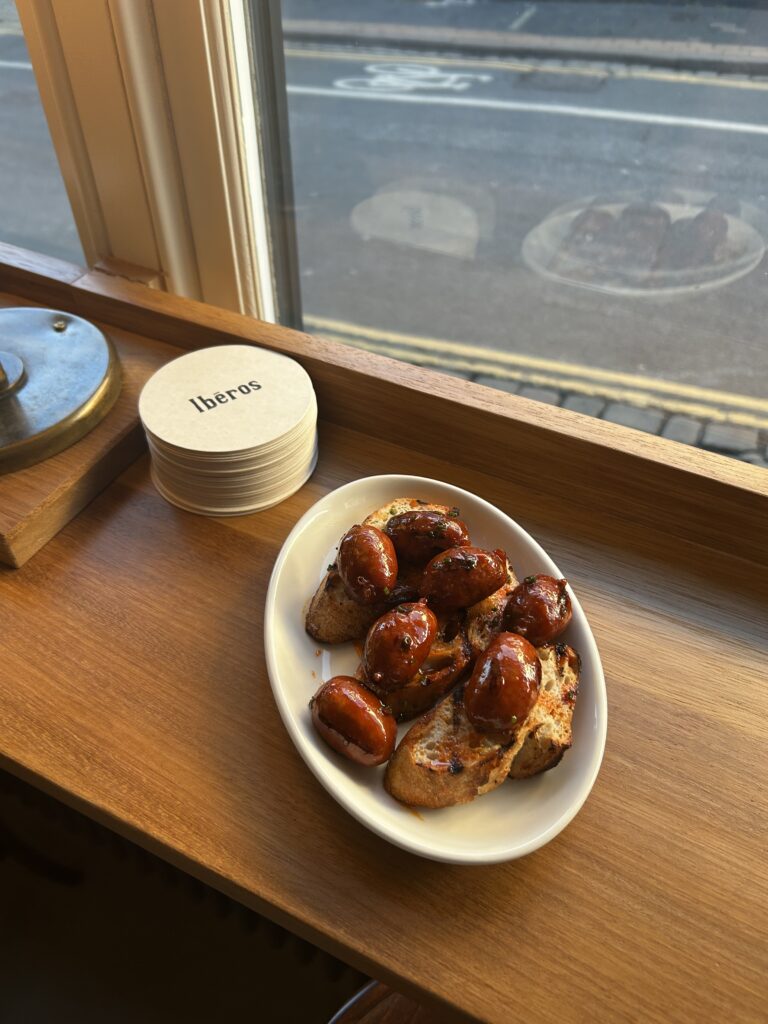
Another personal highlight were the little chorizo sausages, drizzled with a honey cider sauce from Asturia which is allowed to soak into thinly sliced toast for a decadent blend of sweetness and smokiness. It had no right remaining on the plate for any longer than necessary, so was duly finished off without hesitation in a matter of minutes.
Tom explained the reason behind the tempura-style cod cheeks was because this was a Portuguese cooking method actually exported to Japan under colonialism, with the fish effectively steamed in a deep-fried coating before being served with a squid ink aioli. If there’s any nod to his British gastro pub experience then this was it, the ink bringing the flavours of the sea into harmony with the mild and moist fish.
Wrapping up our tapas temptations was a queen scallop served with garlic butter, beautiful in the austerity of its ingredients, offering a stark reminder that less is almost always more. Sourced from Galicia, where Tom spent much of his teenage summers with family friends, it was a stand-out dish, and one which was again testament to its excellent provenance – where the nutrient-rich waters of the Atlantic coast bring a sweet and briny flavour to the tender texture.
For those diners looking for bigger dishes, Ibéros draws on a romantic taberna vibe for its mix of main courses. We didn’t have the stomach capacity for any of these, but the emphasis is on warming and nourishing comfort food which is rich in flavours but never heavy or suffocating.
Think grilled cod loin with salted lentils and roasted red peppers; confit duck leg served with white beans, Asturian cider and chorizo; and a celeriac and fennel broth and you have the general idea of what to expect on the standard menu, but weekends also include specials like clams in Fino sherry, steak grills and monkfish and prawn rice. Seasonal twists aside, Ibéros wants to maintain the consistency of its core menu before evolving it further, and Tom is conscious that they have to build up trust with their customers and prove they know what they’re doing before branching out with experimental dishes.
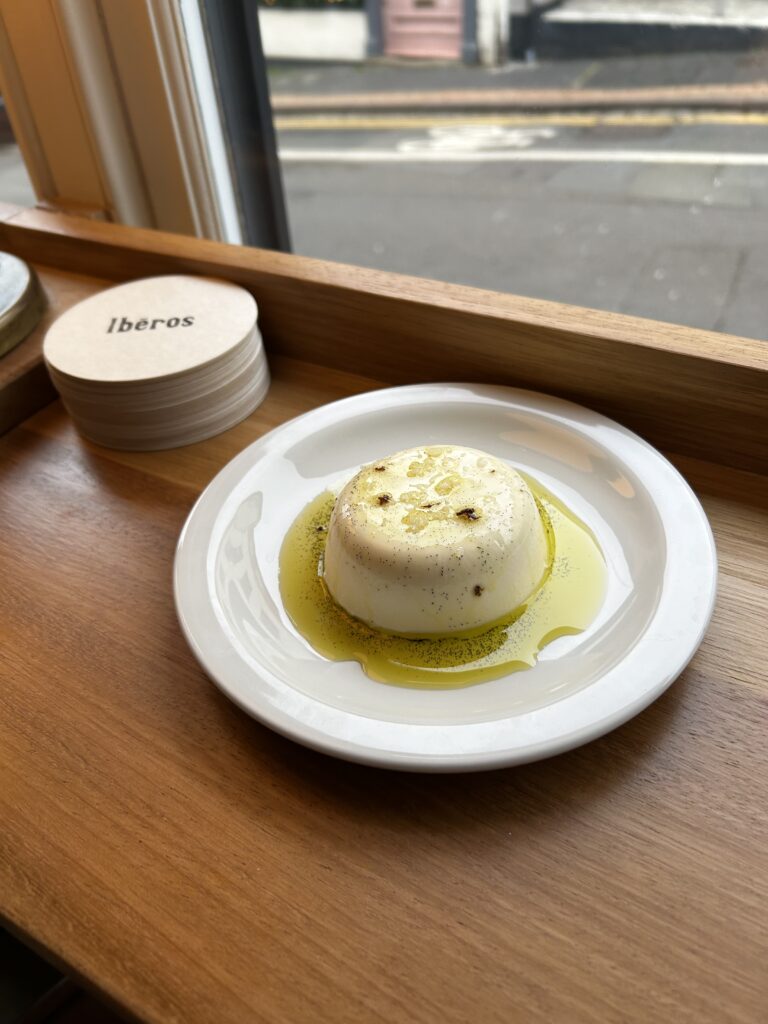
One of the items on the dessert menu is actually the reason behind the entire restaurant, after Sean fell in love with Spanish cuisine during his frequent visits to Malaga, and wanted to reproduce the panna cotta with olive oil and vanilla which he enjoyed while abroad. It sits alongside dishes Tom discovered while in Porto, an almond cake and port poached pear, served in a tiny restaurant where you had to queue for hours to obtain a table.
All three plates illustrate the emotional investment which has gone into Ibéros, a balance of honest, rustic and simple cuisine which should leave you wanting more.
It’s not expensive, but it doesn’t feel cheap, and you can feel the attention to detail in every aspect of the dining experience.
We are indeed beyond lucky that a restaurant of this calibre has opened up on our doorsteps, and look forward to seeing how it grows over the years to come.