


06 Jun 2023
Hundreds of new homes are being proposed for Green Belt land which was a protected wildlife site before being contaminated by diesel dumping.
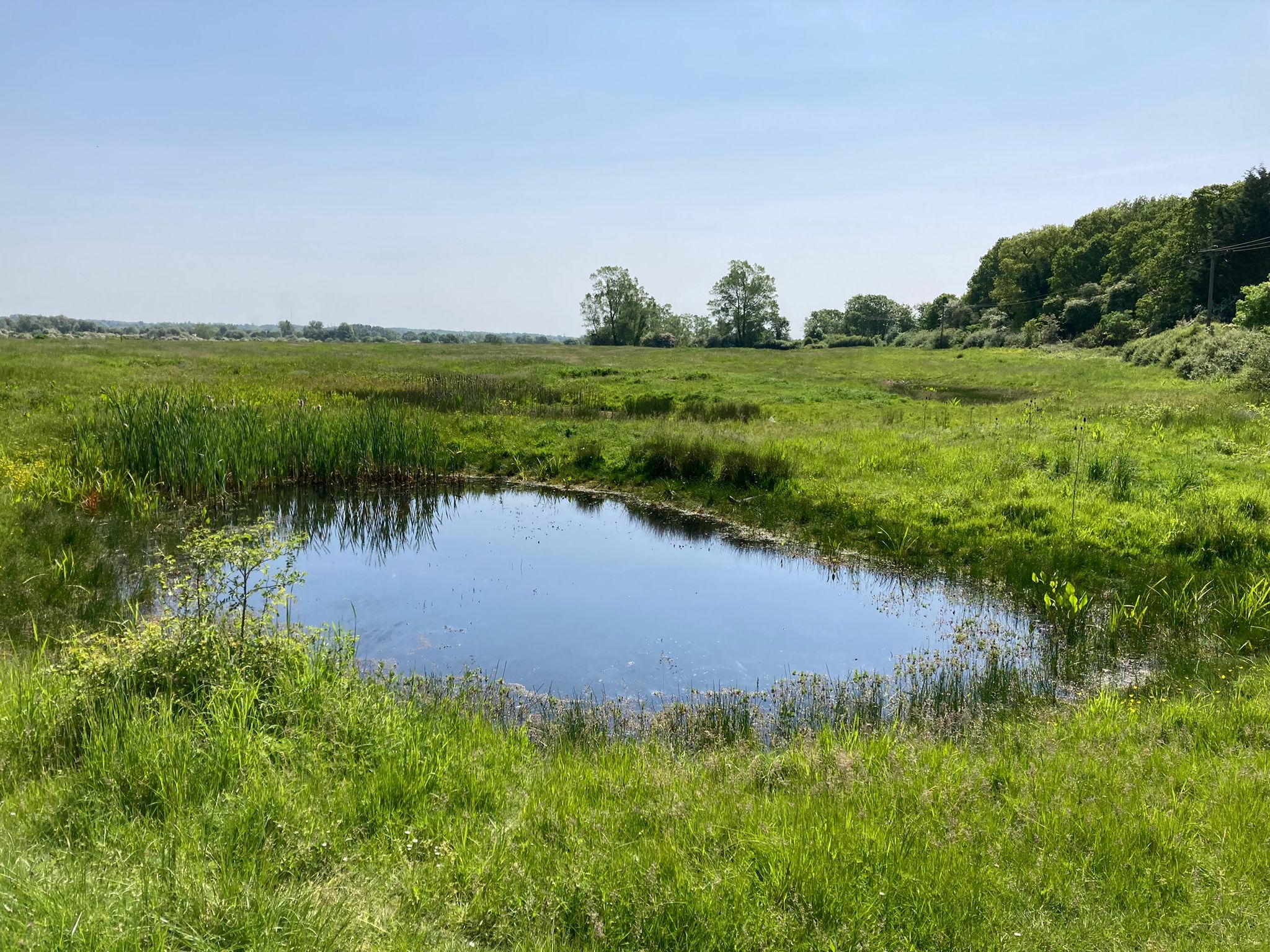
Smallford Pits was designated as a Local Wildlife Site, which identified it as a crucial location for wildlife in the county and protected it from development by the planning system.
The site was a breeding ground for great crested newts, a European Protected Species, and an important area in Herts for dragonflies, including the nationally rare Scarce Emerald Dragonfly.
But in September 2020 the ponds on the site were completely dug out and scrub cut to the ground, with the ponds then polluted with either petrol or diesel dumped into the water later that year.
Despite calls for prosecutions by the Environment Agency and Herts and Middlesex Wildlife Trust, the police failed to take any action over the destruction.
Part of Swans Pit, the quarry was backfilled in the 1950s and 1960s and filled with calcium carbide and a whole range of infill, meaning the composition of the site still has questions marks hanging over it.
Now a local landowner, Julie Bennett, is bringing forward an outline planning application for up to 230 high quality new homes on the land, which is off Colney Heath Lane, Colney Heath.
Publicity about the scheme states: “A minimum of 35% of the new homes will provide a mix of affordable options to help local residents find a home and get onto the housing ladder, as well as the delivery of green open space on a previously private and inaccessible site.
“The proposals will deliver a number of benefits and the site presents opportunities for a new sustainable residential development and the remediation of contaminated land improving the safety for those using the land.”
It also promises enhancement of the existing biodiversity on the site by the planting of new trees and hedgerows, and six hectares of public open space.
But her neighbours have not welcomed the scheme.
Bernie O’Sullivan said: “We’ve been fighting almost a year against a proposed development in Boissy Park for 40 dwellings which include two blocks of apartments and they want to remove the pavement so they can have the 6.6m required for access.
“Then to add insult to injury we received notice of a plan to build 230 houses on the Smallford Pits site, right beside Boissy Park. It’s criminal what happened to Smallford Pits. Soon there’ll be no green space left!”
Mark Taylor added: “I appreciate the need for housing but do take exception to the high speculation on Green Belt applications in the surrounding area of St Albans.
“As a parent a big challenge for me right now is the supporting infrastructure, particularly schools. We have no chance of securing a place in Oakwood or Beaumont (our nearest primary and secondary schools) so adding more homes in a blackspot for school access and places appears counterintuitive.
“The Levelling Up and Regeneration Bill being progressed through Parliament just now is meant to offer extra measures to protect the Green Belt and ensure the right homes are built in the right place with the right infrastructure. Development on Green Belt at Boissy Park and Smallford Pit feels like a complete ‘miss’ on this basis.”
County councillor for Colney Heath and Marshalswick, and Sandridge parish councillor John Hale said: “It is disappointing that in a week when residents of Colney Heath were delighted that the district council had refused planning permission for two developments in the village – 45 homes off the High Street and 150 homes off Tollgate Road – that another developer would bring forward proposals for 230 homes off Colney Heath Lane.
“The proposal is anything but sustainable development. The site is Green Belt and was, until fenced in by the landowner, enjoyed by local residents as an open space.
“It is also part of a larger site that forms a Local Wildlife Site and investigations by naturalists over a previous summer have shown the site to be in the top three dragonfly sites in the county. I do not know if that is still the case as a result of the damage done to the site a few years ago.
“The county council had been considering building a solar farm on the adjacent land, but have ceased those plans as they could not improve the Biodiversity Net Gain (BNG) on the site as part of that project, due to the very varied wildlife and fauna.
“I also have significant concerns about the impact 230 homes would have on local traffic and the further pressure it will put on already over-subscribed secondary schools in the area.”
