04 Jun 2026
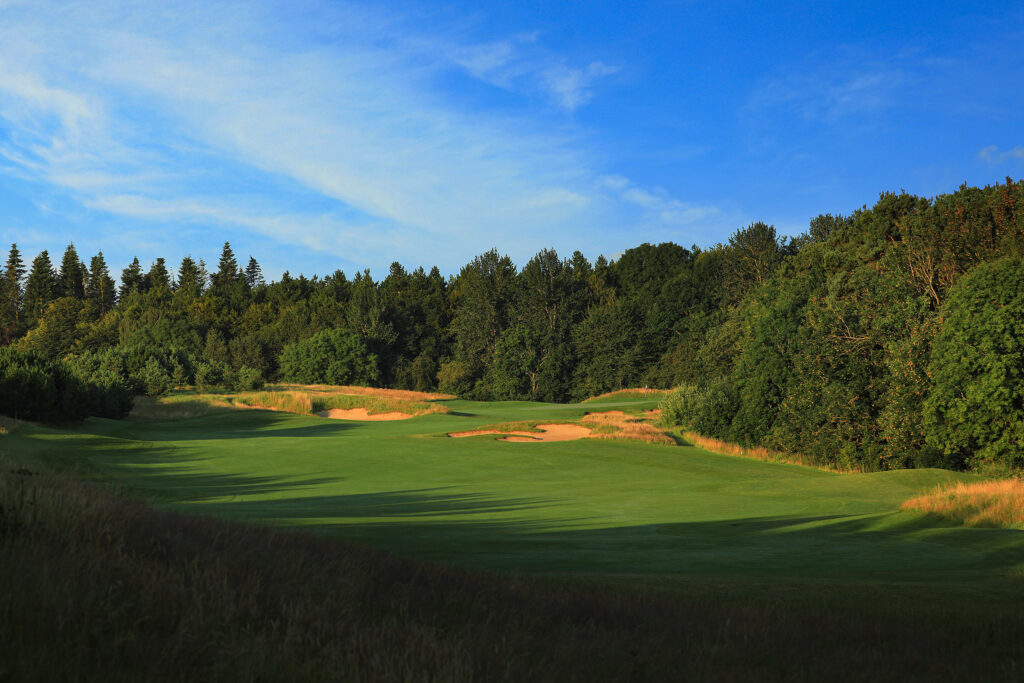
D-Day looms for a bid by a St Albans golf club to create 10 additional holes on its site – but at a cost of more than 1,000 mature trees.
The Centurion Club on Hemel Hempstead Road said the expansion will enhance the facility for its members, neighbours, the community, and the general public, create more jobs and provide additional economic benefits to the district.
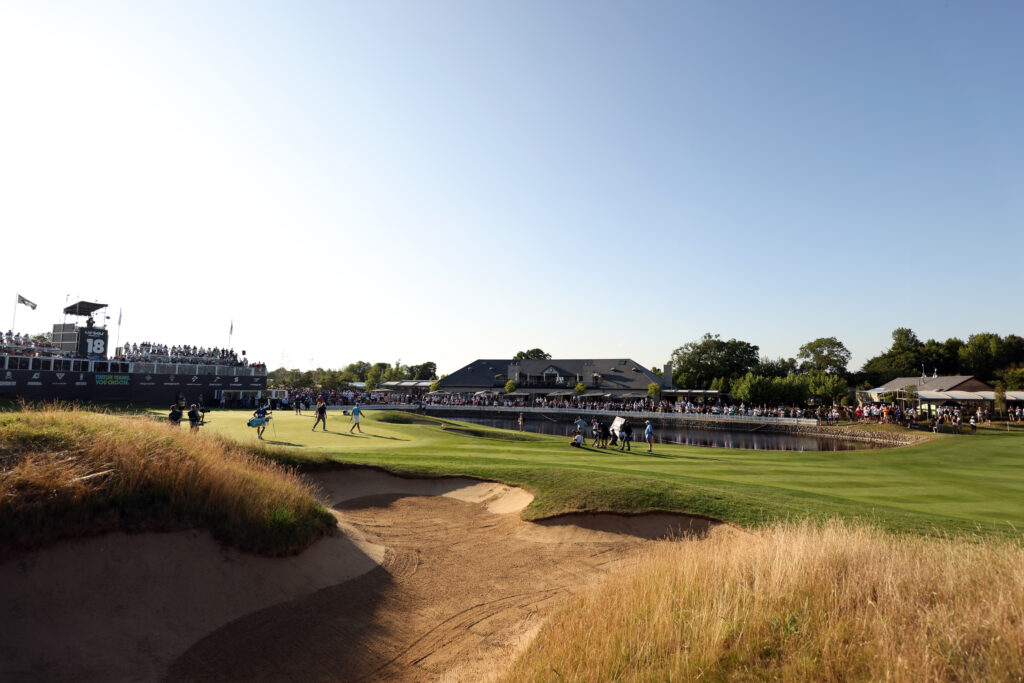
This summer the PIF London Championship, formerly the Ladies European Tour Aramco Team Series, will take place at the club for the sixth consecutive year, continuing its legacy as the only ever‑present venue on the series of events.
Councillors on the SADC development management committee are due to debate the planning application at its next meeting on June 8, with officers recommending approval subject to it not being called in by the Secretary of State as a departure from the Development Plan (Green Belt development).
The plans were called in by Cllr Edgar Hill because it was considered the removal of 1,000 trees would result in significant impact of woodland, and there needed to be further scrutiny on any variation of siting, design and external appearance, and consideration given to ancient and/or seminatural woodland and natural grasslands.
The application will include the removal of approx. 144,900m2 of mainly larch plantation woodland out of a current area of approx. 358,746m2.
St Albans Green Party councillor Juliet Voisey, who runs the local Greenpeace group, said: “The proposed removal of 1,000 trees on the Green Belt at Potters Crouch for 10 extra golf holes by Centurion Golf Club is cause for concern.
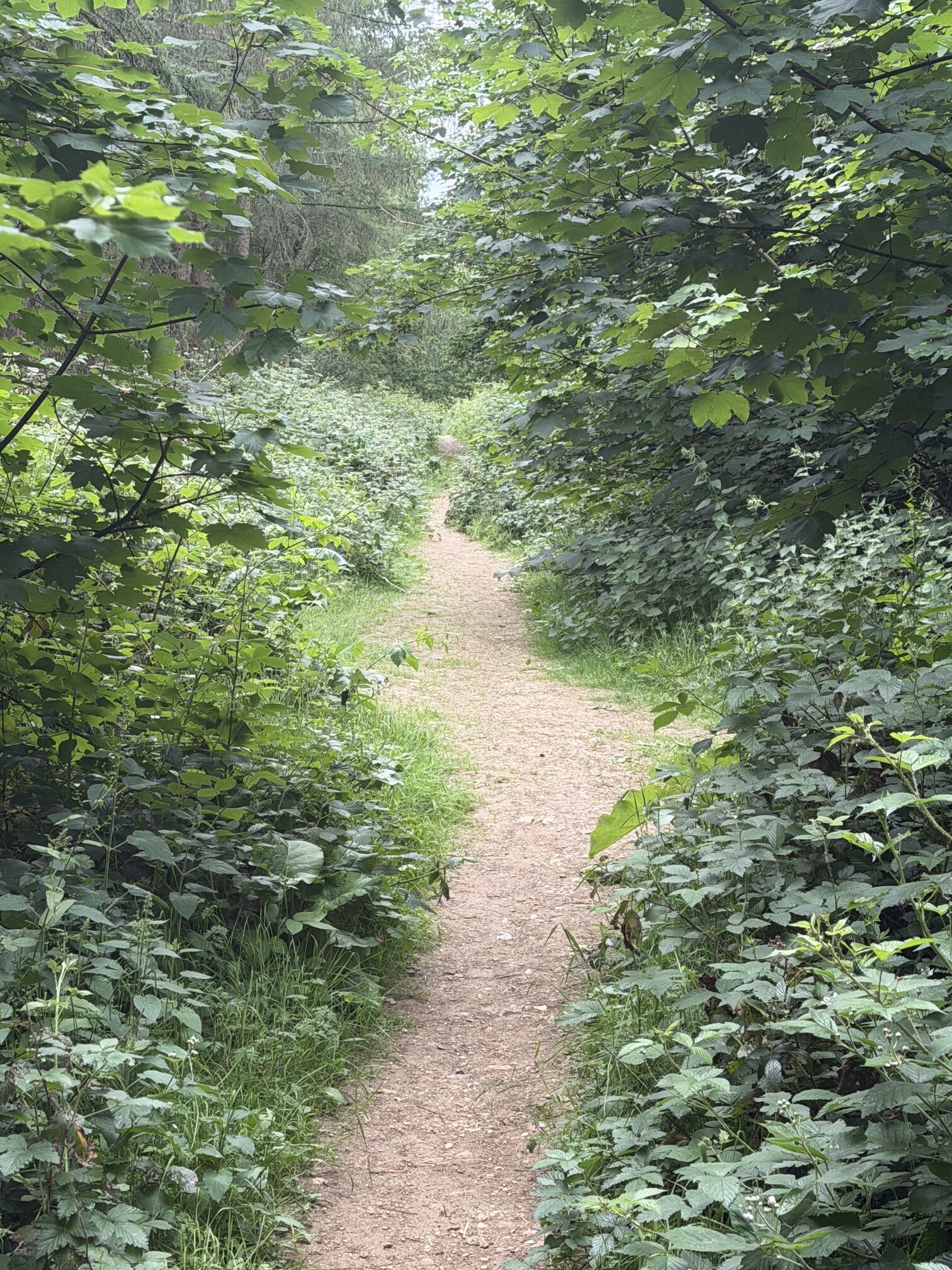
“Centurion’s argument that it benefits health due to golfing exercise is a weak one. This expansion will only benefit a select few who have membership, where currently the site is enjoyed by many more walkers who have used Potters Crouch for decades.
“Centurion’s own ecology report is dubious, conducted at an unfavourable time of year and omitting the presence of the White Admiral butterfly that resides here. There are only two locations in St Albans for this rare and protected butterfly, and Potters Crouch is one of them. The HCC Ecology report states that the species will be detrimentally affected by the removal of the woodland.
“The same report does not support Centurion’s claim of 50 per cent uplift to Biodiversity Net Gain citing there is not enough consideration given by Centurion to the restoration and management of the surviving woodland once they rip out 1,000 trees.
“The tree officer has no objection because the trees are not visible from the road – is this the basis on deciding whether trees stay or go? The fact that these trees are ‘only’ circa 80 years old should not be disregarded. They still provide habitats, canopy cover, carbon capture, all of which will be lost, and cannot be replaced with the planting of new whips which will take years to establish. We will have lost the benefits for decades. They are irreplaceable.
“Centurion wants some of this expansion to provide provision for children to play golf. I wonder how those children will feel knowing that wildlife and trees have been disregarded and ripped out for them. On one hand we teach children to appreciate nature, about the importance of trees and wildlife, and on the other we do this?
“Centurion states that they currently have 80 car park spaces and these are usually under-used so where is the demand for these extra 10 holes coming from? They also state they will plant on their own land to the east of the existing golf course to offset the damage – surely the simple answer would be to use that land for the extra 10 holes instead of disturbing an established woodland, bluebells, deer, wildlife and endangered species of butterfly?
“You have to wonder what the motive is here, given previous mention of plans to build a retirement village on the existing golf course.”
Freda Chaloner said St Albans Civic Society is still very much opposed to this proposal.
“The felling of 1,000 mature trees is nothing short of environmental vandalism and the proposal to replace them with immature trees will not mitigate the harm. Trees are increasingly seen as a vital element in helping to address global warning as well as their other environmental and ecological benefits.
“Additionally, the proposed extension to the golf course will require greater quantities of water and the problems of water scarcity in Kent this week illustrate the risks of running out of water. The proposed extension will benefit a few but will not mitigate the damage to many.”
Malcolm Hull, chair of Butterfly Conservation – Herts & Middx Branch, said: “I am shocked that St Albans councillors are being asked to approve this development, which will destroy one of our last remaining sites for White Admiral butterflies.
“White Admiral is one of our rarest and most beautiful butterfly species. It lives in rides and glades in large established woodlands. Most specialist woodland butterfly species have already died out in Hertfordshire. White Admiral still hangs on at a handful of sites and Potters Crouch plantation is one of the top five in the county.
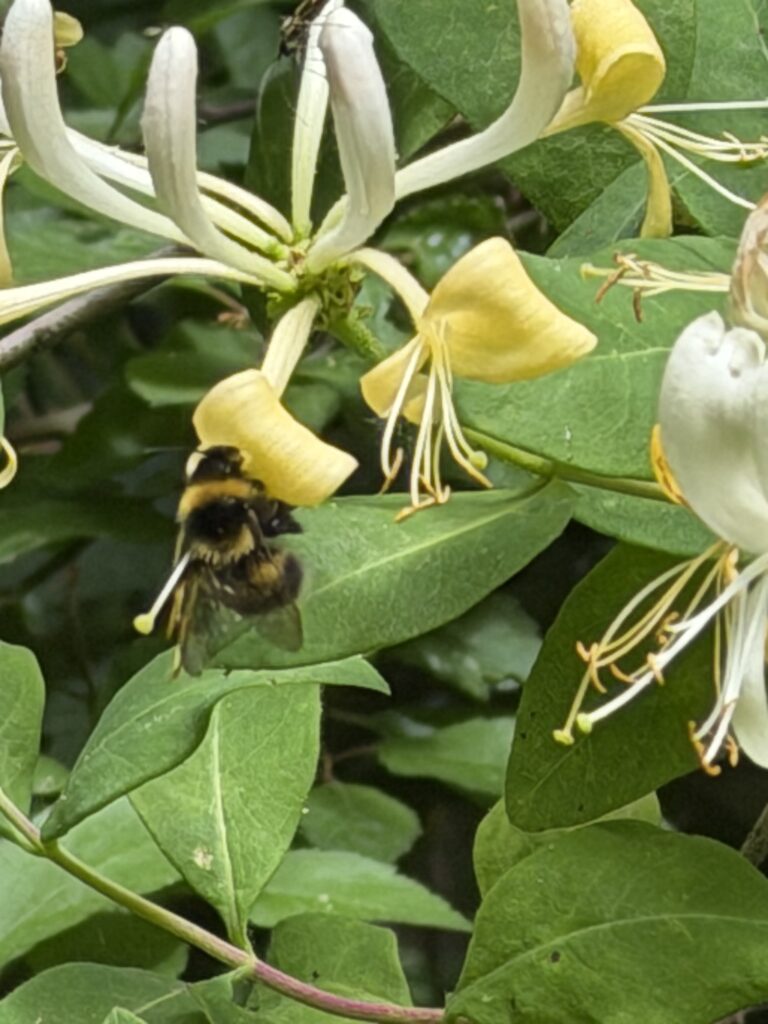
“The butterfly depends on straggly honeysuckle, growing amongst trees along woodland rides. This type of habitat takes many years to develop and cannot simply be recreated by new planting.
“White Admiral has recently been recognised as a flagship species in the Herts Local Nature Recovery Plan with the priority being to restore populations, the golf course development will have the opposite effect. The key butterfly breeding areas in Potters Crouch plantation will be destroyed by the current golf course development proposals.
“The ecological evidence prepared for the committee is confusing and has been misinterpreted in the case officers recommendation. It is important that planning committee members challenge and reject this recommendation.”
Amanda Yorwerth from St Albans District Friends of the Earth said: “We oppose the expansion of the Centurion Golf Course and consequent loss of 1,000 trees from Potters Crouch plantation.
“Even though the trees are part of a plantation, they are mature trees which are locking up carbon, providing essential habitat for dwindling wildlife and protection from extreme heat and rainfall for local people.
“It is increasingly difficult for trees to endure to maturity so it is of paramount importance to protect areas of mature trees like this that we already have. Planting young trees to replace mature trees is, frankly, no replacement. It will be years before they provide anywhere near the benefits of the trees earmarked for destruction, and, with more heatwaves like that we have experienced recently, the young trees are likely to die well before maturity.
“Destroying woodland to make space for much needed housing is one thing, but losing it so a few wealthy people can play a bit more golf should not be allowed.”
Responding to these concerns, the Centurion Club said the application has remained consistent in its fundamental purpose, which is the extension of the existing 18-hole championship course to improve resilience, flexibility, and long-term sporting provision. They said the woodland is privately owned land, and while informal walking routes have developed over time, these are not designated public access routes in planning or highway terms.
However, the formal public right of way (St Michael Rural FP13a) is fully retained and will remain accessible.
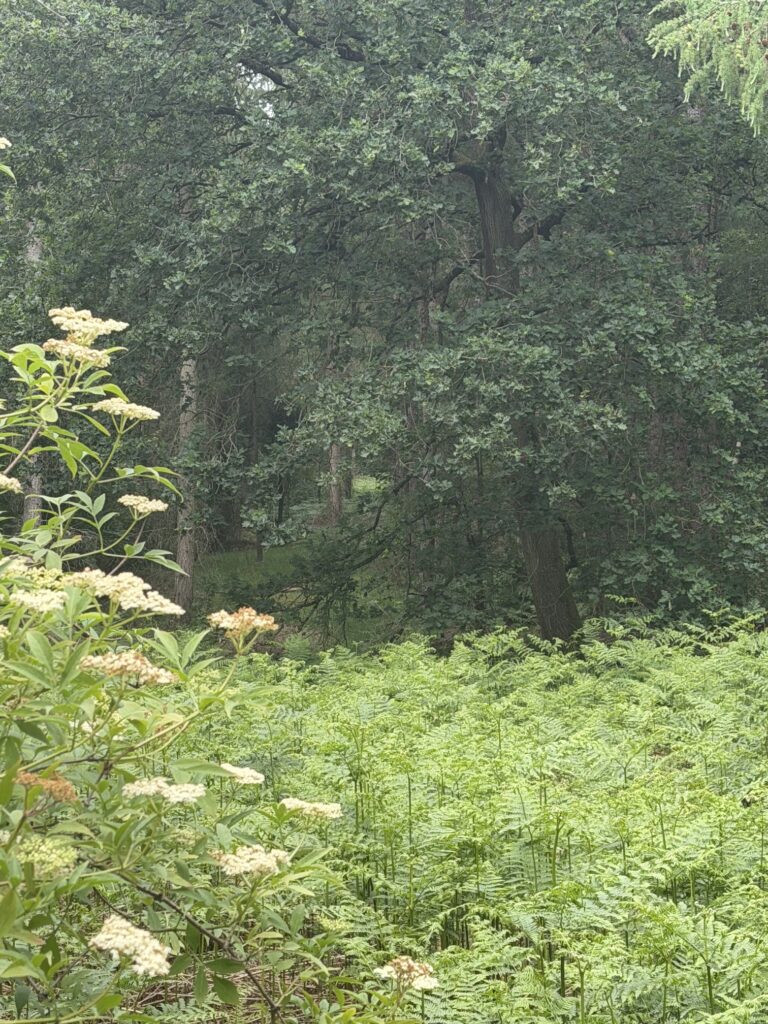
The club said a large proportion of the woodland affected is commercial plantation woodland of varying age and composition, including conifer and larch stands.
They argue this is a managed transition to a more diverse and ecologically resilient woodland structure over time, secured through planning conditions.
In a statement, a spokesperson said: “Centurion Club fully recognises that the proposed golf course extension has generated significant public interest, particularly regarding the future of Potters Crouch Plantation and concerns about woodland loss, wildlife and biodiversity.
“We respect those concerns and understand why local residents, environmental groups and parish councils have taken a close interest in the application.
“The proposal has been subject to an extensive planning assessment over a prolonged period, including detailed ecological, arboricultural, landscape and environmental studies together with scrutiny from HCC’s specialist ecology team, the local planning authority, Natural England and other statutory consultees.
“A key point that has emerged through that process is that while the site forms part of a designated Local Wildlife Site, the specialist ecological assessment concluded that the majority of woodland affected is not ancient woodland and is predominantly plantation woodland established approximately 80 years ago, consisting largely of larch, conifer and mixed plantation species. The ecology assessment found that less than 10 per cent of the woodland proposed for removal comprises Priority Habitat and that the most sensitive woodland areas, veteran trees and ancient woodland remnants would largely be retained.
“Importantly, HCC’s ecology officers have concluded that the application can be supported subject to strict planning conditions. Their advice is clear that the ecological impacts identified can be appropriately mitigated through a legally enforceable programme of woodland restoration, habitat enhancement, compensatory planting and long-term management.
“The proposal includes substantial new woodland planting elsewhere within the club’s ownership, creating additional native woodland areas that will strengthen the wider woodland network and enhance screening along the M1 corridor. In addition, the remaining woodland will be subject to long-term ecological management designed to improve its structure, diversity and resilience.
“The ecological review also identified that significant areas of the existing woodland have suffered from a lack of active management in recent decades.
“Through the proposed Landscape and Ecological Management Plan, woodland compartments across the estate would be brought into an agreed programme of management and restoration, helping to improve habitat quality over the long term.
“Specific attention has also been given to species such as the White Admiral butterfly, which is known to occur within the wider woodland area. Hertfordshire Ecology reviewed this issue in detail and concluded that impacts can be mitigated through habitat retention and management measures secured through planning conditions.
“While any woodland loss must be taken seriously, it is important to note that the planning officer’s report concludes that the ecological benefits secured through the proposed management and restoration programme are capable of offsetting the identified harm, provided the recommended conditions are imposed and enforced.
“We look forward to the planning committee’s consideration of the application and remain committed to working with the council, ecological specialists and the wider community to ensure the long-term stewardship of the landscape in our care.”