


18 Jan 2024
Residents have won the latest battle to prevent the development of farmland in Park Street.
A second planning committee meeting took place on Monday night to decide the fate of Green Belt land west of Watling Street.
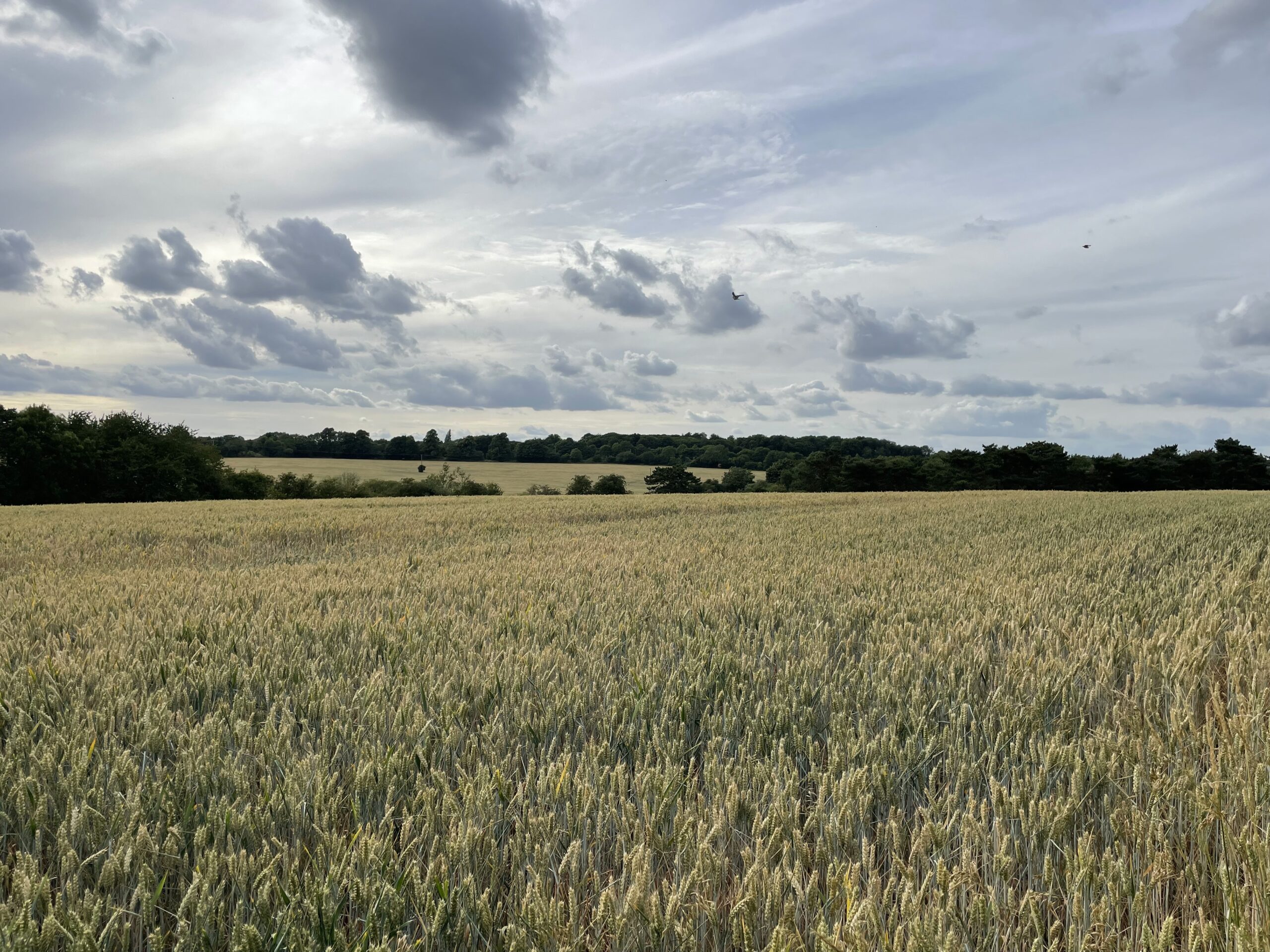
This issue was whether to allow the building of 95 houses son 11 acres of Green Belt which separates Park Street from St Albans.
The public gallery was full, so objectors who arrived later viewed the proceedings from outside the hall. After a previous confrontational meeting in August expectations were high for another tense affair.
In August the matter was deferred so expert opinion could be sought on Green Belt and traffic matters.
Planning officers, who were supportive of the scheme, opened the session with a presentation indicating why they felt the plans should be approved.
Then came Shirani McCarthy, who spoke for Greenbelt, the campaign group fighting the application. She drew attention to the overwhelming number of local residents that opposed the application and asked why planning officers were ignoring their views.
David Yates, the chair of St Stephen’s Parish Council, and a past chair of the planning committee, said council members had been provided with incorrect information, including the basis calculation for special designation being enforced on the council.
Park Street district councillor Nuala Webb pointed out that building houses of the type proposed would merely “suck” people out of wealthy London boroughs and would do nothing to provide homes for those in need.
Fellow district councillor Ajanta Hilton robustly illustrated conflict with Green Belt policy and the chronic traffic situation.
After initial presentations by them and the director of the developer Scott Properties, a long discussion took place between the councillors on the committee and planning officers, who had recommended approving the application.
Many of the councillors had severe reservations about the scheme, and planning officers struggled to satisfactorily answer the questions raised.
One concern highlighted several times – particularly by Cllr Edgar Hill – was the cost of an appeal and it was argued that the application should be passed to avoid this. Cllr Antony Lillico said he was disappointed that the expert opinion that was meant to have been obtained had not been sought.
It eventually went to the vote, which was a messy affair, due to the apparent misunderstanding by one councillor over the text of the first vote.
The first vote was a vote on the proposal by Cllr Liz Needham to refuse the application. Cllr Needham suggested wording to say that the reason for refusal should be that the site was in the Green Belt, served the purposes of retaining openness and preventing coalescence, and that the developer had not provided evidence of any special circumstances that would clearly outweigh the harms that would be caused to the Green Belt. The councillors voted five in favour of the proposal, five against, with one abstention. This meant that the proposal by Cllr Needham was not passed.
Councillors were then asked to vote on the planning officer’s recommendation that the application should be approved.
They voted five in favour of the proposal and six against. This meant that the second proposal – to approve the application – had not been passed either.
After consulting for procedural advice, a break section was requested by Cllr Lillico, who said it was clear that the councillors did not want to approve the application but needed some time to formulate a refusal proposal which the majority of councillors would be happy to support.
During the short break, the committee councillors discussed the proposal wording and the proposal to refuse was put to the vote again. This time, five councillors voted against the proposal and six in favour, meaning that the majority had voted to reject the application.
After the vote Paul King from Greenbelt said: “I am relieved that the application has been rejected and the common sense of six councillors prevailed. I was slightly disappointed that the decision was not by a bigger margin, but maybe this wasn’t so surprising, since councillors had been put under immense pressure by planning officers.”
Nuala said: “Finally a decision has been made in accordance with the wishes of my constituents, and the very strong evidence against the proposal. With so much money involved, the applicant is highly likely to appeal, so this is only the first stage of ensuring that this land stays open and beautiful.”
David added: “We need houses, but we need these in the right places, and this was not one of those places. Fortunately enough councillors on the committee could recognise this and voted accordingly.”
Shirani, who is currently fighting two appeals in adjacent Chiswell Green, said: “This application was similar to the many other speculative applications that residents across the fistrict have been fighting and which the Government is trying to stop. We need speculative applications like these rejected on a consistent basis to stop St Albans becoming even more of a target by developers who can make large profits out of destroying land that is needed to reduce the impact of climate change.”
Ajanta was of a similar view: “The committee has rightly rejected this application, after the applicant made a number of false claims about Green Belt and traffic.
“Unfortunately the deep pockets of developers and the huge profits that are generated when farmland is turned into building land means that there will be an appeal.”
#Paul was realistic about the situation, saying: “We have won one of three battles. We need to win all three to ensure that this land stays green. Next will be an appeal, then we need this out of the draft Local Plan. That Local Plan destroys Green Belt all around the district and conflicts with the new National Planning Policy Framework.”
