03 May 2025
Even before war began in 1939, gas masks were being distributed, trenches dug, and air raid wardens appointed across Harpenden.
The story of how the town faced the challenges of the Second World War is the latest instalment in a series looking at the Growth of Harpenden on display in the museum at the Eric Morecambe Centre.
It has been curated by Harpenden & District Local History Society, and can be seen from May 3.
In the first two days of the war, Harpenden had to find homes for 2,000 child evacuees arriving at the main station. Harpenden formed Home Guard platoons in 1940 and prepared for invasion.
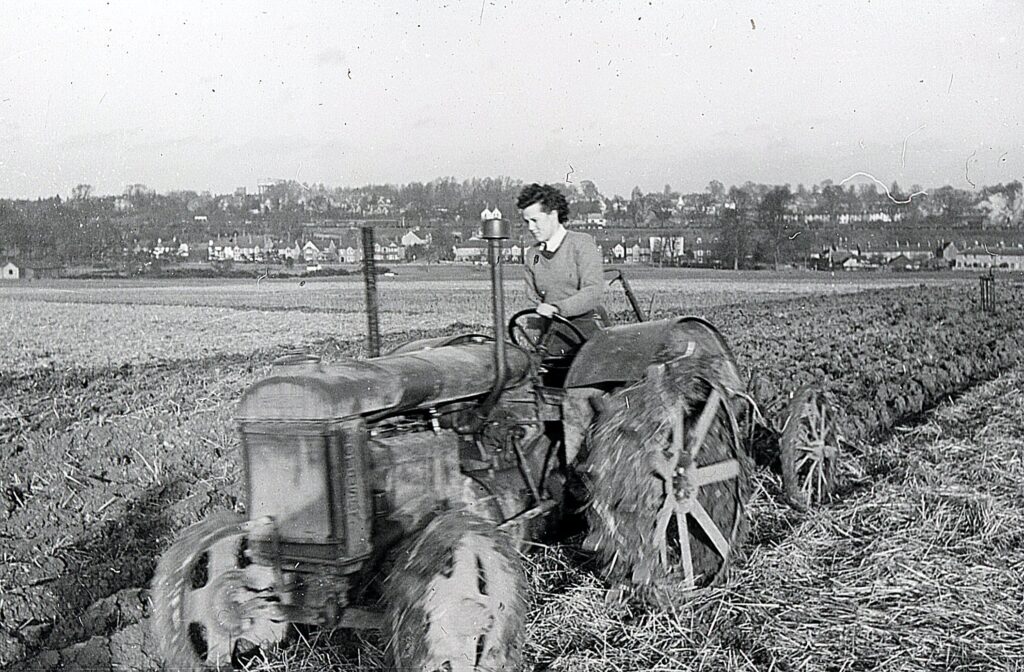
Over time, a secret listening post was set up at Rothamsted Manor and a prisoner of war camp established at Batford. The Land Army ploughed up the Common to grow vegetables. Several underground air raid shelters were built in the central area of the town and various insurance companies decamped central London and set up temporary offices.
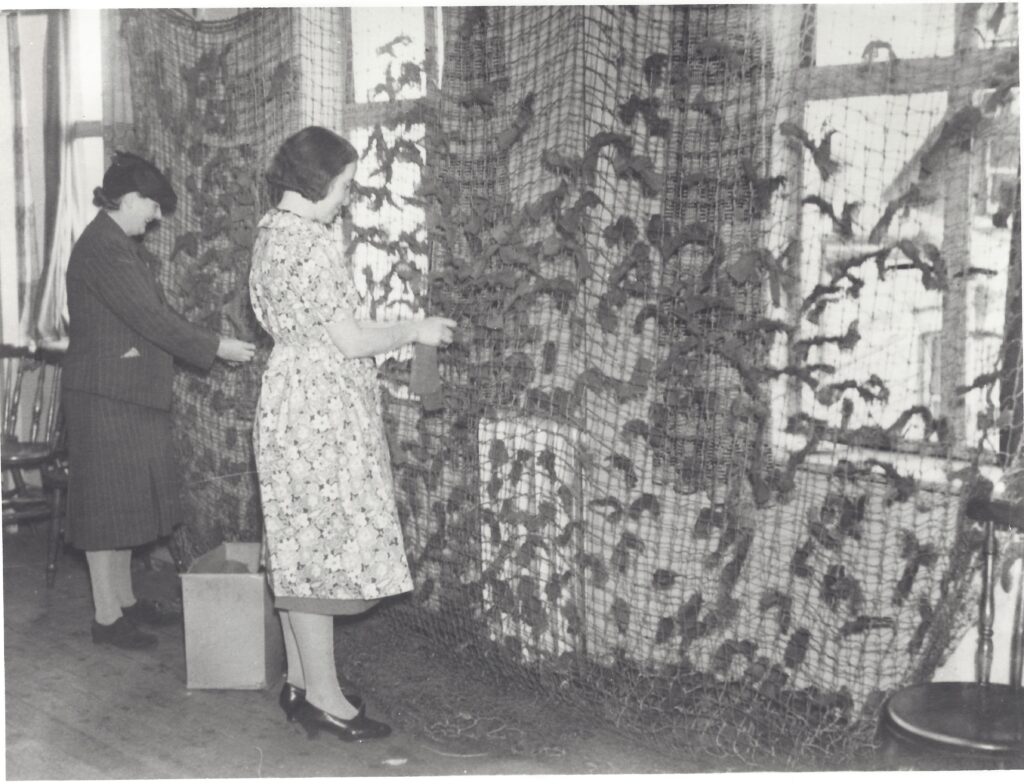
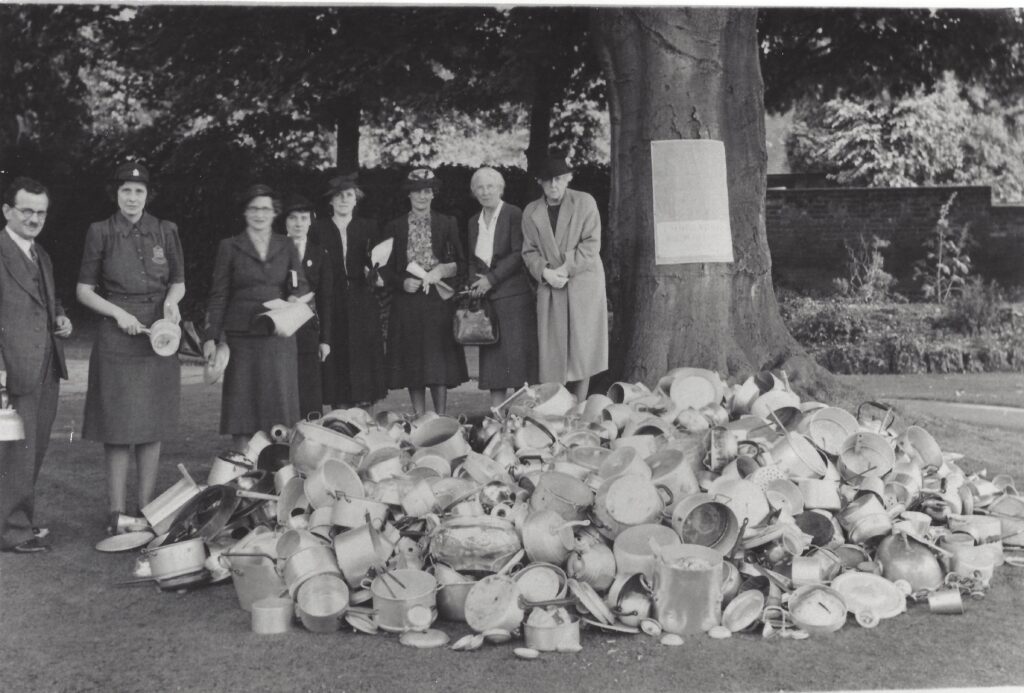
David Kendall, chairman of the museum committee, explained how the exhibition was collated: “Using the society’s archives, we have pulled together a fascinating collation of photos, memoirs, posters, press cuttings and other artefacts which tell the story of Harpenden in World War II. The community contributed in many ways to the war effort and our exhibition will be a vivid reminder of what times were like in the 1940s.”
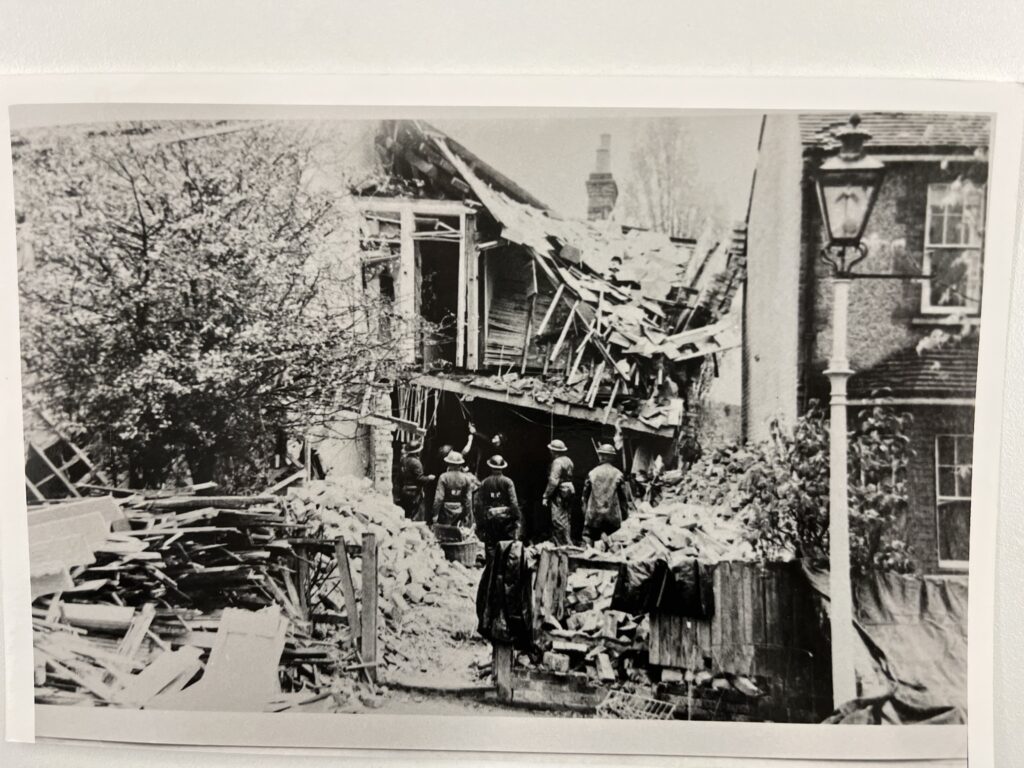
Museum curator Pamela Doran said her favourite story is the account of a boy who lived at the house in Crabtree Lane which was bombed: “The bomb hit us on the night of 20 October 1940. I owe my life to Mother’s decision for us to sleep under the stairs, following a previous landmine explosion which had taken out our windows.
“The explosion woke me. I just recall a roaring and rumbling as the house collapsed, then complete silence. My mother called, ‘David, if you are alright shine your torch!’
“The staircase door was clear of rubble. I did as I was told. From a cable running from the staircase to the remains of the living room wall, a single light-bulb was suspended, still shining in the darkness.”
Although Harpenden was hardly touched by bombs – as well as the house mentioned the roof of Batford Methodist Church was burnt out on Sunday May 1941 12 by incendiary bombs – disruption to daily routine was considerable.
The exhibition opens on May 3 with a family activities day for one day only, to celebrate the 80th anniversary of VE Day, which includes a self-guided family walking trail of key sites around town, arts and crafts activities, and the chance to try on clothes from the war.
Harpenden in WWII runs until September in the Eric Morecambe Centre and is open 11am-3pm on Tuesdays, Thursdays and Saturdays, but check the website for confirmation at www.harpenden-history.org.uk
Meanwhile, Wheathampstead History Society is holding their own free exhibition of the village during WWII on Saturday and Sunday May 10-11 at Memorial Hall, Marford Road, Wheathampstead, 11am-5pm.