11 May 2026
After more than 20 years have passed since your crimes, it’s not unreasonable to think you’ve got away with it. Then one day, quite out of the blue, comes an unexpected knock at the door, and your life begins to unravel before your eyes.
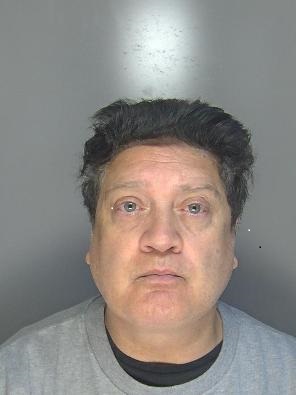
In 2002, Alec Housden kidnapped and seriously assaulted two teenage girls in Harpenden, but police investigations at the time failed to track him down.
The story behind his eventual conviction and sentence is the subject of a TV documentary, Cold Case Investigators: Solving Britain’s Sex Crimes, which can be seen on BBC iPlayer and reveals how this predatory offender brought to justice through a combination of outstanding determination and resilience.
On Sunday April 7 2002, a 16-year-old schoolgirl was walking along Piggotshill Lane when a man grabbed her, dragged her into a nearby wood and sexually assaulted her, before then forcing her to perform sexual acts.
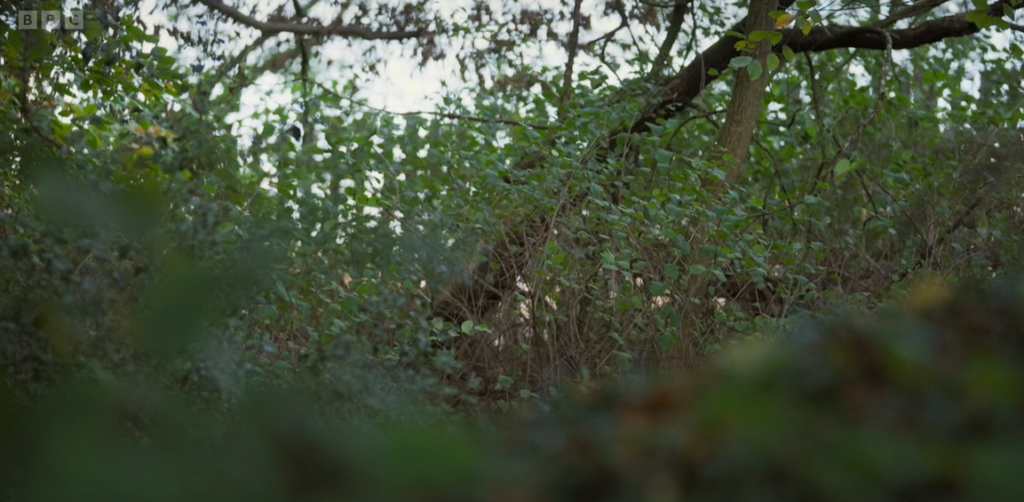
Two months later on June 19, a 17-year-old girl was walking along Wheathampstead Road when a man forced her into a car, drove down Piggotshill Lane and took her to the same wood, where he also sexually assaulted her and made her perform sexual acts.
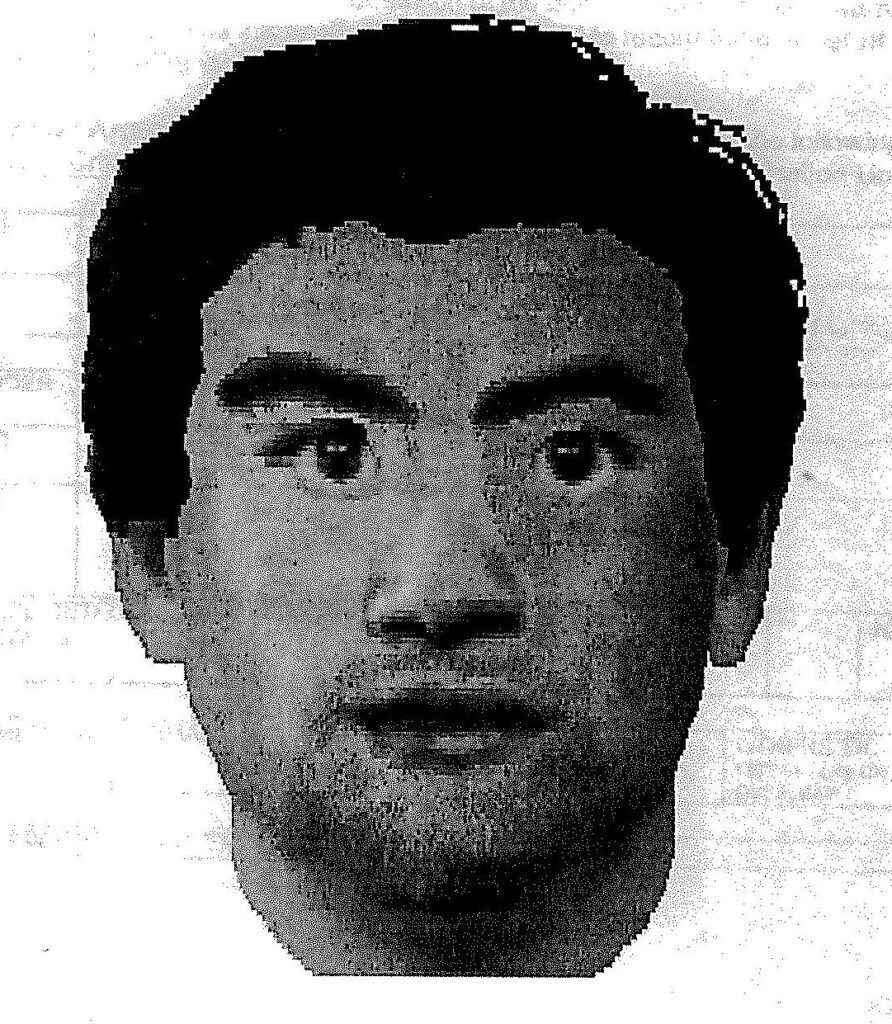
Extensive enquiries carried out at the time included the release of an e-fit of the suspect and an appeal on TV show Crimewatch, but no arrests were made and the case remained unsolved.
Then in 2022, 20 years later, a team of officers from the Beds, Cambs and Herts Major Crime Unit launched a review of the investigation under the name Operation Reactivate.
Det Sgt Kat Savage, who was part of the team and appears in the BBC documentary, explained: “The investigation was never closed; all historic cases are routinely reviewed to identify any further investigative opportunities. In 2022, the 20th anniversary of the offences provided an opportunity to reassess the evidence in detail and to make a refreshed anniversary appeal for witnesses. This case had always remained a priority because we had DNA linking the two offences but no identified suspect, and we were committed to achieving closure and a form of justice for the victims.”
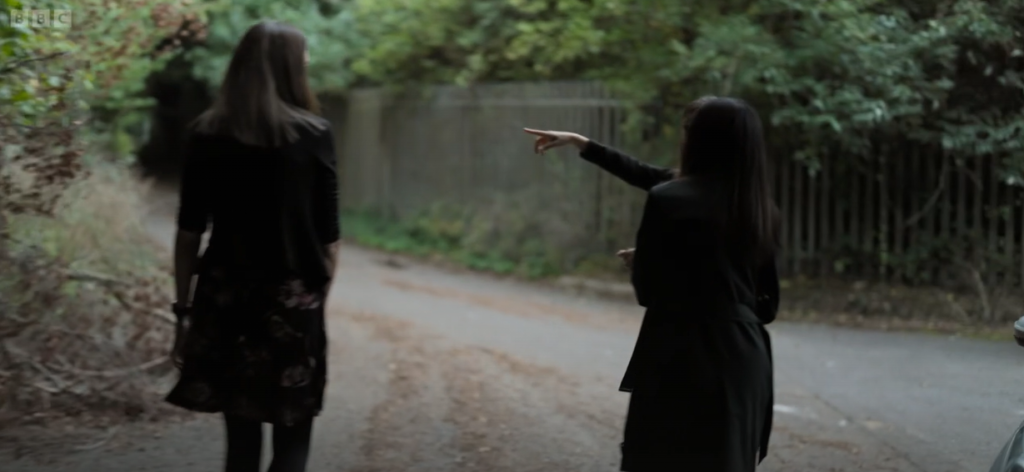
Former Det Insp Justine Jenkins, who has now retired but was leading the operation at the time, appealed for the public’s help on Crimewatch Live and one of the victims issued an impact statement.
She said: “These women, who are now aged in their 30s, went through an unimaginable experience which has blighted their lives and they have never had closure on their horrific ordeal, so we were determined, despite the time that had passed, to find the man responsible.
“We knew the same man was responsible for both these sexual assaults through DNA evidence, but we needed to find him and frustratingly he was not on the national database.”
With the forensic evidence not leading to an immediate match, police had to take further action, including calling people on the database who could have had a family link to the offender.
Det Sgt Savage said: “The suspect was not on our database, so we had several hypotheses. We believed he had either died, been sent to prison or had emigrated to another country – or had not just come to police attention since the offence.
“Our priority was to ensure that every potential line of enquiry was thoroughly examined so that justice could be achieved for the victims. Although engaging with family members is not something we routinely do, in this case it was a proportionate and necessary step to eliminate individuals and refine our enquiries.
“Crimewatch featured the original appeal in 2002 and we approached them again for the 20th anniversary allowing us to reach a wider audience. By that stage we had pursued every available line of enquiry and a renewed public appeal complemented our detailed review of the evidence, which we were examining piece by piece.”

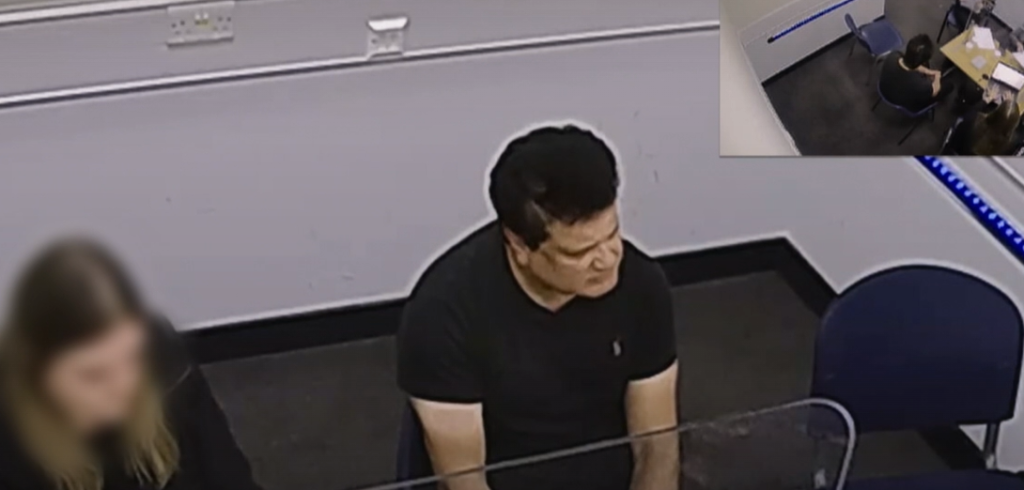
But detectives were able to establish evidence linking Housden to both sexual assaults, and he was subsequently arrested, which can be seen in the documentary.
His demeanour appeared very calm and collected in interview, despite the evidence produced linking him to the crimes.
Det Sgt Savage said: “I suspect he thought he had got away with it and he had moved on with his life. It is possible he believed he would never be identified and his reaction reflected that. A suspect’s demeanour is not always a reliable indicator of guilt or innocence, as investigators our focus is on the evidence, which in this case was compelling. We knew the evidence was overwhelming and I had no doubt in my mind that we had the right man.”
When his DNA came back as a match to that found at the scenes of the assaults, the jubilation felt by the team is evident on screen, and Det Sgt Savage says she remembers how it felt.
“Some cases stay with you – and this was one of them. Our focus throughout had been securing justice for two women who were extremely young when these abhorrent crimes were committed. Knowing that Housden would finally be held accountable for his offending, and we would be able to provide some level of closure for the victims, was a significant moment for me.”
He initially pleaded not guilty to the offences, but changed his plea to guilty a month later, in April 2023. He was also charged with a third kidnap of a 12-year-girl in 2004, which he denied, and no further action was taken was taken.

Despite his initial complete denial of any involvement in either attack, the women Housden attacked read impactive statements in court about the effects of their ordeals in 2002.
The first, Miss D, said: “Your actions, Mr Housden, left a lasting scar, a dark matter, a tumour in the deepest recesses of my mind, that no matter how much I tried to move on, it remains and always will.”
The second, Miss B, said: “I never want to be described as a victim, I never want that moment in my life to define me, even though it does. I have lived with what happened to me in 2002 for over 20 years and I have pulled myself up from the darkest rock bottom.”
Det Sgt Savage said: “The victims’ testimonies were clear, consistent, and demonstrated the fear they experienced. The circumstances of the offences were so similar, including the victims ages and the secluded locations chosen by the offender. The strength and consistency of the victims’ accounts remained central to the case.”
Sentencing Housden to 16 years’ imprisonment, Judge Francis Sheridan described the attacks on the two girls as “terrifying” and said the offender’s behaviour “can only be described as monstrous.”
He told Housden “DNA will follow you” and said the police investigating team “were a credit to the Chief Constable”.
Det Insp Jenkins said after Housden’s sentencing: “I’m sure Housden thought he’d got away with it. These two brave women are pleased that he has finally been sentenced for his crimes.
“Legally, offences can only be sentenced under the guidelines that were in force at the time. If he was being sentenced today – over 20 years later – he would have been charged with different offences and would therefore have received a lengthier sentence.”
Speaking recently, Det Sgt Savage added: “Securing Housden’s conviction is one of the most significant moments of my career.
“His actions had a profound and lasting impact on every part of the victims’ lives. I am immensely proud of the team, who worked with absolute dedication to review the evidence and ensure the strongest possible case was presented at court.”

She explained why the decision was taken to highlight the case on TV: “We thought the suspect was likely to be fairly local to Harpenden, but he could have lived anywhere, especially given the time passed since the incident. With this in mind, we sought to get it shared as widely as possible.
“The e-fit was a good likeness, and it sends a message to people that we do not give up on cases, however much time has passed. We will stop at nothing to find offenders.”
And a final word of warning from Det Insp Jenkins, who was subsequently recognised for her outstanding service to policing in last year’s New Year Honours List: “We regularly review cold cases, particularly serious sexual offences and murders, so if people have offended years ago, you never know when there may be a knock on the door.”