12 Apr 2025
What do you really know about how Harpenden grew to surpass all neighbouring villages as the predominant settlement in the area?
Given the known early greater importance of Wheathampstead, people often ask when and why Harpenden eventually took over. It’s so easy to say that it was simply the railways that did it, but the answer is more subtle and rather surprising.
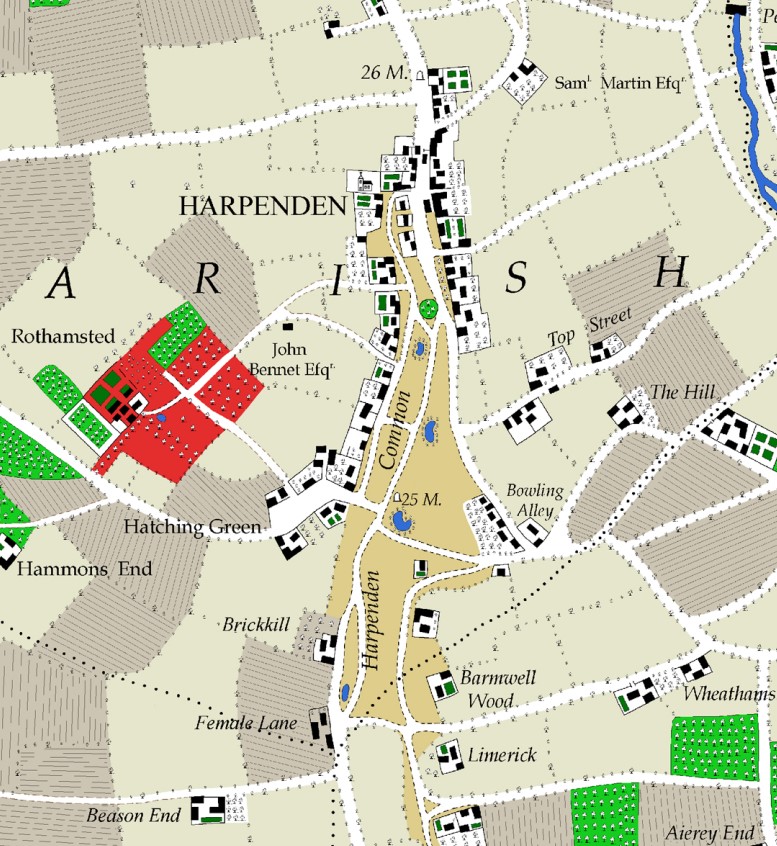
In a public lecture hosted by the Harpenden and District Local History Society Dr Tony Berk will explain ‘The History and Origins of Harpenden’ at the Eric Morecambe Centre on Tuesday April 22.
Dr Berk said: “Despite its predominance today, Harpenden’s origin, rather surprisingly, is somewhat later and more subservient than other towns and villages in the locality.
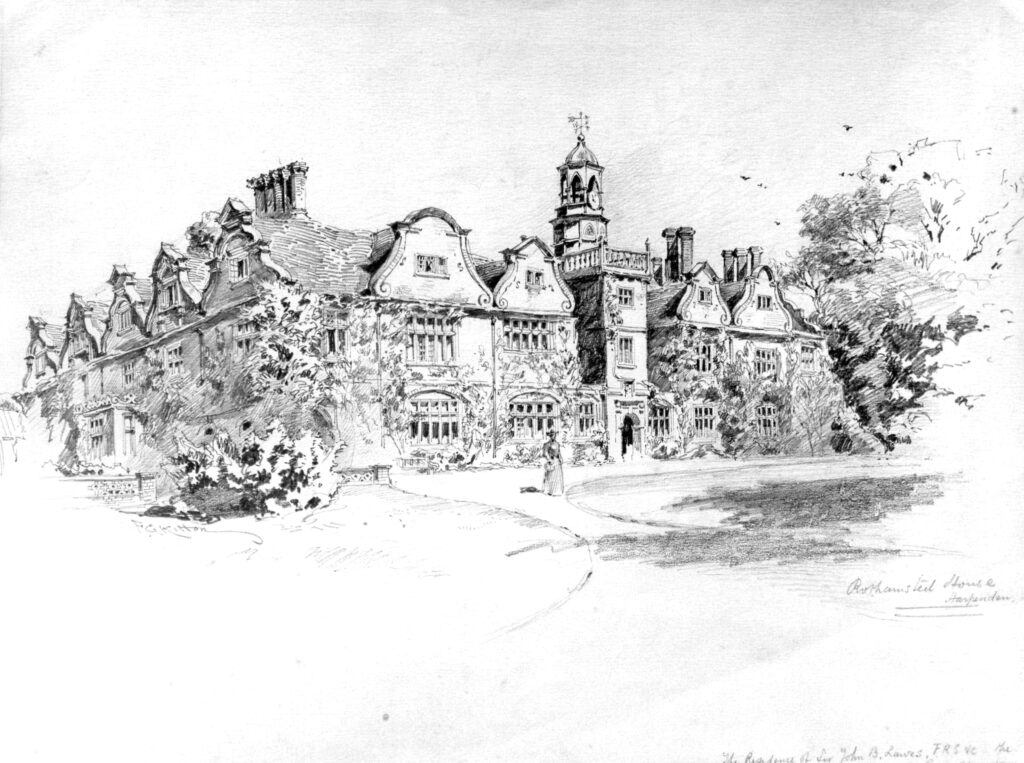
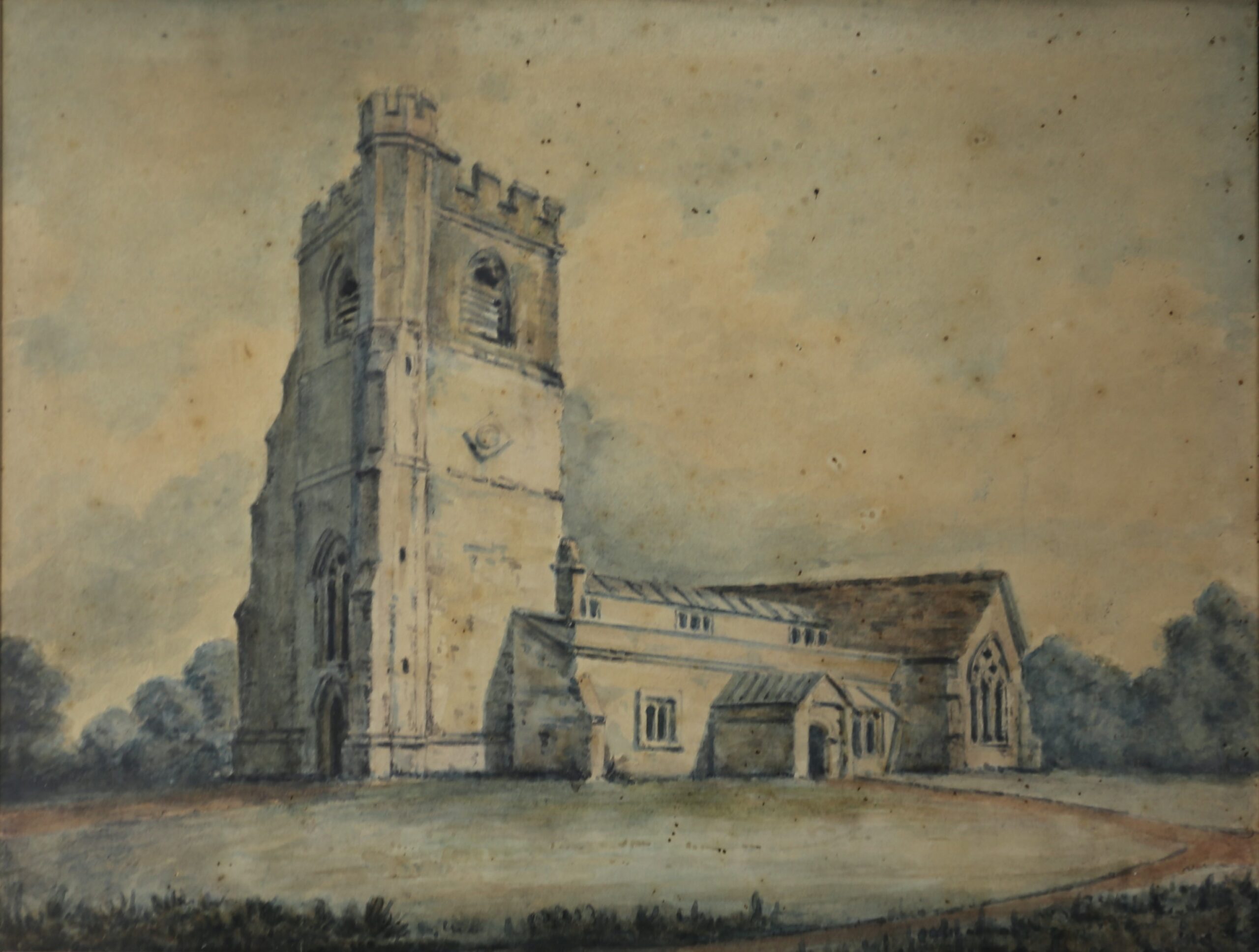
“For some time, it was just a small part of the earlier, and much more important, village and manor of Wheathampstead. ”Rothamsted Manor was only a sub-manor of Wheathampstead. St Nicholas’ Church was a mere chapel-of-ease at first and remained a daughter church of St Helen’s in Wheathampstead until the mid-19th century.”
The lecture is free to society members and students. Visitors are welcome. Booking is not required. Non-members are requested to make a donation, £5, payable at the door.