


12 Jul 2024
Is it time for the UK to change the way people vote in General Elections?
Under the existing First Past the Post system, the candidate with the largest number of votes in a constituency is elected as MP.
This means that even if millions of voters support the same party across the country, if this support is thinly spread out then they may only win a handful of seats, so their popularity with the public is not reflected by their power in Parliament.
Proportional representation is based on the concept that the number of MPs a party has should be in proportion to the votes cast, which can result in more seats for minority parties.
Should PR have been used this year, Labour would only have received 236 seats (down from 411), the Conservatives 157 (up from 121), and the Liberal Democrats 77 (slightly up from 72). But Reform UK would have secured 94 seats (a huge increase on the 5 they won), and the Green Party 42 MPs (again a massive rise from their 4). [All data from the Electoral Reform Society.]
We asked candidates who stood for election in St Albans and Harpenden and Berkhamsted whether they were in favour of proportional representation, and their reasons why.
Newly elected St Albans MP Daisy Cooper agrees with calls for change: “The outdated First Past the Post system robs millions of voters of having a voice. Any other fairer voting system would be better than the one we have. I’m very grateful to all the other people who voted for me tactically as the best choice to beat the Conservatives, but no party or political candidate should even have to ask. Unfortunately for as long as we have First Past the Post, all parties will need to continue to do so.”
Her Lib Dem neighbour in Harpenden and Berkhamsted, Victoria Collins, concurs: “The Liberal Democrats and I continue to passionately support electoral reform. The current First Past the Post system is unrepresentative and leaves many frustrated people without a voice and makes it harder to hold politicians to account. Many residents of Harpenden and Berkhamsted have finally had the opportunity to make their voice count in a marginal constituency; every one across the country deserves that right.”
Stewart Satterly, who stood for the Social Democratic Party, is also overwhelmingly in favour: “The ridiculous disparity between vote share and number of parliamentary seats say it all.
“How the Labour Party can poll fewer votes than in 2019 but get a majority of 170 is beyond me. It’s totally undemocratic and needs to change.”
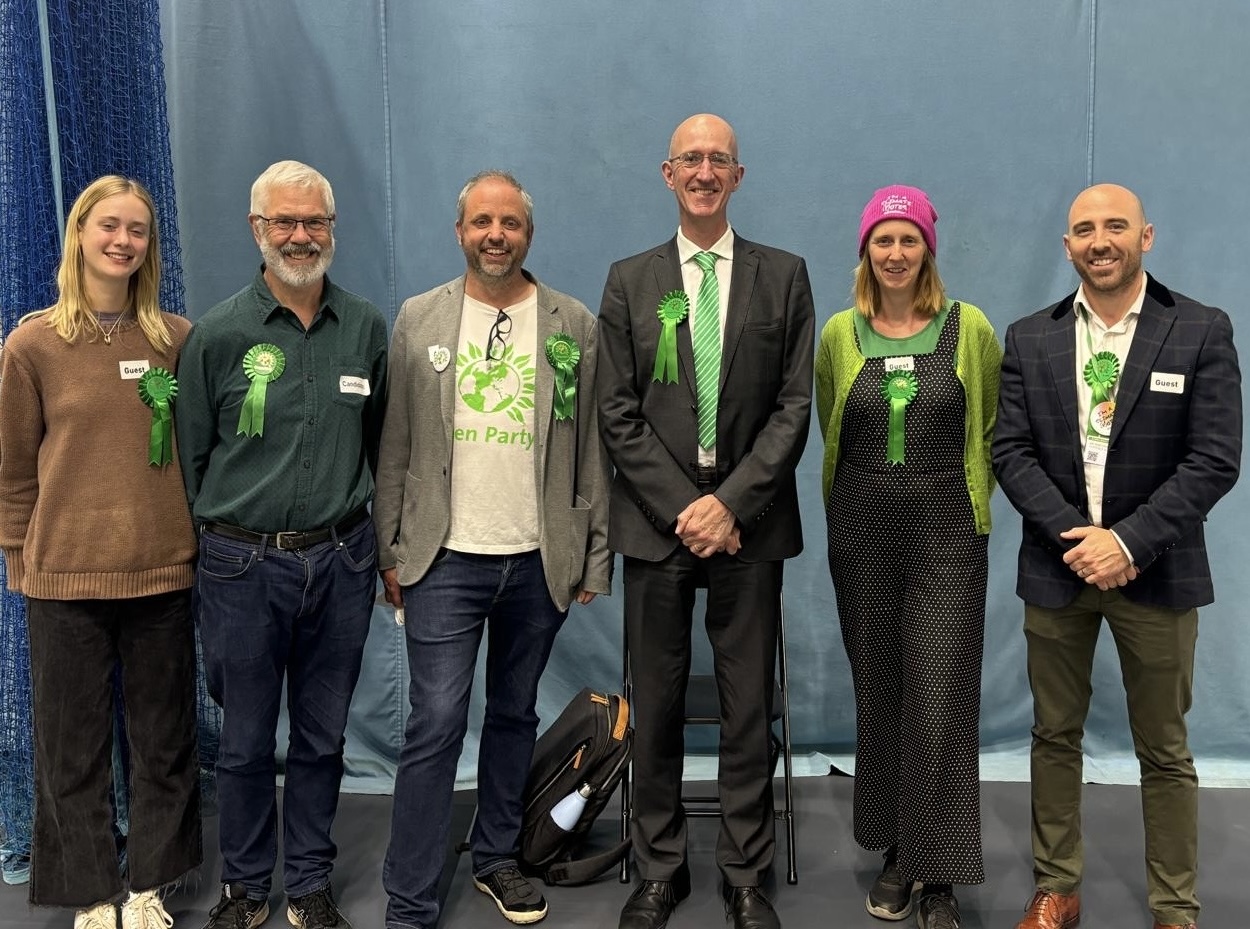
The Green Party’s Simon Grover agrees: “The two million votes that the Greens received nationally was not reflected in the number of seats won. If we had proportional representation Greens would now have about 45 seats in Parliament. Labour got 100 times as many seats as us, with only five times as many votes. That is an intolerable injustice that has to change.”
Also backing PR is John Dowdle of Reform UK: “If there is one lesson that most people will have learned from this General Election, it is that the national electoral system for electing parliamentary representatives is no longer fit for purpose.
“Locally and nationally, Reform UK received more than four million votes but only gained five MPs, a similar figure to the DUP who received less than 200,000 votes! Reform UK also gained more votes nationally than the Liberal Democrats but they gained bucket-loads of MPs by contrast.
“A major objective of Reform UK is now to campaign to get our Westminster electoral system changed to one of proportional representation. There are different PR systems so I expect over the next year or so, Reform UK will be studying different PR systems to determine which is best for the great British people!”
But not all of the candidates we spoke to are in favour of proportional representation.
James Spencer, who fought for the St Albans seat on behalf of the Conservatives, said: “I’m against PR as it would permanently destroy the constituency based representational aspect of our democracy.
“I’m not opposed entirely to some degree of electoral reform, but for me there are three red lines: there must be a direct constituent/representative relationship; the system mustn’t be overly complicated – so no to numbering all the candidates; it should, more often than not, produce stable governments.”
Nigel Gardner, the Tories’ Harpenden and Berkhamsted candidate, added: “The bizarre thing about this election, is that finally, for the first time ever, the electoral system has worked in the favour of the Lib Dems.
“Lib Dems have always supported PR, for political reasons, but also for self-interest reasons. This time, the electoral system worked perfectly for them. They did extremely well. I guess they’ve learned how to campaign within the constraints of the system.
“I suppose they’ve now changed their mind and are in favour of First Past the Post, because it’s done them very well.
“If the electoral system is in dispute, it’s not good for anybody. Reform plays into this narrative that people are dispossessed and they don’t get their voice heard.
“Now they’re going to be able to say this is because of the electoral system working against you. It’s very dangerous when you have an electoral system which people can play politics with.”
Neither of the Labour candidates for St Albans and Harpenden and Berkhamsted responded to requests for comment.
