


22 Jul 2026
A popular quote states that “if you can remember the Sixties, you weren’t really there”. Seriously? After all, although London was named as a ‘swinging’ city by Time Magazine in 1966 and those at the epicentre of the music and media industries may have been having a wild time, most people in St Albans were probably just quietly getting on with things.
The same way that they had survived wars, pestilences and all sorts of upheaval for centuries.
That’s not to say they didn’t know how to have a good time. There may have been no night clubs in 1960s St Albans but there were dance halls.
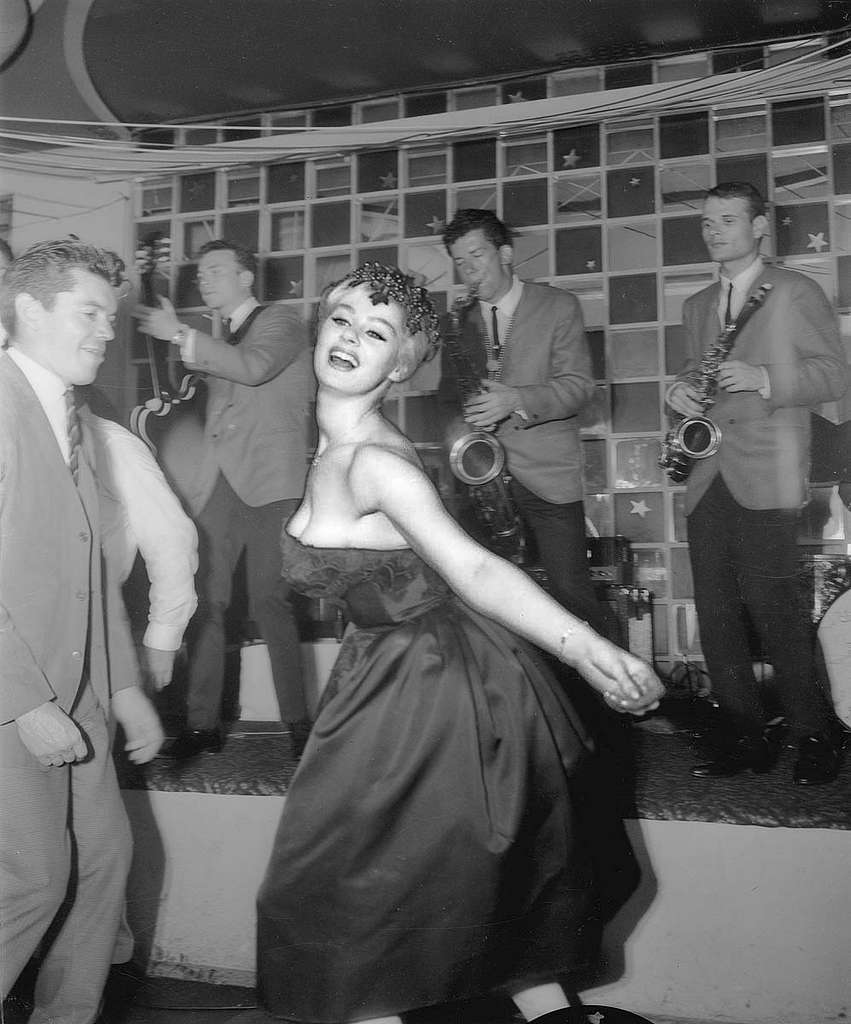
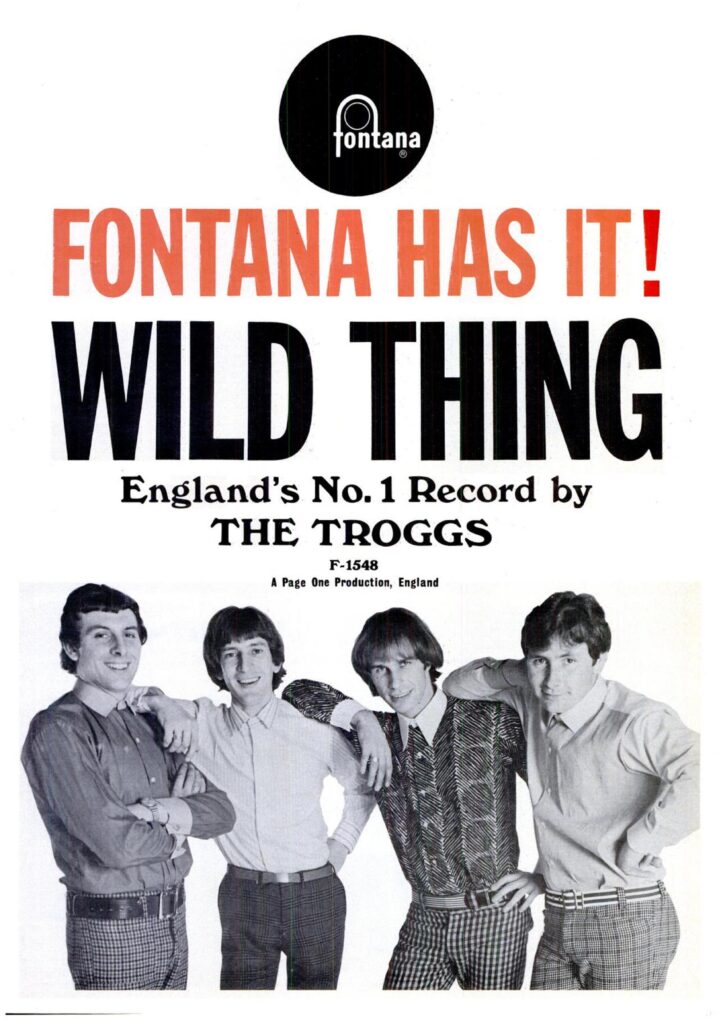
So despite the medical profession suggesting that the new dance style called The Twist could cause “dislocated joints, slipped discs and muscle sprains”, you would head to church halls, the Waterend Barn or the Victoria Dancehall on the corner of Upper Marlborough Road and Victoria Street. There you could dance the Twist, the Locomotion or the Mashed Potato to the latest hits from The Troggs (Wild Thing), the Beatles – or, of course, local boys the Zombies. Then ending the evening with a slow ballad from Dusty Springfield or Tom Jones.
But not everyone approved of the influence of the pop stars, with their long hair and flamboyant clothes. In 1968, a young chap was refused entry to a ‘gala beat ball’ at the town hall because his hair was too long.
At the St Albans cinemas, you could sigh devotedly over Michael Caine in Alfie or Julie Christie in Doctor Zhivago. Local children were thrilled when exciting new series appeared on TV – Camberwick Green, Thunderbirds and Star Trek. Doctor Who also regenerated for the very first time, with William Hartnell turning into Patrick Troughton.
In fact, the last few years of the Sixties were pretty good. Especially if you liked football. In 1966 England won the World Cup. Then England also lost the World Cup, literally.
Fortunately it was rediscovered in a South London hedge by a dog called Pickles. Clever Pickles.
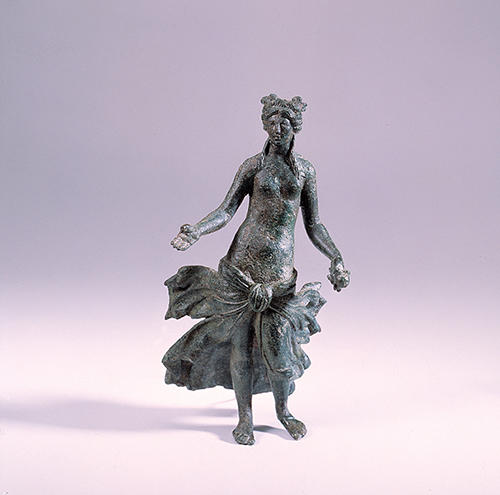
St Albans also lost an important treasure – the Verulamium Venus. The bronze statue, excavated from the Roman town in the 1950s, was a prize exhibit in Verulamium Museum.
In June 1967 it was stolen and didn’t reappear for 10 months when it materialised unannounced on the back doorstep of the museum curator. Perhaps Pickles would have found it more quickly.
Jimi Hendrix arrived in London and formed the Jimi Hendrix Experience. On New Year’s Eve 1966, The Monkees aired on BBC1 and began a wildly successful run, including various chart hits. There were probably few people in St Albans who couldn’t sing their theme tune.
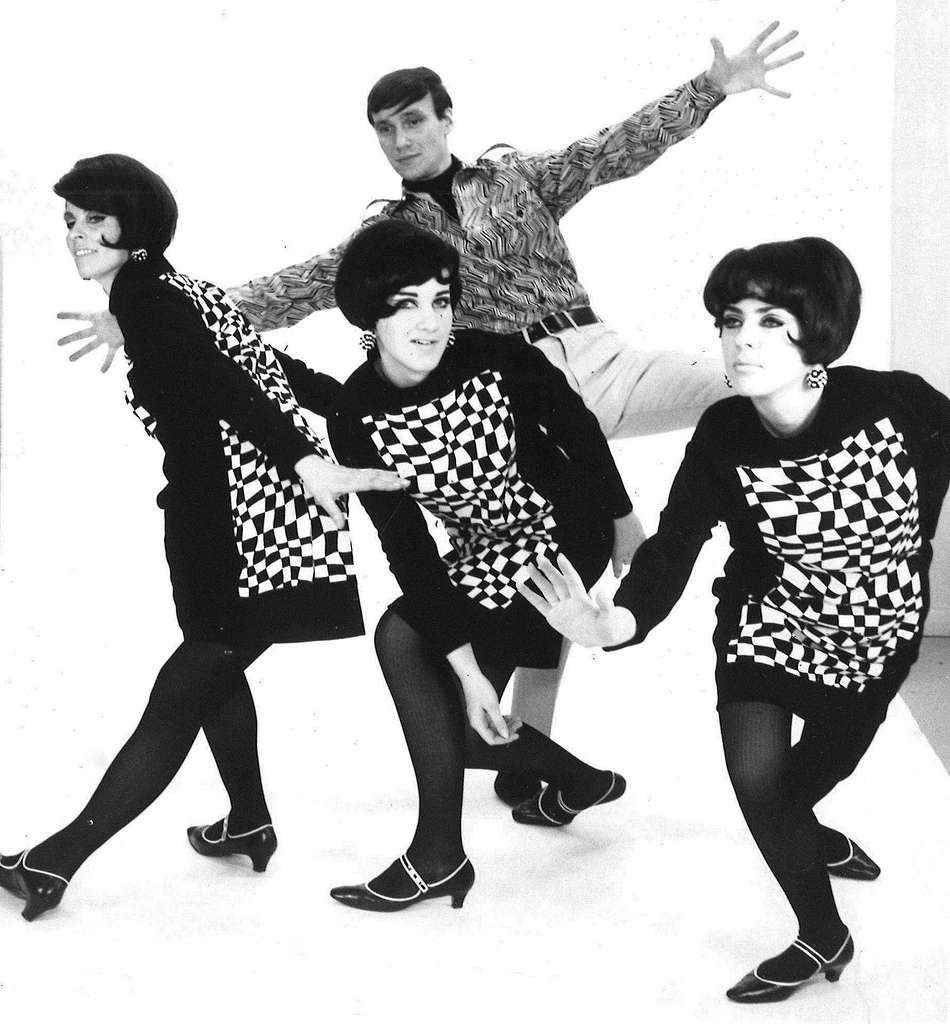
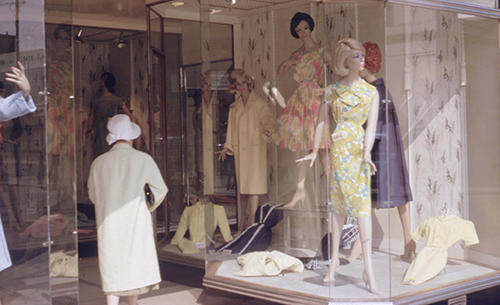
For the fashion conscious of St Albans, there was a new fashion icon. Twiggy had been discovered and was named the ‘Face of 1966’. Her doe-eyed, androgynous look was to define that era. Popular trends were inspired by the designer Mary Quant –miniskirts paired with knee-high, square-toed boots, A-line dresses with geometric patterns and swing coats. These could be found in the Chelsea Girl boutique on St Peter’s Street. Male pop stars led men’s fashion with their slim tailored suits but these weren’t the traditional sober variety. Instead they were flamboyant with bright colours and patterns.
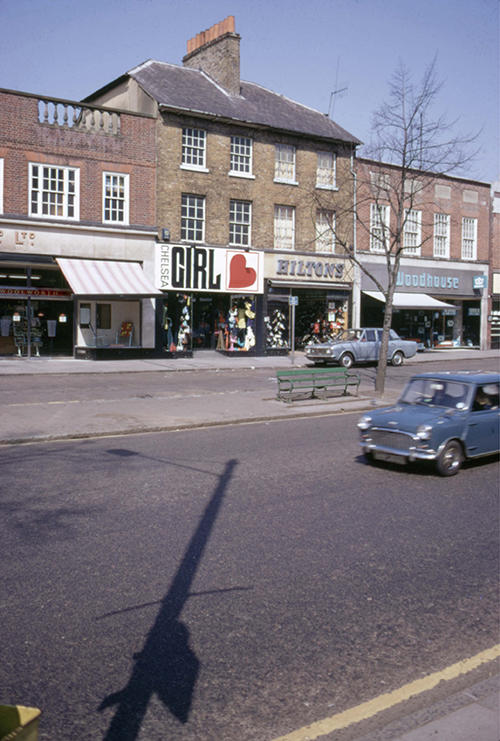
Photo: St Albans Museums.
Things were still looking remarkably good in 1967. Sandie Shaw not only won Eurovision with Puppet on a String, but it became an international hit. Within a year, Sandie had followed this success with her own fashion label and TV show.
Another commercial success followed, this time for Ford. Their Escort was launched in 1968, quickly becoming one of Britain’s most popular cars, although not helping the traffic problems in St Albans.
Traffic was just one of the problems being wrestled with by the local council. The solution to this was seen as a bold scheme for an ‘inner ring road’. This would include a dual carriageway linking the Verulam Road/Bluehouse Hill junction to a ‘gyratory system’ (a giant roundabout) encircling the bus station (then located where Chime Square is today).
The dual carriageway would then continue around the east of the city centre to join Holywell Hill south of the Cathedral, with another couple of roundabouts en route. The scheme would mean demolishing hundreds of homes and many historic buildings, resulting in a drastic alteration to the appearance of the city centre. It was hardly surprising that the newly formed Civic Society led the campaign against the plan – and won eventually.
Managing the competing claims of the city’s historic heritage with post war ‘progress’ also reared its head when the council considered the need to replace the Town Hall and Courtroom (now the Museum + Gallery), by then completely unfit for purpose. The new Civic Centre took shape including City Hall (now the Alban Arena) as council offices, designed in the new ‘brutalist’ architectural design, and next to it the new Magistrates Court.
This left the question of what to do with the old Town Hall building. The local and county councils quietly hatched a plan to remove the building from the Schedule of Listed Buildings, paving the way for its demolition and replacement by a supermarket. More vociferous local protest – and the scheme was dropped.
But the Sixties were coming to an end, albeit on a high. Milestones were set in 1969 with the Apollo 11 first Moon landing and the first test flight of Concorde. But now a new decade was on its way. Things were going to be very different.
History in colour. www.stalbanstourguides.co.uk
