


29 Aug 2025
Once referred to as a nation of shopkeepers, it’s perhaps fair to say that today’s Britain is more of a nation of hospitality businesses – but for how long?
Recent months have seen the Government’s new tax burdens take their toll on businesses across the district, with the hospitality industry in particular, facing challenges from increases in National Insurance Contributions (NICs) and minimum wages compounded by a reduction in rate relief.
Before the pandemic, many of us perhaps took for granted the many traditional pubs, quality restaurants and buzzing bars found in St Albans, only to realise how valued they were come lockdown.
Now they are once again in a state of crisis, albeit without any support from Westminster, and the long-term future of many much-loved institutions across the city and beyond is in doubt.
This week industry trade body UKHospitality revealed the sector accounted for 53 per cent of all job losses in the UK since Chancellor Rachel Reeves’ first Budget in the autumn.
It is calling on the Government to lower business rates, fix NICs and cut VAT to stop hospitality businesses being taxed out and to reverse the damage done by increased taxes.
Kate Nicholls, chair of UKHospitality, said: “The number of job losses suffered in hospitality since the Budget is staggering.
“More than half of all job losses since October occurring in hospitality is further evidence that our sector has been by far the hardest hit by the Government’s regressive tax increases.
“The sheer scale of costs being placed upon hospitality has forced businesses to take agonisingly tough decisions to cut jobs – with part-time and flexible roles often those most at risk.
“At a time when the country needs jobs, the Government should be encouraging hospitality to grow and create jobs, not tax them out of existence.
“The Government needs to recognise the devastating impact of its tax increases on working people and communities across the country. It should take action at the Budget to reverse this damage by lowering business rates, fixing NICs and cutting VAT.”
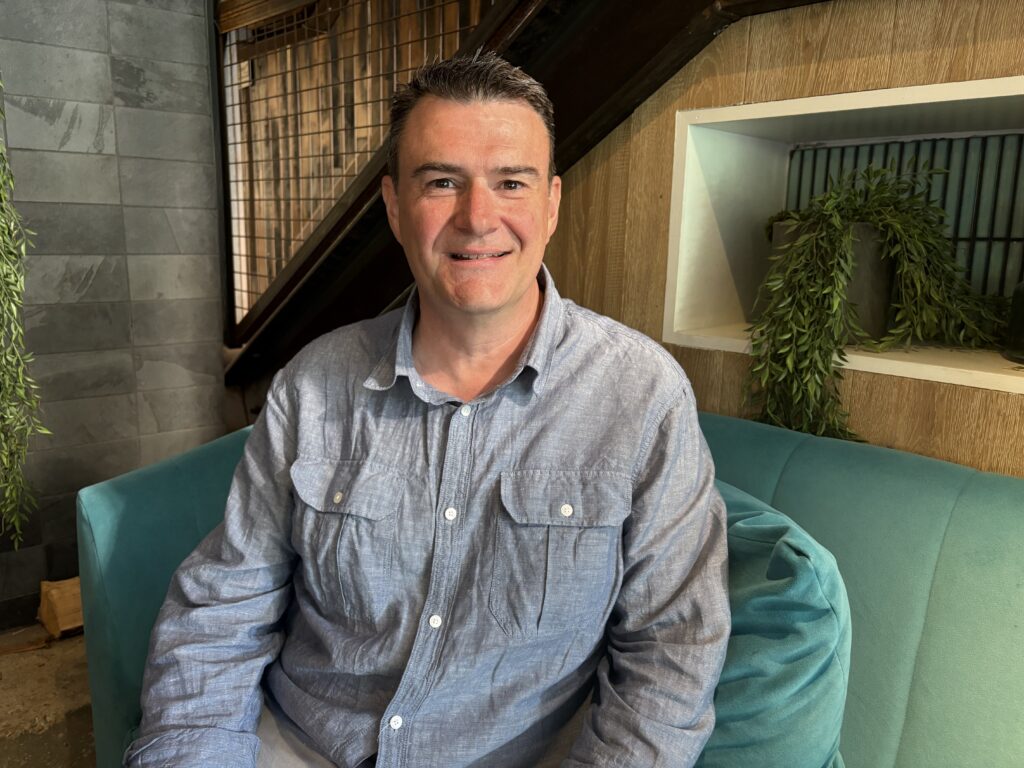
Offering an insider’s view of the challenges faced by the hospitality industry locally is Giles Fry, owner of The Snug in St Albans as well as several other venues across Herts. He wanted to offer a candid explanation of why so many businesses are struggling, while remaining hopeful of a change in fortunes in Labour’s second year of power.
But for the moment, times are tough.
“It’s just been a tidal wave of costs coming through, and the Labour Government, because of a lack of business acumen on the front bench, may not fully understand the implications of what small businesses are going through at the moment.
“There’s been a lot of focus and attention on data centres and big corporate businesses driving growth within the country, and I can’t disagree with that, but there’s got to be an element of fairness. It’s well known, that the big conglomerates will use many legal mechanisms to pay the lowest amount of tax they possibly can, but as a small business we don’t have that ability.”
One of the biggest issues comes in the form of business rates: “There are two methods by which hospitality businesses are set their non-domestic rates: one is by the size and proportionality per square foot of your particular property, including any car parking spaces or offices upstairs; the second is by sharing a shadow P&L to show the Valuation Office what your revenue streams are and how profitable the business is.
“But the bottom line is, if you don’t agree with the amount of rates set, the review and appeal scheme can take up to three years to get it resolved, and most of our businesses don’t have that long to wait.
“You can shutter your business and clear your furniture out, but then you’ll only get a six months cessation period in which to pivot your business – change it, sell it or do anything else you need to – but even that isn’t a rapid enough time frame, because a valuation officer might not be able to come out to your site for six months.”
Non-domestic rates also don’t equate to the sale of alcohol, with bars and restaurants paying 20 per cent VAT in a heated, air-conditioned, regulated, staffed environment, compared to supermarkets proportionately paying just two per cent because of their size and the volume they sell.
“There are all sorts of costs associated with selling a pint of beer in a pub or bar compared to selling it in a supermarket.
“For a lot of hospitality businesses, our labour costs are now substantially higher. An increase in the Living Wage was absolutely the right thing to do, but to put it in, whilst lowering the age threshold and at the same time as the hike in employers’ National Insurance Contributions was a triple whammy on hospitality labour costs.”
As a result, many venues are now reducing their opening times and asking staff to work fewer hours, which means they end up actually taking a pay cut despite the Living Wage hike.
“In our business we talk about fishing when the fish are out. You cannot cast your hook into an empty lake and sit there for hours thinking potentially something may come of this. You don’t have the time in hospitality to spend money on speculating whether guests are going to come out or not, you really only open your doors when you know people are definitely going to be coming out and are prepared to spend their money.
Bad weather can also have a major impact on trading. Sunshine might be good for some businesses, but for those without any outside space it can prove detrimental.
“We’ve had some really hot, really sunny weather, which has been great for those that have the provision of allowing people to eat and drink outside. If you don’t have a garden, summer’s probably been terrible for you.
“You can have your restaurant fully booked out the second week in December, ready for Christmas parties, only for there to be a huge snowfall, and then through no fault of the guests, they just can’t physically get to you. So you’ve staffed up and you’ve got your Christmas ready, but actually you’re taking in very little revenue.
“It’s a very treacherous business to be in, hospitality, you’ve got to get it right every day, and there are very few occasions where everything’s going in the right direction.”
Surely affluent St Albans, a major UK tourist destination, is in the right position to weather this storm?
“St Albans historically has been relatively protected by cost increases that businesses have had, because they’ve had a little flexibility in putting their prices up. That’s no longer the case.
“Here in The Beech House [where we were meeting] they’ve extended their happy hour to include a Friday, we have a happy hour on a Saturday, and there’s an argument to say, why on Earth would you discount your products at your busiest time? Unfortunately, in a crowded marketplace, when people’s disposable income has been squeezed, that’s what you’ve got to do.
“We’ve got a really thriving night-time economy both here in St Albans and in Harpenden, but it’s the amount of disposable money that people have got in their pockets which has changed.
“You can’t go out for a meal as a couple and expect to spend £30-40, you’re looking at a £50-60 price point, depending on where you go, and I think people are reeling back on the frequency of when they go out and what they’re purchasing.
“Trade on Mondays to Wednesdays is pretty dire in St Albans at the moment. There are few people going out on those nights of the week unless they’re going to a side street pub they’re geographically connected to and they’re putting on an event.
“With most businesses nowadays, you can’t just provide food and drink, you have to put on another reason for people to come out, which may be a music event, a stand-up comedian or a quiz night, all of which have associated costs.
“I have three bars – St Albans, Hitchin and High Wycombe – and every month I pay just short of £11,000 just in DJs and music. Now a part of me begrudges paying that, but I know if I don’t, then I understand the direction my sales will go, so I need that investment to make sure sales are guaranteed or exceed my expectations, but I never did that pre-Covid.
“I also risk assess every week to make sure we’ve got the right numbers or registered security guards, which is another tremendous cost.”
With all of these challenges, surely there’s a temptation to get out of the hospitality industry all together?
“It’s very difficult to wake up one morning and think, I’m just going to get out of this business, because you’re locked in by so many methods that affect your family and your own property if you’re not able to pay your bills. So if you had an appetite to leave hospitality, it’s actually very difficult to do that.
“I think business confidence in the hospitality industry is super-low at the moment, because we genuinely can’t see the light of the end of the tunnel.”
What does he expect to see happening over the next six months?
“September and November are notoriously relatively mediocre trading months, and then you would expect to take about 60 per cent of your annual profit at Christmas, but January and February are the leanest two months.
“I think we’ll see a lot of hospitality businesses take a view on whether they should exit the market graciously or just hand their keys back at the end of December.
“I also think there’ll also be a lot of mergers and acquisitions for larger businesses to save money by amalgamating functions like HR and finance, but that means redundancies.
“The idea of AI having an impact sounds pretty ridiculous when you talk about hospitality, because you still need someone to cook your sausages and serve you a margarita, but it will lead customers to potentially look at different websites depending on how astute you are with your marketing.
“Going back to post-Covid times, people really appreciated the interaction with a bartender or someone serving their table, but those job roles are becoming slimmed down because of the taxation issues, and technology will at some stage take over.
“QR codes on tables are great for quick service and casual dining, but sometimes you want someone to give your kids crayons and colouring or talk you through some of the menu items.
“Hospitality is such a varied thing. My most successful time was probably working for TGI Fridays, where probably a third of my staff were actors waiting for their next big role, because they loved the part-time hours, they loved the money, and they loved the fact that we allowed them to bring their characters to work so they could really play with the guests and really hone their skills as an actor.”
Giles is also hoping to see a change in direction from the Government, and said he would urge Rachel Reeves to actually start listening to smaller businesses.
“I think she would get an awful lot of benefit from just talking to people. I don’t need to see her walking around a car manufacturing plant, I’d rather see her in Café Roma, talking to the person that runs it and just understanding what they’re really going through at the moment.”
