


05 Dec 2025
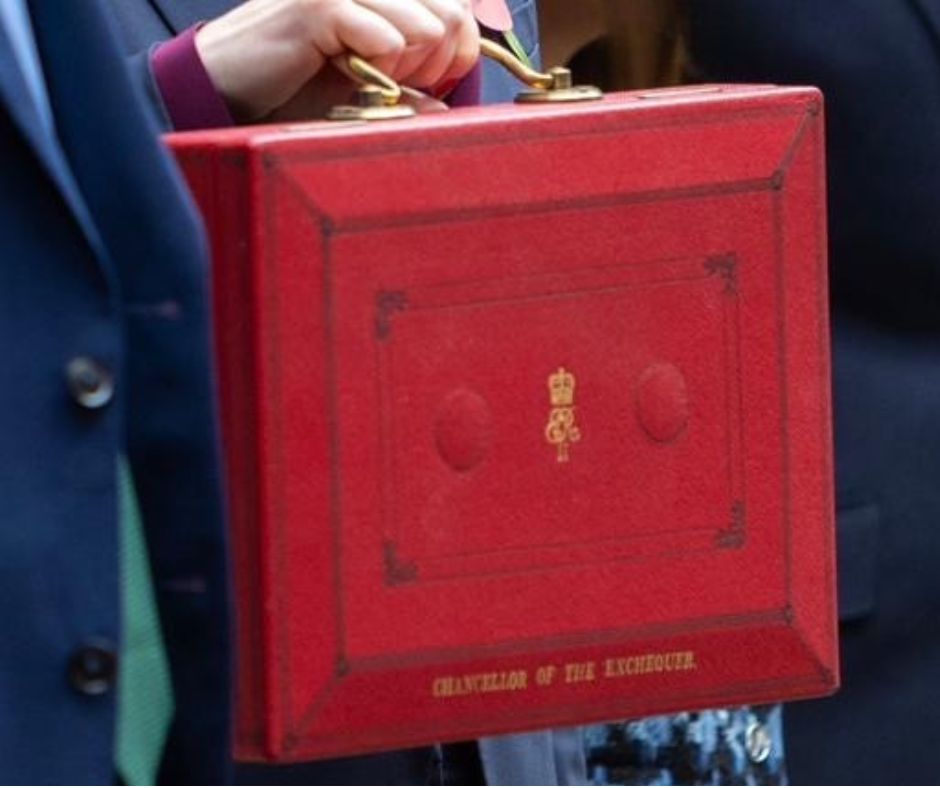
As the dust begins to settle on a Budget which has failed to deliver on the hopes of many small companies here in St Albans, politicians and business leaders have attempted to analyse the benefits and flaws in Chancellor Rachel Reeves’ autumn statement.
First and foremost was the President of St Albans District Chamber of Commerce, the leading organisation representing local businesses in St Albans and the surrounding area.
Cheryl Luzet said the single biggest disappointment in the Autumn Budget was the lack of a bold, targeted growth strategy for high-street and visitor-economy towns like St Albans.
“Yes, there is a permanent reduction in business rates for many retail, hospitality and leisure properties, funded by higher charges on very large sites. That is welcome and better than many feared, but it is still a tweak to an old system rather than the root-and-branch reform that has been promised for years.
“On top of that, freezing income tax and National Insurance thresholds to 2031 pulls more of our residents into higher tax bands over time, which squeezes disposable income and local spending while doing very little to improve the underlying growth.
“From a business perspective, we were hoping for long-term measures that would boost investment, productivity and spending. These tweaks felt more like short-term adjustments that keep things ticking over without really improving the overall economic picture.
“From the viewpoint of businesses in St Albans, the Budget appears focused on keeping the public finances steady and reassuring financial markets rather than taking big risks or making dramatic policy shifts. It relies heavily on tax increases, particularly on property and higher-income households, to fund its commitments.”
HMRC estimates that the cost of a 12.5 per cent reduced VAT rate for accommodation, hospitality and tourist attractions would be around £6.5 billion this financial year. If the scope were also to include alcoholic beverages, the cost would be approximately £1.5 billion greater.
Now both these measures have been rejected, how does she see things progressing for the hospitality industry?
Cheryl said: “Given the Chancellor has just funded the scrapping of the two-child benefit cap at roughly £3 billion and other welfare changes that bring total extra welfare spending to about £9 billion, that scale of VAT cut would have blown a very large hole in the numbers.
“Therefore, a permanent reduced rate at 12.5 per cent was unlikely this year. Politically and economically, however, it remains a missed opportunity.
“A lower tourism VAT rate can drive staycations, tourism, jobs and investment, and would benefit a town such as St Albans which attracts inward tourism and has high business rates.”
Would she therefore welcome a ‘tourism tax’ for somewhere like St Albans?
“The Budget now gives English local areas the option of local visitor levies on hotels and short-term lets, similar to the visitor levies already being introduced in Wales and used widely across Europe.
“For a city like St Albans a modest visitor levy could enhance our offering for tourists if it is ringfenced for tourism infrastructure, destination marketing, events and looking after our heritage.
“We would welcome a full consultation with accommodation providers, venues, attractions and the wider business community before any such levy was introduced locally.”
The Budget introduces a new “mansion tax” style levy on homes over £2 million and a revaluation of higher council tax bands, updating the 1991 valuations so that the most expensive homes pay more each year. This likely means higher annual property-related bills for some households, particularly in prime residential streets and continued pressure on private rents, because landlords are also being hit with higher income tax on rental earnings.
“St Albans and Harpenden have a high share of properties in the upper council tax bands, with many family homes now worth well over the historic thresholds because local prices have risen so sharply. This tax will affect families here more fiercely than other parts of the country and feels like an additional penalty for local people.
“The priority is that any additional revenue raised from local homeowners should support visible improvements in local transport, policing and facilities. If we have to pay higher taxes, we want to see better services which will lead to stronger town centres.”
Manager of St Albans City Centre BID Viv Cannon said national representatives for the BID industry continue to talk to government ministers on the issue of business rates reform.
“There is no magic wand but a foot in the door for discussion is positive.”
She said the city was a long way off seeing the introduction of a ‘tourism tax’, although other BIDs already had this in place.
“Our view is that any such tax should not automatically go to the local authorities without a mandate that focuses the reinvestment of funds into the tourist area and business sector, and obviously, with partners including BIDs engaged in that decision-making. Better still, the local tourist organisation would be the recipient with BIDs and other stakeholders at the table holding equal decision-making powers.”
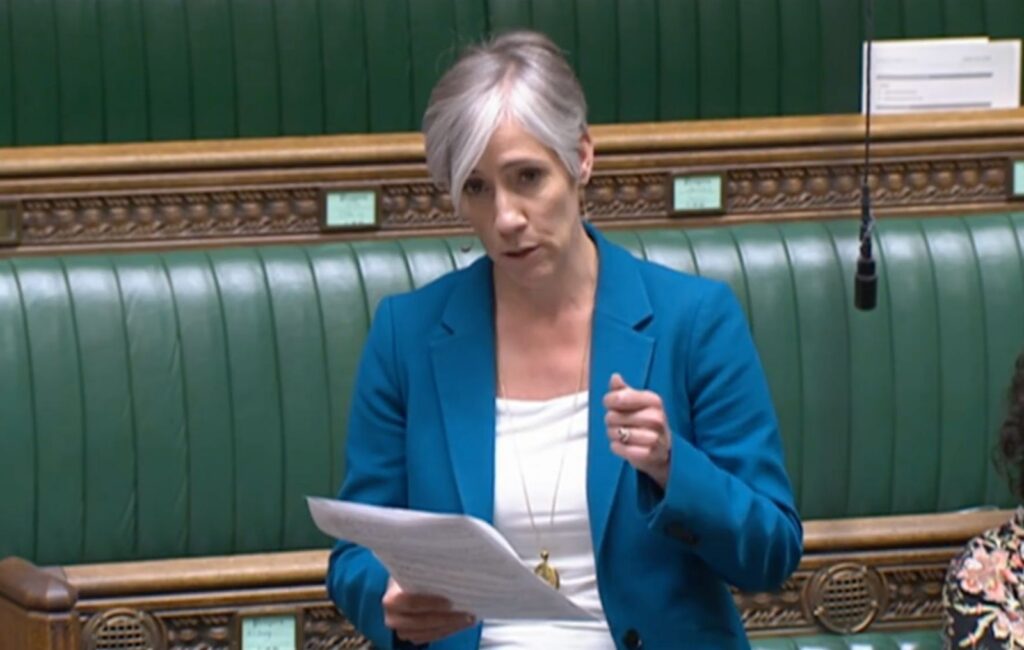
Meanwhile, Liberal Democrat Treasury spokesperson and St Albans MP Daisy Cooper could not hide her disappointment.
“This Budget was pretty hopeless – in both meanings of the word. It didn’t include any meaningful measures to grow the economy or cut the cost of living, nor did it inspire hope for struggling families or businesses that life could get easier any time soon. What the Budget has produced is a double whammy of stealth taxes. 10 million people across the country will be dragged into higher tax brackets and high street businesses are being dragged into paying higher business rates bills too.
“Recent research shows that Brexit has blown a £90 billion black hole in the public finances this year – the Government has got to realise that we can’t just tax our way to prosperity, we have to grow our way to prosperity and that starts with a better trading relationship with Europe.”
Although she found some positives to highlight, she felt there were downsides to these as well.
“I’m pleased that the Government is taking some action to bring down energy bills by removing policy levies off bills, but it’s deeply disappointing that to do this they’re also slashing the funds for insulation programmes.
“We support the fact that the Government is scrapping the two-child benefit cap but were disappointed that the Government hasn’t tried hard enough to win the argument for doing this.
“We’ve been very clear this is the right thing to do for two reasons.
“First of all, there’s a very strong moral case for not allowing children to grow up in poverty and many child poverty charities are clear that this is the quickest and most cost-effective way to alleviate child poverty.
“But secondly, it’s the financially prudent thing to do as well, because children growing up in poverty cost the taxpayer a lot more in the longer term by having worse health outcomes, worse educational outcomes and being more likely to end up in unemployment.
“So if we’re serious about managing the growing welfare bill, we must invest now to save long-term. To pay for this measure, we Liberal Democrats had been calling on the Government to raise gaming duty on the remote gambling companies – something that was in our manifesto – and we’re pleased to see that the Government has indeed done this too.”
It’s a windfall tax on the big banks which is at the heart of the Lib Dems’ economic policy, something which Daisy believes could help finance much-needed support for small businesses.
“Liberal Democrat proposals to slash VAT from 20 per cent to 15 per cent and to include alcoholic beverages are not only viable – they are a necessity to kickstart growth in every town and city around the UK.
“It would cost £7.6 billion between November 2025 to April 2027 and would be funded by a temporary windfall tax on the big banks, which would raise £12 billion in the same period.
“According to the ONS, the average price of a pint across the UK is currently £4.83. If fully passed through, a 5p VAT cut would immediately knock down the price by 20p. A family meal currently worth £120 would go down by £5.00 if the 5p VAT cut was fully passed on.
“On an economy-wide basis, we expect that around 50 per cent of the hospitality VAT cut would get passed on to consumers. That doesn’t mean that the full VAT cut couldn’t still get passed through on individual items. Even at 50 per cent pass-through, households would see an average saving of around £135 in total by April 2027.
“The other 50 per cent would help hospitality businesses stay afloat and retain jobs and salaries in the face of the Government’s unfair National Insurance jobs tax – saving jobs and high streets.
“In short this measure could boost growth, help save high streets and jobs and give the country a much needed morale boost.
“Our fully costed proposals would have involved levying a windfall tax on the big banks for profits that they had not expected and for which they had taken no risk in order to earn. This was initially proposed by the independent think tank, the IPPR, and slight variations have been backed up by respected economists as well.
“If the Government takes no action at all, the tax-payer will payout an estimated £30 billion to the big banks by 2030, all due to a glitch in the quantitative easing system. Given the state of the public finances, we Liberal Democrats think this isn’t acceptable.”
As a long-standing campaigner for business rates reform, she was obviously unhappy to see no real movement towards this goal: “Since the budget last year, the Labour Government had repeatedly promised to introduce ‘permanently lower business rates’.
“In reality, what’s happened is that a revaluation of businesses has put valuations up, the post-covid relief has been scrapped, and the measure that was supposed to offset that hasn’t been anywhere near as generous as expected.
“The Government legislated to give itself stronger powers to give more generous discounts to small businesses and it has failed to use them. Pubs and high street businesses have seen their business rates bills go up significantly more than Amazon warehouses, and that is just not fair.”
She was also cautious about the so-called ‘tourism tax’: “I imagine that the option to introduce this tax will be welcomed in places that have high levels of foreign tourists such as London and Manchester, but areas around the country that rely on domestic tourism are very wary about this tax being introduced, and it’s vital it isn’t used to reduce other funding for local government and that any government – now or in the future – continues to look at ways of driving down costs for high street businesses and our local tourism economy.”
So is this Budget showing all the signs of a desperate and floundering Government, or one looking at a long-term future of growth and prosperity?
“My conclusion is that this Budget has been designed to hold the Labour Party together, not to deliver for the country.
“Over the last 18 months, my party and I have tried on a number of occasions to provide constructive opposition – supporting the Government where we agree with them, and challenging them where we don’t. Where possible, we suggest alternatives.
“Given that people are still struggling with a cost of living and a cost of doing business crisis, I find it deeply frustrating that a Government with a majority as big as it has is unable to demonstrate more ambition and urgency.”
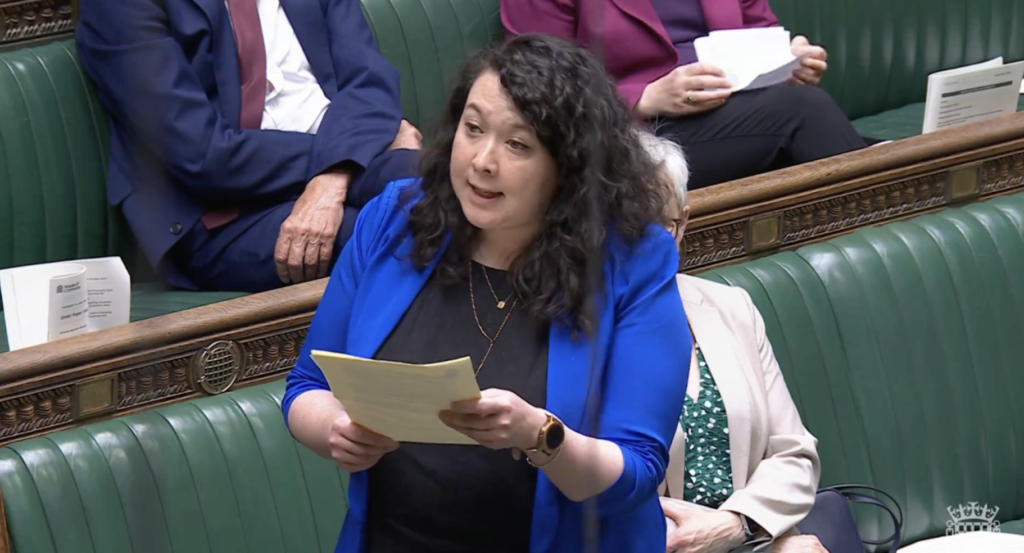
Her colleague and neighbouring MP Victoria Collins was also outspoken about Rachel Reeves’ proposals: “Local families and businesses have already written to me heavily concerned and disappointed by this latest Labour budget. One local business has called it a ‘kick in the teeth’ and a single mother has written to me saying she feels ‘unheard, unrepresented and unsupported’ by the Chancellor’s Budget.
“While I welcome some measures, such as removing the two-child benefit cap, support on energy bills, and the rail fare freeze, these positive steps are simply not enough when families are still struggling to make ends meet and businesses are fighting to keep their doors open. Vitally, the Government offers no positive vision for growing our economy and ignores our best lever for growth – a better deal with Europe.
“This Government has raised taxes to a record high and continued the Conservative’s legacy of stealth taxes which means taxpayers will be paying an extra £67 billion a year by 2030-31 due to the freezing of income tax thresholds. This hits ordinary families and pensioners whose sole income is the state pension.
“Our high streets are the heart of our communities, yet they are struggling under immense pressure. Local business owners write to me constantly about the crushing burden of day-to-day costs – rising energy bills, soaring rents, and punitive business rates. This Budget has only increased costs for businesses who have written to me about their concerns. “Too many of our beloved pubs, restaurants, and shops are struggling and closing their doors, taking with them not just jobs and economic opportunity, but treasured community hubs where neighbours meet and memories are made.
“Our community needs real solutions: meaningful support that actually helps our high streets thrive, lasting reductions to energy bills that families can count on for years to come, and proper support for the hospitality and retail businesses that make our towns and villages such wonderful places to live.”
Party representatives at a local level have also had their say.
Labour group deputy leader Cllr Mike Hobday said they were delighted with the Government’s Budget.
“Labour is asking those with the broadest shoulders – such as owners of homes worth over £2 million – to pay more. And is using this money to tackle the cost of living crisis – reducing energy bills and freezing rail fares and prescription charges. ”Most significantly, the Government will lift hundreds of thousands of babies and children out of poverty by ending the Conservatives’ two-child limit on universal credit and tax credits.
“Increasing the minimum wage and the living wage and the cuts in weekly bills will mean that people will have more money to spend and this will help the local economy,
“Other political parties were desperately willing the Government to fail. But this is a strong Budget in line with progressive Labour values.
“Most importantly, the Chancellor has made the right decisions for the UK economy and to share the burdens and the benefits more fairly than previous Governments.”
SADC Conservative group leader Cllr Matt Cowley described it as a Budget of higher taxes and broken promises.
“Rachel Reeves promised that she wouldn’t raise taxes on working people, but thanks to the measures she outlined a working couple on average salary will pay an additional £3,300 in tax by 2031. Workers with a Plan 2 student loan or savings income will pay even more tax. For many young, working couples who already cannot afford to start a family these tax hikes could put that dream out of reach.
“Business rates hikes will be hugely damaging for local businesses – coupled with the Lib Dems’ war on shoppers with higher parking charges.
“Hundreds of families in St Albans will be further hit by the supposed ‘mansion tax’ on family homes. If the tax requires revaluation of Bands F, G and H as has been speculated, nearly one in three St Albans households could pay higher property taxes as a result of this Budget. Of course, St Albans Lib Dems refused to oppose new property taxes when the Conservatives brought a recent motion to council – instead choosing to defend higher taxes on our residents. They and Labour are two sides of the same high tax coin.”
