28 May 2024
Tucked away in the backrooms of a sleepy gospel hall is one of St Albans’ best kept secrets.
Unless you are wandering down Lattimore Road on a Sunday and come across the volunteers handing out leaflets, chances are you will not be aware of the existence of a free exhibition offering a unique perspective on Jerusalem and the Holy Land.
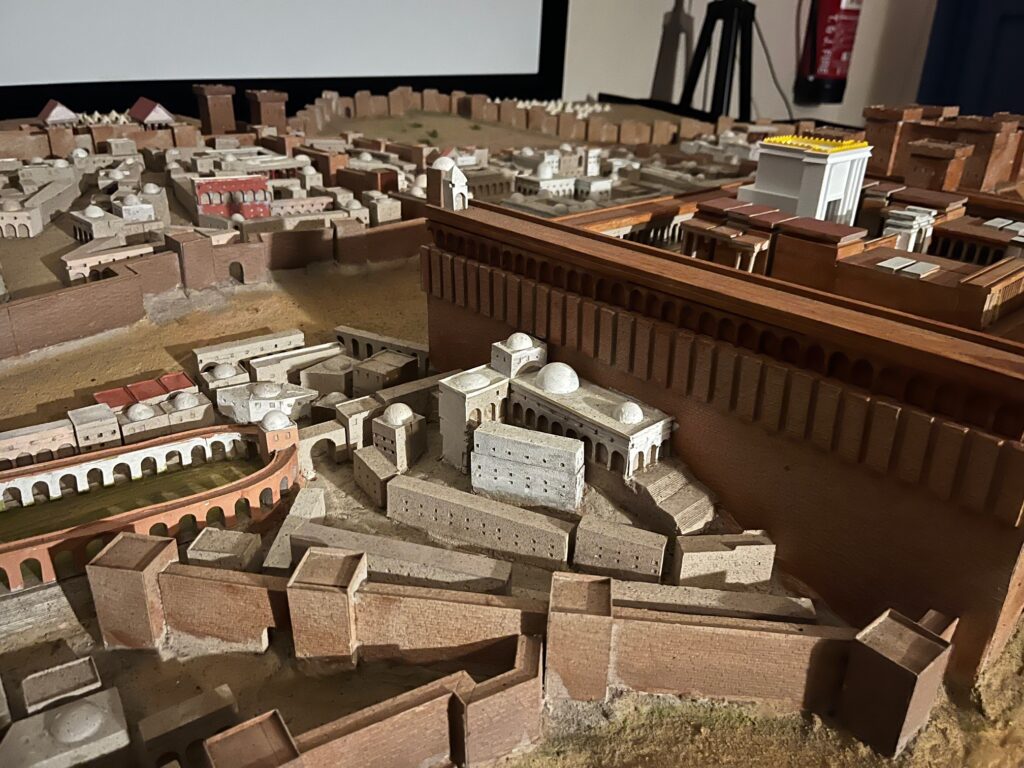
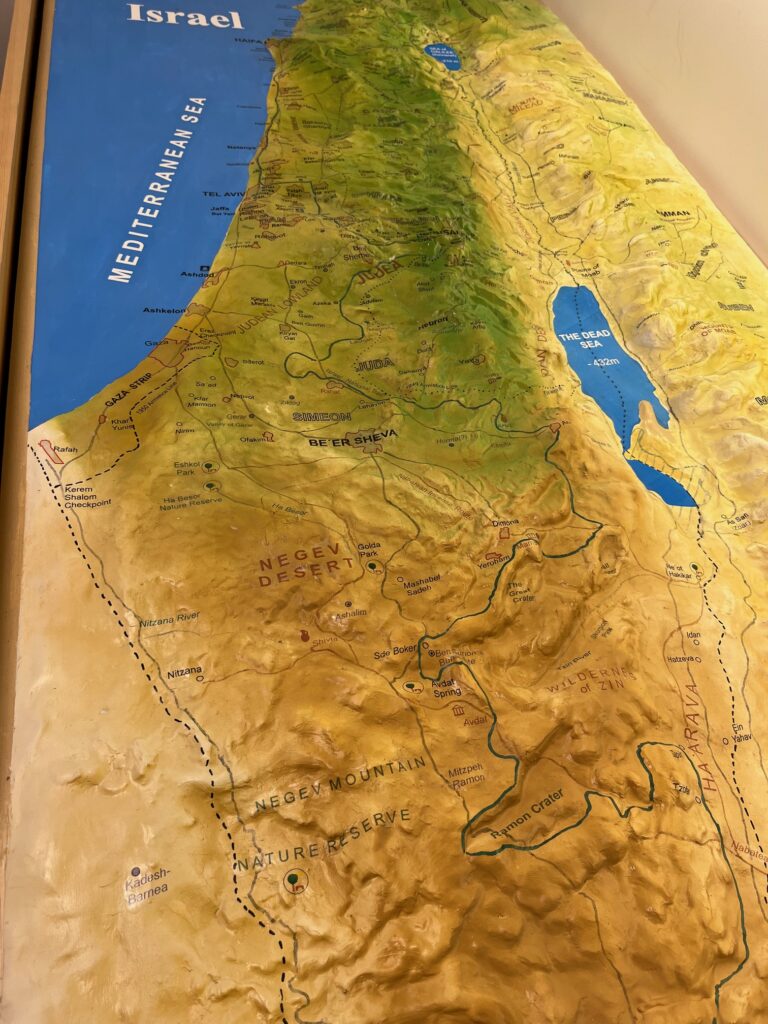
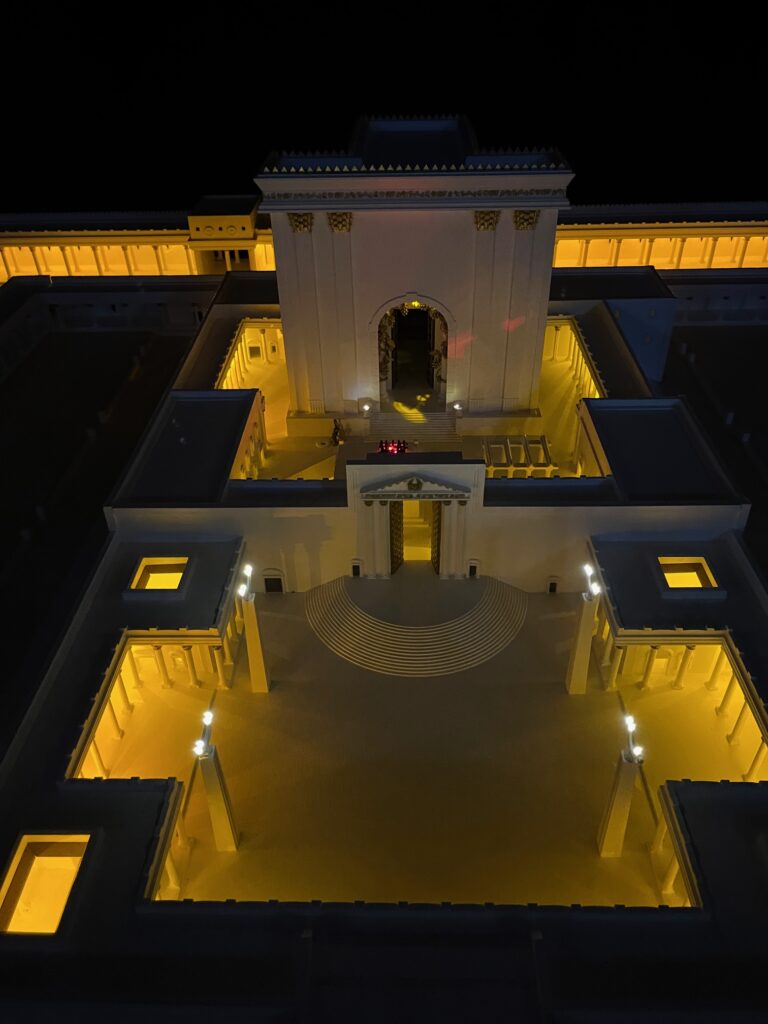
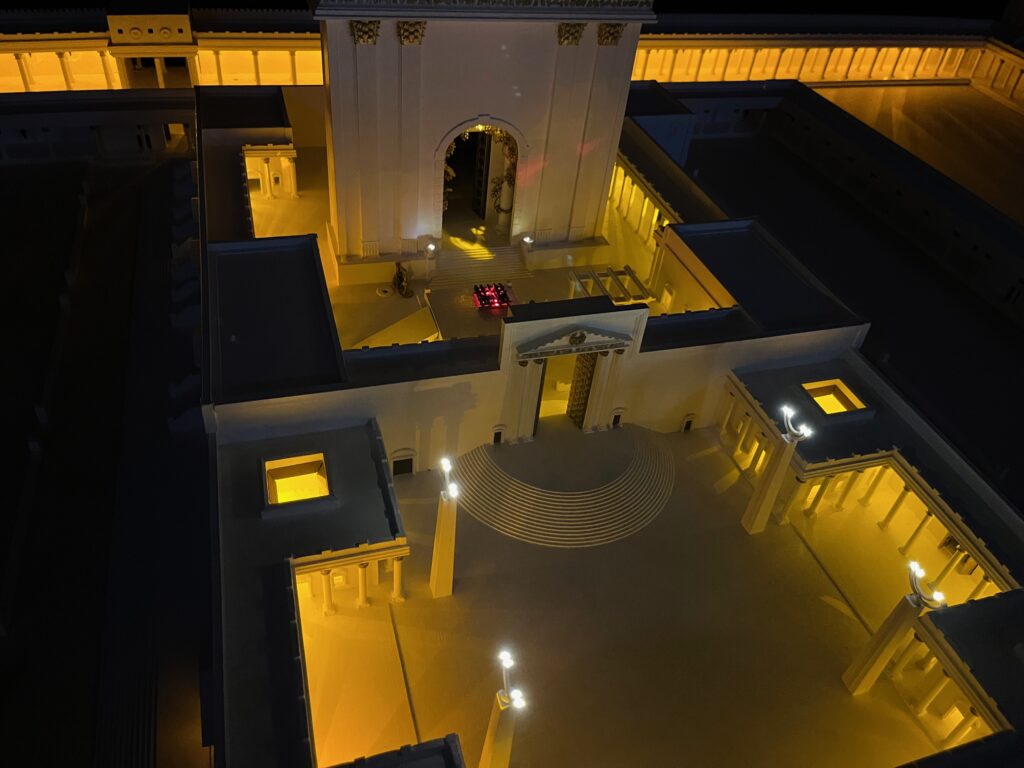
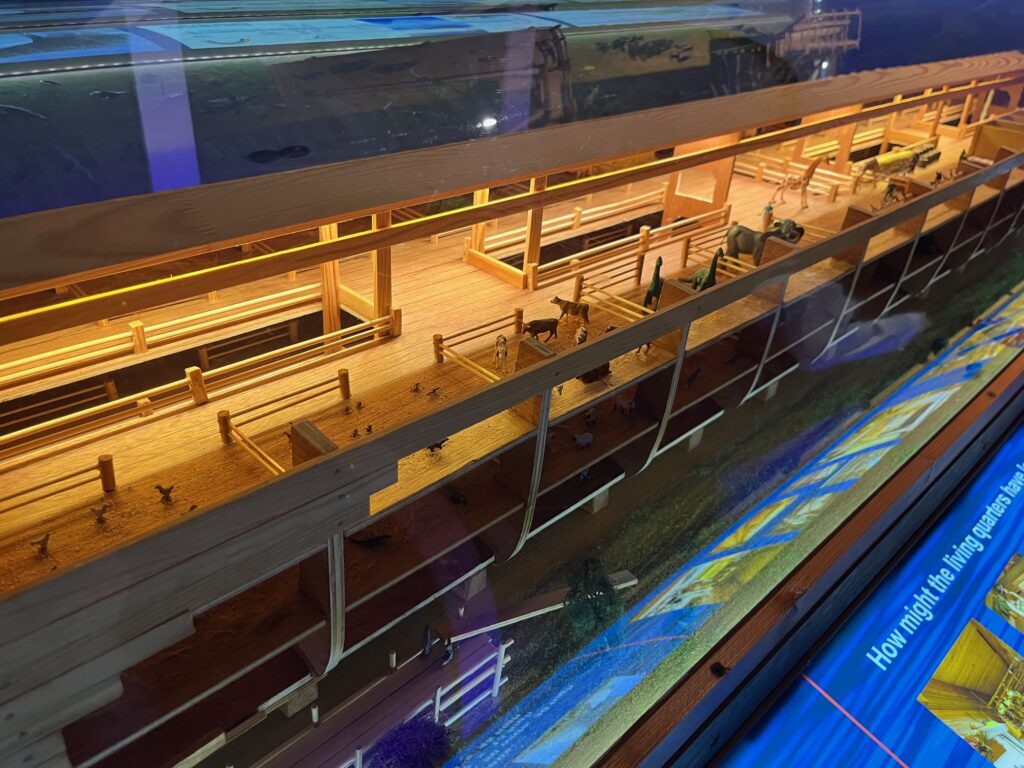
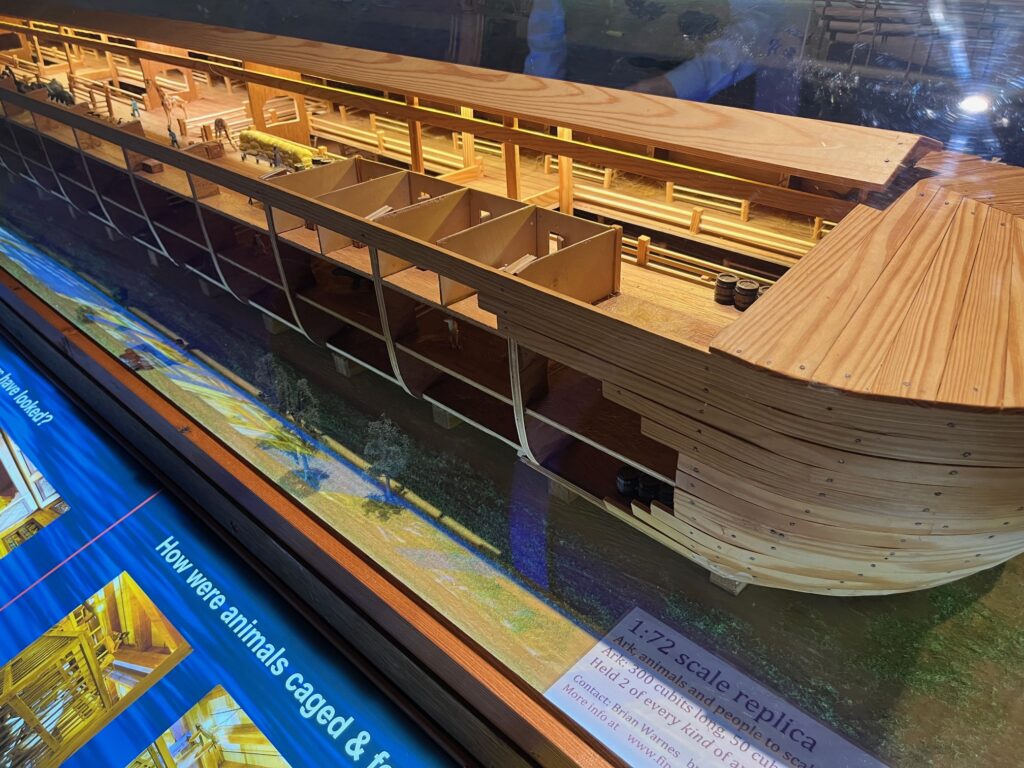
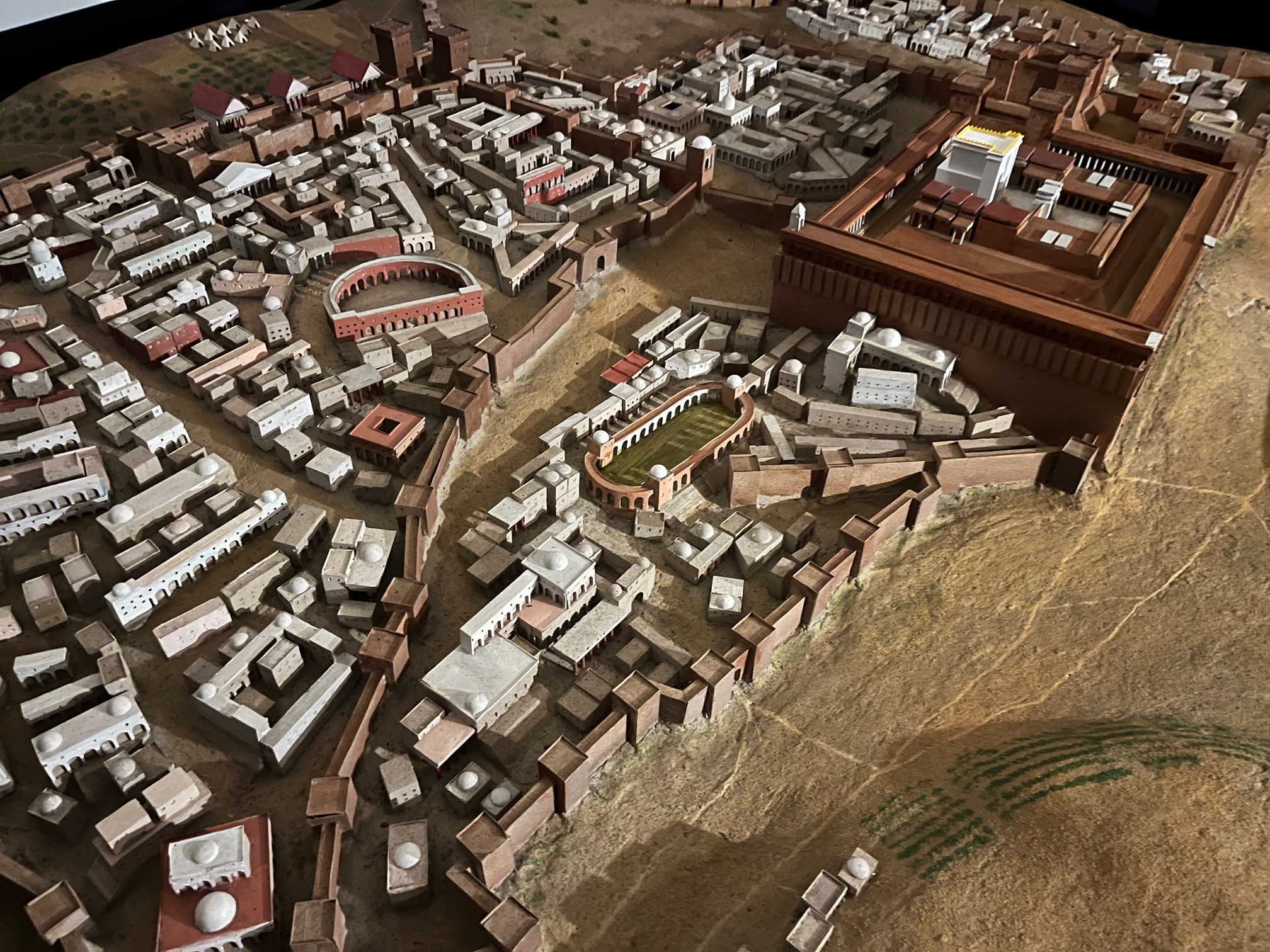
Inside Lattimore Gospel Hall is a multi-room display which includes a scale model of Jerusalem at the time of Christ, a more detailed and illuminated model of Herod’s Temple from the same period, a 7ft model of Noah’s Ark, a 3D film which takes viewers on Jesus’ journey from Nazareth to Jerusalem, and a 7ft long raised topographical map of Israel, with more exhibits planned.
This isn’t an amateur project by any means, The Jerusalem Experience is an elaborately constructed museum illustrating key events from the Bible using modern methods of presentation, and was literally years in the making.
The project was the brainchild of retired maths teacher Howard Roberts, whose career took him to various countries including Israel, before returning to the UK in 1980.
He spent the next 20 years working for CMJ (Church’s Ministry among Jewish People), at the time based in St Albans, an organisation set up to educate Jews about accepting Jesus as the Messiah.
Howard started off as assistant director of their travelling ‘Bible Come to Life’ exhibition and later went on to work in their audio visual, magazine and Israel study tour departments, before designing and building an extensive exhibition centre at their HQ in Clarence Road.
He said a vivid dream then inspired him to construct a new travelling Bible exhibition to tour schools in England and Wales, something he did for another 20 years before Covid brought an end to this project and a new home was found at the gospel hall.
The Jerusalem Experience grew from the acquisition of a huge scale model of the city from Goldcrest film studios in Twickenham, which had been used in the 1996 film Jude, based on Thomas Hardy’s novel Jude the Obscure.
It was initially sprayed grey, but an artist friend subsequently repainted the entire model in more naturalistic tones.
“Is it more authentic?” Howard asks. “Yes and no. The stone would have been white and there are some glaring errors like the position of the largest arch in the Roman Empire.”
He is obviously both extremely knowledgeable and very passionate about the project and the Bible, with a faith in the literal teachings of the latter which becomes more pronounced the longer we spend together.
Not that this is any sort of criticism, but to understand the exhibition, you really do have to understand the man who devised it.
The model reflects Jerusalem from approximately 20-30AD, and Howard shows how the city grew from its original size following the conquest by King David, pointing out key features such as the Gihon Spring – the water source which made human settlement possible on the site – Mount Moriah where the temple was sited, and how that building was subsequently expanded and developed.
With the city and temple totally destroyed in 70AD by four Roman legions under the command of future emperor Titus, very little of what the model shows has survived to the present day, so there is obviously a degree of artistic licence in what is shown, albeit based on historical records.
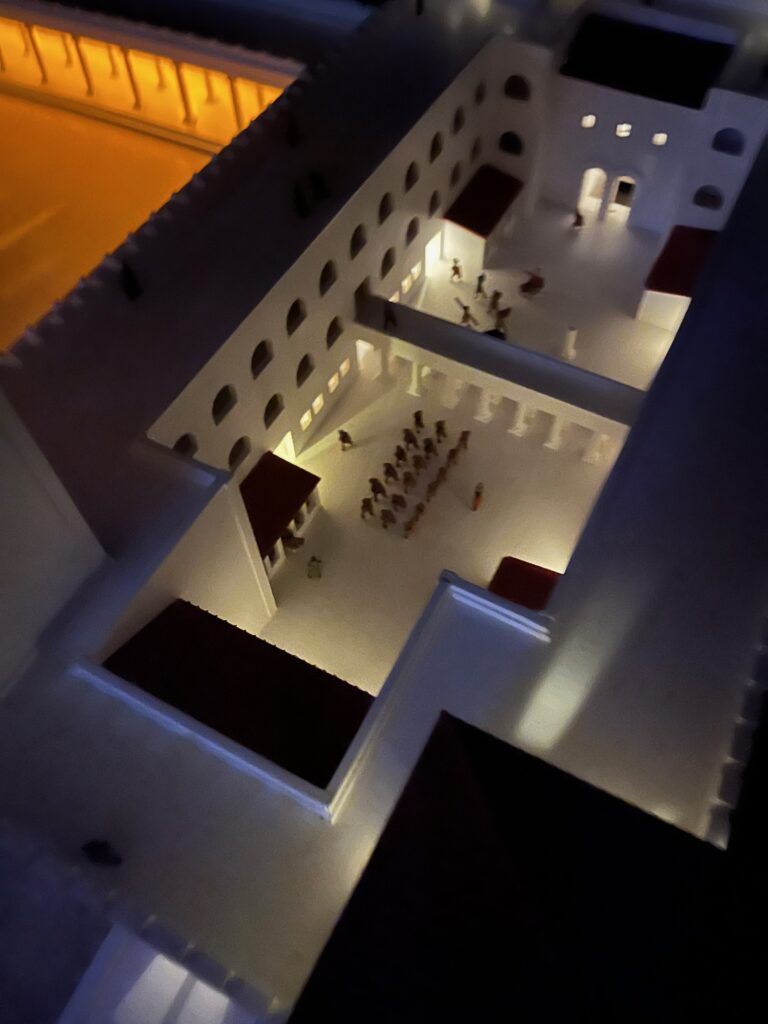
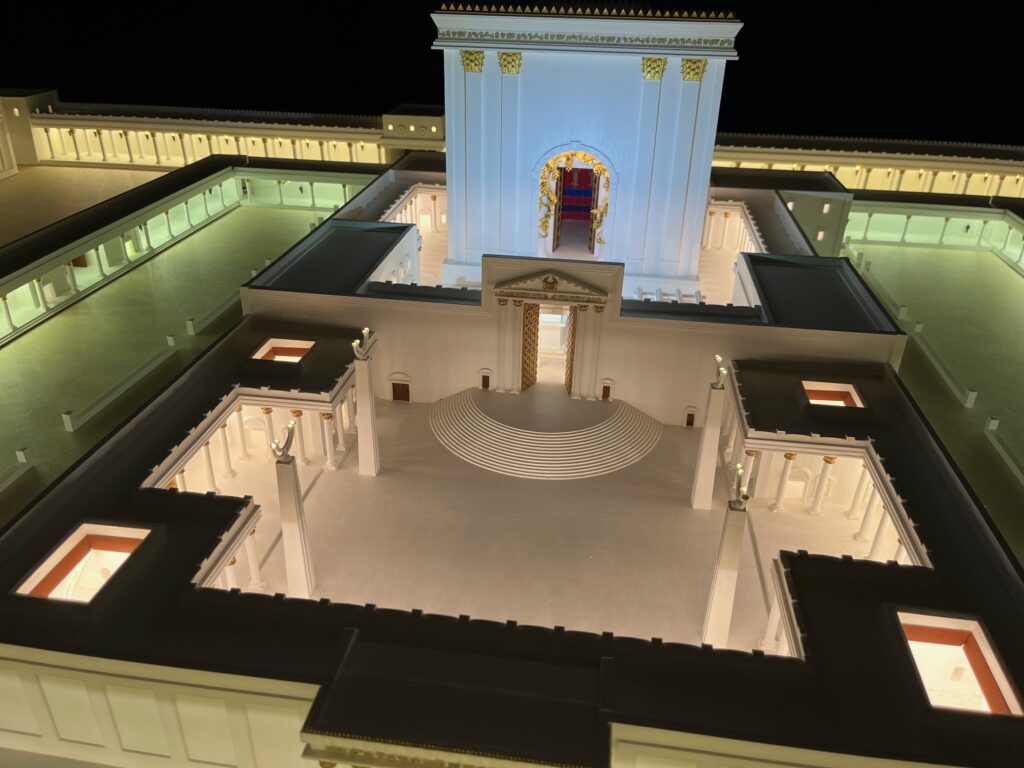
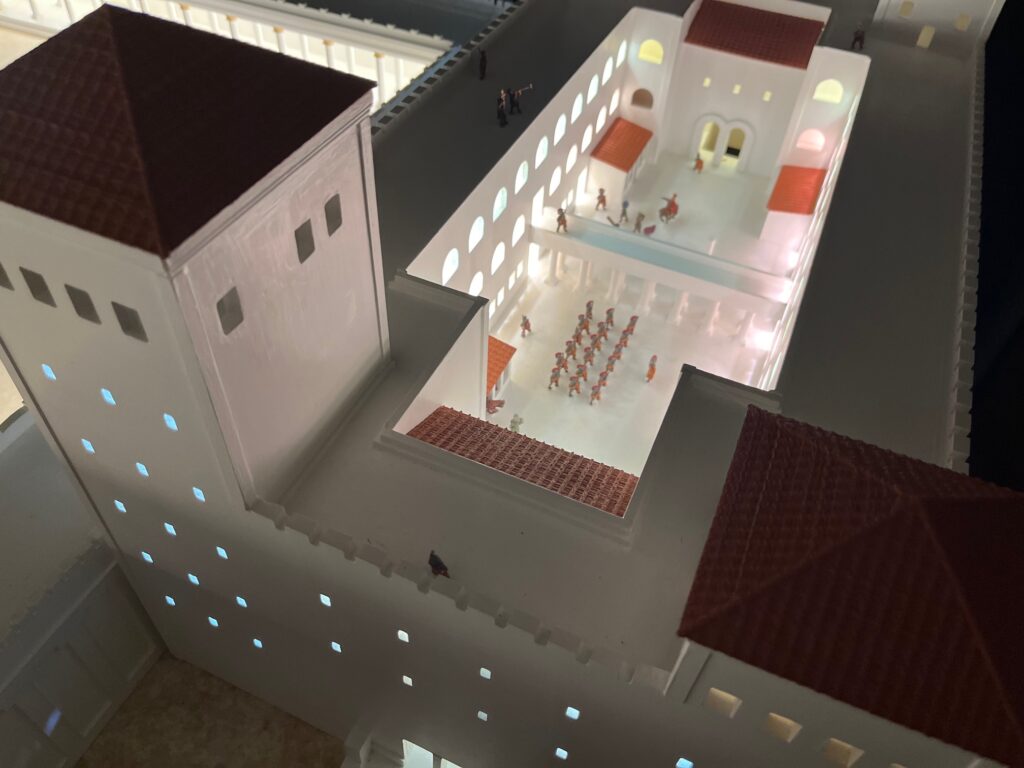
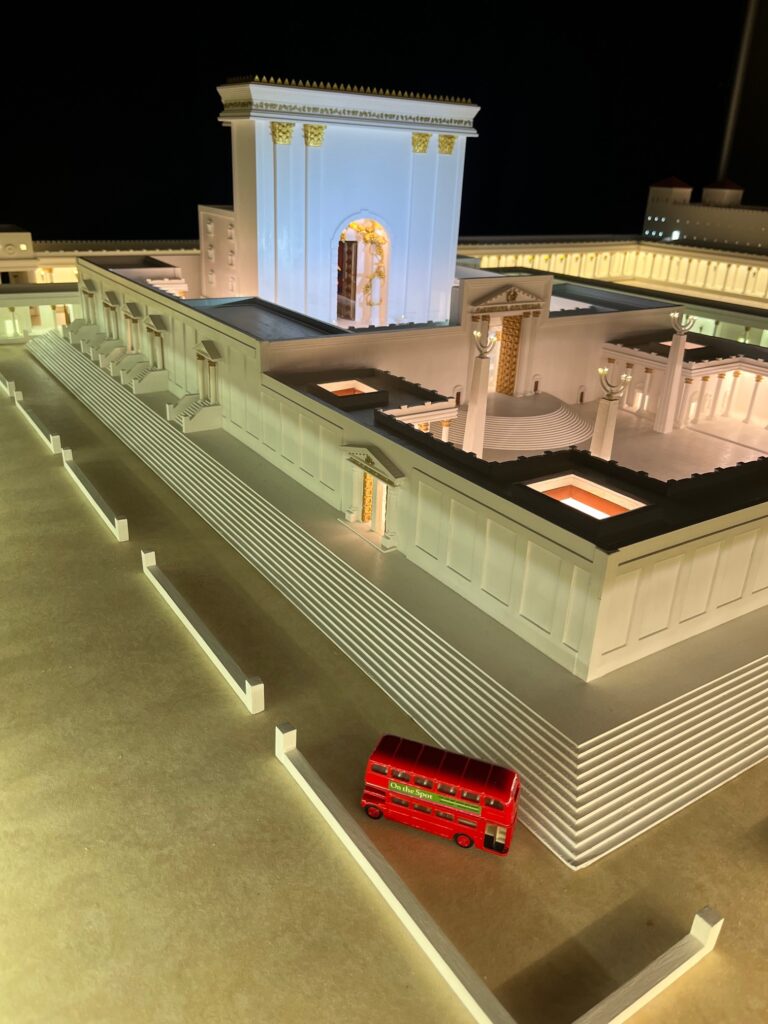
The next part of the exhibition was started during the pandemic, and took the construction team three years to finish. It is an extensive scale model of Herod’s Temple measuring 7ft by 12ft, which is illuminated with lights and made from a combination of plywood, MDF and 3D printed elements. Next to the temple site is the Antonia Fortress – named after Marc Antony – which housed the Roman garrison of Jerusalem.
The temple model was based on the workings of Alec Gardner, perhaps the world’s leading authority on the building, who spent three years researching it before taking 17 years to build an even bigger model than Howard’s at 12ft by 20ft.
Moving on, the next element of the exhibition is a theatre showing a 3D film which takes audiences on a journey tracing the life of Jesus from leaving Nazareth, via Galilee, the Jordan River, and the Judean Wilderness, to events in Jerusalem.
Howard went out to the Holy Land with a 3D camera and shot hours of footage at key Biblical sites before returning home to have the film professionally edited and narrated.
Religious beliefs aside, it’s a remarkable historical study compiled using detailed research which offers some fascinating insights into the time period. Who knew that Nazareth was probably only around 30 homes at the time of Christ? Or that his father Joseph was likely to have also been a skilled stonemason as well as a carpenter due to the expense of working with wood?
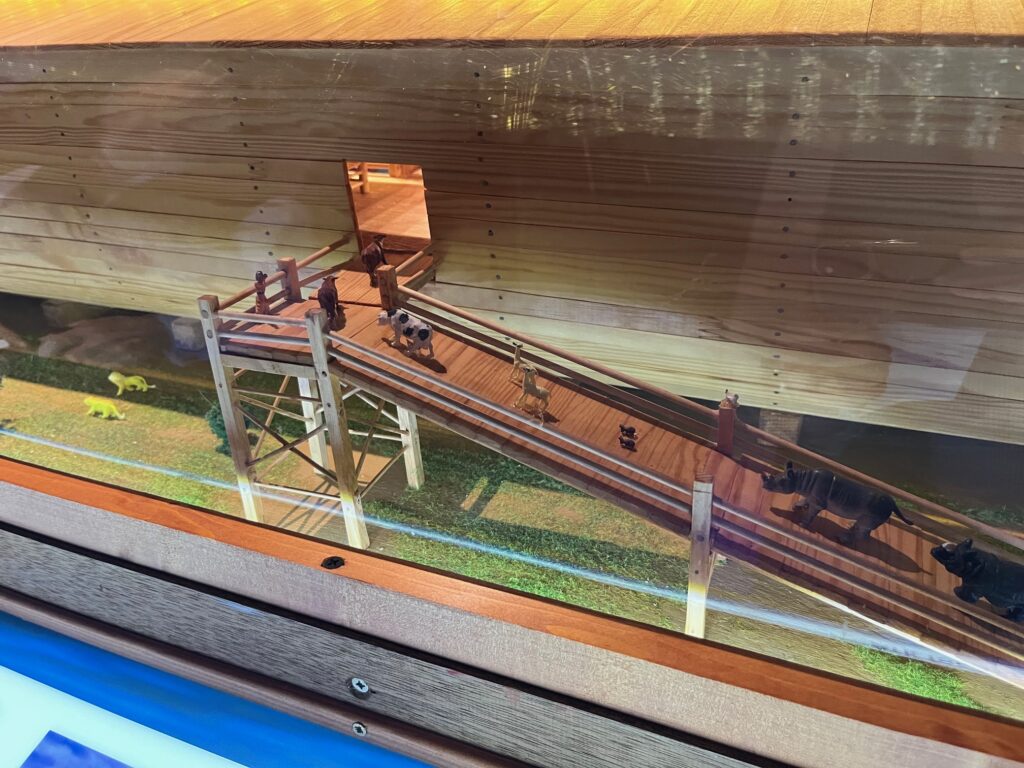
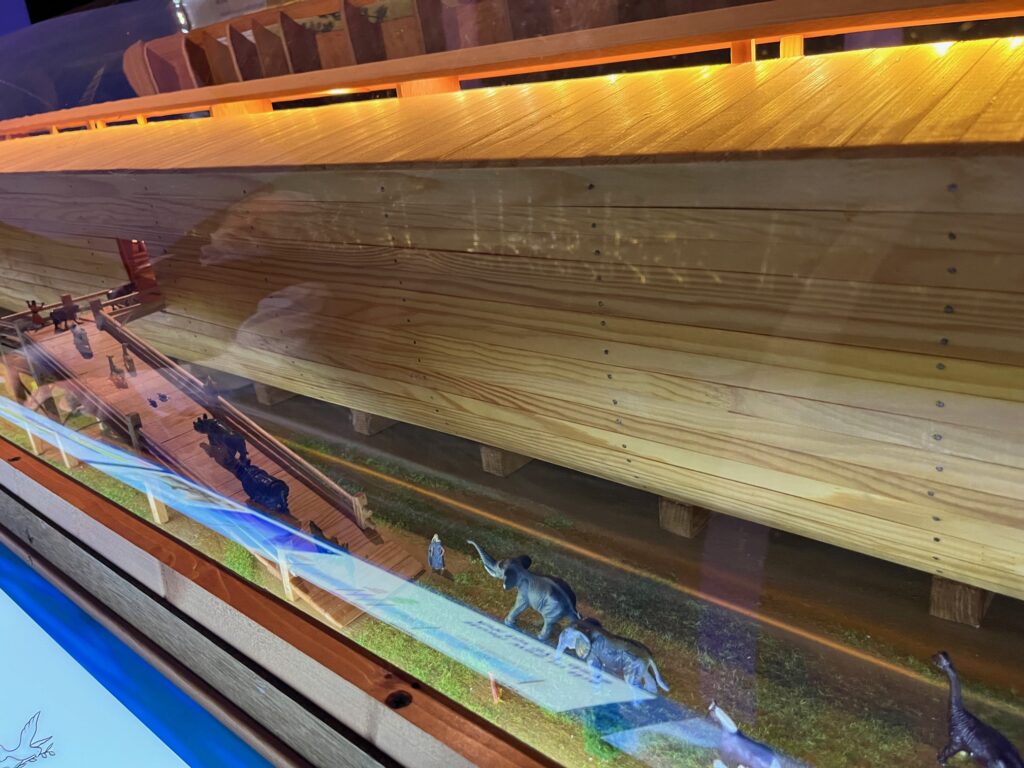
Adjacent to the theatre is the final display, a 7ft model of Noah’s Ark based on Biblical specifications, housed in a timber-clad ‘cabin’ with surrounding sounds of waves beating on the hull, the rain falling above, and animal noises emanating from within.
“It’s to give you the experience of actually being on board Noah’s Ark,” Howard explains, pointing out the dinosaurs coming in two-by-two and a section from the Bible which he says reveals sauropods survived to the time of Job.
He then switches on an accompanying video, which sets the scene by describing the events leading up to the Flood, before things take a rather unexpected turn away from historical narrative to more direct preaching.
It seems Howard is a member of the Open Brethren, who own the hall and have a very specific interpretation of Christian theology. They follow the concept of Dispensationalism, which involves events leading up to the second coming of Christ, alongside a belief in Creationism and a Biblical timescale to date the age of the Earth.
To each their own, but it’s only fair to let potential visitors know these elements are incorporated within the exhibition, with one image in particular which could prove uncomfortable for members of the LGBTQ+ community, and another suggesting we’re all being secretly microchipped…
Either side of the Ark room are the two final sections of the exhibition. One incorporates an interactive 7ft long raised topographical map of Israel donated by a contact in Germany, which visitors can use to access more than 160 short videos on different locations featured. It sits alongside a display illustrating the annual cycle of nine Biblical festivals and the weekly family celebration of Shabbat. Artefacts include a shofar (a ram’s horn trumpet), a Passover Seder plate and ceremonial items linked with Hanukah and Purim.
Still a work in progress is the last display, reflecting how Biblical prophecies are said to have predicted much of world history, as well as events yet to come. One completed display, for example, foretells a conflict between Israel and an alliance of Russia, Iran and Turkey, with audio commentary alongside.
Biblical scholars and Middle East historians will unquestionably find a great deal of interest in The Jerusalem Experience, and so too might the casual visitor, but do expect a degree of preaching in amongst the models, some of which is not what you might call liberal thinking.
Without passing judgement on these elements of the content, it’s unquestionably a remarkable exhibition in terms of the effort and dedication which has obviously been put into it, and perhaps it does deserve a wider appreciation from the local community?
Visits can last from 10 minutes for a quick overview, to two hours for an in-depth guided tour of all the displays. The exhibition is open weekly on Sunday afternoons between 2.30pm and 5.30pm, but individuals and groups can also arrange to visit at other times during the week.