04 Sep 2025
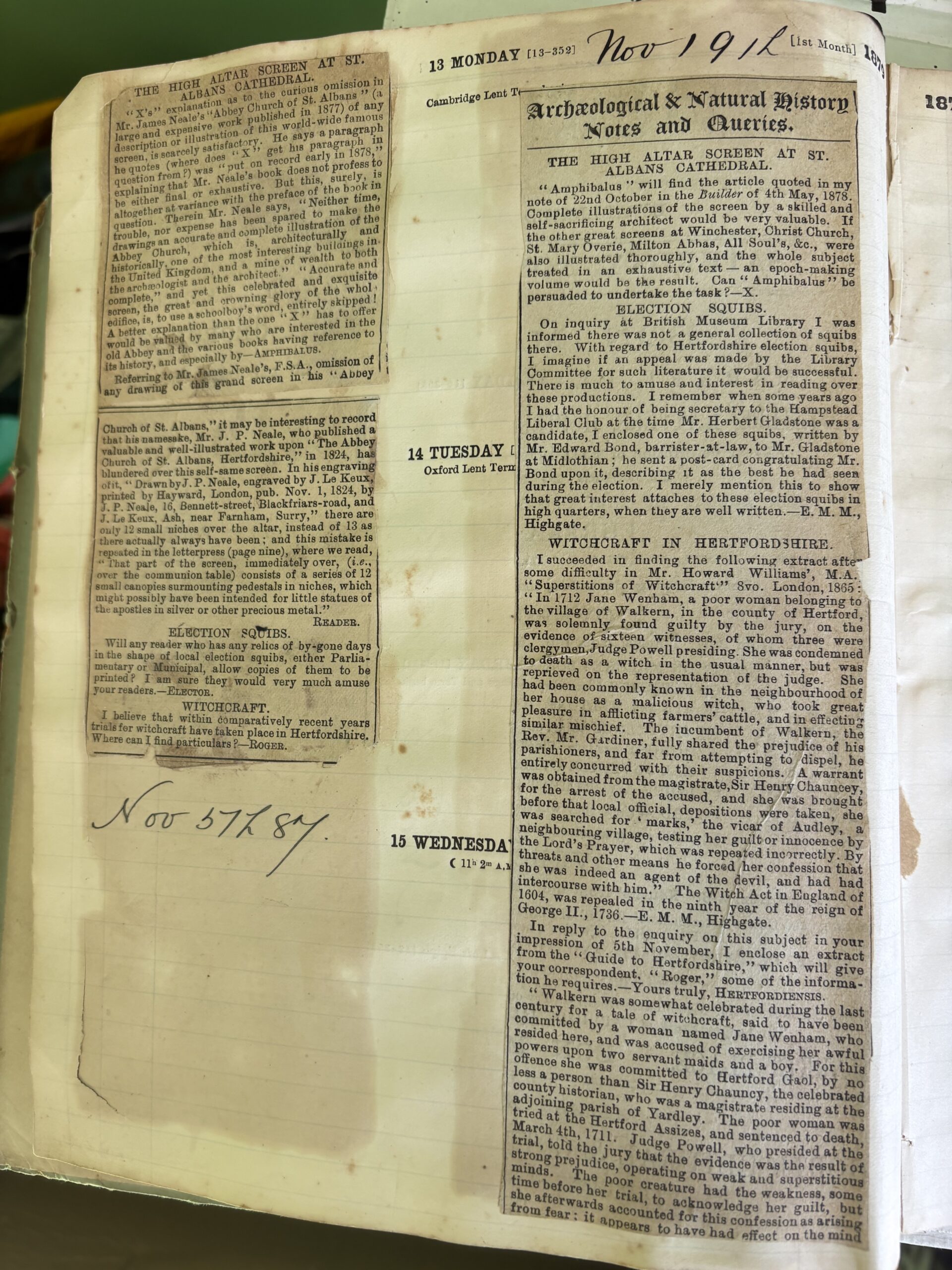
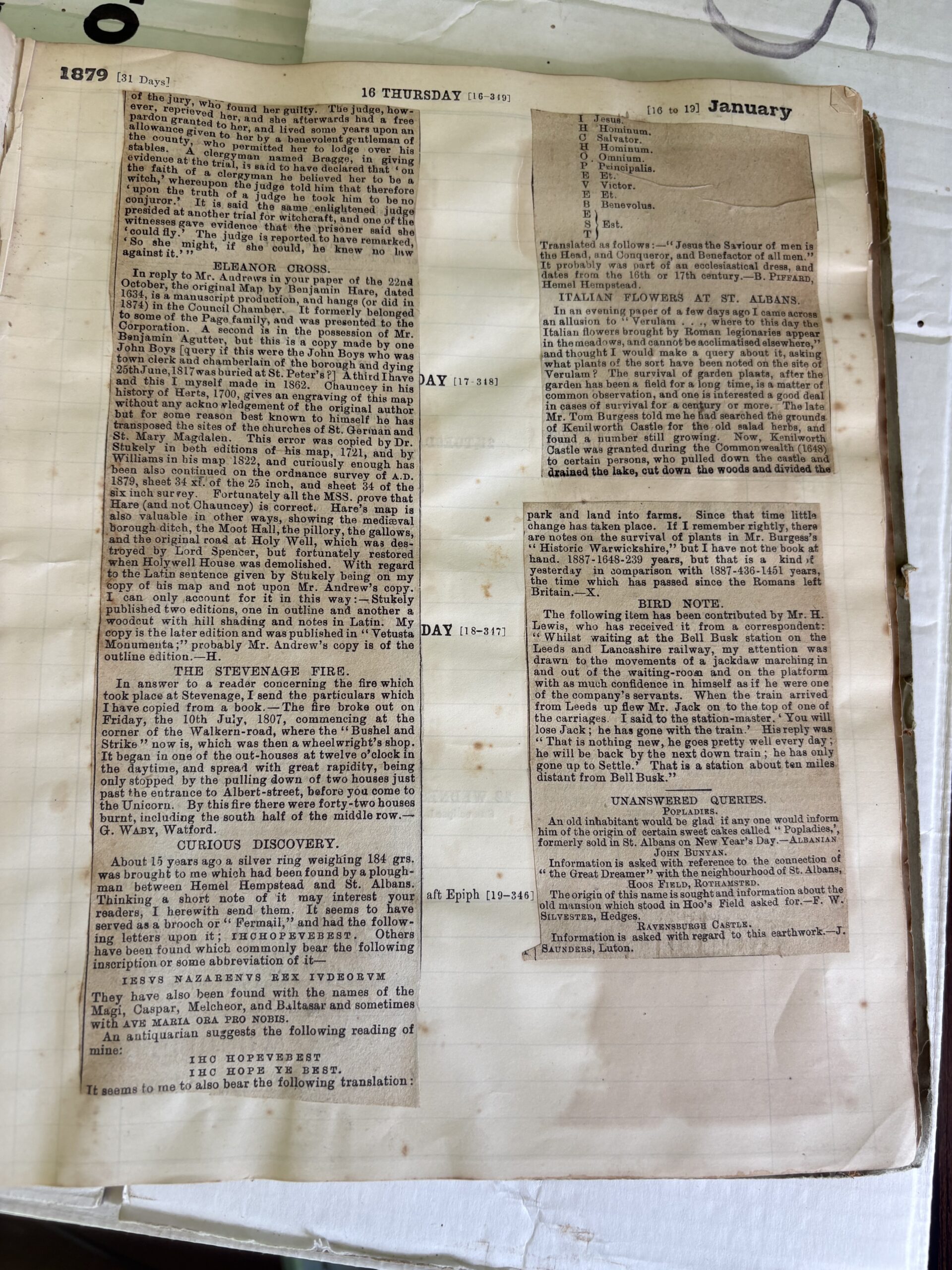
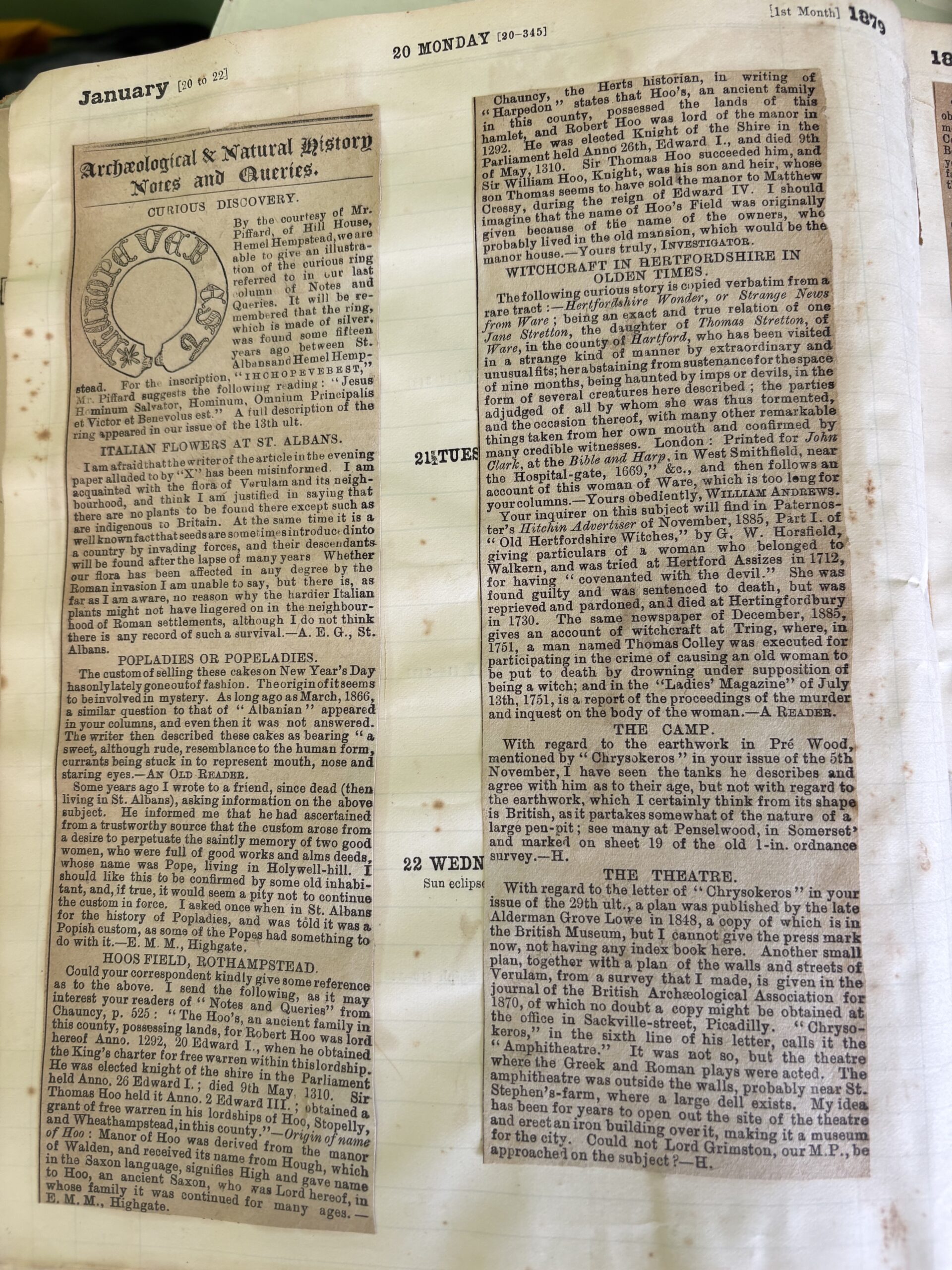
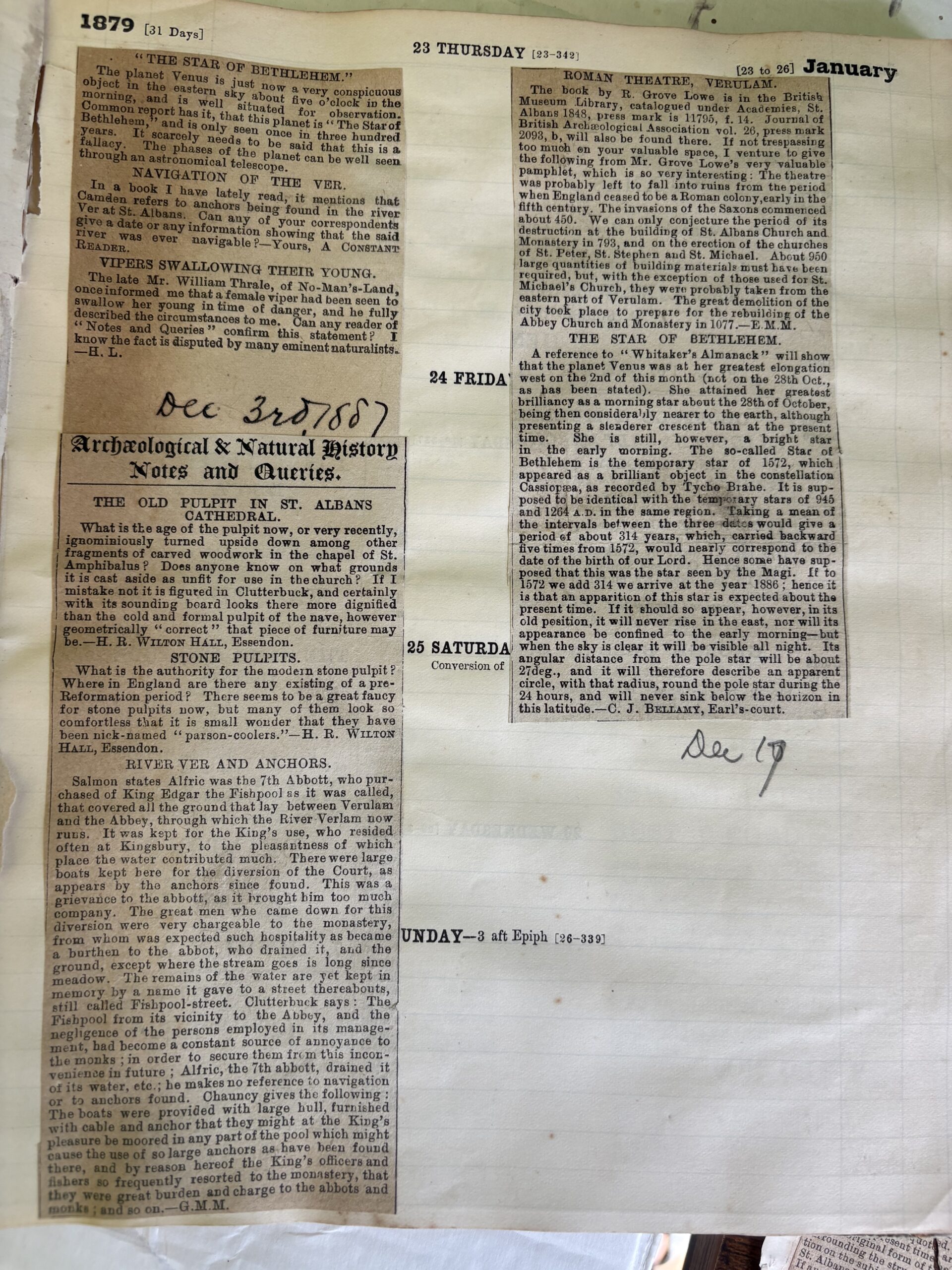
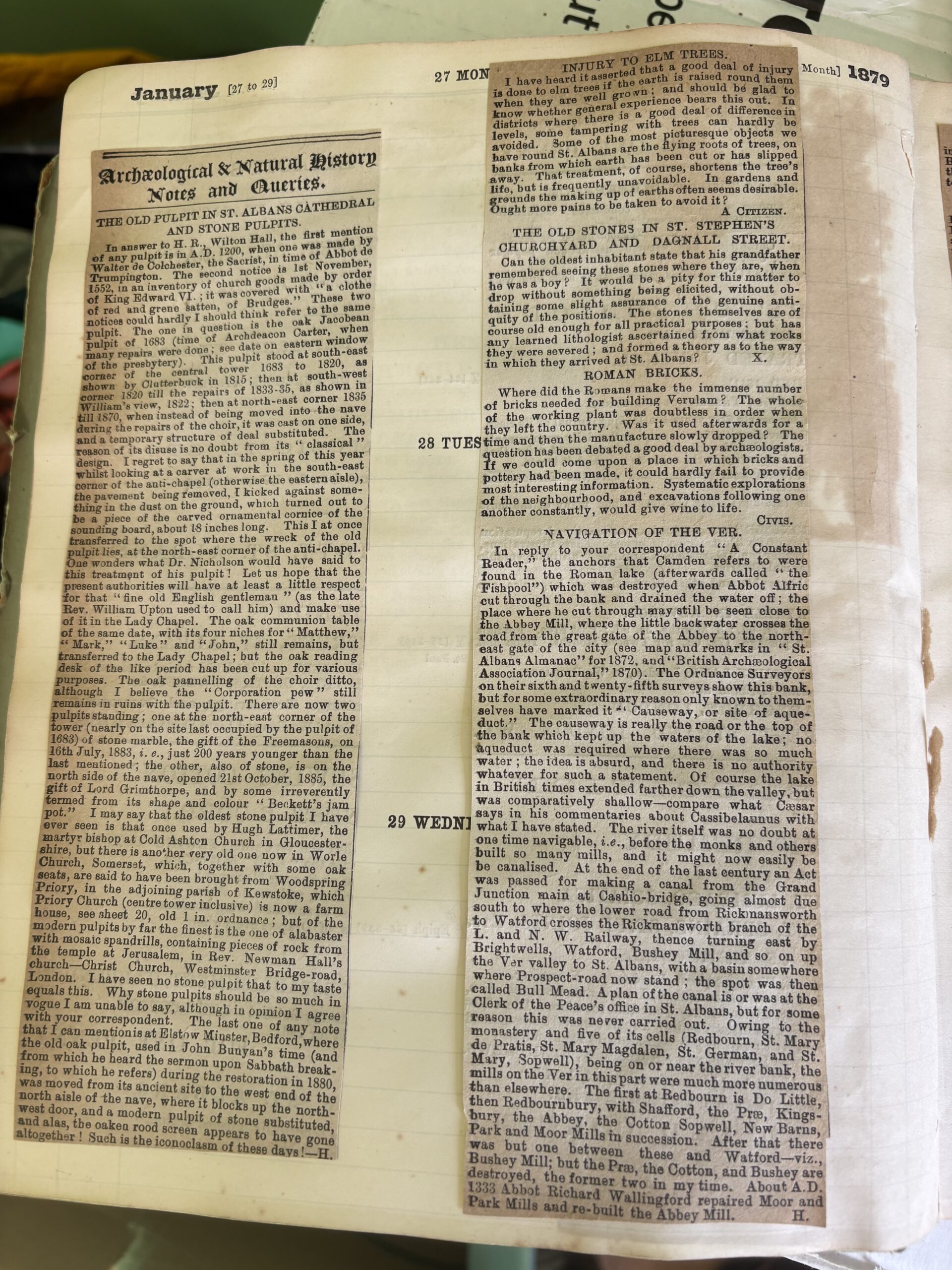
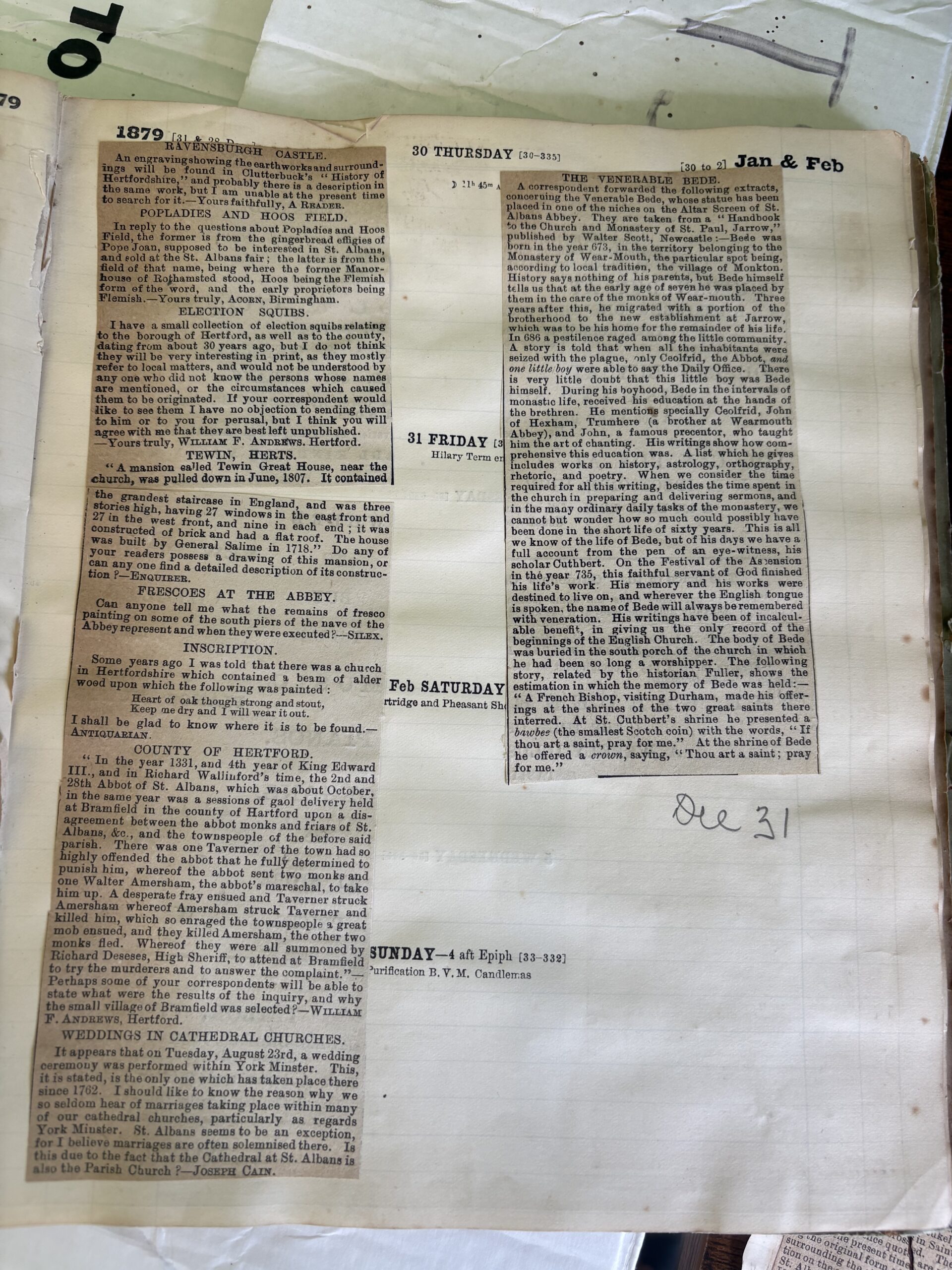
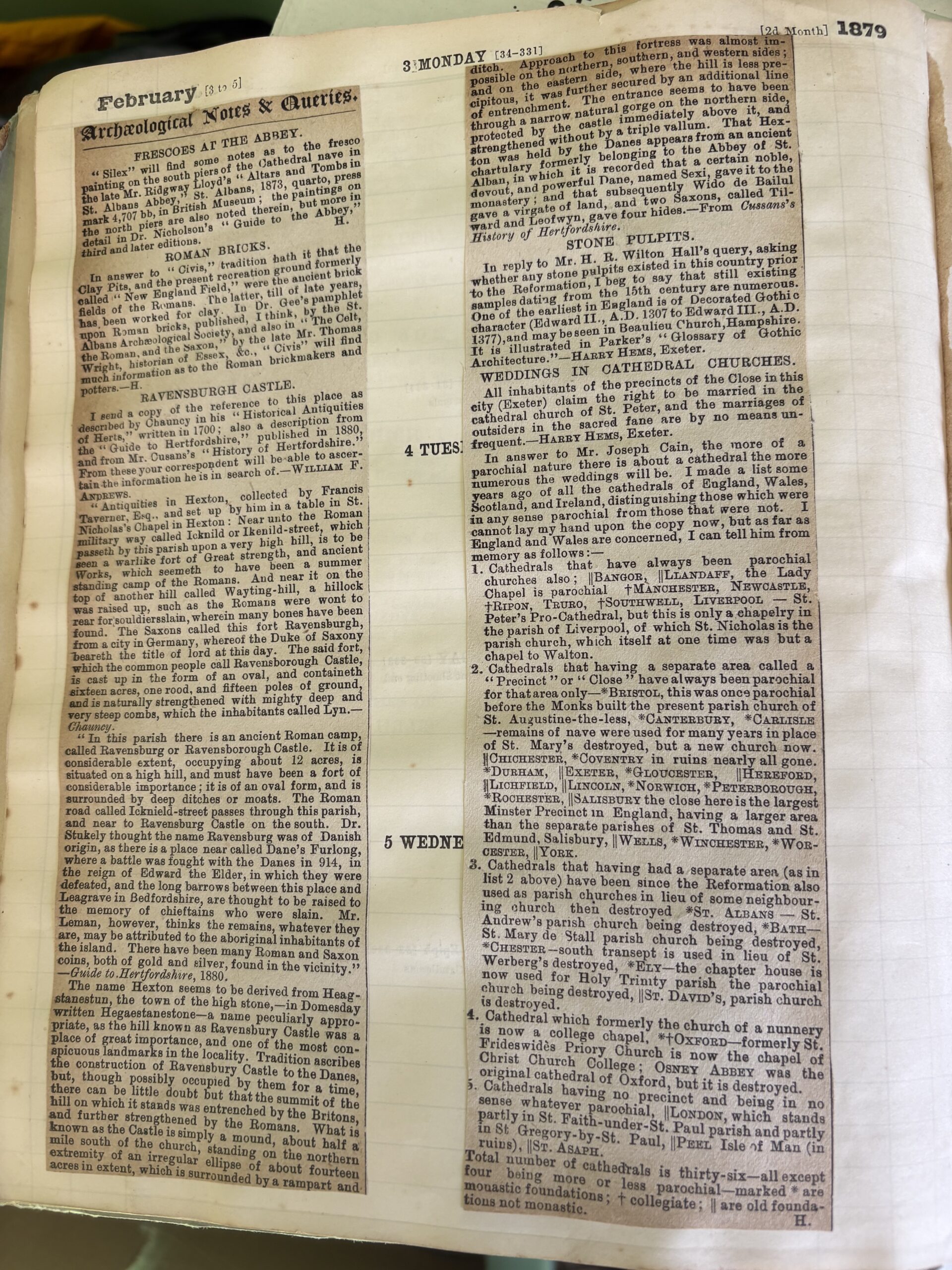
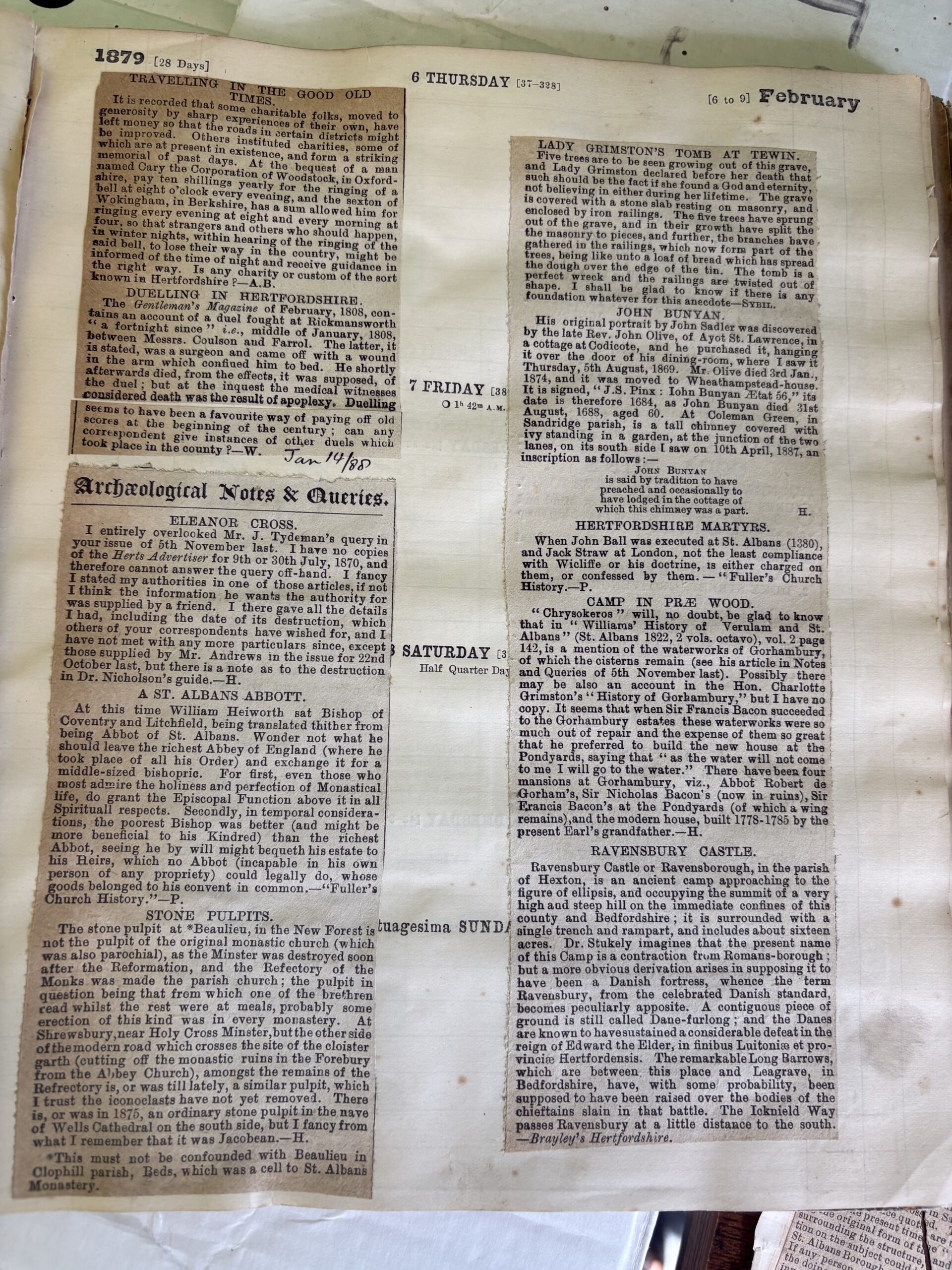
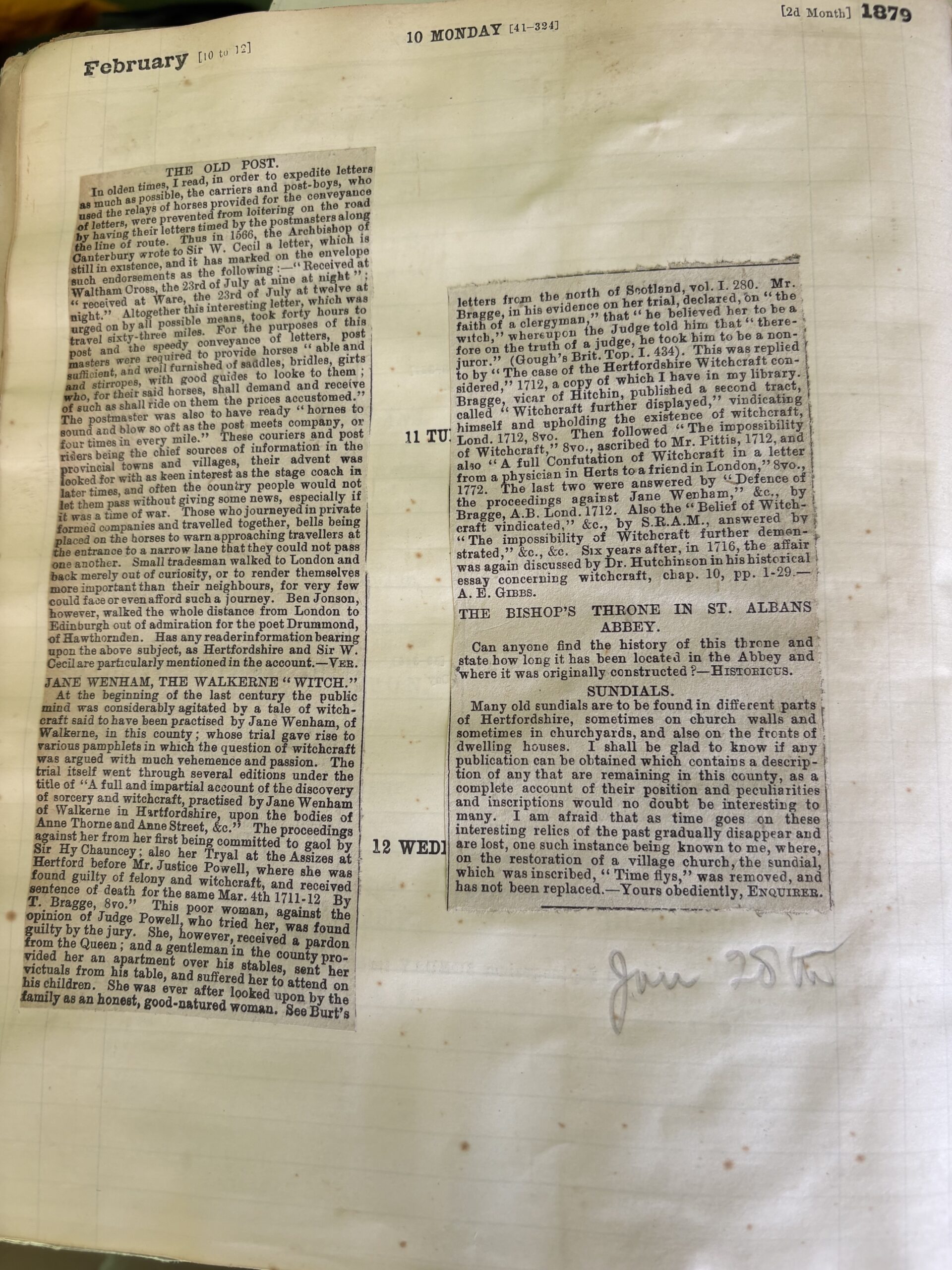
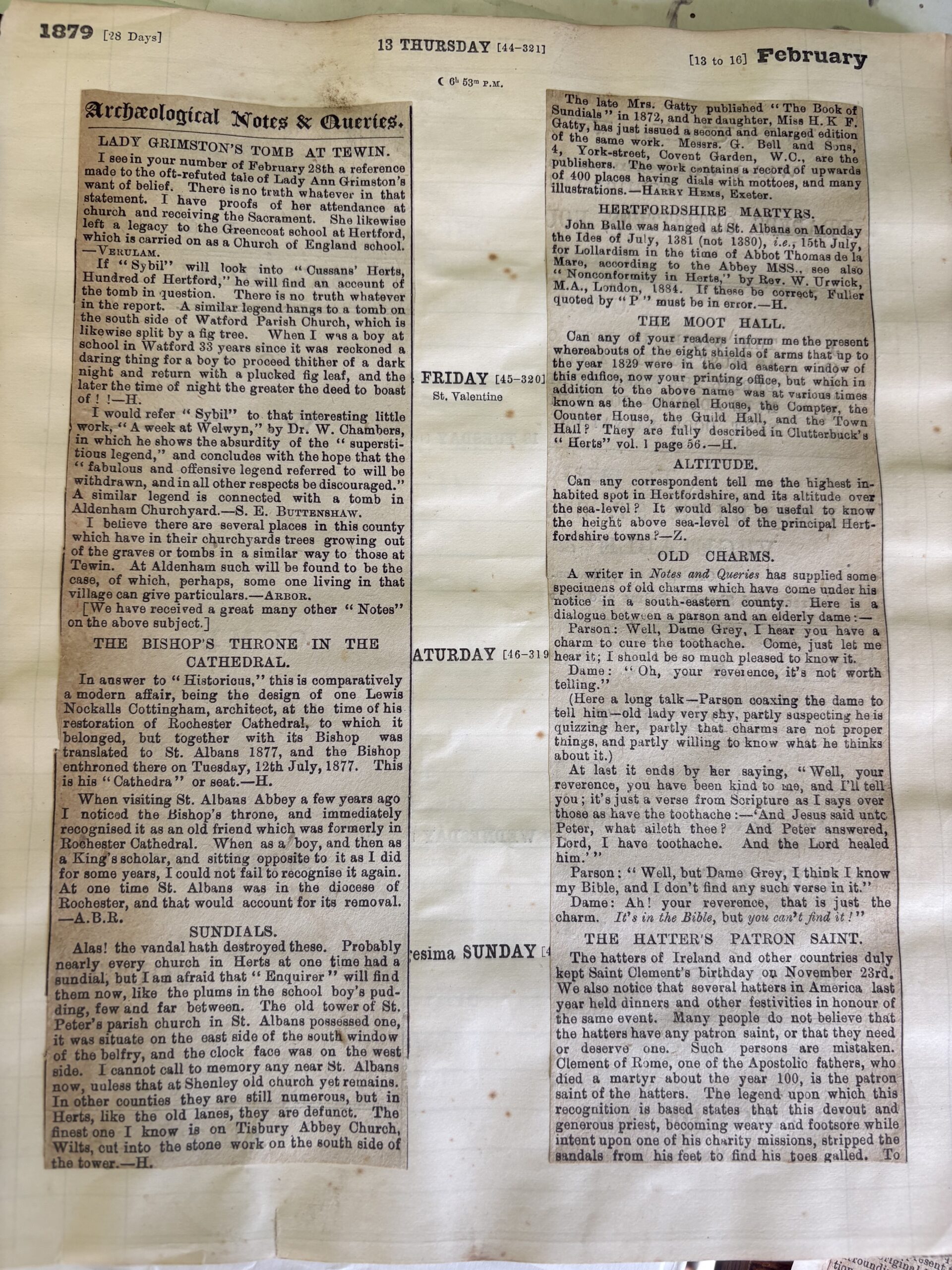
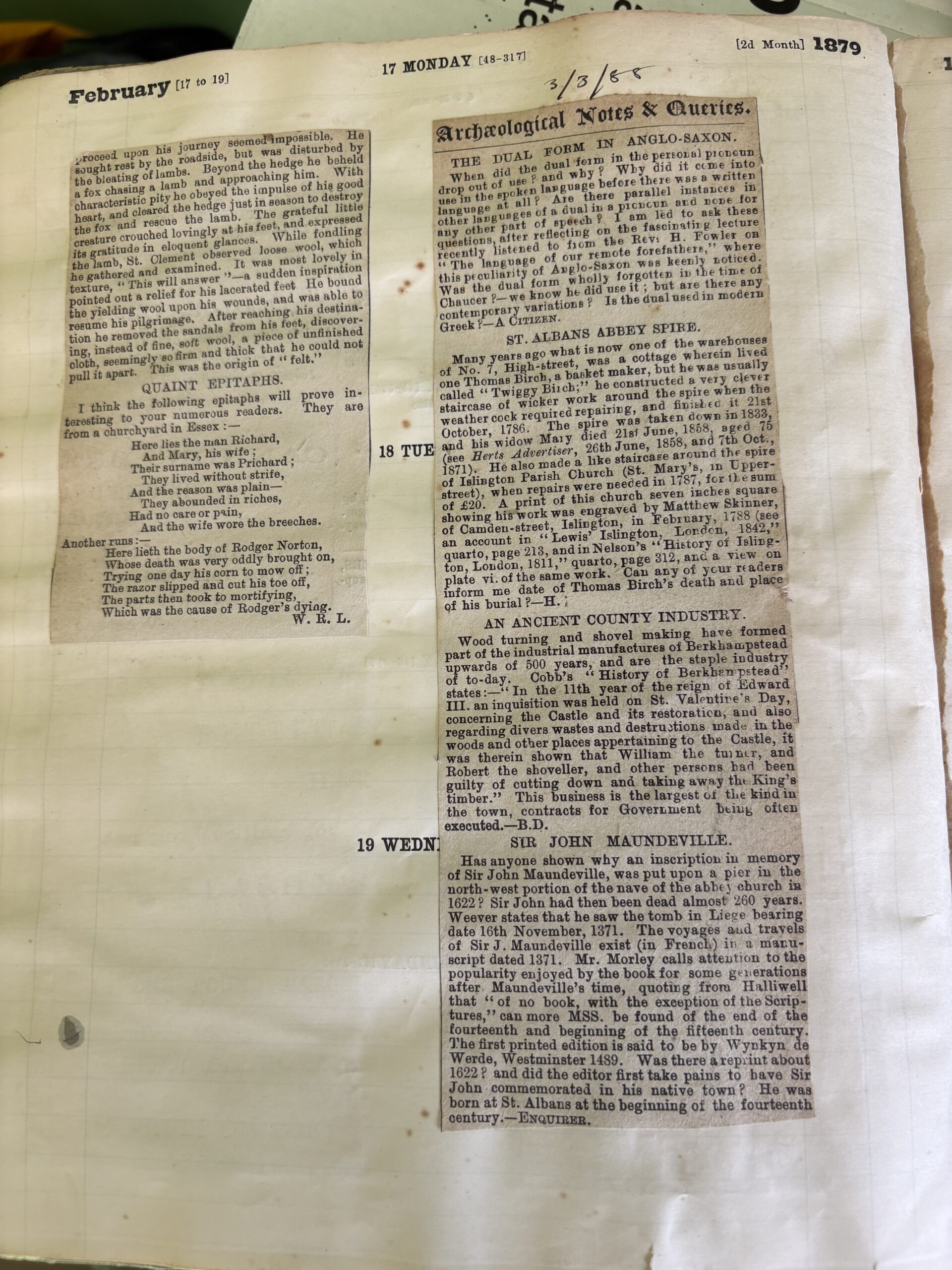
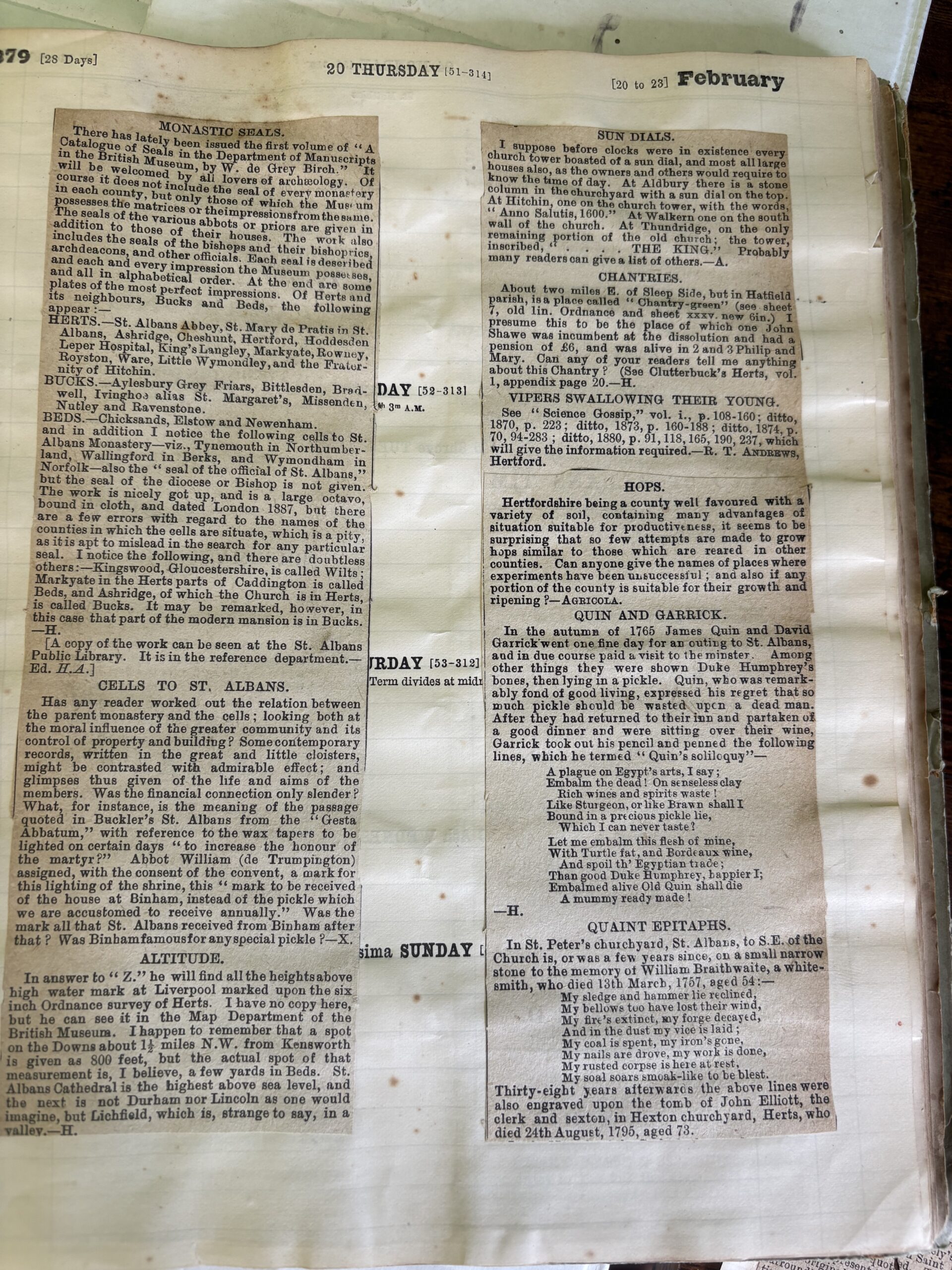
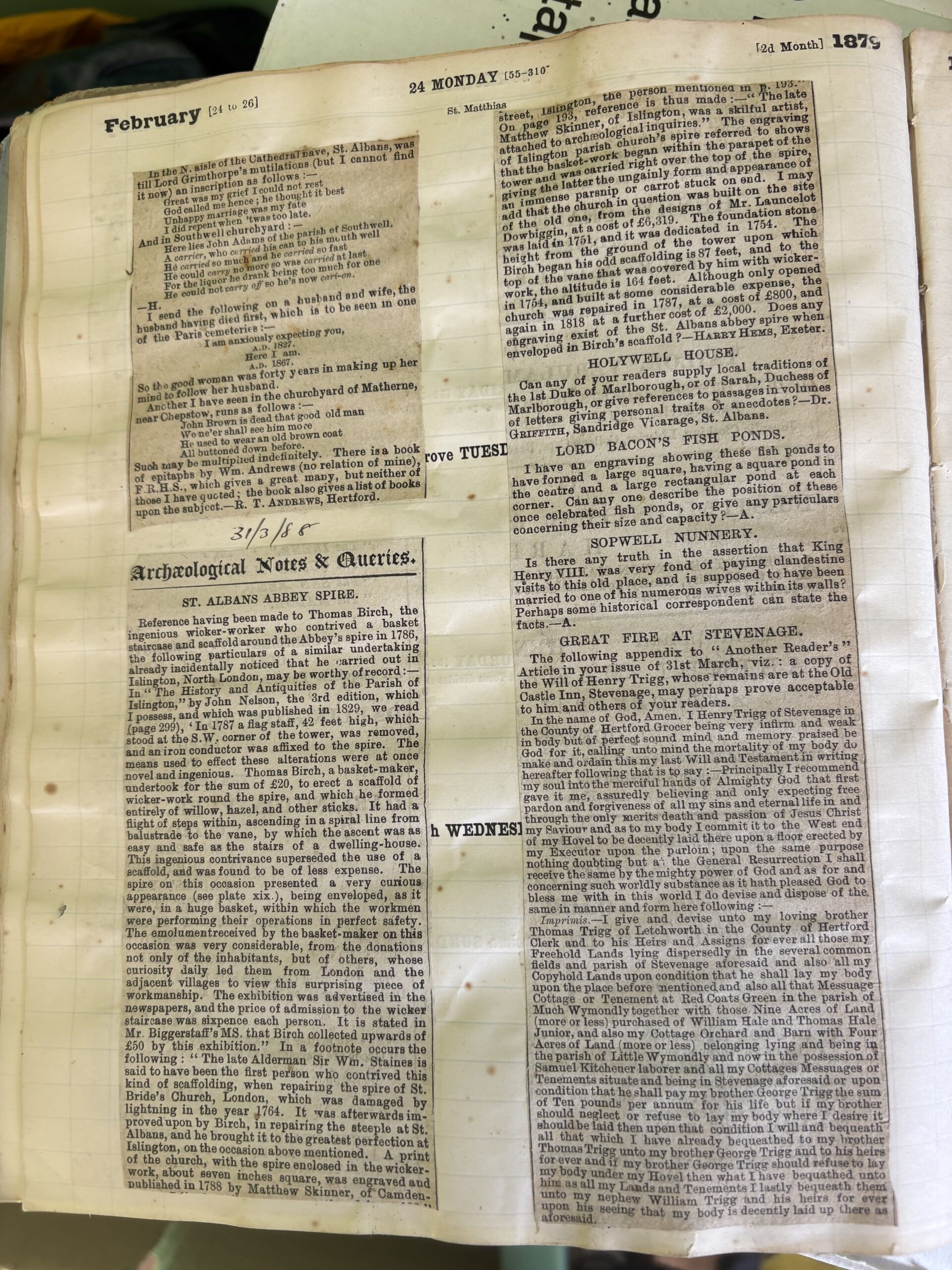
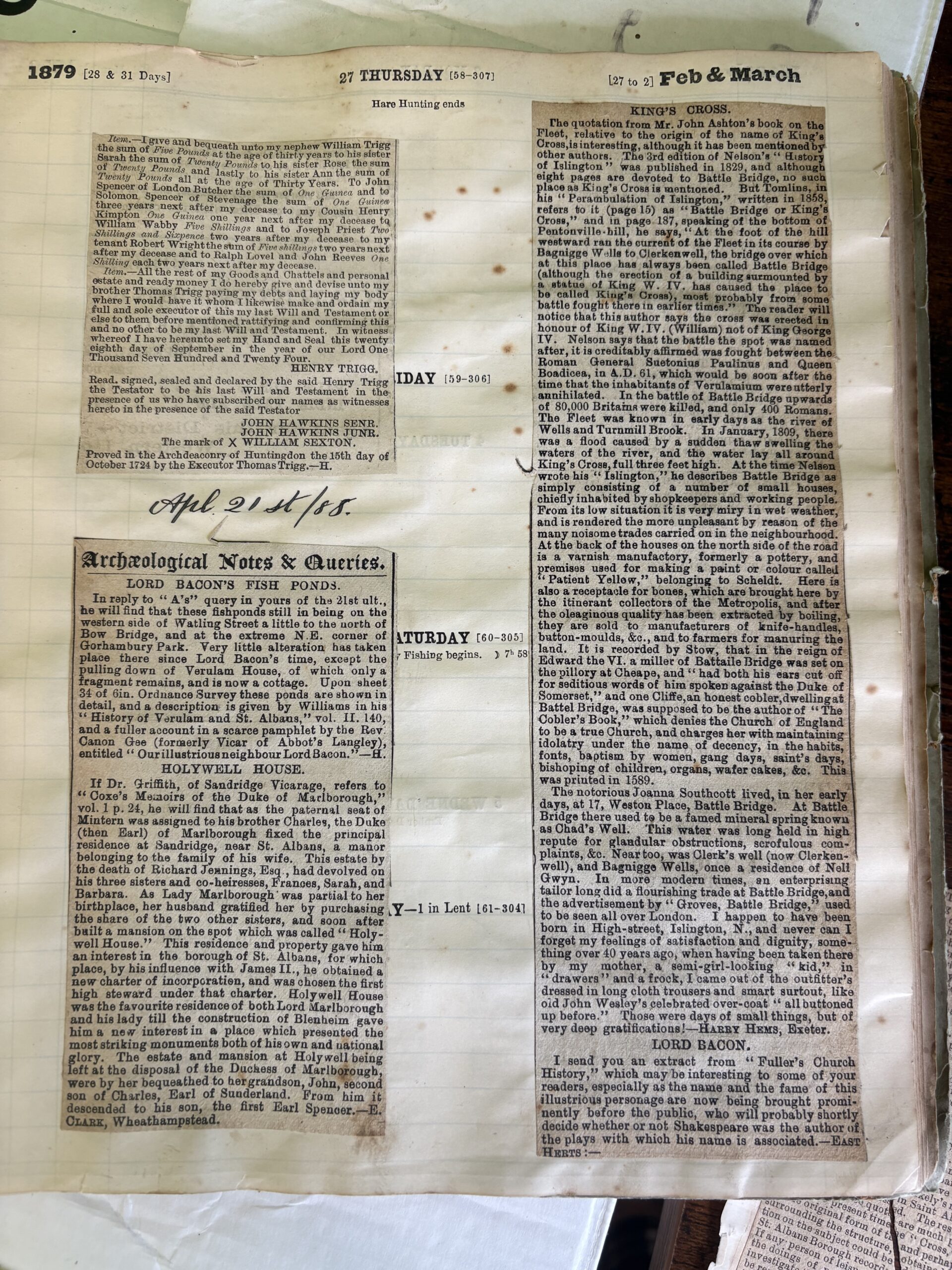
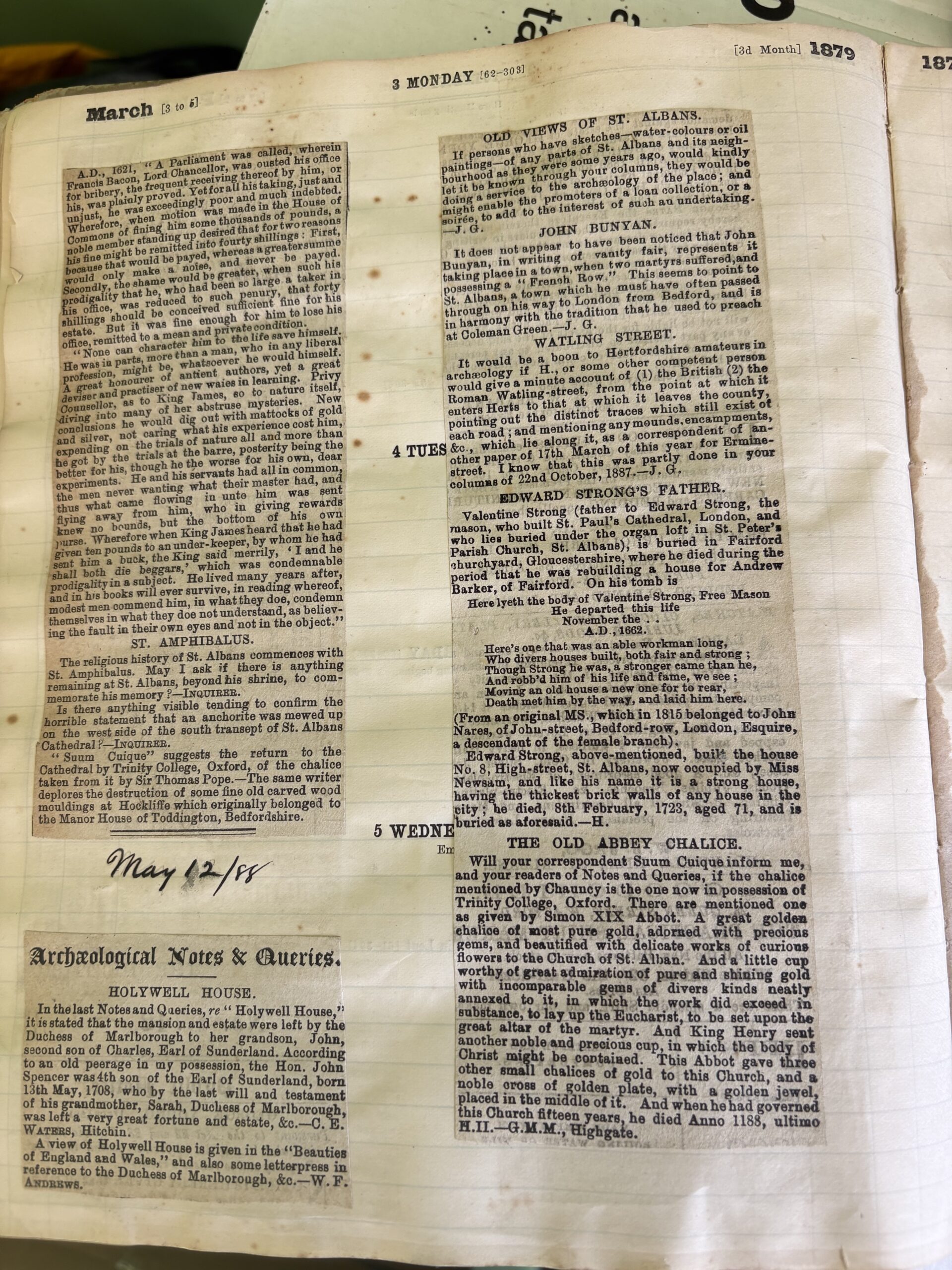
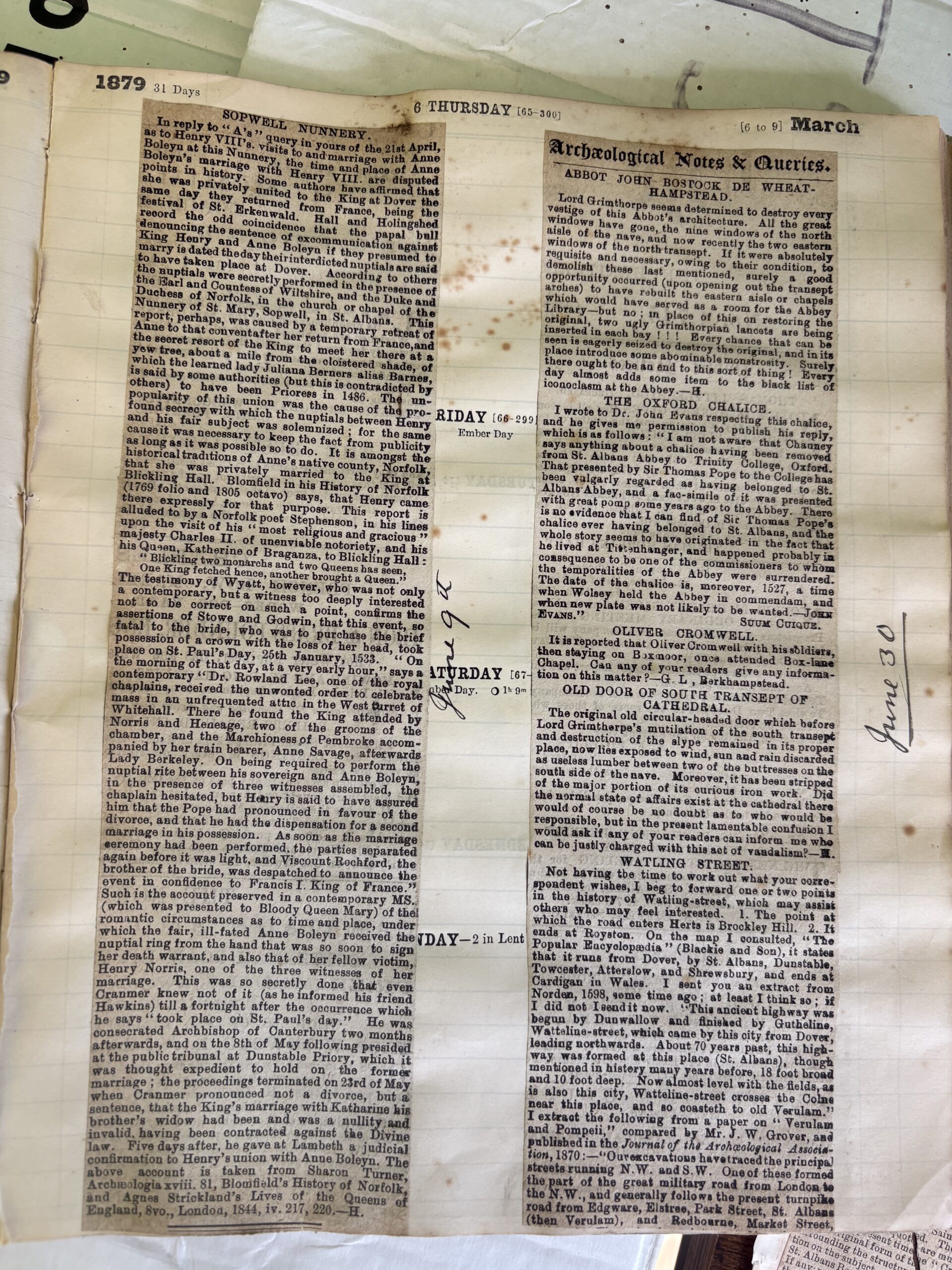
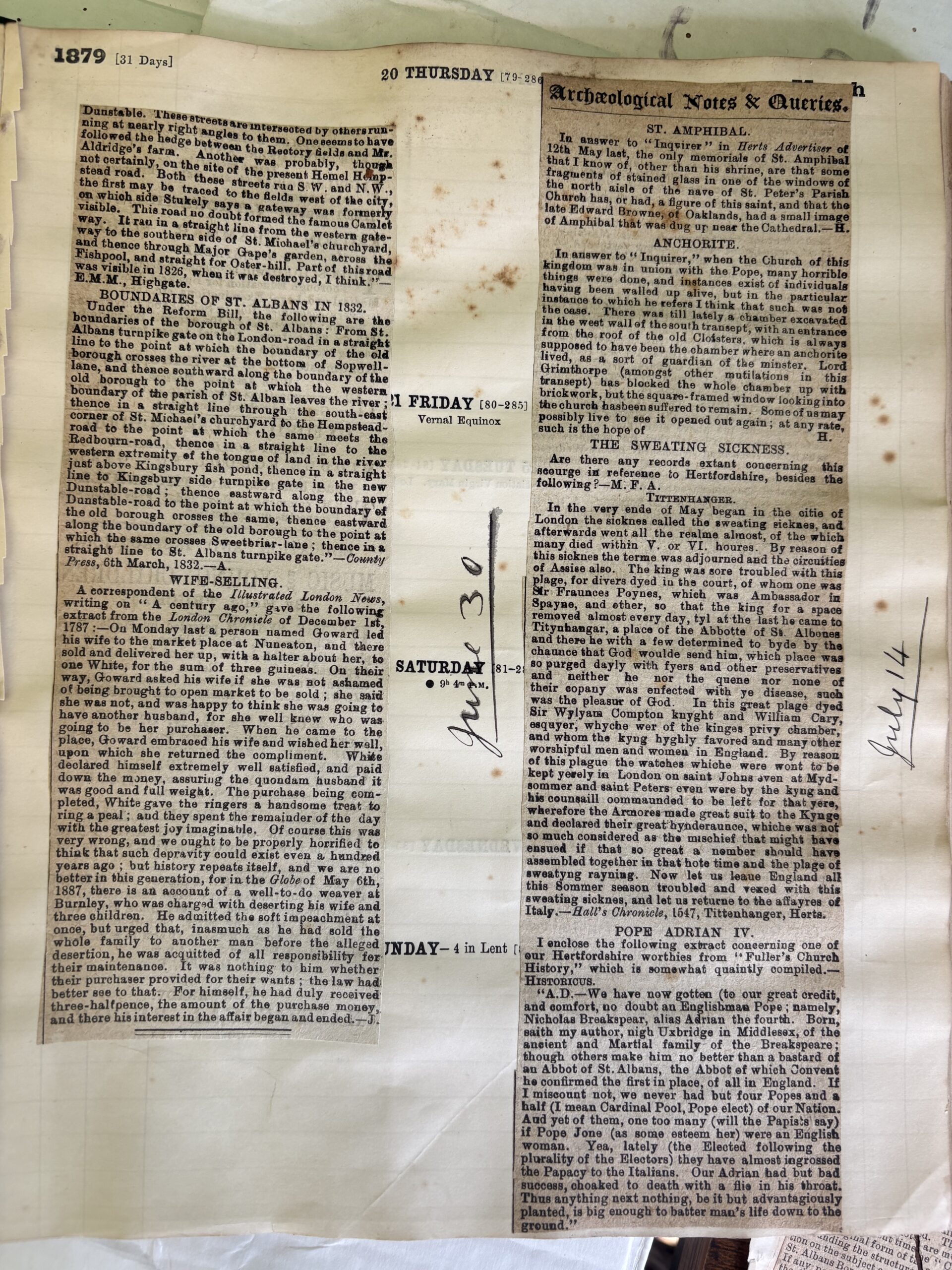
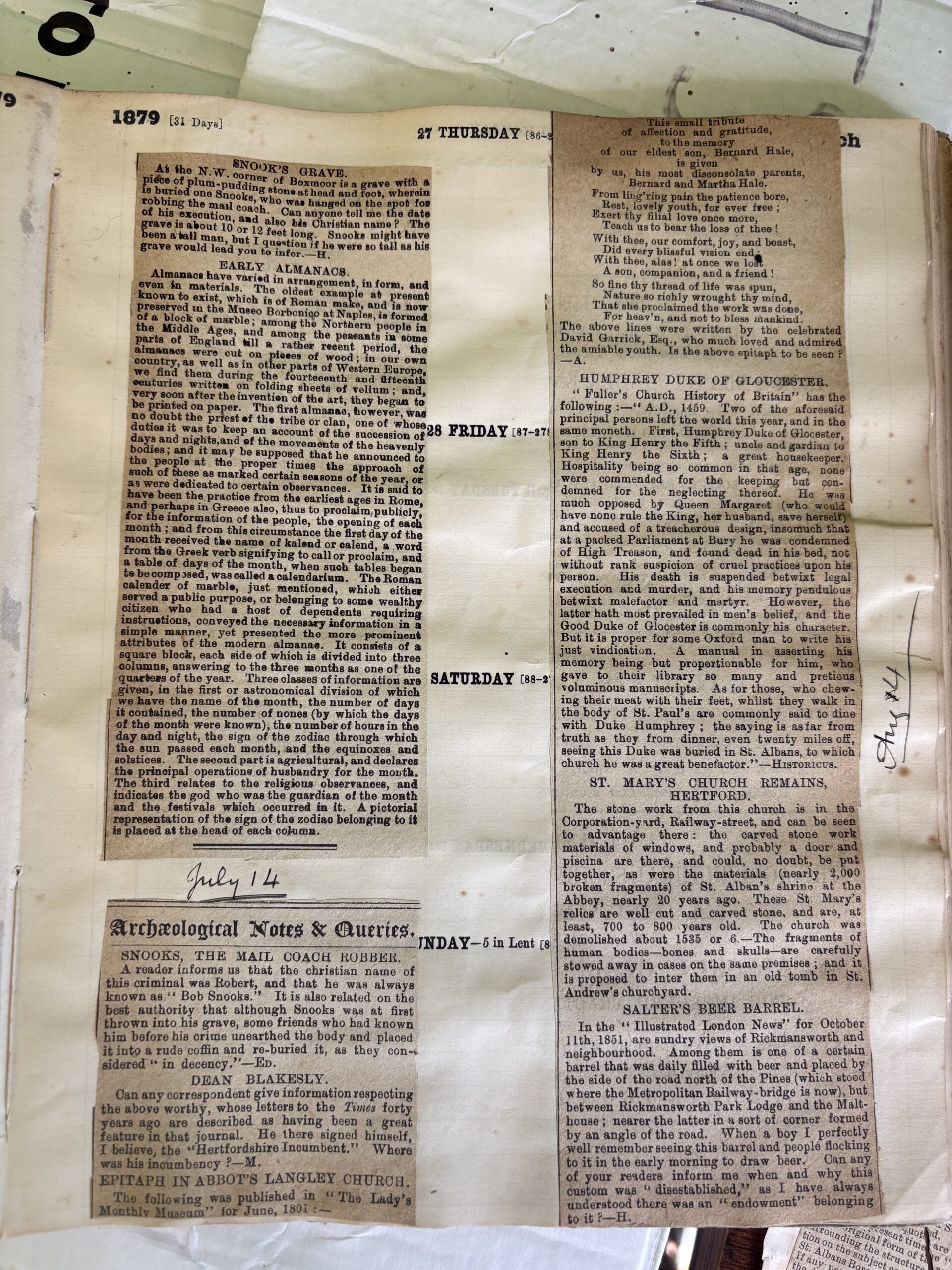
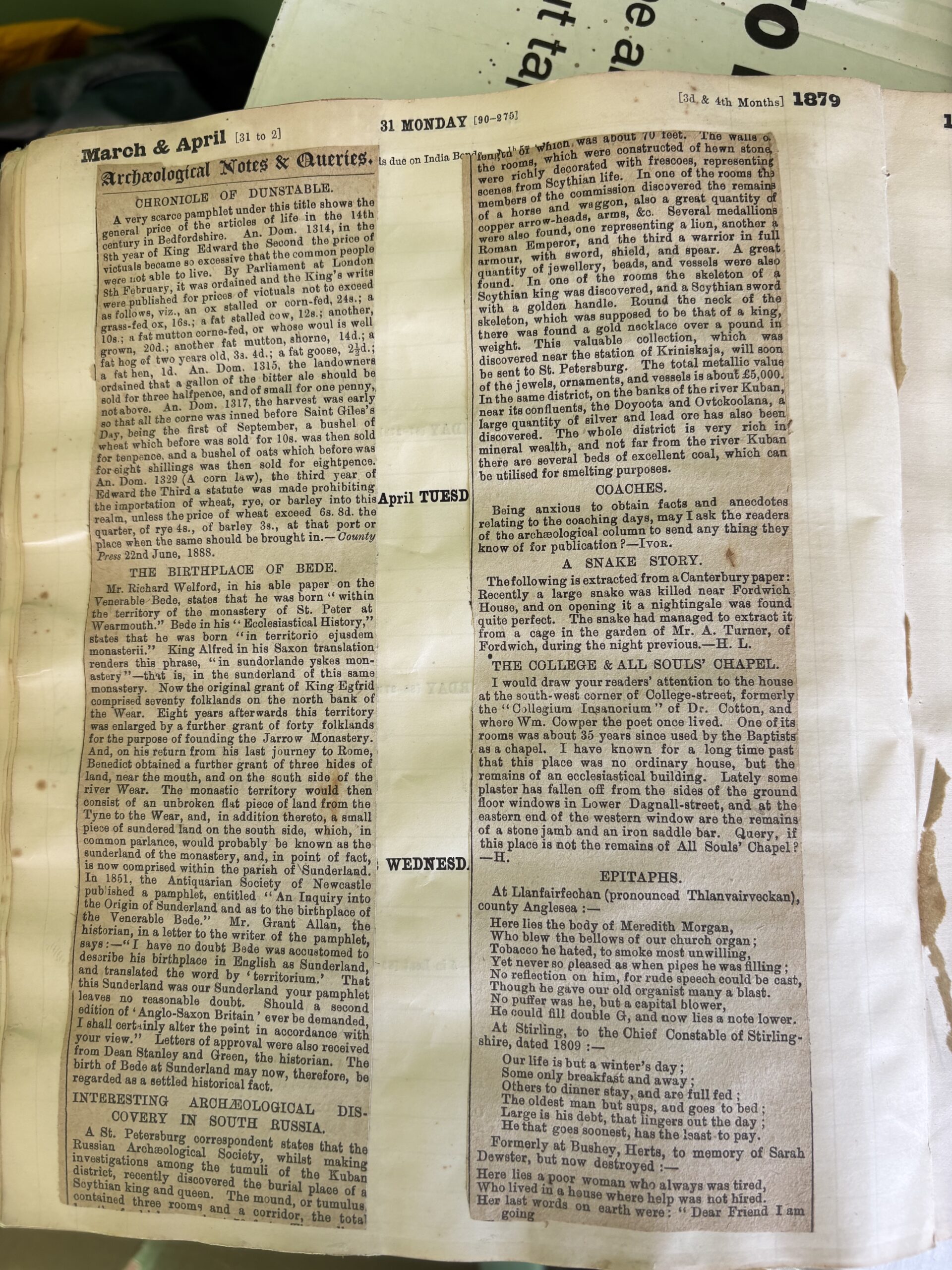
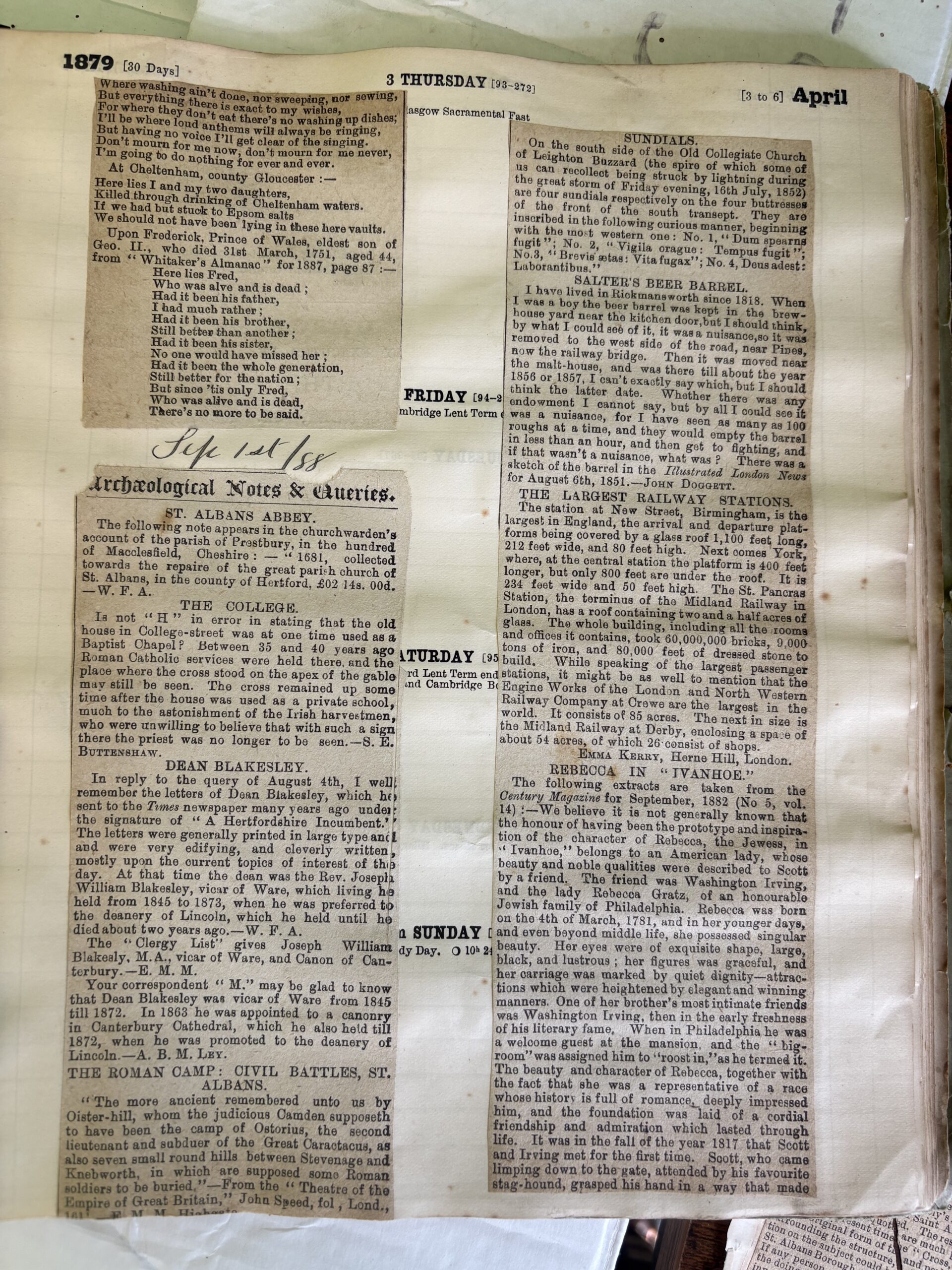
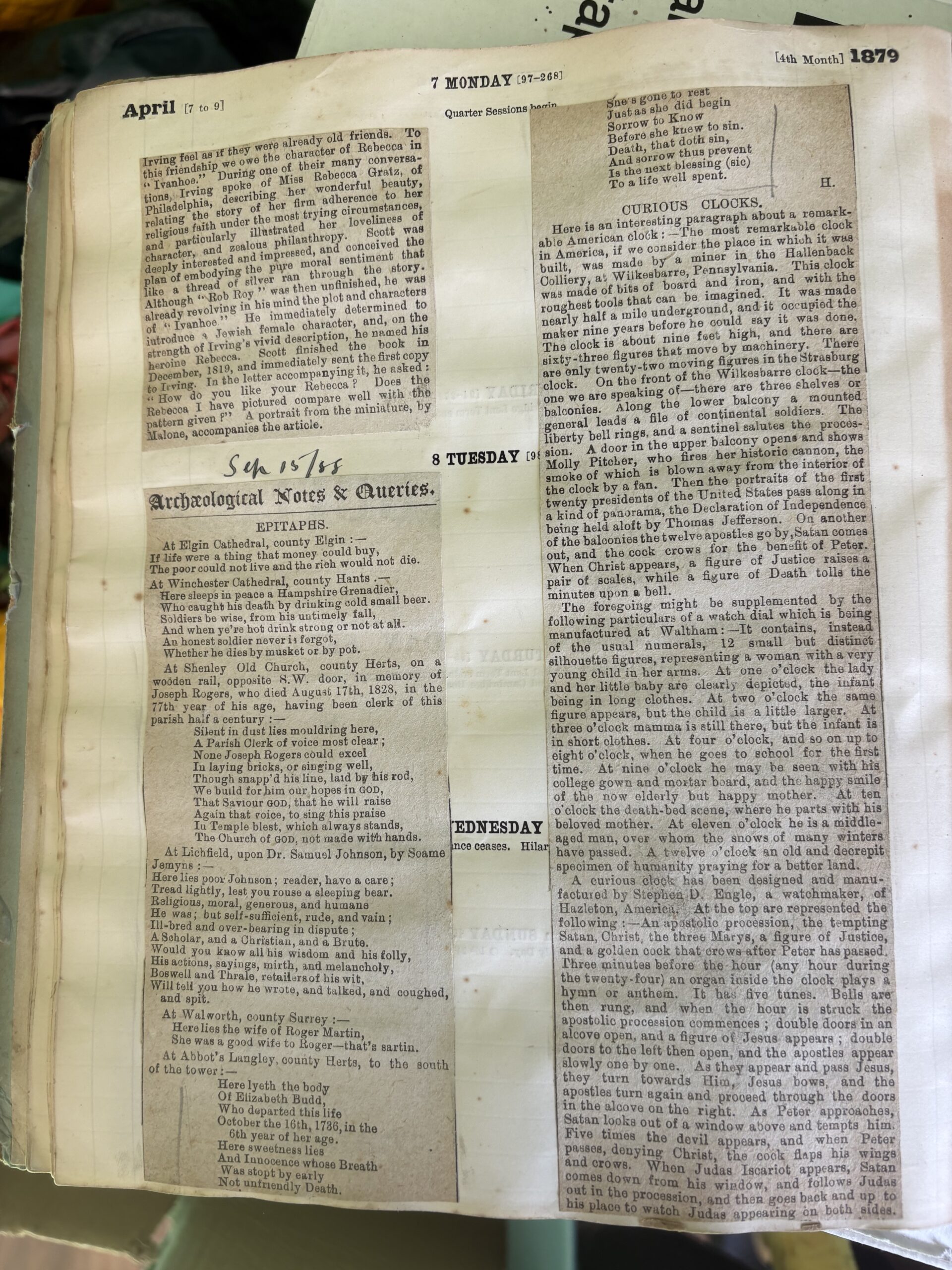
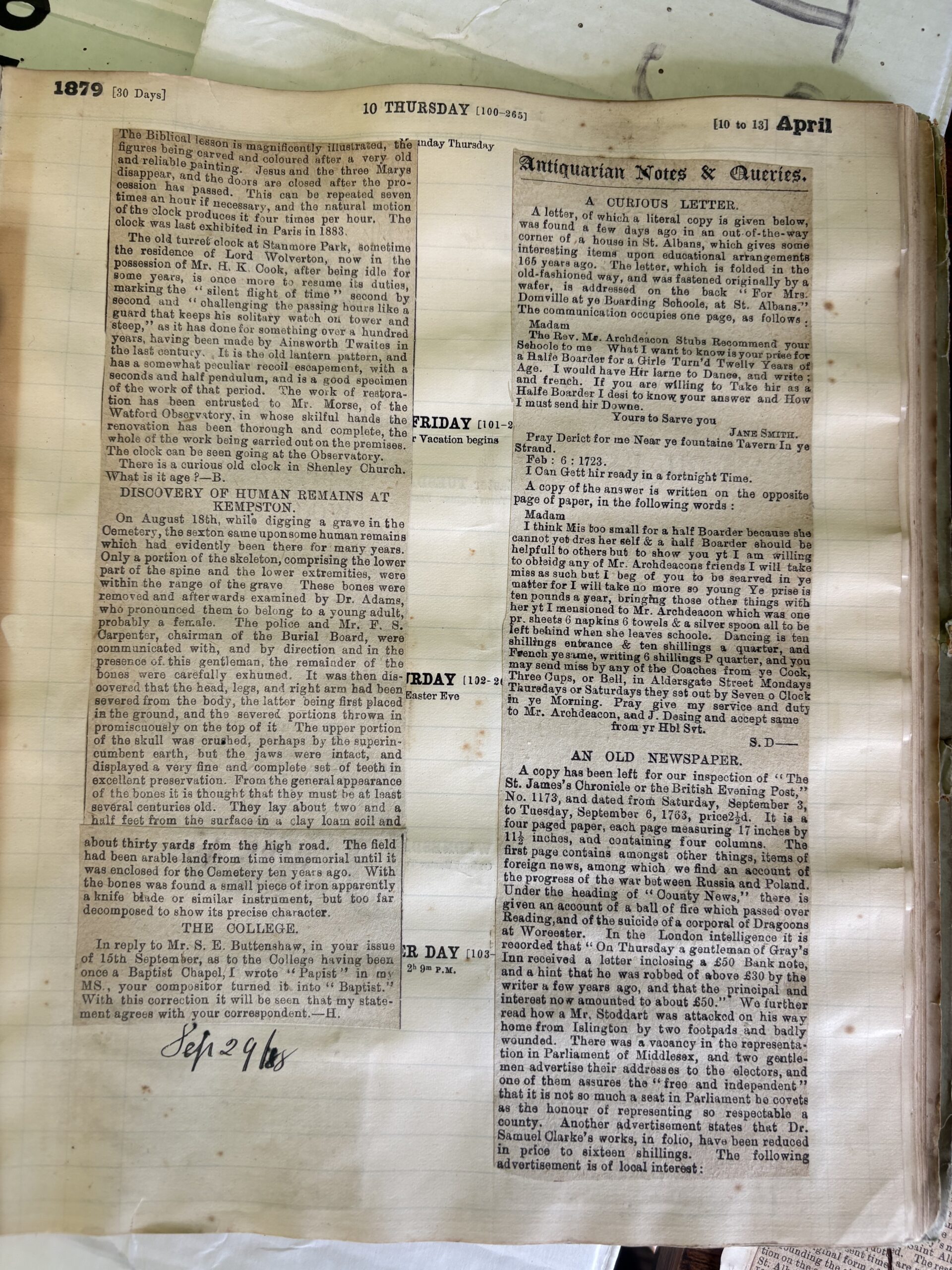
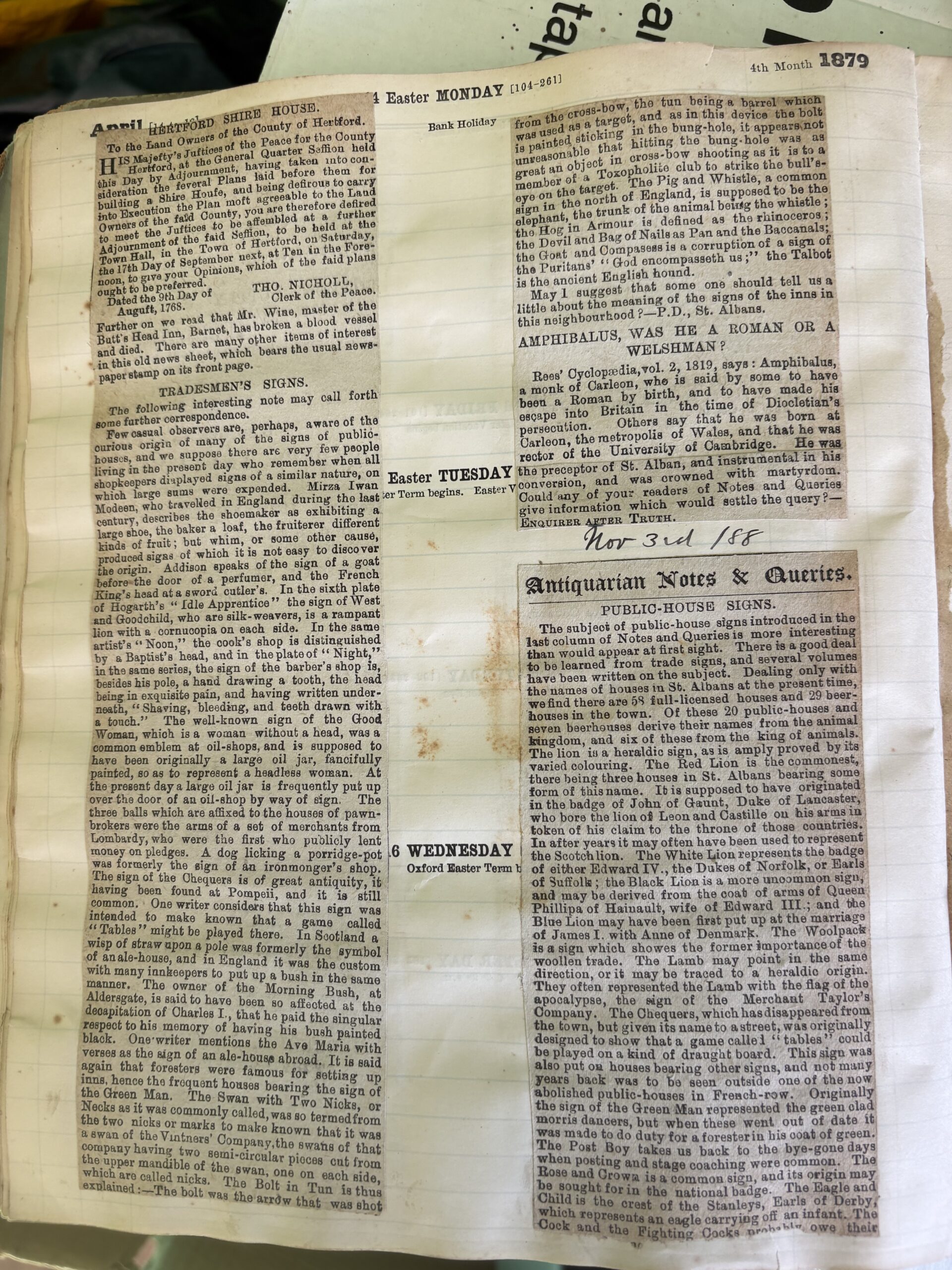
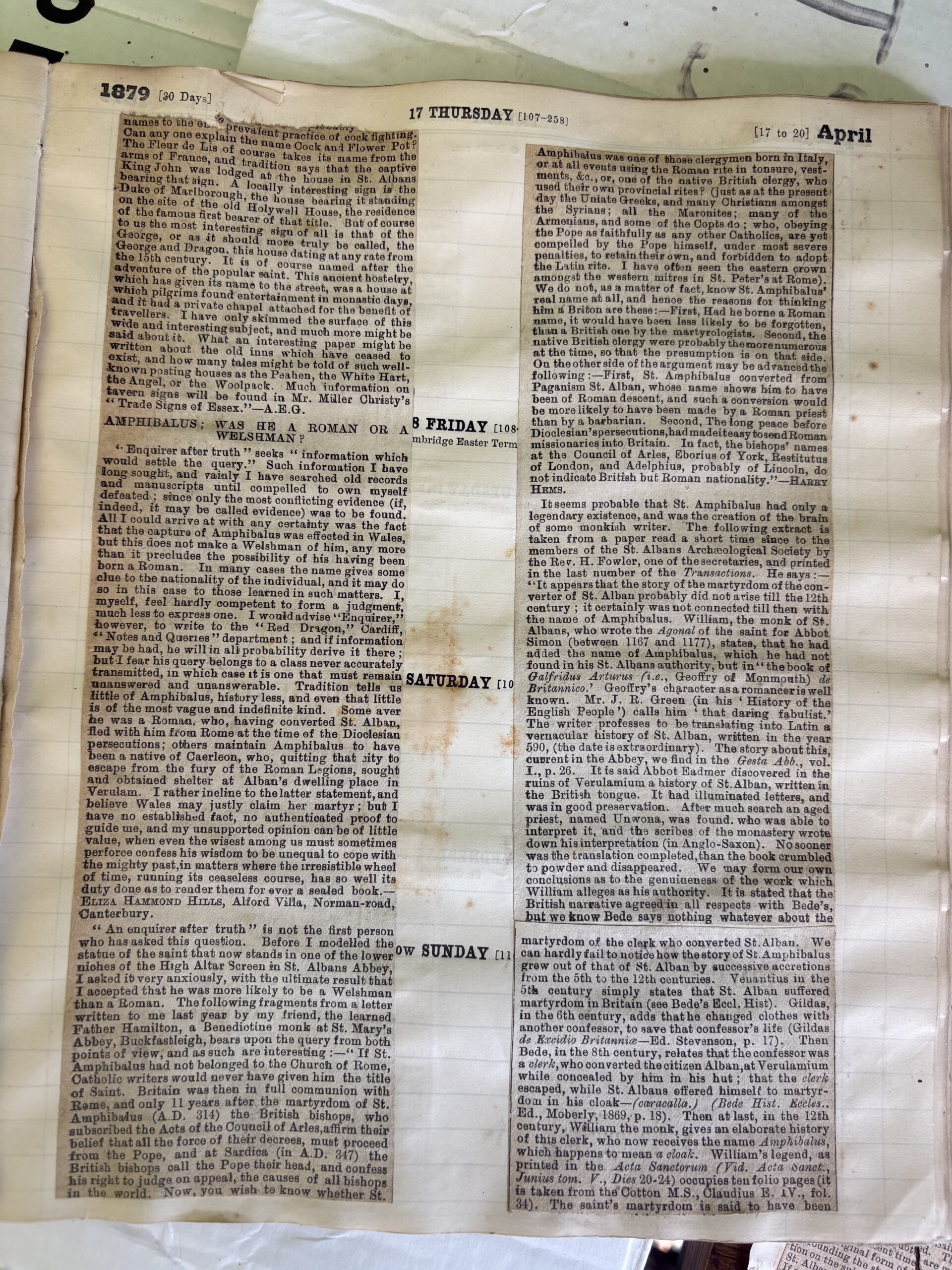
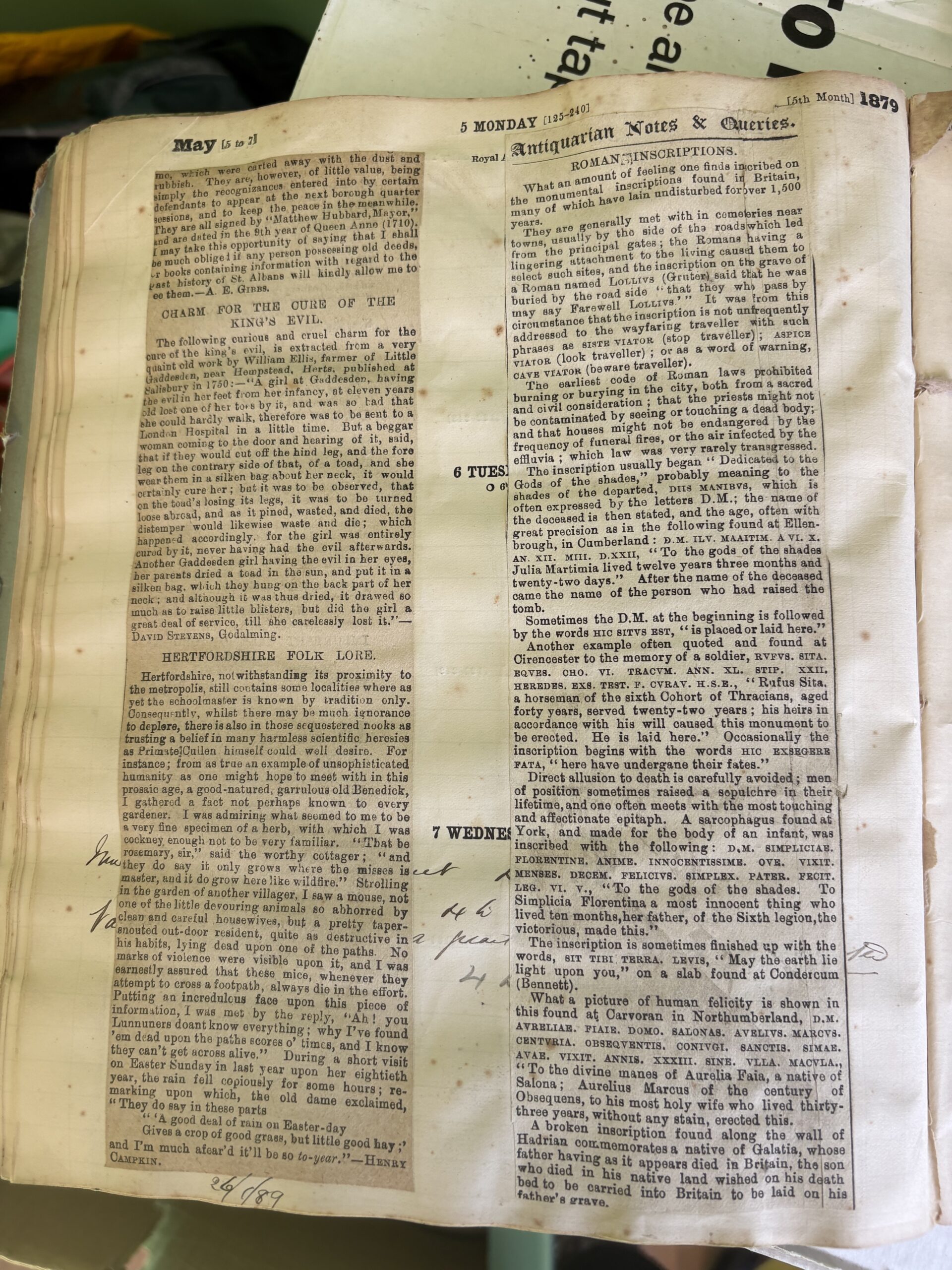
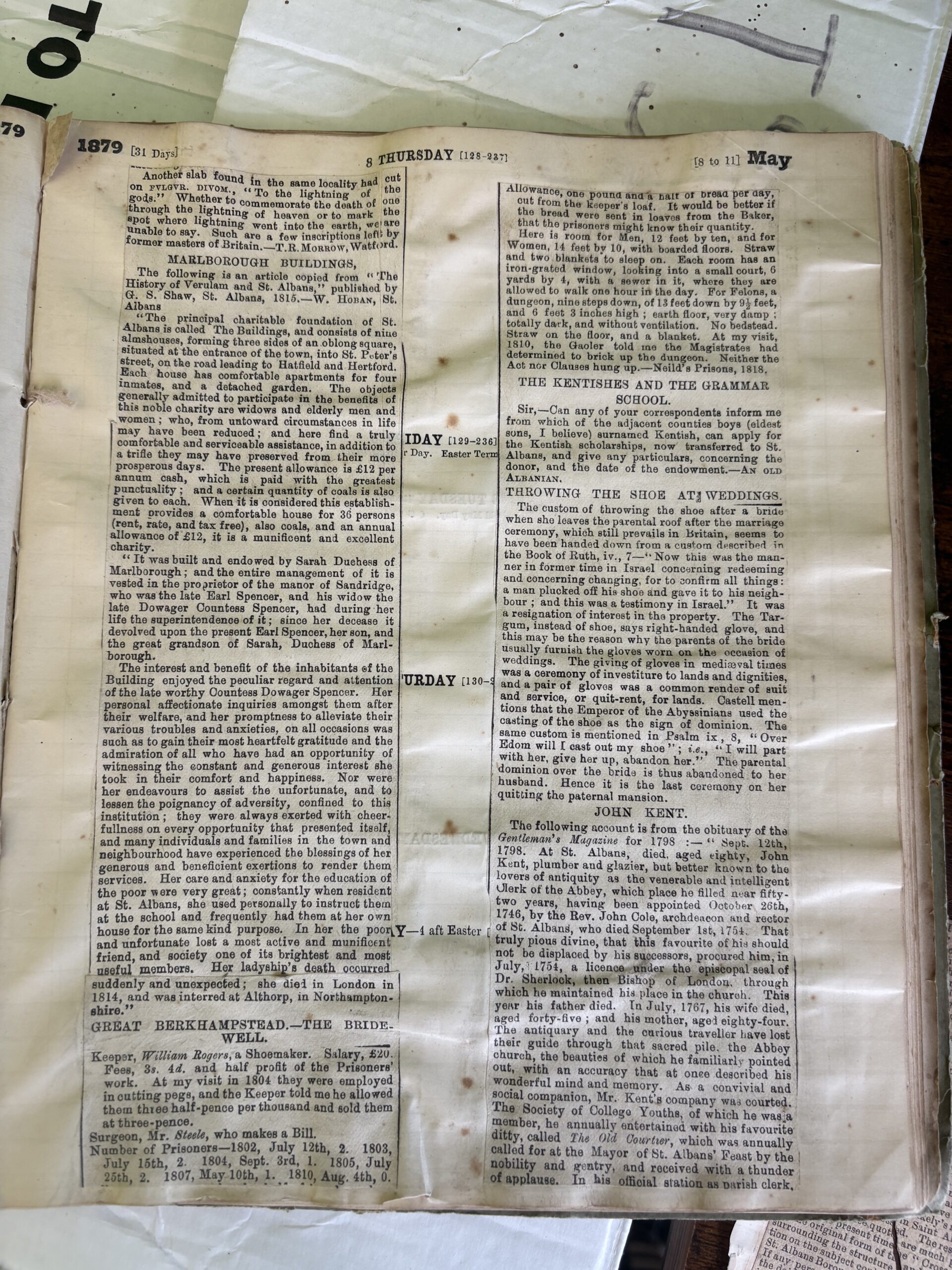
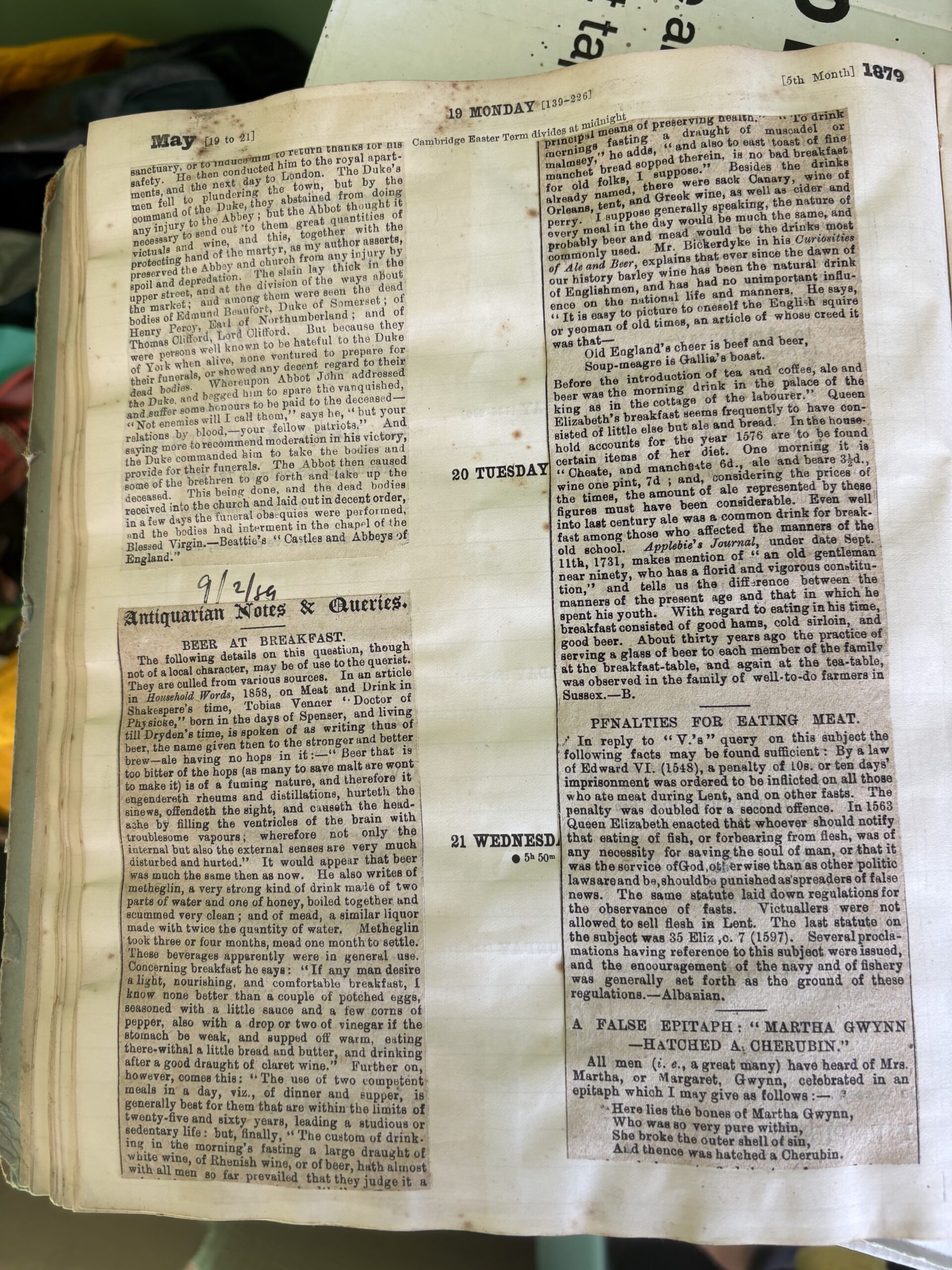
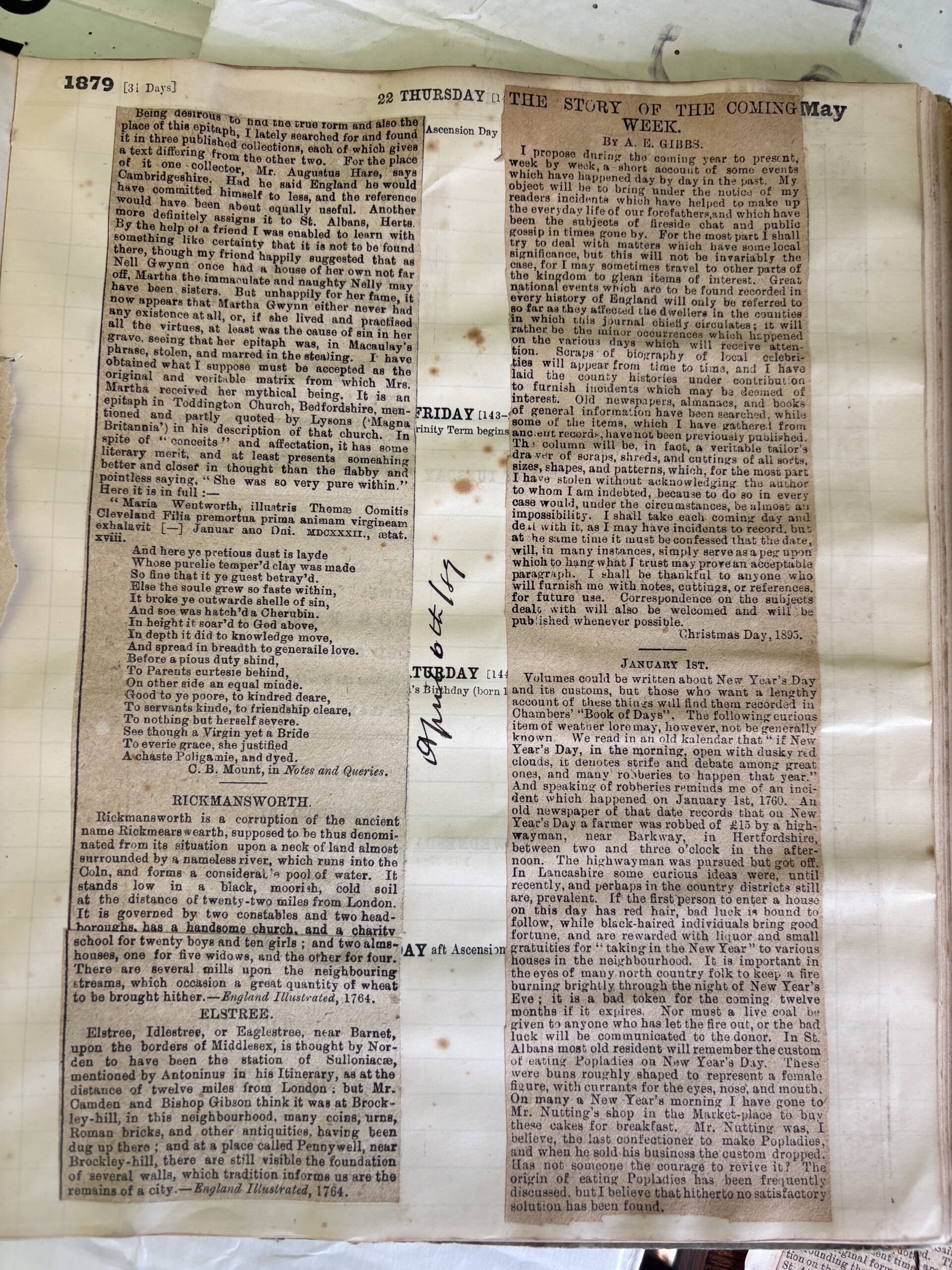
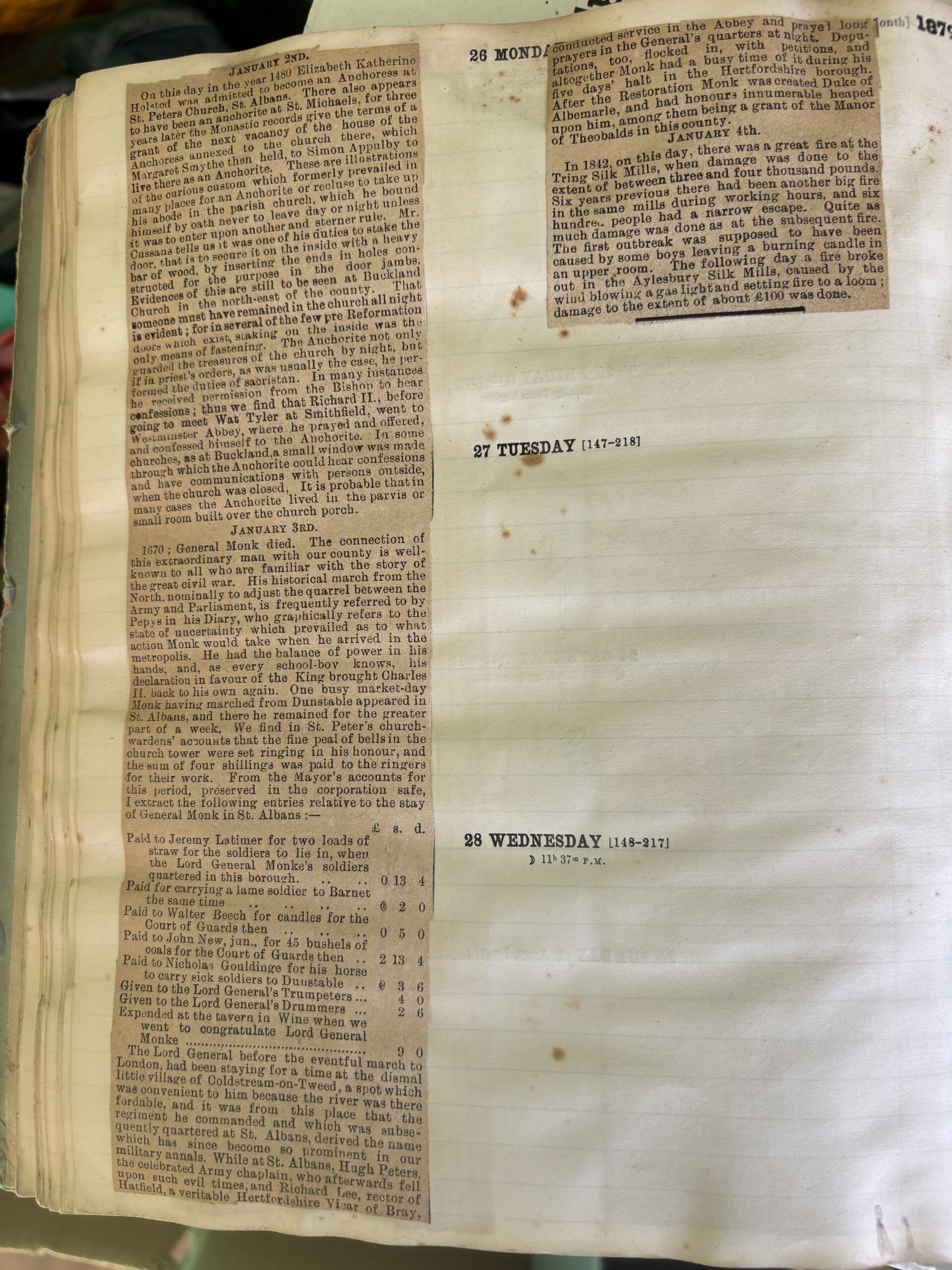
A collection of newspaper cuttings dating back around 150 years not only provide a fascinating insight into Victorian St Albans, but also provide invaluable correspondence on matters of local history which would otherwise be lost forever.
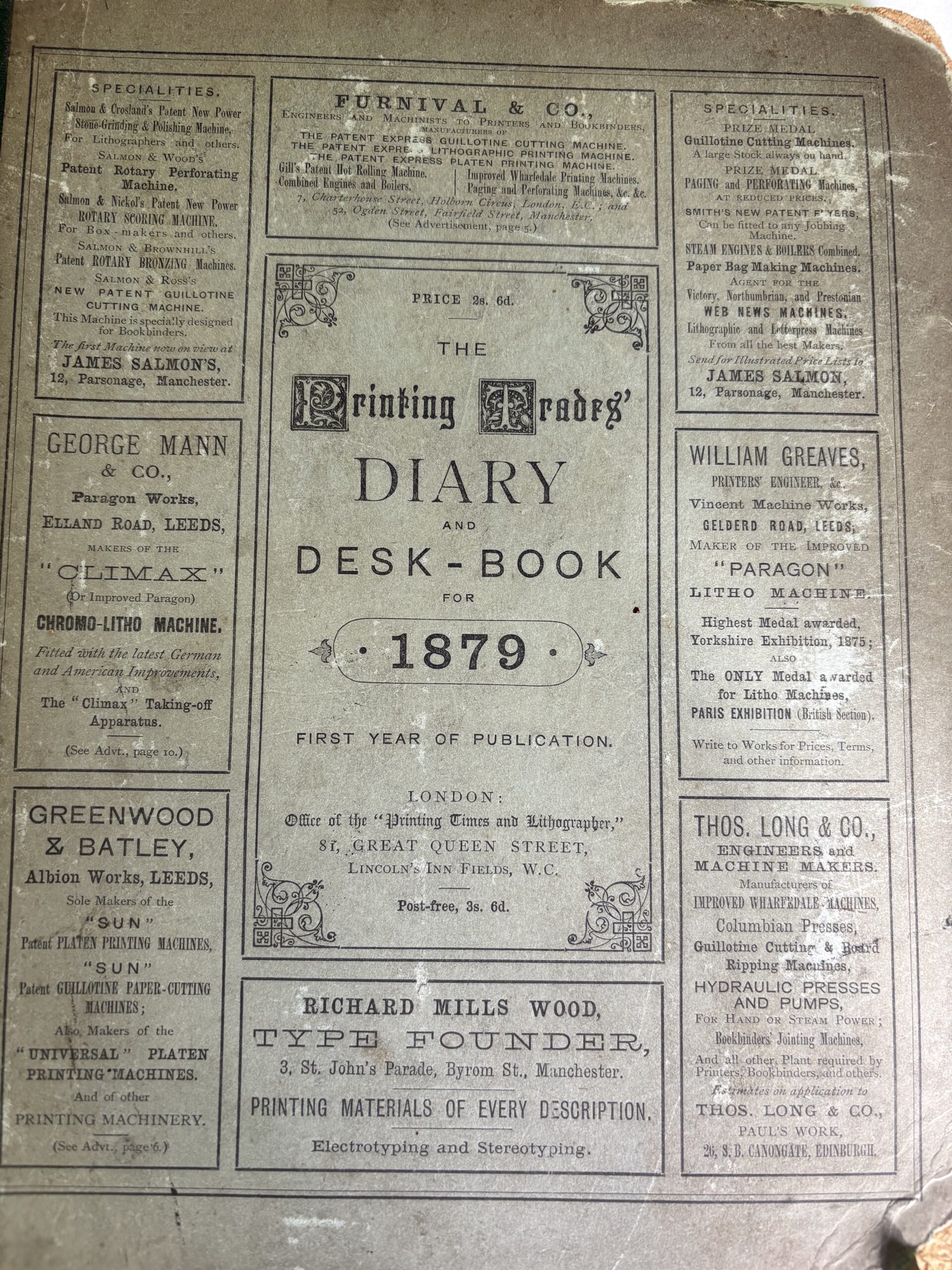
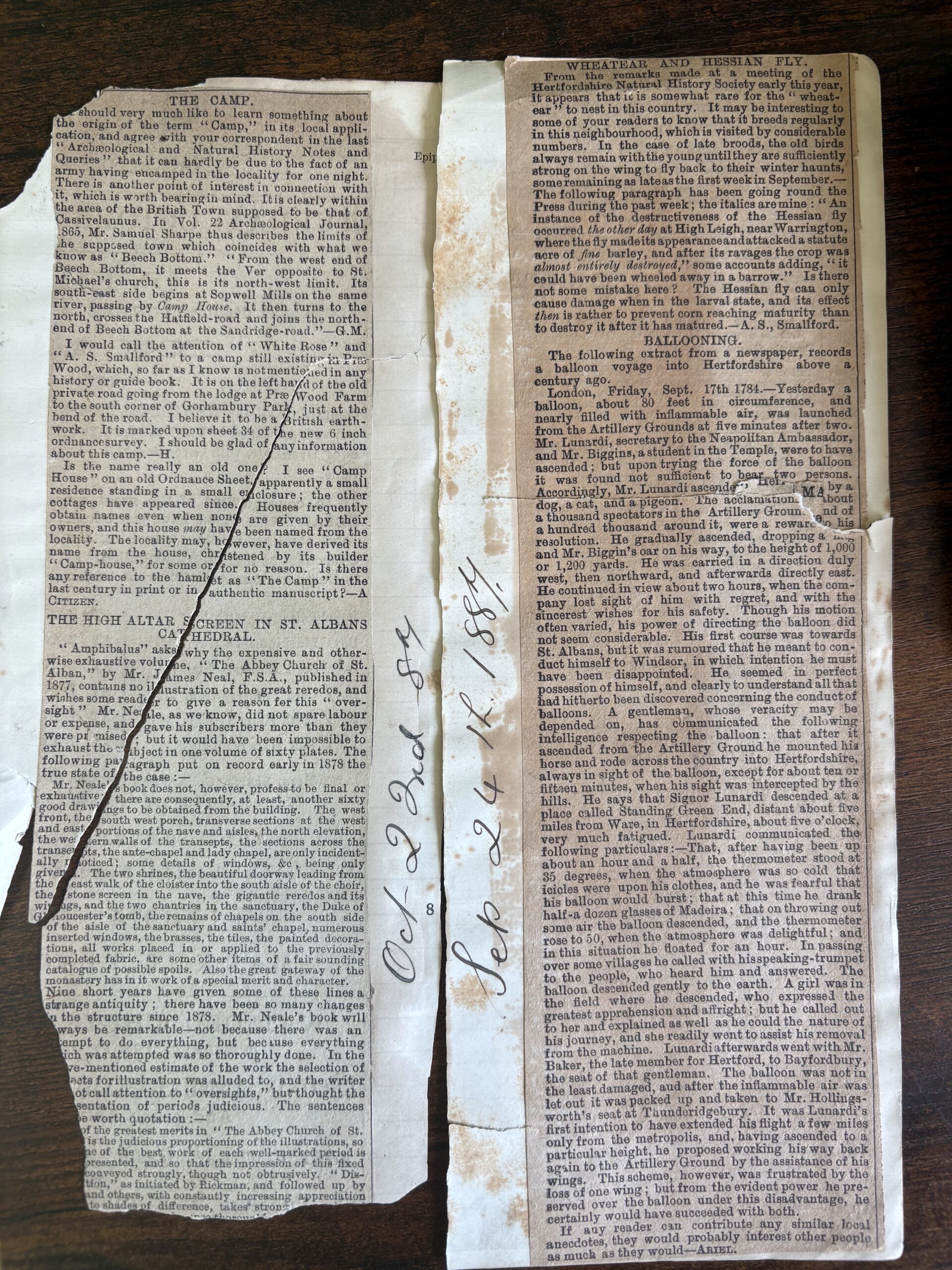
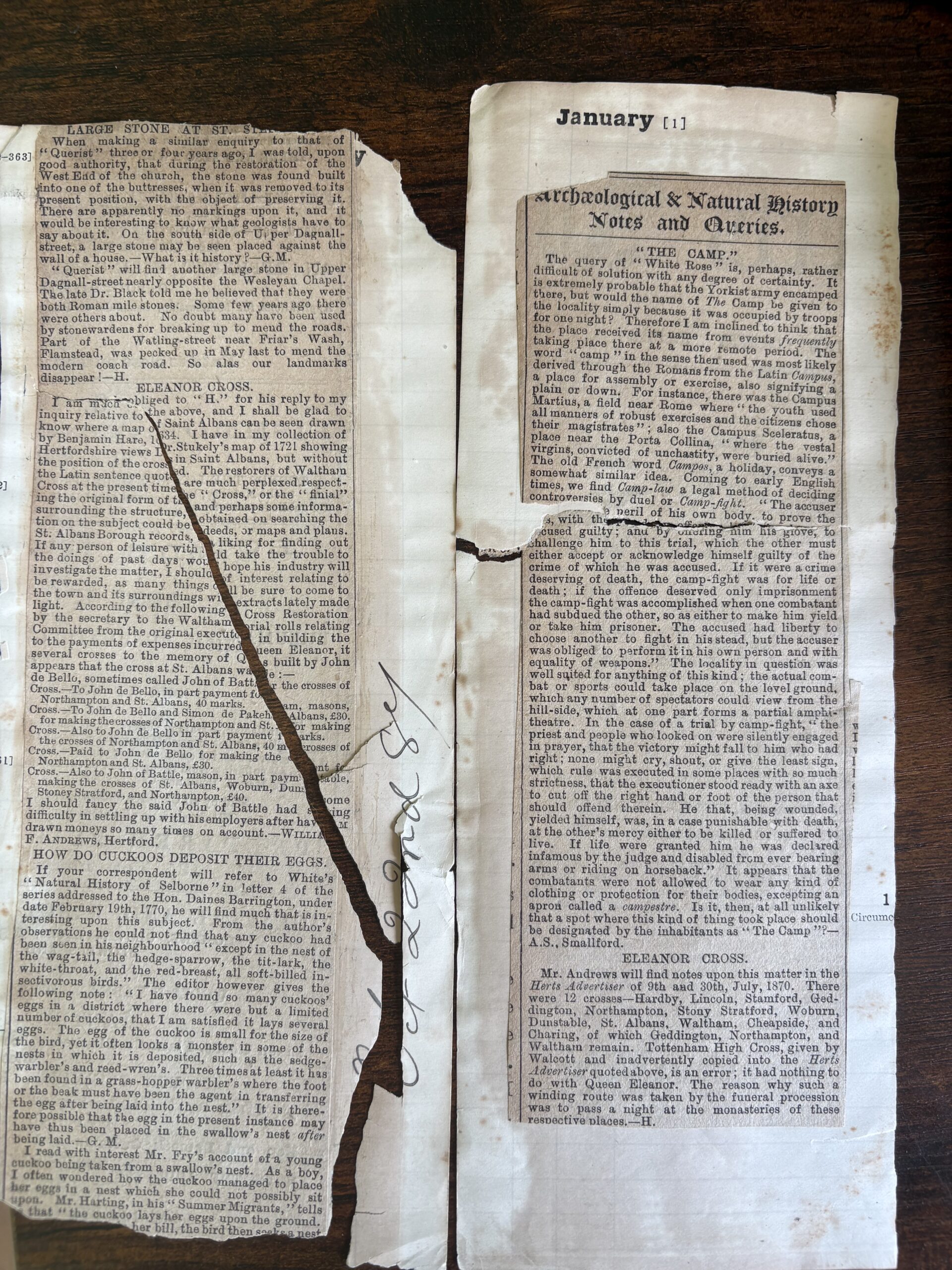
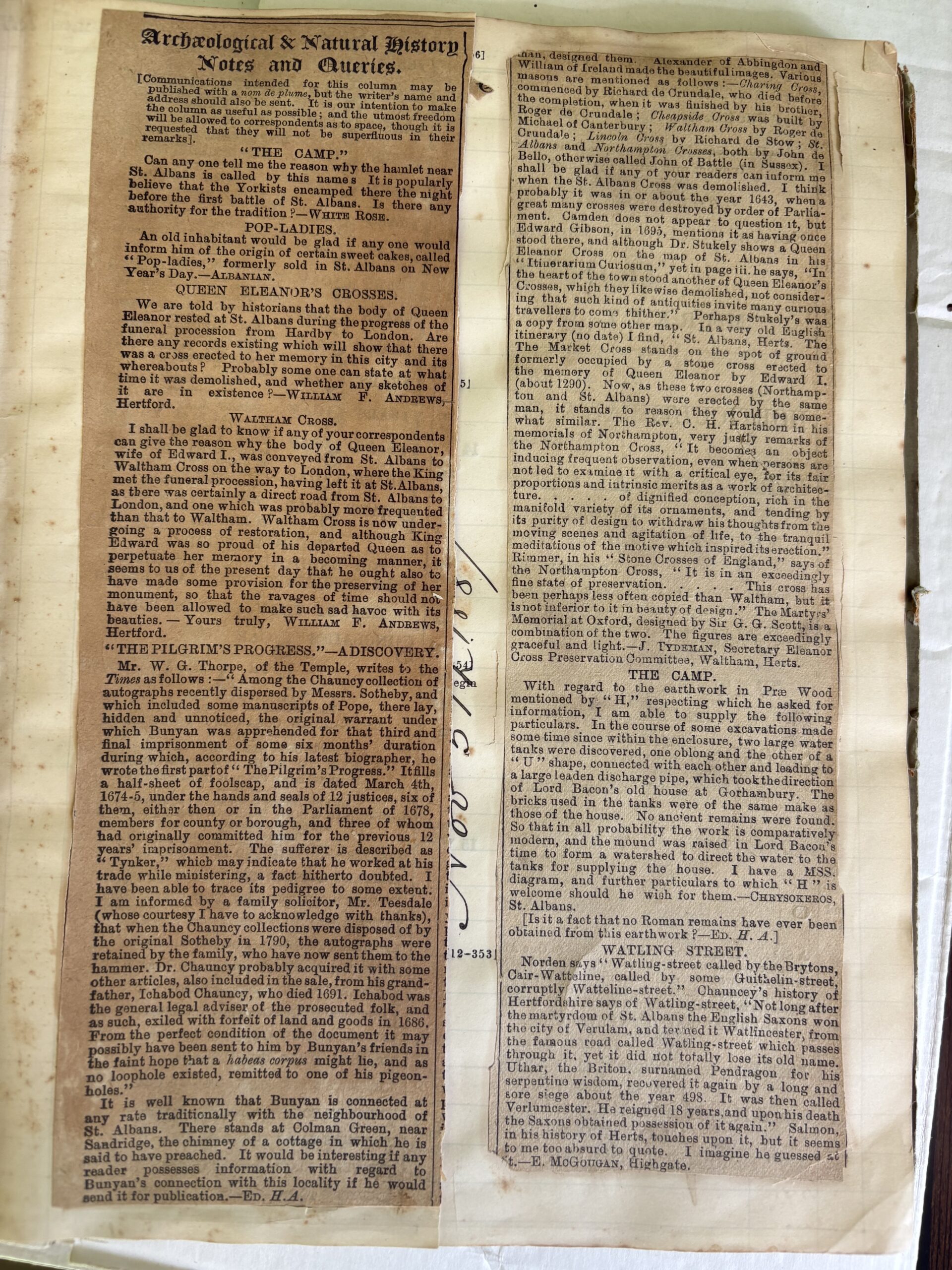
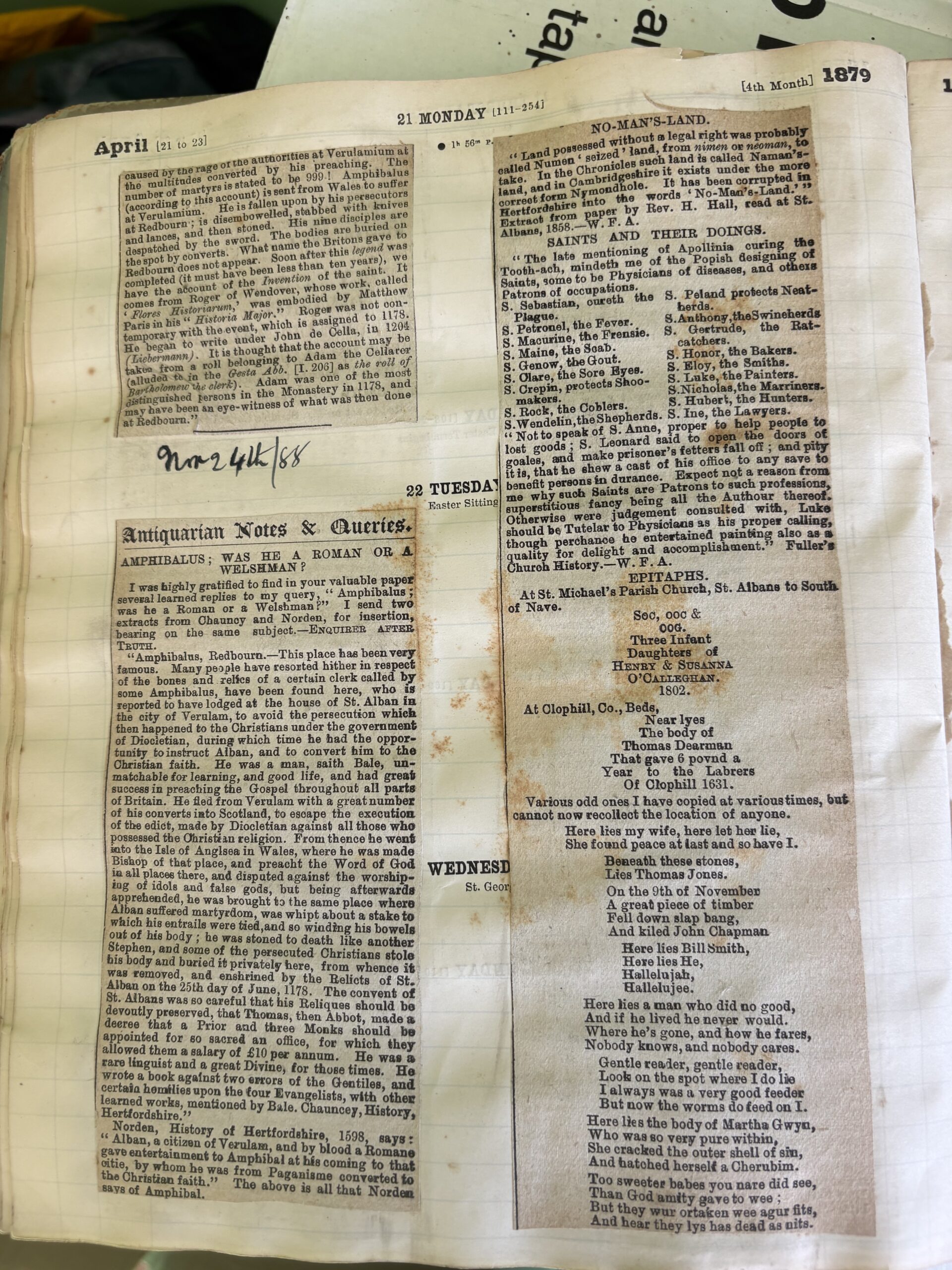
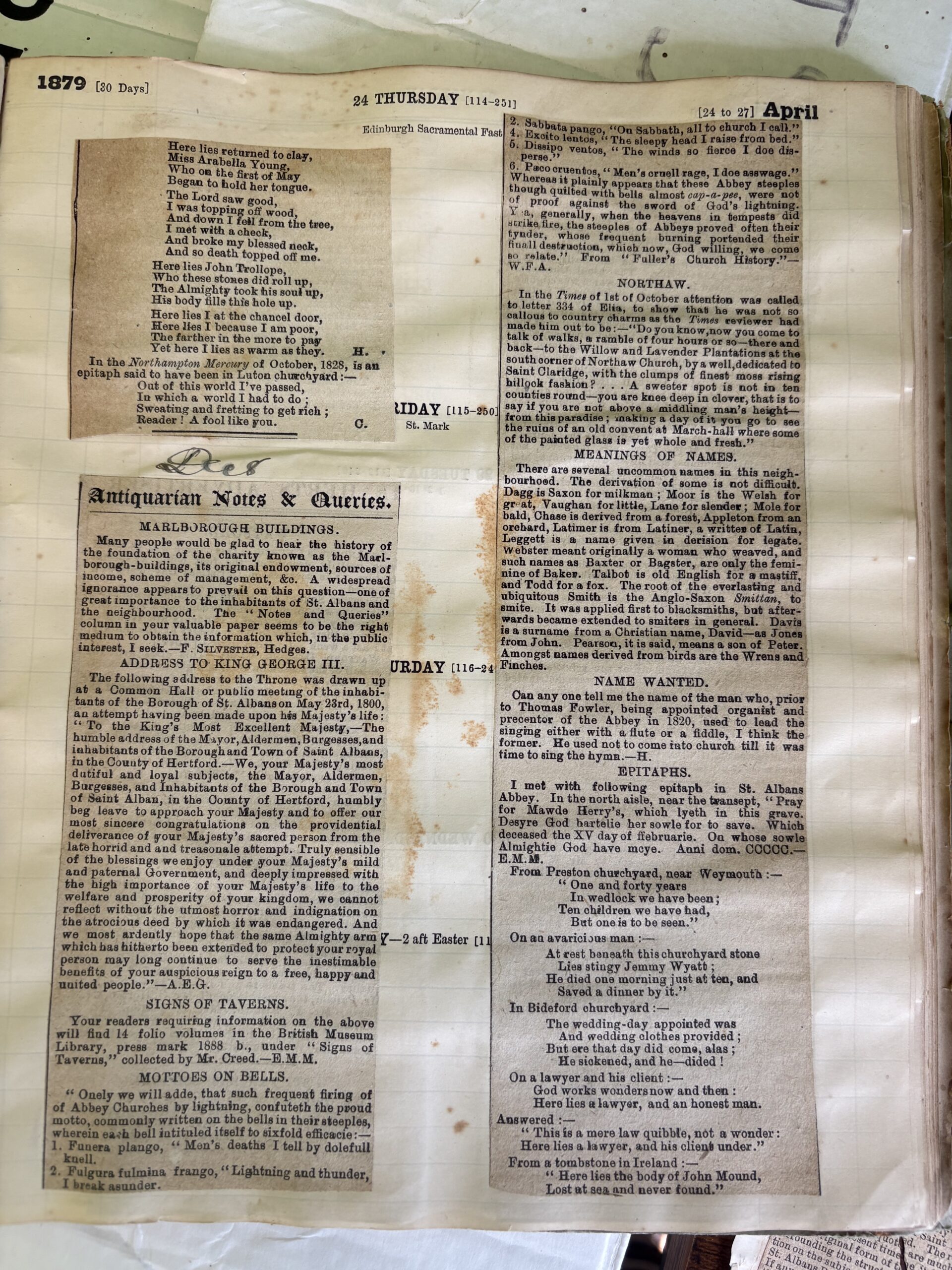
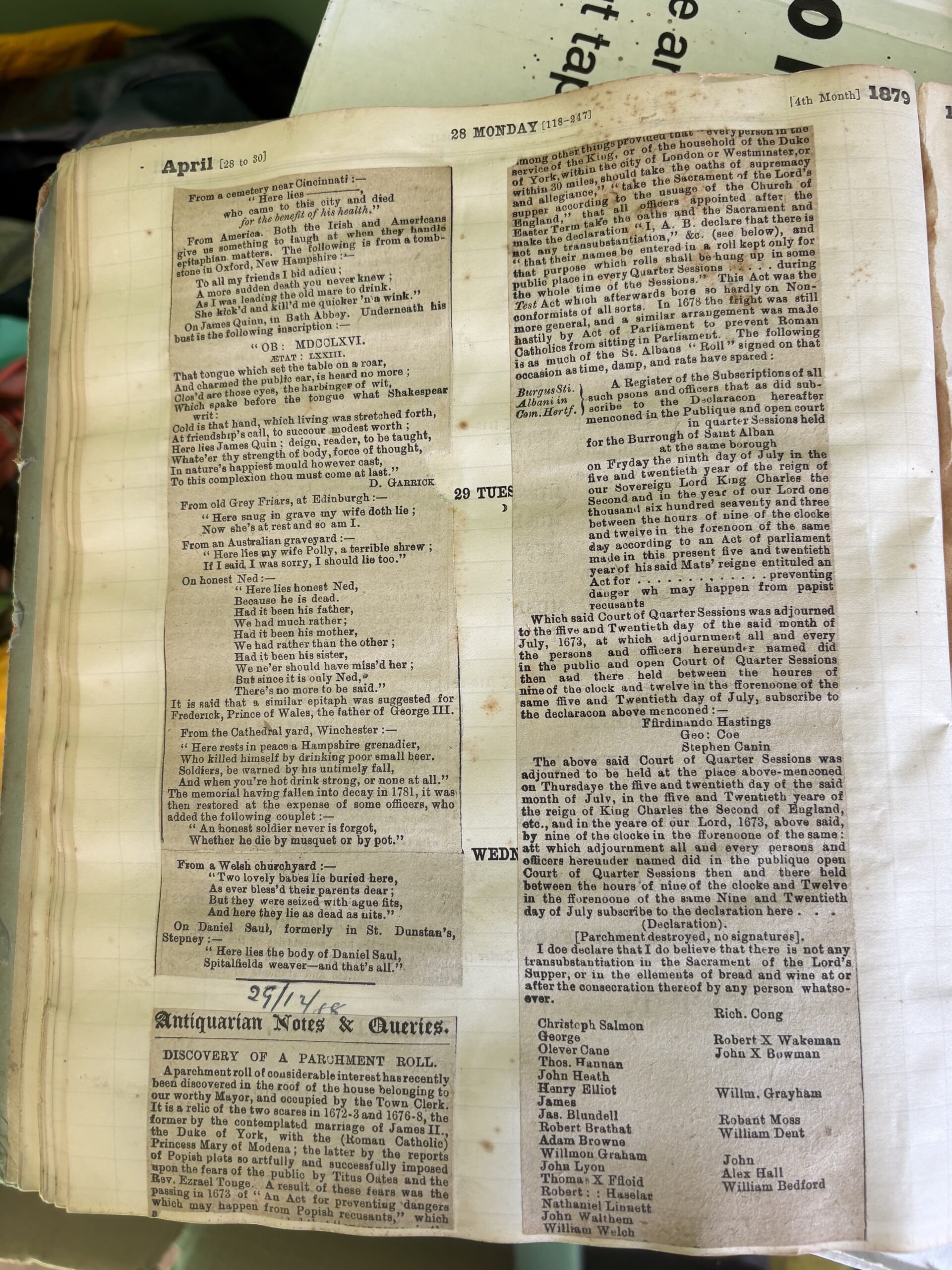
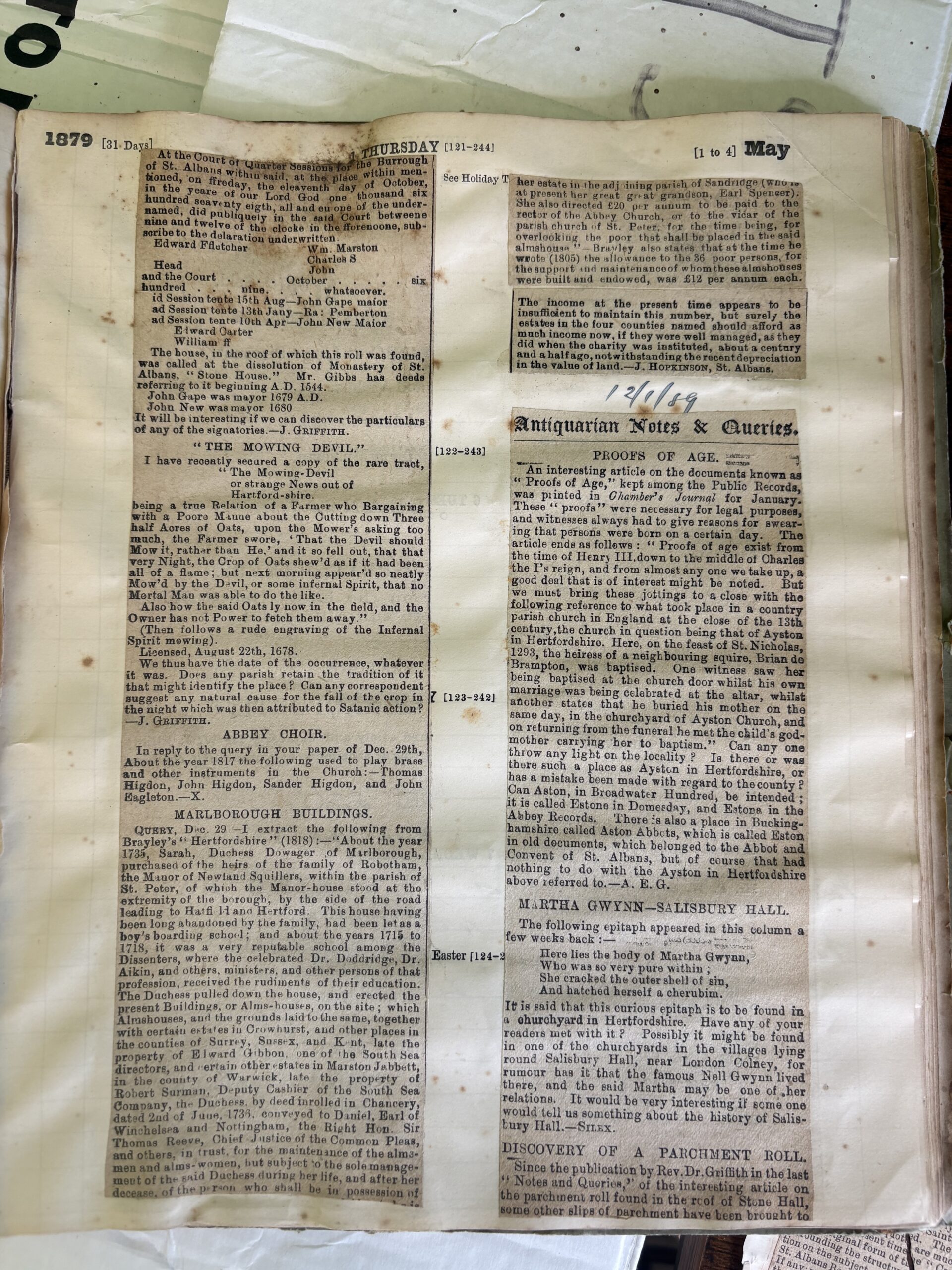
Mounted in a hardback edition of The Printing Trades’ Diary and Desk-Book for 1879 can be found instalments of a Herts Advertiser column entitled ‘Archaeological & Natural History Notes and Queries’ then latterly ‘Antiquarian Notes & Queries’, with handwritten annotations suggesting they date from 1887-89.
The original owner of the book is not known, although it comes from the collection of the late HA reporter Beryl Carrington, and is now in the possession o her great-nephew Andy Lawrence.
Columns are made up of personal anecdotes, extracts from primary evidence like diaries, books, magazines and newspapers, and questions posed by readers on specific subjects, albeit often using pseudonyms.
Some of the publications referred to for evidence are worthy of mention themselves: The Gentleman’s Magazine for 1798, Beattie’s Castles and Abbeys of England, England Illustrated (1764), Applebie’s Journal of September 11 1731.
Different exchanges may prompt a variety of responses, for example, one focuses on the background of “the hamlet” called The Camp, and whether Yorkists encamped there the night before the first Battle of St Albans.
AS Smallford writes: “It is extremely probably that the Yorkist army encamped there, but would the name of The Camp be given to the locality simply because it was occupied by troops for one night?
“Therefore I am inclined to think that the place received its name from events frequently taking place there at a more remote period.”
They suggested the name was derived from the Latin Campus, meaning a place for assembly or exercise, or a plain or down, or maybe the early English idea of a camp-fight, a legal method of deciding controversies by duel.
Another correspondent highlighted the existence of a camp in Prae Wood which was not mentioned in any history or guide book: “It is on the left hand of the old private road going from the lodge at Prae Wood Farm to the south corner of Gorhambury Road… I believe it to be a British earthwork.”
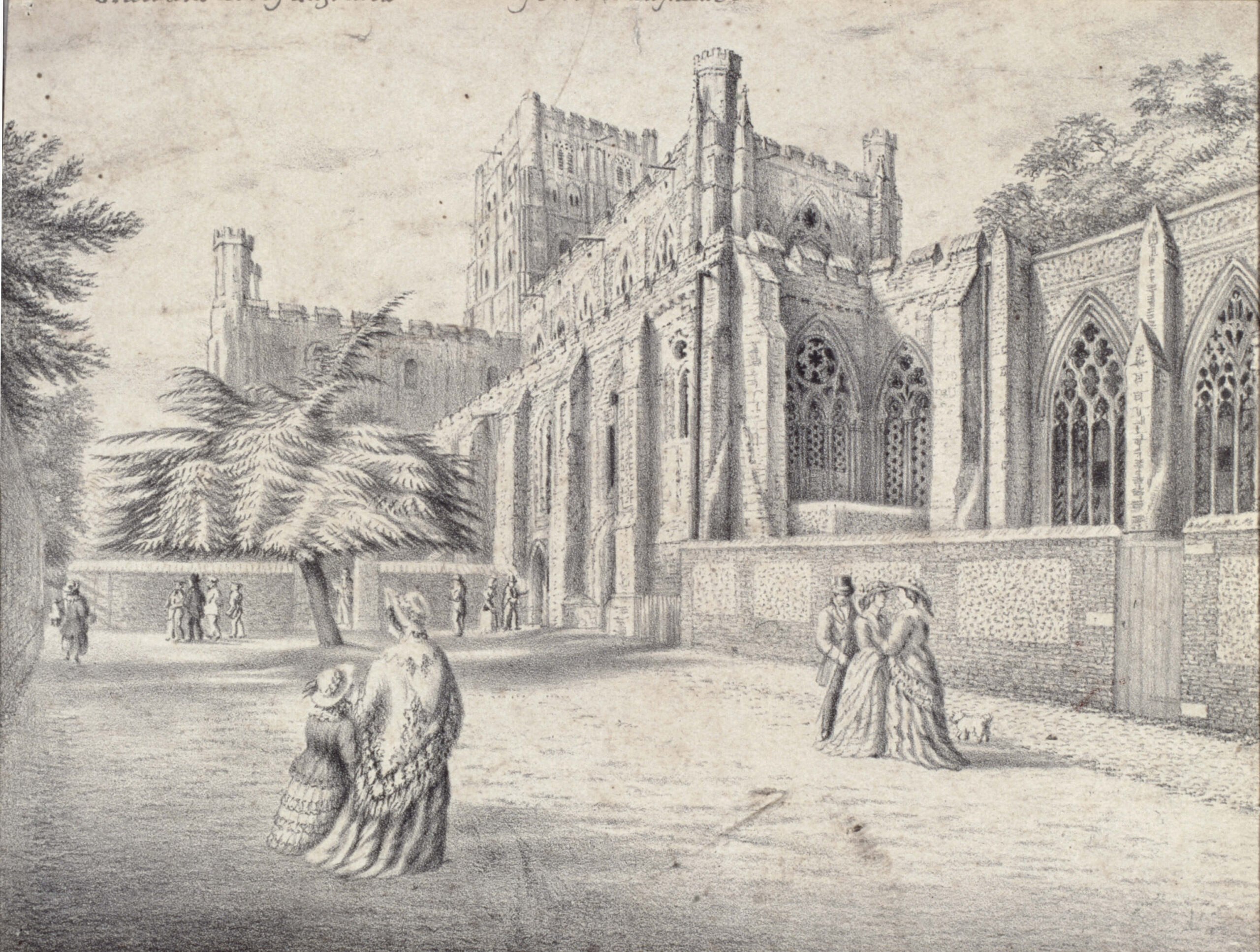
“What are the origins of sweet cakes called “Pop-ladies” formerly sold in St Albans on New Year’s Day?” was another long-running question.
“The custom of selling these cakes on New Year’s Day has only lately gone out of fashion,” said ‘An Old Reader’, “The origins of it seem to be involved in mystery. As long ago as March, 1866, a similar question appeared in your columns, and even then it was not answered. The writer then described these cakes as being ‘a sweet, although rude, resemblance to the human form, currents being stuck in to represent mouth, nose and staring eyes.”
“A friend informed me that the custom arose from a desire to perpetuate the saintly memory of two good women, who were full of good works and alms deeds, whose name was Pope, living in Holywell-hill,” wrote EMM Highgate, but admitted they could not confirm the story.
Another correspondent suggested Popladies were gingerbread effigies of Pope Joan and sold at the St Albans fair.
Some of the questions are more obscure, such as do Italian plants brought by Roman Legionnaires to Verulamium still appear in the local meadows?
Referring to mention of anchors having been found in the river Ver at St Albans, ‘A Constant Reader; asked if any correspondents can provide any information showing that the river was ever navigable?
GMM replied that Alfric, the 7th Abbot of St Albans, purchased the land between Verulam and the Abbey, which was known as the Fishpool and attracted visitors from court, including the King, with large boats moored in the waters. But the hospitality expected of the monastery proved a burden on the abbot, who eventually had the land drained.
A query about the prevalence of sundials in local churches revealed there was once one in the tower of St Peter’s Church, on the east side of the south window of the belfry.
A different reader asks: “Is there anything visible tending to confirm the horrible statement that an anchorite [a religious recluse] was mewed up on the west side of the south transept of St Albans Cathedral?”
Other extracts are included just out of interest, such as an address to the Throne read out at a public meeting on May 23 1800 following an unsuccessful attempt on the life of King George III.
Another story reveals: “Many years ago what is now one of the warehouses of No 7 High-street was a cottage wherein lived one Thomas Birch, a basket maker, but he was usually called ‘Twiggy Birch’; he constructed a very clever staircase of wicker work around the spire when the weather clock required repairing, and finished it 21st October, 1786. The spire was taken down in 1833.”
Then there is the following tale: “In the autumn of 1765 James Quin and David Garrick went one fine day for an outing to St Albans, and in due course paid a visit to the minster. Among other things they were shown Duke Humphrey’s bones, then lying in a pickle. Quin, who was remarkably fond of good living, expressed his regret that so much pickle should be wasted upon a dead man.”
The writer adds that after they had returned to their inn and partaken of a good dinner and were sitting over their wine, Garrick took out his pencil and penned ‘Quin’s soliloquy’ on how rich wines and spirits were wasted on the dead and it was far better to be pickled when alive.
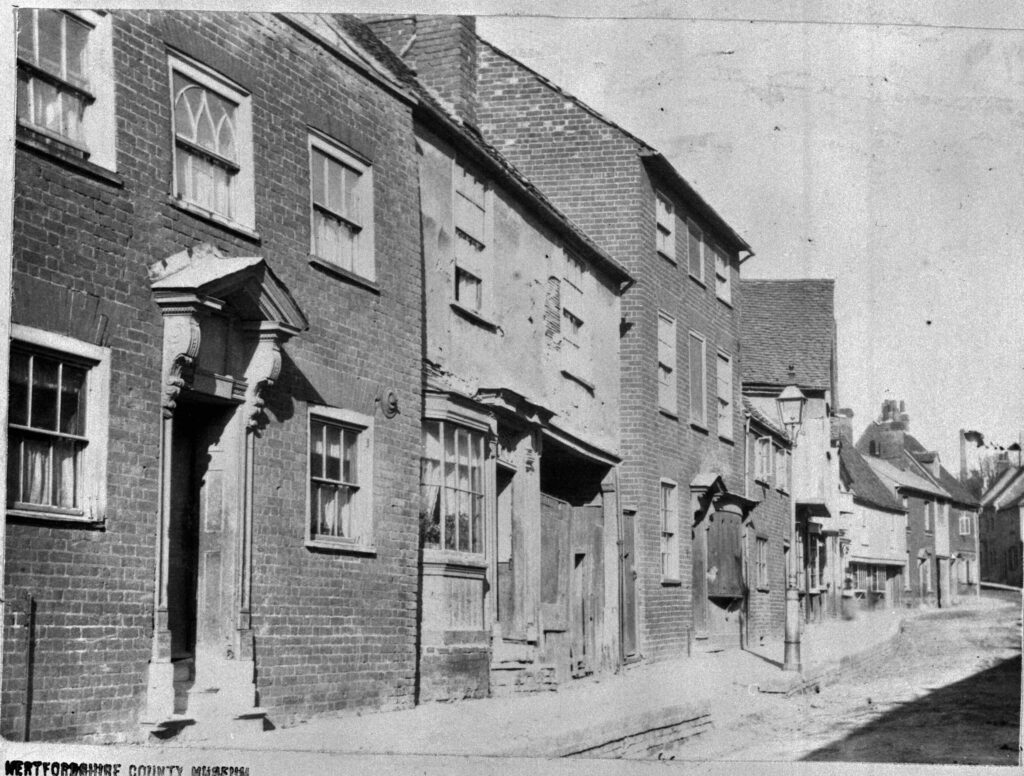
Some make reference to contemporary events: “Lord Grimthorpe seems determined to destroy every vestige of this Abbot’s architecture… [referring to Abbot John of Wheathampstead] all the great windows have gone, the nine widows of the north aisle of the nave, and now recently the two eastern windows of the north transept… Every chance that can be seen is eagerly seized to destroy the original, and in its place introduce some abominable monstrosity… Every day almost adds some item to the black list of iconoclasm at the Abbey…”
A reference to the “Collegium Insanorium” of Dr Nathanial Cotton in College Street suggests the building is the remains of All Souls’ Chapel, used by local Papists. “I have known for a long time past that this place was no ordinary house, but the remains of an ecclesiastical building.”
SE Buttenshaw confirms: “Between 35 and 40 years ago Roman Catholic services were held there, and the place where the cross stood on the apex of the gable may still be seen.
“The cross remained up some time after the house was used as a private school, much to the astonishment of the Irish harvestmen, who were unwilling to believe that with such a sign there the priest was no longer to be seen.”
Also worth noting are the references to old letters and documents discovered squirrelled away in the city’s various buildings, including a 165-year-old letter requesting a place at a girls’ boarding school for the author Jane Smith’s daughter to “larne to Dance, and write and French”, while a parchment roll relating to the Catholic “scares” of 1672-3 and 1676-8 was found in the roof of a house belonging to the Mayor and occupied by the Town Clerk.
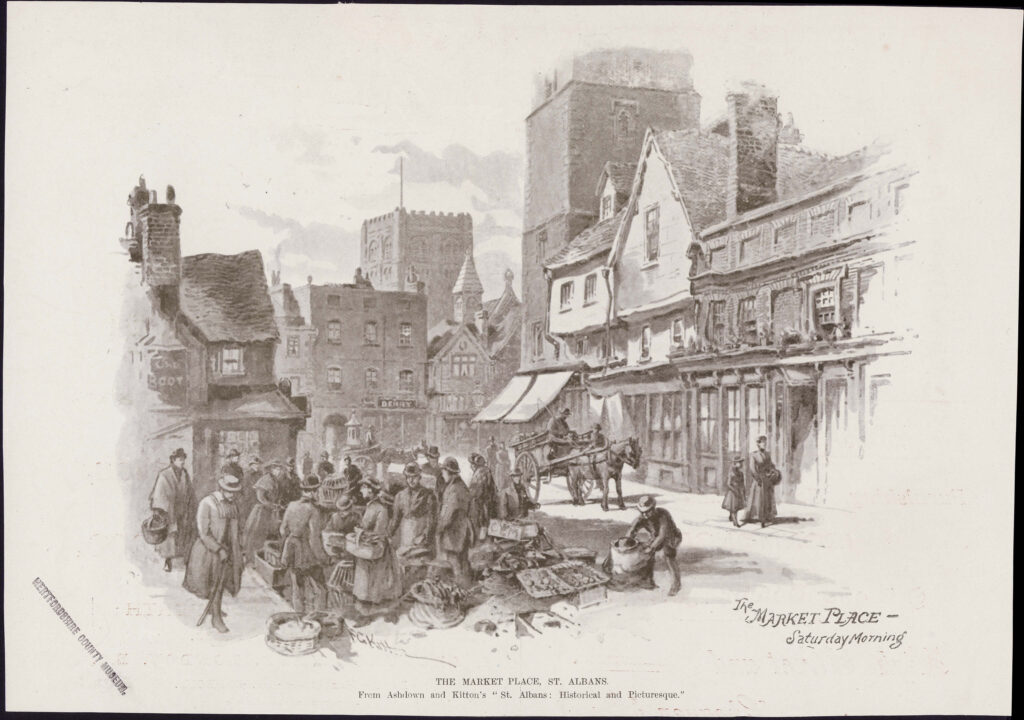
So too are the details about the history of local buildings which might otherwise be lost.
An extract quoted from Brayley’s Hertfordshire (1818), sheds new light on the past of the Marlborough Almshouses in Hatfield Road.
“About the year 1735, Sarah, Duchess Dowager of Marlborough, purchased of the heirs of the family of Robotham, the Manor of Newland Squillers, within the parish of St Peter, of which the Manor-house stood at the extremity of the borough, by the side of the road leading to Hatfield and Hertford.
“This house having long been abandoned by the family, had been let as a boy’s boarding school; and about the years 1715 to 1718, it was a very reputable school among the Dissenters, where the celebrated Dr Doddridge, Dr Aikin, and others, ministers, and other persons of that profession, received the rudiments of their education.
“The Duchess pulled down the house, and erected the present Buildings, or Alms-houses, on the site…”
Another entry relates to Sopwell ruins: “Is not the oblong space planted round with trees near the Great Northern railway and close to the ruins of St James Lee’s house, an ancient fishpond? The inlet from the Ver is still to be discerned, and with very little expense it might be made a safe and convenient skating and curling pond, and a fishing pond in summer for subscribers, providing the owner would consent.”
The entries conclude abruptly on February 9 1889, despite the fact that half of the desk-book remains empty, leaving many of the latter questions unanswered.
Although it would be possible to pick up the threads of these missives by researching back issues on the microfiche at St Albans Library, having the weekly entries collated in this fashion is unquestionably unique, and we are honoured to be able to feature it within our pages.
Main photo: J H Buckingham – “St Albans Abbey”, 1853. Copyright: St Albans Museums