20 Sep 2025
Following previous features looking at those people buried at Fleetville Cemetery, the parish churches of St Albans and the Cathedral, we find out more about the history and burials of St Ncholas’ Church in Harpenden…
There can’t be many graveyards which include memorials to a legend in British comedy, a French spy, a portrait painter whose subjects included Samuel Ryder and Sir Winston Churchill, and two of the nation’s early pioneers in agricultural research.
But that’s what you’ll find at St Nicholas’ Church if you know where to look. Fortunately congregant and local historian Henry Loweth is the best person to accompany any walk around the church and graveyard, as not only has he written various articles on the site for the Harpenden and District History Society, but he conducts regular talks and tours as well.
In order to understand the history of St Nicholas’ we must journey back in time to the 14th century…
Until 1319, Harpenden villagers had to travel to St Helen’s Church in Wheathampstead to marry, have their children Christened and bury their dead, with often muddy and flooded tracks proving a particular challenge in transporting corpses during the winter months.
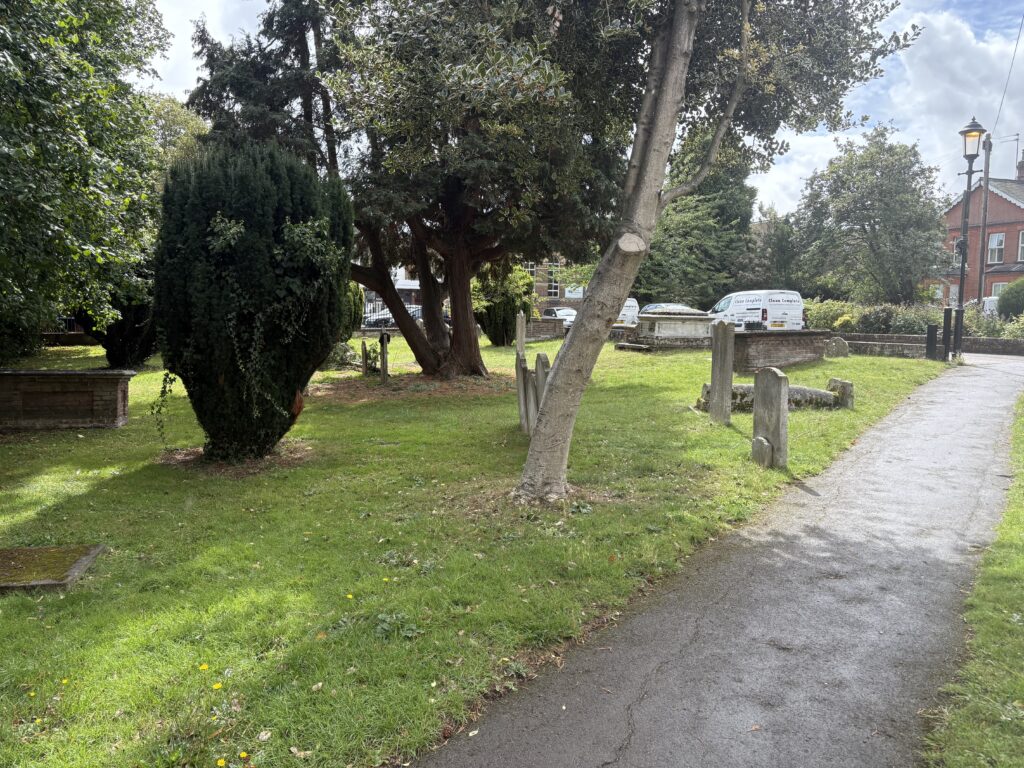
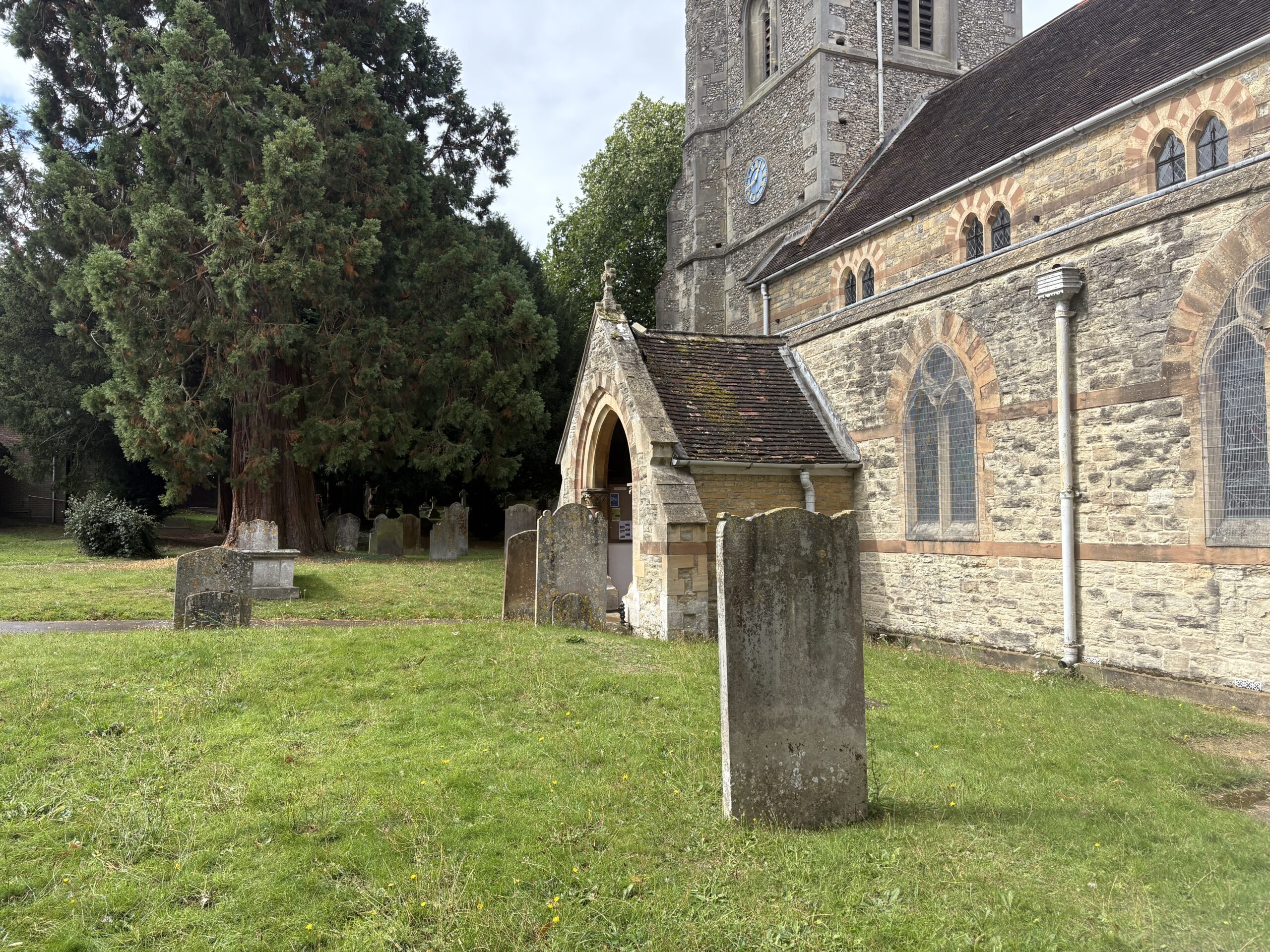
The granting of a papal deed allowed them to establish a graveyard within the precincts of St Nicholas’ Church in the village, with the original churchyard believed to be the part surrounded by footpaths closest to the church. It was extended in 1774, 1862 and 1891, when further burials were prevented unless there was known to be room in a previous grave.
Nowadays only ashes are buried on the site at the Garden of Remembrance.
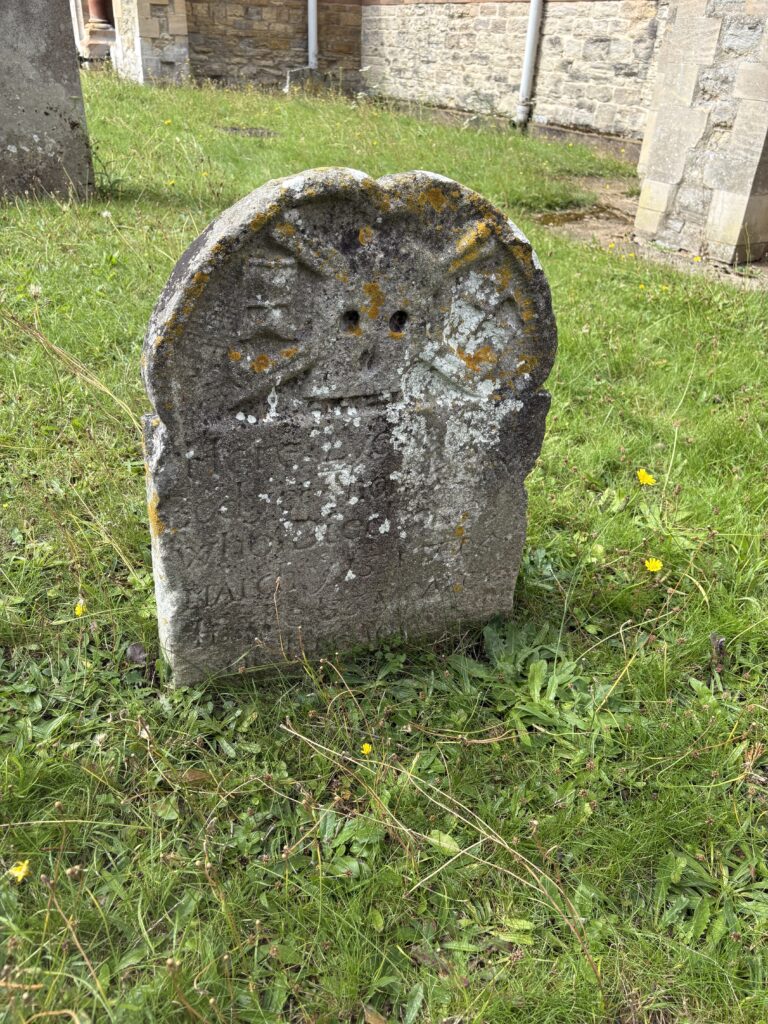
The oldest memorial can be found to the east of the porch, and includes several memento mori (Latin for ‘remember you must die’) carvings, including a skull and crossbones, an hourglass and a gravediggers’ pick and shovel, common symbols of mortality in the early 18th century. It features the inscription ‘Here Lyeth the Body of Thomas Law who Died one March ye 13 1713 In the 33 yeare of his age’.
Although there are no other memorials as old as this one, that doesn’t mean there aren’t any graves pre-dating that period.
Henry explained: “I think there were about 3,000 burials in the original area of the churchyard. They would mark the graves with wooden sticks, and when the wood deteriorated that was the time to reuse the grave – so we’re probably standing on several people’s graves.”
Accompanied by the Rector of Harpenden Rev Patrick Moriarty, we make our way around the churchyard as Henry points out items of particular interest.
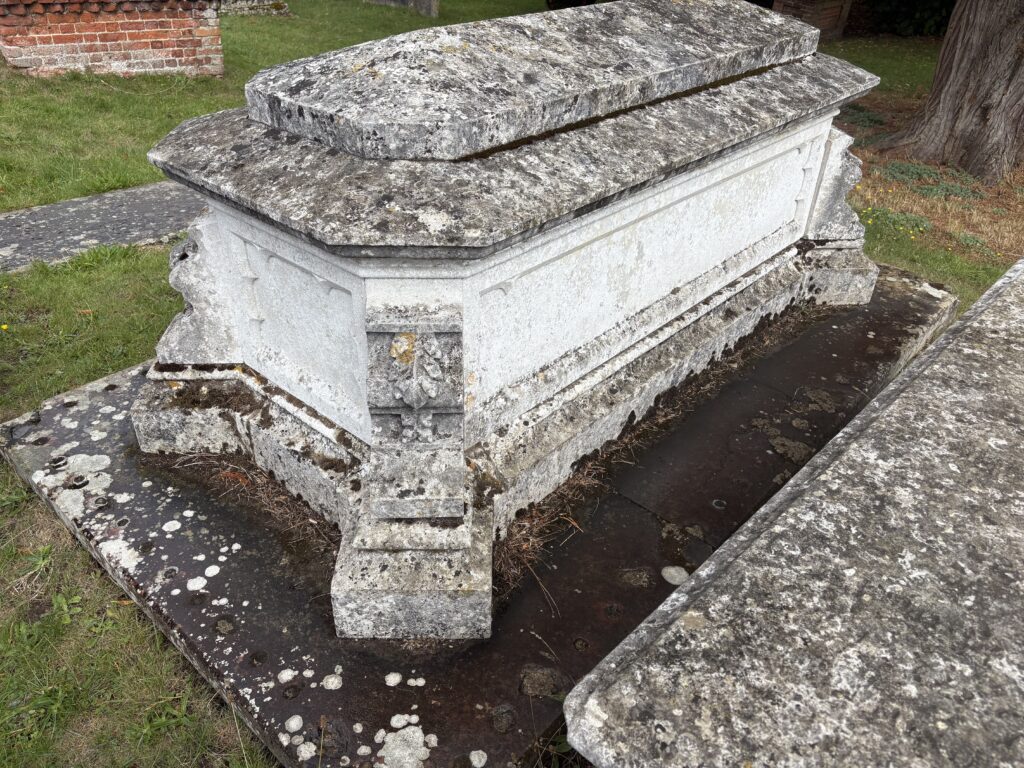
This includes the Kingston family vault, a monument erected in 1871 following the death of local surgeon Dr Francis Kingston, which once featured palisades – iron railings – the holes for which can still be seen around the base of the tomb.
“These were quite common in the era of grave robbers – which I think had possibly passed by the time of this one – and they were removed during the Second World War as scrap metal to be turned into armanents.”
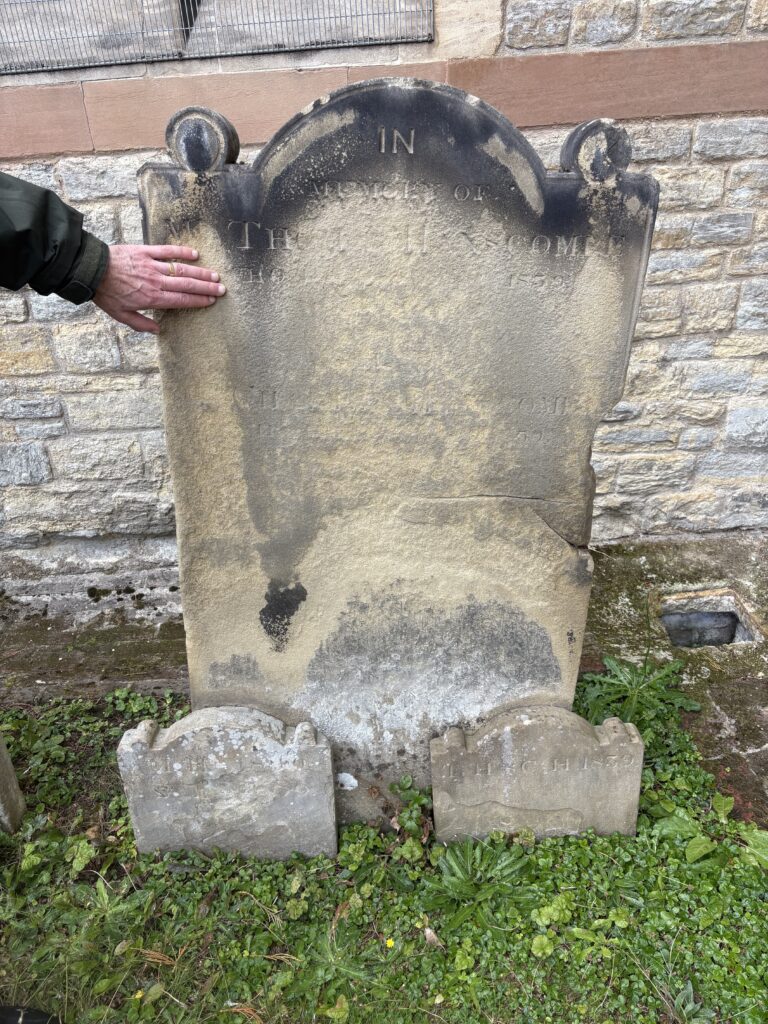
Moving on, we find the headstone and two footstones recording the burials of four members of the Hanscombe family – all within the space of a year – but the reasons behind this family tragedy are unknown.
“Sarah Hanscombe and her sons Thomas and Charles all died in 1839, and the husband, Matthew, died the following year. Originally the footstones would have been sited at the end of the grave, and were probably moved to make grave maintenance easier.
“The boys were in their mid-thirties, so it’s curious how they died. Infant mortality actually accounts for a lot of the graves here, because at the beginning of the 19th century around 30 per cent of kids did not get beyond the age of five.”
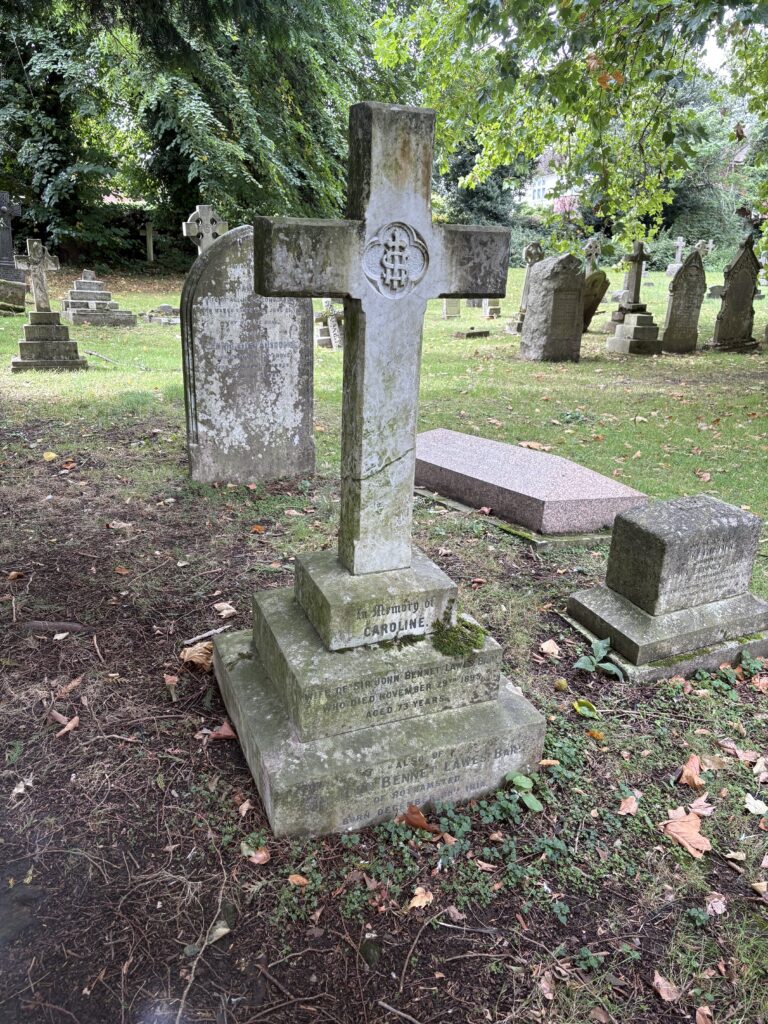
The death of Sir John Bennett Lawes – Lord of the Manor and founder of Rothamsted Experimental Station – in 1900 is remembered with a stone cross which also marks the death of his wife Caroline in 1896. It bears the inscription IHS, a contraction of the Greek word for Jesus.
His mother Marianne is also interred in the churchyard following the closure of the family vault, as is his daughter Caroline Creyke, who lived to the age of 102.
During the Reformation crosses were supposed to attract idolatry and were out of favour for 300 years, only becoming commonplace again in the Victorian age.
The majority of the headstones in the churchyard were carved by the Alderton family firm of stonemasons. William Alderton’s grandfather worked on the restoration of St Albans Cathedral under Lord Grimthorpe, after which he set up his own business in St Albans, before moving to Cowper Road in Harpenden in 1904.
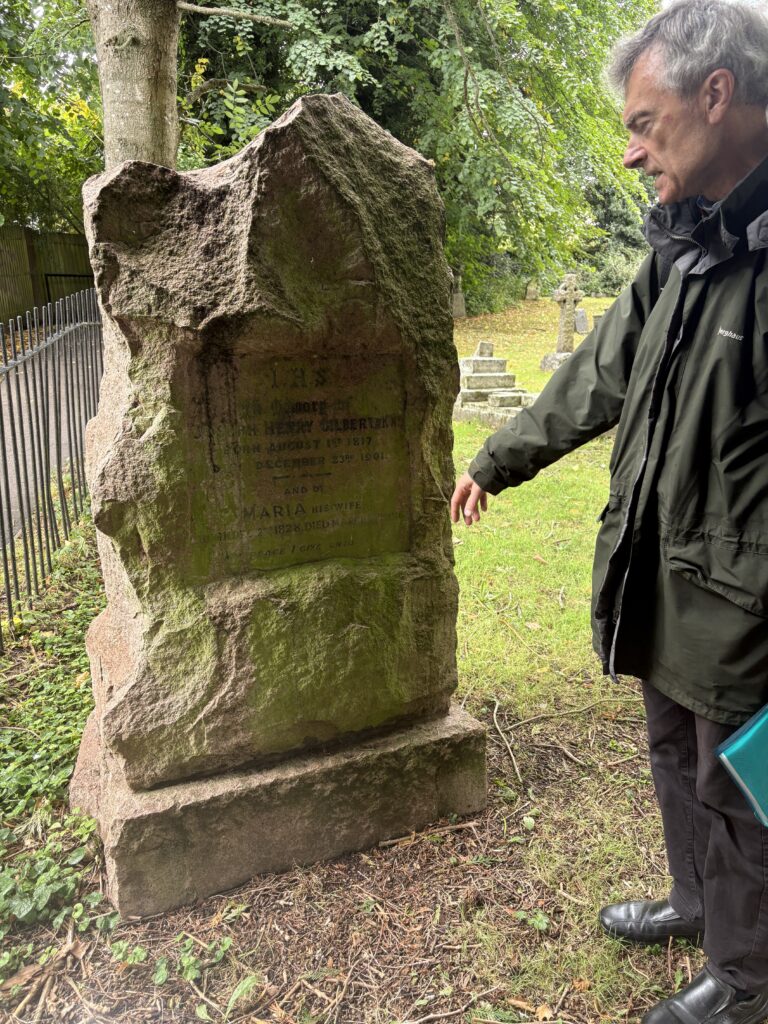
Not far from Sir John Lawes is the grave of Sir Joseph Henry Gilbert, a chemist who worked closely with him at Rothamsted. He has one of the few granite memorials in the churchyard, a replica of the stone placed at the front of the laboratories to commemorate the 50th anniversary in 1893.
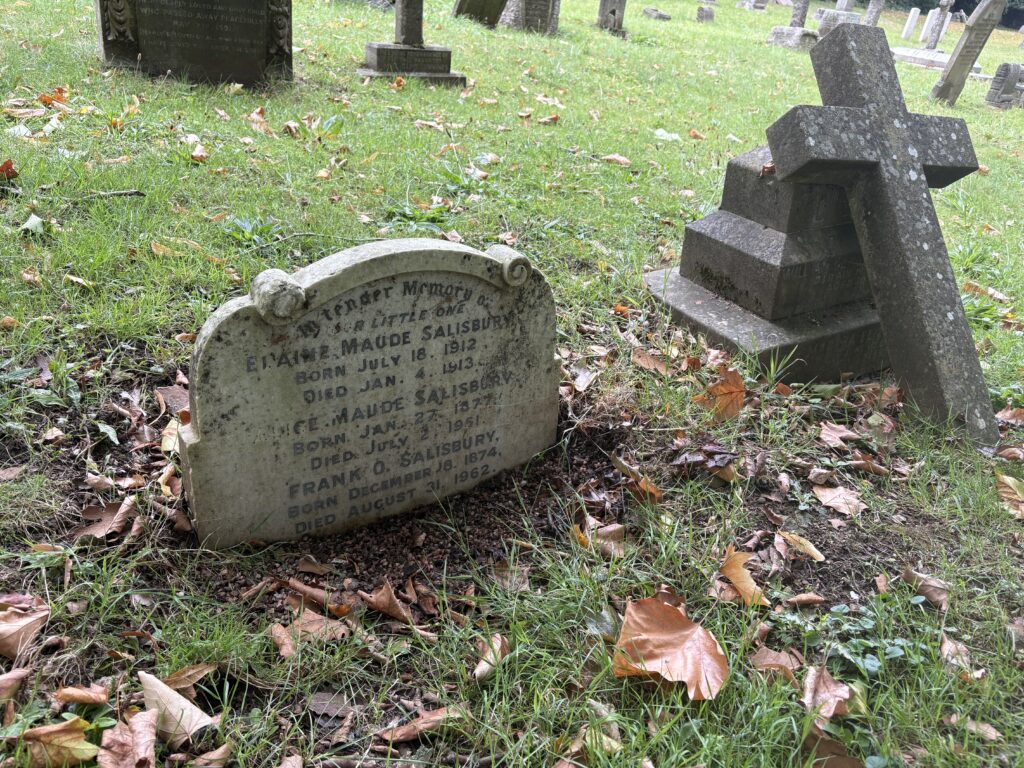
The grave of portrait painter Frank Salisbury (d 1962) is harder to find, and also includes the names of his wife Alice and baby daughter Elaine Maude, who died in infancy at the age of just six months. Salisbury dedicated a 10 feet by 6 feet painting of the Nativity inside the church to her memory.
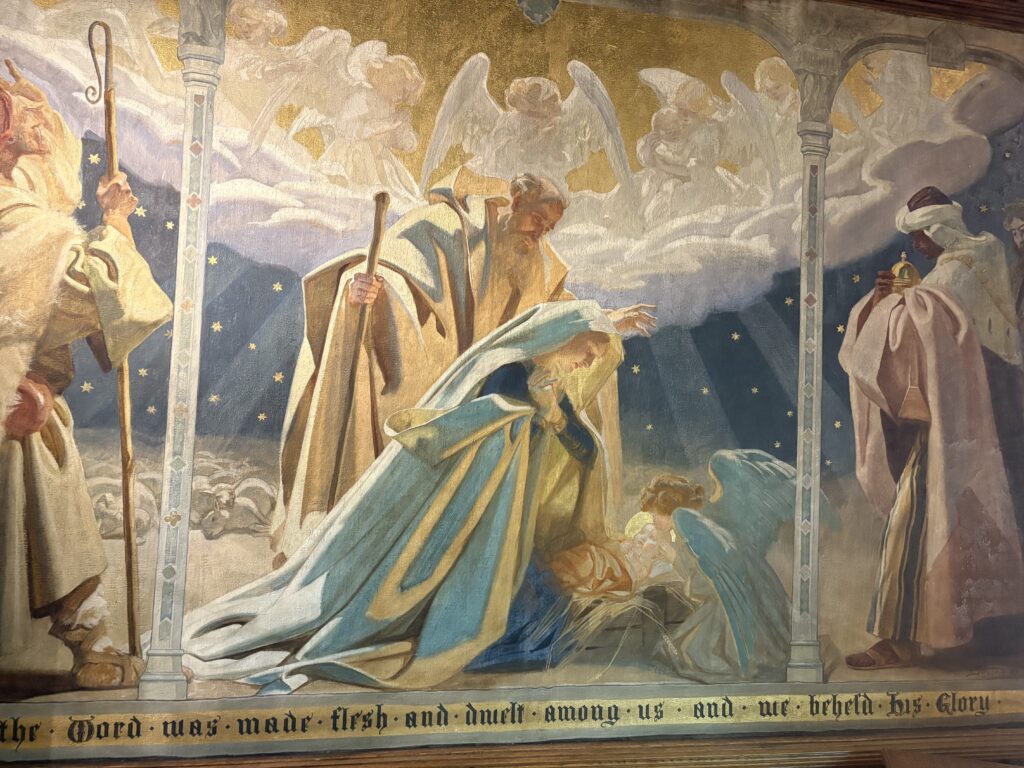
“I think he painted more pictures of Winston Churchill than anyone else. He painted everyone, royalty, Presidents of the United States…” Henry recalls.
In total, 25 members of the Royal House of Windsor sat for Salisbury, and he was the first artist to paint Queen Elizabeth II. Some of his other subjects included Richard Burton, Earl Mountbatten of Burma, Benito Mussolini, President Harry S Truman, Samuel Ryder and Montgomery of Alamein.
Salisbury also presented a memorial window to the National Children’s Home at The Oval in Harpenden in 1920, honouring the death of 126 former boys during the war.
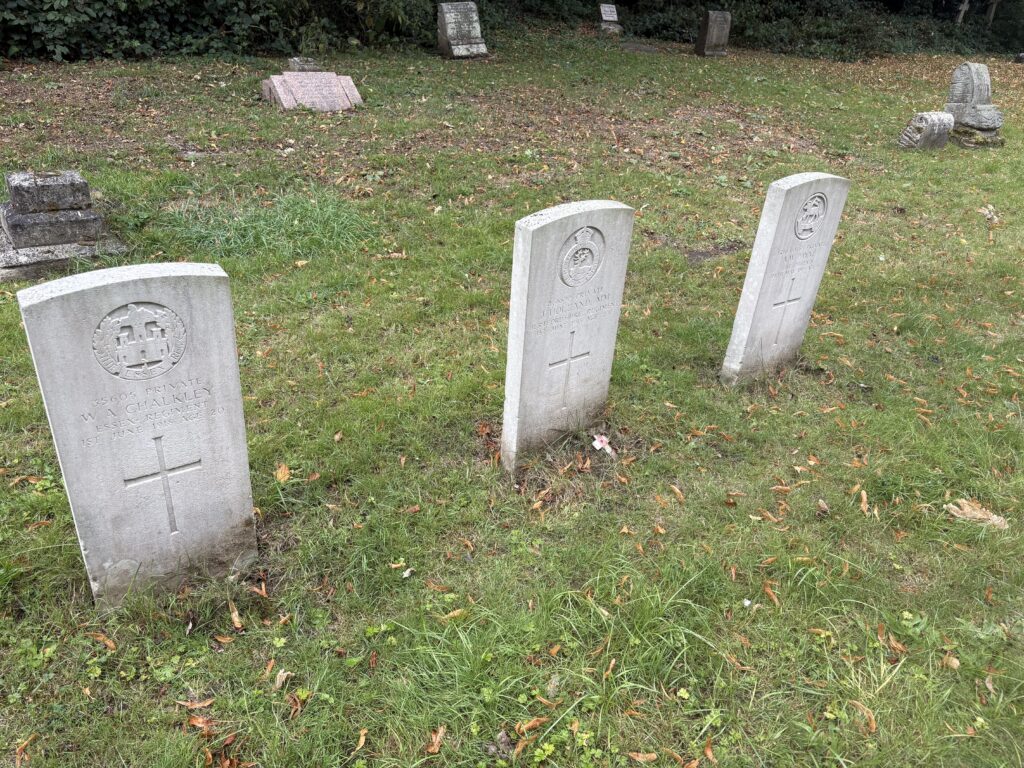
Intermingled with the normal headstones are around a dozen war graves, including that of Private John Holland (Military Medal). John was born in Wheathampstead, on May 27 1895, the third son of John Holland, a farm labourer, and Lizzie (nee Slough) and was educated at St Nicholas Church School.
John enlisted in the Hertfordshire Regiment when the First World War broke out. The Hertfordshires were the subject of a fierce gas shell attack on May 11 1918 when moving forward through the village of Fonquevillers. He was brought back to this country but died on June 1 aged just 23.
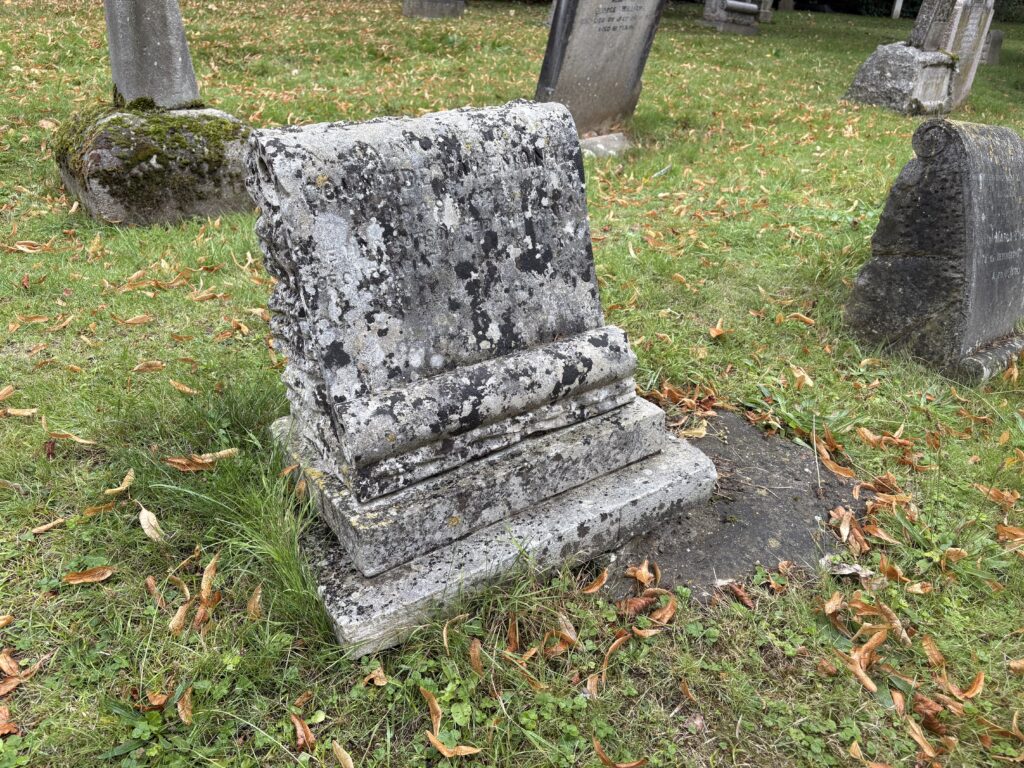
The most famous occupant of the churchyard is that of Ferdinand Esterhazy, aka the Count de Voilement, who died in 1923. His monument features a line from Shelley: “He has outsoared the shadow of our night.”
“But he was not the Count de Voilement, that was a fictitious title and name, and it was only a few months after his death that the truth came out,” Henry reveals.
A former Major in the French army, Esterhazy was a lifelong myth-maker whose lies and forgeries were wrapped up in the case of Captain Alfred Dreyfus, who he falsely accused of selling military secrets to the Germans.
In fact it was Esterhazy who was responsible for the espionage, but he blamed Dreyfus to avoid any suspicion, resulting in him being dispatched to Devil’s Island in 1895 and forgotten for many years.
When Esterhazy’s secret life as a spy was exposed, he fled the country and sought refuge in first London, and then eventually settling in Harpenden with his mistress Alsace Louise in 1909.
The couple lived first in Tennyson Road, then 40 Station Road, and finally 21 Milton Road, where they were known as Count de Voilement and his wife, sometimes introduced to French visitors as his niece.
“After the death of Esterhazy his partner disappeared and was never heard of again. I’ve always found it interesting that the PCC (parochial church council) allowed his pseudonym to remain on his grave.”
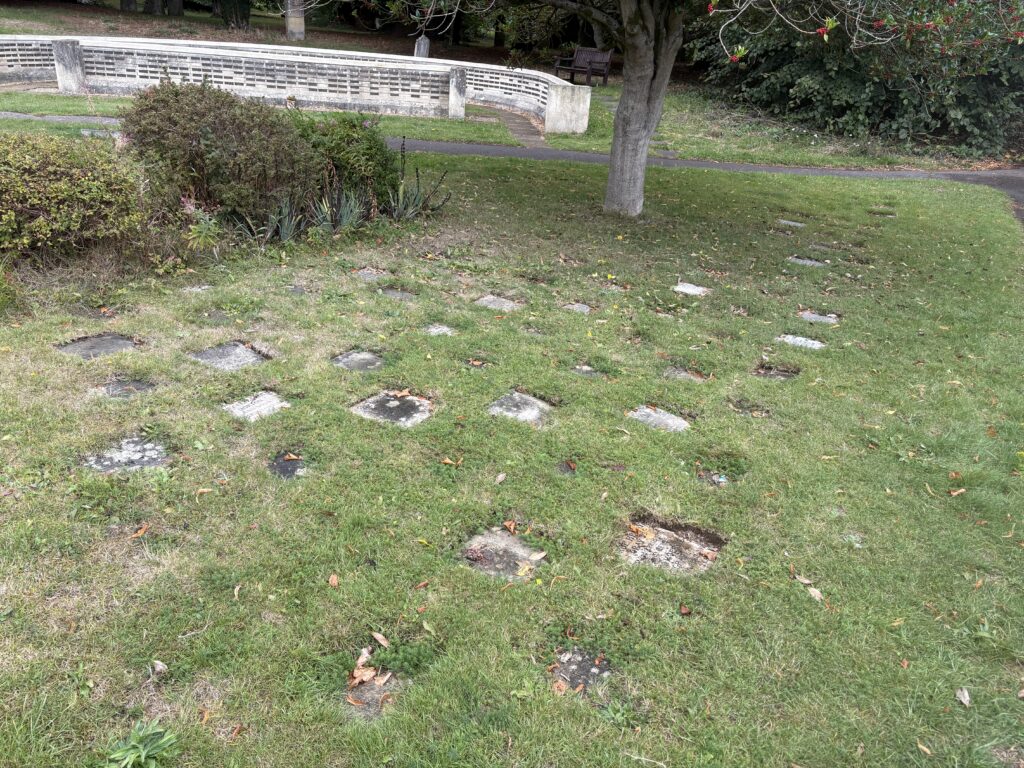
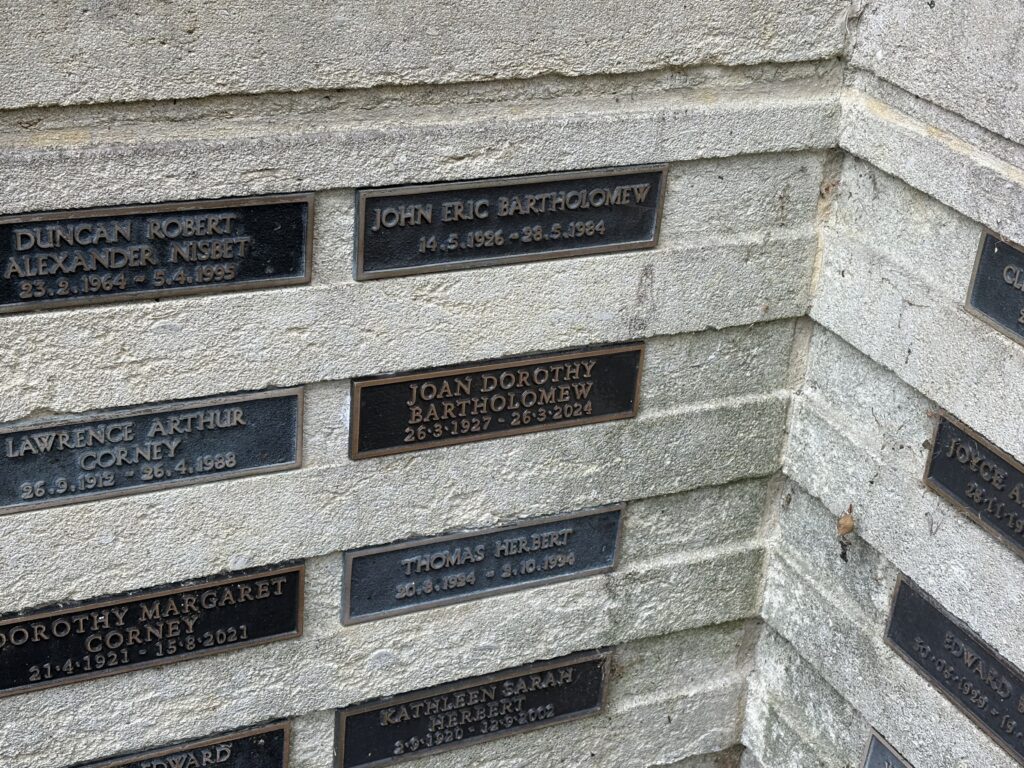
The last part of the churchyard is the Garden of Remembrance, which was opened when burials ceased to take place, and includes one John Eric Bartholomew (d 1984), better known as the legendary comedian Eric Morecambe, whose memorial plaque is positioned next to that of his wife Joan, who passed away last year. The couple were residents of Harpenden for many years and Eric’s ashes were interred in the churchyard close by.
Inside St Nicholas’ itself are some other memorials worthy of note, including the aforementioned painting by Salisbury, and various ledger stones placed on the floor and walls.
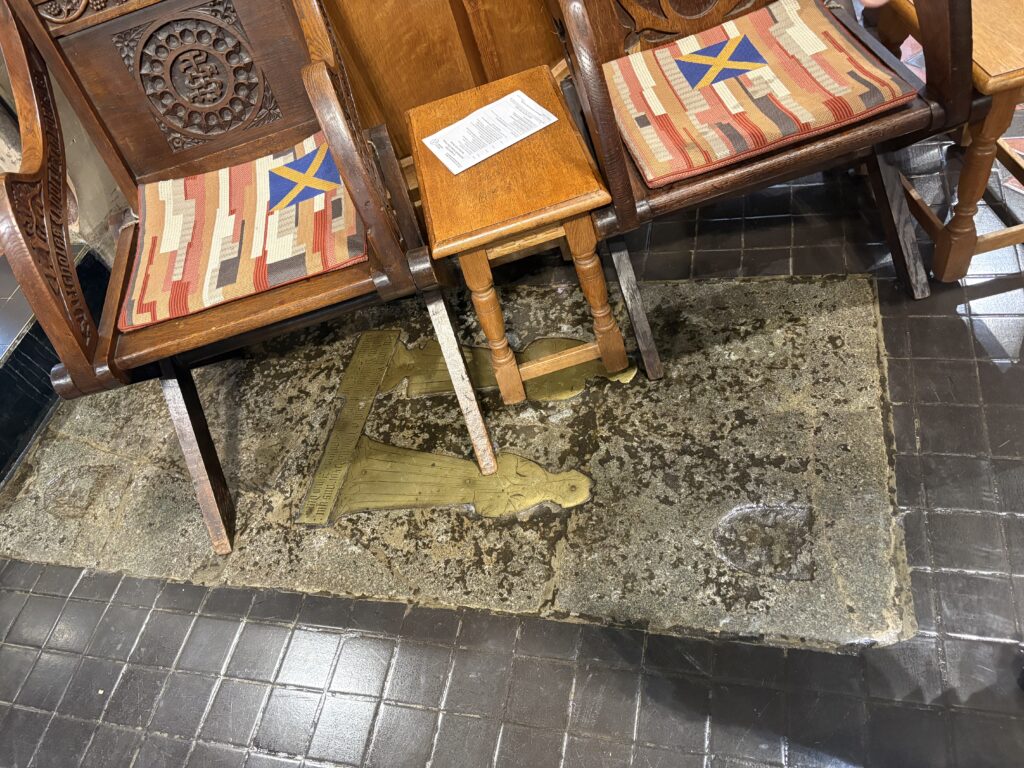
One of the oldest ledger stones can be found next to the pulpit, and dates from 1456. It remembers the Anabull family, who have given a revised version of their name to a local farm, estate and road in the form of Annables.
The inscription reads, “Here lies William Anabull and his wife Isabella, which same William died the fourth day of the month of October 1456” and Henry reveals it also marked the probably entrance to a vault.
“There is a substantial vault in the area of the altar for the Annables family, probably taking 20 to 30 lead-lined coffins. When they rebuilt the church in 1860, that vault and a lot of others on the site were sealed and covered over, so you can no longer obtain access to them.”
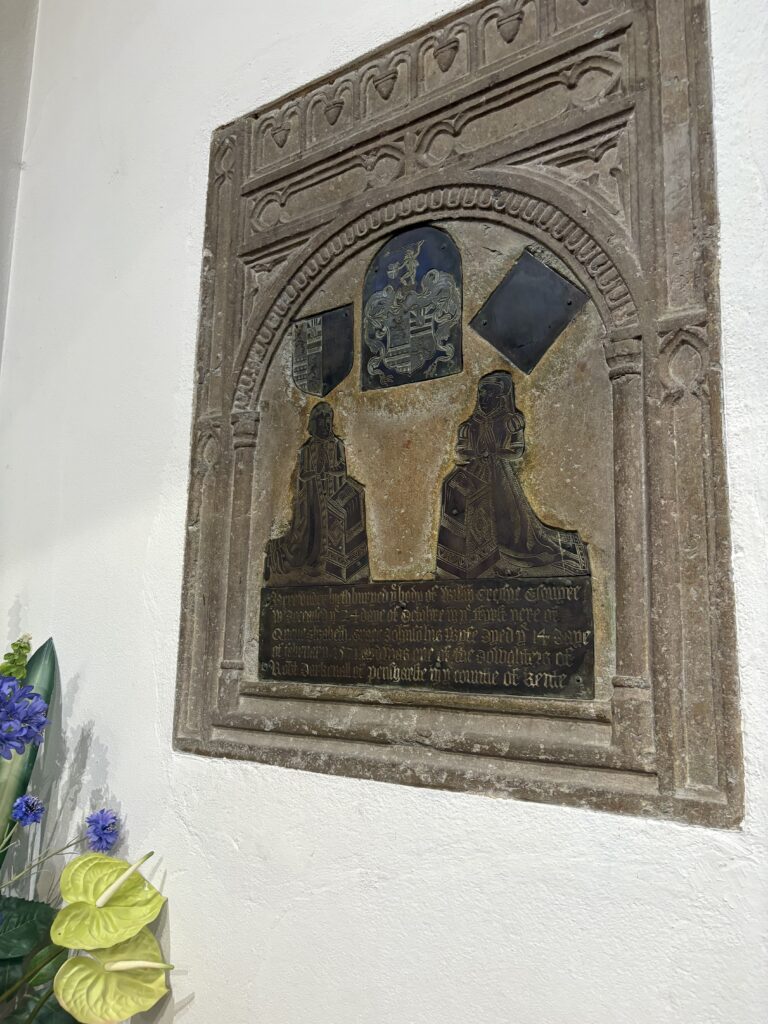
Another wall plaque, which dates to 1558, may have been moved during the rebuild as it suggests it was placed over the deceased’s tomb.
It states: “Here onder lyeth buryed ye body of Willm Cressye Esquyer Ach Deceassed ye 24 daye of Octobre in ye ffyrst yere of Quene Elizabeth. Grace Johnsō his Myfe Dyed ye 14 daye of Fabruary, 1571.” William was lord of the manor of Rothamsted.
Another ledger stone, dating to 1661, reads: “Here lies Nathan Cotton, of Turner’s Hall, gentleman, household servant of James, Charles I and Charles II, kings of England”.
Cotton, who was a courtier at the Royal Court, lived in Kinsbourne Green.
Also a courtier was Godman Jenkins, who lived at Harpenden Hall. His memorial inscription is in Latin, but translates as follows: “Here lies, awaiting the blessed resurrection at the coming of Christ, the body of Godman Jenkins, gentleman, who was a household servant of two illustrious kings, James and Charles I.”
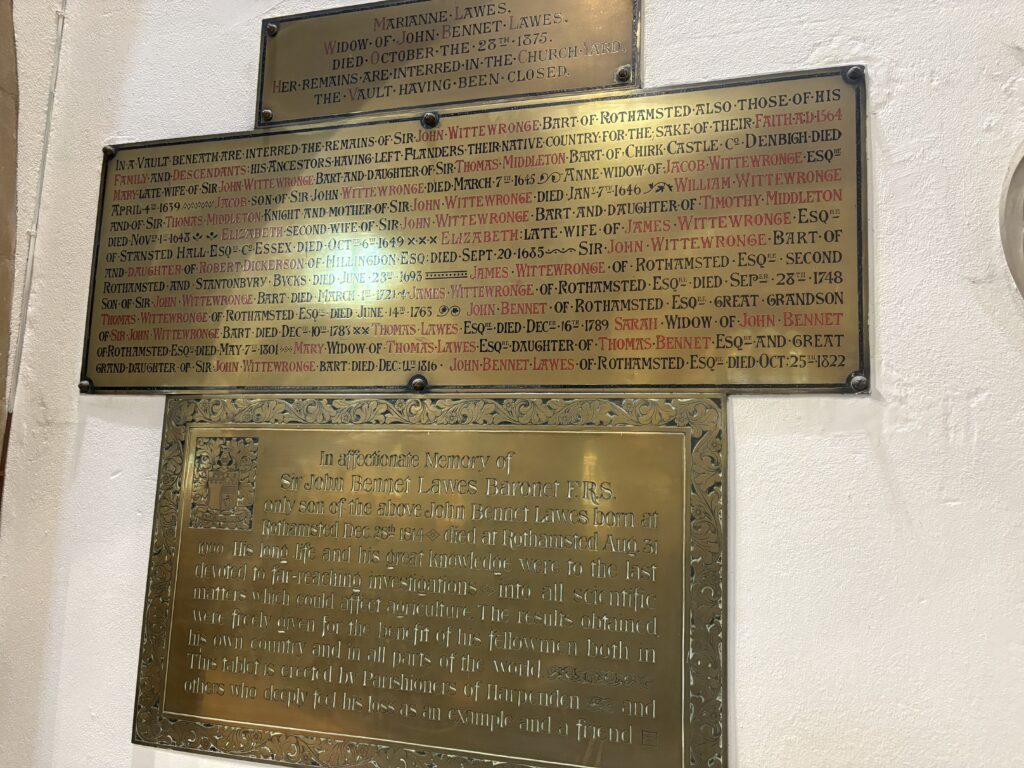
The ancestors of John Bennett Lawes are remembered on a brass wall plaque which lists 17 family members buried in a vault over a period of 150 years, including Sir John Wittewronge, who was an MP in the Long Parliament and a colonel in Cromwell’s New Model Army. He was knighted by Charles I and made a baronet by Charles II.
“You can see the name started off as Wittewronge and moved to Lawes. Sir John Wittewronge came her as basically a refugee from Flanders, fleeing from the life for the sake of his faith.”
Major General James Murray Hadden, who died on October 29 1817 at the age of 57, is also remembered with a ledger stone. What it doesn’t say is that he was a British army officer who fought in the American War of Independence, when he was wounded, captured and exchanged.
It seems as though every stone here at St Nicholas’ has a story, telling as much about the history and growth of Harpenden as the people buried here. So the next time you’re walking through town, take a few minutes out of your way and spend some time in the church and graveyard, you never know what you might discover…
Sources: A Fine & Private Place: The story of Harpenden Churchyard by Daphne Godwin (published by the Harpenden and District Local History Society), hertsatwar.co.uk, Esterhazy he Mythomaniac of Milton Road by Professor Eric Cahm, various features by Henry Loweth on the Harpenden History Society website at harpenden-history.org.uk