


20 Mar 2025
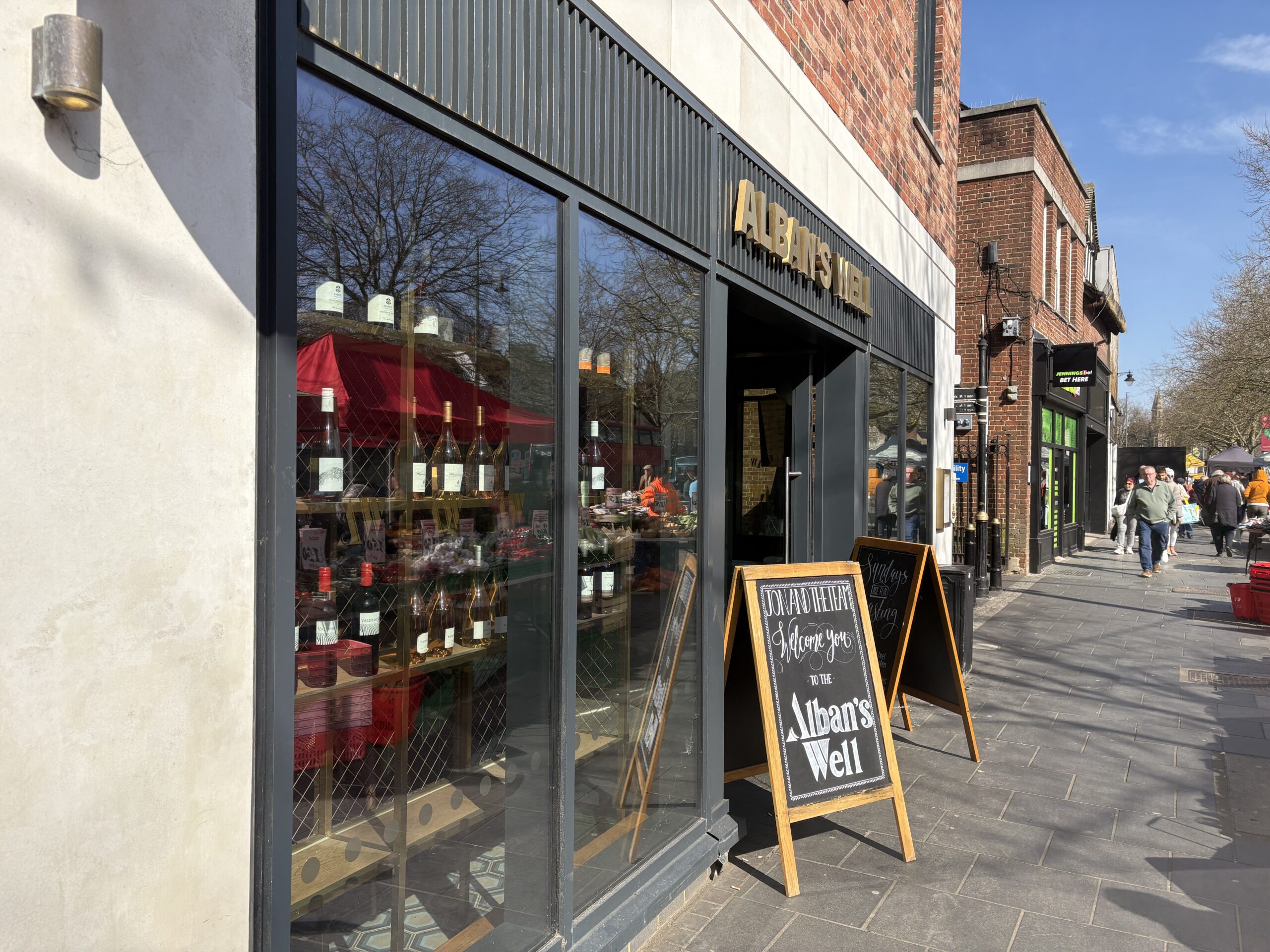
City centre pub the Alban’s Well may have become the first casualty of the Government’s onslaught of National Insurance, minimum wage and business rate increases.
The Young’s pub first opened its doors on the site of the old BHS department store in April 2021, but will be calling last orders for the final time this week.
The leasehold for the pub is already live on Rightmove at a rent of £135,000 with a rateable value of £150K. The pubco have been contacted for comment on the closure.
Meanwhile, just a few years after the devastating impact of Covid, landlords across the district are once again facing grim decisions in order to weather the oncoming storm, including reducing opening hours, cutting staff and hiking prices.
We spoke to three different pub businesses to find out how they were coping with the changes.
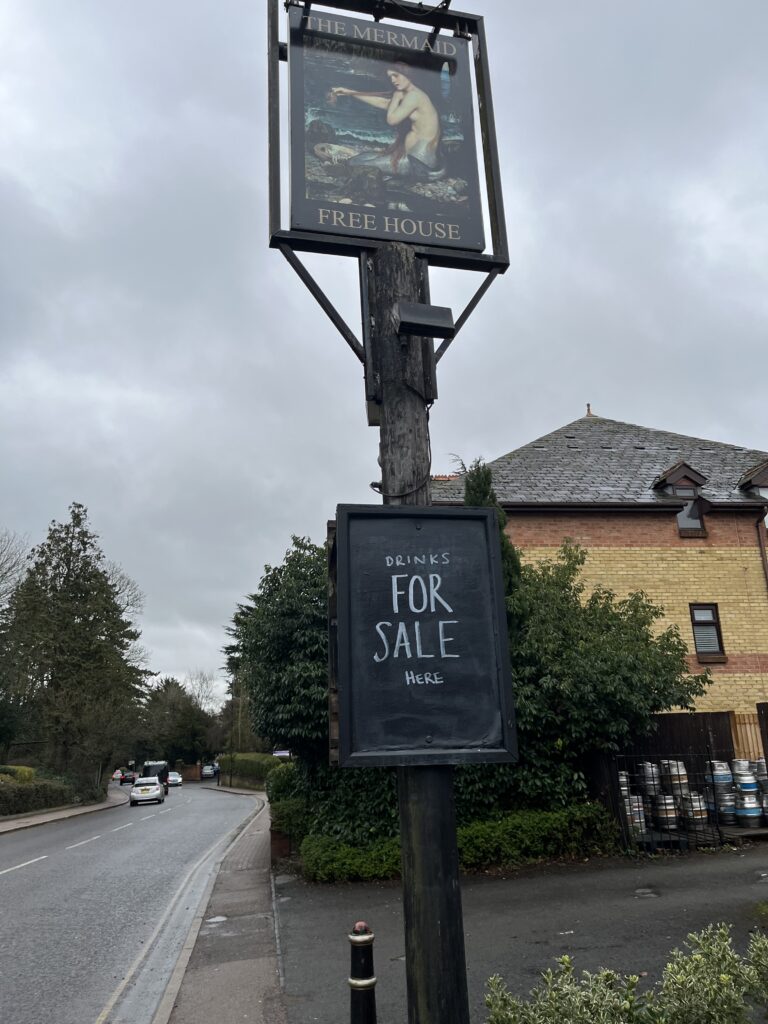
Mark Powell from End Product Inns, speaking on behalf of The Mermaid, said sales were holding up for the time being, but they had been forced to take other measures to survive.
“Since January 1 we have reduced trading hours at The Mermaid. We now open at 3pm rather than 12pm Monday to Friday due to a lack of lunchtime trade, and the need to reduce wage costs to mitigate the upcoming increases in NI, the minimum wage, and business rates.
“Energy costs are still high too so reducing trading hours helps with those costs too.
“Unfortunately this reduction in opening hours on weekdays has meant that some of our older regulars who used to come in for a few halves at lunchtime can no longer meet up and socialise in the pub. Many of them live alone and this was the main social interaction they had. It’s sad that we can no longer offer this community service during the week, but a few pints in three hours doesn’t even cover the cost of one member of staff to serve them let alone the cost of the utilities.
“Following the reduction in trading hours we have had to make one of our managers redundant as of April 12 as we no longer have as many shifts. The increased costs outlined above are the driving force behind this, and it’s the first time in 12 years that we have had to make someone redundant at The Mermaid which is a very sad milestone.”
Mark said they have also had to increase prices by 20p a pint this year – double what they normally put them up by.
“This is to cover around 10p increase from suppliers and 10p to cover our increased wage and NI costs from April 1.
“If we hadn’t reduced trading hours to mitigate cost increases then we would have been looking at a 30p increase which we felt would be too much to lay on our customers in these difficult economic times.
“The biggest factor affecting us is wage and NI costs. The minimum wage has gone up 49 per cent since 2019, in the past we have always tried to pay slightly more than the minimum wage but as of April 1 we won’t be able to.
“The NI threshold reducing down to £5K will pull in most of our part-time staff, meaning we will now be paying NI contributions for them which we didn’t have to before. This disproportionately affects hospitality businesses that have a lot of part time and seasonal staff rather than full timers.
“The tax burden on pubs now is huge. The Government already makes more money from our pubs than we do as business owners, and from April 1 it will be even worse.
“It just doesn’t seem right or fair and often it feels like we are just tax collectors for the Government. A reduction in this huge tax burden in some way would be what we would most like to see in the short term, starting with the abolition of the awful and outdated business rates system which creates an unlevel playing field for high street businesses. A rethink on the employers’ NI increases would also be welcome but we are not holding our breath.”
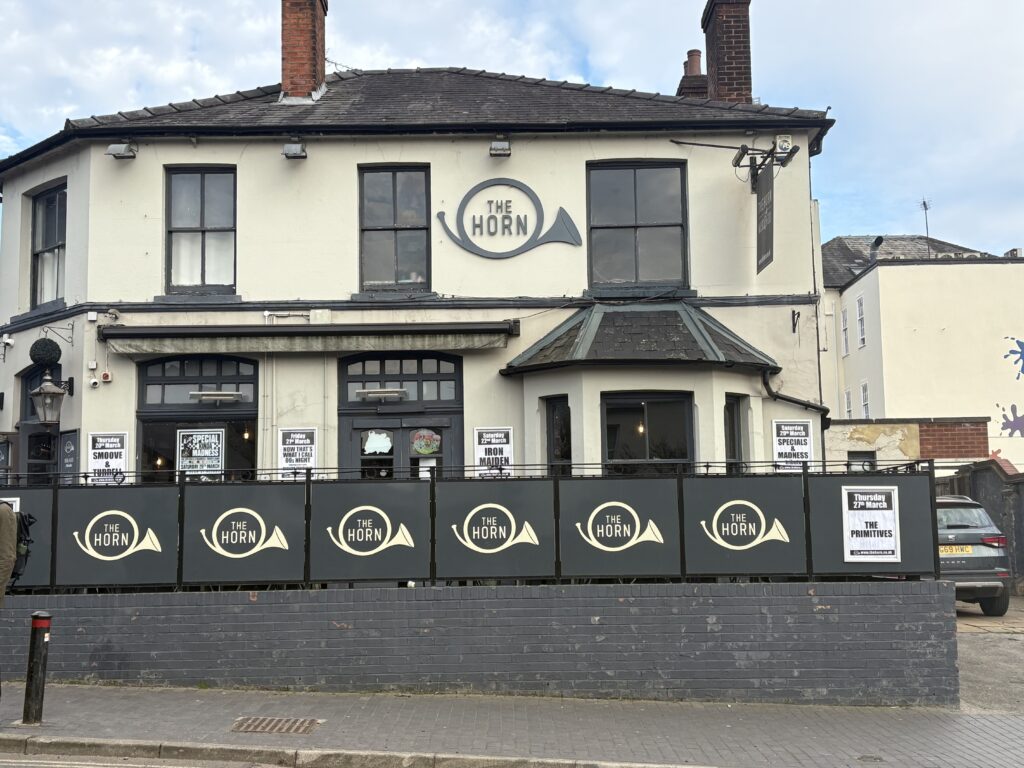
Shane Smith, general manager of The Horn, said: “We value ourselves as a grassroots music venue but are facing difficulties in the current trading environment of being a music venue. The rising costs have resulted in fewer bands doing fewer tours and the fewer tours that bands are doing with fewer dates, they’re missing out smaller cities and towns – this is damaging to the grassroots sector as a whole.
“The budget that goes live in April has seen us face huge increases in operating costs. Just through the rise of NI and the reduction of the threshold, business rate relief being reduced and NMW increasing – we are facing an increase across these three categories in excess of £40,000. This effectively means that in turn, we need to generate £136,000 extra revenue just to maintain current profitability levels. This hasn’t taken into account any natural increase of wholesaler pricing for our purchases.
“We would like to see councils support their grassroots music venues, for without venues like ourselves – you would not have any of your big stadium or festival headliners. The majority of these artists that people pay hundreds of pounds to go and see in a stadium or a festival once started in a grassroots music venue playing to rooms of 10-15 people or maybe 200 people if they landed themselves a great support slot. It is so crucial that the grassroots music sector is supported on a local and national governance level. We as a sector are the cultural heart of the UK music scene.”
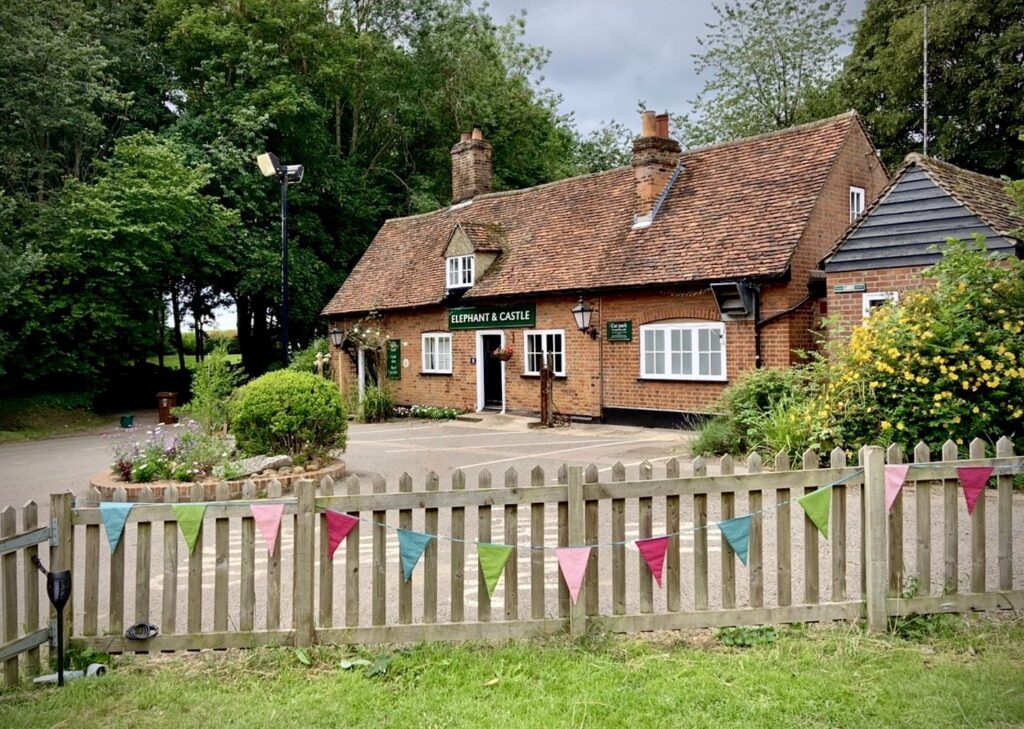
Matt Everidge of Farr Brew, which runs The Elephant and Castle and The Reading Rooms in Wheathampstead and The Red Cow in Harpenden, said trading in January and February had been horrendous, and the upcoming changes in April were causing them serious anxiety.
“Our suppliers are all increasing prices to cope with their increased costs. But we can’t charge above a certain price for the majority of our menu or for a pint. The walls are closing in…
“In several venues we have reduced hours of trading, closed kitchens on certain days and had to cut staff numbers. Staff are having to provide the same levels of service but with fewer numbers. So work becomes more stressful and with greater pressure to perform.
“We need to increase prices but customers will only pay a certain amount for fish and chips or an a la carte dish.
“The margin is so tight now that one wet weekend can destroy any net profit for the month. And if we have another average/bad summer you will see thousands of additional venues close their doors. Our industry is hanging by a thread and the Government is seemingly trying to speed up the process or our demise.
“The increase in minimum wage means a pay rise for all staff above that level to ensure a degree of separation for additional responsibilities.
“All of these increases impact directly on our business and our suppliers who are also suffering mean, and mean our costs will increase by £150K from April.
“With further increases in business rates in 2026, pubs will cease to exist… we cannot absorb any further cost.
“The Government needs to listen to people in the industry… these suits in Westminster don’t understand the daily struggle.
“What is the point in increasing minimum wage if it increases unemployment as a result?
“Companies are shedding staff and cutting costs. This means we buy in more pre-made products and can’t deliver prime, high-end ingredients.
“In a few years time all pubs will sell highly processed food to keep costs down.
“The Government needs to bring in these tax hikes in a more gradual rate and balance them with support in other areas.
“Business rates can’t increase any further. They will sink companies on the high street.
“They should tax the larger online companies who are using tax loopholes to help fill the country’s deficit. All that is happening now is the death of the high street and an increase in unemployment.”
St Albans MP Daisy Cooper has been fighting on behalf of local pubs: “In just a matter of days, the Government’s ‘job tax’ and business rates increases are going to bite: a double whammy that will hit our pubs hard.
“In short, they’ll have no choice but to reduce their staff or opening hours, delay investment and/or put up their prices. Whatever measures they take, it will make the cost of doing business more expensive and hold back the growth potential of our many small businesses and our high streets more broadly.
“As our local MP and also as my party’s Treasury Spokesperson, I’ve opposed the ‘jobs tax’ every step of the way and have put forward fairer and more effective ways to raise tax revenue.
“I also called on the Chancellor to scrap the broken business rates system within a year, but those calls have been ignored too.
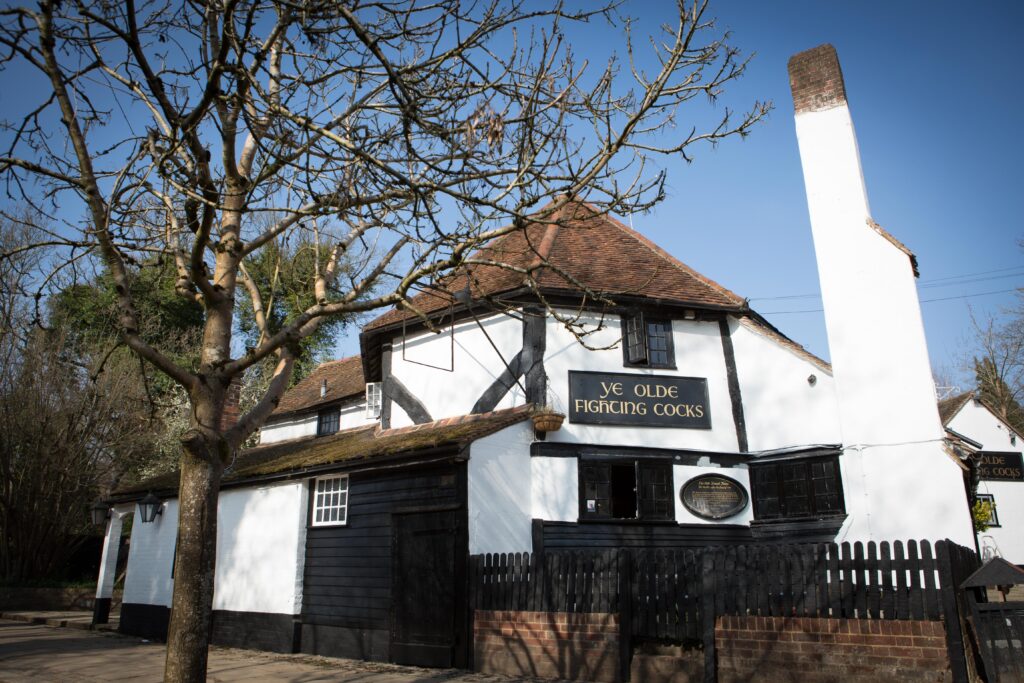
“Ye Olde Fighting Cocks, reputedly the Oldest Pub in England, tell me they now face a whopping £30,000 extra in business rates bills alone each year.
“The Save St Albans Pubs campaign says that even the average increase in business rates bills for pubs in our area will be £19,000.
“Even if the business rates system is rebalanced in 12 months, so out-of-town warehouses are paying more of their fair share, it’s clear that imbalances will remain on the high street, with the Government’s proposed formula leaving it to small independents to subsidise big chain stores.
“It’s simply not acceptable for larger chain stores to reap the rewards of a rebalanced system at the expense of small independent businesses that are rooted in our community.
“The Government is failing our pubs and our high streets. They deserve better than this, and I’ll keep doing all I can to champion our pubs and high streets – not just as the glue that holds our communities together but also as the engine of economic growth.”
* The closure of the Alban’s Well has also affected local charity St Albans Action for Homeless, which stored tables and provisions for its food runs on the premises. Organiser Sharron Linney wanted to publicly thank them for their support over this time.
