


29 Mar 2025
As the Smartphone Free Childhood campaign continues to gain pace, Laura Bill looks at steps parents are taking to influence their children’s behaviour…
It has been a hot topic for St Albans parents and children since last year when we made national headlines over whether under-16s should have smartphones.
The initiative first gained momentum after the St Albans Times broke the story that 20 out of 24 primary headteachers in the city wanted to see smartphones restricted until pupils were 14.
The story was swiftly picked up by the national media, and prompted the creation of numerous WhatsApp groups representing schools across the district and beyond, all striving to reset expectations and remove social peer pressure surrounding young people and smartphones.
Many have argued that smartphones are a huge factor in the breakdown of childhood as we once knew it.
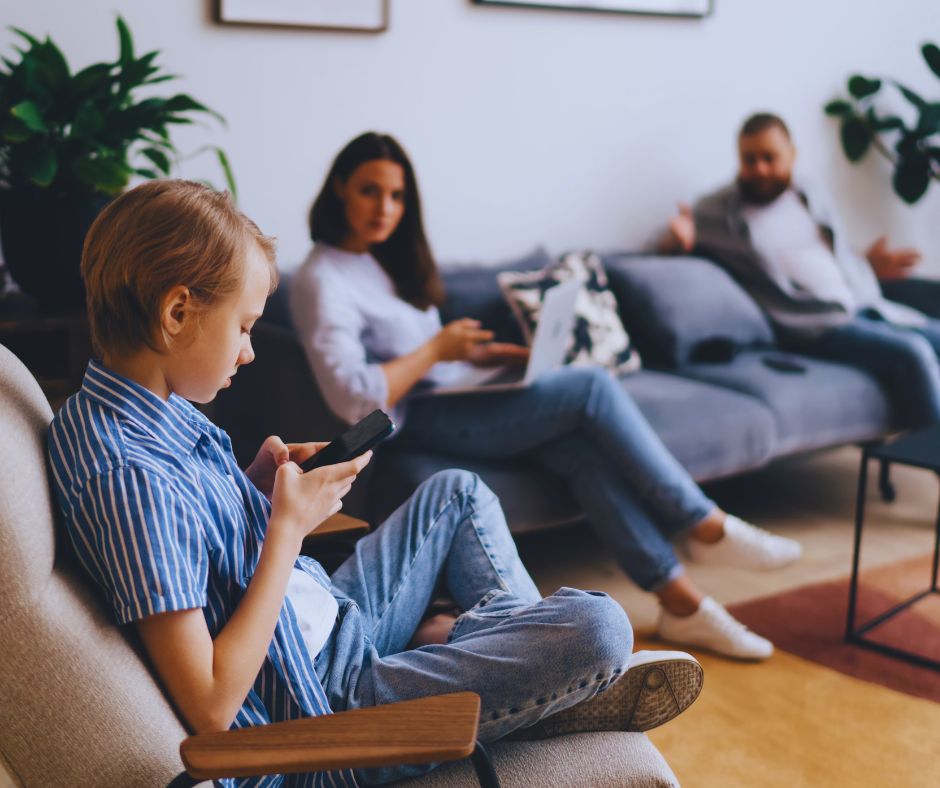
We know that young people look at the adults around them all the time for social cues. We either decide to be like our parents or choose to behave very differently.
My first memory of any kind of phone which wasn’t plugged into a wall was in my dad’s Citroen in the eighties, which was a huge black walkie-talkie in the middle of the car.
He said it was a “car phone” and was in case there was an emergency and we needed to ring somebody for help. Seemed pretty reasonable and I didn’t give it much more thought at all.
I made it through school and university without needing one and got my first Nokia around 20 where I enjoyed being able to text rather than page and play the occasionally game of Snake.
As we know from campaigns like the one by ‘Britain’s Strictest Headmistress’ Katherine Birbalsingh, a return to these sort of devices has helped many children to lead happier, more fulfilling and successful lives.
But children do not want a brick phone and others have argued it’s like trying to shut the stable door after the horse has bolted.
It’s a conundrum for parents, for whom juggling life is hard enough without another battle on their hands, yet many are keen to get the balance right and want to model good phone behaviour to their children and teenagers.
St Albans podcast presenter Rosie Gill-Moss said she tries hard to not be staring at her phone all the time: “We don’t allow screens during mealtimes and I always leave my phone downstairs when I put the children to bed.
“It’s so easy to get distracted and not be fully present.
“That said I do use my phone a lot, because everything is on there- banking, work, groceries, friends, calendars and school emails. I do try and explain that I am not (always!) mindlessly scrolling. But ultimately you have to lead by example.”
Mum-of-two Jo Morris has a 15-year-old son and a daughter who is 11. Her son has had his smartphone for four years, while her daughter has had a smartphone for a month, albeit stripped of any social media apps or internet access.
“Having my child say ‘you’re on your phone too much!’ certainly made me stop and think.”
She said that when her children got their phones, her and her husband questioned their own mobile phone behaviour as parents.
Did she change the way she used her phone?
“My husband and I are now engaging in a continuous conversation about it with each other and with our children. It’s easy when life is busy to bypass such discussions but it’s something we continue to do. We also review our own behaviour and question whether we need to help our children to tame their phone use.”
Jo said she also ensures that she leaves her phone downstairs at night with her daughter’s.
“I’m much more conscious about not looking at my phone all the time. We have always had a ‘no devices at the table’ rule when eating together. I was already aware I was on my phone too much, so I’ve welcomed the change.”
She describes not having her phone in the bedroom as a ‘gamechanger’: “The amount of time I’d waste when I woke up in the morning, just checking the news and my emails… And I feel I’m more productive when I’m at home. It’s certainly helped my children having parents that are more present.”
In what way does she think it has helped? “I hope it’s helped to shape the way they view their own phone behaviour. We keep the ‘phone use’ conversation open with them and discuss wider topics such as how apps are designed to make us addicted to them or how teenagers’ mental health can be negatively impacted by social media.”
Fleetville mum Belen Jordan said she is aware of how quickly children take cues from their parents and is mindful of her phone use around them: “I was conscious of demonstrating that I was constantly glued to my phone.
“I now read books and use my Kindle which has reduced some of my screen time. I also try and keep the phone out of sight when possible and go on a laptop when something needs to be looked into”
Has she found it a challenge? “Yes because phones are addictive and hard to put down.”
She thinks she is making a slight difference to how her children view mobile phones and has noticed them asking for screens less regularly. She said they are still young, aged eight and 10, “but it is certainly making them see that phones don’t have to be used all the time… there are alternatives for reading, for gaming and for research.”
Finally, Danielle Wallington, St Albans-based founder of the flockhere networking app, offered her own opinion.
“I feel really strongly about this topic, especially as a parent of two boys and a business owner who relies on my phone for work. I’ve been part of the Smartphone Free Childhood campaign from the start, and while I’m committed to not giving my eldest (who’s eight) a phone before he’s ready, I know that if I want to stick to that, it has to start with me.
“It’s not easy, my phone is my work, and running a business means I’m always connected. But I’ve been making some real changes.
“These include not getting my phone out at weekends just to scroll mindlessly; using apps to block social media after a certain time; setting boundaries—no phone before 9am or after 6pm; being more aware, if I’m on my phone at home and one of the kids comes in, I make sure I put it away.
“I don’t want them growing up seeing me on it all the time. I won’t pretend I’ve got it perfect, but I’m working on it because I know how important it is. If we want our kids to have a healthier relationship with screens, it has to start with us.”
