06 Sep 2023
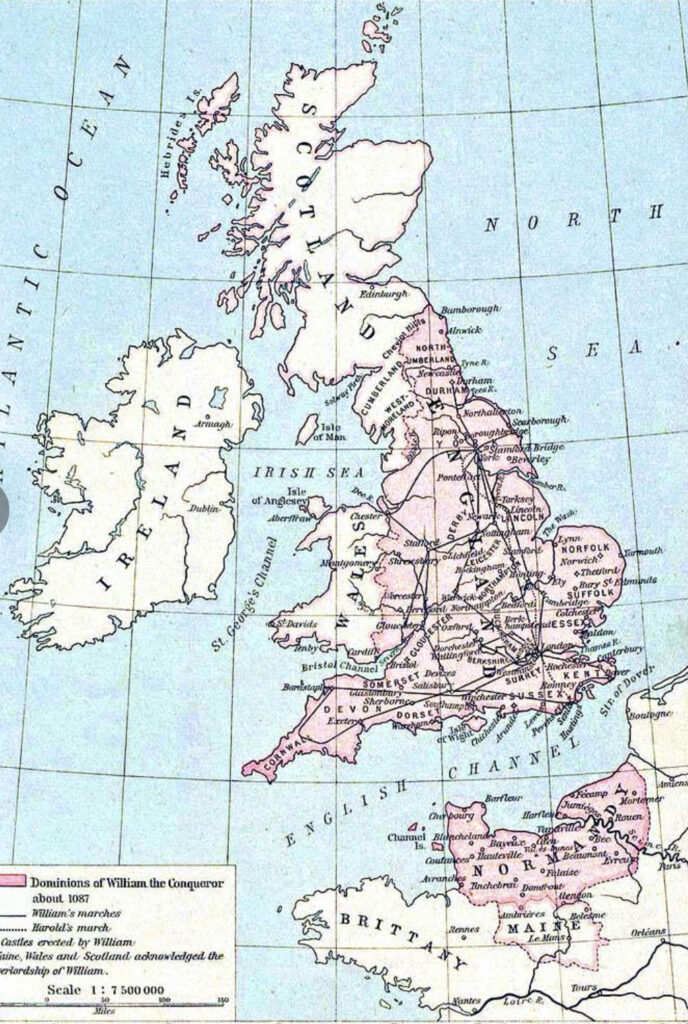
1066 was a year of turmoil, bloodshed and momentous change for England. In late September, led by Duke William of Normandy, 7000 men landed on the Sussex coast. Just over two weeks later, on 14th October, as dawn rose over East Sussex, two great armies began a bloody battle for the throne of England.
By nightfall, the Normans finally broke the shield wall of the English and King Harold Godwinson was dead. On Christmas Day, William was crowned King. Within a generation, many traditions and customs had been transformed and for Anglo-Saxon England, life would never be the same again.
For the women of St Albans, things went rapidly downhill and stayed that way for over 800 years.
Before then, the women of Anglo-Saxon England generally enjoyed pretty decent rights. They could own land in their own right, deciding for themselves what to do with it. They could defend themselves in court or act as witnesses. They could inherit from their parents. Very importantly, they could divorce their husbands and take half the household goods and have full custody of the children.
But that all changed. Under Norman rule, women could no longer divorce their husbands. They could only own property if they were widowed. They required permission to marry, permission to run a business. If they had brothers, they were not allowed to inherit from their parents.
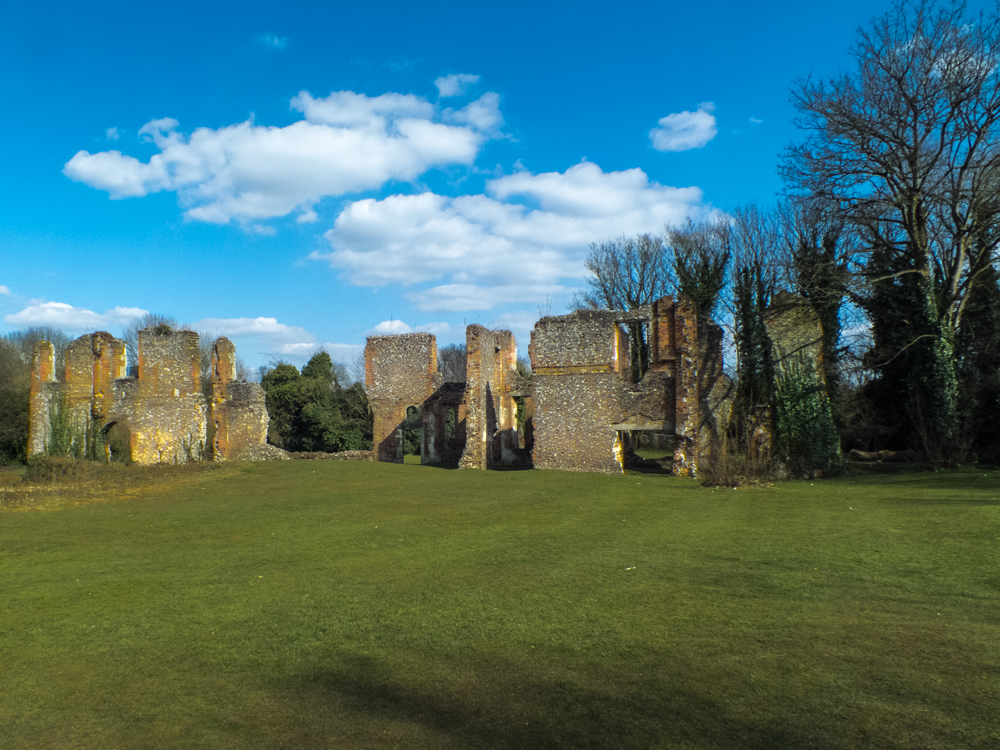
Even the nuns of St Albans Abbey gradually found their freedom restricted and new rules controlling their daily lives. The Abbey had been a mixed community, common in Anglo-Saxon England, both nuns and monks sharing duties and a spiritual life. But by the mid-1100s, the nuns had been moved out lock, stock and barrel to the newly founded Sopwell Priory.
And what about the language? Norman French was the language spoken by the occupying power.
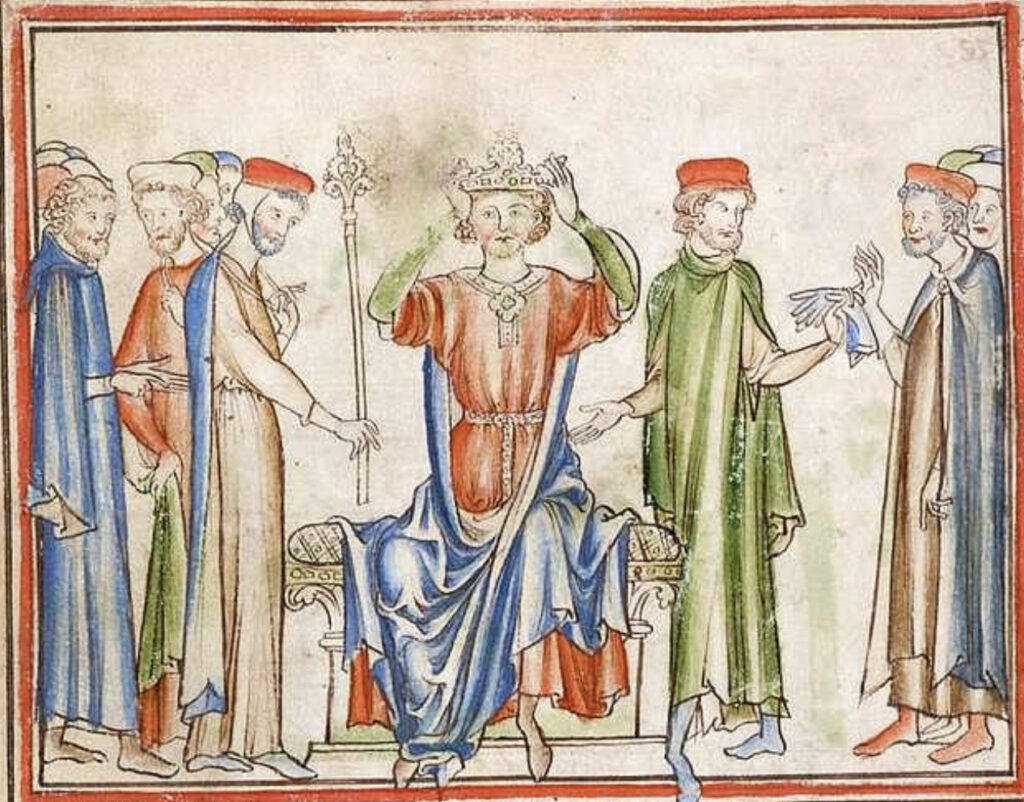
England and Ireland, uniquely in Europe, had used their own languages, understood by everyone, for official documents and laws. But this was now replaced by Norman French in government, law courts and places of learning, (although Latin still dominated). But most of the population still spoke English and, by the 1300s, it virtually replaced Norman French as the spoken and literary language,
with just snippets of heavily anglicised French vocabulary remaining. That said, Latin and Norman French remained in use in official legal documents until the beginning of the 1700s.
Talking of the law, Anglo-Saxon England had strict legal codes. Exile was seen as the ultimate punishment, as most people lived in small communities and so banishment was a fearful thing for many. Justice was community based. People were grouped in tithings of 10 people. If one broke a law, it was the job of the other nine to get him (or her) to court or they would all be punished.
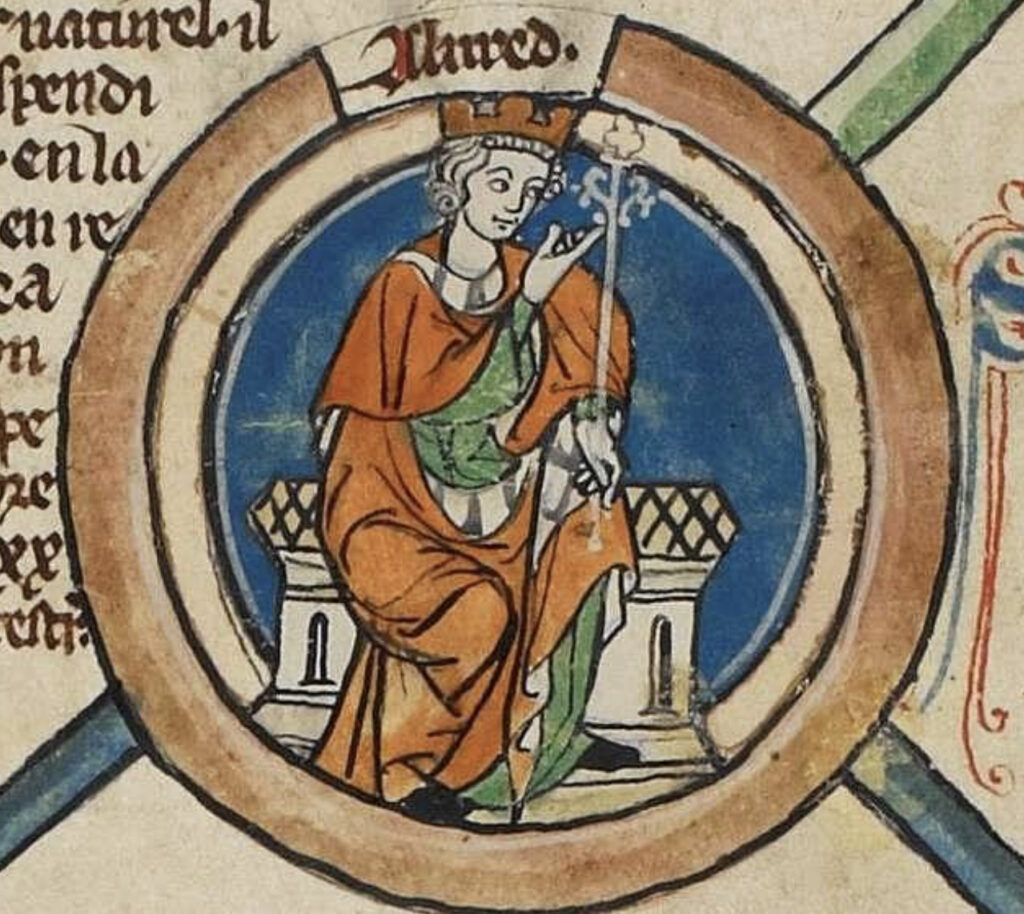
King Alfred the Great, who ruled during the mid-late 800s, continued the law code known as the Wergild. This established clear penalties for criminal injury or death, a radical replacement for the previous “eye for an eye” approach.
The Wergild set out a price for everyone, including slaves, and a carefully planned system of compensation for damaged body parts, even down to a fingernail.
After the Norman invasion, as towns grew bigger, control over law and order became centralised, away from the community-based system.
Towns appointed their own officials, like constables, beadles or watchmen. The King selected new Justices of the Peace from local men of high status and wealth.
And there were rules, many rules. Even for bakers. Just over 100 years after the Norman invasion, Henry II established The Worshipful Company of Bakers. And by 1266, the price of bread was strictly regulated according to the price of wheat. Bakers giving short measure would be heavily punished.
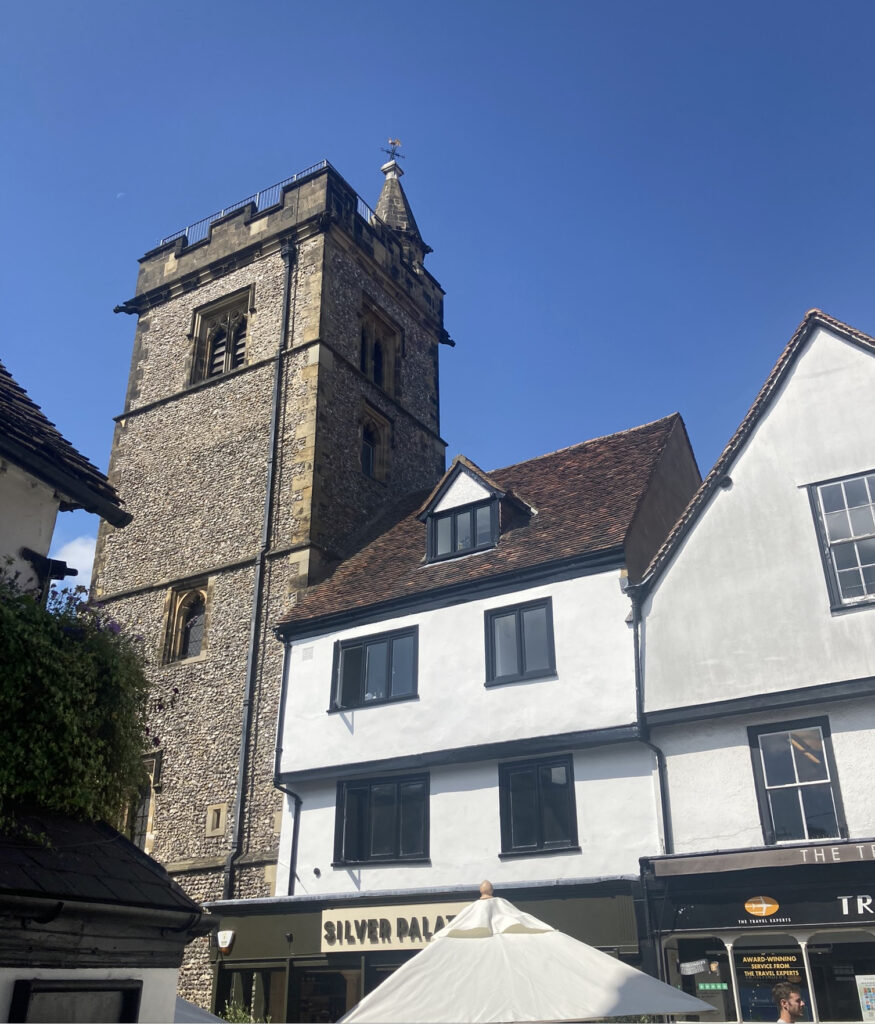
So to avoid being fined, pilloried or flogged, bakers started to give an extra loaf or piece of bread, hence a “baker’s dozen”. The baker in his shop next to St Albans Clock Tower abided by these rules to escape punishment in the pillory, which used to stand just outside what is now WH Smith.
The Normans also gave us new names, such as William, Robert and Henry, as well as hereditary surnames. Nicknames had usually been used as second names by the Anglo-Saxons. Or names showing who your father was, such as Edmund’s son. Your occupation could be added to distinguish you from someone of the same name locally, such as Robert the Baker.
Originally these surnames were temporary and not passed on, but by 1381, poll tax lists show that most families were using hereditary surnames.
Something else encouraged by the Normans – wine. They planted vines, especially at their monasteries and abbeys, as at St Albans. In 1086, the Domesday Book was completed. This was a huge survey of property and land commissioned by William the Conquerer so he would know exactly what his new kingdom offered.
The Domesday Book listed nearly 40 vineyards in southern England. So under the Normans our consumption of wine increased. French wine was, of course, still considered superior.
Not that drinking was unknown to the English. They liked their ale, with most Anglo-Saxon settlements having an ale-house. An “ale” meant a social gathering and so ale-houses were where everything from wedding celebrations to business arrangements took place.
But under the Normans, wine in England came to be seen as a prestigious drink and by the late 1100s, John of Salisbury, Bishop of Chartres, wrote that “the English are noted among foreigners for their persistent drinking”.
And, of course, the Normans did bring their superb architecture and building skills, giving us powerful castles and magnificent churches, such as the Abbey Church of St Albans. Begun in 1077, completed in only 11-12 years, consecrated in 1115 and still standing.
To find out more about Anglo-Saxon and medieval St Albans, visit www.stalbanstourguides.co.uk