14 May 2026
The St Albans we know today has a lovely and vibrant atmosphere, with its bustling market, fine historic buildings and, of course, our splendid Cathedral.
But throughout its long history there has lurked a seedier side with every type of rogue, rascal and n’er-do-well you could imagine. From corrupt Victorian politicians, knee deep in sleaze, to scandalous pub landlords and ‘painted ladies’ of ill repute.
Even as recently as the early 20th century, part of the town was such a lawless slum that the police had to patrol in pairs for their own safety. Hard to believe, but this was elegant Fishpool Street, now lined with more than 70 listed buildings.
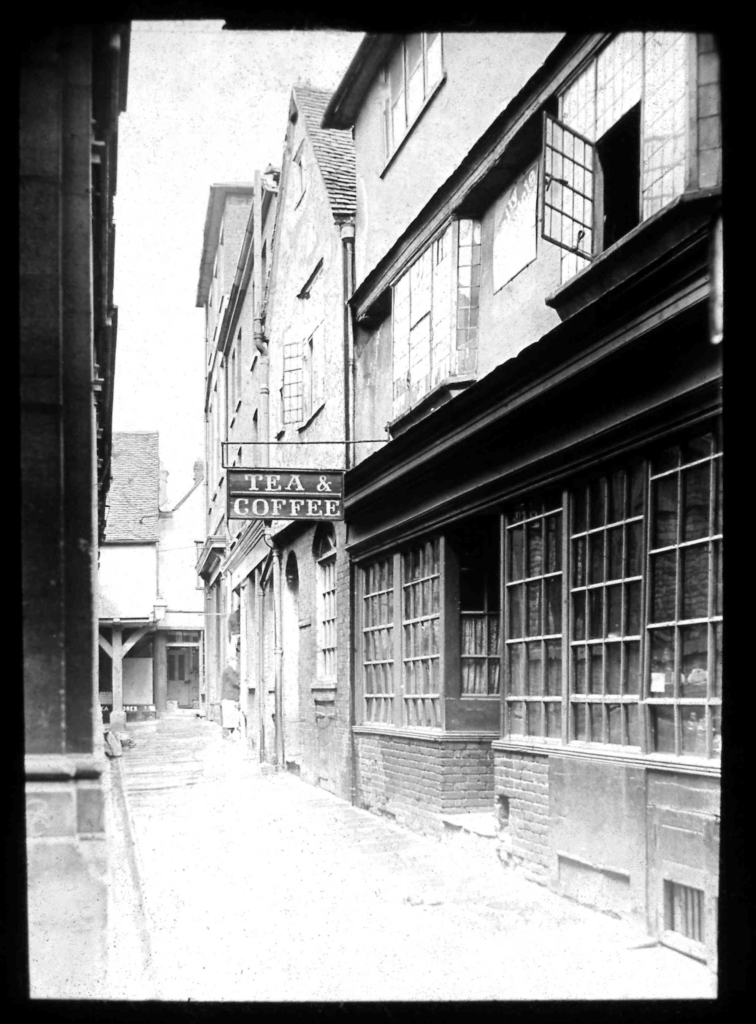
In the 19th century Lamb Alley was the haunt of harlots. There were complaints from clergymen that ‘flashily dressed and painted women could be seen in this area at all hours of the day and night’ awaiting their customers. History doesn’t relate what the clergymen were doing there.
The slang for a girl who was both a harlot and a pickpocket was a Buttock and File. Whereas if she didn’t do the stealing but had an accomplice who did, they would be described as a Buttock and Twang.
A less picturesque euphemism was ‘criminal conversation’ with men. This was really a legal term applied to adultery which allowed the husband to claim damages from his wife’s lover.
After all, in the eyes of the law his wife was seen as his property, just like his horse, dogs and furniture.
A notorious case occurred in 1825, involving Samuel Wildbore, the flamboyant landlord of the Blue Boar inn, which once stood in the Market Place (now the site of Specsavers). He was caught whilst behind a hay rick, preoccupied by ‘criminal conversation’ with Mrs Dolling, his friend’s wife. Mr Dolling sued for damages of £1,000 (nearly £60,000 today). In court Samuel was accused of ‘beastly lust, ill becoming a man in his sixtieth year’. However, it turned out that two witnesses had blackmailed Wildbore and Mrs Dolling ‘to keep it from Mr Dolling’ and the jury let him off the charges. Perhaps there was also a secret admiration for a man of his age being so energetic?
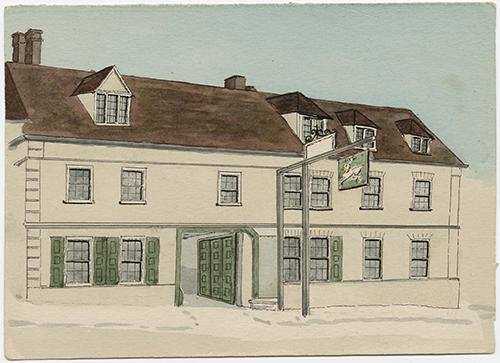
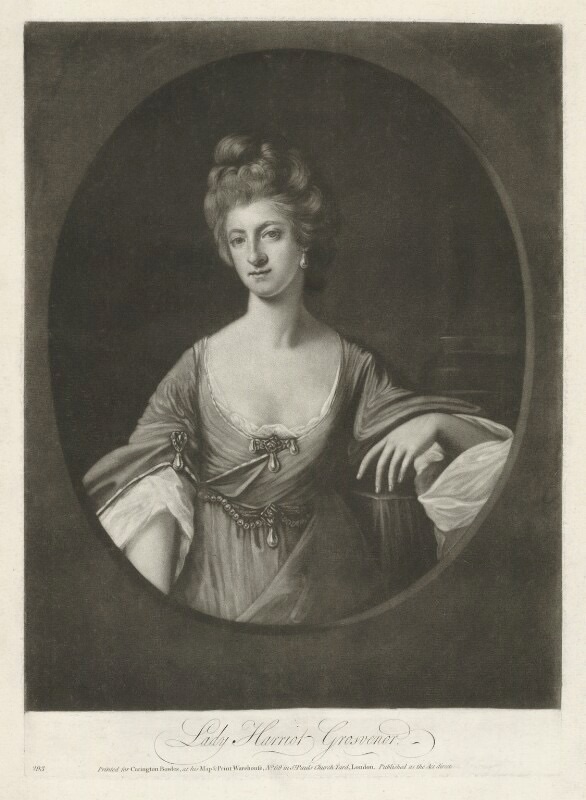
There seems to have been a lot of criminal conversation about in St Albans with those in the higher echelons of society also getting caught out. In 1770, at the White Hart on Holywell Hill, a curious servant peered through a keyhole into the room of Henry, Duke of Cumberland, and saw him committing flagrant adultery with Lady Henrietta Grosvenor.
She was a well known leader of society. She was also married. Henry was a Royal Duke, younger brother of George III, so the news created a sensation. Henrietta’s husband, Lord Grosvenor sued the duke for damages, alleging ‘criminal conversation’ with his marital property.
The trial was a national scandal, with the lovers’ letters published in the press and servants revealing what they had spotted. But Henrietta fought back. Lord Grosvenor was a notorious gambler, said to have gambled away something like £25 million in today’s money. He was also a very regular visitor to brothels. Henrietta marched into those brothels and brought witnesses to court to testify to her husband’s debauchery.
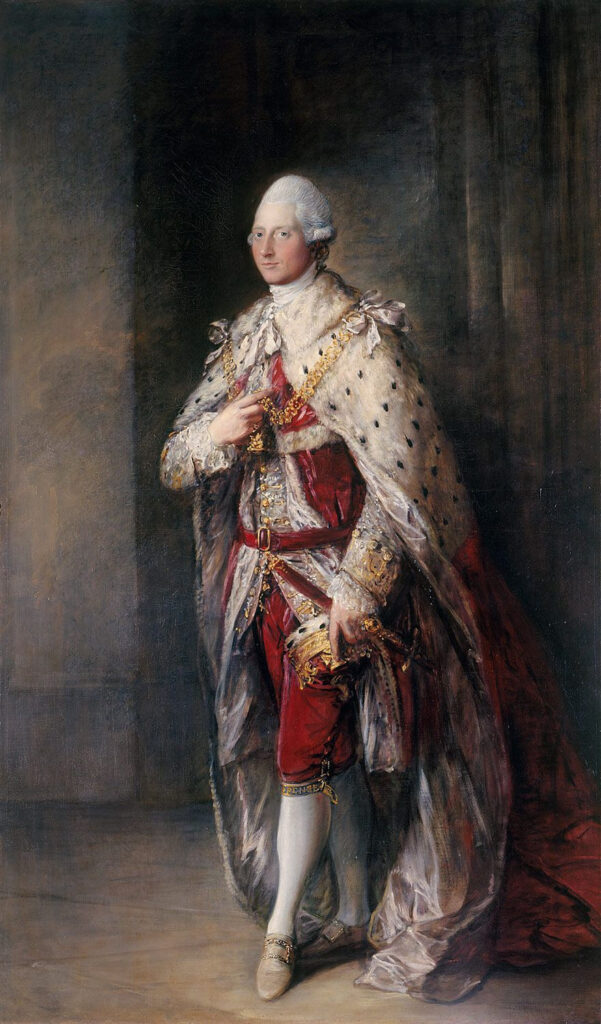
Nevertheless, Lord Grosvenor was awarded £10,000, (nearly £1 million today) but the judge refused him a divorce, saying they were as bad as each other and should remain tied to each other for the rest of their lives.
Henrietta may have been publicly humiliated but she refused to be shamed and go quietly despite the press avidly following her every move. She joined a club of prominent women who had also been publicly ‘ruined’.
The club, nicknamed the New Female Coterie was said to have been started by Caroline, Countess of Harrington, infamous thanks to her apparently insatiable sexual appetite. Henrietta was also a trendsetter. She started a fashion to enhance the posterior with padded bustles made of cork. In 1776, Henrietta was complimented on her elegant appearance and “striking protuberance”.
Public shame didn’t seem to deter Albert and Ebenezer Fox, identical twins and infamous poachers. They managed to avoid punishment on numerous occasions. They used their facial similarity to claim mistaken identity and bamboozle the magistrates. The advent of fingerprint analysis put an end to their schemes – even identical twins have different fingerprints. It didn’t seem to stop them as they ended up with a total of 120 criminal convictions between them.
On one occasion Albert was fined £1 for poaching. As he didn’t have the money, he asked for time to raise it, and then, the ultimate opportunist, spent the night poaching pheasants on the magistrate’s land before selling them on the market to pay the fine.
There were ‘white collar’ crimes too. Probably the most infamous was the by-election bribery scandal of 1850. The agent of the newly-elected MP was found to have spent the equivalent of £250,000 on inducements to gain votes – five gold sovereigns for each voter. Bribery at elections was by no means unique to St Albans at this time, but usually it was ignored.
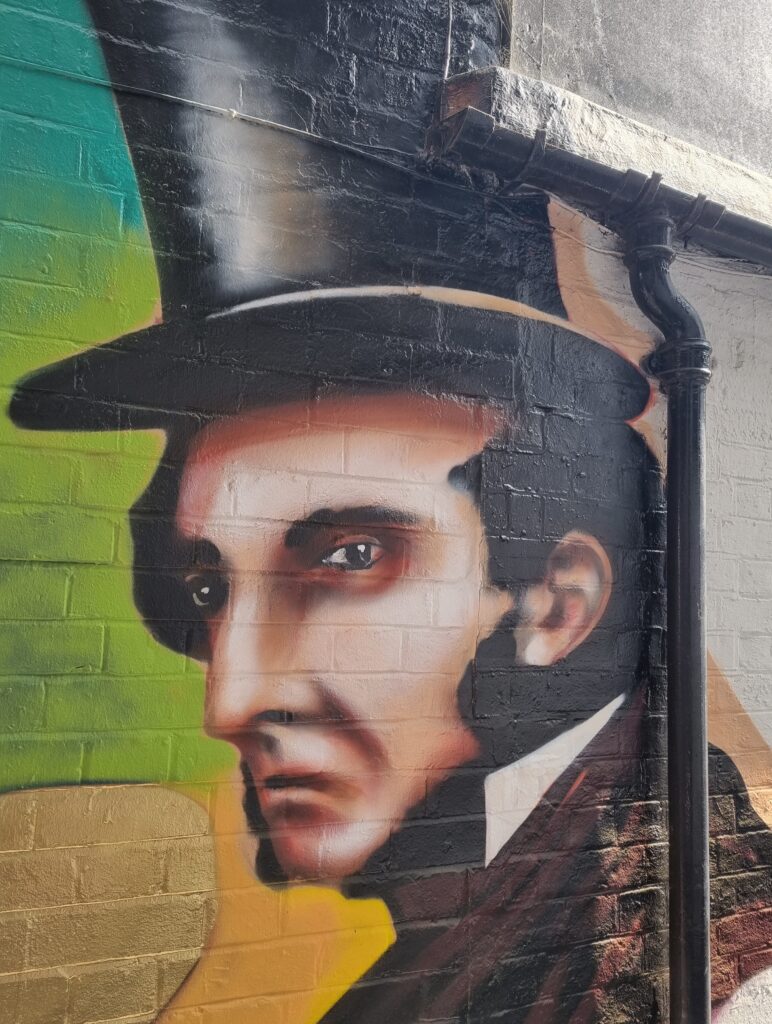
However, John Horner Rumball, a church warden at St Peter’s Church, was unwilling to let it go. He wrote to Parliament and set the ball rolling on a commission of enquiry. All sorts of shenanigans followed. Witnesses called to give evidence in London disappeared, having been temporarily ‘kidnapped’, forcing the commission to up sticks and come to St Albans instead.
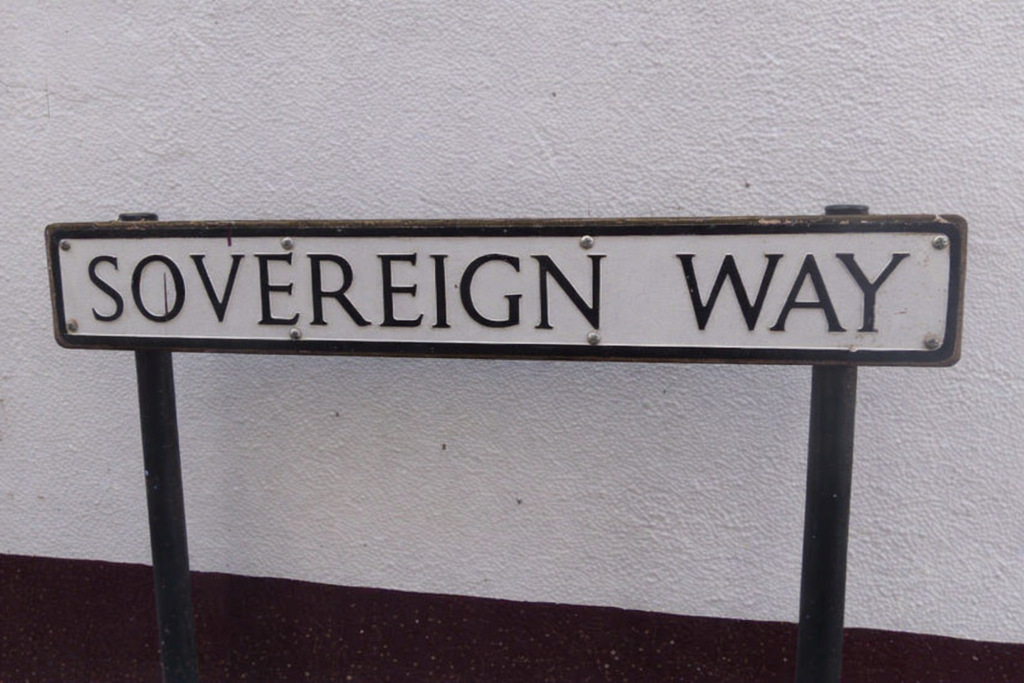
With a promise of immunity from prosecution the witnesses were persuaded to appear. The outcome was that the new MP lost his seat, and St Albans lost its parliamentary representation for over 30 years. And the location of the office where the bribery took place acquired a new name – Sovereign Way.
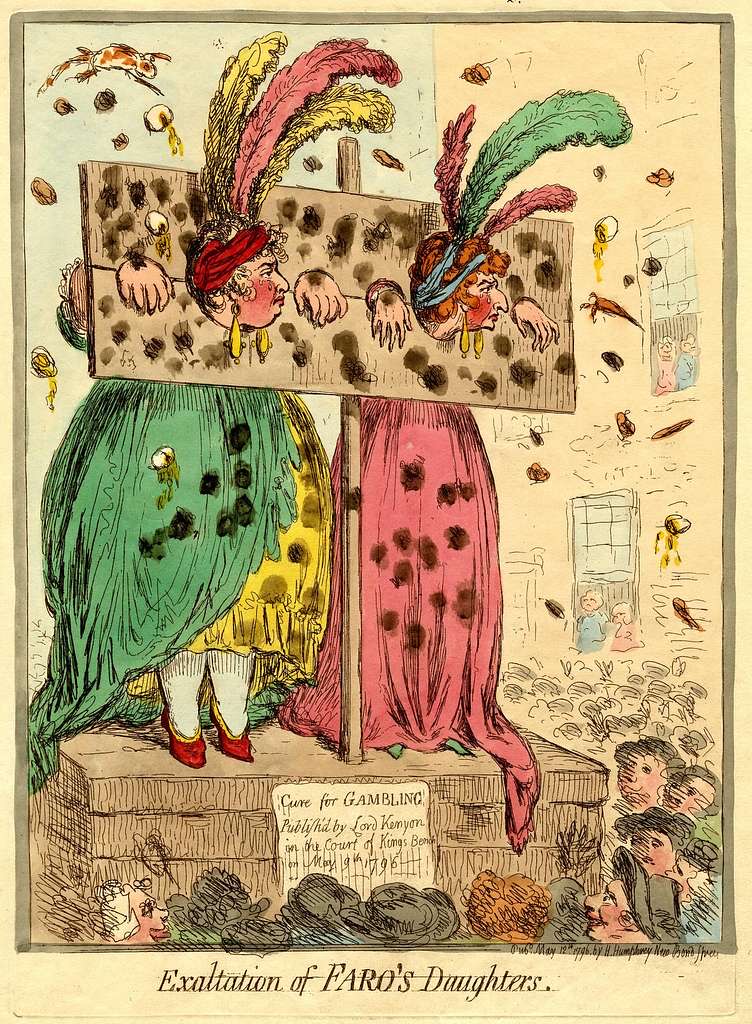
While some misdeeds could be resolved by financial redress, the punishments for most criminal convictions were severe and often involved public humiliation. Outside what is now TG Jones (formerly WH Smith) was the pillory. Here the head and hands of the unfortunate victim were pinioned for the time sentenced by the court, usually a few hours. This provided popular entertainment for the crowd in the marketplace who gathered to hurl insults and the smelly leftovers of the nearby meat and fish markets.
Discover more tales of scoundrels and scallywags, and the punishments they received, with the St Albans Tour Guides. Join their popular Crime and Punishment walk on Saturday May 16 at 2.30pm. Tickets are £10. To find out more and to book, visit www.stalbanstourguides.co.uk