


27 Feb 2026
Muslims throughout St Albans are currently marking their Holy Month of Ramadan, but many people outside the Islamic faith don’t realise there’s more to the ritual than not eating or drinking between dawn and dusk.
Considered one of the holiest times for Muslims, Ramadan is observed worldwide as a month of fasting, communal prayer, reflection, and community. It is also the month in which the Quran is believed to have been revealed to the Islamic prophet Muhammad.
Although this year the practice started on February 18 and will end around March 19 it is always dependent on the phases of the Moon so never occurs at exactly the same period of the calendar.
It is a time when Muslims devote all the daylight hours to Allah (God) by abstaining from certain things including food and doing deeds for charity.
According to the 2021 Census, more than 8,000 Muslims reside in the St Albans district, representing a diverse mix of backgrounds including South Asian, Middle Eastern, African and British communities.
Monir Ali of The Adda Club and leader of 20th St Albans Ansar Scouts shared what Ramadan means to him: “For me, it is almost like a 30 day reset and a practice on how I should be living for the next 11 months.
“I focus on my family, friends and most importantly improve my faith in Allah.
Monir said local Muslism also “ramp things up a little” in terms of community service and support for those who have less than them. While people think Ramadan is just about fasting it is also a time to focus on charity and giving back.
“Across St Albans there will be folks donating food and holding iftars (sharing a meal as they break their fast) and raising money. We also place an emphasis on prayers and connection to Allah. All five mosques are packed and have a great community feel with families young and old.”
He said his Scout group stops temporarily during Ramadan so that the young people can focus on their responsibilities as young Muslim Scouts.
Deputy Lieutenant of Hertfordshire and chairman of St Albans Islamic Centre Akthar Zaman said: “First and foremost, Ramadan is a religious duty commanded by Allah in the Quran.”
He added that Muslims observe it “purely for the pleasure of Allah and in return He rewards us in many ways”.
He believes it helps individuals to grow spiritually and creates a strong connection with God: “Recitation and study of the Quran is important throughout the year but especially during this month.
“It is an opportunity to practice and improve self-discipline and overcome our daily desires of eating, drinking, intimacy and smoking.
“It is an opportunity to endure a little of what poor people may go through on a regular basis and share our God-given wealth in a compassionate way.
“It is a time to reflect and focus on yourself too; a little me time. Ramadan brings our community spirit to the fore with shared purpose and breaking daily fasts together for Iftar.
“Ramadan can prove challenging mentally and physically in the initial stages but our bodies are resilient and very quickly adapt. This year the fast is only 12 to 13 hours so not a major change to the schedule.
“There are many physical benefits to fasting where the body can recover and heal. Additionally, there are opportunities for improving one’s character and overcoming bad habits too. I would recommend that even non-Muslims try fasting.”
Local police officer Mohammed Islam said: “Aside from not eating, we pray, give money to charity, help the community by doing voluntary work and share our food with our neighbours and friends.
“We love it. It’s a special time for family to be together and help the needy. All our community are welcome to join in when we share food, pray and do voluntary work.”
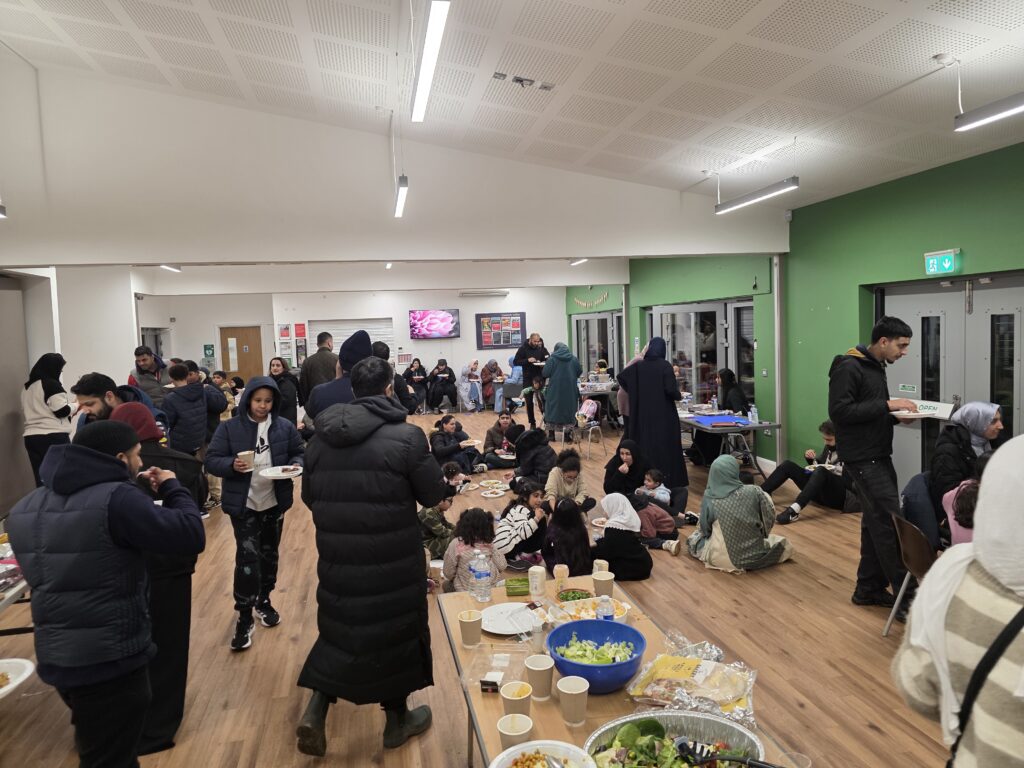
Muslim Yassar Afghen who lives in St Albans said: “Ramadan is often described simply as a month of fasting, but for me, and for many Muslims, it is far more than just abstaining from food and drink.
“I had a rough start to Ramadan this year due to work commitments and travel for first few days – it began midweek which made it harder to get into the rhythm. The weekend, however, gave me a much-needed pause.
The Scouts iftar we organised really helped me reset my intentions and reconnect with the true spirit of the month.
“To me, Ramadan is a boot camp. A short, intense crash course in building Taqwa (God consciousness), discipline, and resilience. It is a chance to realign myself with my Creator after 11 months of worldly distractions. Life can easily pull your focus away, and Ramadan acts as a spiritual reset, helping me redirect my energy toward what truly matters.”
Aside from fasting, he said. there are several core practices that shape his Ramadan. First is a deep reflection on the Quran.
He spends more time reading, understanding, and contemplating its message. It is not just about recitation, but about asking how its guidance applies to his life today.
Secondly, it helps him in strengthening his daily prayer: “There is more intentionality, more conversation with Allah, and more awareness of standing before Him. It becomes less routine and more relational.
“Third is service and community. Giving to charity, supporting others, and being present for the community are all acts of worship. The Scouts iftar was a beautiful reminder of that. Bringing people together, serving families, creating a space of belonging, all of that is ibadah. Serving creation is a way of drawing closer to the Creator.
“Then there is Taraweeh, the extended night prayer performed in congregation during Ramadan. Standing in prayer at night, listening to long portions of the Quran, creates a powerful sense of humility and reflection. It helps me recalibrate and prepare spiritually for the next day’s fast.
“Ramadan so far has been a mix of challenge and renewal. The early days were harder than expected, but once I reconnected with the purpose, the rhythm returned. That is the beauty of Ramadan. It gently pulls you back, recentres you, and reminds you who you are and what you are striving for.”
Syeda Maham Bathool also increases her prayers and spends more time reading and reflecting on the Quran during Ramadan.
Many Muslims aim to complete the entire Quran during the month, whether by listening in prayer or reading it individually.
“We try to improve our character, avoiding gossip, anger, dishonesty, and negative habits because fasting is not just from food, but from sin.
“Overall, Ramadan is about self-discipline, empathy for the less fortunate, reconnecting with God, and spiritual renewal.
“There’s something very grounding about stepping away from everyday distractions specially social media and focusing more intentionally on faith, family, and community.
“The nightly gatherings at the mosque, breaking fast together, strengthen community bonds. It’s a reminder that Ramadan isn’t just an individual experience, it’s collective.
“I think one important thing people may not realise is that Ramadan is not meant to be a month of hardship, but a month of growth. It teaches gratitude, even something as simple as a glass of water at sunset feels like a blessing.
“It’s also a time of mercy, forgiveness, and second chances. Many people use Ramadan to reset spiritually and personally. For us, it’s a month that nourishes the soul as much as food nourishes the body.”
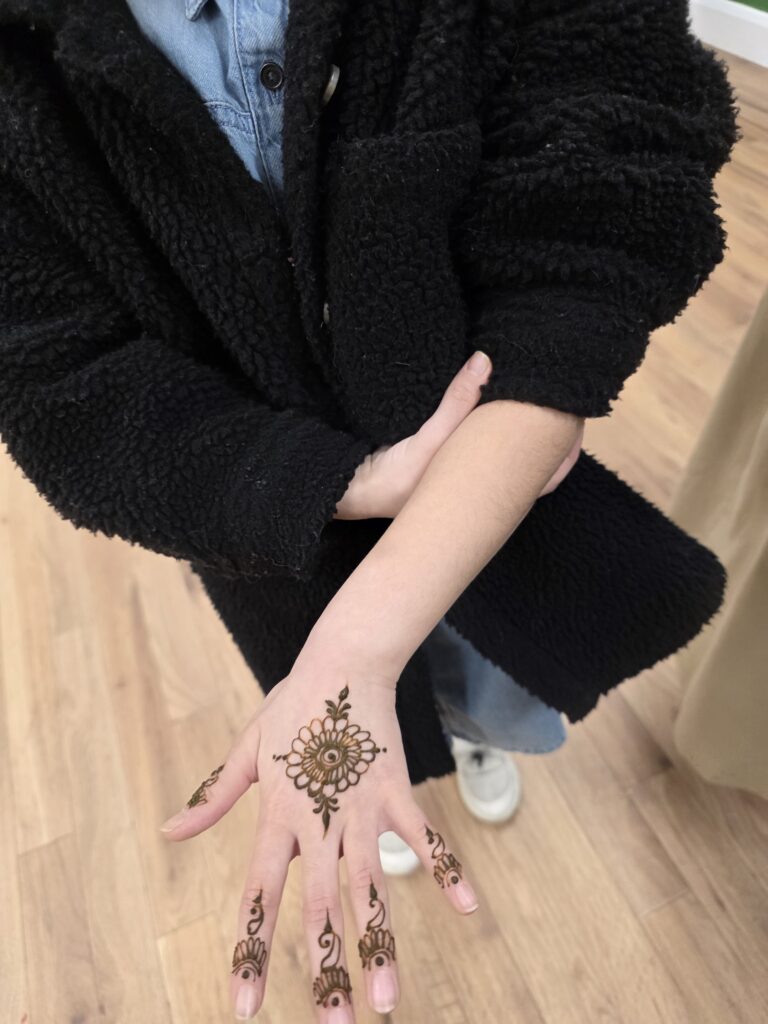
Zia Kiani of HAWA Multicultural Services CIC, a group for women looking to connect with others, share skills, and make a difference in their community, agreed that Ramadan is much more than fasting from food and drink.
“We focus on improving our character, being patient, kind and more mindful of others.
“We pray extra prayers, especially Taraweeh at night, read the Qur’an daily and try to give more charity.”
She described it as a “busy but also peaceful” time where people check on each other more, visit the mosque more often and there is a real feeling of unity and reflection.
“Ramadan is about compassion and community. It reminds us to slow down from our normal busy lives. We hope people of all backgrounds can see Ramadan as a time of kindness, generosity and understanding, and we wish everyone peace and blessings.”
Symah Kiani said during Ramadan she tries to pray more, reads the Quran and helps her mum prepare iftar. She also gives to charity and shares food with neighbours.
She added: “Ramadan teaches us self-control and to appreciate what we have.”
How is she finding it this year? “It’s going well. The first few days are always a bit hard, especially with school, but after that, you get used to it. I actually enjoy the evenings the most because the family sits together and eats at the same time.
“Ramadan makes you a better person. It helps you think about others and be kinder. I really like how the whole community feels connected during this month.”
Iffat Hamna said: “I try to do good deeds, help at home and be nice to everyone. I also go to the mosque sometimes and listen to the Quran. It helps me learn patience.”
And Saarah Karim said she also worships more at Ramadan. She enjoys showing praise and gratitude which reminds her of the blessing she has. She says that staying away from sins and bad habits, such as gossiping, lying, and swearing purifies her heart and mind:
“I feel spiritually fulfilled and closer to Allah during this time. Ramadan is an opportunity to reflect on my character and faith, striving to become not only a better Muslim but also a better person.
“Being a good Muslim means being good to all, embodying kindness, compassion, and justice in our interactions with others.”
Ramadan ends with Eid-ul-Fitr where Muslims celebrate with parties with family and friends and the giving of gifts.

