22 Sep 2026
After reading a LinkedIn post by local business leader Peter Barker about his “portfolio career”, Laura Bill was inspired to find out more about what it involves and the challenges of this phenomenon, only to realise it was also her own journey over the course of her working life…
I’ve always got bored easily – I enjoy new challenges and learn new things rather than the same-old, same-old. When I was little my Grandma would tell me about her career as a secretary, I liked hearing her dedication and diligence but it left me wondering how somebody is supposed to pick just one job and stay there until they retire.
I had one 40-minute chat with a careers advisor at secondary school – mine told me to be a nursery nurse – and was then supposed to happily map out a route to what sounded like a lifetime of mundanity.
I managed to blag my way into university through clearing, mainly on the back of some voluntary work I had done at Oaklands College whilst still at school, and afterwards I worked for charities like Herts Young Homeless, where I started off as a project worker at 21, and it grew from there.
I worked with homeless people, young offenders, adults with addiction and autistic people of all ages. My course had suitably grounded me in all the relevant laws – safeguarding, equality, confidentiality, dignity, trauma-informed practice and loads of other stuff. I would sail into any job I went for and usually stay two or three years and then move on.
Then I decided I loved learning so much – and had seen the transformative power of education in people’s lives – that I wanted to be a teacher. So I did a degree in Religious Studies while also care managing at Ridgeview Lodge hostel and then applied for PGCE courses which led to many happy years teaching.
Anyway… the years went by and spoiler alert – now I’m a qualified journalist with shorthand and law and politics qualifications. I’m loving what I do but wanting another thing to get stuck into alongside it has presented far more challenging and frustrating than I could ever have imagined.
What I have found is that people pigeonhole people. They say “That’s Sarah – she’s a hairdresser” as if that is the entirety of her existence. They apply the same criteria when Sarah might fancy a change of direction.
Sarah might have been manning reception every Tuesday for the last 20 years but when she applies for a receptionist role in a doctor’s surgery they say: “No, Sarah…you’re a hairdresser. This is a doctor’s surgery. How on earth could you answer our phone and talk about anything other than highlights or wedding hair?”
They question her whole life and her commitment to anything. It is ridiculous when you think about it.
Needless to say, LinkedIn has been my friend and foe for a while now but one post by St Albans businessman Peter Barker stopped me in my tracks and I knew I had to chat to him further.
He was talking about having a portfolio career, a concept where you earn income from multiple types of work or roles, rather than having one traditional full-time job.
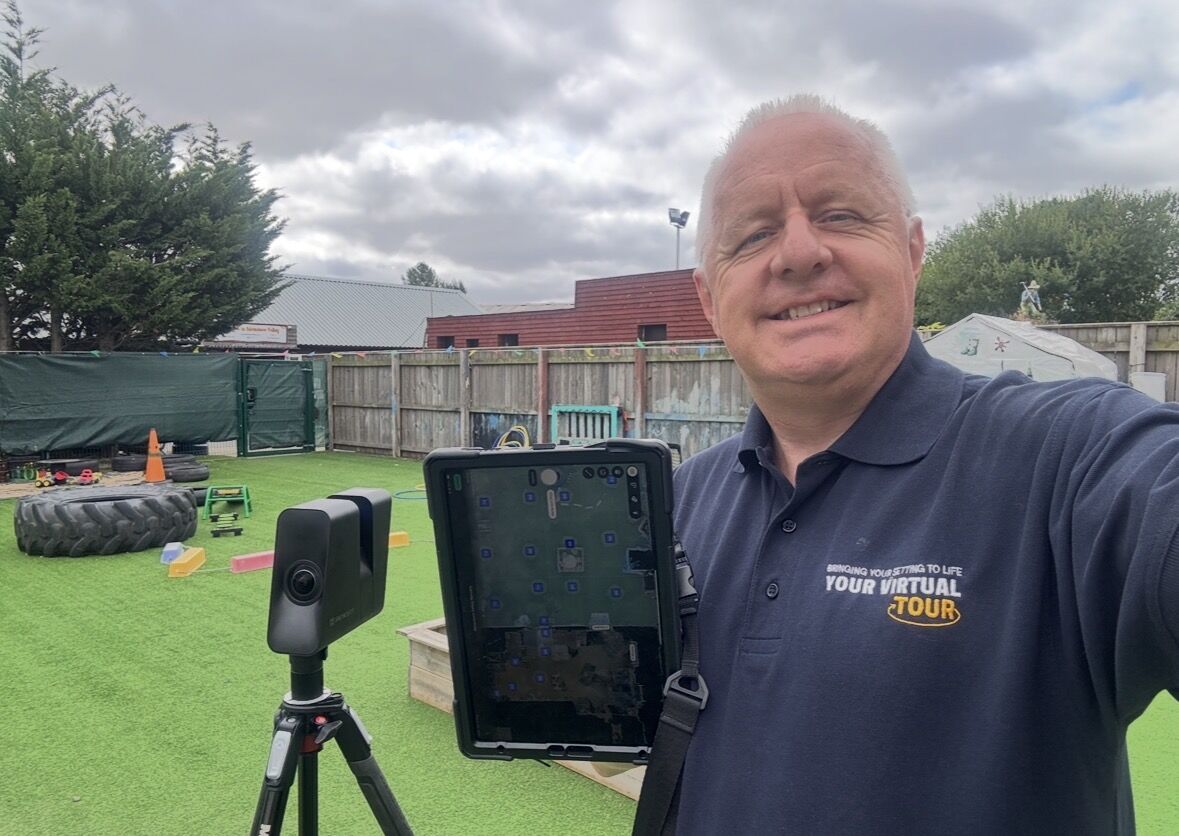
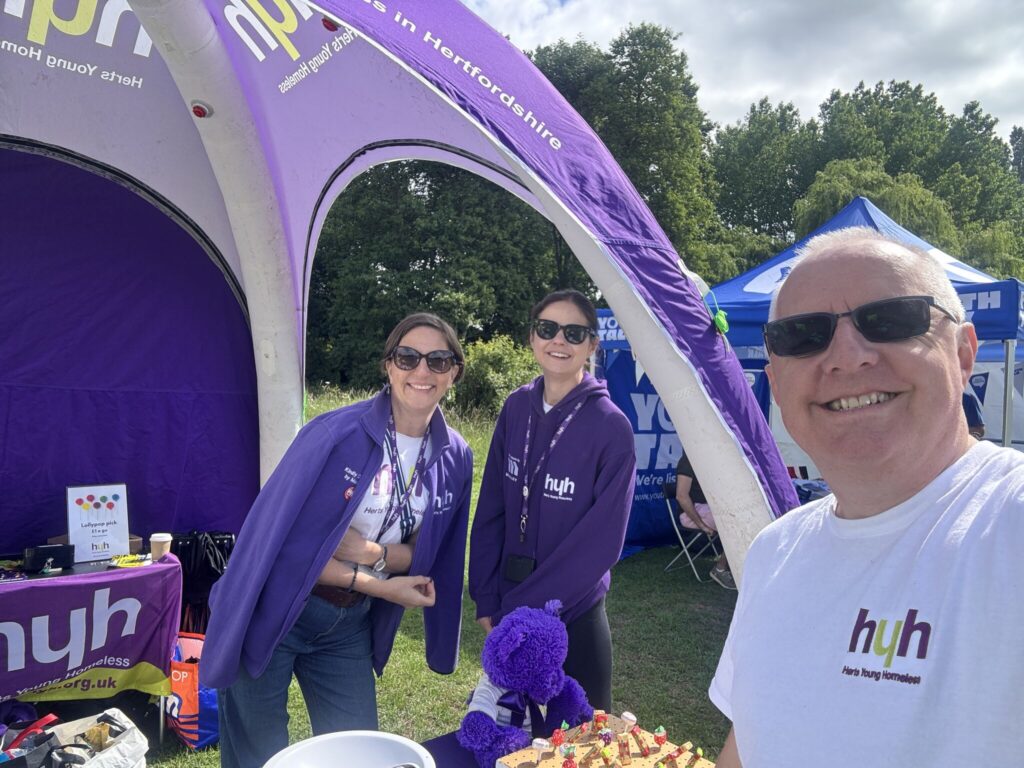
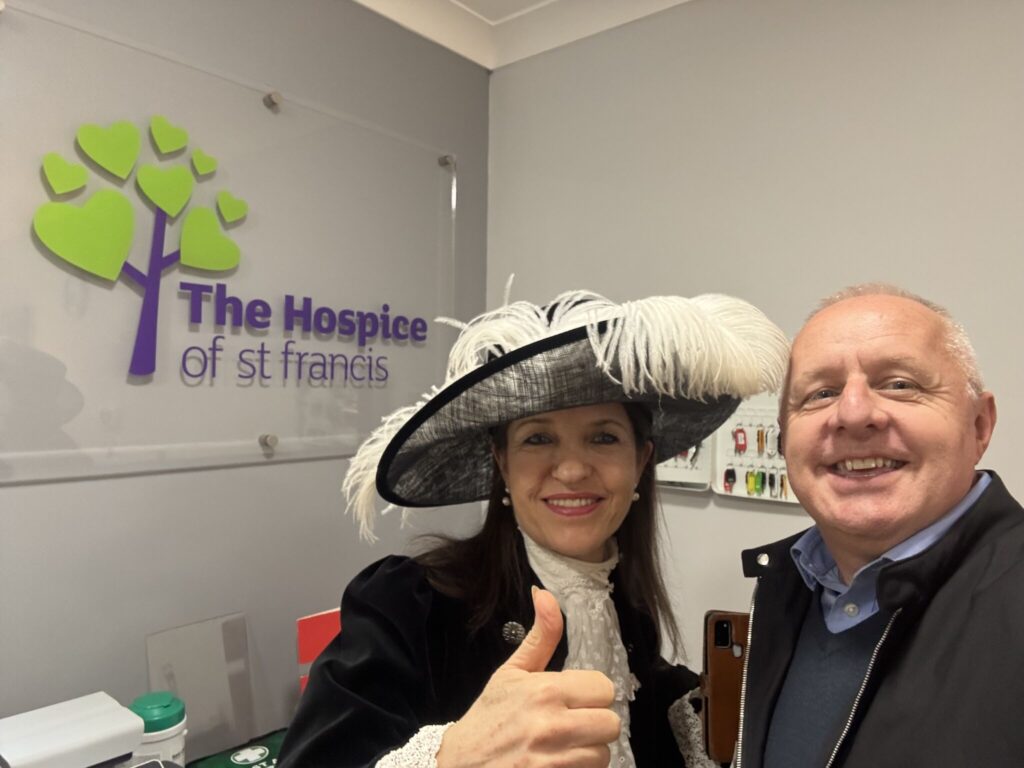
He said that he describes what he has as “a purpose-led portfolio career”. Peter works part-time in the charity sector organising fundraising events for Herts Young Homeless, but also runs a business helping organisations showcase their spaces online through immersive 3D virtual tours and is an ambassador for the Entrepreneurs Circle.
“On paper they’re three quite different things,” he explained, “but there’s a common thread running through all of them – bringing people together, solving problems, creating opportunities and hopefully making a positive impact.
“After many years in a senior operations director role helping to build and grow a global events business, it’s certainly been a change. I deliberately wanted the next chapter of my working life to have more purpose and to allow me to use the experience I’d built up in different ways.”
He said he enjoys the flexibility but said he is wary of portraying a portfolio career as a wonderful world of complete time-freedom: “It isn’t. In many ways, instead of having one ball to keep in the air, I now have three!”
For years, he thinks many of us naturally answered the question ‘What do you do?’ with one job title. Having spent most of his career working in – and building businesses – it has been interesting to discover how many of the skills and experiences he has picked up along the way can be applied in completely different environments.
That’s probably what he enjoys most about working across several areas, he said: “I’m constantly learning, meeting different people and seeing things from different perspectives. And often something I’ve learned in one part of my working life turns out to be surprisingly useful somewhere else.”
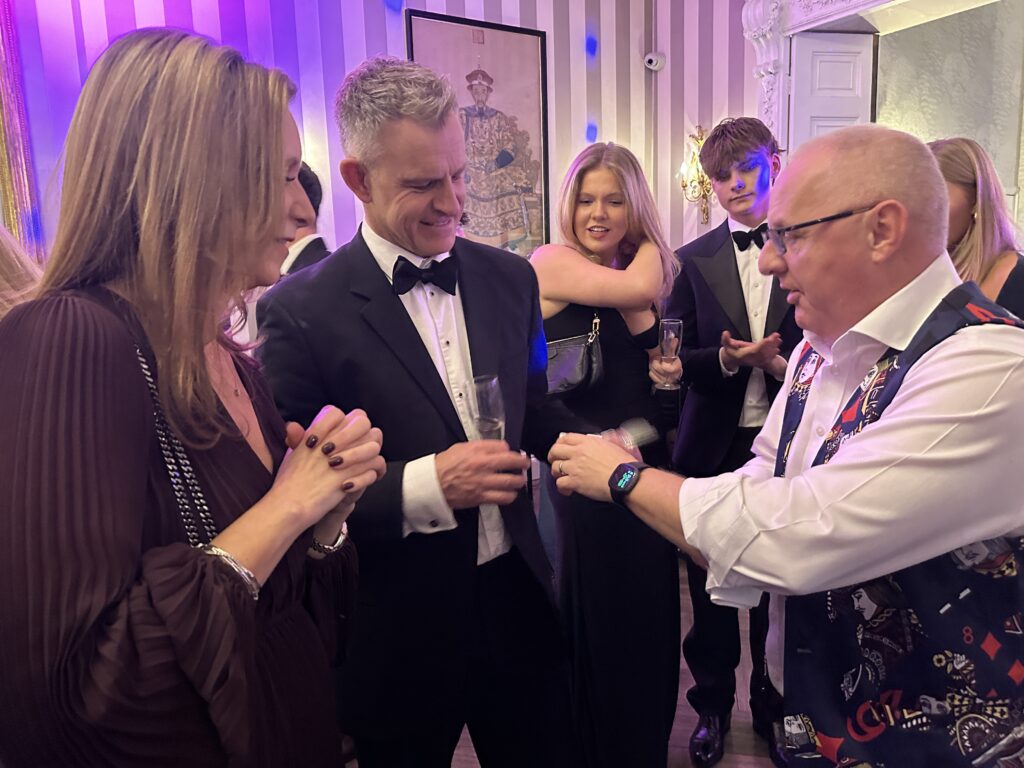
He even does a bit of magic which he loves and uses that to support charity and community events such as dinners, fun days and garden parties.
“There’s a Japanese concept called Ikigai, which is about finding a balance between what you enjoy, what you’re good at, what the world needs and what you can be rewarded for. I certainly wouldn’t claim to have found the perfect balance, but the idea resonates with me.
“At this stage of my career, earning a living is obviously still important, but so is feeling useful, continuing to learn and hopefully making a difference along the way.”
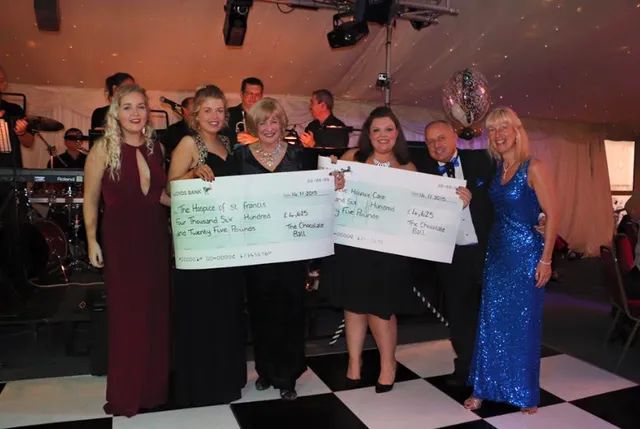
He said one of the nicest discoveries has been realising that experience doesn’t have to lead you down one particular path. He added: “The skills you build throughout your career can open doors you never originally expected – sometimes you just have to be willing to walk through them.
What are the benefits of having a portfolio career?
“There are loads, although I completely get that it’s not for everyone. First and foremost, it allows me to get involved in different things that genuinely interest and energise me. I love the variety. One day I might be working on a charity event that will raise thousands of pounds and make a real difference to people’s lives; another I’m working on my own business, meeting customers or helping another business owner tackle a challenge.
“Being able to take some of the skills and experiences I’ve accumulated over the years and use them to help a charity, build another business and support other entrepreneurs is incredibly rewarding.
“Running a business keeps me commercially sharp, charity work gives me perspective and purpose, and working with other business owners constantly exposes me to new ideas and challenges.
“There is a degree of flexibility in having a portfolio career, but I’ve learned that flexibility doesn’t necessarily mean having more time and financial freedom. In fact, while I’ve been building the different parts of mine, there have certainly been periods when I’ve had less.
“For me, the real benefit is having more choice about what I put my time and energy into.”
He also talked about the challenges: “My transition hasn’t all been plain sailing. Leaving the relative security and certainty of a senior role and starting to build something different inevitably brought periods of uncertainty. And there have absolutely been moments when I’ve questioned whether I’d made the right decision.
“I think that’s an important part of the story because it’s very easy to look at someone with a portfolio career and imagine they’ve somehow engineered a life of complete freedom. The reality can be quite different.”
He said instead of having one job and one set of priorities, you’re potentially juggling several. Sometimes one part of your portfolio needs more attention than you expected. Sometimes opportunities take longer to develop. And sometimes the numbers don’t immediately add up quite as neatly as you’d hoped.
“That’s where good time management, financial planning and personal discipline become really important,” Peter explained. He said he has to be structured about allocating the time and, when he’s working on something, giving it the focus it deserves: “I’ve also learned that the biggest challenge isn’t finding enough to do – it’s deciding what deserves your time. You have to protect your commitments and become comfortable saying no.”
He said if he were to advise someone who wanted to have different ways of making money he would tell them to not just build a CV but a toolkit.
Peter has attended some events with Steven Bartlett from The Diary of a CEO podcast, and said Steven talks about ‘skill stacking’ – building a collection of complementary skills rather than feeling you have to become defined by one particular specialism.
Learning how to sell, organise, understand the numbers, market something, communicate well, use technology and work with people are all incredibly transferable skills. Individually you don’t necessarily need to be world-class at all of them, but put them together and you can create a really powerful and distinctive toolkit.
Peter said: “The days when everyone expected to join a company at 20, stay there for 40 years and eventually leave with a good pension and a long-service carriage clock are largely behind us.
“Stay curious. Try things. Volunteer. Meet people outside your immediate world. Learn skills that might have nothing to do with your current job or qualification. Your career doesn’t have to be a straight line.”
Has he always found people are positive about it? “No. I think that’s partly because a portfolio career challenges our traditional idea of what a ‘proper career’ is supposed to look like.
“There can be an assumption that having several roles means you haven’t decided what you want to do, you’re not fully committed, or you’re somehow between ‘proper jobs’,” he said.
I have found that myself. It is almost as if I’m not seen as credible as a qualified and experienced teacher with a good degree and a PGCE because I’m also a qualified journalist. I don’t really understand – surely that should make me more desirable not less?
Peter said that there can be uncertainty, financial pressure, false starts and moments when you question yourself: “I gave myself a year to start working it out – building a new business, exploring different opportunities and hoping that the right opportunity would eventually come along with a charity whose work I genuinely wanted to support.
“Even then, everything didn’t suddenly click into place. I’m still building it and learning as I go.
“But perhaps that’s the most important thing I’ve learned: you have to give it time. Rome wasn’t built in a day, and neither is a portfolio career.
“So if you’re considering making the transition, give yourself a sensible runway financially and practically.
“Don’t expect every idea to work. Don’t panic when something takes longer than expected. And be prepared to adapt as you discover what works for you.”
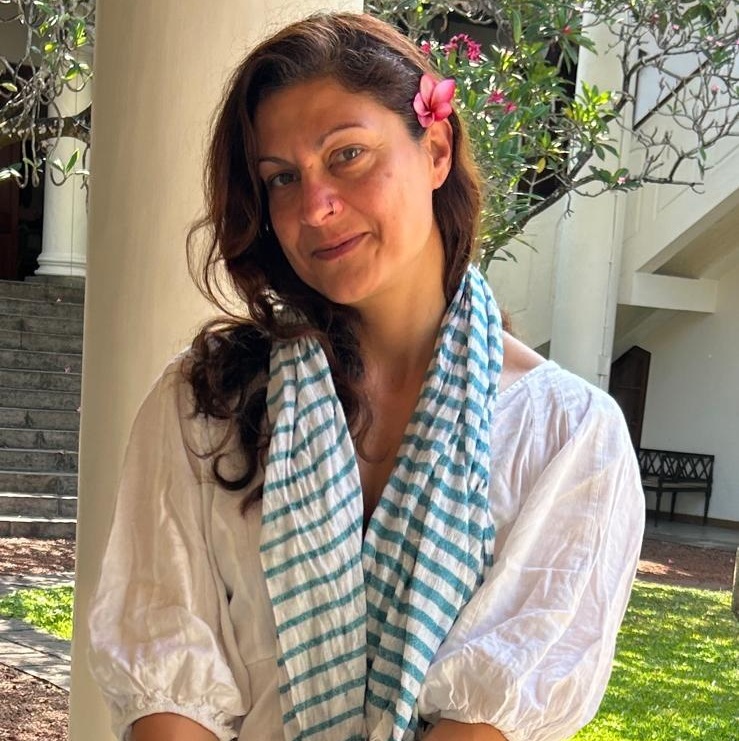
Nadya Giffen, owner of Nadya Giffen Therapies at The Quadrant in Marshalswick also has a portfolio career.
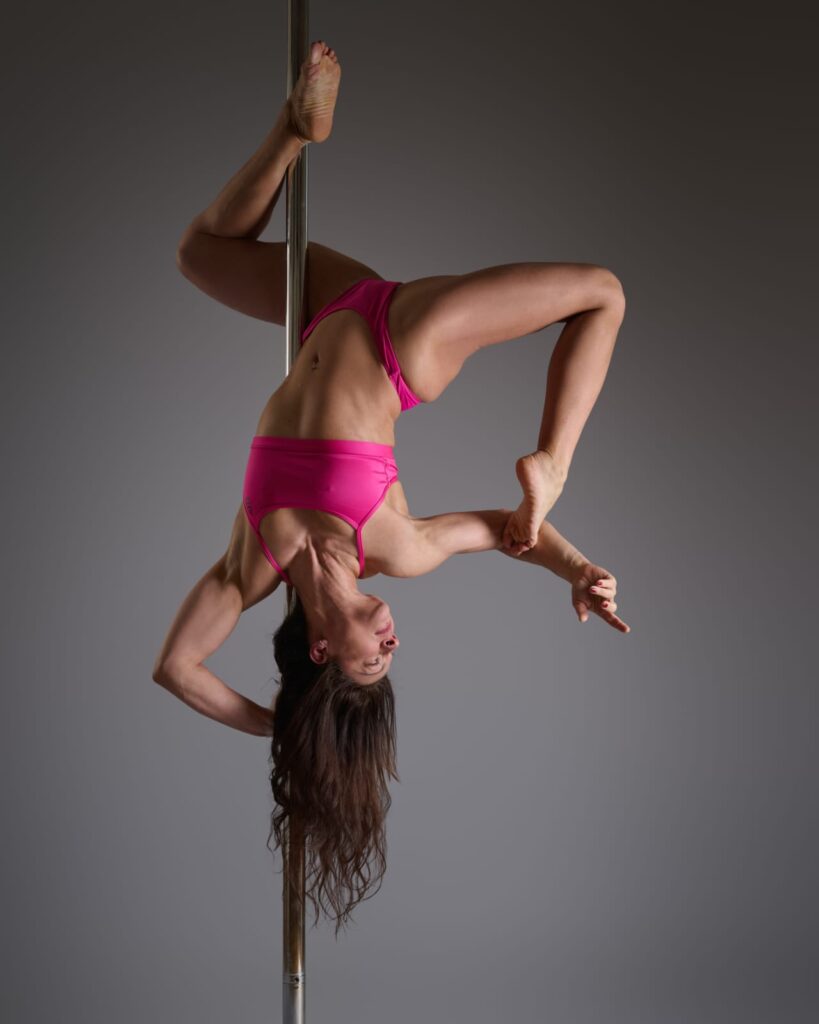
As well as running this wellness clinic and shop, supporting 30 therapists, clinicians and a front of house team, she is also trained in giving massages and other treatments and leads fitness classes including pole exercise as an instructor.
“I decided a long time ago that I wanted to split my time between different careers as I really enjoy variety. Fitness has been a passion since I was at school and health and wellness followed. They both work in synergy together and I still love both careers very much as every day is different.
“It is pure joy. The nerdy part of me loves learning and upskilling regularly so I can provide the best for my participants and clients. I am a people person and these two careers put me in direct contact with so many people each day which is why it is so joyful.”
Like Peter, she said a portfolio career gives you options and means you are never out of work or bored. It opens up options for learning, for meeting more people and creating a good network to make friends along the way.
Is it challenging? “I run a medium to large business so the admin side of things can be time consuming and challenging. I love the practical side more than the admin side! You have to put boundaries in and stick to them or you always end up working. Lesson planning is also time consuming, sometimes people don’t realise how much work goes in to planning a fitness lesson.”
If a young person today wanted to have more than one job, qualification or career, what advice would Nadya give them?
“I would always advise them to choose a job/qualification or career they will love. I would also suggest having multi skills as it provides variety. Having your fingers in a few pies means it keeps life interesting and the work coming in plus it is always good to have something to fall back on.”
What I have discovered – and I hope others might be able to become more open-minded on this type of career path – is that I am not flakey to have more than one string to my bow. I have lots of skills, both transferable and actual, and I also know now that it is my neurodivergent mind that has helped me to acquire so much energy, enthusiasm and drive to branch out and not get stuck in one role from 18 until the day the hearse arrives. It isn’t about not knowing what you want to do, it is the exact opposite. I’m still here figuring out my next move. Hopefully somebody somewhere will be open-minded enough to give me a chance.