20 Dec 2025
It’s Christmas Eve in medieval St Albans and the people are preparing, not just for the holy season, but also for a time of celebration.
For those walking through the Market Place on the way to the great Abbey, the air is full of the smell of gingerbread and marzipan. People are spilling out of the town’s many inns, merry with spiced wine, bumping into the crowds gathered to watch the St Albans troop of mummers.
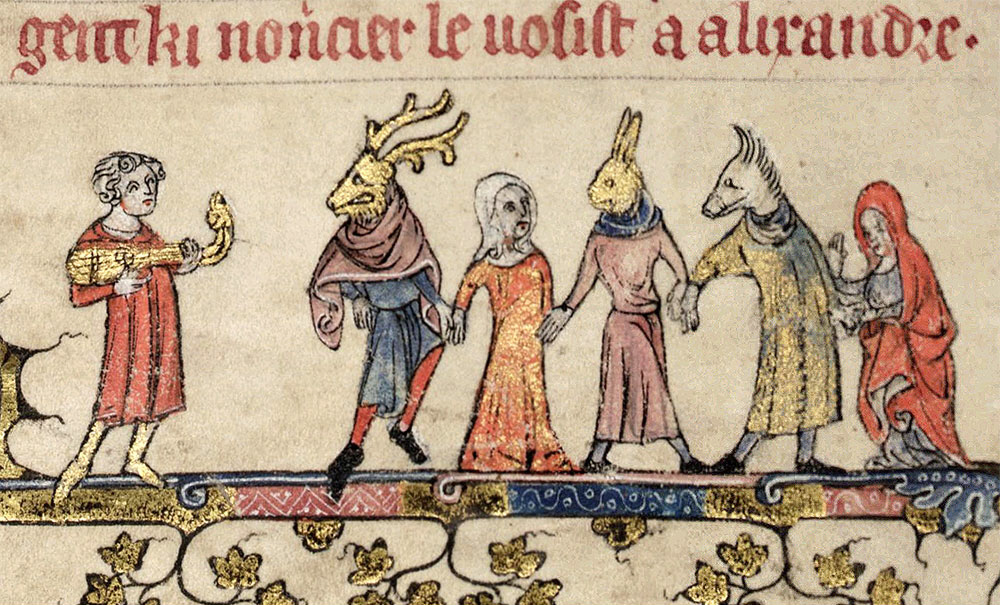
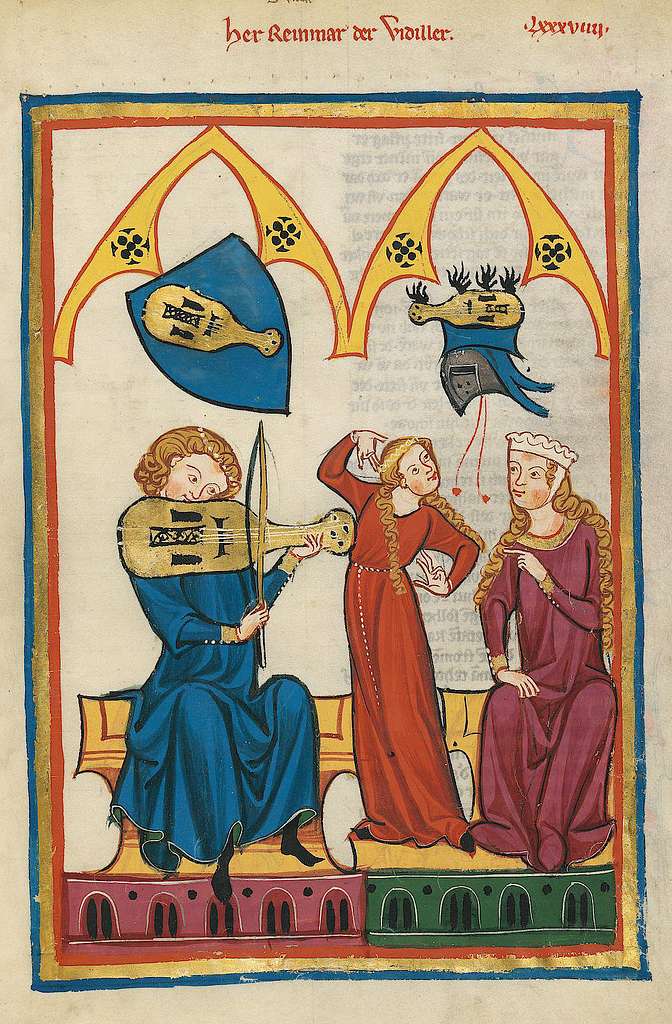
The mummers are acting out familiar stories – St George and the Dragon and seasonal pageants based on the Christmas story. They are dressed as knights or fine ladies (played by men) or disguised as animals or the dragon. The bells attached to their costumes are to keep away evil spirits. Nearby groups dance to Christmas songs performed by singers and musicians playing lutes, harps, flutes and drums. The sweet sound of the carols drifts over the town.
Christmas also means freedom from the usual chores. The schoolboys have 12 days off and are looking forward to replacing lessons with games of football and competitions of wrestling and archery.
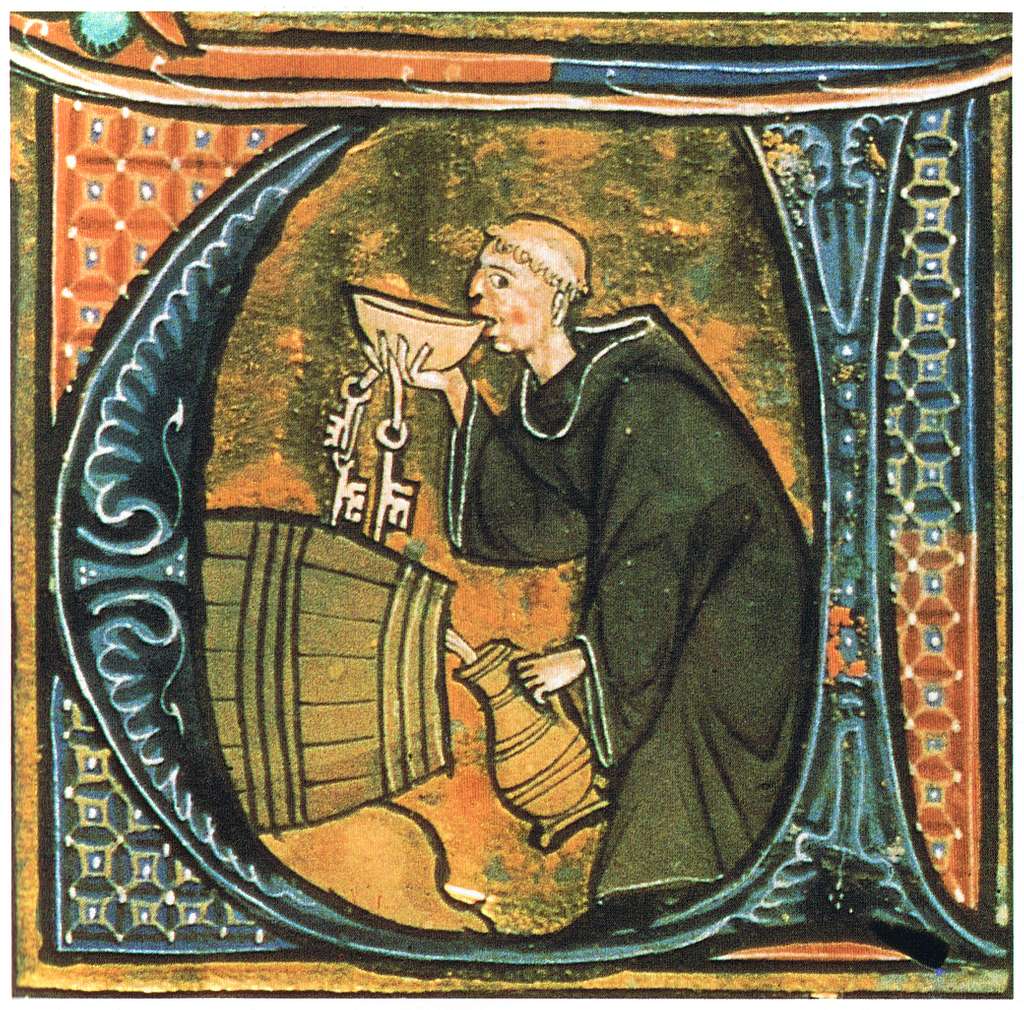
In the magnificent Abbey Church, the monks are also getting ready for Christmas, but for them the Advent season, which had begun back on November 27, is a time of abstinence and spiritual preparation. Each day is marked with special masses, prayers and fasting.
But soon it will be Christmas when the monks will be permitted a time of licensed misrule when they can stretch the usual rules for a few special days. Enticing smells will float from the Abbey kitchens.
Their usual fare is fish and pottage, a thick vegetable soup, but now some meat will be allowed in pies and pâtés. And all will be washed down with huge quantities of spiced wine and ale.
And it’s not just the monks. Stories still circulate about the year when the nuns at the nearby convent at St Mary de Pre received a gift of two ‘pipes’ (about 700 bottles) of red wine and 60 flagons (over 200 pints) of ale. What a Christmas that must have been!
Back at the Abbey there’s not just spiritual preparation to be done for the monks. There’s physical preparation too. Christmas is a special season, time for a rare bath (was the last one really back at Eastertime?), and for freshly shaving the top of the head, the tonsure.

Now, on Christmas Eve, both monks and townspeople are busy decorating their homes and church with holly and ivy. The tradition goes back to pre-Christian times when holly and ivy were seen as male and female so hung up together to create balance.
The evergreen leaves used to symbolise renewal of life after winter and protection against evil spirits. Christianity has abandoned some of the old pagan customs but kept this one and adapted it. Now with the prickles of the holly represent Christ’s crown of thorns and the red berries, his blood. The clinging ivy symbolises the need for believers to cling to God.
There are also holy boughs hung from hall ceilings. These are made of holly with a clay figure of an infant Jesus or the holy family attached. Everyone wants to stand underneath to be blessed with the good luck that the holy bough brings. Little do they know that sometime in the future mistletoe will be added to the bough and its tradition will change!
Christmas Eve is also the day to commemorate the Feast Day of Adam and Eve. Paradise trees are erected in churches and public places, adorned with apples and communion wafers to symbolise the Tree of Knowledge of Good and Evil in the Garden of Eden.
This is another tradition that will evolve and return in centuries to come as the Christmas tree.
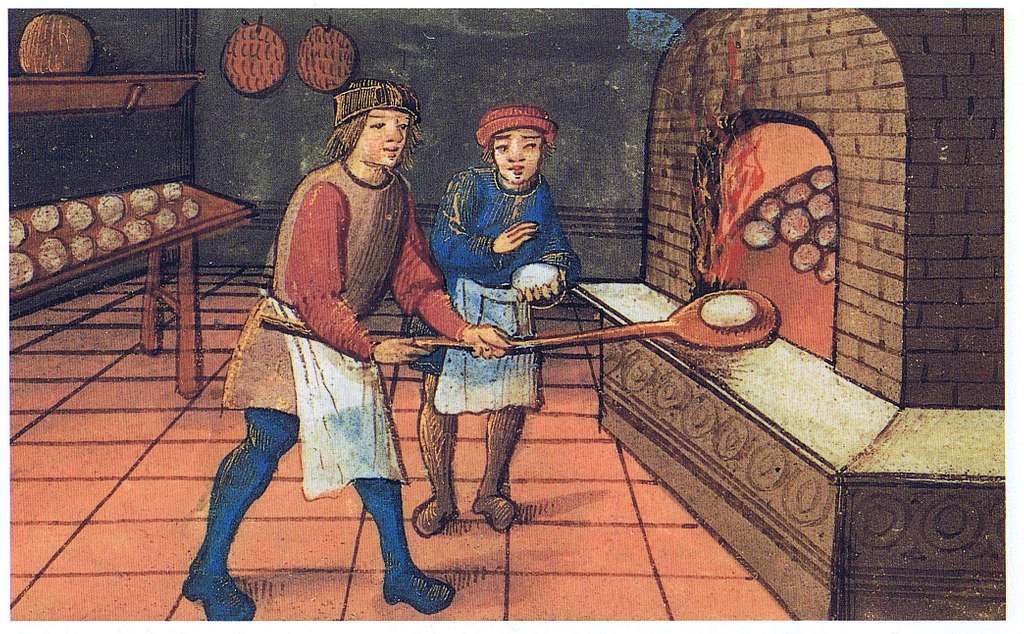
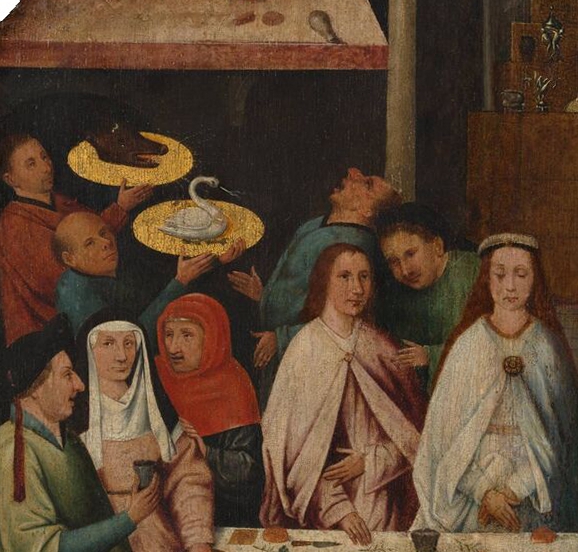
Christmas is for everyone, whether rich or poor. In wealthy homes the cooks are preparing elaborate meat dishes – maybe a peacock, designed to look impressive and show off wealth, rather than to be tasty. It will be stuffed with other foods to make it more palatable.
The other main centrepiece will be a boar’s head, stuffed with herbs, salt and cured meats, then covered with a mix of lard and black ash to resemble its hair. And if that’s not enough, the feast may also include goose, swan and beef.
Others won’t be able to afford such a lavish meal. Those who keep pigs will have a ham or bacon ready, but for the really poor, Christmas just means larger portions of their usual diet of bread and pottage, if they’re lucky.
Paupers will queue as usual at the Great Gateway of the Abbey waiting for gifts of food and fuel from the Almoner. The leftovers from the banquets of the rich will also be distributed to the poor.
After all Christmas is a time of giving. And the rich will be giving luxury gifts to family and friends on Christmas Day. Highly prized is gingerbread, flavoured with ginger, honey and spices, and pressed into elaborate shapes and sometimes even covered gold leaf. Or there are marzipan subtleties, moulded decorative treats originally from Persia.
In the days after Christmas there will be all kinds of entertainments. Children will listen spellbound to old folktales told by practised storytellers. There will be jaw dropping performances from acrobats and puppeteers. At home by the fireplace, there are board games to be played as well as wild party games. Hoodman’s Bluff, an early form of Blind Man’s Buff, could get quite rowdy. But even more hazardous is Snapdragon – floating dried fruit in a bowl of flaming brandy and challenging the players to seize a piece of fruit and eat it as quickly as possible without burning their fingers. Not for the fainthearted.
On January 6 the Feast of Epiphany will mark the end of the 12 Days of Christmas. It will be time to return to work, to school and to domestic chores which have been put aside. Yet the holly and ivy and other decorations will stay up until Candlemas Eve on February 1. To leave them up any longer could bring bad luck.
And then Christmas will be over for another year.
Join the St Albans Tour Guides on Sunday, December 21 at 11.15am to hear how the people in medieval St Albans made merry at Christmas.
For information and to book, go to www.stalbanstourguides.co.uk. St Albans City Tour Guides are local, trained and qualified green or blue badge guides.