19 May 2025
For more than 20 years, the Oaklands Wolves Academy has provided an opportunity for young people of all backgrounds to experience sport at all levels, whether it’s just for enjoyment as a respite from their studies, or as a route to becoming a professional athlete.
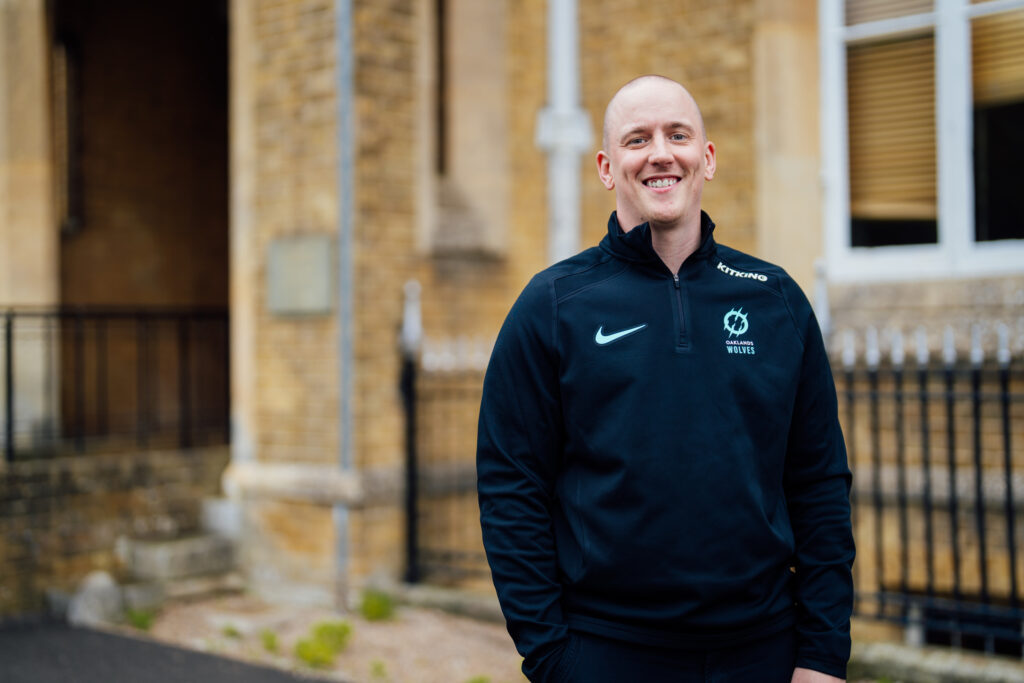
“We look to create an environment where young people can thrive, and while we currently have over 600 Academy students, it’s about each of those individuals being able to see how sport can benefit them,” said head of academies Thomas Baker.
“They might not all go on to become a professional sportsperson, however, through sport they will learn key life skills that will turn them into leaders and innovators. So we’re here to create a culture where high performance happens, but that is inclusive to everyone.”
There have been some phenomenal results for Oaklands, with students going on to enjoy careers in a variety of different sports, becoming World and European Champions,
Olympians, Paralympians and Sports Personality of the Year.
Alumni include football player Alex Scott, who played for Arsenal Ladies and the England national team, and Saracens player Jackson Wray.
“Success is synonymous with sports like athletics, football and rugby, but the academy is also developing a strong reputation in other fields.
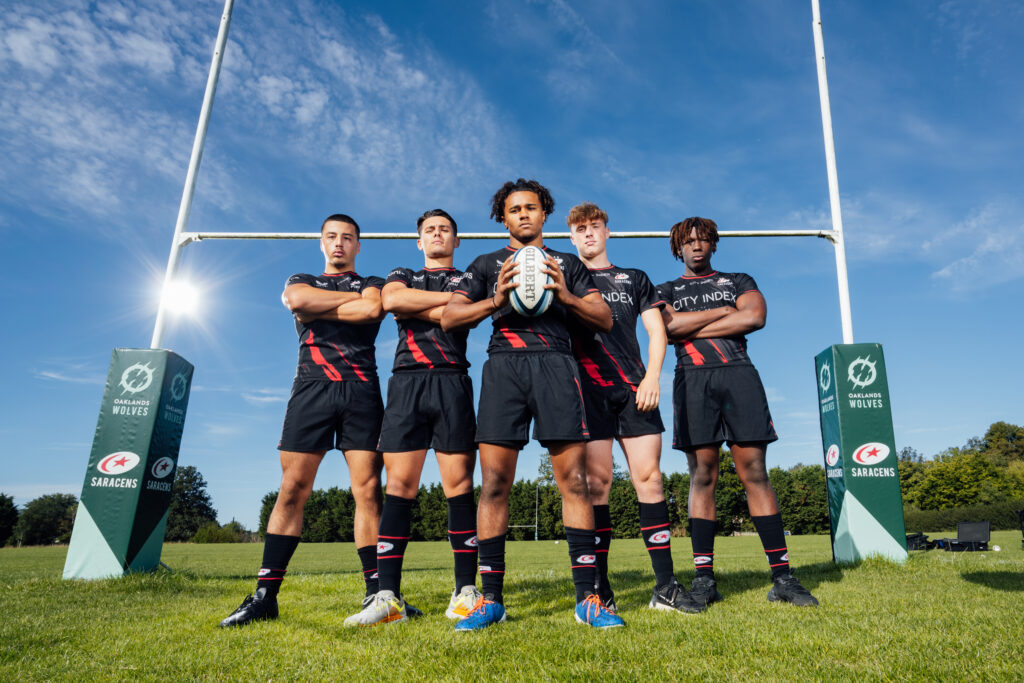
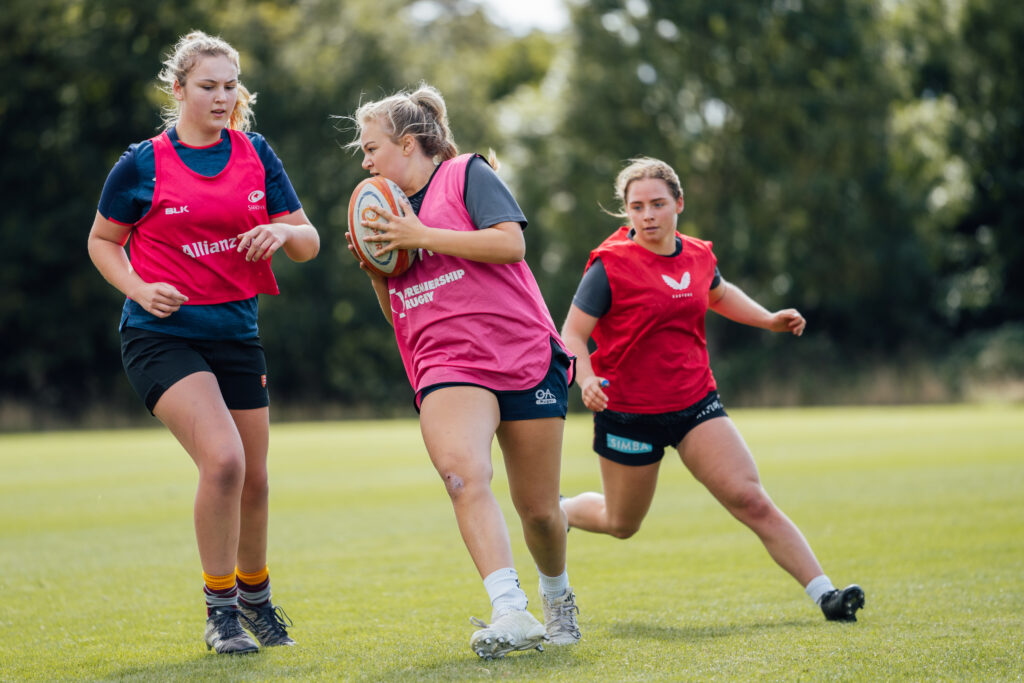
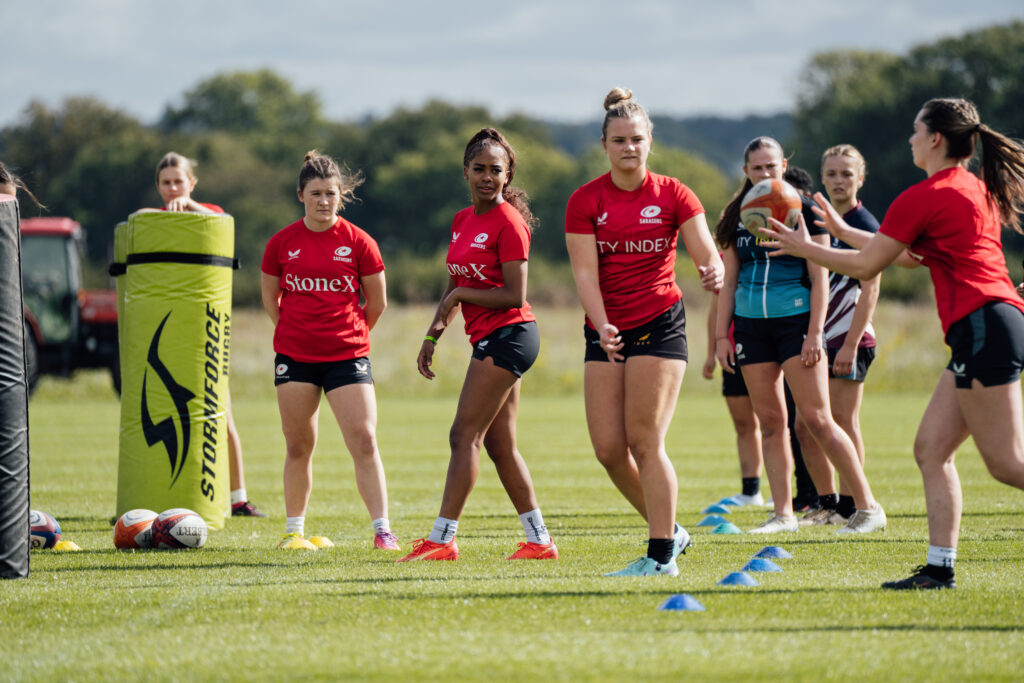
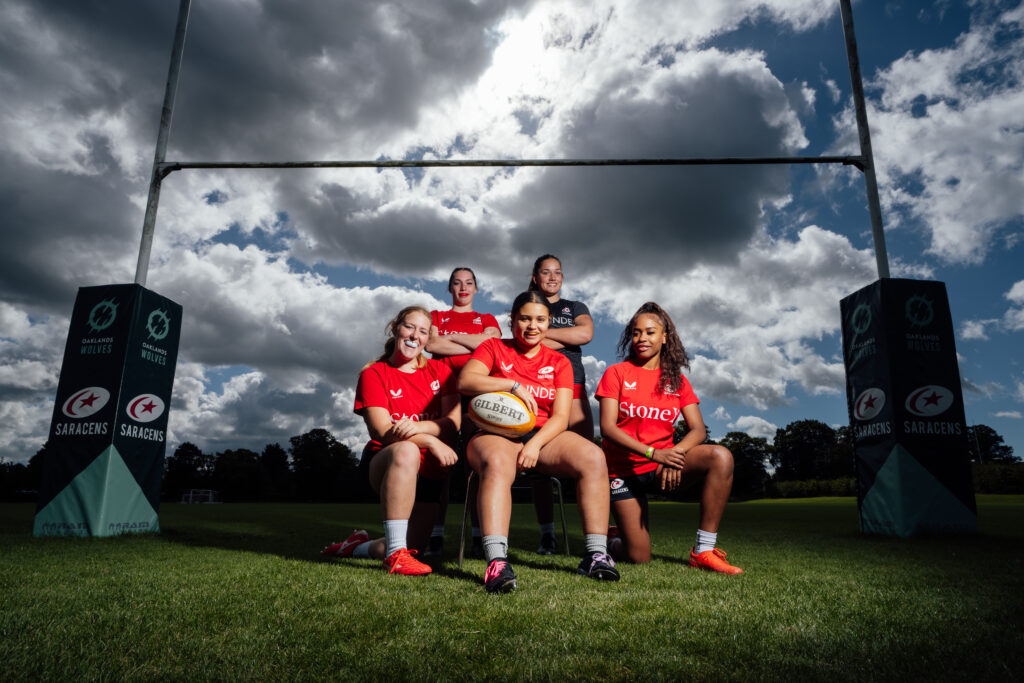
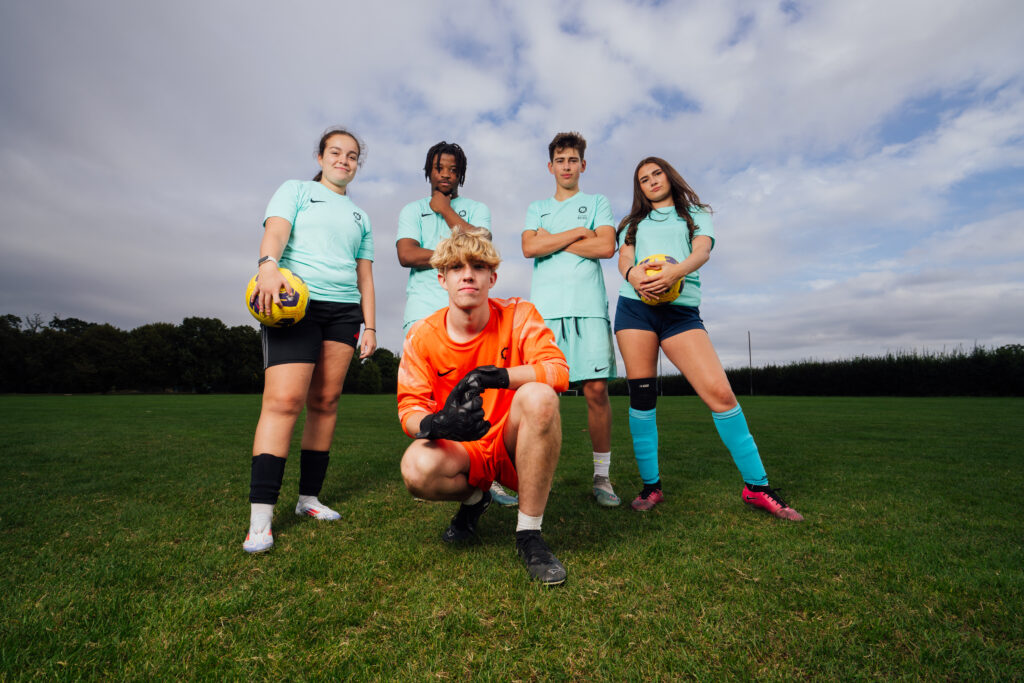
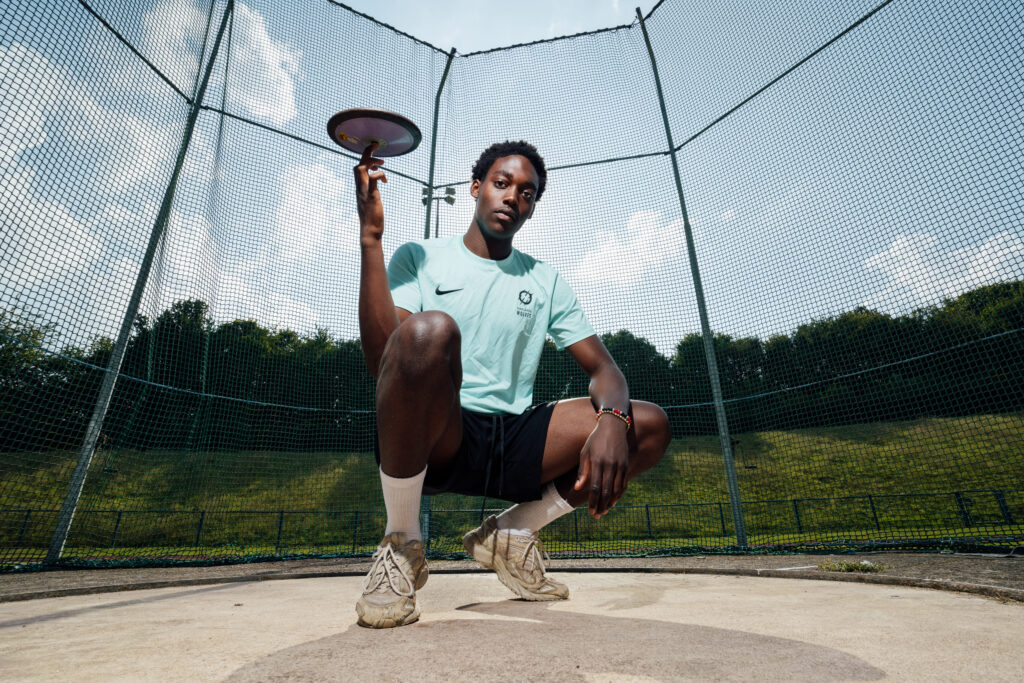
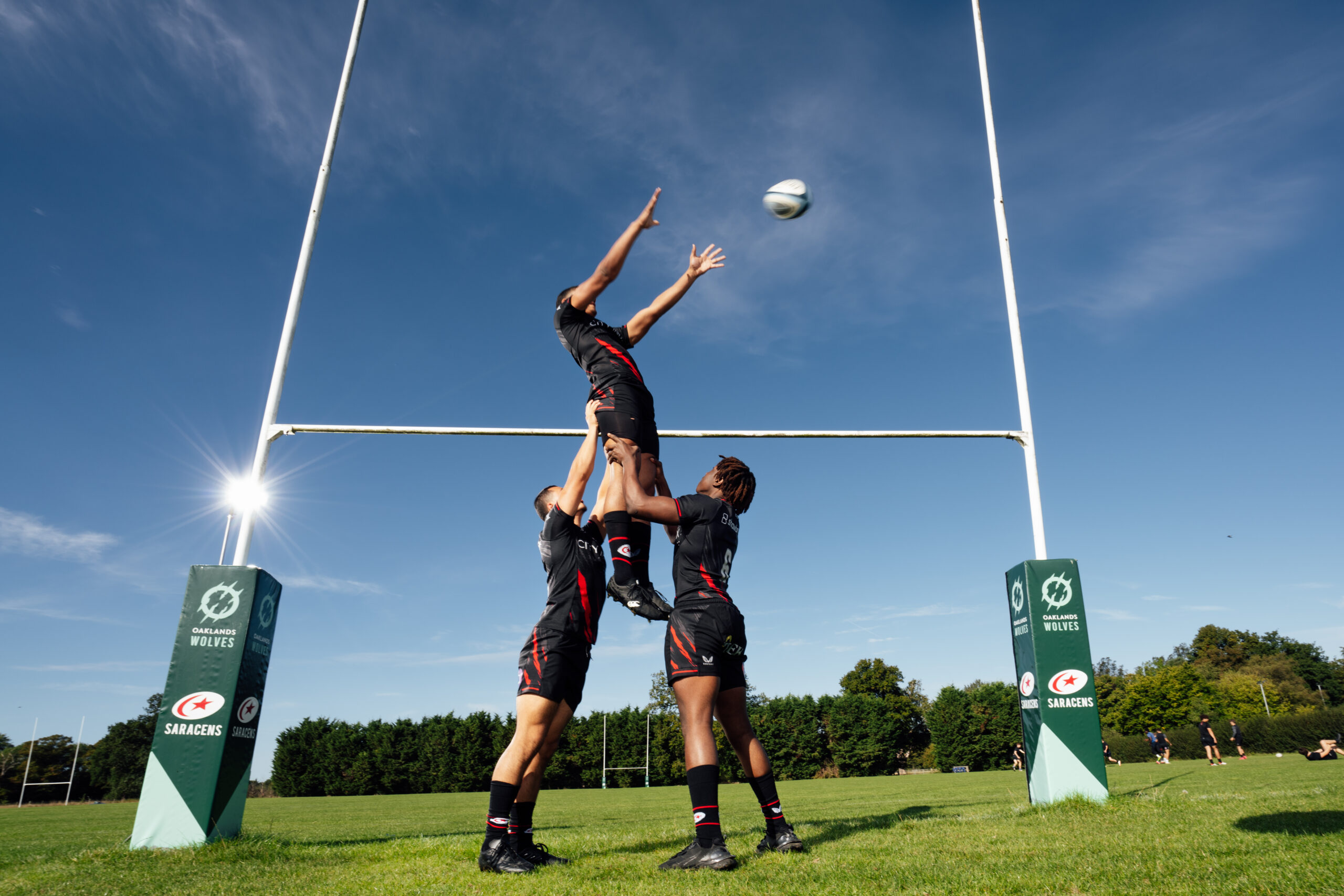
“Our athletics programme has a legacy that is very strong with success; over the years our rugby programme has had male and female athletes who have become professional rugby players, and our football programme has seen people working in professional and semi-professional football.
“But in recent years, our cycling programme has created champions, professional riders and aspiring Olympians, our basketball programme is really strong in a professional
standing, we have invested a lot over the last 10 years to get to that point.
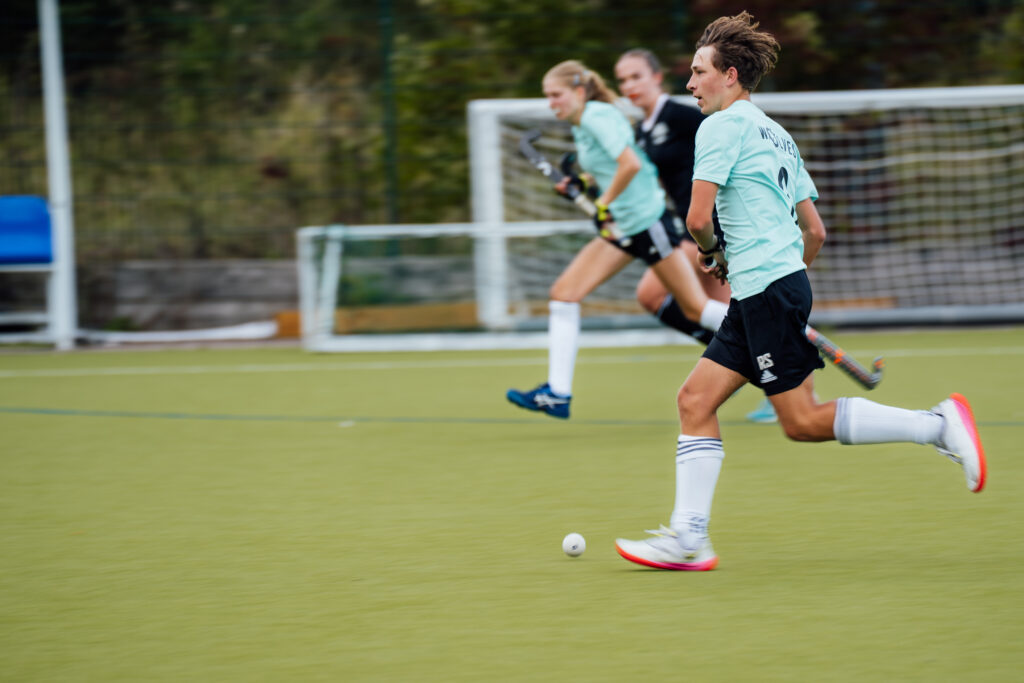
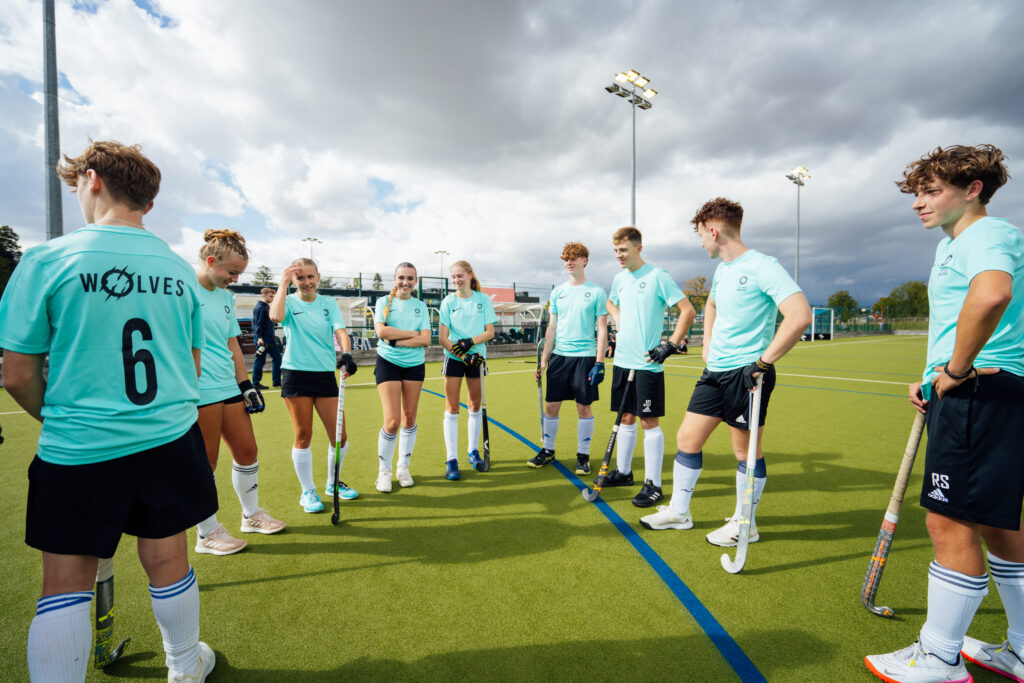
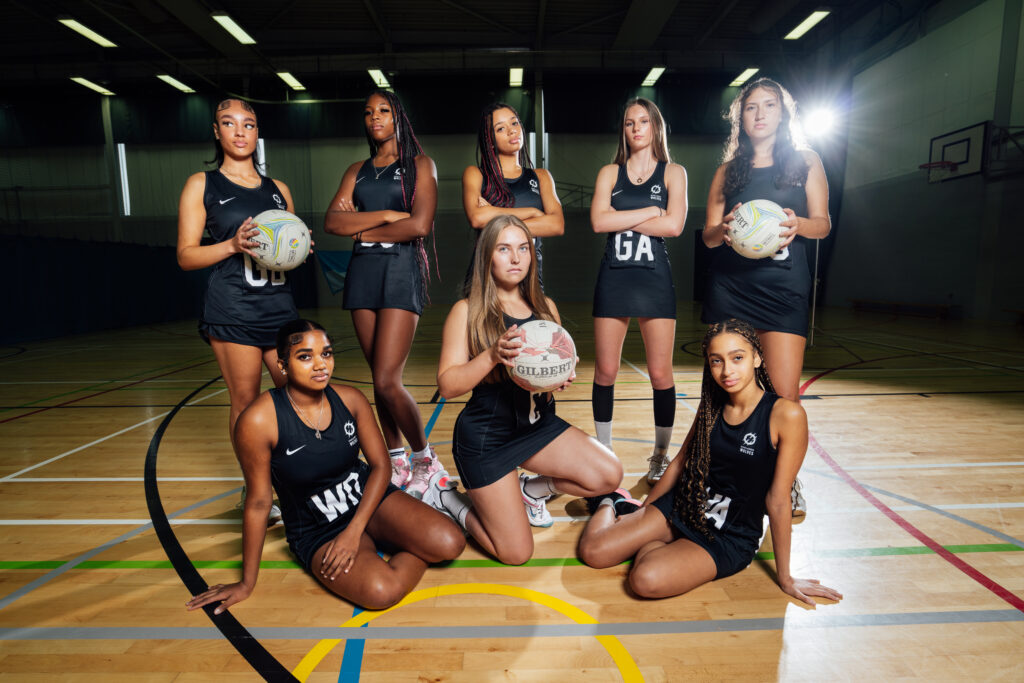
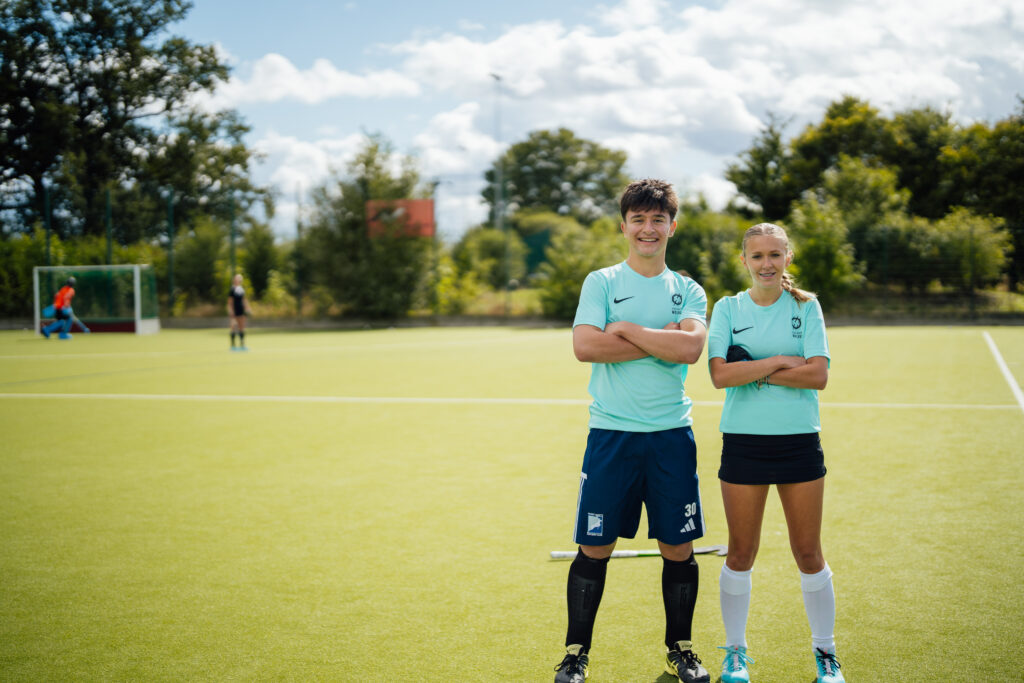
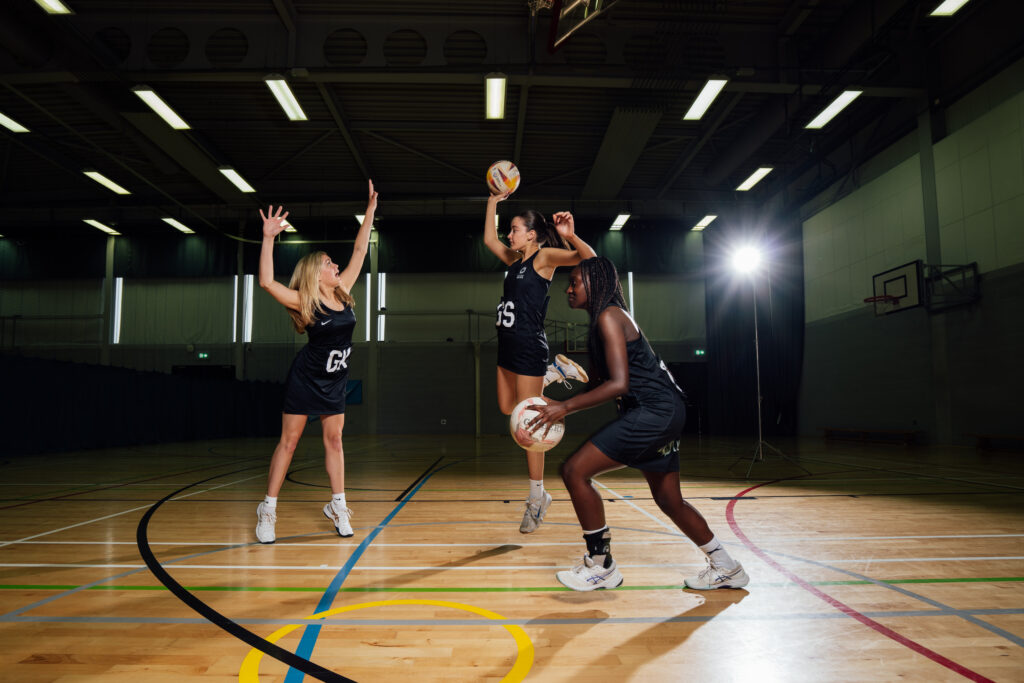
“We’re currently second in the country for hockey, netball top three, and karate, which we launched this year, saw one of our athletes recently beat the current number one in the country.”

The academy has also grown in size, from around 200-300 students to now around 600-700, with aspirations to reach 1,000 in the next few years.
“When you look at it, our academy provision is the size of some small colleges, and with more numbers comes more success and more traction behind us.
“Sport is a really powerful thing that unites people, and I think we do a really good job in terms of bringing people together.”
Oaklands recently opened its £7.5m High Performance Centre on the Smallford campus, which features a state-of-the-art studio, a fully equipped gym with advanced fitness technology, and upgraded changing rooms designed to meet the highest standards of performance.
“This is something else which shows our commitment – how it’s designed, the equipment we use, it’s all about access and opportunity. We are the beginning of our athletes’ pathway into the elite world of sport, and a space like that bridges the gap to what they will expect to see in the professional world.
“We’re trying to give them access to opportunities – from the coaches they have, the performance team, the physios they work with, the equipment they get to use, and while some of them will stay with us and continue to play for our teams, our job is also to get them ready for that next stage when they leave us.
“And I think a place like the High Performance Centre shows our students that we’re really committed to developing our athletes and showing them that their potential knows no bounds.”
The centre is also a celebration of the successful careers of their alumni, many of whom continue to enjoy a close relationship with the academy.
“It’s really powerful when some of come back – like Jackson Wray, who was here maybe 10 or so years ago – because it shows that even though people have gone and have left us a long time ago, they’re still interested in the work we do, and that sport can unite people for decades.
“It’s always hard to keep tracks on alumni because, once they go, they’re flourishing, they’re doing their own things, they’re experiencing their own lives, but sport does bring people back, and we’ve shown that our alumni have a really strong connection to the time they spent here.”
With so many students passing through the academy, what is it that suggests someone has the potential to become an elite athlete?
“We would have seen 90 per cent of our student athletes perform in a trial in some way, shape or form before they come here.
“We would also have seen what they look like, so for some of our sports do they have the physical attributes to perform?
“Sometimes it’s how they behave, just as simple as when they walk in, do they shake hands, do they say hello? How do they carry themselves? It’s quite daunting for a 15-year-old coming to a trial to come and say hello to someone they don’t know. If they’re already willing to do those kind of things, that sometimes separates them from others.
“Otherwise, because we are an educational institution, first and foremost it’s also about their grades. If they’ve shown that they’re dedicated to their studies, nine times out of ten they are also dedicated to their sport, and it can kind of go hand-in-hand.
“Holistically we look at the whole person, if they’re coming in and are willing to learn, to grow and be better, if they have the mindset to keep going and keep working. I know it’s that whole cliché of hard work beats talent, but it does.”

The academy is also conscious of supporting their athletes when things don’t go right: “They’re not always going to get it right. They’re going to have to fail. They’re going to have to mess it up. But how do you bounce back from that? You’re going to have to deal with setbacks and challenges.”
Dedication to studies and sports can also be quite lonely, Thomas explained.
“That’s a challenge that sometimes you can only experience once you’re going through it. They’re the kind of things that maybe aren’t talked about enough, because which young person wants to tell their friend, ‘no, I don’t want to go out actually I need to train because I want to become an elite sportsperson’?
“The most important thing is it’s a safe environment because pressure can really put people under sometimes unnecessary stress, and we want to make sure it’s safe so that if they fail then they learn and they grow and they develop and there are people there to support them.
“It’s a fine balance to try and get that right, and what might work for one student might not work for the other.”
The Wolves are also keen for local businesses to get involved in sponsorship opportunities available across a wide range of different sports.
Sponsoring the Oaklands Wolves is more than brand visibility, it’s a chance to support the next generation of athletes on and off the field.
Sponsorship funds coaching, equipment, and development opportunities, as well as naming rights and branding across the world-class High Performance Centre and Construction Centre.
Ryebridge Construction, a local business founded by former Oaklands student Daniel Coyle, has invested in the college’s grassroots football offering by supporting Oaklands Wolves Youth FC since 2017.
Daniel, who is also team chairman, said: “This is an amazing initiative allowing young children to access structured football with excellent coaching and facilities.
“For us, being part of the Oaklands Wolves and working closely with the College is a win-win for all parties. What the children have achieved and are capable of is exciting for everyone involved and we are delighted to have joined them on this journey.”
To get involved visit https://www.oaklands.ac.uk/support-us/sponsorship/