


07 Apr 2025
Hannah Kokri runs the Herts and Beds branch of Manor Tutoring and is involved in one-to-one SEND support, mentoring and behavioural interventions locally. Here she offers suggestions to parents horrified by the content of Netflix drama Adolescence.
Netflix’s Adolescence has certainly hit home. In fact, it seems to have got through to people in a way that years of campaigning, debating and fraught parental discussions may not have managed.
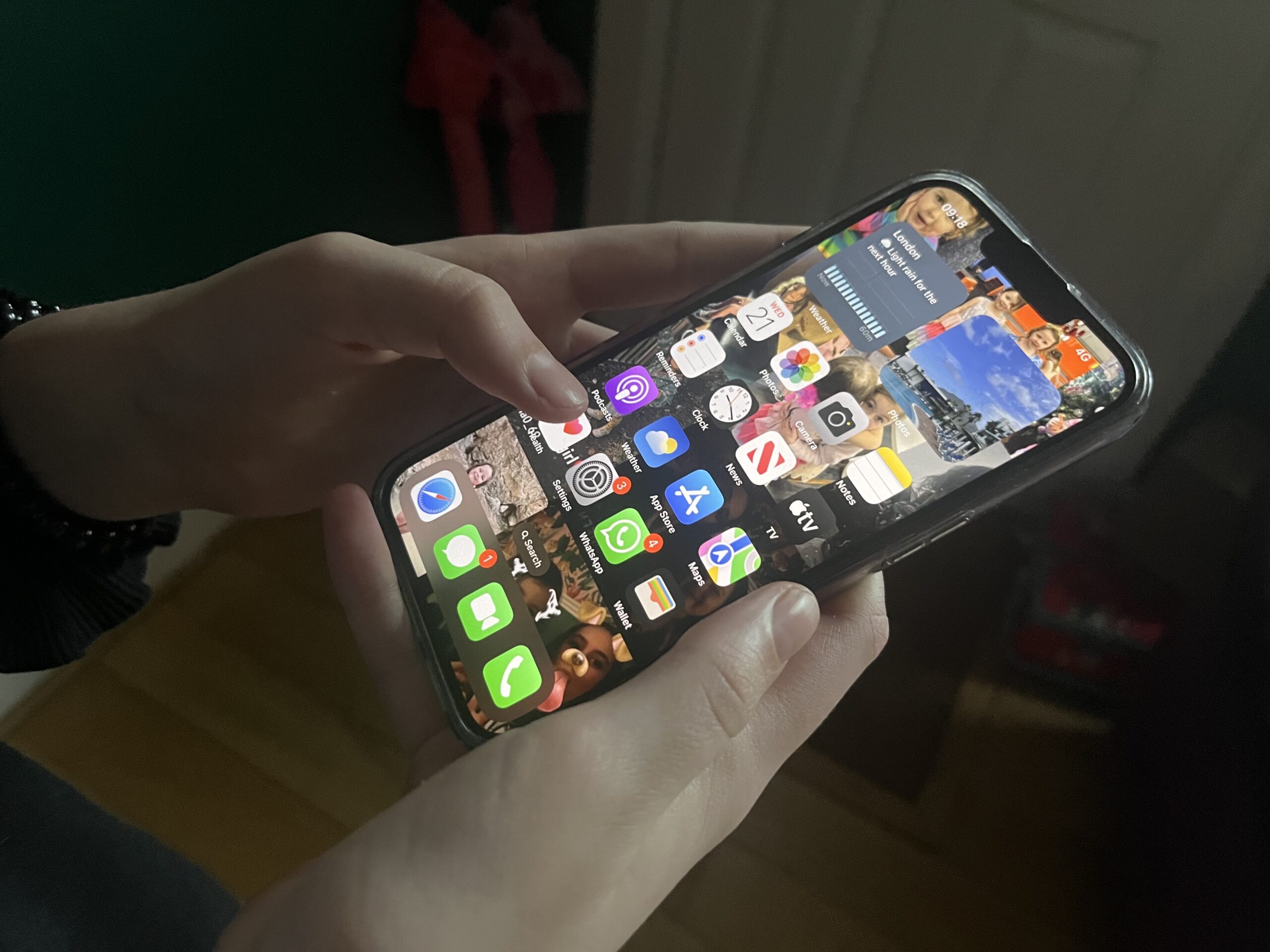
It brought to life the complexities of smartphone use in childhood and the challenges these can cause parents, schools and communities.
It also allowed adults a snapshot into the realities of the teenage experience in 2025. An experience that can be brutally isolating, all the while appearing OK on the surface.
Sir Gareth Southgate has been highlighting similar issues. In his David Dimbleby Lecture, available on BBC iPlayer, he raised his concerns that parents have lost control of what is going on in the virtual world.
He describes a damning picture where young men, in particular, have so few opportunities for connection in the real world that they turn to an online world full of manipulation and violence.
Adolescence certainly had a profound impact in own family and I couldn’t be more grateful.
I didn’t really need convincing, but I was getting nowhere with my husband. I work in a secondary school and see the horrible impact that limitless access to devices can have on teenagers on a daily basis.
My background in Child Development Psychology, also means that I am aware of many reasons why exposing a risk-taking, neuroplastic and peer-orientated early teenage brain to a smartphone is not a good idea.
My children’s father, however, just wasn’t worried enough. He wasn’t overly concerned about the issues secondary schools deal with. I explained how exhausted these teenagers are and how they can’t escape the ups and downs of their social lives, even once they are home.
I took him through the science of addiction and how social media has been designed to take advantage of this process. In spite of all this, he clung onto his “well, that wouldn’t happen in our house” kind of attitude.
Four episodes of Adolescence later, he was completely onboard.
Everywhere I turn, people are really worried about this situation. I have been privy to some painful conversations with other parents. And I actually think that is great.
We are starting to acknowledge some deeply uncomfortable truths, these are hard to face and even harder to solve. But, accepting that there are issues with teenage experiences in our society is the first step. It means we can now think collectively about what needs to change.
The movement for Smartphone Free Childhood has been live for just over a year and is gathering significant momentum, as well as prompting wonderful debates in communities across the UK.
The grassroots organisation even brought the issue of smartphone addiction amongst children into Parliament earlier last month, thanks to public pressure on MPs.
It is vital that this pressure strengthens, to ensure that our Government gets to grips with where legislation plays a role in protecting young people.
In the meantime, there are changes we can make as parents and community members.
We need to look at what is missing from teenage experiences and to build them back in. Sir Gareth Southgate speaks about the need to build better identities, more authentic connection and culture.
We primarily form our identity during our teenage years, building on top of everything experienced prior to that. It is so important that teenagers know where they have come from, so they can decide where they want to go.
Sir Gareth points out how online activity is preventing young people from exploring and developing healthy connections, “Many don’t have mentors – teachers, coaches, bosses – who understand how to push them to grow,” he said.
These mentors can help set a very different culture. Rather than focusing on wealth and individualism, as online influencers tend to do, they can demonstrate and role-model ‘courage, humility, and integrity over selfishness, greed and arrogance’.
Parents cannot offer and create all of this alone. As a society, we need to build opportunities and places for these relationships to develop.
Sports teams and drama groups clearly offer the right potential structure, but they don’t appeal to every young person and not all of them embrace a positive culture.
Each of us has our own toolkit, so what could we offer? Some of us could take out a niece/nephew for a bubble tea, or whatever the latest craze it, each week.
Some of us could set-up a fortnightly hobby group for a small number of local teenagers who aren’t into sport – music/board games/animals/DIY. Personally, I offer mentoring in school and outside of school, because that is where my strengths and interests lie. What could you offer? Get in touch if you’d like any advice on setting something up or to discuss any ideas.
