26 Aug 2025
For the past couple of years, the St Albans Times has attempted to entice people away from their smartphone screens by drawing attention to the fascinating features visible above street level across the district. But what about the quirky objects seen much lower down?
Although there aren’t quite as many interesting items hidden away below the eyeline, we’ve been out and about collating a selection of some of the more unusual, from mysterious carvings to personal memorials, and everything in between.
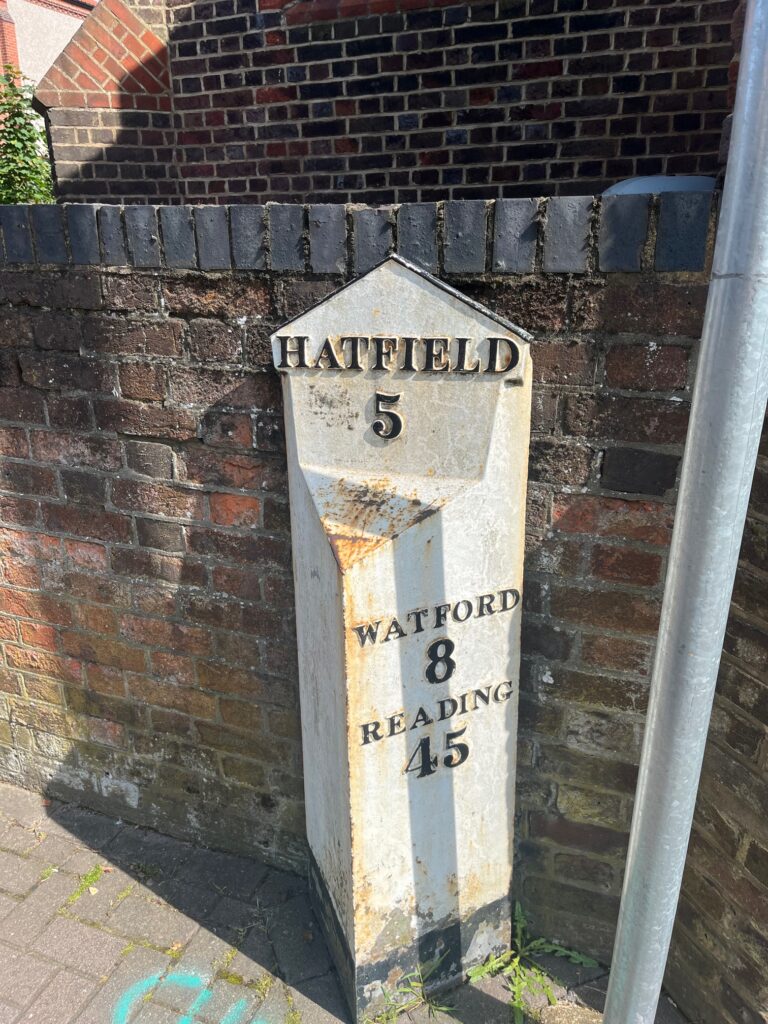
Located on the corner of Hatfield Road and Royal Road, adjacent to Fleetville Recreation Ground, can be found one of the district’s few surviving cast iron mileposts, advising of the distance between St Albans and Hatfield, Hertford, Ware and Reading.
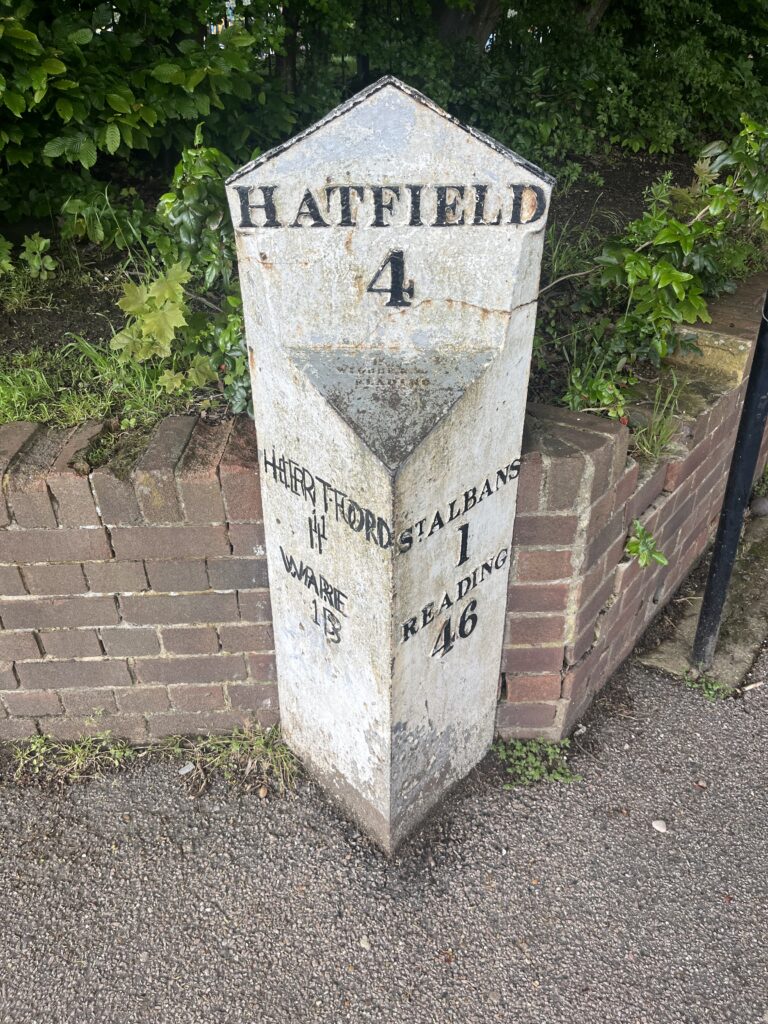
In the 18th century, The Marquis of Salisbury, of Hatfield House, and the Earl of Essex, from Cassiobury Park in Watford, joined forces to finance the Hatfield to Reading Turnpike Road, the route going via St Albans and bypassing the congested and cobbled streets of London.
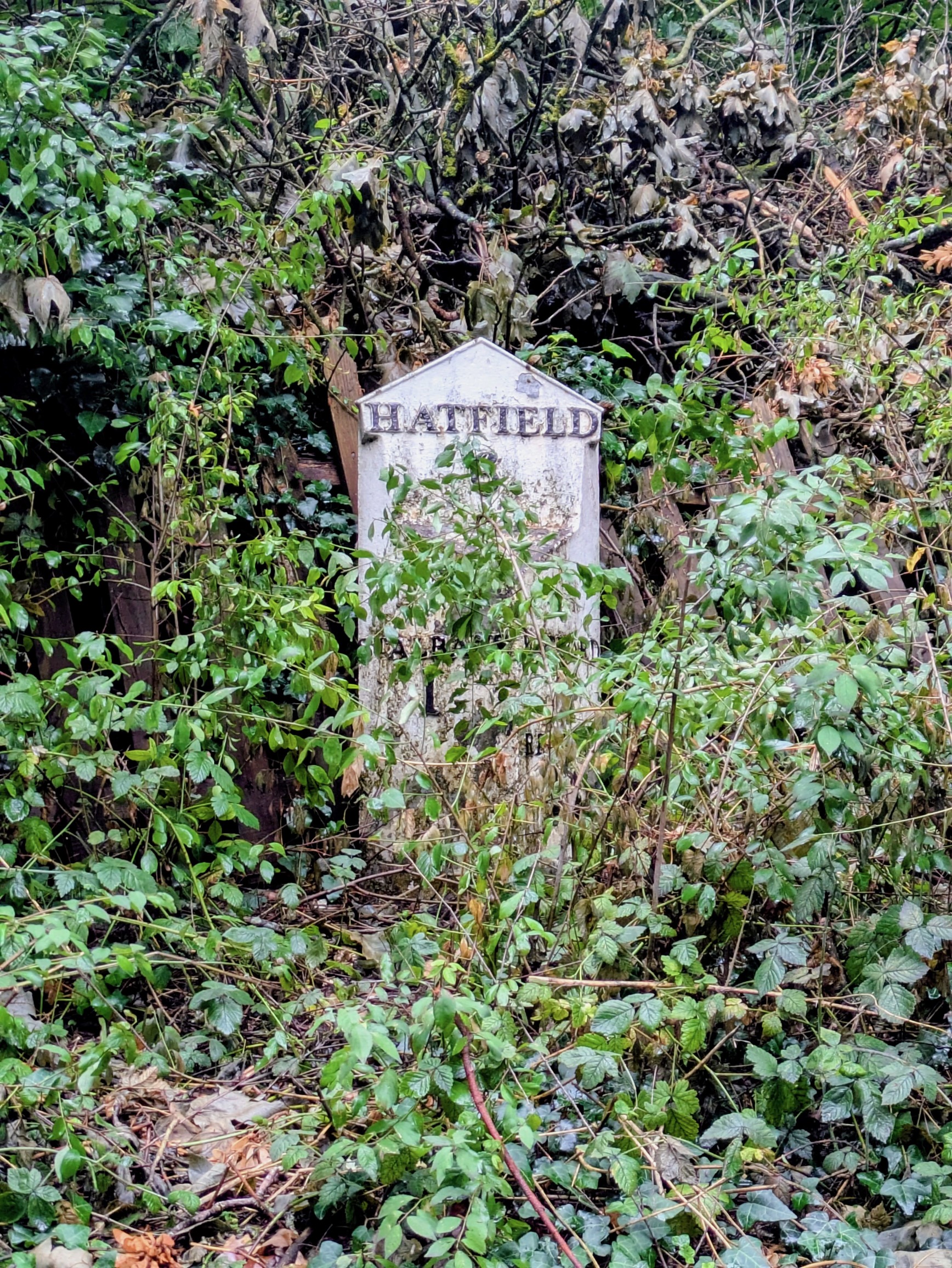
It was a quicker route on the journey to Bath, where waters from the mineral springs were thought to provide a cure for gout, and various mileposts were installed along the route to mark the distances between various towns, including one on St Stephen’s Hill which is virtually obscured by overgrown vegetation and another further into the city centre.
There is another post on the north side of the road just south of Oaklands College at Colney Heath, and a broken one can be found just over the border in the borough of Welwyn Hatfield, on the A1057 St Albans Road West off Comet Island.
Although other mileposts at the junction of Salisbury Road and St Albans Road, and near Park Avenue were removed at some point between 1914-1939, another survives on the A1081, just south of Harpenden near Hatching Green. Erected by the Luton District Turnpike Trust in the 19th century, this Grade II listed marker indicates distances to St Albans, London and Luton.
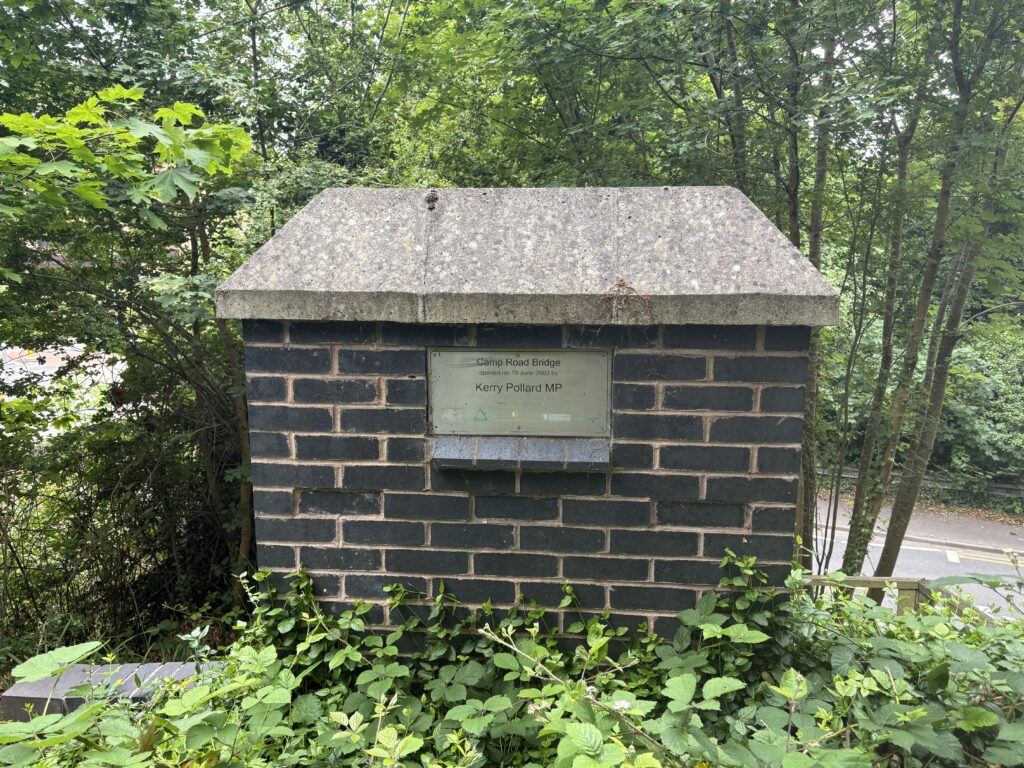
Regular users of the Alban Way will appreciate the bridge across Camp Road, linking two sections of the cycle and footpath and preventing the need to navigate the busy traffic below.
The blue bridge was opened on June 19 2003 by St Albans MP Kerry Pollard and reinstated the former Hatfield and St Albans railway bridge which once crossed over Camp Road at this location. A small plaque marking the occasion can be seen on the lower left hand side as you cross the bridge heading towards St Albans.
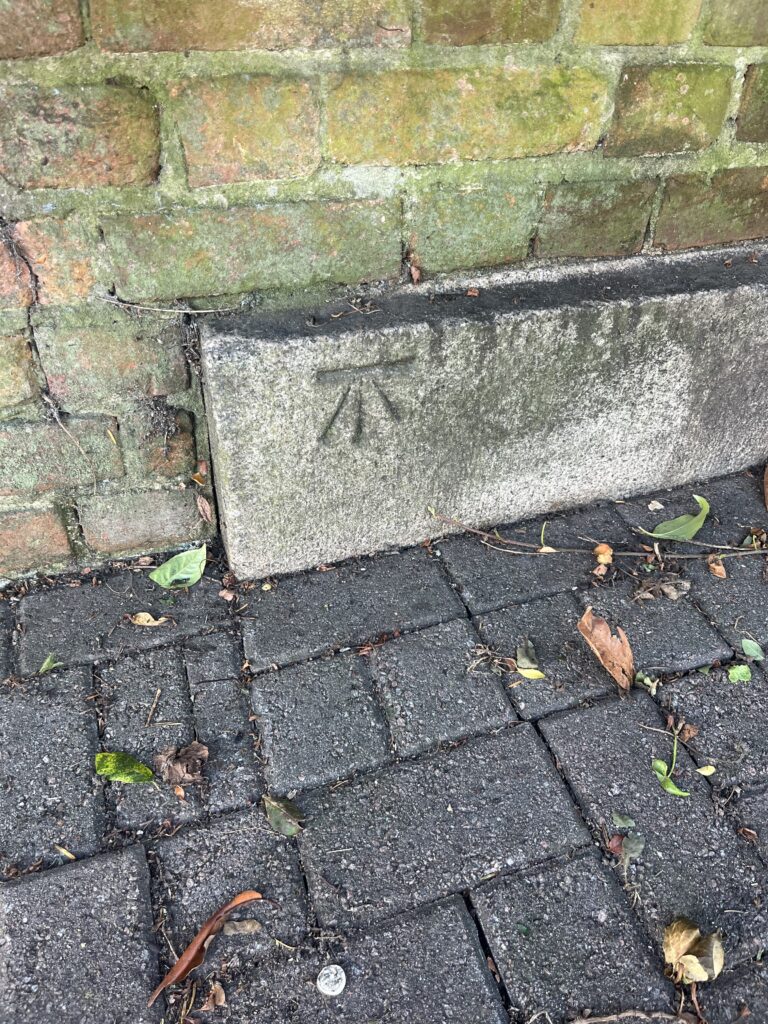
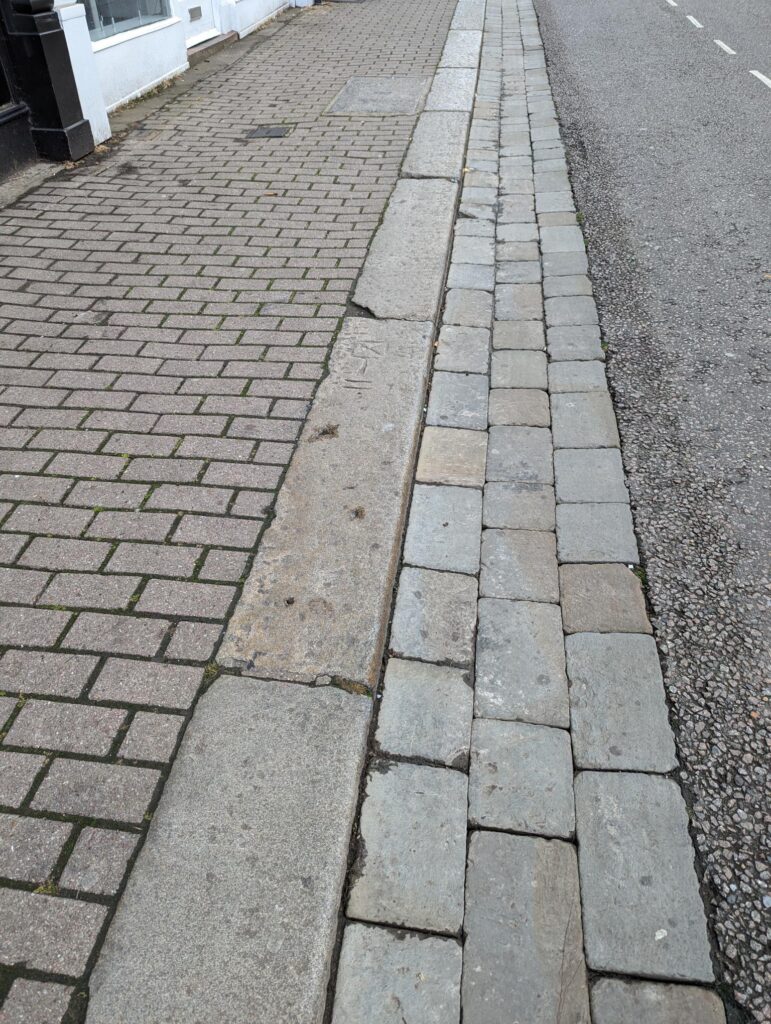
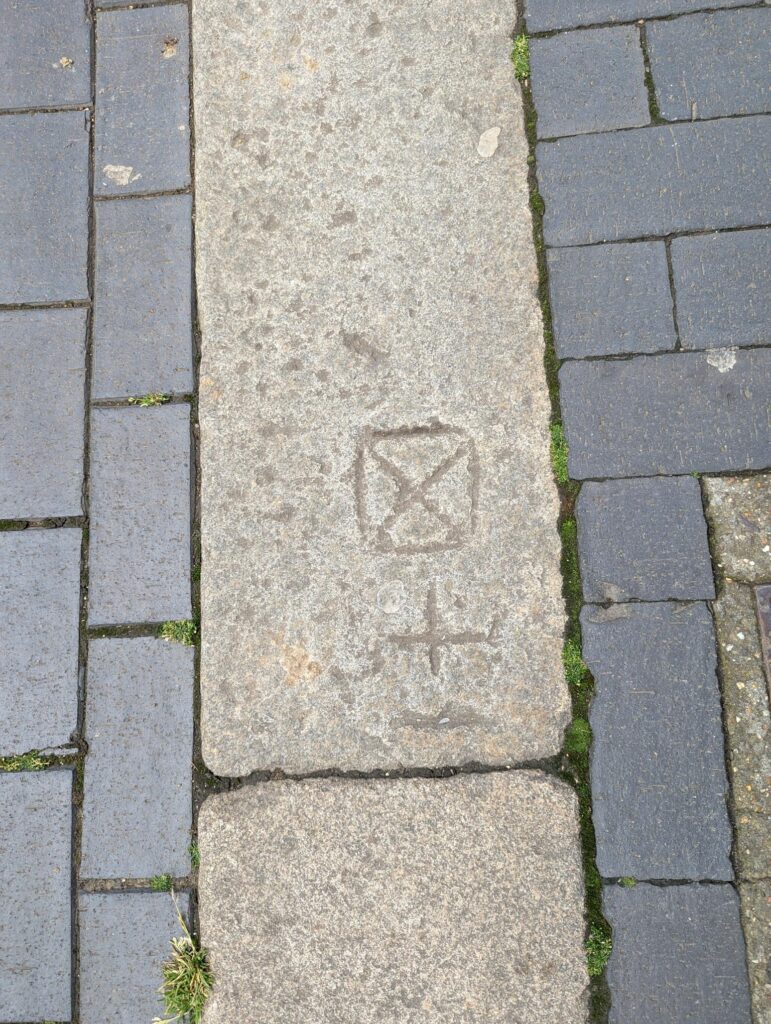
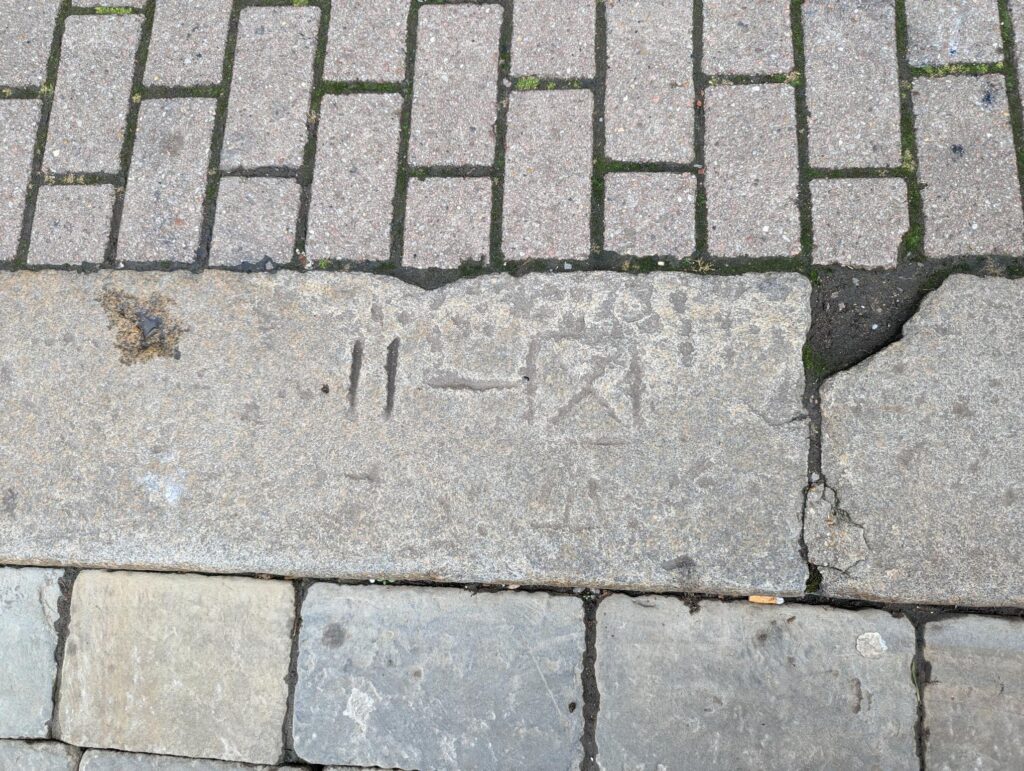
Attempts to determine the meaning behind various markings on the kerb stones in Market Place have proved inconclusive. Are they to do with the locations of specific market stalls, as some have argued, or do they in fact have a far more unusual origin?
Some researchers believe they are connected with freemasons or stonemasons, with the latter also linked to a symbol on the wall surrounding the Marlborough almshouses in Hatfield Road, but we would be open to publicising any other theories.
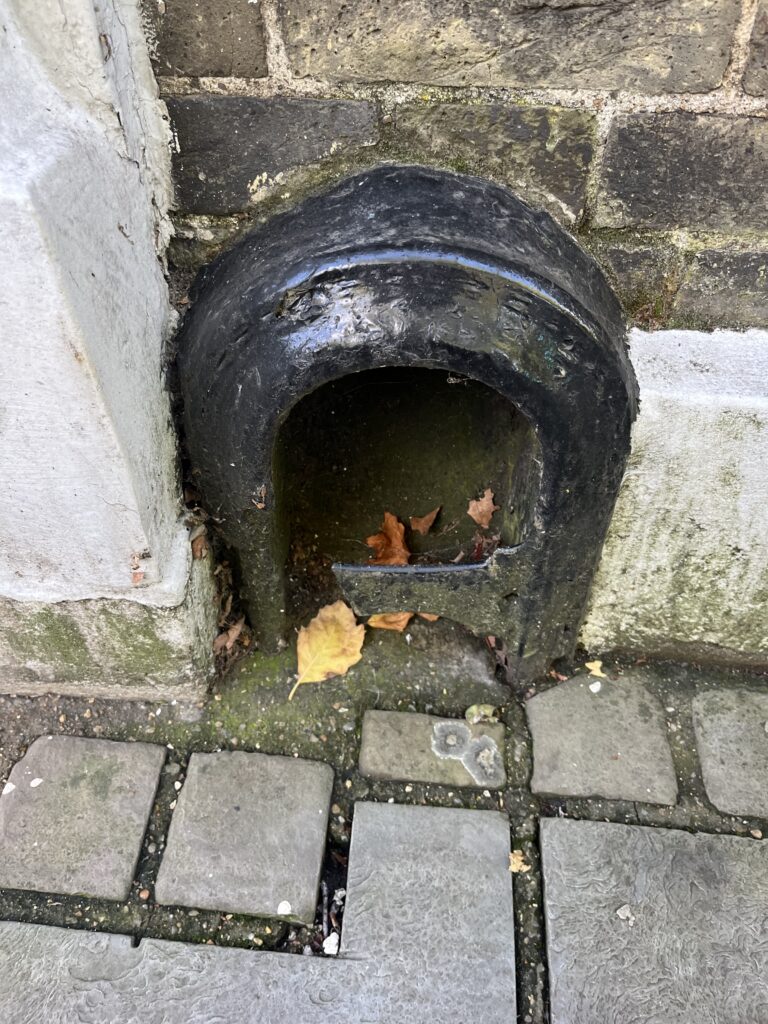
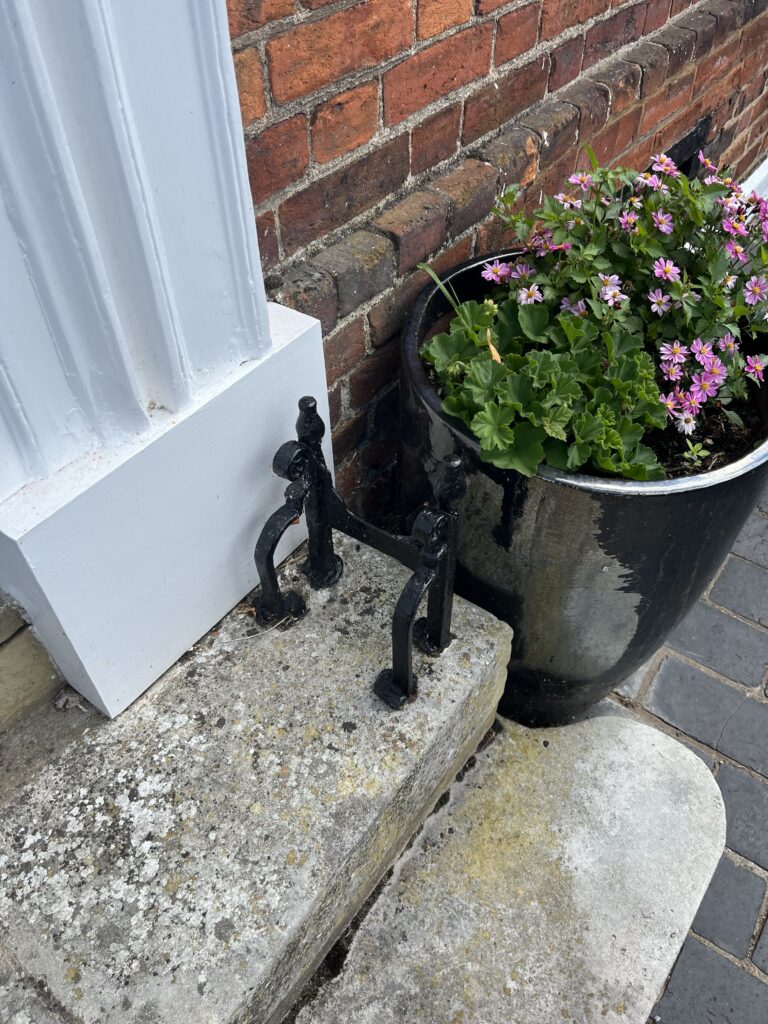
Before the introduction of paved streets, visitors to houses across the city centre would scrape the mud and manure off their shoes using cast iron implements attached to the pavement or in niches of the exterior wall. Most date back to the 18th century, when horse-drawn carriages made their way along roads which were often little more than dirt tracks.
You can see some of the surviving scrapers around Fishpool Street and surrounding roads, and also down Victoria Street opposite the Salvation Army citadel.
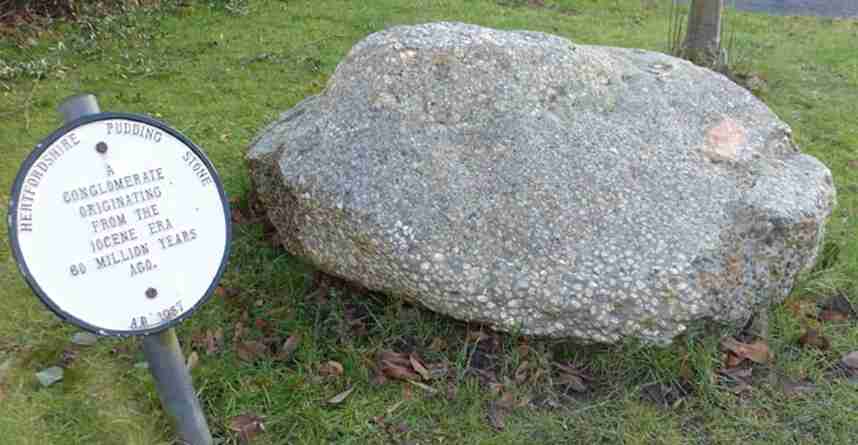
Near Highfield Park Visitor Centre you can find a fine example of a Hertfordshire puddingstone, which loosely resembles a fruit pudding!
Hertfordshire puddingstone is a conglomerate sedimentary rock composed of rounded flint pebbles cemented together by a younger matrix of silica quartz, and dates back to the Eocene era some 50-60 million years ago.
It is believed it was once located within the grounds of Cell Barnes Hospital, but was later moved by Highfield Park Trust so it could be preserved as a feature.
Other puddingstones can be found beside St Michael’s Court, near Kingsbury Mill, and marking the ford over the River Ver.
In the 1950s, EA and EL Rudge put forward the theory that puddingstones had been used to mark a Mesolithic trackway from Grimes Graves in Norfolk to Stonehenge, passing through several Hertfordshire locations including Cheshunt and St Albans, but this has since been disputed due to the unreliability of the evidence, including the fact that neither Grimes Graves or Stonehenge existed at that time!
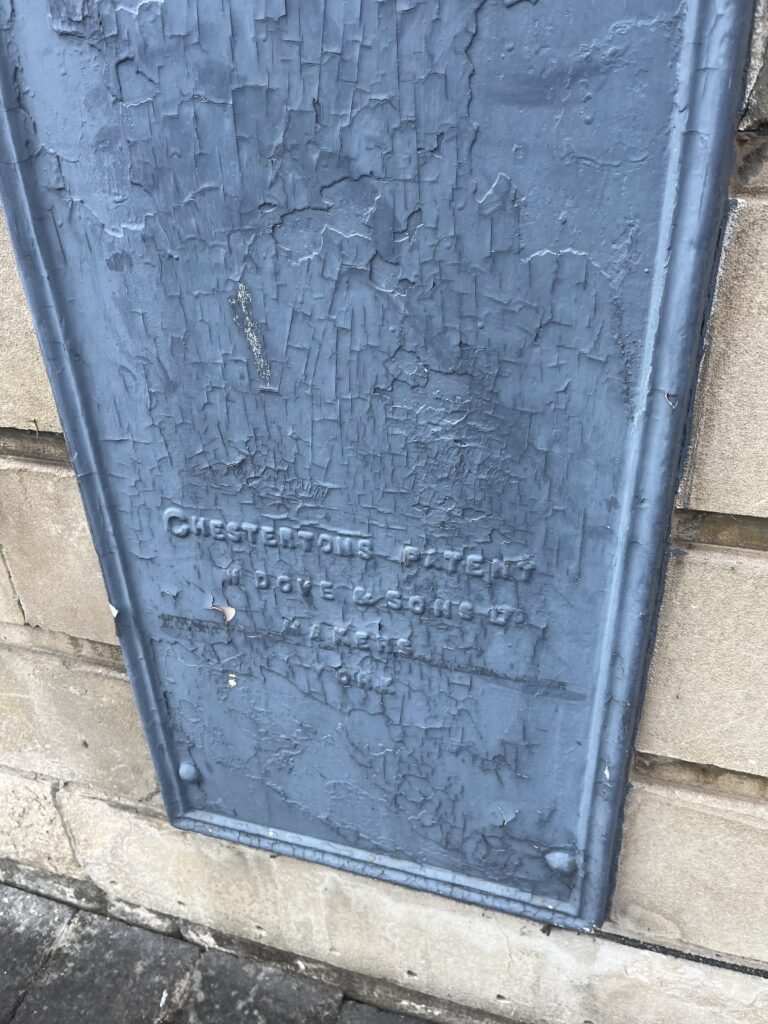
Is a plaque in Hatfield Road linked to Chestertons, one of the most famous estate agents in the world? Located opposite The Crown pub, it refers to a Chesterton patent relating to a company called Dove and Sons Ltd of York, one of the city’s oldest firms of ironmongers, builders and plumbers until it closed in the latter half of the 20th century, but its exact purpose is unknown.
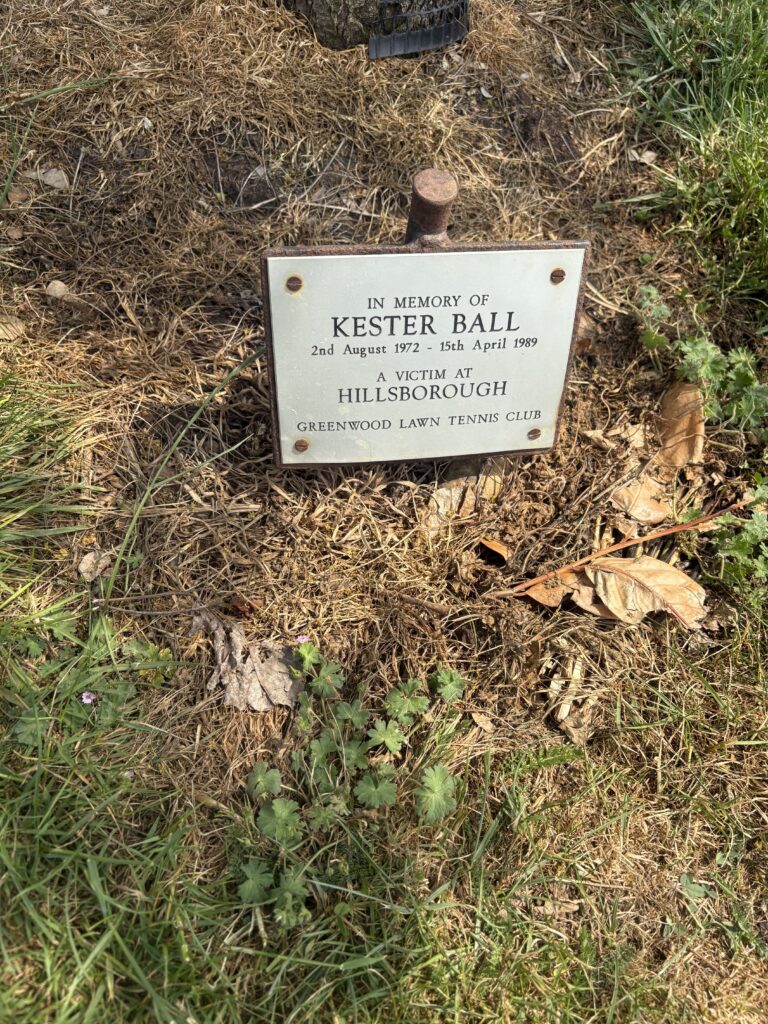
Meanwhile, a corner of Greenwood Park in Chiswell Green remembers the Hillsborough tragedy, and St Albans’ only victim, with a plaque and tree near the tennis courts.
Kester Ball (August 2 1972 to April 15 1989), of Farringford Close, was just 16 when he travelled to the game with his father Roger and a friend, but became one of 97 Liverpool fans to lose their lives, including one who passed away in 2021from injuries sustained at the event.
At the time of his death he was studying for his A levels at Parmiter’s School in Garston, and was also a member of 1st St Albans Scouts and Greenwood Tennis Club, who planted the tree in his memory.
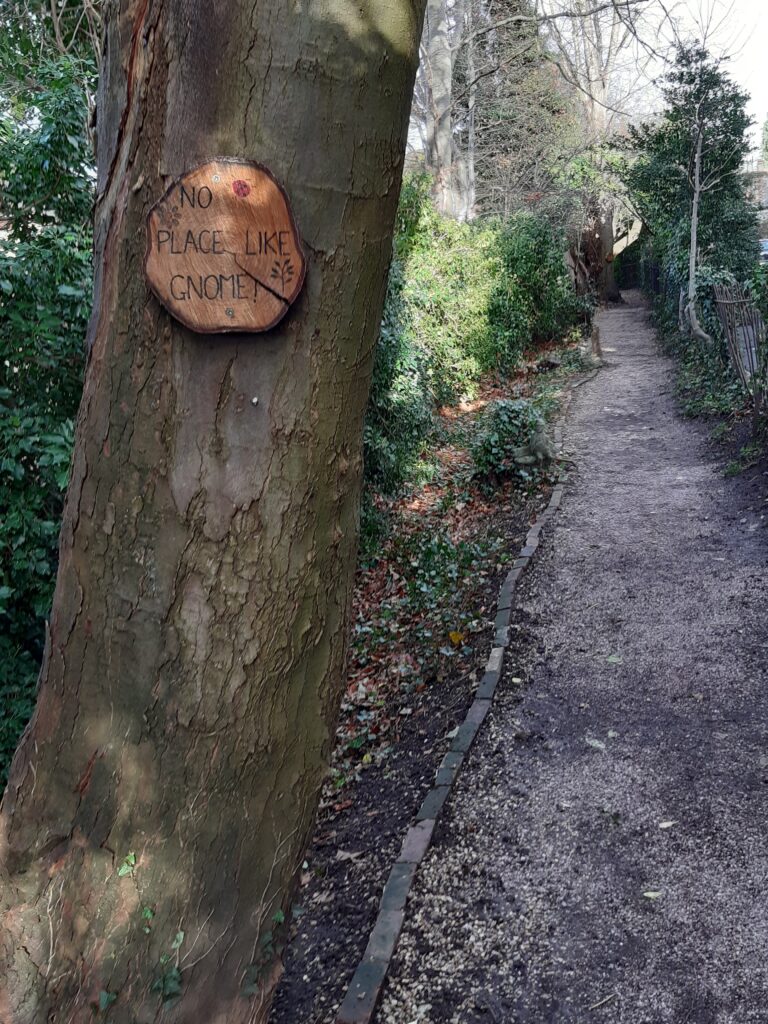
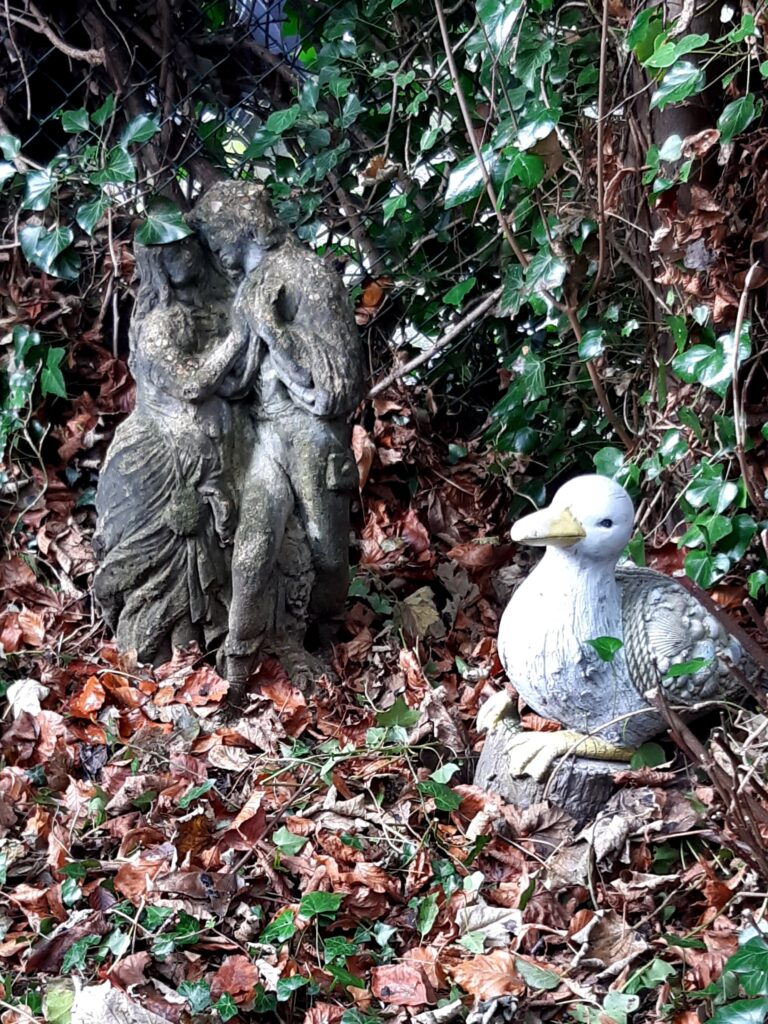
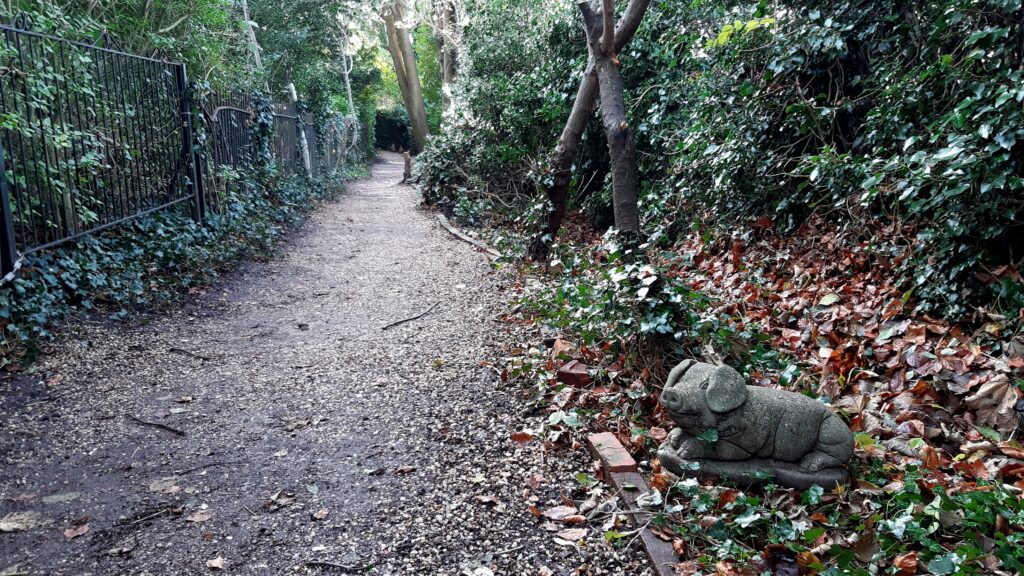
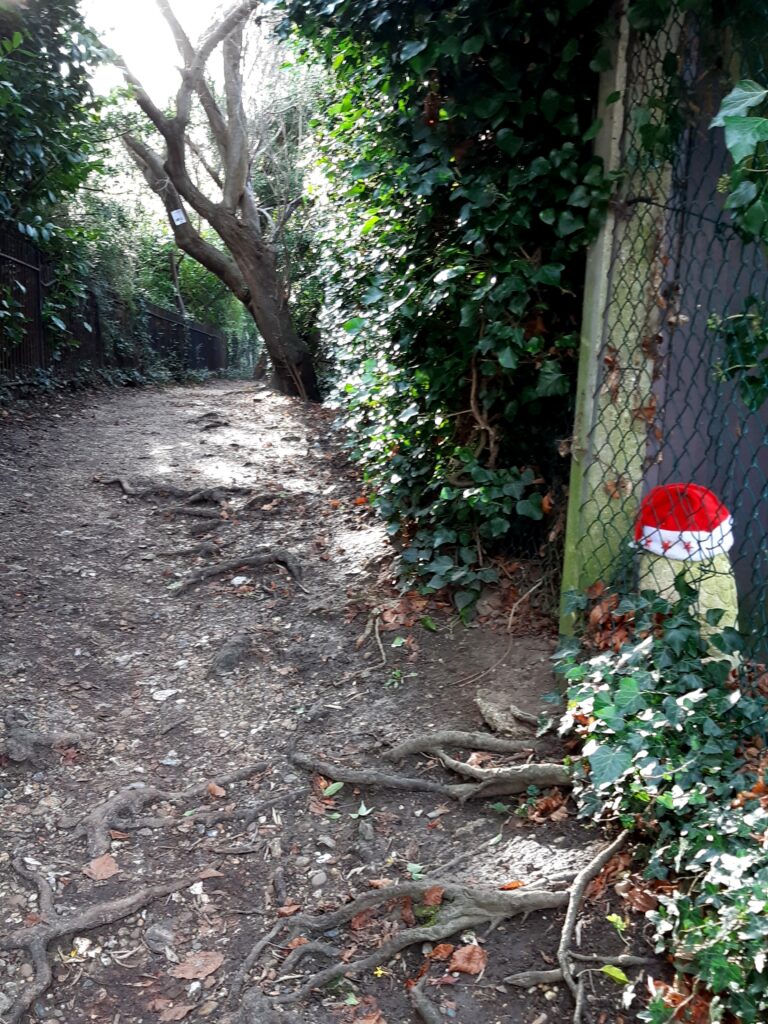
Finally, down a small cut-through between Old London Road and Ramsbury Road can be found various stone sculptures and ornaments, including a selection which gave it the name of Gnome Alley. Thanks to Nick Clarke for making us aware of this useful shortcut and its fascinating features.
If you’re aware of any unusual or interesting items hidden away below eye-level somewhere across the district, please get in touch and we’ll collate them for a future article. In the meantime, why not check out some of those covered in this piece?
Sources: Highfield Park Trust, The Megalithic Portal, Herts Memories.