


17 Aug 2025
How you change the focus of the NHS from reactive medicine to proactive wellbeing is at the heart of a new initiative running from a St Albans surgery.
The Living Well Course is run by team of GPs with expertise in lifestyle medicine, supporting people so they can enjoy the best possible health and wellbeing by preventing, improving and even reversing long term health conditions.
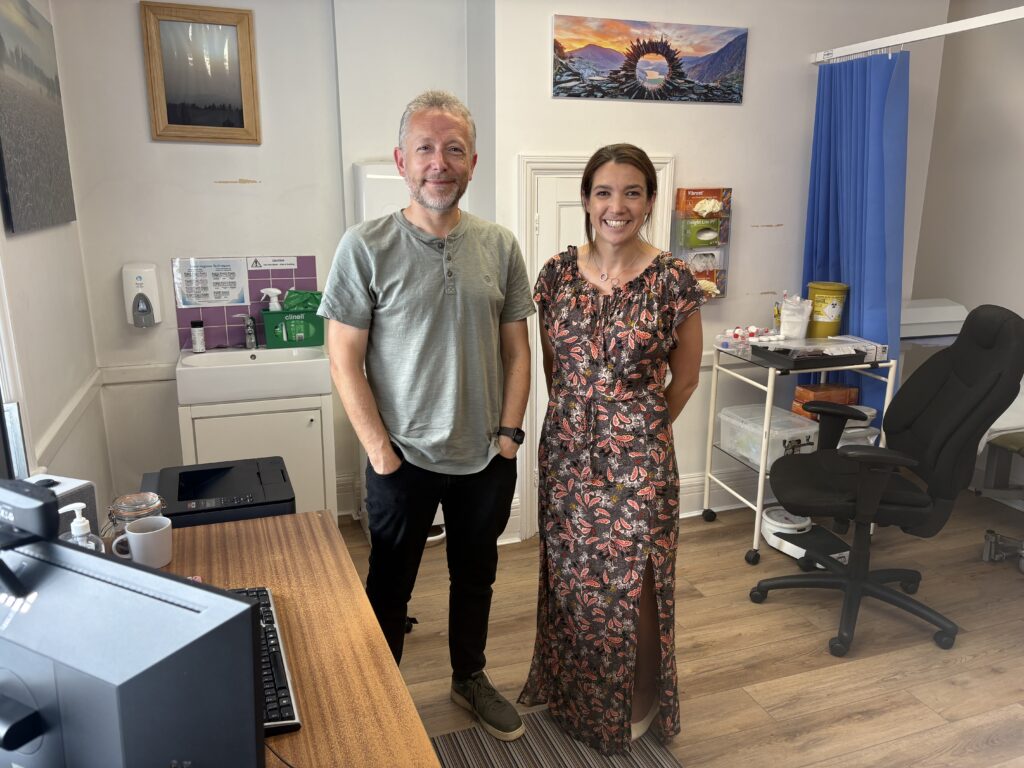
They include Dr Richard Pile and Dr Nicola Philips, both from Parkbury House Surgery in St Albans, whose experience is helping to shape a new direction of care which could transform the NHS.
“The traditional disease-based approach to medicine is hopelessly out of date and ineffective,” Richard explains. “We want to help people stay well, reduce their risk of ill-health and even reverse diseases like diabetes.
“The NHS has essentially become a sickness service, which is great when you are really ill and need help, but when we see patients where things have already gone wrong to some extent the conversations we’re having are very much a case of closing the door after the horse has bolted.
“There are a lot of the people we see in the surgery now who if they had been supported and helped earlier on in their lives either wouldn’t have developed many of the health problems they’ve got, or their problems would be less severe, more manageable, and less drug-bound.
“We know everyone talks about prevention being better than cure, so we developed a four-week Living Well Course – initially for patients with high blood pressure – to cover the six pillars of lifestyle medicine, which are things like sleep, eating well, stress management, movement and exercise, relationships and having a purpose in life.
“Doctors traditionally don’t talk about purpose in life, and you could argue that wouldn’t be the best use of our time if that’s all we did because we did go to medical school to learn other things as well. But purpose in life is hugely underrated, and is associated with improved health outcomes, including fewer heart attacks and strokes, and better recovery from cancer.
“It’s been likened in the Journal of the American Medical Association as being similar to taking your five a day or taking your cholesterol lowering medication, and so it could legitimately be part of a medical consultation.
“We don’t tend to put an emphasis on weighing yourself or taking your blood pressure, it’s more about education and the holistic approach. At no point will we stand at the front and tell people to count the calories. But for those people who did give us a reading before and after the course we found two thirds had reversed their pre-diabetes.The feedback we received was that they felt they were treated as a person and not being lectured on a condition.”
Four years since the original course, and the programme continues to evolve.
“We’ve since taken what we learned and developed it, and have been training healthcare professionals across Herts and west Essex so that they can run group consultations aimed at changing behaviours.
“In October we’re running our first ever symposium, bringing together all the alumni of our training courses to celebrate what we’ve learnt and what impact they have had with their patients in their respective communities.”
The initiative is now coming full circle, with the next version of Living Well taking place later this year for patients at Parkbury House.
“The partners at the practice are fully behind Nicola and I running it with two of our healthcare assistants, because they believe as we do that it’s worth investing in people’s health.
“The group consultations are increasingly popular, with the idea that you bring people together who have a similar need and issue, and rather having to chat to them one-on-one in loads of different appointments, you offer them the chance to learn stuff together, build a supportive network, rand hopefully reduce the incidents of disease, reduce the number of times they go to A&E or see their doctor, and reduce the amount of drugs they end up taking and the conditions they are diagnosed with.
“We would not think twice about prescribing diabetic or blood pressure medication for these patients, but we don’t have as much time normally to be talking about their actual lifestyle, and hopefully this is a better way of doing that as opposed to just sitting here and telling them something.
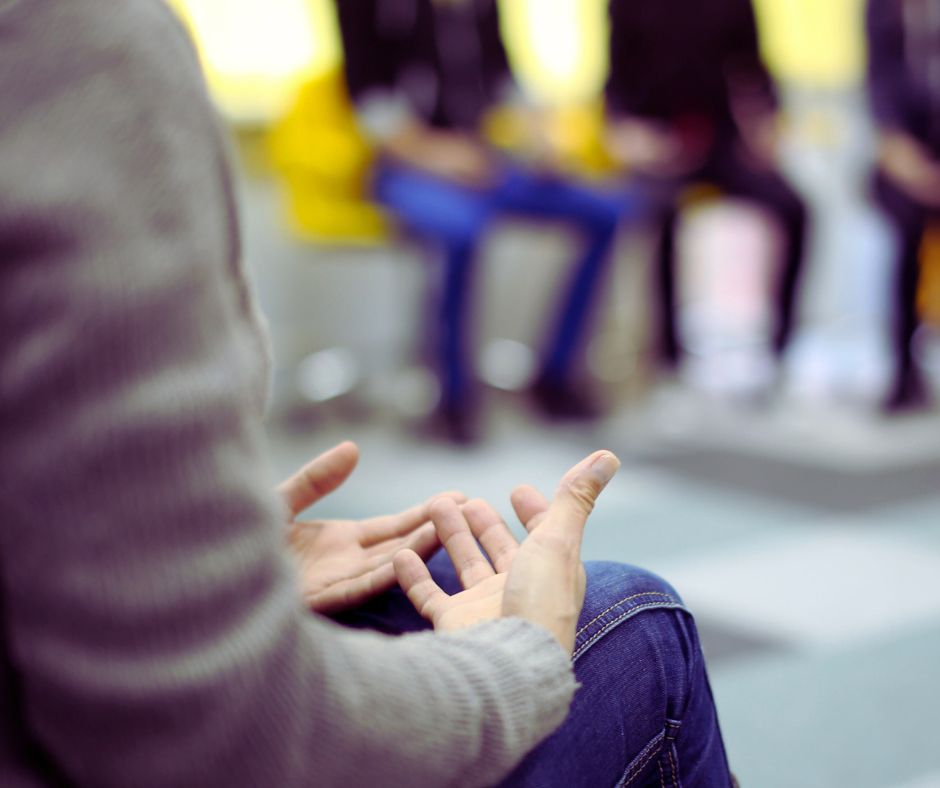
“There’s good evidence to show that peer support in group consultations works, because they’re facilitated by people with lived experience, but we’re running a hybrid model where they also receive information from the doctors.
“We’re finalising the details, but we should be doing a couple of cohorts in September through to November.”
Although the focus is initially on those at higher risk, is there any scope to expand that further down the line?
“The thing we should acknowledge is that unfortunately at the moment this is not something that the NHS pays General Practices to do. We get paid for a certain amount per head for having people on our list, and not as much in St Albans as other parts of the country because people here are perceived as affluent and well to do. This can be a bit of a challenge because people in St Albans don’t look at the phone and say, ‘Do you know what, I’m quite well off, I won’t call the doctor or go to hospital’.
“We don’t get paid for doing prevention, but we believe that it’s the right thing to do, and the question is how we can do it within our day jobs in a way that’s acceptable to the whole team and also benefits the patients.
“At no point have we ever said to the partners that there’s a really good business case for this because we’re going to save money, but we would acknowledge that if people feel healthier and happier then inevitably that will also result in their needing us less, and meaning we can focus on people who have got more complex conditions, not because they’ve done anything wrong, just because they’ve been dealt a bad hand genetically or they’ve been in an accident or had an illness which has left them in serious need.
“So we can’t offer face-to-face Living Well courses to everyone. In an idea world we wouldn’t just be offering it to people who are at slightly lower risk, we’d be offering it to kids and mums, pregnant mothers, and that’s where we’d really make the difference. But that’s too far down the road, and the numbers would be too big for us to do this.”
Nicola adds: “Some of the content that we’re going to use to help run the course we will be making more widely available to all of our patients potentially. So they might not do the whole course, but we can share different parts of it.”
Richard and Nicola are aiming to raise awareness of the programme among Parkbury House patients, but also to encourage other practices to follow suit.
“We’d like to share what we’re doing as although other practices have experimented with group consultations I think it’s fair to say that at the moment no one’s doing it exactly the way we are.
“And the more publicity it gets, the more we can demonstrate positive outcomes, the more chance there is to make NHS England sit up and pay attention. The Government is talking about taking money out of hospitals and putting it into primary care and prevention, and this is something where we think that money would be well spent.”
