03 Feb 2026
It’s a cold and miserable January – in case you hadn’t noticed – but the cockles of your heart can be warm again as we take a look at what is going on in the city centre to keep people safe and well.
Cue primary school assembly banger ‘Would You Walk by on the Other Side?” Remember it? It’s about crossing over the road, my friend, so that you can be a compassionate citizen.
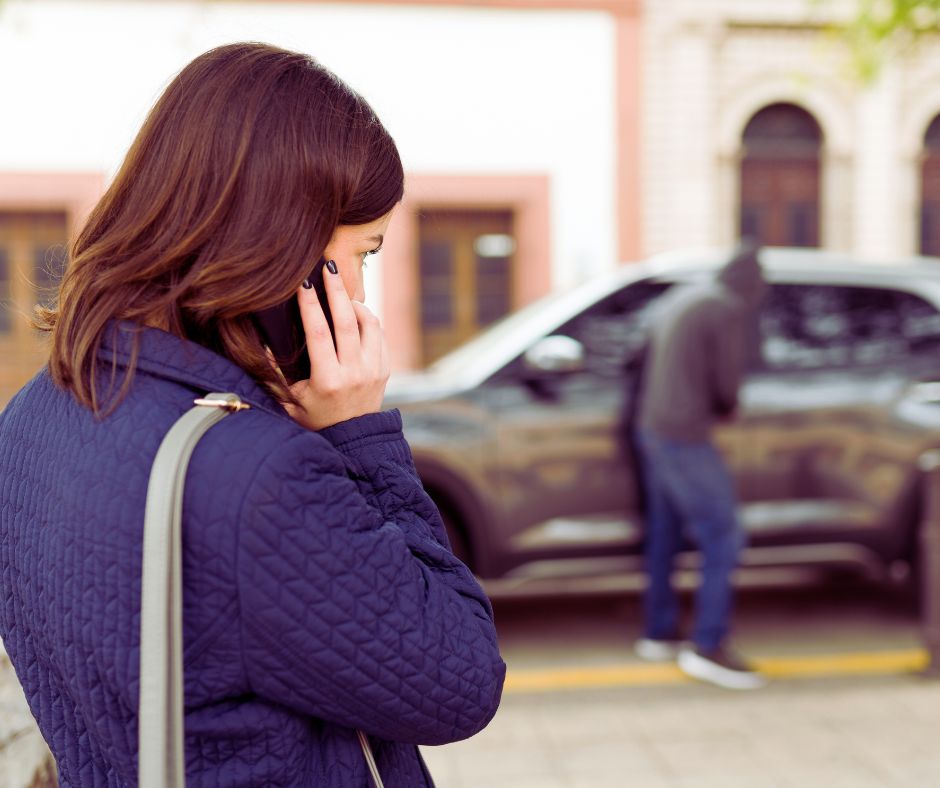
Let’s face it, life isn’t always lovely and people sometimes say they don’t feel as safe as they used to walking around St Albans. Like many other cities and towns, phone theft is something we have to be aware of, for example.
In fact, only last week, I suggested to the lady in front of me just near Boots that she might want to move her mobile from sticking out of her jeans back pocket. She was grateful and hadn’t realised it was there.
Had I been criminally-minded her life’s contacts and photos could have been erased and her device cash-converted within minutes.
A friend recently mentioned to me that whilst walking through The Maltings they had heard a man on the phone saying “I’m going to…y’know… borrow some from JD Sports”. He was openly planning on stealing some trainers and telling his mate brazenly beforehand. They followed him inside and he sat in what would have been a blindspot, looking shifty, so they alerted the staff to keep an extra eye out.
Not only does it feel good to be an active bystander – somebody who is an ally for strangers and might be willing to get involved where needed – but it creates safer streets.
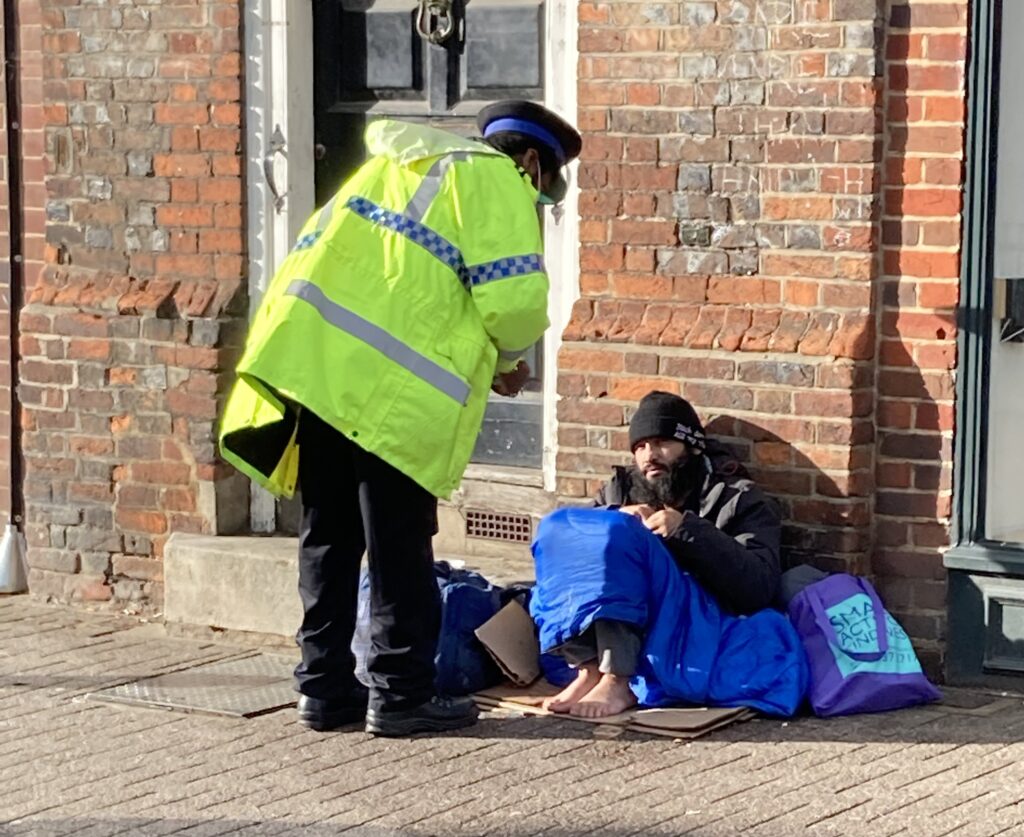
It could be a crime-busting situation protecting somebody from abuse, a medical emergency or a homeless person needing support.
But as Neighbourhood Sergeant James Keene of St Albans police pointed out, it has to be carried out safely: “The public are our eyes and ears and we rely on them to report incidents to us, so that we can respond appropriately. We would never encourage anyone to actively intervene by apprehending potential offenders.
“However, there may be some situations, in certain circumstances, where it may be safe for someone to intervene and that may include creating a diversion or a distraction.”
His advice is to let security staff know if you see a shoplifter and if it is safe, you could take a photo of them in action.
He added: “If you see a child or vulnerable person being abused on the street, think about creating a diversion or a distraction. A number of people could put an offender off.
“Being an active bystander isn’t just about apprehending offenders, it is also about intervening and supporting victims.
“This could be anything from helping someone to use Ask Angela [a code phrase allowing people who feel unsafe, vulnerable, or threatened to discreetly ask for help] in a bar or pub to identifying someone that is receiving unwanted contact and alerting police.”

Vivien Cannon, manager of St Albans City Centre BID (Business Improvement District), representing local businesses, said they have introduced various measures to make our city a safer place, including access to the Shop Safe radio scheme.
This enables businesses to communicate between themselves and raise awareness of potential issues.
It provides direct contact to the council’s CCTV service where cameras can collect evidence and alert police if necessary.
BID also provides Disc, a detailed intelligence sharing platform for levy payers which they administrate in partnership with the police.
Viv said customers should avoid taking matters into their own hands if they spot a crime taking place in a local shop: “Tell a shop assistant or security guard. The business will have their own policy for managing shoplifting. If it’s an incident in progress that has escalated in a way that you think someone will get hurt, call 999.”
It’s not just about criminal activities though. If you’ve ever fallen over or suffered a medical incident in St Peter’s Street you’ll know how frightening it is and how much a friendly face at the right time is appreciated.
Vivien said: “Having increased access to public defibrillators and bleed kits within the city centre, BID has contributed towards sustaining the local medical emergency network. We have also provided around 18 additional bleed kits through the Pub Watch.”
Vivien said recently she stepped in to assist someone who had slipped on a wet drain, but stressed that caution is necessary.
“If you’ve had your first aid or health and safety training, then it’s personal safety first because you won’t be of any help if you become part of the incident.
“Every individual will have their own perception of danger and their own set of skills, and this will influence any response.”
Team leader of the St Albans Community First Responder Group, part of East of England Ambulance Service, Monica Cherry said: “If you come across someone who is seriously unwell or injured, you don’t need to be medically trained to help. The most important things you can do are to keep yourself safe, call for professional help, and provide simple first aid until an ambulance arrives.”
She said the acronym DRSABC is a useful way to remember what to do:
- D – Danger – Check that the area is safe for you and the casualty. Do not put yourself at risk. If the situation is unsafe, keep your distance and call 999.
- R – Response – Check whether the person responds by speaking loudly to them and gently squeezing their shoulders. If they do not respond to voice or touch, or are not responding normally then…
- S – Shout for help to alert others nearby who may be able to assist.
- A – Airway – If the casualty is unresponsive, open their mouth and check for obstructions such as blood or vomit. Do not put your fingers inside the mouth. If needed, turn the person onto their side to allow fluids to drain. Once the mouth is clear, open the airway by gently tilting the head back and lifting the chin. Do not give food or drink to someone who is unresponsive.
- B – Breathing – Check for normal breathing for up to 10 seconds, the casualty should breathe at least twice. If the person is breathing normally but remains unresponsive, place them in the recovery position and call 999.
- If they have fewer than two breaths in 10 seconds, or are not breathing normally then:
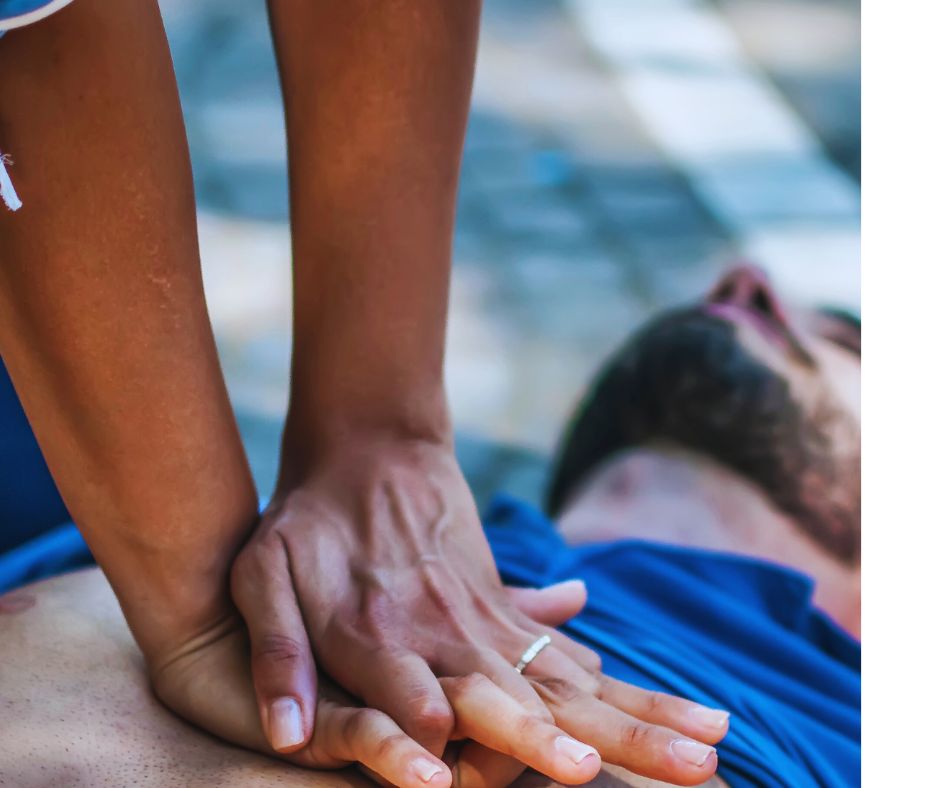
- C – Call 999 and start Cardiopulmonary Resuscitation (CPR). Call emergency services immediately, or ask someone else to call. Follow the call handler’s instructions. Begin CPR by pushing hard and fast in the centre of the chest, 5–6cm deep, at a rate of 100–120 compressions per minute (the beat of the songs ‘Stayin’ Alive’ of ‘Another One Bites the Dust’ are a useful guide). If you are trained and willing, give 30 chest compressions followed by two rescue breaths. If not, continue with hands-only CPR until help arrives. Send a bystander to get a defibrillator. If an AED (defibrillator) is available, use it as soon as possible and follow the voice prompts. Early use of a defibrillator can save lives. Anyone can use one, and it will only deliver a shock if it is needed.
Monica also advises what to do in the following common emergencies:
- Heavy bleeding: Press firmly on the wound with a cloth or clothing. If there’s an object stuck in the wound, do not remove it – press around it instead. Elevate the wound if possible.
- Choking: If the person is unable to breathe or speak, give five back blows between the shoulder blades, followed by five abdominal thrusts. Check between attempts to see if the object has cleared.
- Heart attack: Sit the person down, keep them calm, and call 999.
- Suspected stroke: Use the FAST test: facial drooping? (F), arm weakness? (A), slurred speech? (S). Do not waste time (T): call 999 immediately.
She added: “You don’t need formal training to save a life. Doing something is always better than doing nothing. However, learning basic CPR can make a huge difference. Local Community First Responder groups in St Albans, Harpenden and Redbourn regularly offer free CPR and defibrillator awareness sessions. For more information, contact St Albans Community First Responders via Facebook.”
But what about the street homeless you might bring a cup of coffee or a sandwich to in one of the city’s shop doorways? What is being done to help them during these extremely cold temperatures?
The annual Winter Beds Project has been open since December 8, and since then has accommodated 12 people who would otherwise be rough sleeping somewhere in St Albans.
Trustee Lucy Gaygusuz said: “We currently have five individuals using the Winter Beds Project. This is open every night we are needed throughout the winter period and not just on SWEP nights.”
SWEP is the Severe Weather Emergency Protocol which should be activated by all councils when the weather poses a risk to life for anyone rough sleeping.
“This was traditionally defined as where the temperatures are below 0 degrees for three or more consecutive nights but now encompasses ‘feels like’ temperatures, strong winds, heavy rain and snow.”
The Street Outreach Team from Hightown Housing Association (based at the Open Door Night Shelter) go out and actively try to find people who have been reported as rough sleeping and those known to be out.
To access the Winter Beds Project rough sleepers are then asked to attend a drop in session at the Open Door night shelter on Bricket Road between the hours of 2:30pm and 4pm to meet with the outreach team and be assessed and referred.
Anyone accessing the Winter Beds Project can then stay at the shelter for the rest of the afternoon or evening and access shower and laundry facilities, and receive a hot meal before heading to the project at Marlborough Road Methodist Church.
Members of the public can report concerns they have about anyone they see rough sleeping to www.thestreetlink.org.uk
The Winter Beds Project is run by volunteers and Lucy said they are very lucky to have such a dedicated and compassionate group of people supporting the project.
So, some basic tips to remember:
1. As nice as it is to help somebody else, your safety must remain the number one priority – think about the analogy of putting on your own oxygen mask on the plane before being able to help other passengers.
2. Think about taking some free training in first aid, allyship or helping the homeless effectively – you could make a note of the links mentioned in this feature.
3. Distracting somebody who is behaving antisocially can be a good tool if you feel able. It might literally be asking if they are okay or if they know what the time is.
4. Don’t be afraid of defibrillators – you cannot do any harm and the machine talks you through how to use it step by step. It is likely to safe a life.
5. Be prepared to be told to go away – occasionally somebody will not appreciate the offer of help which is fine. It is also probably a sign that the situation is less desperate than you might have thought.