07 Jul 2025
To commemorate the milestone of the Herts Ad’s 170th anniversary, we take a look back over the history of the title, some of the major stories it has covered in this time, and how it was forced to react to changing social and economic pressures over the decades…
When I said that we were working on a comprehensive history of the Herts Advertiser on the occasion of its 170th birthday, a few people asked me a very bemused: “Why?”
To which my simple answer was: “Because nobody else is going to do it.”
It’s sad that this milestone anniversary will probably go overlooked by that very publication, whereas when it marked the 160th in 2015 we spent the best part of a year commemorating the occasion with a specially designed logo and series of reflective features.
Regardless of the fact that I devoted 14 years of my life to that selfsame journal, the Herts Ad’s place in the history of modern St Albans should not be overlooked, even though it is sadly now little more than a shadow of its former self.
So using scrapbooks, cuttings, personal letters and photographs collated by pioneering journalist Beryl Carrington and others, plus material kept in our own archives, we have arguably succeeded in putting together not only the most comprehensive history of the HA ever published, but also a social commentary on the events and developments during this period from the perspective of the title and those who worked there.
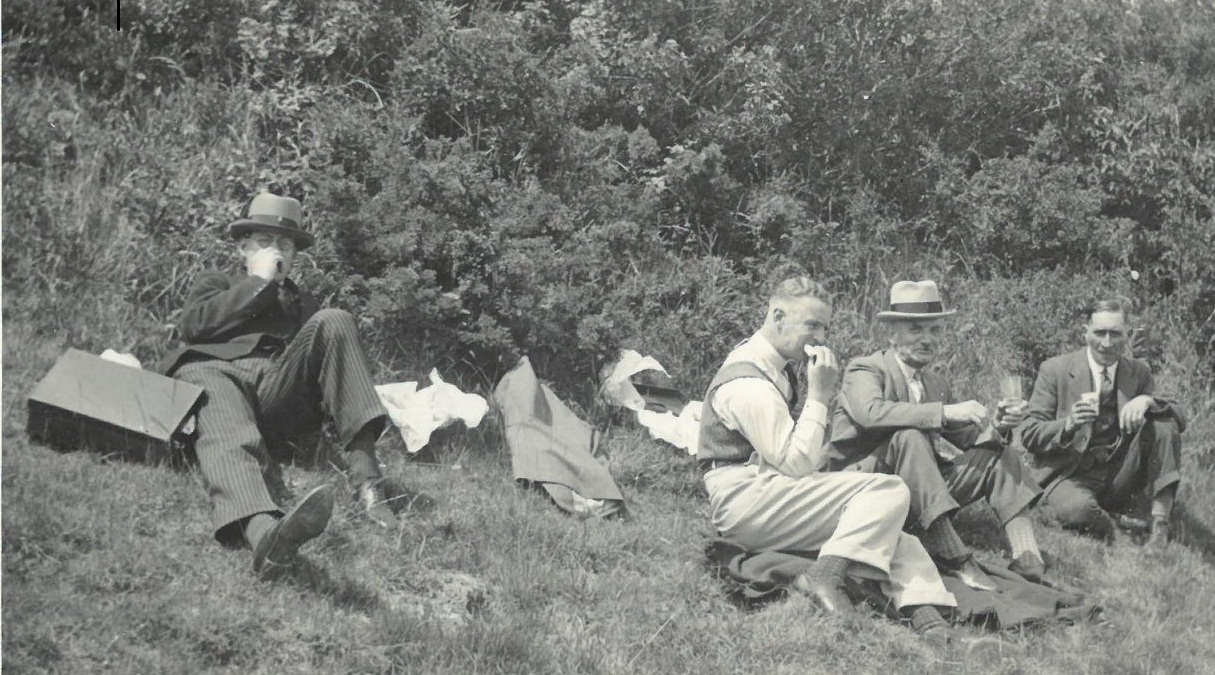
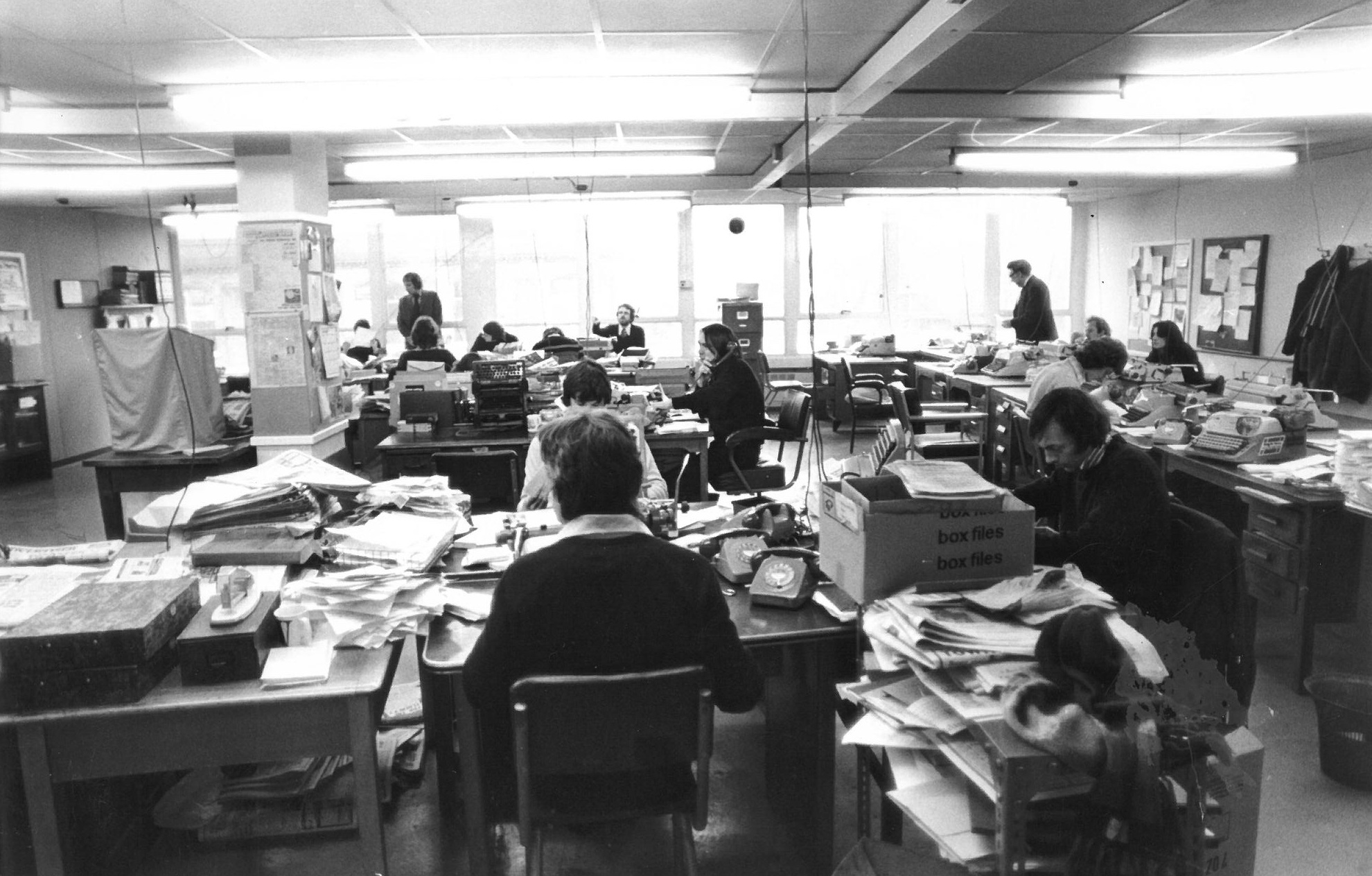
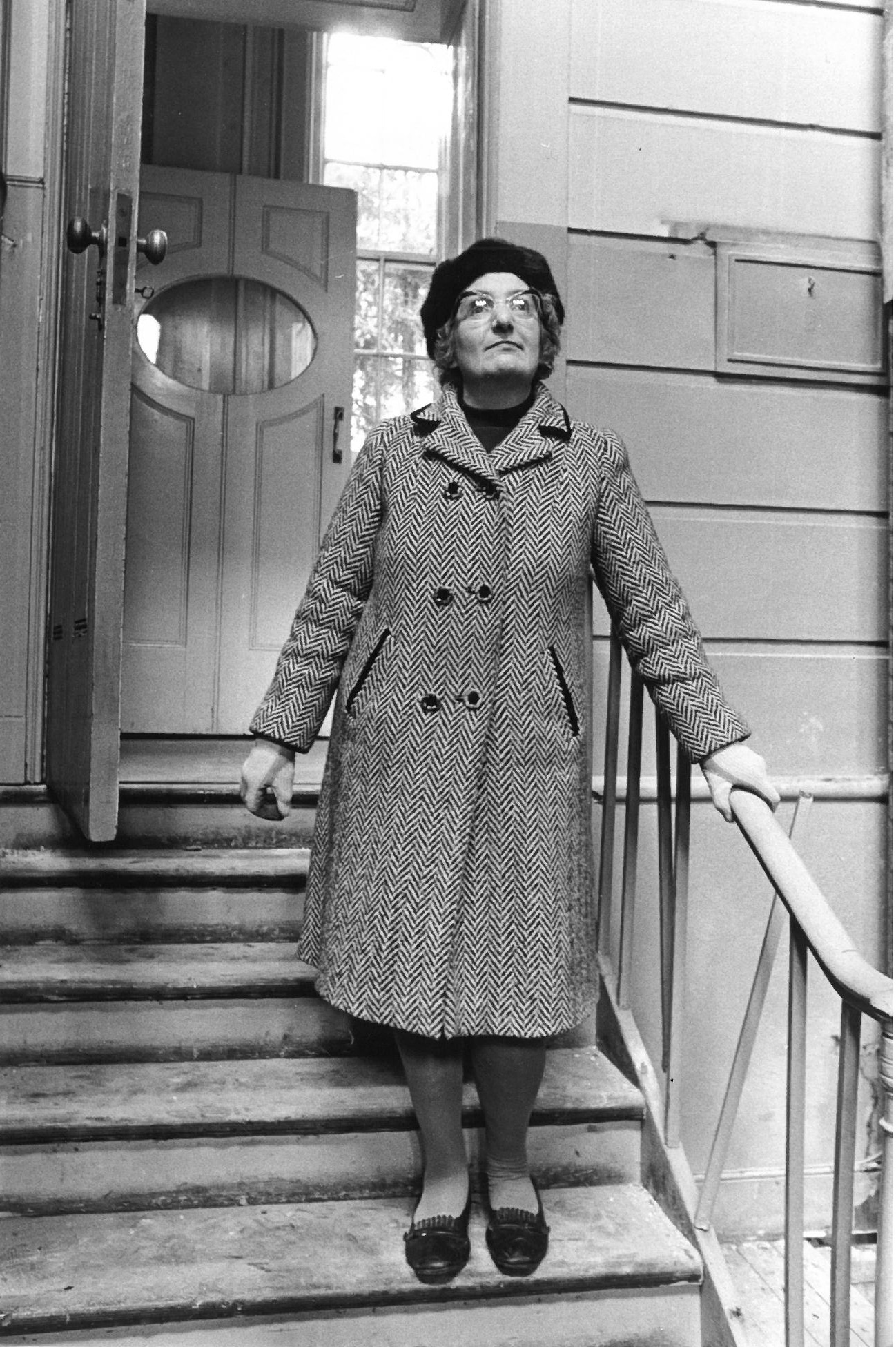
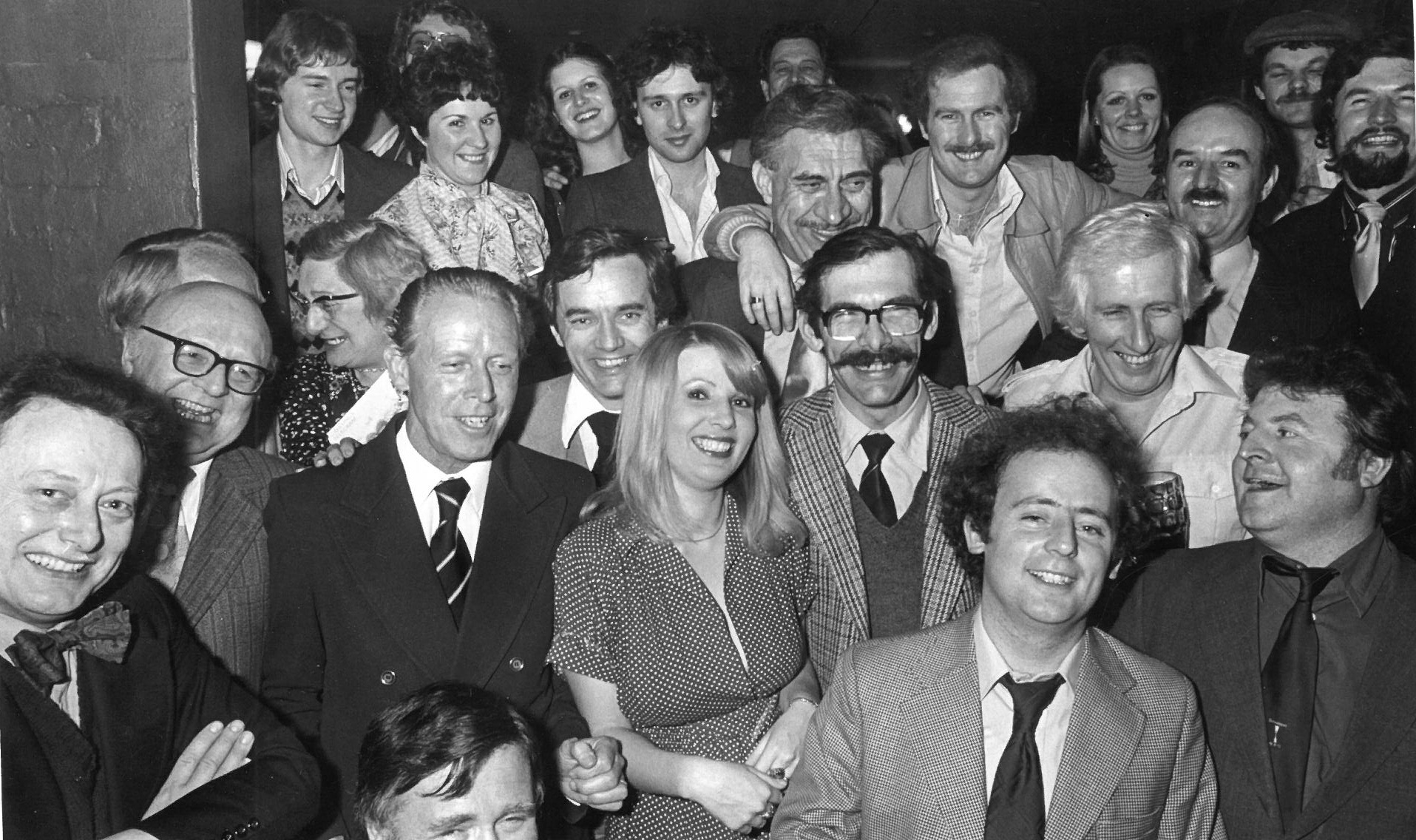
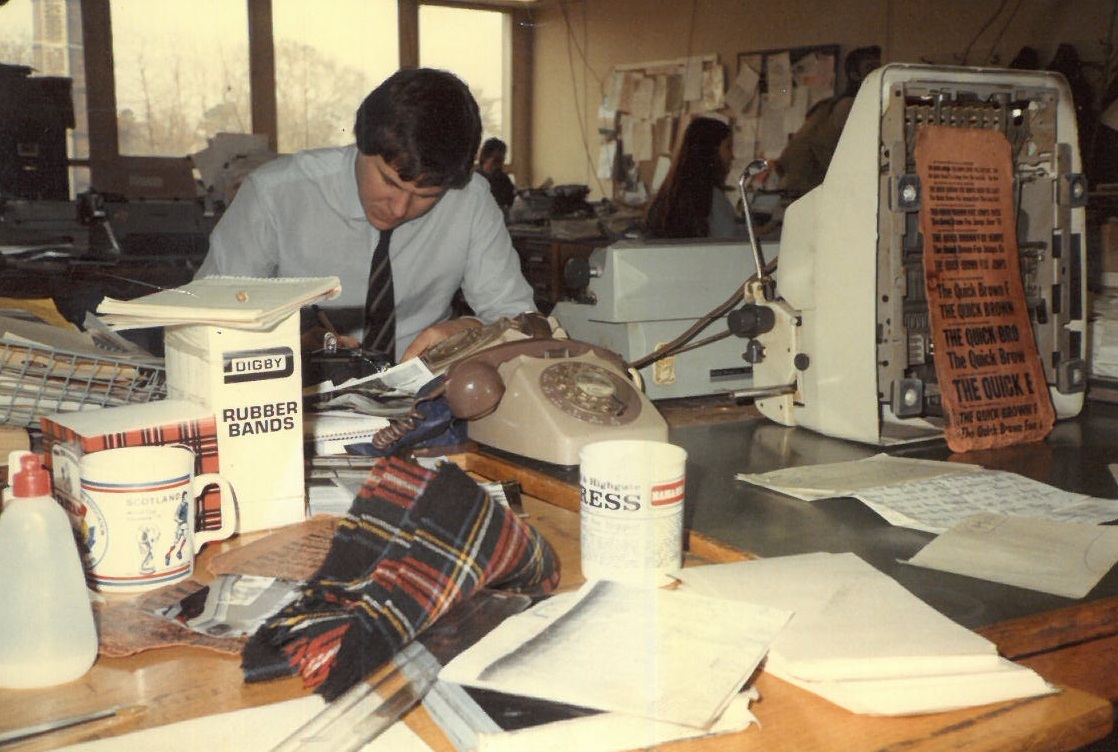
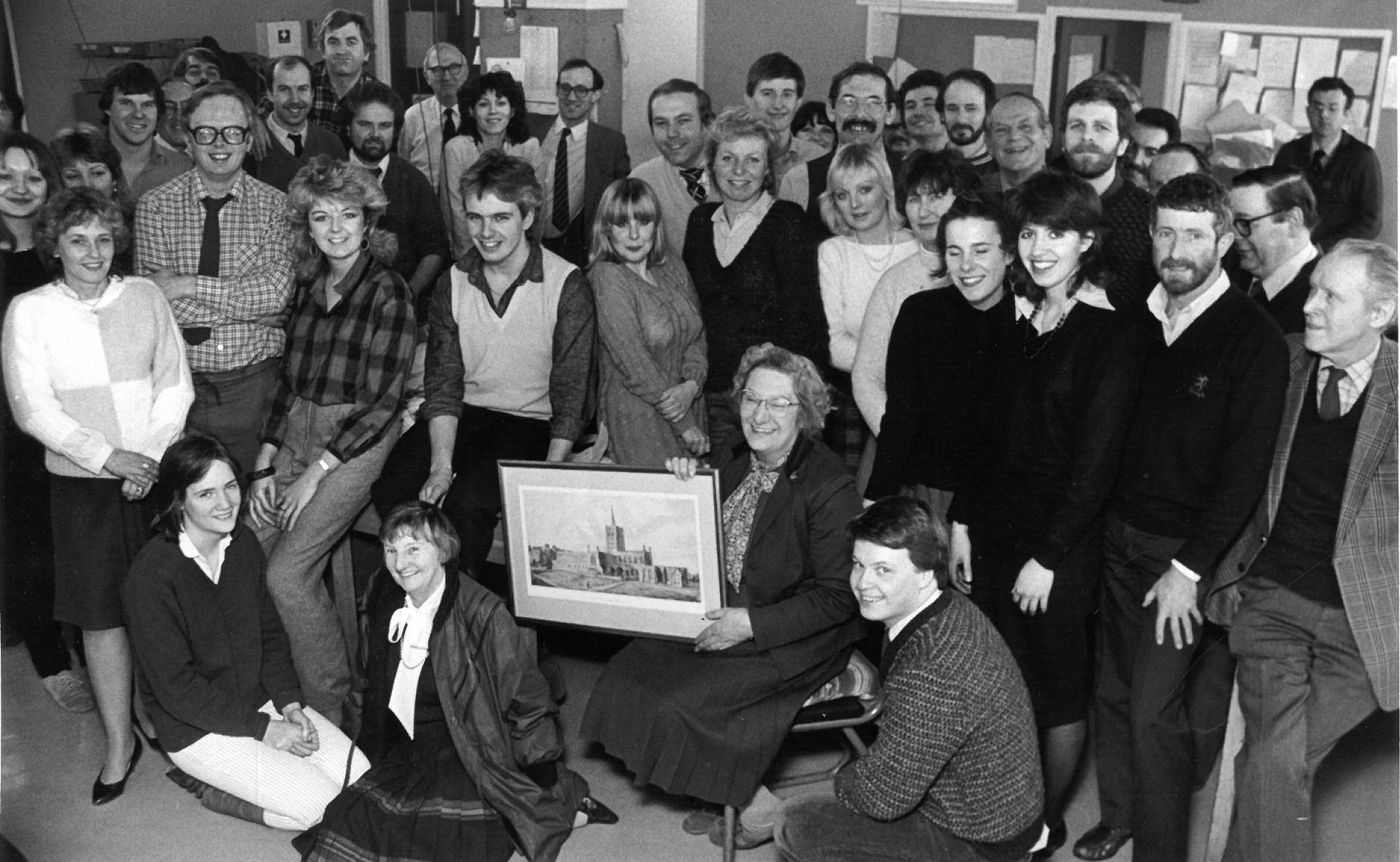
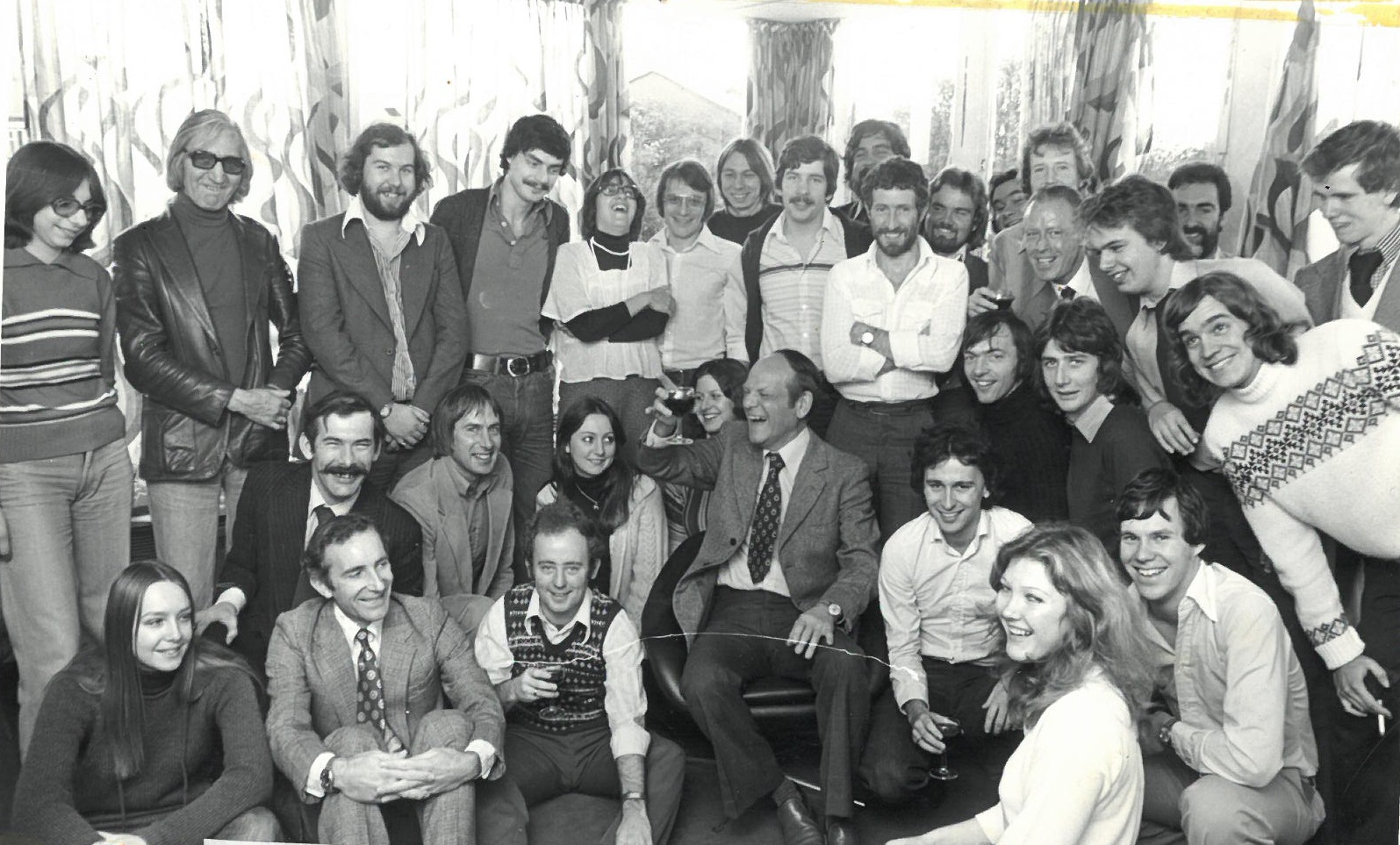
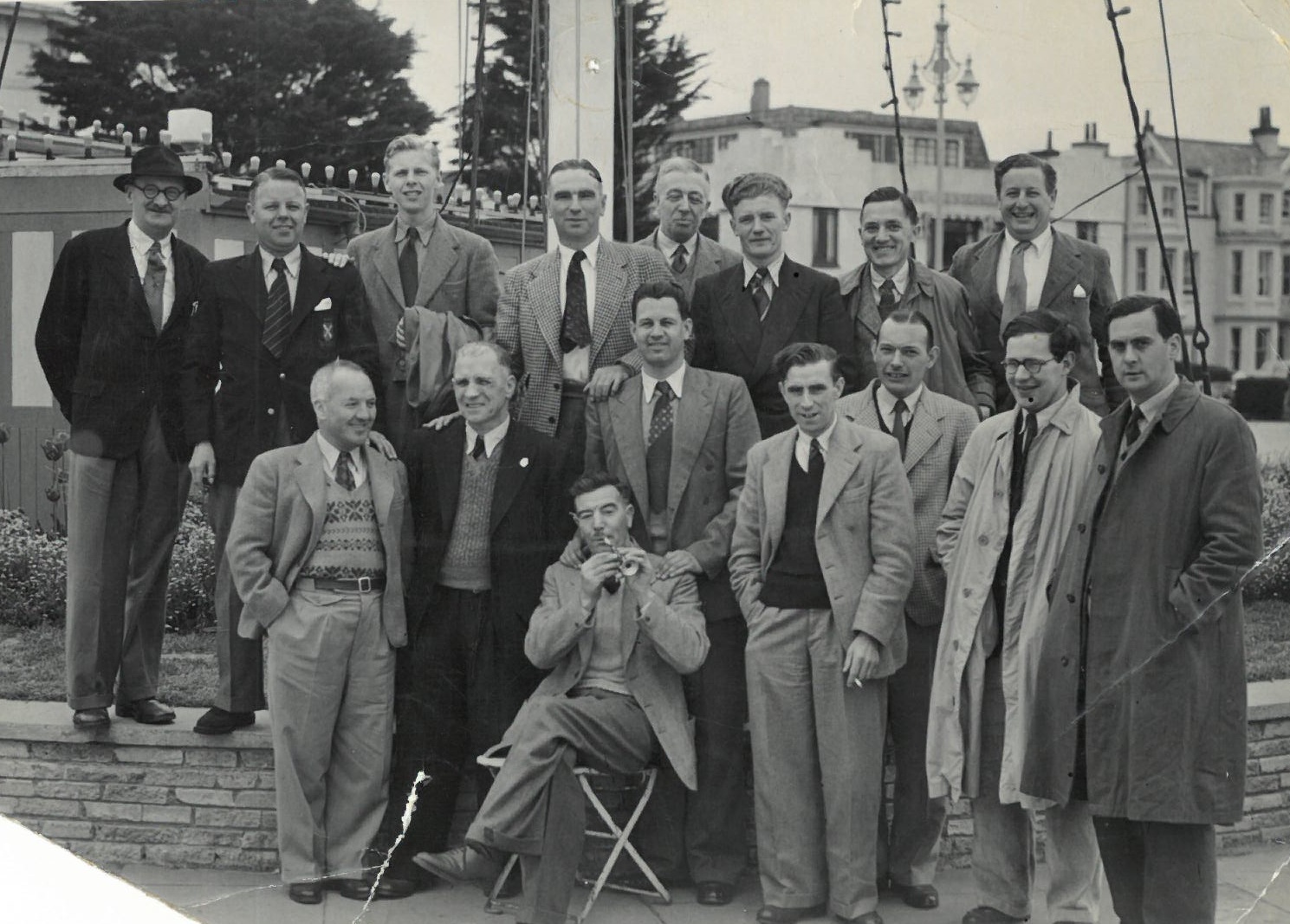
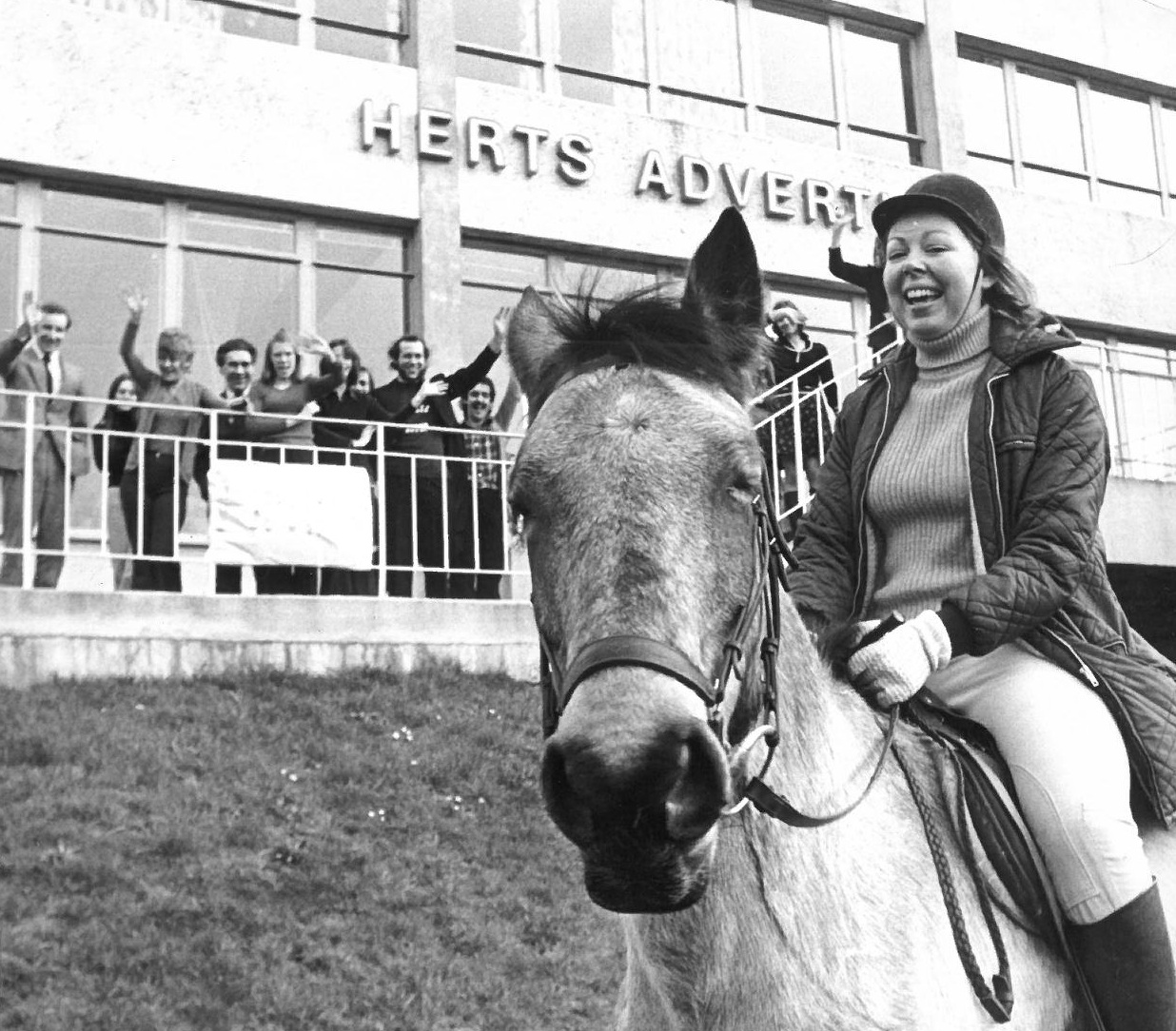
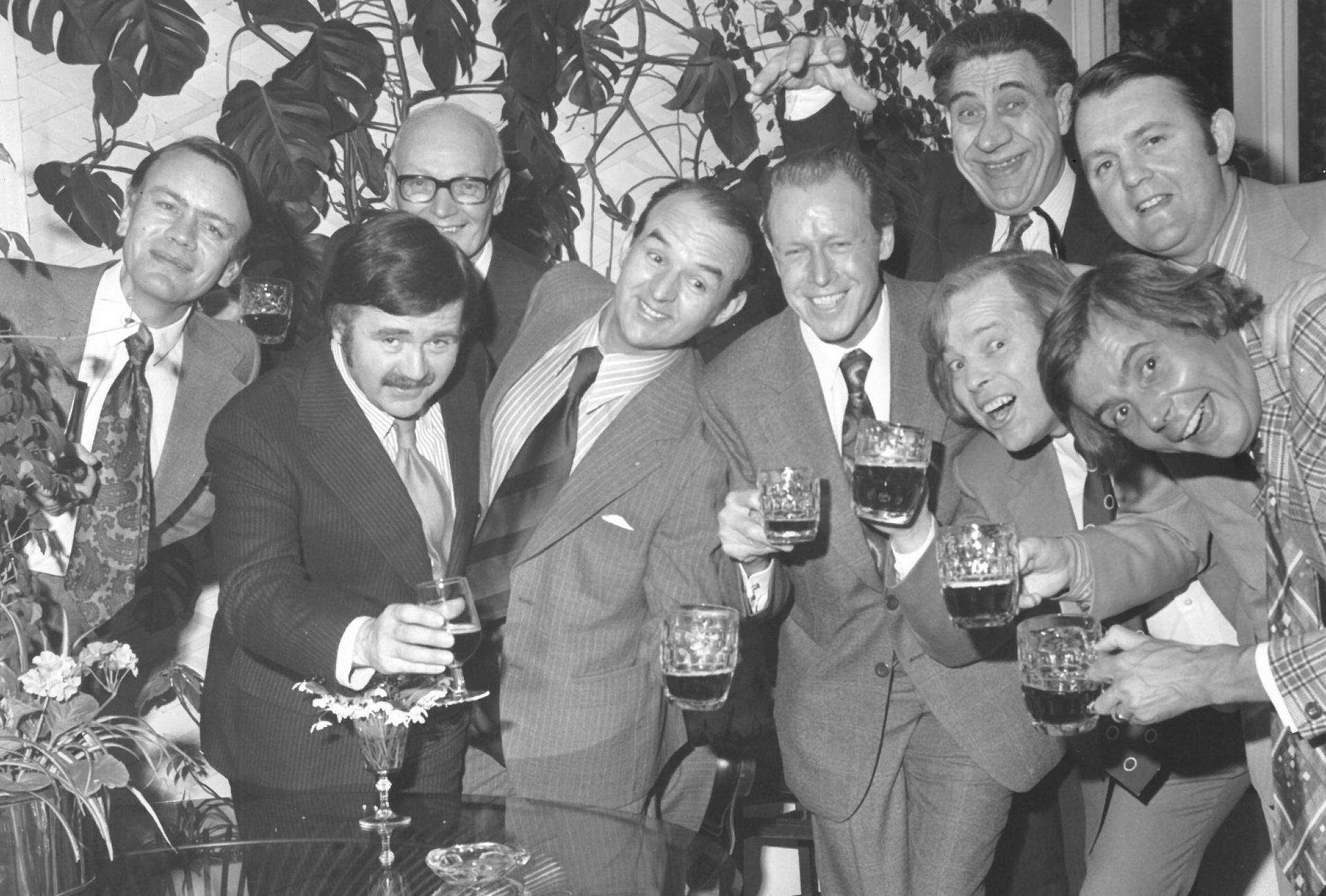
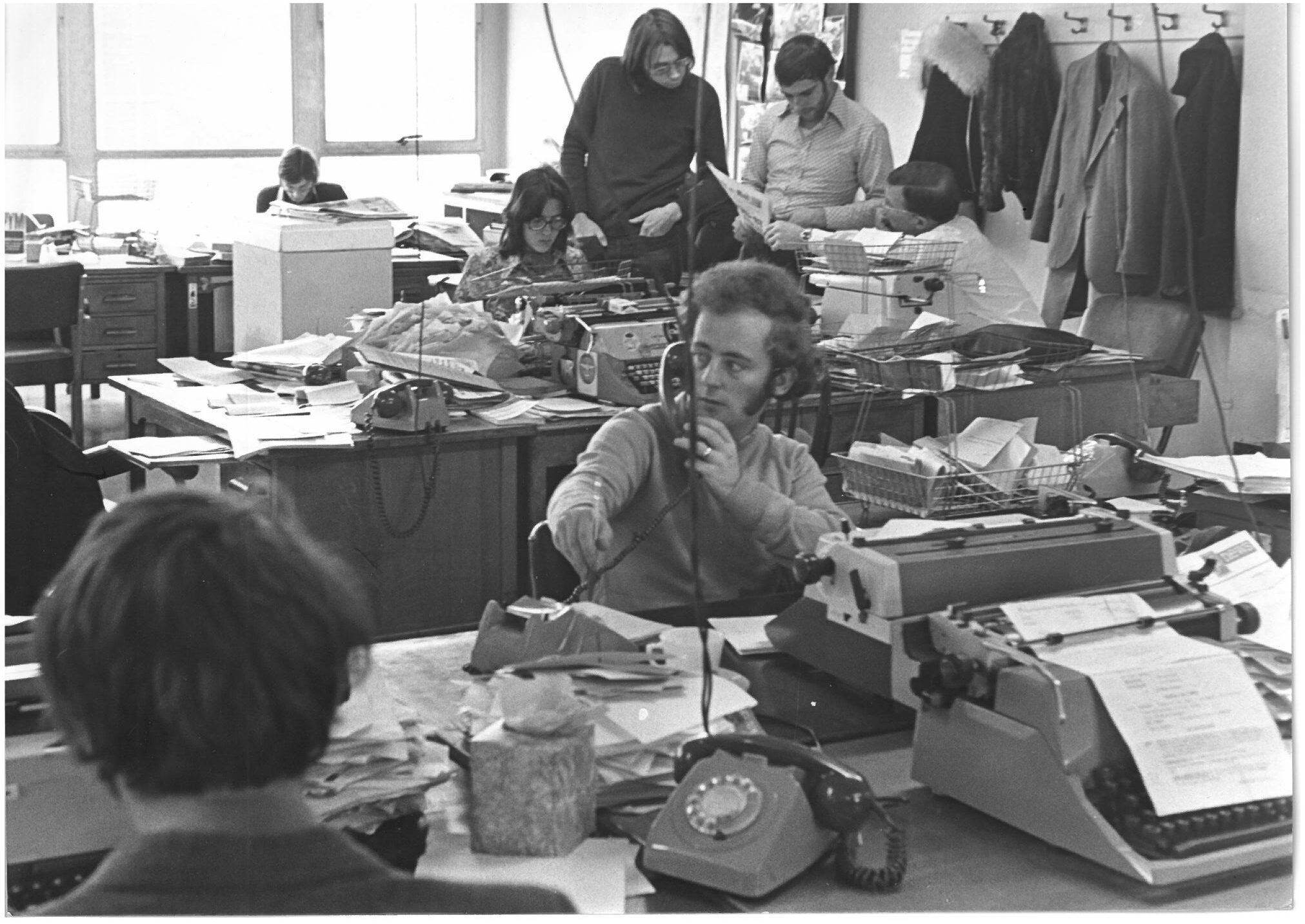
Many of the pictures included in this piece have never been published before, including behind the scenes photos of staff from across the decades, and hopefully provide a fitting tribute to the legacy of all of those who worked at the HA during the past 170 years.
Matt Adams, Editor of the St Albans Times
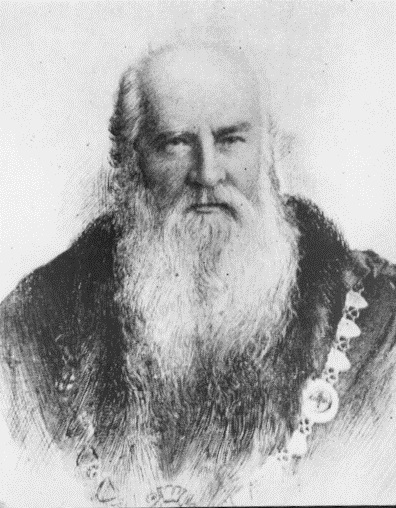
It was 170 years ago today that St Albans saw the publication of the first edition of a dedicated local newspaper for the city, and indeed the wider community.
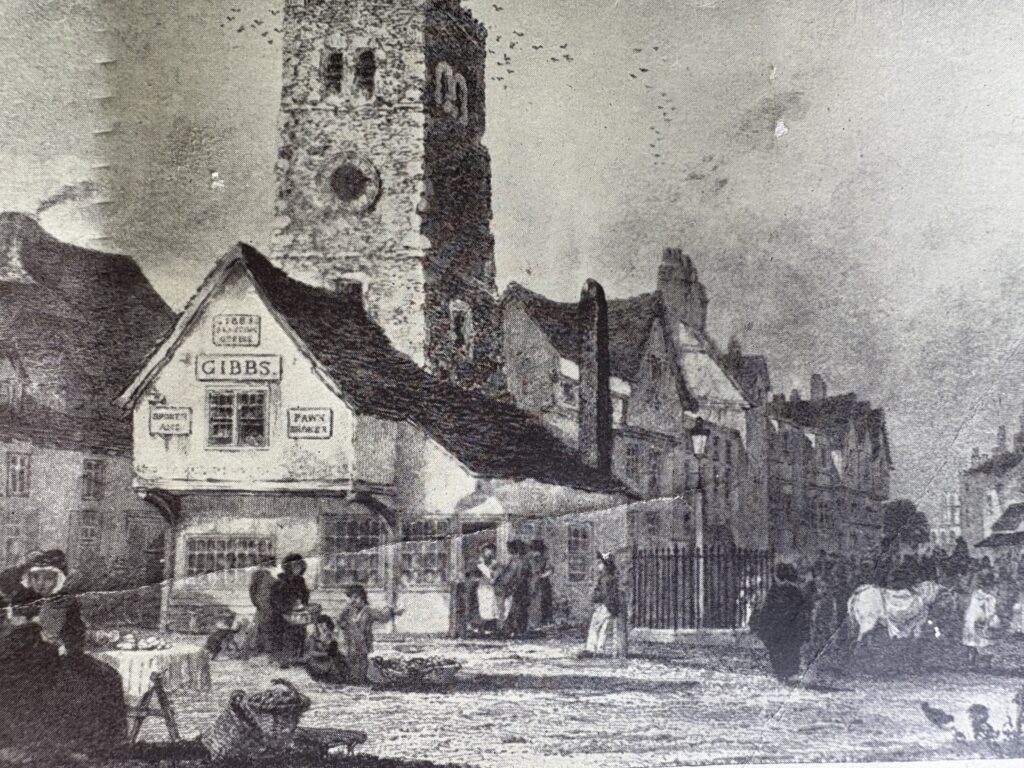
The repeal of newspaper stamp tax in 1855 had prompted the launch of many local papers across the country, and in St Albans Richard Gibbs the Elder used his long-established print business to do the same.
Based out of The Clock House at the base of the city’s medieval Clock Tower, he was inspired by his brother’s success with the Aylesbury Times, launched in 1836 as a tool by the Liberal John Gibbs to tear strips out of the Tories, nobility, landowners and squires.

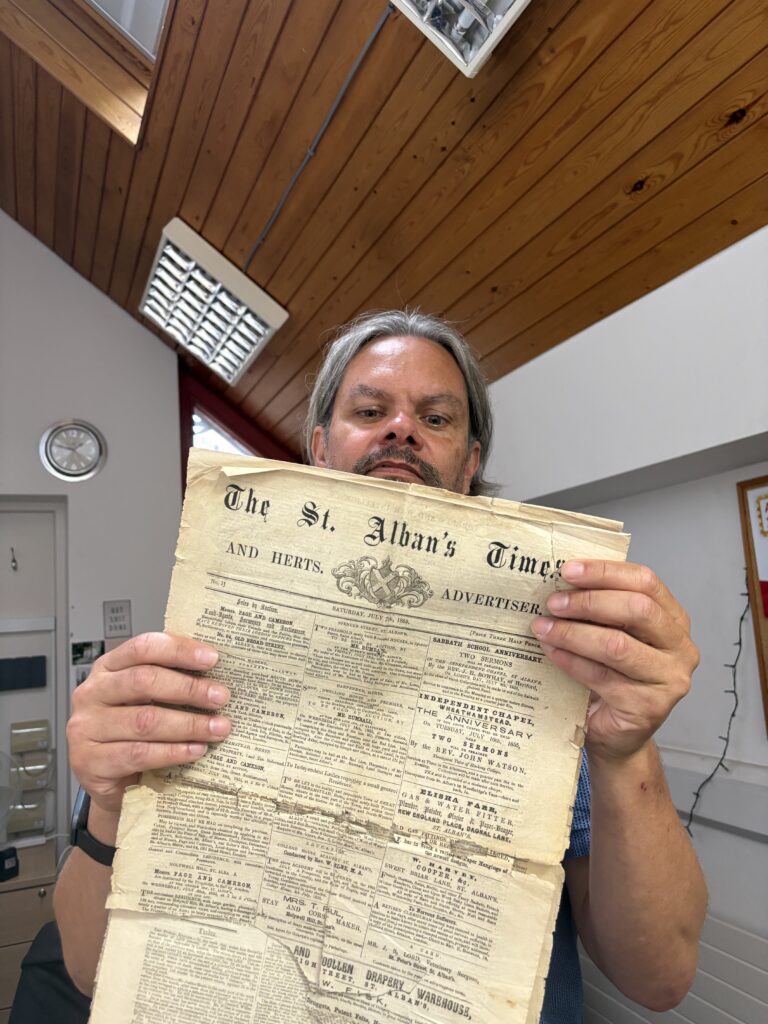
The first edition of the St Alban’s Times and Herts Advertiser [yes that’s where our name comes from!] was published on Saturday July 7 and cost one and a half pence. Three hundred copies were produced on a hand-operated press and the news included the latest developments in the Crimean War, syndicated from a London-based news provider.
The front page featured adverts and local train timetables, with news only found inside. There were no headlines, photos, colour or gaps, just very small words crammed onto its broadsheet pages.
Additionally, the scope of the paper was much wider, with local news from Hertford to Harpenden, Rickmansworth to Codicote, and national news from across the UK.
There was no railway in St Albans at this time, but the paper included a timetable from Hatfield to London on the Great Northern Railway, and details of the service of omnibuses from the Peahen Inn to connect with the trains at Hatfield.
No sooner had the newspaper begun publishing than it found itself fighting to preserve the Clock Tower, which the council hoped to demolish to save money. A campaign supported by St Albans Architectural and Archaeological Society resulted in the creation of a restoration fund and the subsequent renovation of the tower by architect George Gilbert Scott.
Early editions also reflected dissatisfaction with the long hours endured by shop assistants and agricultural workers, with calls for the early closing of the town’s shops.
The paper reported on how church bells rang until late in the evening to mark the arrival of the first St Albans train on May 8 1858, with a civic procession from the Town Hall to the station and a grand dinner in the newly-built Corn Exchange.
One of the first murders reported in the newspaper was in 1875 when groom George Hill was convicted of the “shocking murder of an illegitimate child”, his infant son William.
The late 19th century saw frequent cases of infectious diseases in the town – including major smallpox outbreaks in 1872, 1899 and 1900 – which the Herts Ad blamed on St Albans’ uncontrolled development and lack of a public sewerage system. The newspaper’s ongoing calls for proper sanitation resulted in the eventual completion of a sewerage system in 1884, and the introduction of inoculations saw future outbreaks eliminated.
In August 1877, the newspaper reported on the town of St Albans becoming a city following the founding of the Diocese and the enthronement of the first Bishop, Thomas Claughton.
Although Gilbert Scott had started work on the restoration of the Cathedral, his death in 1878 resulted in amateur architect Lord Grimthorpe taking over, resulting in the western façade we see today.

The 1880s saw Ernest Gibbs step in as editor and co-proprietor with John Bamforth, brother-in-law of the founder, and in August 1887 employees from various departments of the HA notably formed their own cricket club after several successful matches between the ‘jobbing’ and the ‘news’ sides of the business. After one match about 24 Herts Ad cricketers “partook of tea at the Coffee Tavern, French Row, with Mr Ernest Gibbs presiding”.
One of the most influential journalists in the newspaper’s history was Harry Benjamin Carrington, who joined as chief reporter in 1896, going on to become editor through two world wars and over 30 and a half years before his retirement in 1947.
When he arrived the city’s population was just 15,000, and he went on to report on the building of new schools, many churches including St Saviour’s, St Paul’s and Marlborough Road Methodist, and new houses and factories.
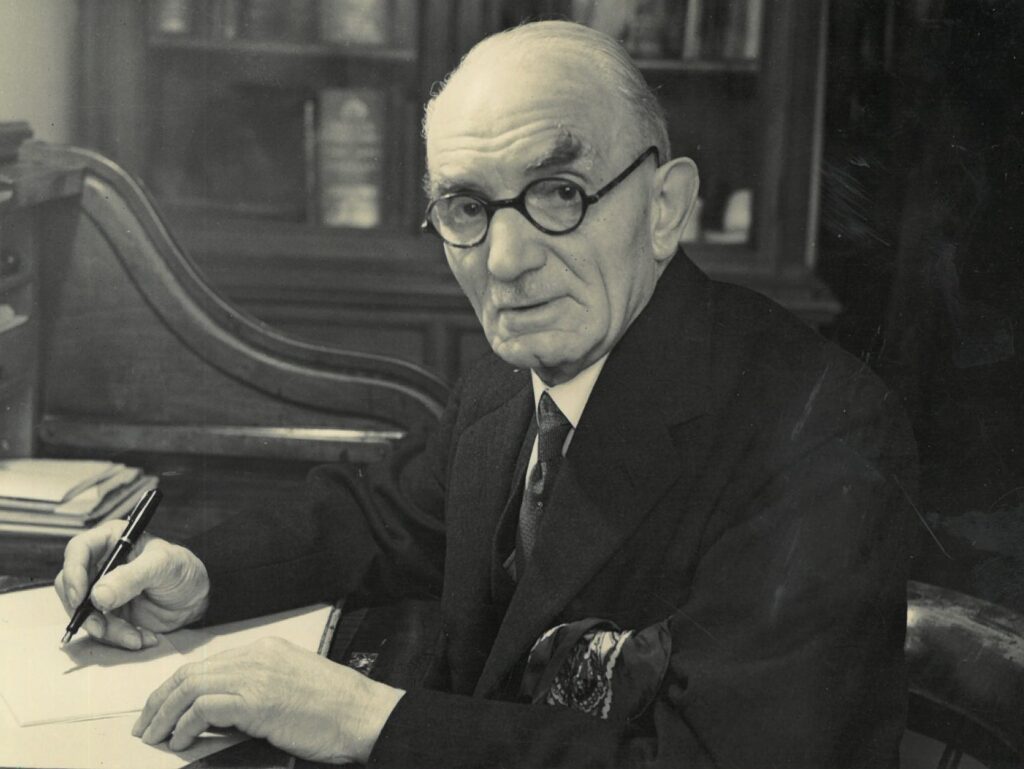
Henry John Whittick became editor in early 1896, probably before April of that year, and remained in the role until 1900, when he moved to the Express and Star in Wolverhampton as chief reporter. While still in St Albans he married Amelia Louisa Hartley Tyler at some point in 1899.
In 1906 the Postmaster General insisted telephone poles should be built along the west side of St Peter’s Street, prompting another newspaper campaign which culminated in the wires being placed underground despite great technical difficulties, ensuring the street’s vista was preserved.
Richard Gibbs, the newspaper’s founder, lived to see the title mature into a well-established title by the time of his death at the age of 76 in 1909, including celebrating its golden jubilee in 1905, when he said: “Many remarkable things have occurred since that far-off date in 1855, and one of the most striking historical features of the intervening period has certainly been the growth of newspapers as a factor in the national progress.”
There is a brass memorial honouring him in Dagnall Street Baptist Church.
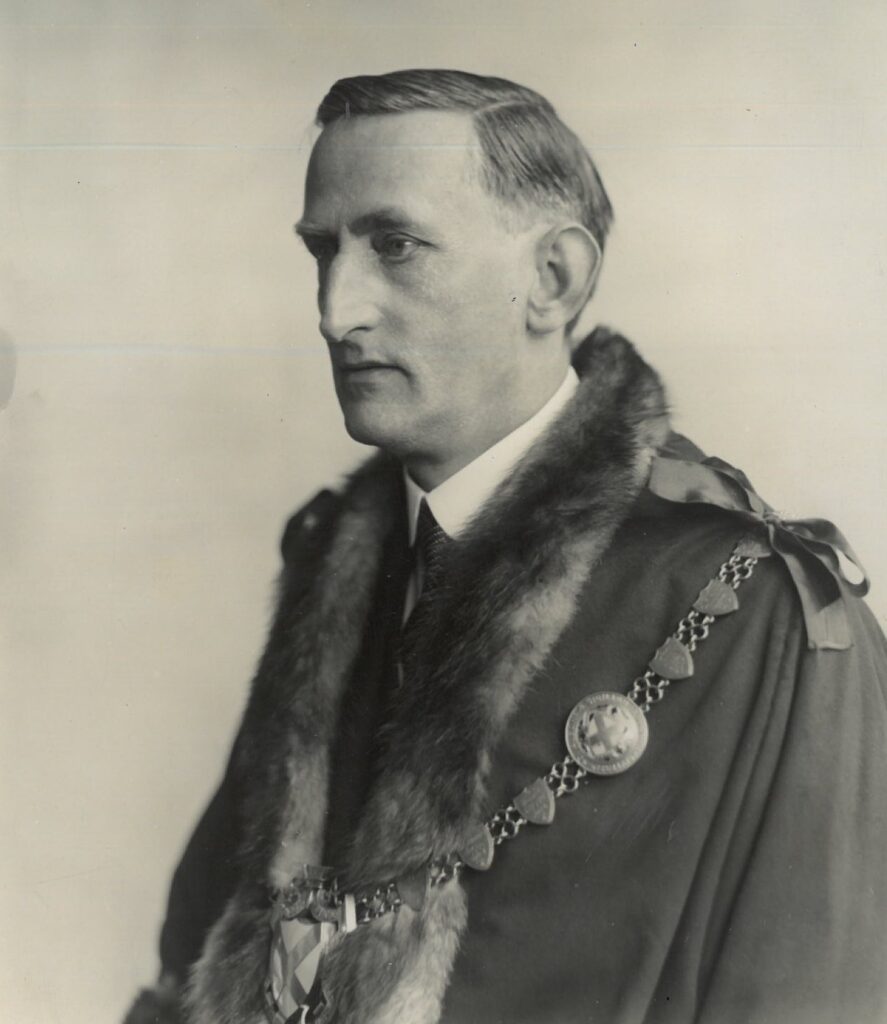
The Herts Ad reported on how American industrialist Andrew Carnegie was granted the Freedom of the City in October 1911 in recognition of his donation of a public library, the building in Victoria Street now occupied by Miller & Carter.
It also covered the career of cinema pioneer Arthur Melbourne-Cooper, who tried to put St Albans on the movie map when he filmed Sleepallday Fire Brigade in Redbourn and Shenley and used London Colney for Off for the Holidays.
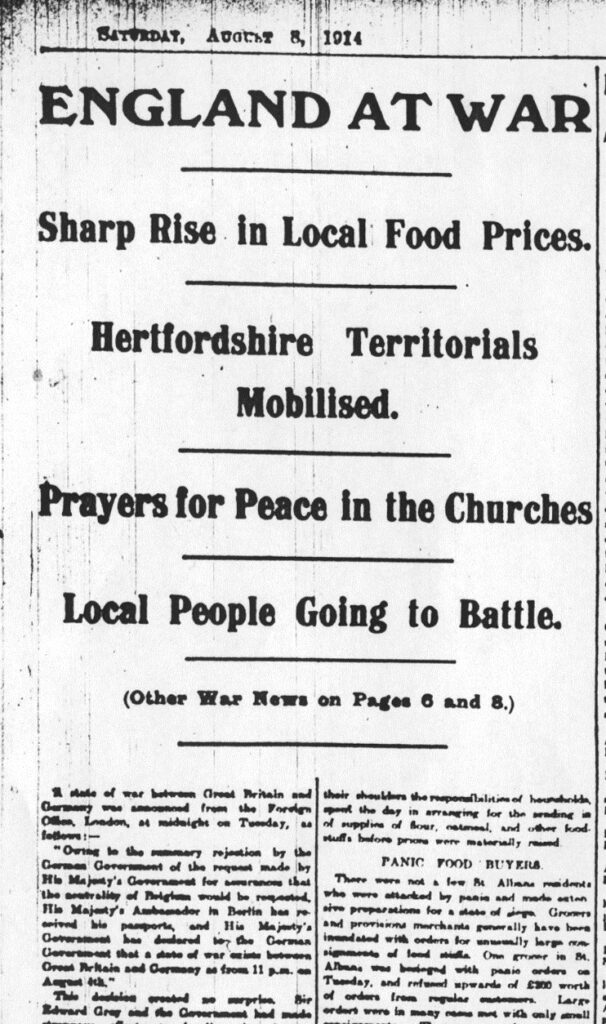
As war loomed in 1914, the Herts Ad reported on the arrival of soldiers from various regiments into the area, with the 22nd London Regiment initially stationed at Gorhambury, where they were reviewed by both King George V and Lord Kitchener.
The death of Ernest Gibbs in 1917 saw his brother Herbert take over the management of the newspaper, with Harry Carrington having become editor the previous year. In November 1919, when the HA was 64 years old, a new press was installed which was capable of producing 24,000 copies and hour, and the size was permanently enlarged to 12 pages.
The paper reported: “By the rigid exclusion of all that is likely to be offensive or derogatory to the best interests of our readers, we have endeavoured to merit the title of ‘a family newspaper’ in the strictest sense of the word.
“We have avoided sensationalism, preferring to devote our energies to a faithful chronicling of events occurring within the county, at the same time eschewing anything in the way of sectarian or political bias, and endeavouring, by candid criticism and comment, to lead public opinion upon matters of outstanding import.”
Just a few years later, in 1925, the Herts Ad celebrated its 70th birthday with a luncheon at the Town Hall, although the only woman present was Mayor Margaret Wix.
Editor Harry Carrington established the Herts Ad Santa Claus Fund during the depression of the 1930s, helping more than 10,000 local poor children over the next decade by providing new clothes and toys as well as paying for children’s parties.
“Considerable damage to the Regent” said the paper after the original Alpha Picture Palace – the city’s renamed first cinema – was burnt down in December 1927.
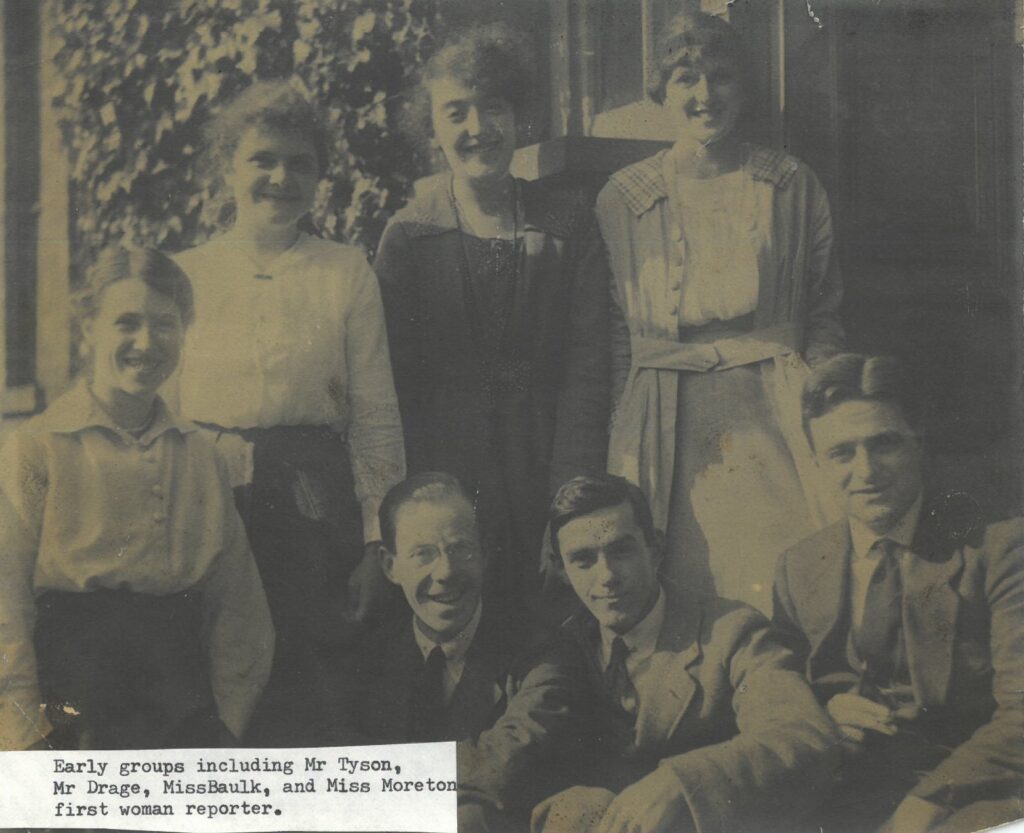
Working for the paper between 1925-1930 was Leonard North, who recalled in 1985, for the 130th anniversary: “My earliest recollections of hours spent in a little ‘cubby hole’ in the Dagnall Street premises, reading and correcting proofs…
“On promotion to junior reporter I carried out ‘calls’ in the city… and one of the ‘perks’ was free admission to the cinemas and dances.”
Laurence Putin, who worked at the HA in the 1930s, reflected: “I remember with great affection wo members of staff who took great care of the newcomer – the Editor, kindly Mr HB Carrington, who died in 1951, and Lionel Drage, chief reporter, who died at a great age only a few months ago.
“The fact that I was sacked by the management after some two years – entirely my own fault – was a turning point in my career, for I went to join the Press Association, survived a tour of bombing operations with the RAF and emerged unscathed as a Squadron Leader, and became Day Editor of Reuters News Agency.”
Another reporter working during this period was Richard Dring, who served a four-year apprenticeship in the mid-thirties, and recalled: “The first story I was sent on was to find a white blackbird a reader claimed to be a daily visitor to her garden. Well it did not appear for me, and the unforgiveable sin was committed of having fallen down on a story.
“Then there was the grave digger of London Colney who fell into the grave during the funeral service and broke his leg, and the rent collector who lost the contents of his satchel down the drain he was inspecting with the happy result of most of the pound notes being recovered at the local sewage farm.
“‘Church Calls’ provided the opportunity each week to visit the clergy of all denominations for tit-bits of church news. Many were the interesting and lively discussions that took place, and some even with the Bishop himself. To my lasting memory, I remain accused by the Reverend Kirk Bryce of having altered the Word of God in reporting one of his sermons!”
Transport between jobs was not easy, and usually undertaken by pushbike, but the first photographer, Frank Schraivogal had a motorbike and sidecar.
The 1920s also saw the traditional male newspaper environments welcome their first women journalists, with the first being Kathleen Moreton at the start of the decade, and then Gwen Randall from 1923 to 1931.
Gwen was quite prepared to carry on with the job when she married, but this idea was quashed as it was considered impossible for her to attend evening engagements if her husband was waiting for his supper to be cooked. How things have changed!
Kathleen Wilson took over from her (remaining until 1946 when her husband returned from the war), and Harry Carrington’s daughter Beryl joined in 1935, beginning a career at the Herts Ad which lasted for 70 years and becoming a true pioneer in her field.
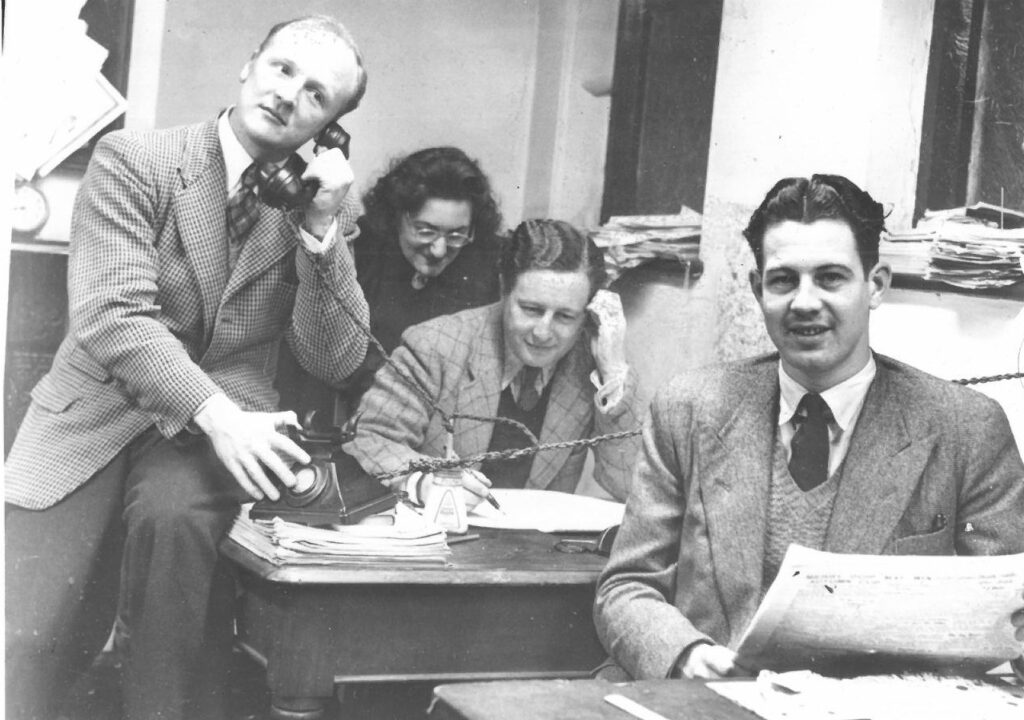
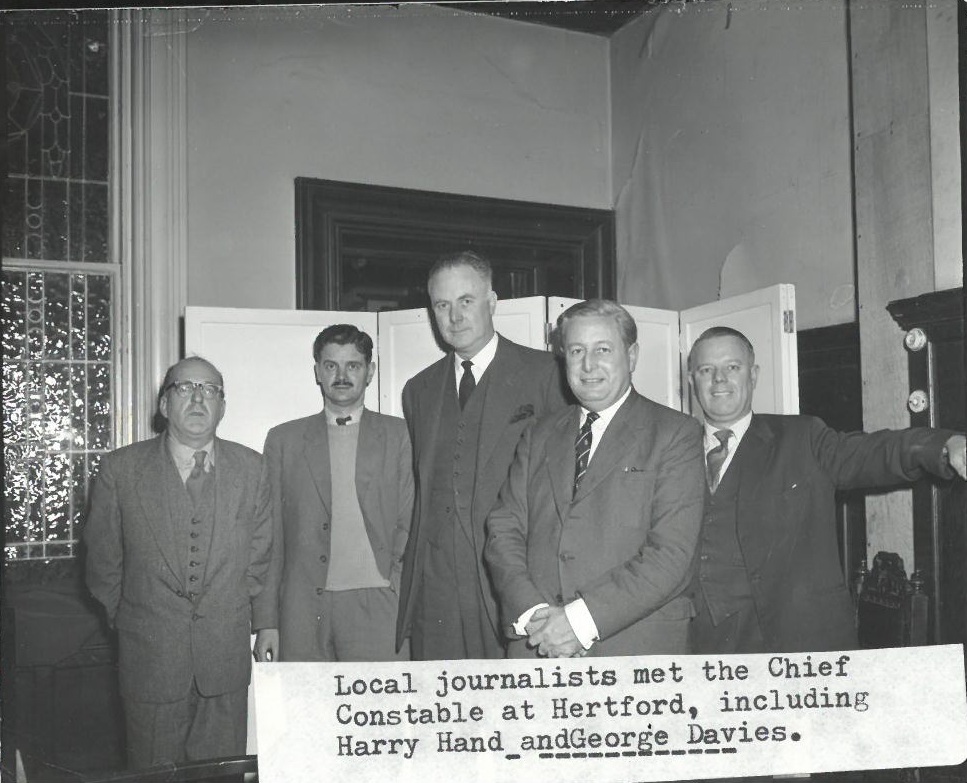
Beryl and the other female reporters proved invaluable during the Second World War, when journalists including George Davies, Roy Bentley and Doug Walton were called into service, with the women keeping the title going during the conflict.
Even before war was declared, the first evacuees arrived from London by train, and the Herts Ad of September 8 1939 reported: “Householders have responded magnificently to the appeals for accommodation.”
Wartime also saw a shortage of newsprint keeping paginations low and strict censorship preventing the reporting of events that people had seen with their own eyes, challenges which impacted on what stories could be included and how much space provided.
Reporting during this period was Kathleen Gansert, the title’s children’s correspondent Auntie Kittie, who organised competitions and giveaways to local youngsters.
She recalled her wartime experiences: “At first we sat twiddling our thumbs, with the paper reduced to half its size and very little social life to report, but filling sandbags, joining voluntary war efforts, helping with evacuees, and air raid warden service, or even just learning first aid, soon filled our time…
“But as the lads were called up one by one, the ‘reserveds’ and the ‘oldies’ on the paper became the men and women of the moment – our diminished responsibilities suddenly grew to alarming proportions!
“It was to honour those who had gone off to war that we worked so hard – 60 to 70 hours a week, feeling our job was very subsidiary.
“All honour to our long-suffering editor, Mr HB Carrington (on his second war); our chief reporter throughout was a sergeant major of World War I, LR Drage, who kept us hard at it.
“But we all had our moments of fun together – especially at The Bell!”
Victory in Europe saw “gay scenes in St Albans and other places” according to the Herts Ad, but controversy followed three months later when the Cathedral’s Dean Cuthbert Thicknesse refused to give thanks to God for Japan’s surrender after atomic bombs were dropped on Hiroshima and Nagasaki.
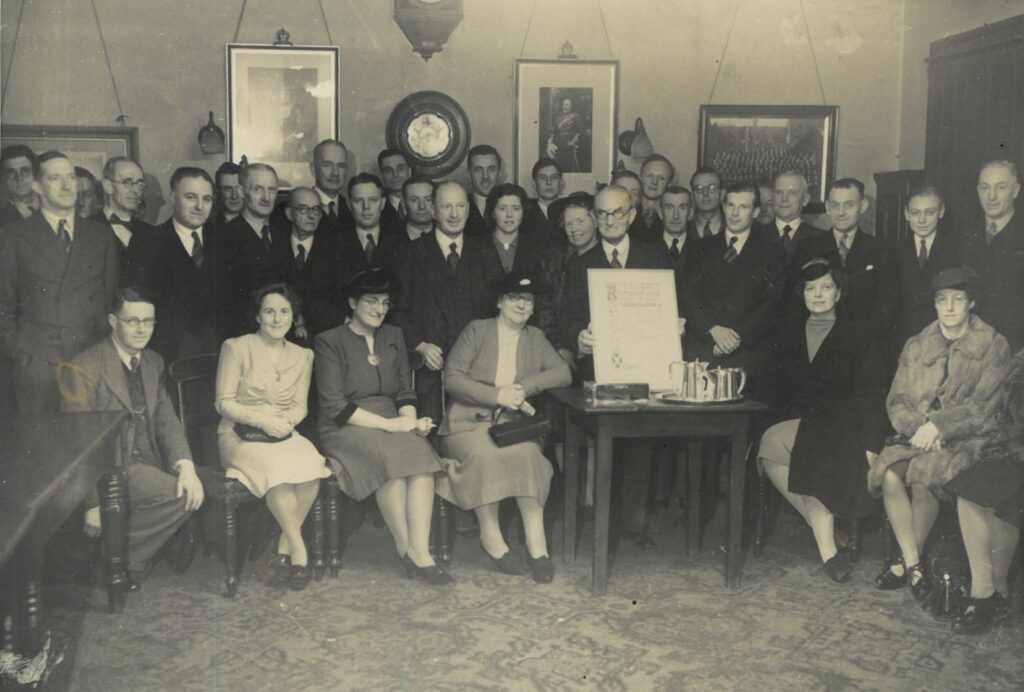
As we moved into the late 1950s and 1960s, paid-for newspapers enjoyed a renewed heyday, until the later rise of free newspapers impacted on their revenue in much the same way that the internet would do half a century later.
The onset of the 1950s also saw the death of Harry Carrington, marking the end of an era for the paper.
Grace Crookhall-Greening, who joined in 1950, came to the city from the defunct Manchester City News: “I remember the work in glimpses. Sweating out a County Show, writing interminable rabbit results in the press tent, fortified by beer and stamina; having fascinating running arguments with clergymen on weekly calls, and listening to the bereaved who needed to talk (perhaps one of a reporter’s incidental acts of real service in those more leisurely days) and finding the impression of the departed hard to match with the po or pinched face in the open coffin, having my republican sympathies extended to include the very new Queen, when she looked so slight and solemn and vulnerable distributing the Maundy Money.”
This was the occasion when the new Queen Elizabeth visited in June 1952 to mark the Diocese’s 75th anniversary. She was to return in 1982 to open the Abbey’s new £1m Chapter House, constructed using half a million replica Roman bricks.
Sean Day-Lewis started work at the Herts Advertiser in early 1954: “I was let loose on the customary wide range of reporting duties and in the evening was allowed to pose as a critic of the arts.
“My superiors, associate editor Lionel Drage in particular, were very tolerant of my 22-year-old pretensions. It did not matter if it was music, drama or painting, I was able to pontificate with opinion uninhibited by knowledge.
“I looked around and could not see a spark. A little later George rang again saying that from house he could see the whole skyline lit up. This time Drage had difficulty in suppressing his rage and I was told not to come back until I had found the fire.
“It was indeed a spectacular affair, an entire paper factory alight from top to bottom. It was lucky our deadline was weekly!”
December 1957 saw the newspaper report on the mysterious disappearance of schoolgirl Anne Noblett. She had alighted from a bus in Lower Luton Road between Wheathampstead and Harpenden and was never seen alive again. A month later her body was found in Whitwell, having been kept in a deep freeze for that time. Her murderer has never been found.
The next year saw the beginning of a long fight to preserve the River Ver, one that has continued to the present. An alliance between Lord Verulam, archaeologist Sir Mortimer Wheeler and the St Albans Industrial Employers Association challenged plans to pump five million gallons a day from the river by the Luton Water Company.
Although it was agreed to cap this figure at two million gallons daily, the amount of abstraction from the Ver slowly increased until the formation of the Ver Valley Society in 1976, and a protracted campaign to save the river. But with water companies still mistreating this rare chalk stream to this day, the battle continues on…
With congestion becoming a growing problem in the medieval city, in 1961 the Herts Ad covered the fledgling Civic Society’s campaign to prevent the inner ring road scheme – effectively a dual carriageway through the city centre which would have meant hundreds of housing being demolished and the character of St Albans ruined forever.
When the Chequers Cinema closed in June 1962, plans were unveiled for a supermarket on the site, only for the council to reject the scheme and decide to hold a competition to build a new shopping centre.
The winning design by Samuel Properties was for a covered shopping mall which would be closed at night. A campaign led by St Albans Civic Society and the Chequer Street Action Group resulted in 20,000 people signing a petition opposing the scheme in March 1979. That July Samuel pulled out and a new design by Bredero Consulting was chosen which became known as The Maltings Shopping Centre.
In 1965 the Herts Advertiser Printing Co Ltd was bought by Luton-based Home Counties Newspapers Ltd, and by the late 1960s, there were four editions of the Herts Ad – covering St Albans, Harpenden, Borehamwood and Welwyn and Hatfield – with a staff of 27 reporters and six sub-editors working on what was one of the UK’s largest broadsheet newspapers.
The introduction of new technology saw the end of the hot metal days and the introduction of computers, transforming the way that newspapers were produced and allowing for better design and the widespread use of colour.
The Herts Ad enjoyed a world exclusive in September 1979, when it officially revealed that Rober Runcie, the Bishop of St Albans, was to become the next Archbishop of Canterbury, hours before any announcement from Downing Street.
The following year, the new Archbishop sent his congratulations on the title’s 125th anniversary: “Since we left St Albans in March we have missed many things, and not least being kept in touch with local news through the columns of the Herts Advertiser. The paper has built up over the years a reputation for up-to-the-minute news combined with a sensitivity to the needs of the locality.”
Asked what he thought about the Herts Advertiser, comedian Eric Morecambe joked, “I never read it!” but then added: “Local newspapers are a marvellous and excellent thing and I think everyone should read them. The only thing I don’t read is the adverts!”
After the deaths of five St Albans schoolchildren and a teacher when a coach carrying Verulam and Beaumont pupils overturned in the French town of Ledignan in May 1985, the newspaper supported the efforts of a disaster appeal launched in the wake of the tragedy.
In September 1987 the Herts Ad increased its circulation to 65,000 copies a week after switching from selling for 14p to becoming a free newspaper.
A report in an issue of the St Albans Review from September 27 said: “For years it has seen a dwindling circulation from its 1967 peak of 41,000 copies a week. Latest Audit Bureau of Circulation figures showed sales of just 18,024 copies a week.”
1988 is infamous for the introduction of Herts county council’s notorious one-way system, which brought traffic to a standstill and saw shoppers stay away in droves. Around 30,000 signed a petition calling for its removal, with HCC scrapping the scheme the following January.
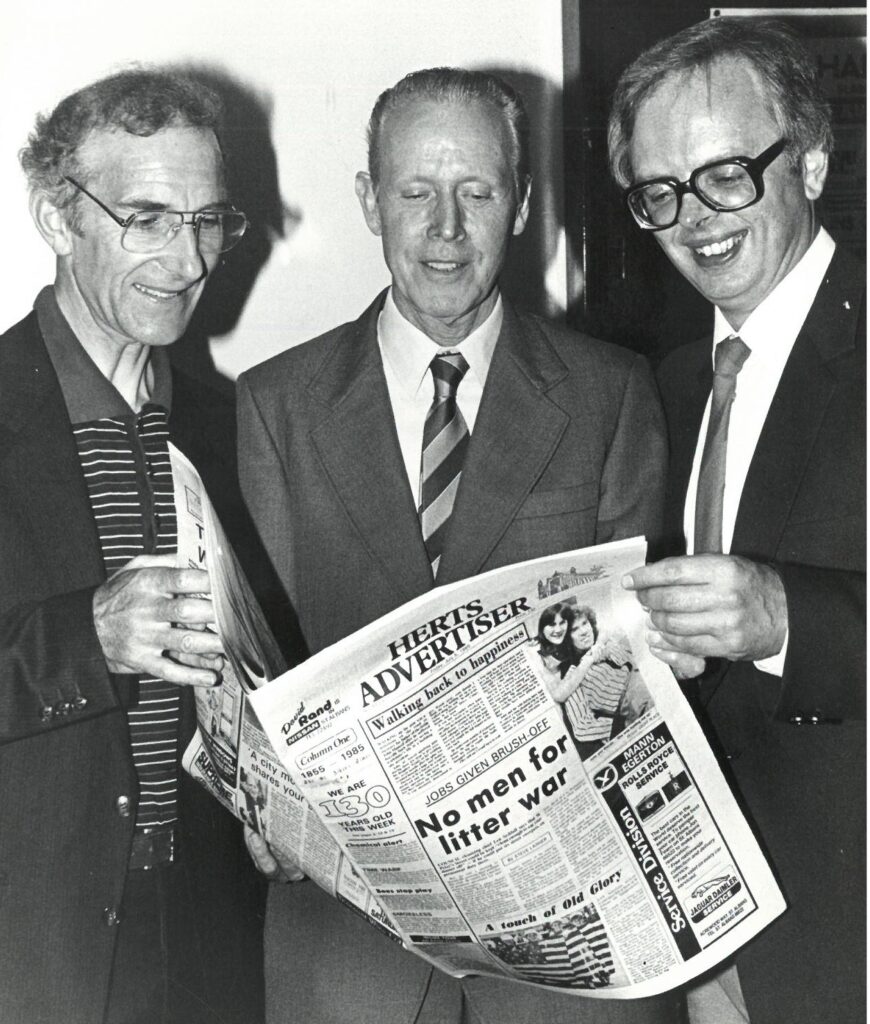
A century after reporting on infectious disease outbreaks in St Albans, the Herts Advertiser was one of the first media to cover cases of the MRSA superbug in 1989, and also led calls to retain accident and emergency and maternity hospitals at City Hospital, a long-running campaign which unfortunately failed to succeed.
July 1990 saw the newspaper report on the murder of internationally acclaimed pianist Joan Moffitt, killed in a frenzied axe attack by her husband Roger, a patient at Hill End Hospital following a nervous breakdown, who also took his own life.
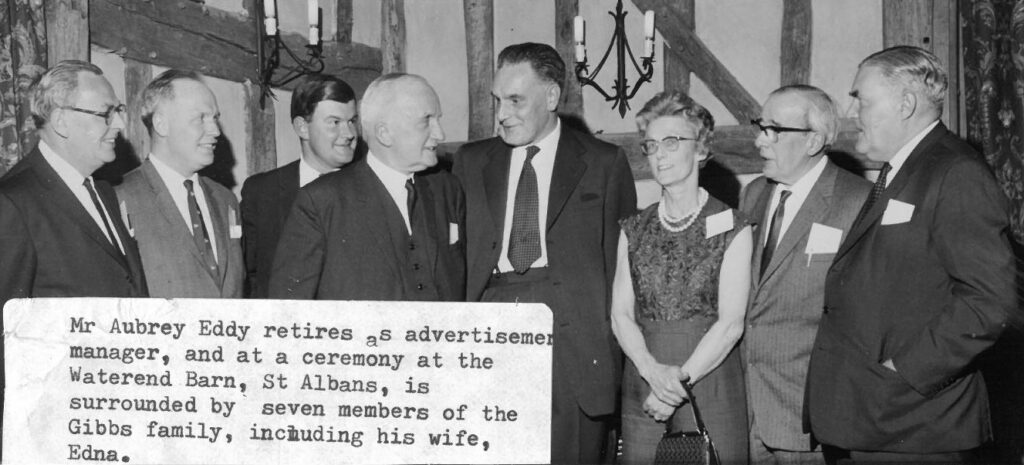
Former staff photographer Tony “Greg” Gregory was drinking in the Waterend Barn on the night of November 20 1991 when a 7pb Semtex bomb exploded in the doorway of the building adjoining the Civic Centre.
He was able to snap the only exclusive pictures of the attempted IRA terrorist attack, which had intended to go off following an Alban Arena performance by the Blues and Royals military band.
This was the second failed IRA attack in the city, following a bomb exploding on the railway line just south of St Albans, fortunately not when any trains were passing.
In 1993 the newspaper reported on the rehallowing of the pedestal of the Shrine of St Alban following its £150,000 restoration, an event attended by the Queen Mother.
The Herts Ad’s Save Our Cinema campaign might have failed to prevent the closure of the Odeon in London Road in August 1995, but less than 10 years later it was instrumental in fundraising for the building to be purchased and restored as what is now The Odyssey.
Celebrities passing through the district have also featured in its pages, including Dirk Bogarde, George Best, Bobby Moore, Alec Guinness, Matt Damon and Tom Cruise, but there has also been coverage given to those prominent people who made St Albans their home.
They included the likes of Samuel Ryder, founder of the world-renowned Ryder Cup as well as being a local politician and philantrophist, racehorse owner Jim Joel – whose horse Maori Venture won the Grand National – film director Stanley Kubrick, physicist Professor Stephen Hawking and comedian Eric Morecambe.
But there have been just 13 “proper” editors – based out of St Albans and immersed in the local community – as opposed to the current content curators who work remotely and have little investment in the city and district.
When the 12th incumbent, Noel Cantillon, retired in 2009, his farewell party marked the only occasion when five of these were gathered in the same place: Mike Daniels, Robert Richardson and Alan Booth joining Noel and his successor to the role Matt Adams. Their predecessors included Henry Whittick, Don Smith, William Tyson, Frederick Usher and a Mr Galbraith (first name unknown).
Of the baker’s dozen of editors, pioneering journalist Beryl Carrington worked under eight of them during her service – including her father – and carried on contributing post-retirement until her death in 2005 at the age of 86.
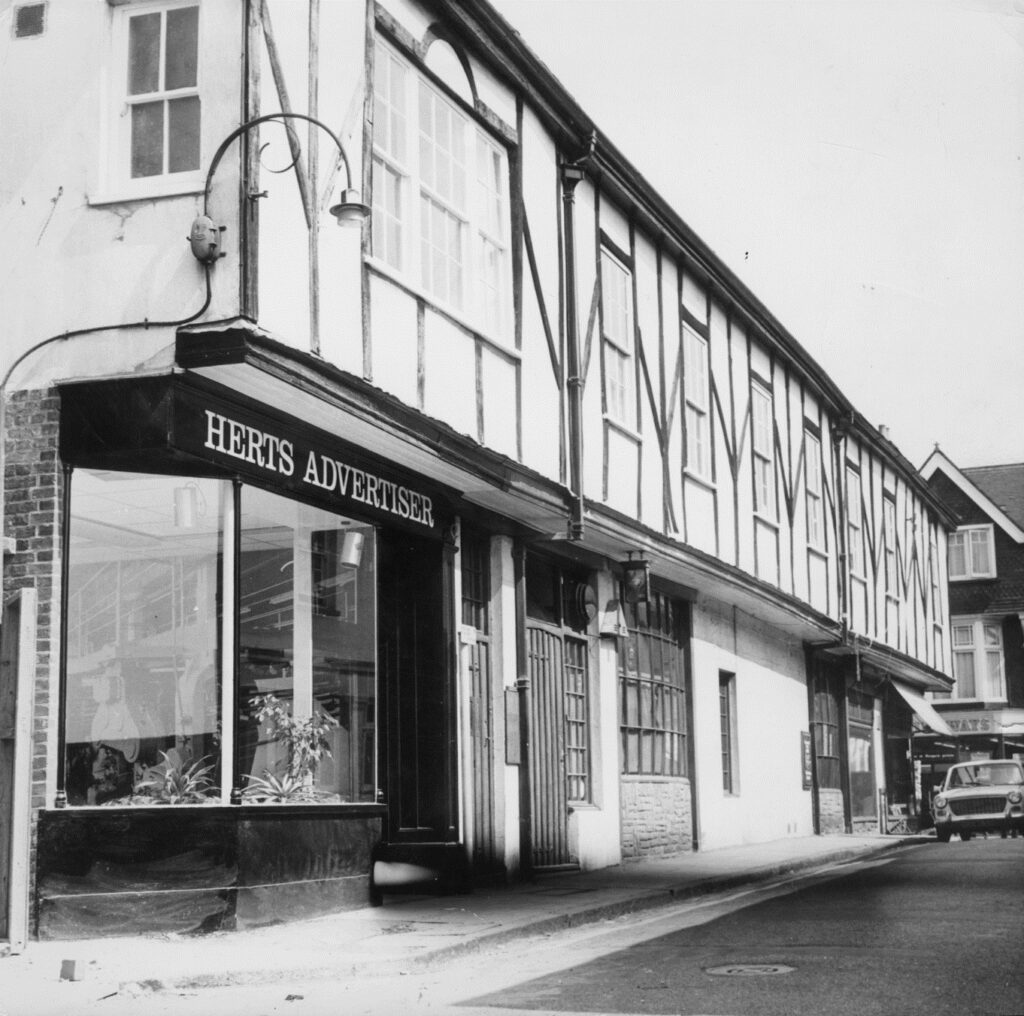
The Herts Ad wasn’t the only newspaper to publish locally during the past 170 years, but it is the only print title still in production. The St Albans Review, the St Albans Observer, the Mid-Week Advertiser and the Harpenden Free Press have all fallen by the wayside over this time.
Other rival titles include The Hertfordshire Standard & St Albans Citizen, which was launched in 1877 to provide a Conservative alternative to the Herts Ad’s Liberal stance. A copy of short-lived publication The St Albans Reporter was included in a bottle when the foundations of the public baths were laid in September 1876, and another title, the St Albans Gazette and County Advertiser lasted from 1899-1907.
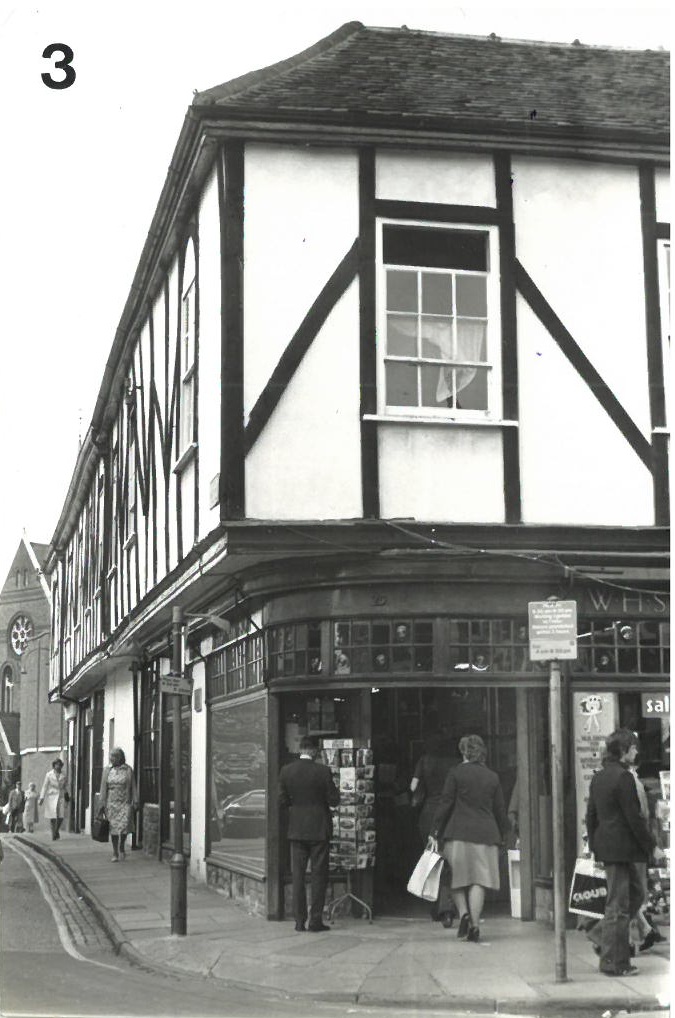
The Herts Advertiser has enjoyed many homes over the decades, including the Moot Hall – now occupied by WH Smith. From 1898 to 1970 the newspaper ran from offices based in the former Wesleyan Chapel in Upper Dagnall Street, before moving to Campfield Road and then a modern building at Porters Wood industrial estate. But when advertising staff were relocated to the regional office of owners Archant in Stevenage, the two-floor building was no longer needed.
Company bosses threatened to relocate the entire news team to Stevenage, prompting then-editor Matt Adams to instigate a campaign to retain a local presence, with directors barraged by complaints from politicians, residents and community activists.
He was eventually able to negotiate rooms in empty council properties, with the surviving editorial staff moving first to Market Chambers in Market Place, and then into 7 French Row, which at the time had been unused for the best part of 10 years.
This final location was to remain their home through the departures of the last sub-editor (Jim Bluck), news editor (Madeleine Burton) and staff photographer (Danny Loo), as diminishing revenues and a drive for cost-saving efficiencies from head office took its toll on staffing.
With a skeleton staff proofing their own pages, a reliance on submitted images and a move towards templated page designs, the glory days of the paper were truly in the past. Paginations were cut, contributors were dropped, and the title slowly began to wither away.
The last nail in the coffin was the devastating impact of the Covid pandemic, which drove away property advertising and saw the two remaining members of the Herts Ad team – Matt Adams and reporter Laura Bill – forced out of French Row and into Dagnall Street Baptist Church, not far from where the newspaper had once occupied a large office building.
That reprieve was only granted following a second campaign to remain local, with the then-minister of Dagnall Street, Rev Simon Carver, accommodating the staff in the vestry, which meant being subjected to regular organ rehearsals and the odd funeral service.
The events leading up to the sale of the Herts Ad’s parent company Archant to Newsquest meant even this office space was deemed to be financially prohibitive, and the team moved into space donated by William Lawrence Advertising Agency – owned by Matt’s long-term friend Roy Scott – before both left the title forever in 2022.
Nowadays the Herts Advertiser – that once-proud, campaigning bastion of local journalism across the St Albans district – is far removed from its glory days. An quickfire array of trainee reporters have been tasked with contributing to its pages over the past few years, many not even based locally, and the real focus of their attention is now on website traffic, leading to a reliance on what might be described as clickbait content.
The newspaper now has no office, no doorstep distribution, and the accumulated local knowledge of decades of editorial staff has sadly been lost forever. But while its eventual fate remains one to mourn, the history it recorded, the stories it told and the people who worked for it over the past 170 years should never be forgotten. But while the Herts Ad fades away, local news will never die, with new titles like the St Albans Times stepping in to embrace the challenge…
Based on research by Madeleine Burton, Beryl Carrington, Noel Cantillon and others. Photos from the collections of Andy Lawrence and Tony “Greg” Gregory.