21 Sep 2025
A new booklet promises to shed fresh light on St Albans’ often-overlooked involvement in the 17th century conflict between Crown and Parliament.
Due to its proximity to London, the St Albans area was of pivotal importance during the British Civil Wars of 1642-1651.
Most of the local gentry and townspeople stood against the actions of King Charles I, who had made more financial demands of his subjects than they had ever experienced during peacetime.
Through his archbishop, William Laud, the king had also encouraged changes in religious practices that many feared would lead to the suppression of the Anglican Church of England and its replacement by Roman Catholicism.
Both the mayor and burgesses of St Albans opposed the king’s financial impositions, and MP Sir John Jennings refused to suppress anti-Laudian opposition, resulting in his incarceration in Fleet prison.
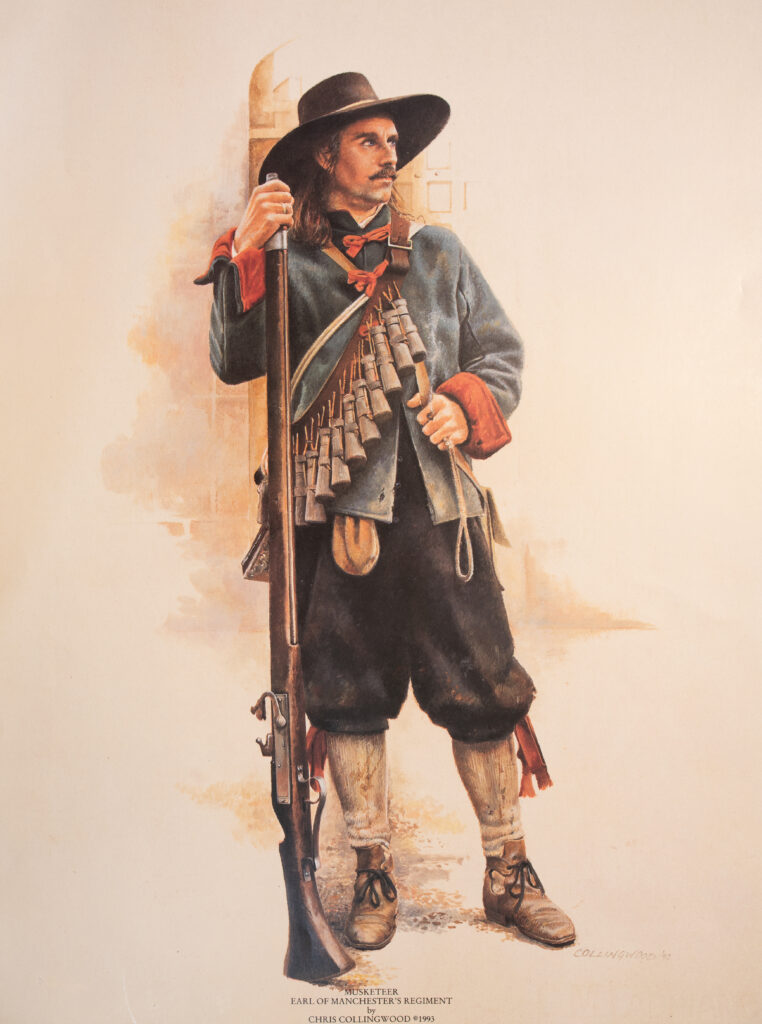
The situation escalated, and in 1642 Parliament ordered St Albans to train volunteers to fight. The town became a recruiting base for the main parliamentarian armies, and by 1644 virtually every man aged from 16 to 60 was under arms.
Ministers who supported Charles’ religious innovations were deposed, royalists’ land was seized, and churches were damaged as part of iconoclastic campaigns against religious imagery, with the destruction of items such as crucifixes, stained glass, and altar rails, including a brass font at the Abbey donated by Sir Richard Lee.
At St Stephen’s Church the Dunkeld lectern was hidden in a vault to escape destruction, while the font there was defaced with graffiti.
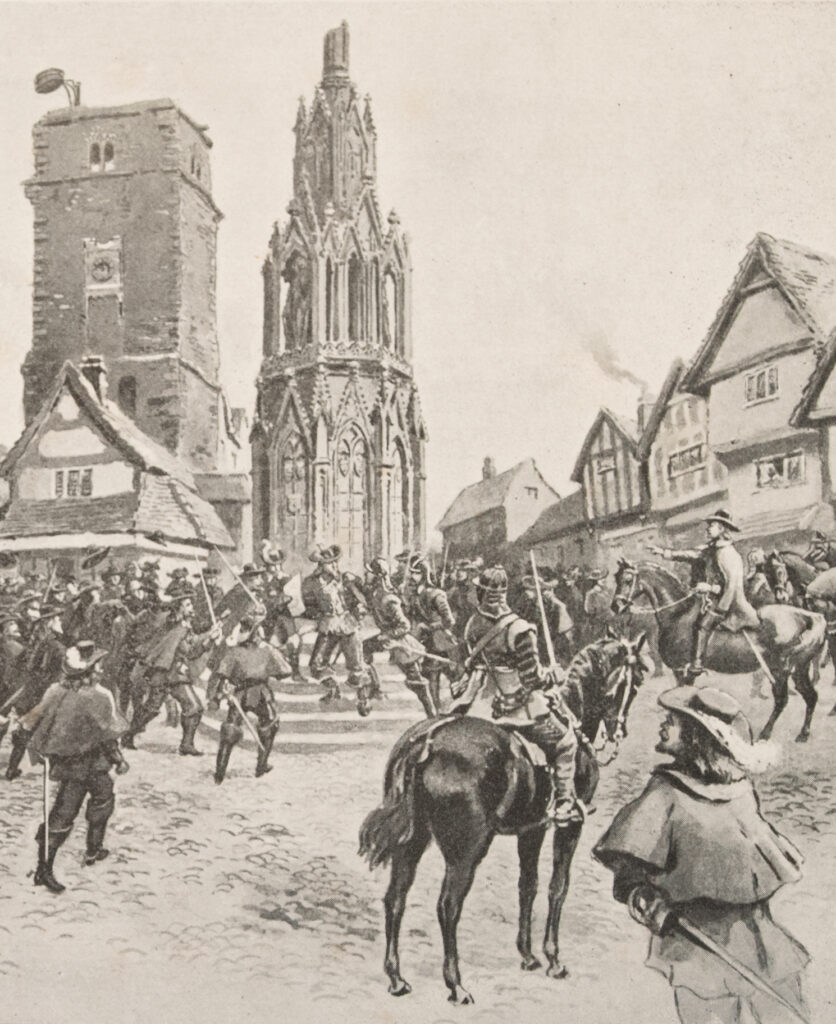
Parliamentarian armies could be seen marching through St Albans, with the town acting as their headquarters for at least a quarter of the period of the Civil Wars. It also became fortified to ensure its defence in the face of an attempt by Charles to capture the town.
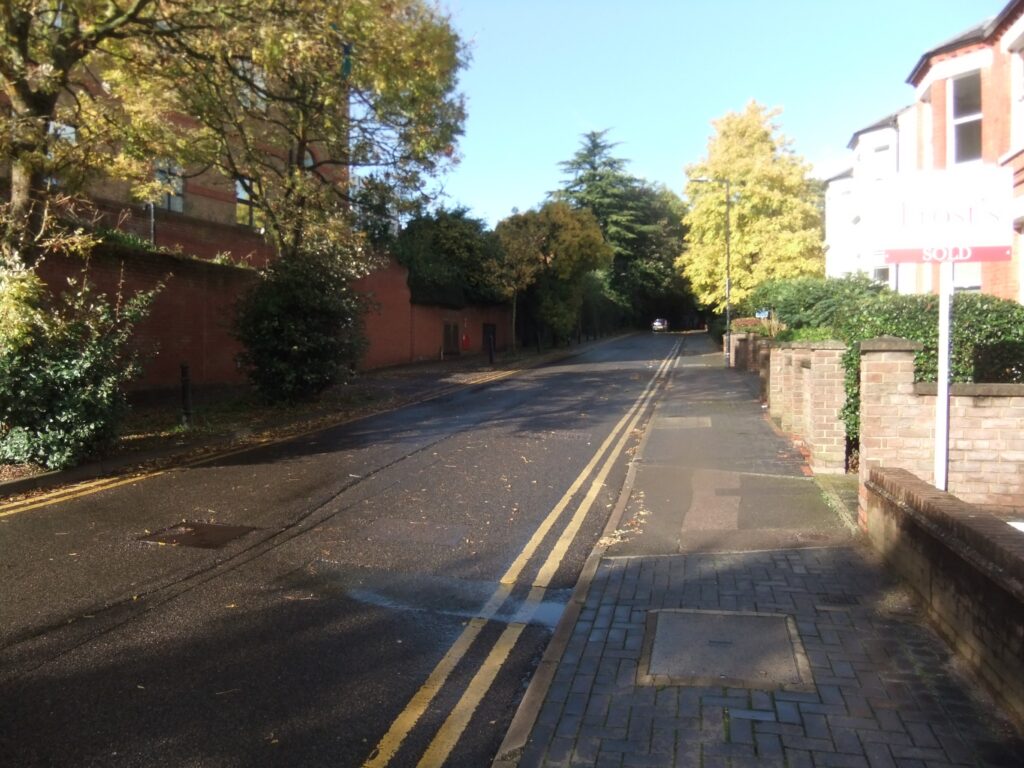
Turnpikes were established at Kingsbury, St Michael’s, Old London Road, Cock Lane, Sopwell Lane and Holywell Hill, infantry were billeted in the Market House where the Corn Exchange was later built, and cavalry kept in the stables in the Great Court of the Abbey, of which just the Abbey Gatehouse how survives.
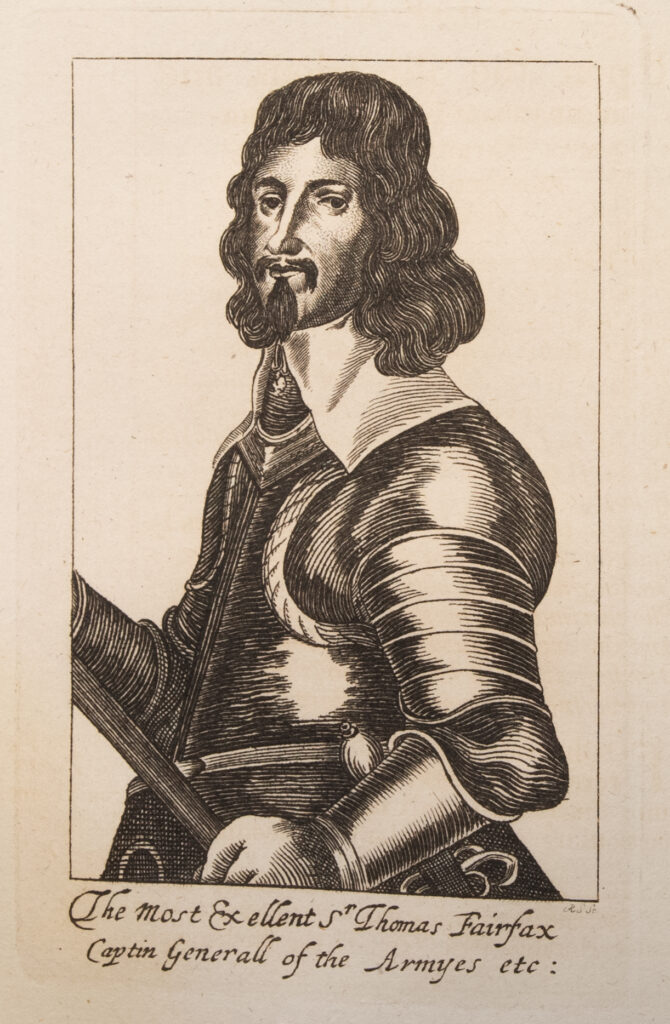
Parliament’s leading generals, including Sir Thomas (later Lord) Fairfax and Oliver Cromwell, all visited St Albans during the course of the conflicts.
As the war turned in Parliament’s favour, St Albans also ended up housing royalist prisoners of war, with some held in the Abbey church, where one carved his name and the place where he had been captured…
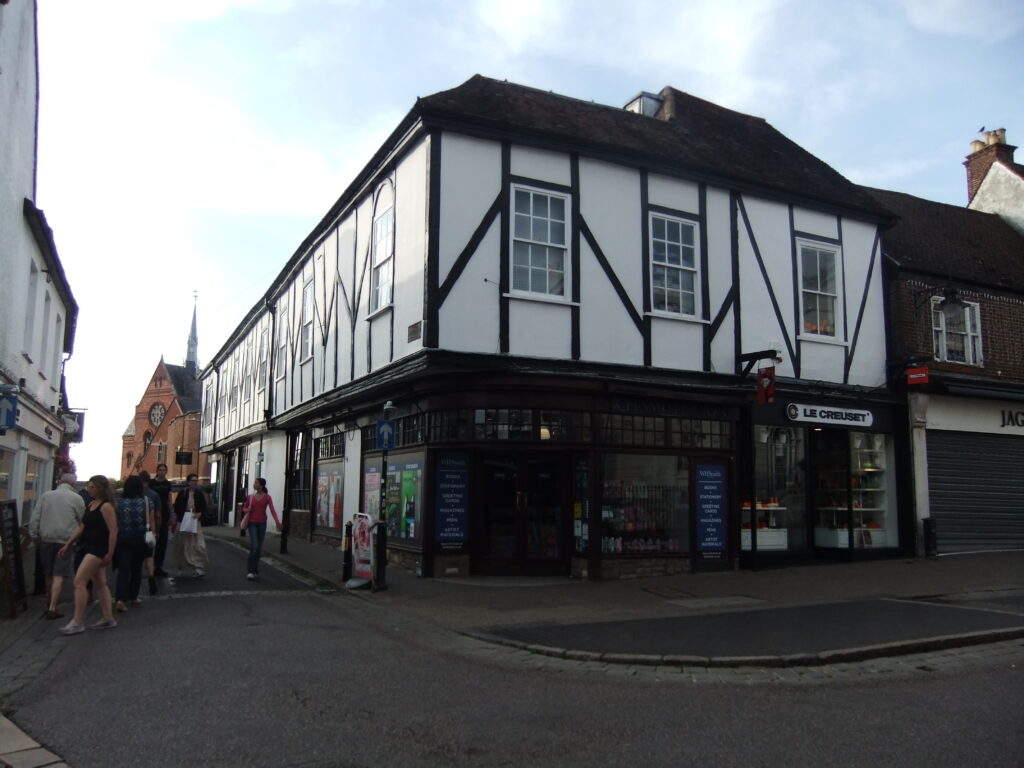
What happened next, including how the king rode through the town under military arrest, St Albans’ role in the suppression of a Leveller mutiny, and how a document which led to the execution of Charles I was finalised at the Bull Inn on Holywell Hill and agreed in the Abbey Church, are just some of the remarkable connections the local area had to the events of the Civil Wars.
‘St Albans and western Hertfordshire in the British Civil Wars 1642-51’ is the work of leading local historians John Morewood, Nick Martin and Gill Girdziusz, and published by St Albans and Hertfordshire Architectural and Archaeological Society.
Using original sources, many for the first time, the authors portray the wars’ impact on the local area, and how events in St Albans reflected on the national stage.
Co-author John Morewood explained why the booklet was written: “It seems to me that we need to rebalance the story we tell of St Albans. It is not simply about the Romans, the medieval monastery and the Wars of the Roses. Our story is about all periods because human beings are always doing fascinating things. That is why books that cover all our city’s history are so important.
“The period of this booklet is one of the most fascinating in our island’s history. Unlike other conflicts in our rich and frequently violent story, the British Civil Wars of the 17th century affected everyone irrespective of gender, age, class or location.
“At stake were matters that meant a great deal to our ancestors and still matter to us today – questions of who governs us and how are we governed. Do the local authorities have any say or are we subject to dictatorial rule from London? Is justice fair or arbitrary? Is the level of taxation fair? Do we have the freedom to practice our religious beliefs whatever they be?
“There is no shortage of documents which throw light on this area during this period, but in an age where there was no uniform script or uniform spelling, these documents are hard to decipher. This makes a historian’s task harder.
“In places such as Chester, Newark and York the impact of this period has been well researched. Here it has been neglected, perhaps because there is no eye-catching building that we can see or visit and no battle was fought here. Yet the project team has uncovered an amazing story and I was determined it should be told.
“Our town was fortified as it was key to defending London from Royalist attack. Some of the earthworks can still be seen. The Parliamentarian army high command resided here. Oliver Cromwell rode on a horse acquired for him in St Albans. And of course the events leading to the execution of Charles I started in our Abbey church.
“I believe we have written the booklet in a form that is professional. appealing and a pleasure to read. I hope that by including a gazetteer of local places connected with the Civil Wars we will encourage people to find out more about this time when families and neighbours were ‘by the sword divided’.”
Find out how to obtain a copy here: https://www.stalbanshistory.org/publications/online-book-sales-2