20 Aug 2025
In 1914, the popular music hall song, It’s a Long Way to Tipperary, had provided the steady beat to young men marching off to war. Just a few years later, young men and women were dancing exuberantly to the beat of the Charleston and an exciting new sound called jazz. The Roaring Twenties had well and truly arrived.
Dance halls were sending out wild rhythms into the night. Those who had survived the war, then the Spanish Flu epidemic, wanted to forget their heartbreak and horror and just dance. From the wealthy dancing the night away at London’s Savoy, to the people of St Albans spending their Saturday nights at the Ballito Hosiery Mill. A silk stocking factory by day, dance hall by night.
For centuries, women had gone through life trussed up in stays, corseted so they could barely breathe, buttoned up, staggering under the weight of innumerable petticoats and heavy wigs. Expected to be proper, to follow conventions.
But here was a new age. The age of the Flapper. Shockingly, there was going to be more than just a glimpse of stocking. It was led by the young who used fashion as a means of self-expression. For their parents and many others, it was a step too far.
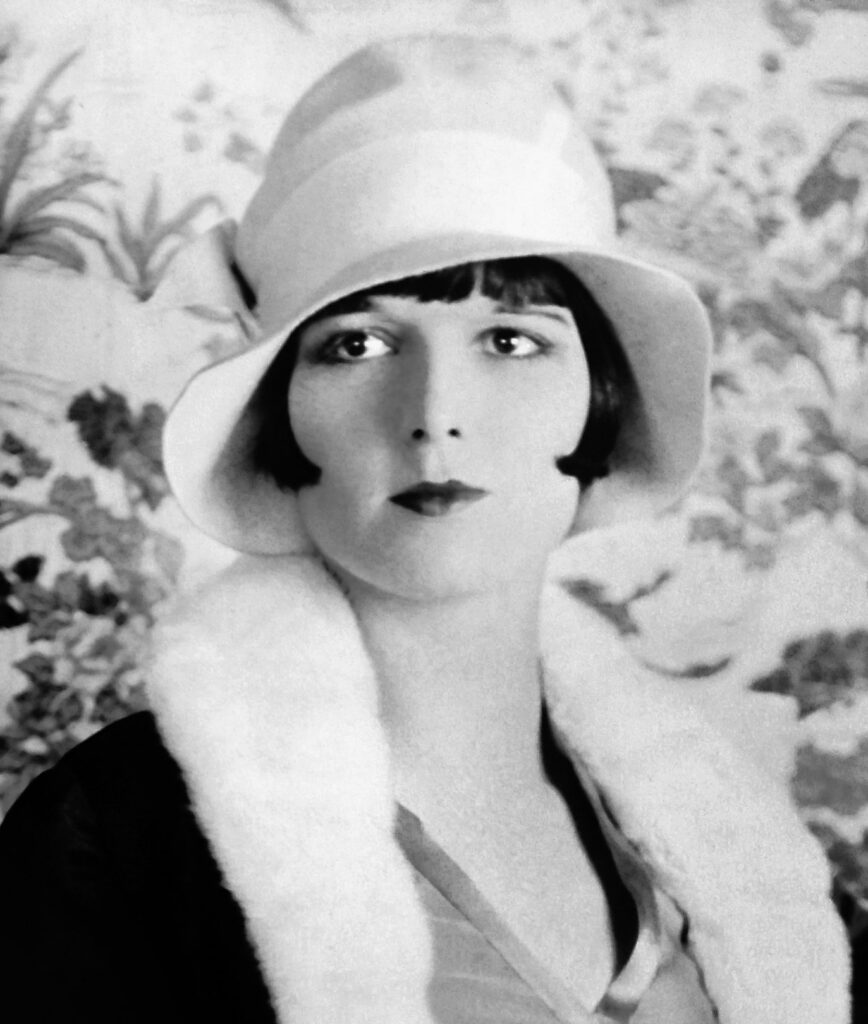
Women, daringly, chopped off their hair. It was all about The Bob. The people of St Albans flocked to the Alpha Picture House, renamed as the Poly Picture Palace (now the Odyssey) to gaze raptly on the silent film star,
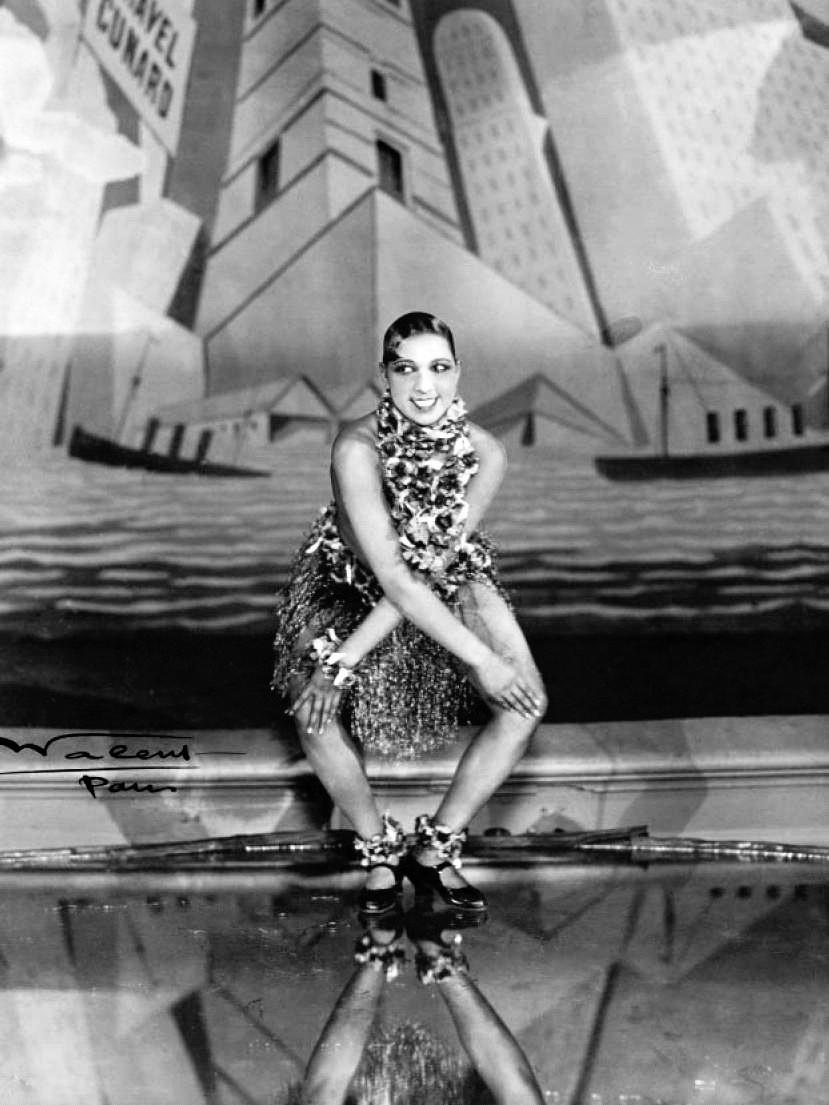
Louise Brooks, as she vamped her way across the silver screen in her jet black bob. Josephine Baker’s kiss curls, combined with a costume of 16 rubber bananas and not much else, caused a sensation.
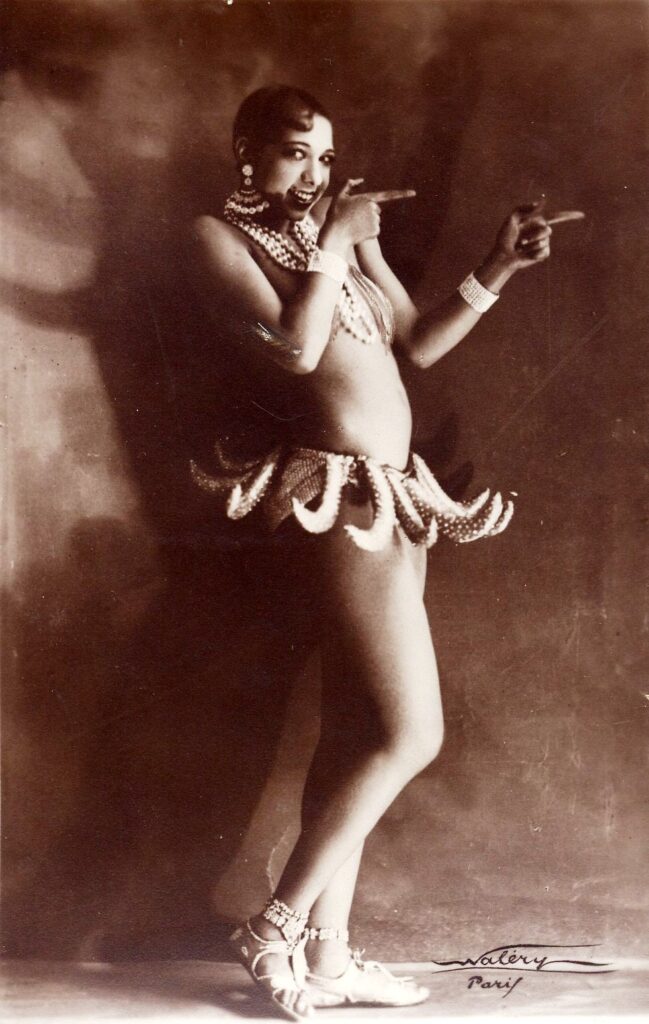
And while the banana costume may not have set a trend, the hairstyles did, with a pert cloche hat pulled over the bob. As film making became an industry with new silent films regularly arriving at picture palaces like the Poly, Hollywood began to have a growing influence on women.
American and English fan magazines provided photos of the stars, ‘behind the scenes’ news for fans as well as glamorous illustrations and articles on fashions, cosmetics and hair styles. They also provided gossip, laying them open to a number of libel actions.
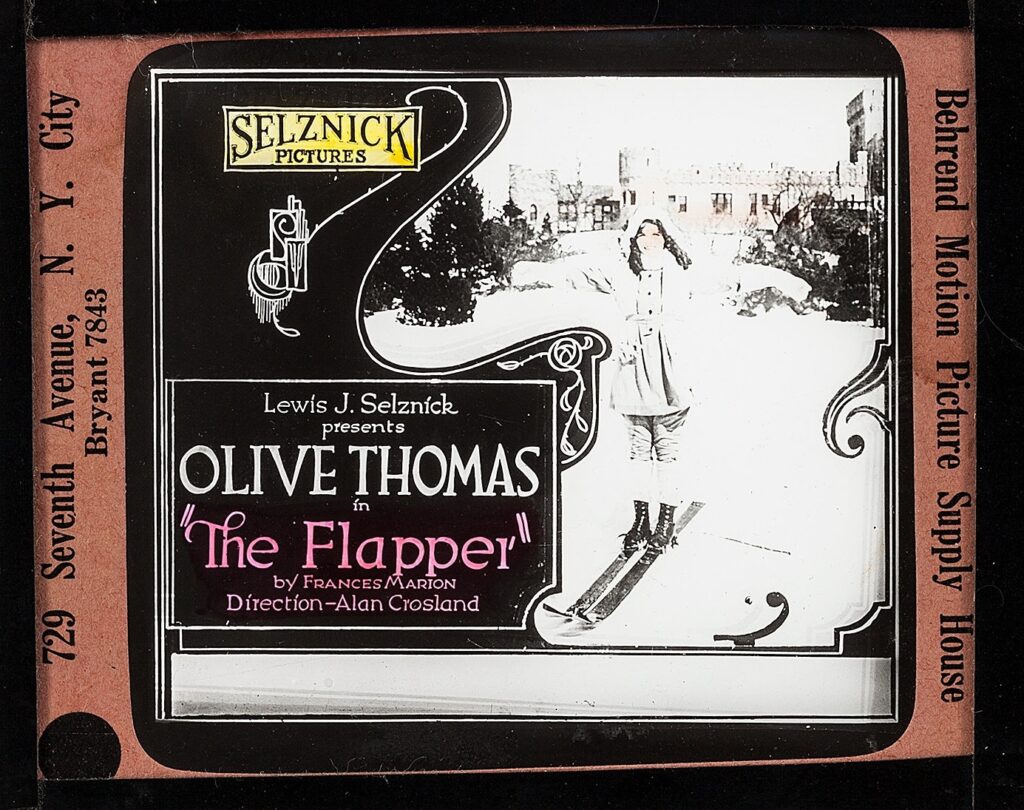
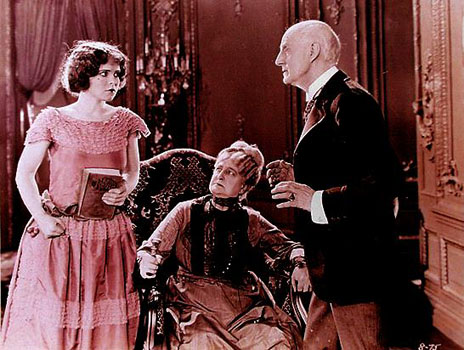
But who were the flappers? In 1920, a silent film called The Flapper hit the cinemas and suddenly it seemed that the desire to break with convention was out in the open. The Times described flappers as independent, pleasure-seeking young women, living for today. The hugely popular film star, Clara Bow, known as the “It” girl after a film of the same name, had already appeared as a “horrid” flapper in another film, Black Oxen.
But, of course, it wasn’t all dance halls and Hollywood films. There was a huge chasm between those who could afford lavish lifestyles and those facing extreme hardship.
Men had returned from the horrors of the 1914-18 War expecting a ‘land fit for heroes’, only to be bitterly disappointed.
Unemployment was high and there was an acute shortage of housing. The resulting industrial unrest led to the General Strike of 1926.
However St Albans seems to have avoided the worst of the economic problems with plenty of manufacturing jobs. Indeed the St Albans Official Guide of 1928 proudly declared that “In the manufacturing world, St Albans is securely winning a position of importance”.
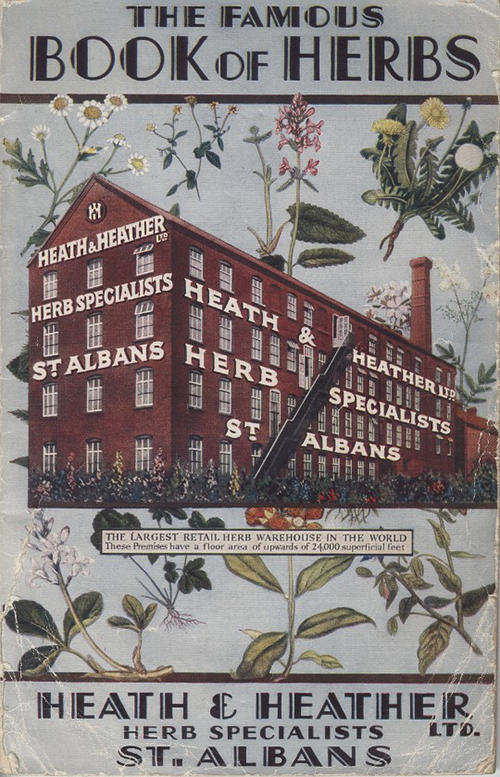
But the types of factories were changing. In 1925, Ballito and their silk stockings had replaced the Fleet Printing works (now Morrisons). Heath and Heather, a herbal remedies business founded by Samuel Ryder and his brother James, took over the premises of Vyse’s hat factory. Manufacture of boots and shoes expanded too, with the official guide asserting that St Albans “if not the Metropolis of the boot-making industry, is at least one of its most important centres”.
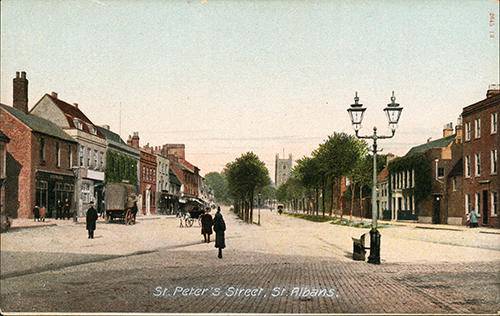
St Peter’s Street began to take on the appearance we know today with many of its 18th century buildings being replaced by new shops. Marks and Spencer arrived, along with Woolworth’s (now Tesco Express) and Sainsbury’s (now Costa Coffee). In 1926 the cattle market was moved
from its site outside the Town Hall (now the Museum + Gallery) to Drovers Way. The ever-effusive official guide continued “the large shops are equal to all the demands of fashion and luxury; likewise they can supply everything required in the domestic ménage and in the furnishing and adornment of the home.”
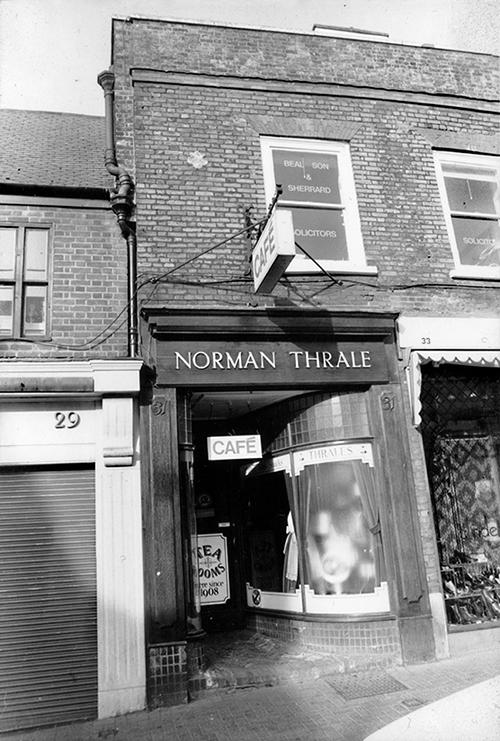
For ‘ladies who shopped’ numerous tearooms opened up, including the Pilgrim’s Rest on Holywell Hill and Thrales in the Market Place.
So what were these ladies wearing? Or, more likely, their daughters? For those used to the sedate and feminine fashions of the Edwardian era, the new styles must have been outrageous.
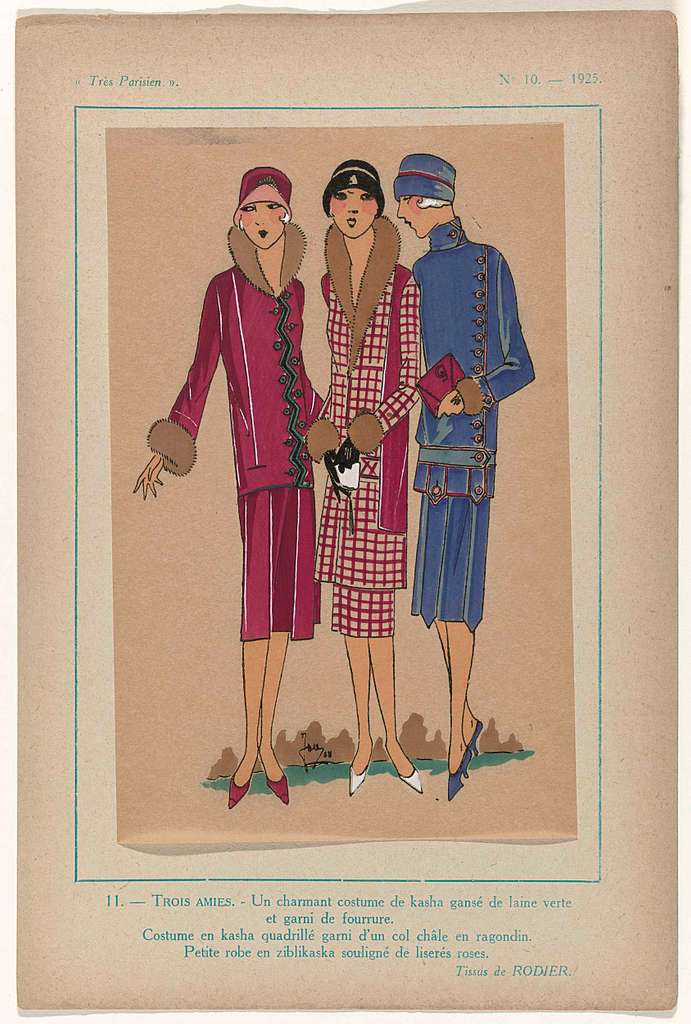
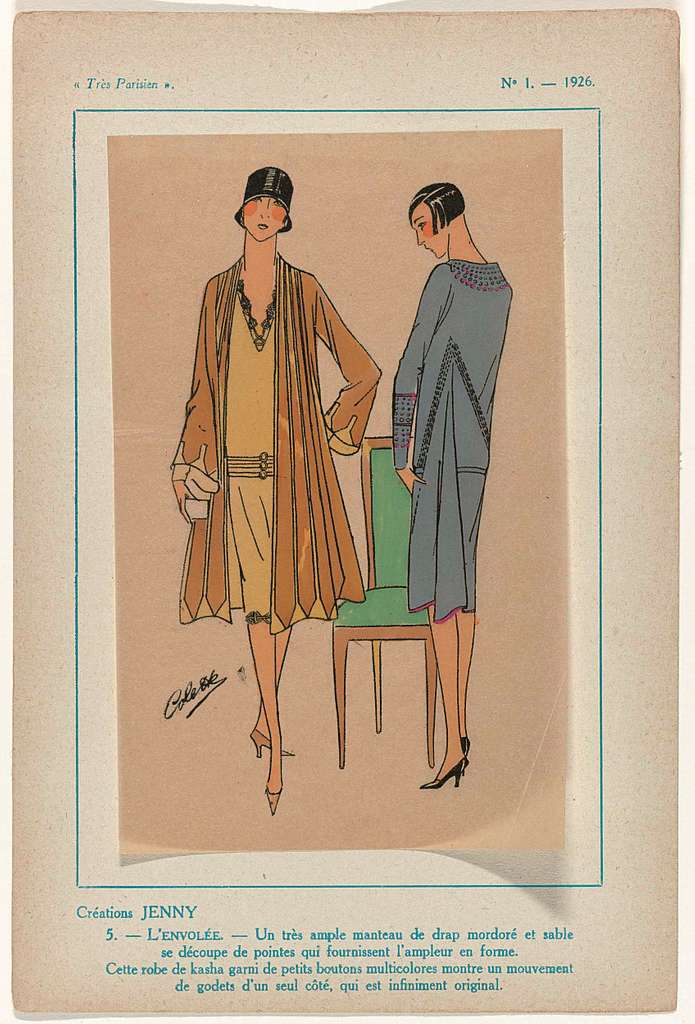
Inspired by the geometric lines, colours and patterns of the Art Deco movement, dresses became tubular, with drop waists and sometimes long handkerchief hemlines. After centuries of being stuffed into corsets, now the curves of the female body were ‘unsculpted’ into the new boyish look, La Garçonne. And the hemline was rising. First, just skimming the ankles, then mid-shin, then to just below the knee. So, to the delight of many and the horror of some, ladies’ shins, clad in flesh-covered stockings, were on show.
In 1926, Coco Chanel came up with a new dress concept – the LBD, little black dress. Meant to be versatile, therefore in black. Practical, so just below the knees. Long-sleeved, so designed to be worn all year round. Vogue magazine compared the impact of the LBD to that of the Ford Model T car. Revolutionary.
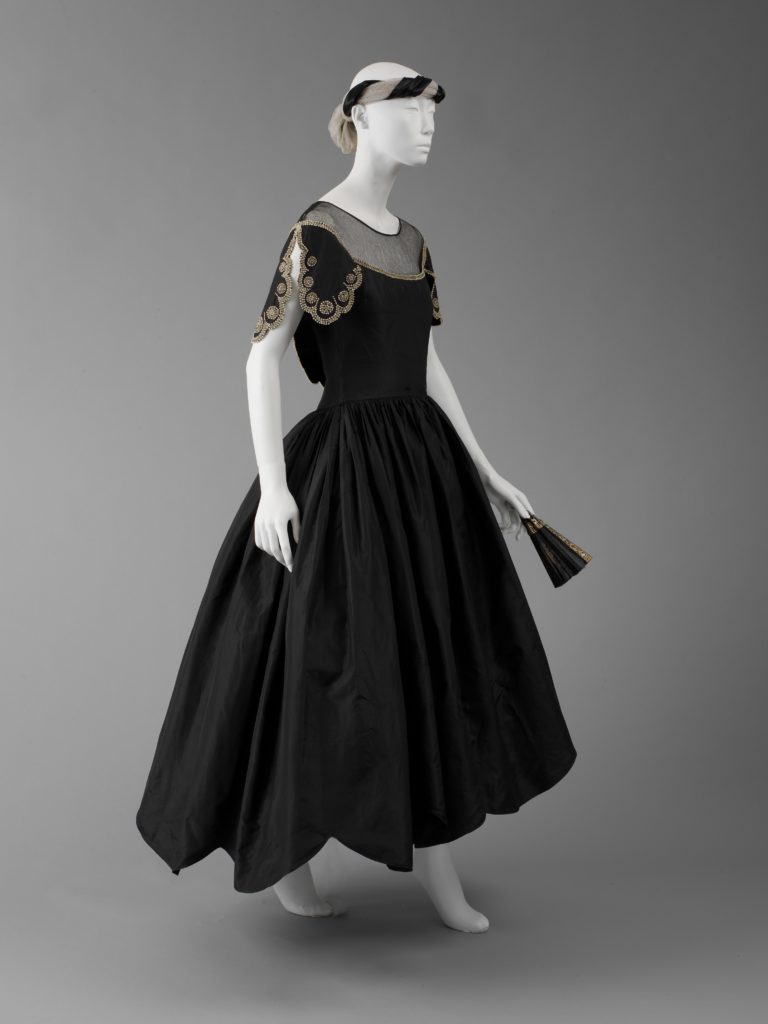
Fortunately for those women unable to squish their bodies into the new boyish garments, there was another fashion available, known as the ‘Robe de Style’. Despite Hollywood, Paris couture was still leading the fashion world. This style allowed more natural feminine curves to be on display in gathered skirts of diaphanous material. The French designer, Jeanne Lanvin, is credited with attracting many grateful women to this look.
So what about fashions for men?
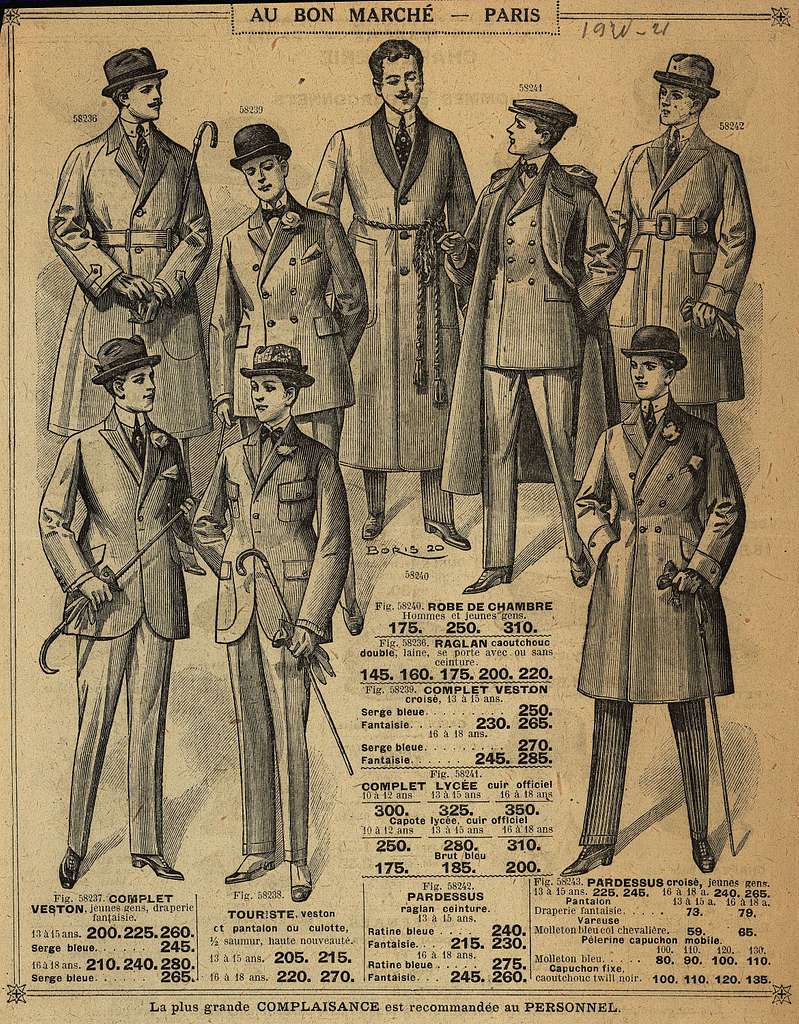
At first, the military influence of the war lingered with narrow trousers and buttoned up, belted jackets with narrow lapels. Collar-less shirts allowed different stiff collars to be attached to the same shirt. Then, as the decade wore on and jazz belted out from clubs and dance halls, a very different look arrived. The jazz suit. A short jacket with wide lapels, high waisted trousers with pleats, topped off by a wide-brimmed fedora hat tilted at a rakish angle.
Young men also started wearing trousers with wide legs and high waists known as Oxford bags.
As well as fedoras, a range of hats like top hats, homburgs, bowlers or trilbys topped off their outfits. Those with less money would wear a flat cap. Under those hats, a popular hairstyle was the slicked back undercut, with its short sides and longer top smoothed back with hair pomade or tonic. A natty moustache would polish the look.
In 1927, Samuel Ryder founded the Ryder Cup. Golf courses and tennis courts were busy with both men and women. Inspiration from the world of sport led to new styles of casual wear which became very popular. René Lacoste introduced the polo shirt and something else was to change styles – the zip. Patented in America during the 1890s, by the twenties it was being used for sporty windcheaters and casual jackets. Newly popular deck shoes would add comfort to the casual look.
By now, St Albans had begun to promote itself as a shopping destination with three railway stations and new bus routes from all over the county and beyond. In 1926, local opposition to the demolition of Georgian houses to build a new bus garage in St Peter’s Street (now Chime Square) failed. There was also car parking available in St Peter’s Street, plus ‘ample’ garage accommodation around the city centre.
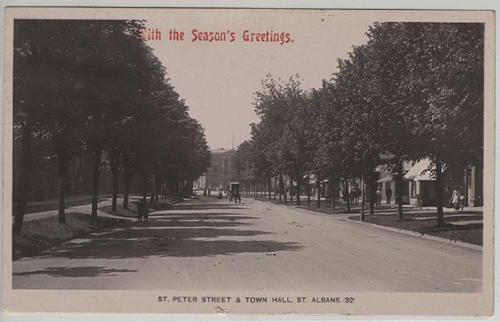
Cars were beginning to make an impact. By the early 1920s, there were around one million drivers in England. In 1922, the Austin 7 appeared and quickly became one of Britain’s most popular cars. Often nicknamed Chummy or the Bedpan, it was tiny, seated just two people and could reach heady speeds of 38mph. Its main competitor was the Morris Minor which, like the Austin 7, had to compete with the mass-produced American car, the Ford Model T. These cars were affordable for many and gradually came to be seen more frequently on the roads.
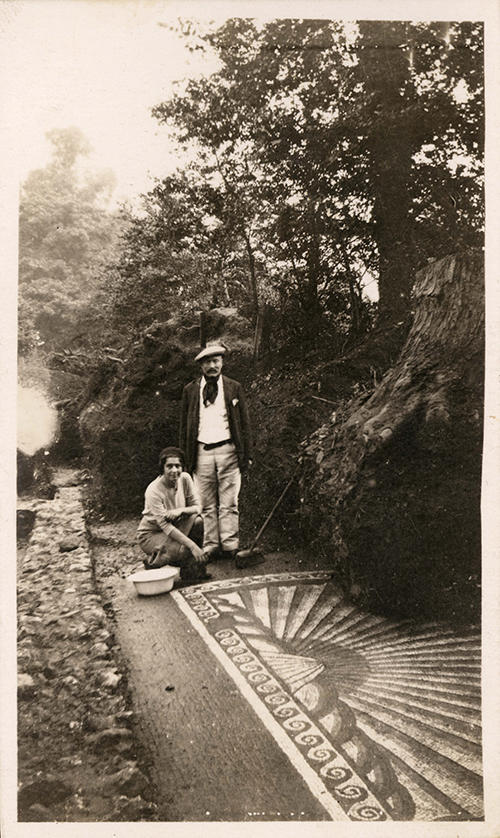
But then in 1929, the Wall Street Crash brought the Depression, the ‘Great Slump’. The party was over. For many, the party had never really started. The people of St Albans did what they could to help those who were struggling, including providing jobs for the unemployed in Verulamium Park. In 1929 the land had been purchased by the council from the Earl of Verulam, which allowed excavations of the Roman town to take place, led by archaeologists Mortimer and Tessa Wheeler. Afterwards the park was created, including the lake which was dug as a job creation scheme.
At the cinema, talkies were replacing the silent films. Unlike Clara Bow, not every star made the transition. The Poly Picture Palace, by now renamed the Regent, burnt down on 15th December 1927. But it was to rise from the ashes again.
And for those who were outraged by the Age of the Flapper? Things were about to get even more shocking. The Thirties were on their way.
History in colour: www.stalbanstourguides.co.uk