09 Aug 2023
Elena Hogg, founder of local culinary company FOOD by Elena, explores the delights of the red fruit by taking a look back at her Italian roots…
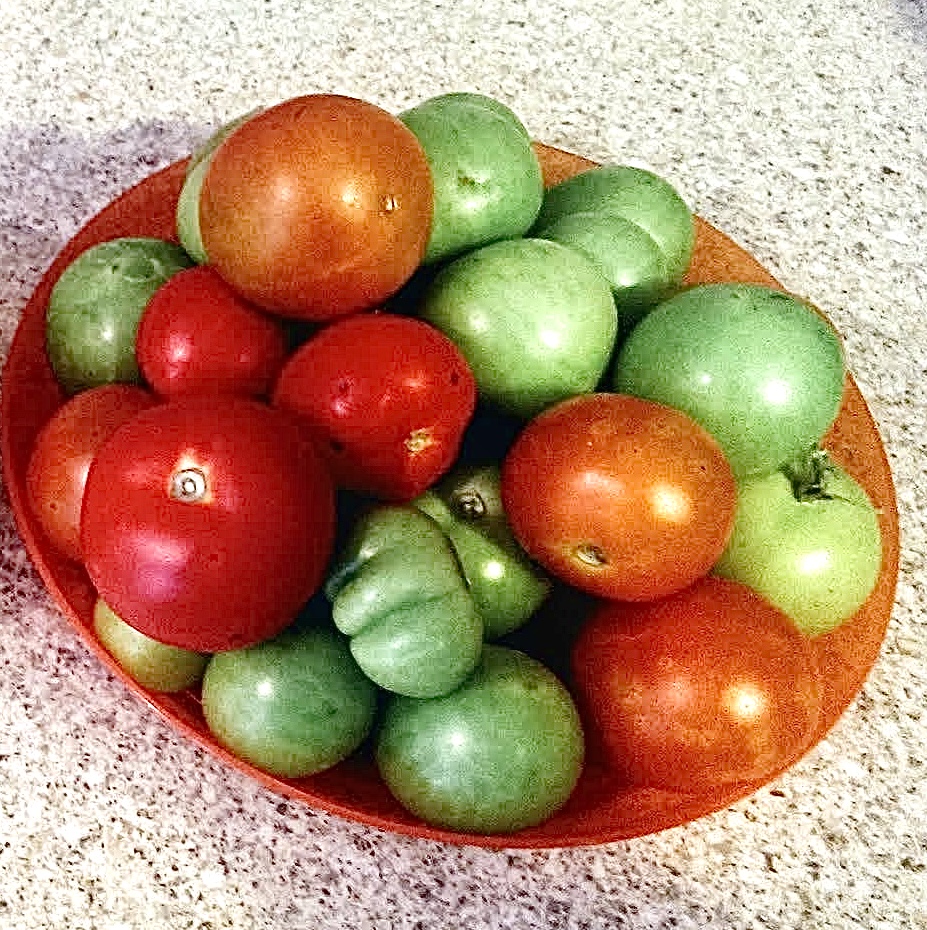
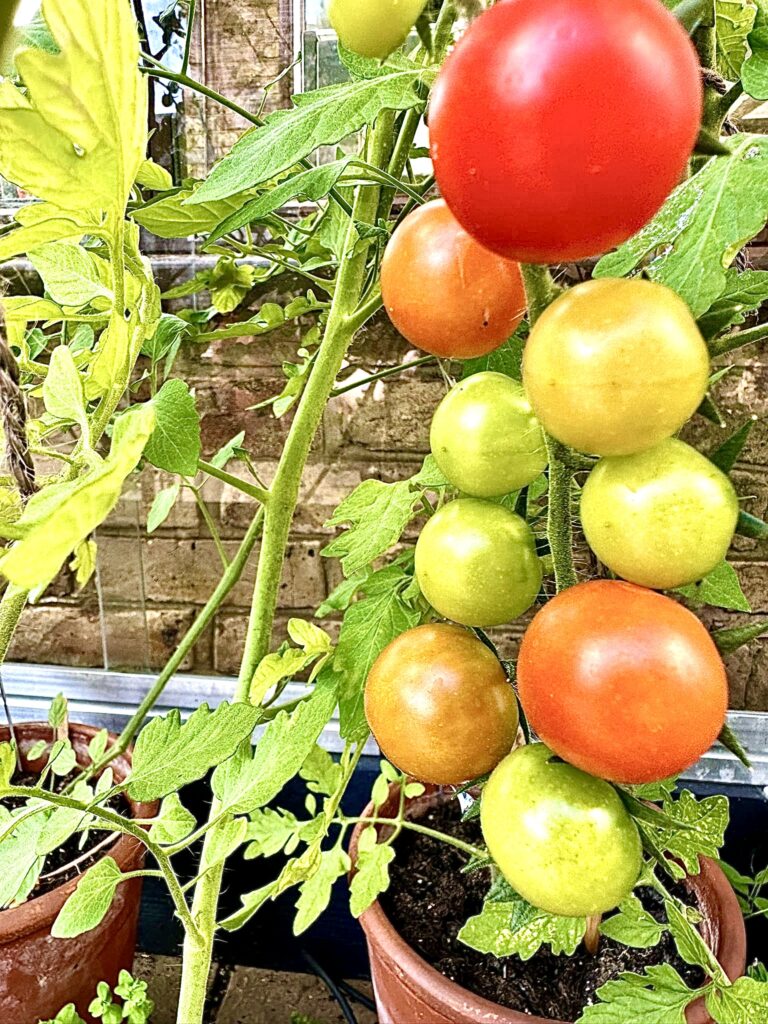
Here’s a joke: how do you get rid of unproductive tomatoes? Can them. Side- splitting though this joke is, it’s also seasonally apt. This time of year brings a veritable slew of tomatoes and, as a serious lover of this versatile and vitamin- rich orb, I thought I’d tender a few ideas on gobbling up your garden glut or, if you’re not of the green-fingered inclination, your market stall haul.
My grandfather came from a village in Calabria called San Vito. He and my grandmother kept a house there after they moved north. The building had originally been an olive mill, so there was still a huge stone press right in the middle of the main room. It seemed the most normal thing in the world to me and I never even questioned what it was, but I feel quite privileged now to have been so close to the history of the area.
The house also had a roof terrace and I remember the wooden boards that my grandmother would lay out, every inch of them covered with neat rows of halved plum tomatoes grown by my grandfather. It would take several weeks for them to dry fully.
Every morning, each tomato half would be painstakingly turned, and every night the boards would be brought in to protect them from the morning dew.
The level of commitment is impressive; even a twice-weekly watering of my windowsill herbs has me in a fluster.
Back to tomatoes. My mum remembers me being a toddler while we watched my grandmother and other women from the Calabrian village boiling tomatoes in a huge cauldron that was hung over an open fire. They were then pushed through a ‘passatutto’, or food mill, to remove the skins while glass bottles were boiled in the cauldron ready to be filled with the freshly made passata.
While I’m doing family introductions, my aunt and uncle had a beautiful stone house in a Tuscan village called Poggio Murella. I have vivid memories of descending the uneven stone stairs down to the ‘cantina’, or cellar. The temperature would drop noticeably with each step and the cellar itself would be a good ten degrees lower than the outside temperature. The air was thick and musty, but pleasantly so, and it felt as though the very earth the cellar was excavated from were transferring its coolness to me. On the blisteringly hot days, it was a very welcome respite.
As well as a garden full of tomato, bean and courgette plants, my aunt and uncle owned one side of the valley their garden overlooked, which boasted mostly olive trees, but also an array of fruit trees: apricots, figs, plums, cherries and prickly pears.
The cellar was filled with crates of fruits and vegetables, as well as homemade jams and, in greatest abundance, jars of ‘sugo’, or tomato sauce. Each year, my aunt would add raw, whole garlic cloves and sprigs of basil to the tomatoes from the garden that she’d blanched then skinned and the result was summer in a jar all the year through. Be it passata or sugo, tomatoes stored in glass vessels have been a fixture throughout my childhood, which makes me very lucky, I think.
There are other fun things to do with your excess tomatoes, though. You could throw together a panzanella salad, which has the added benefit of using up another surplus: stale bread.
If you don’t have stale bread, though, just tear up some hunks of fresh bread and toast in the oven for a few minutes – the result’s even better, to be honest. Don’t soak in water, whatever you do. Let the bread absorb the oil and vinegar you add instead for a far greater zing factor.
Add your cut-up tomatoes, red onion, some basil or garlic if you want and let it all steep for half an hour or so. Eat at room temperature to the sound of your own murmurs of appreciation.
You could also make jam. Tomatoes are a fruit, after all. Blanch about half a kilo of tomatoes till the skin splits. Let them cool then remove the skins. Put the tomatoes in a saucepan, scrunch them between your fingers to break them down, or ask any kids you have hanging around to do it. They love it.
Add 100g caster sugar and a heaped teaspoon of pectin. You can also add some lemon juice, a splash of vinegar (avoid balsamic as it dulls the vibrant colour), a grind of black pepper – whatever takes your fancy.
Bring to the boil, then simmer and stir frequently till it’s all gluey. Smear on your cheese toasties or add to your cheese board in lieu of chutney.
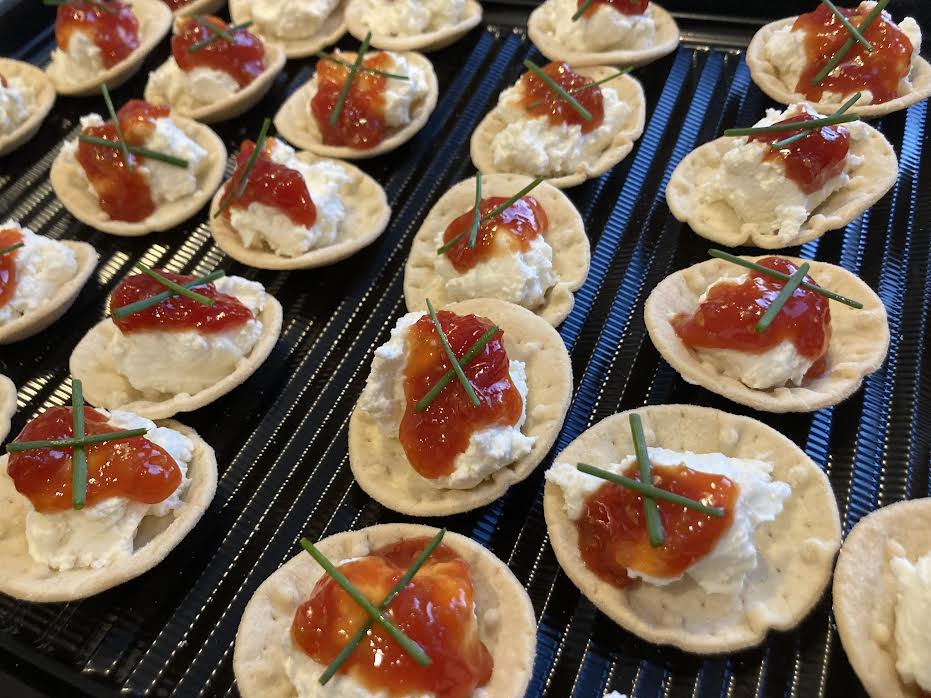
If you’re feeling fancy, fill canapé cups with whipped goat’s cheese and top with some tomato jam and a slice of caperberry, or some herbs. The sharp-sweet contrast between the goat’s cheese and the jam is a winner. Make more of them than you think you need is my advice.
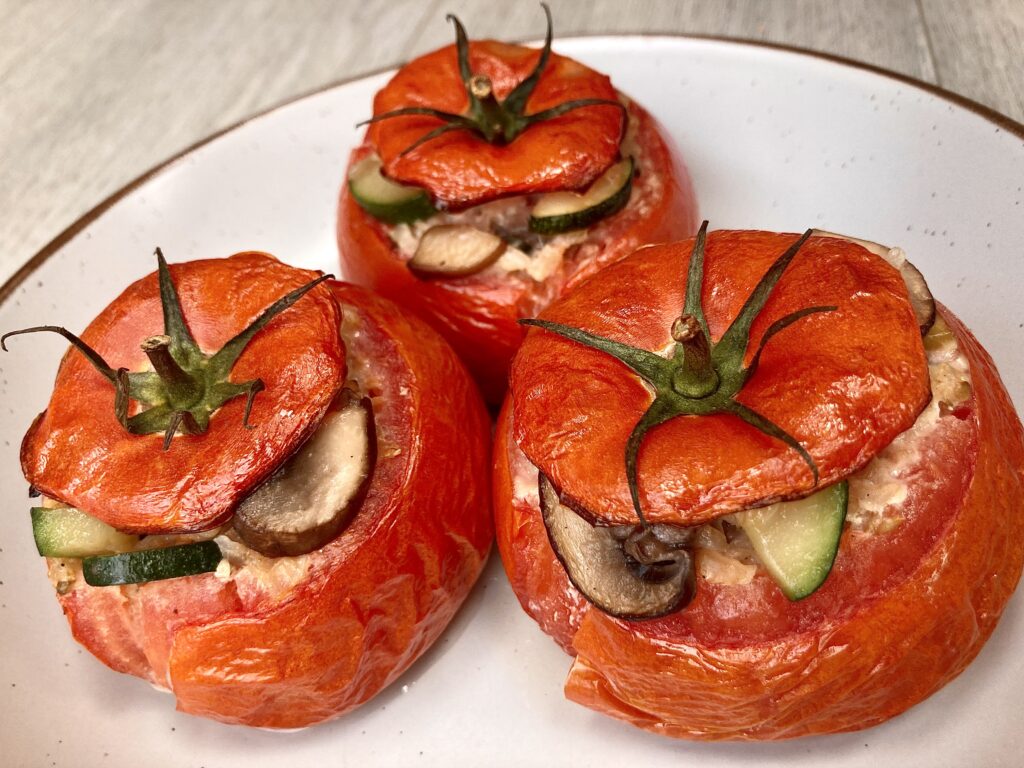
Finally, at the risk of overindulging the child of the ’80s that I am through-and-through (bar the last three months of the previous decade which my husband doesn’t let me forget), I offer up the stuffed tomato. It deserves a revival. It’s a stodgy, flavour-packed tomatoey love-bomb. Use rice as your base for the stuffing, then get as creative as you like with the additions. I like sun-dried tomatoes, olives and artichokes with a sprinkling of pine nuts, sometimes adding chopped anchovies for an extra umami punch. Other times, I like to replicate the kind my mum makes and my ‘nonna’ before her – courgettes, mushrooms and loads of sweet, sweated onions. It’s a tamer flavour profile, but incredibly comforting.
Less comforting is another joke I heard once: what’s red and square? An un-cool tomato. I’m here all week.