


12 Apr 2023
Around 100 AD, residents of Roman Verulamium could enjoy public baths with exercise facilities, hot water and beauty treatments. But it took another 1,700 odd years, as far as we know, before public baths were again available to the locals. That’s a long time without a hot bath.
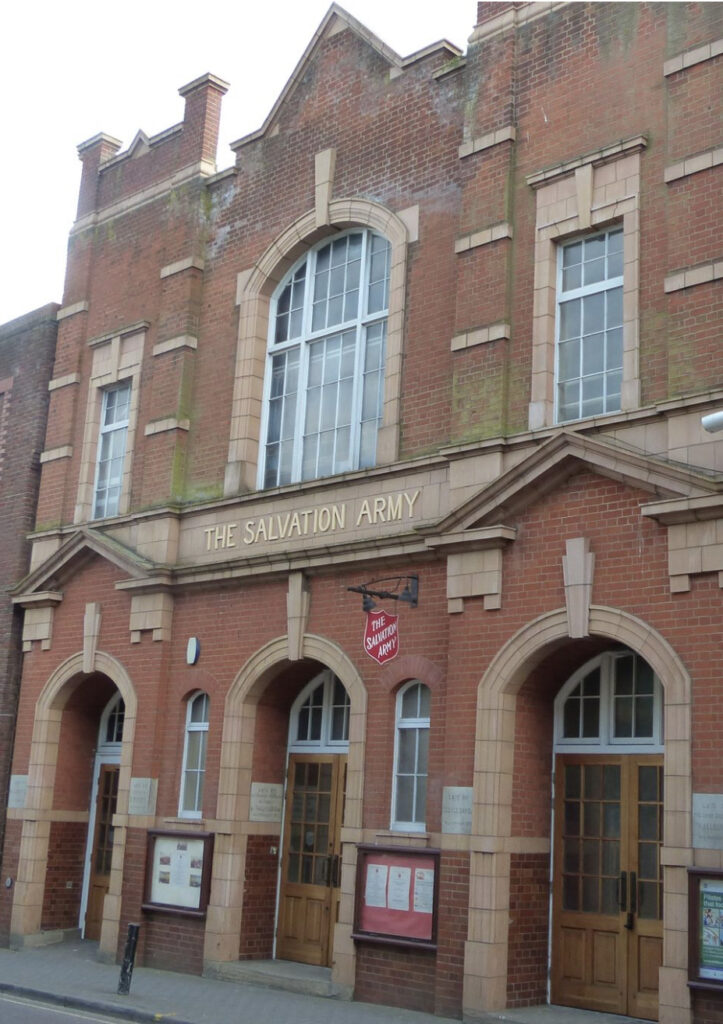
In 1877, however, we finally had public baths again. Thanks to the generosity of a local hat manufacturer, these were opened in Victoria Street, housing two cisterns each holding 500 gallons of hot water. There was a Turkish bath, shampooing room, hair dressing room, a cold plunge bath, 30 dressing rooms and a swimming pool which was only used in summer. In winter it was covered with a dance floor, with two galleries big enough to hold 300 people. It was a wonderful place to become warm, clean and fit, especially at a time when few had a bathroom at home. However, as with many good things, it didn’t last. By 1883, it had closed and a year later, the building had been bought by the Salvation Army.
These public baths represented 19th century progress and philanthropy. The time was one of vast change, hastened by the arrival of the railways. The population of St Albans surged.
But there was huge social inequality and workers were cheap. The largest class of workers in the country were domestic servants.
By 1900, almost a third of women in Britain between 15 to 20 years old were in service. And change came to St Albans. In the early 1800s, it still looked pretty much like a medieval market town.
But then things began to progress. In 1824, gas street lighting arrived. seven years later, the neo-classical new town hall (now the Museum + Gallery) was built. In 1836, the first proper police force was formed. A piped water supply was installed during the 1830s although it took another 50 years to get the sewers built.
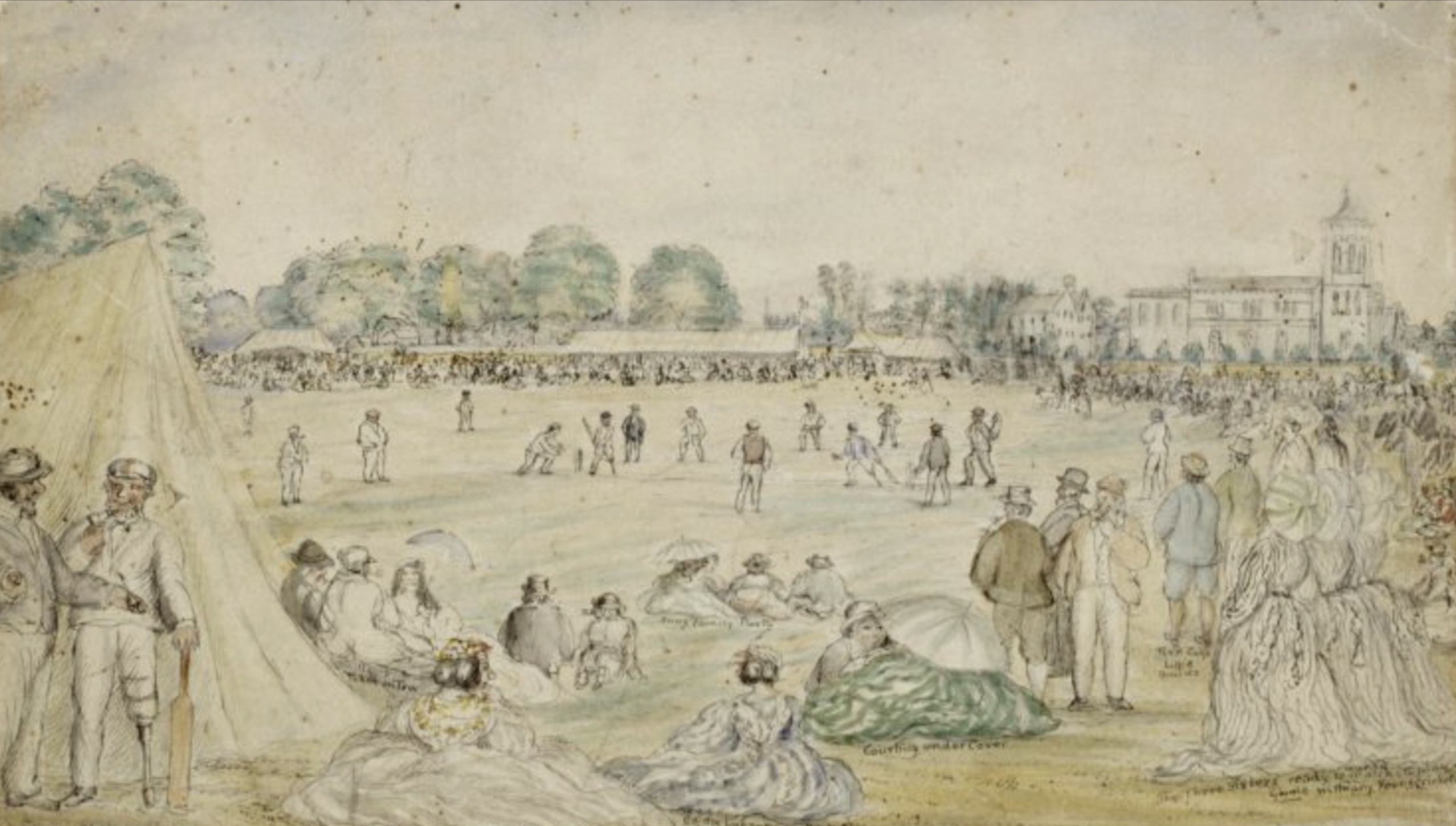
And as well as basic amenities, thought was given to improving people’s lives. Parks and playing fields were established in St Albans, because the Victorians didn’t just believe in hard work but in the value of fresh air and exercise.
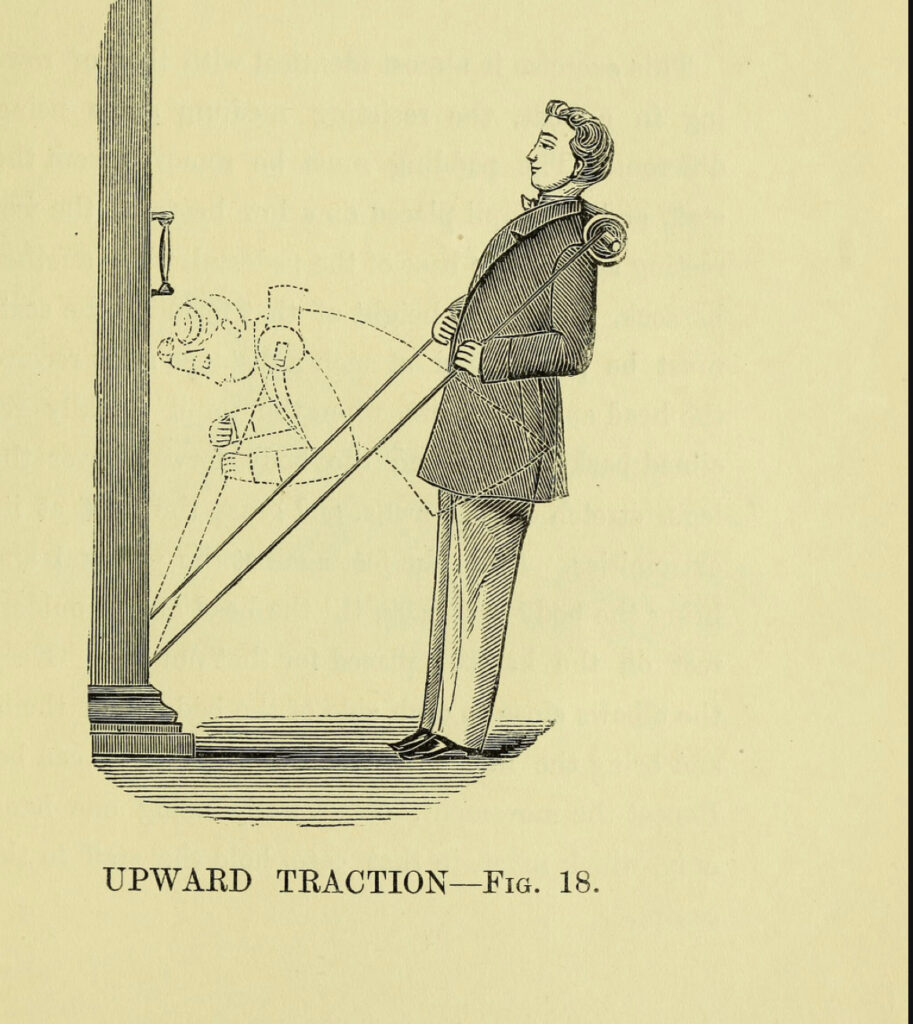
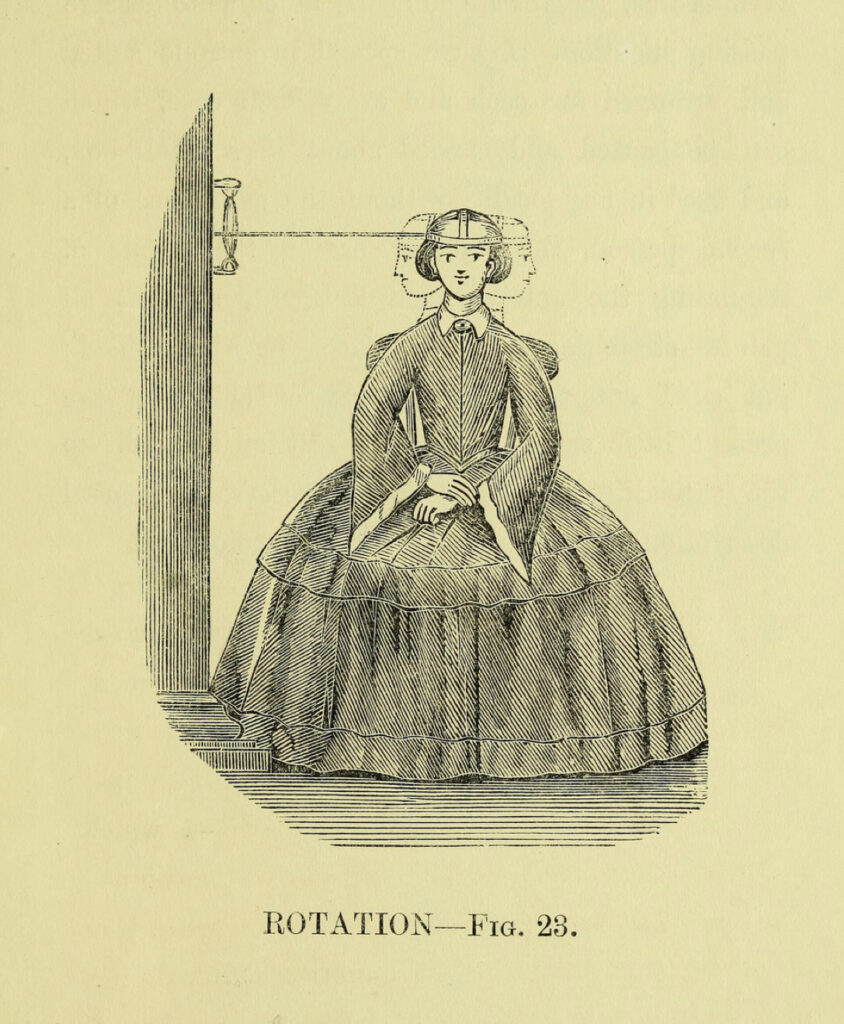
A great emphasis was placed on callisthenics – workout – exercises. As you can see from the fully clothed examples in “The Portable Gymnasium”, published in 1861, these exercises weren’t just for men.
Helplessness and inactivity were no longer seen as desirable female virtues. This didn’t mean that independence and careers were encouraged.
Strong women, it was believed, made better wives and mothers, so publications like “The Girl’s Own Paper” provided advice on what to eat and which exercises to follow.
This extended to exercising outdoors. Victorian houses were pretty stuffy, what with gas lamps, coal fires and poor ventilation. The answer was to spend time outside in fresh air, with regular, outdoor exercise.
St Albans residents benefitted from the new breed of philanthropists, successful business people like John Blundell Maple.

A generous man, his money came from the Maples furniture store in London. He used to treat workhouse children to a day out at his home at Childwickbury where they could enjoy fresh air and games.
Maple also gave Clarence Park, with its playing fields and sports pitches, to the town.
Charles Woollam was another local philanthropist. Wealthy from his silk mills, he gave the seven-acre Clay Pits meadow off Verulam Road to the council to make the Victoria Playing Fields.
Helplessness and inactivity were no longer seen as desirable female virtues. This didn’t mean that independence and careers were encouraged.
Strong women, it was believed, made better wives and mothers, so publications like “The Girl’s Own Paper” provided advice on what to eat and which exercises to follow.
This extended to exercising outdoors. Victorian houses were pretty stuffy, what with gas lamps, coal fires and poor ventilation. The answer was to spend time outside in fresh air, with regular, outdoor exercise.
St Albans residents benefitted from the new breed of philanthropists, successful business people like John Blundell Maple.
A generous man, his money came from the Maples furniture store in London. He used to treat workhouse children to a day out at his home at Childwickbury where they could enjoy fresh air and games.
Maple also gave Clarence Park, with its playing fields and sports pitches, to the town.
Charles Woollam was another local philanthropist. Wealthy from his silk mills, he gave the seven-acre Clay Pits meadow off Verulam Road to the council to make the Victoria Playing Fields.
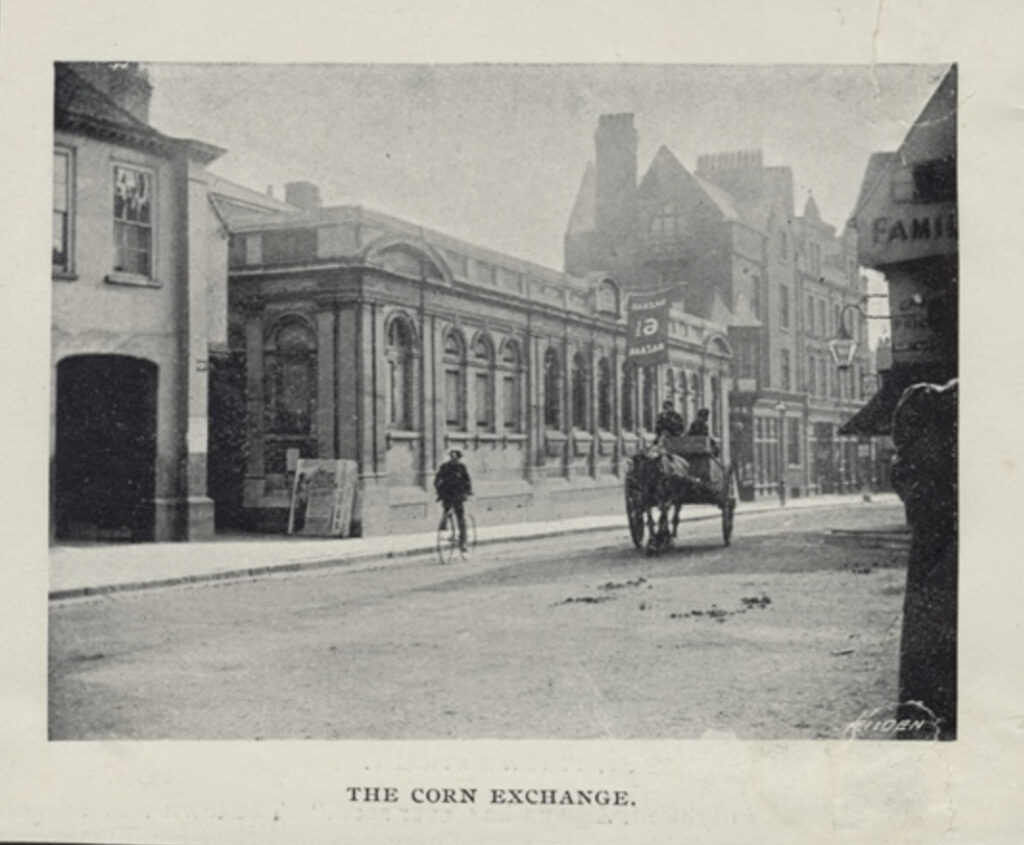
In 1882, the pastor of the Baptist Tabernacle in Victoria Street complained that “drinking and novel reading was drawing people from churches”. There were regular Temperance Movement marches, calling for abstinence from alcohol. By 1900, the local Temperance Society was based in the Corn Exchange (now Reiss and King’s Hill Jewellery), within a handily short distance of The Boot and other city centre pubs.
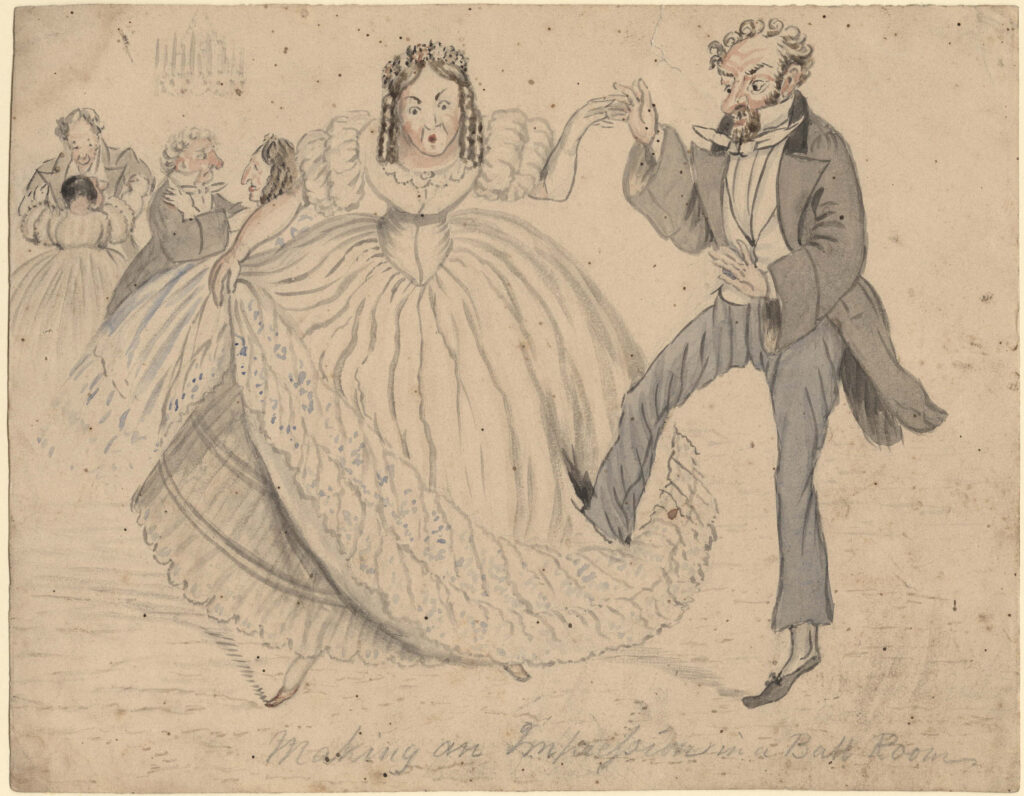
Throughout all these changes – the arrival of gas lighting, the railways, new scientific and technical achievements – the people of St Albans still enjoyed their traditional evenings out. The dances had moved from the Angel in Fishpool Street to the fine Assembly Room in the new Town Hall. So, as the music floated out into the night, the ladies in their elaborate frocks and the men in their tailcoats would dance the night away.
Another form of recreation caught the attention of local people in the early 1900s. Samuel Ryder had moved to the city in 1895, establishing a successful business selling seeds by mail order. Later, with his brother, he founded a health food business, Heath & Heather.
It all made him very wealthy, and he was a great benefactor to St Albans and the wider world.
Here he contributed generously towards the building of Trinity Church on the corner of Beaconsfield Road (now sadly closed) and the Salvation Army Citadel (the late lamented public baths).
But the world knows him best for his hobby – golf.
Advised to take up the sport to improve his health, Samuel became addicted, becoming a keen member and Captain of Verulam Golf Club. He began to sponsor golf tournaments to promote the Heath & Heather business, but this was small scale compared to his great vision – a golf match between the USA and Britain. He donated a gold cup as the trophy, and the Ryder Cup was born. The rest, they say, is history.
And just to finish, often when we think of Victorians, words such such as intolerant, austere and hypocritical come to mind.
Not to mention prudish. How much of that is true is still open to debate but a few perceptions are based on urban myth, rather than hard evidence. For example, we’ve all heard stories of legs of furniture and grand pianos being covered up by muslin ‘stockings’ because of this alleged prudishness. However, there is little evidence for this. The furniture stockings appear to be a joke created by the English about Americans who they saw as puritanical. The French, in turn, adopted this joke but made it about the English. So the joke was on us.
For real history, visit www.stalbanstourguides.co.uk
