26 Feb 2024
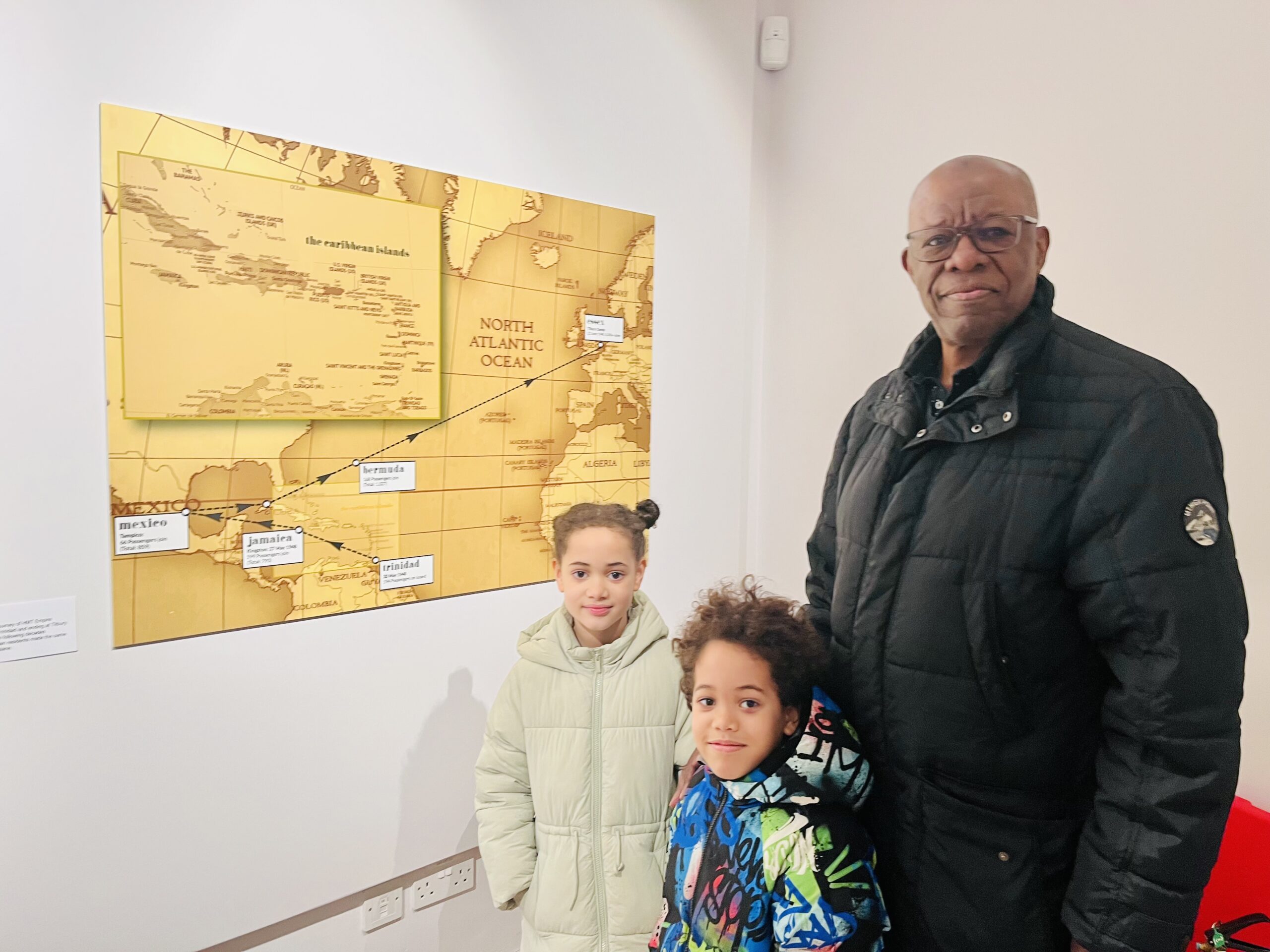
The awestruck faces of children Priest and Jamaica stared up at a huge map of the Caribbean while their grandad Naran McCallum talked about the 8,000-mile journey he made at just eight years of age. It was too much for me not to take the opportunity to have an impromptu chat with the three.
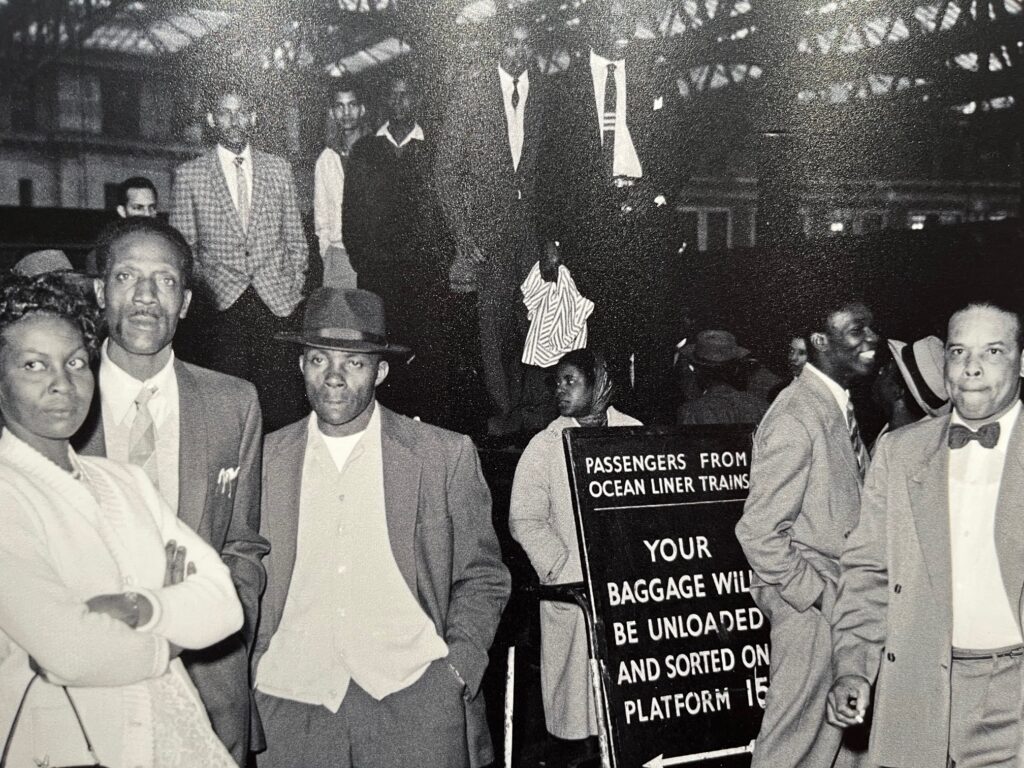
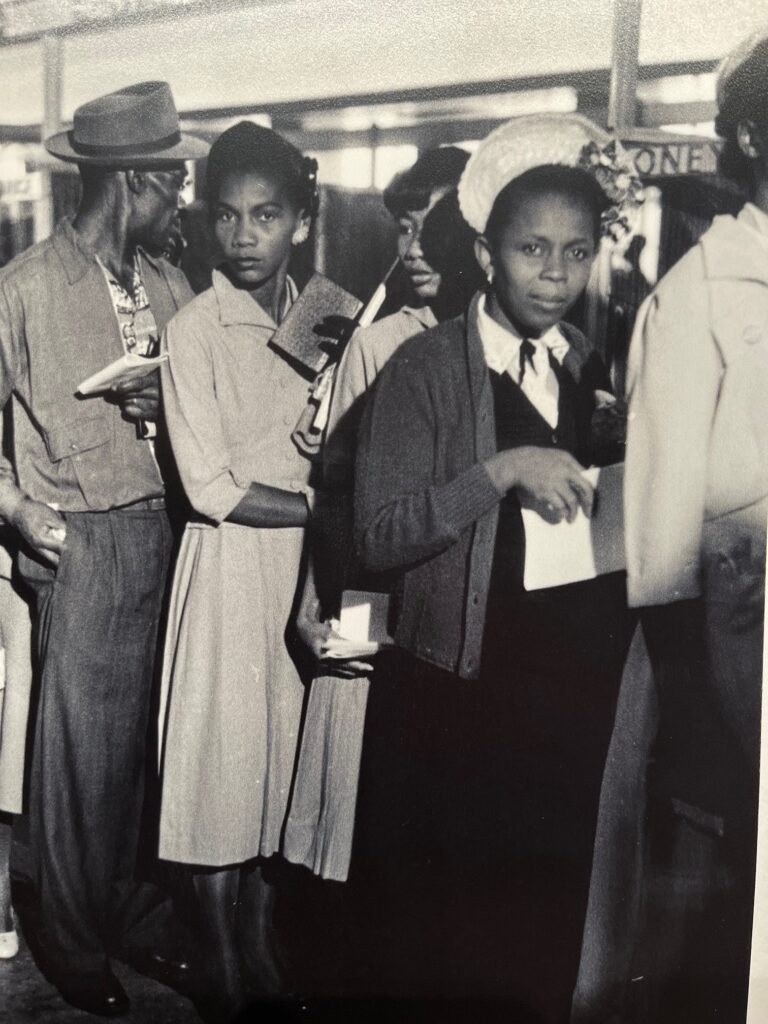
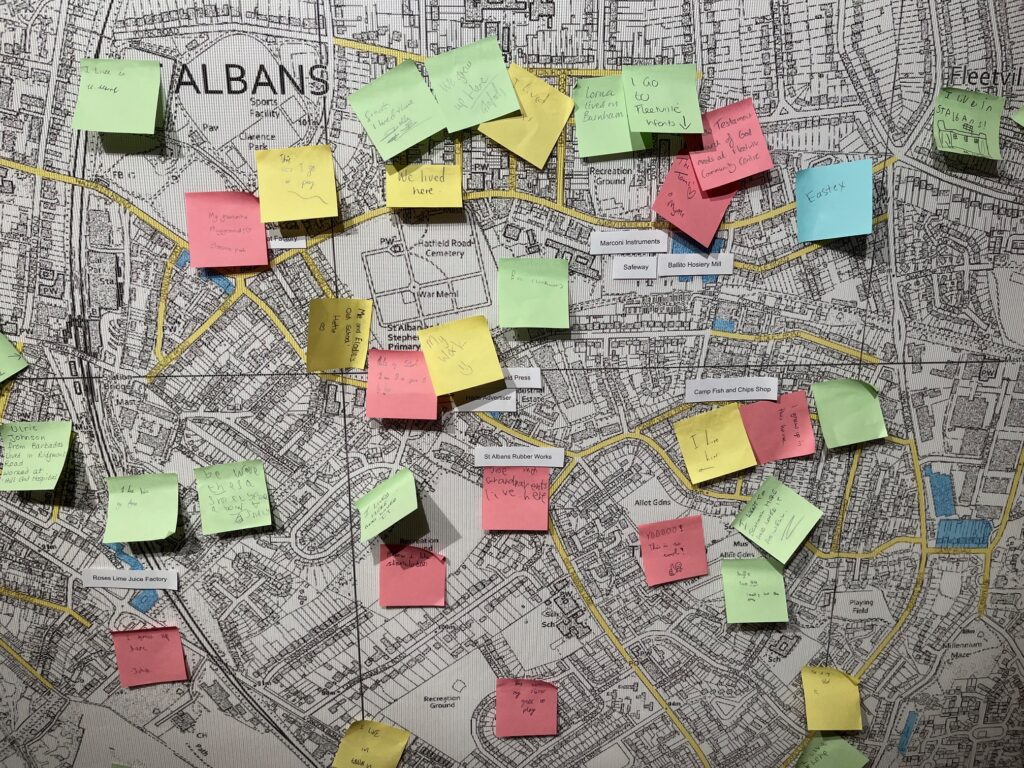
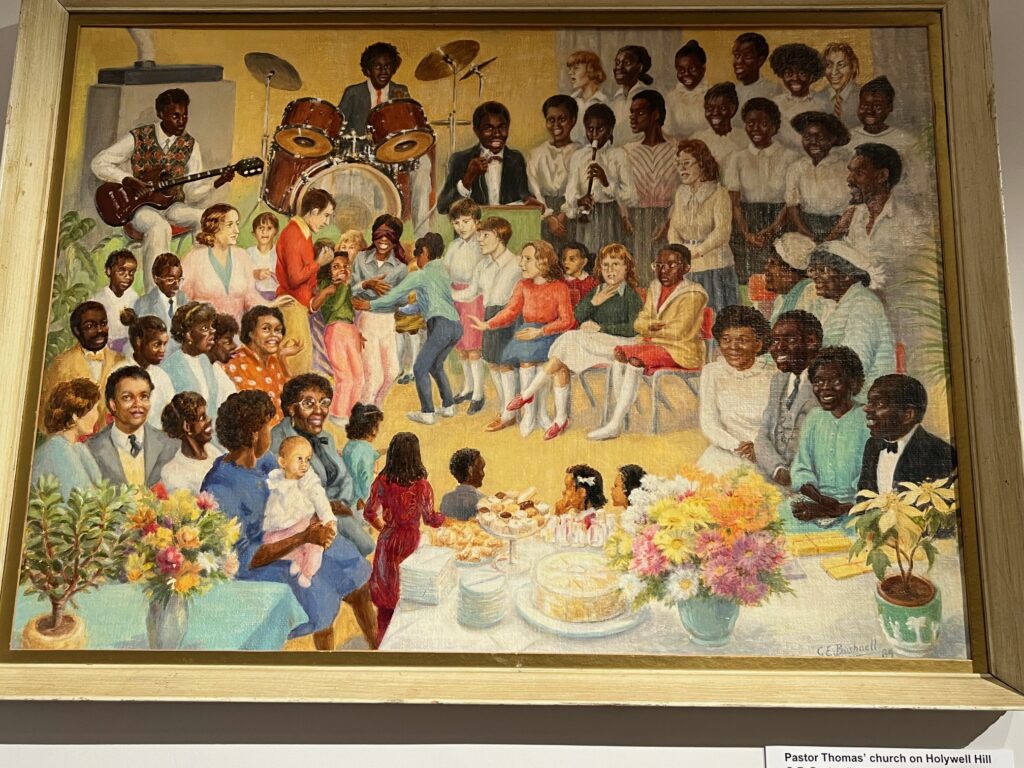
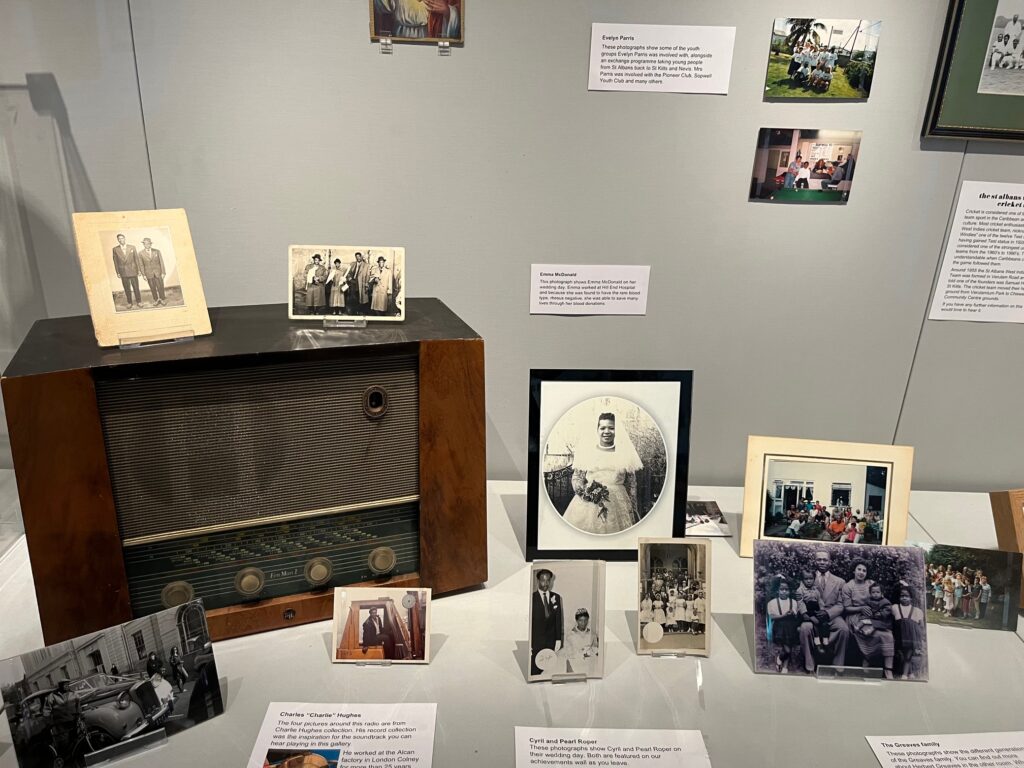
I was visiting the Becoming Us: African Caribbean St Albans exhibition, curated by LeeAnna’s Wish CIC and Active Lifestyles. It captures the experiences of the passengers of the HMT Empire Windrush, which arrived in the UK in 19948, bringing with it many immigrants from what were then known as the West Indies, and shares the stories of those individuals who settled in St Albans both from that ship and on subsequent journeys.
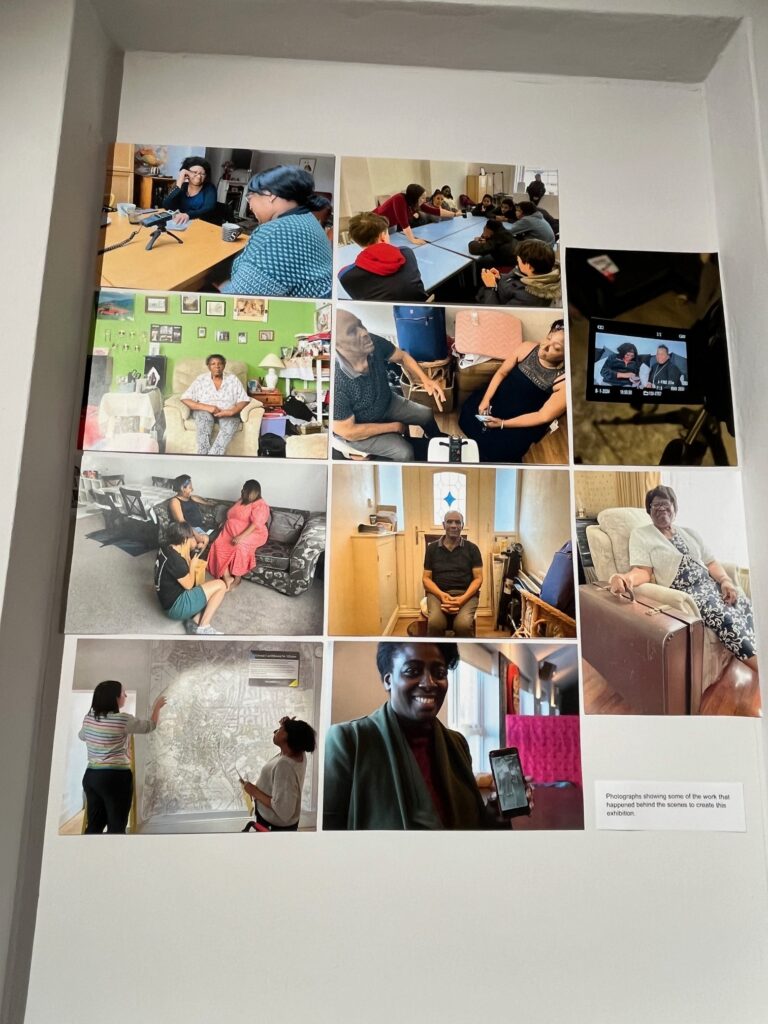
The exhibition, at St Albans Museum + Gallery, is the accumulation of passion, hard work, dreams and conversations which have been taking place for years.
Naran, who is part of what has come to be known as the Windrush generation, openly and emotionally shared his personal stories of coming to Britain and growing up in the country during the 1950s and ‘60s.
One of the most poignant things he said was that while the Post Office Horizon scandal is both shocking and awful and everybody has been moved by it since the television drama was shown, victims of the Windrush scandal – in which many Black people who built modern Britain were detained and/or deported – are still waiting to be compensated for their horrendous treatment.
I’ve visited a lot of museums in my time but never have I been so immersed in any exhibition like this one.
Before entering however, a member of museum staff told me I was forbidden to take in a lidded cup of coffee. As I threw the full cup in the bin and wandered up the stairs I was once again struck by the stupid things this country focuses on while the people that actually matter are overlooked. As if not taking my coffee in would somehow make this horrible miscarriage of justice any better.
One of the features of Becoming Us are listening posts where you can hear recorded voices of St Albans people revealing their personal histories.
Some of them explained how they came to the UK, arriving here as children by plane or boat, dressed up very smartly in suits as that was their perception of how British people dressed. Their older voices sounded broken but strong and the emotion as they spoke was powerful to hear.
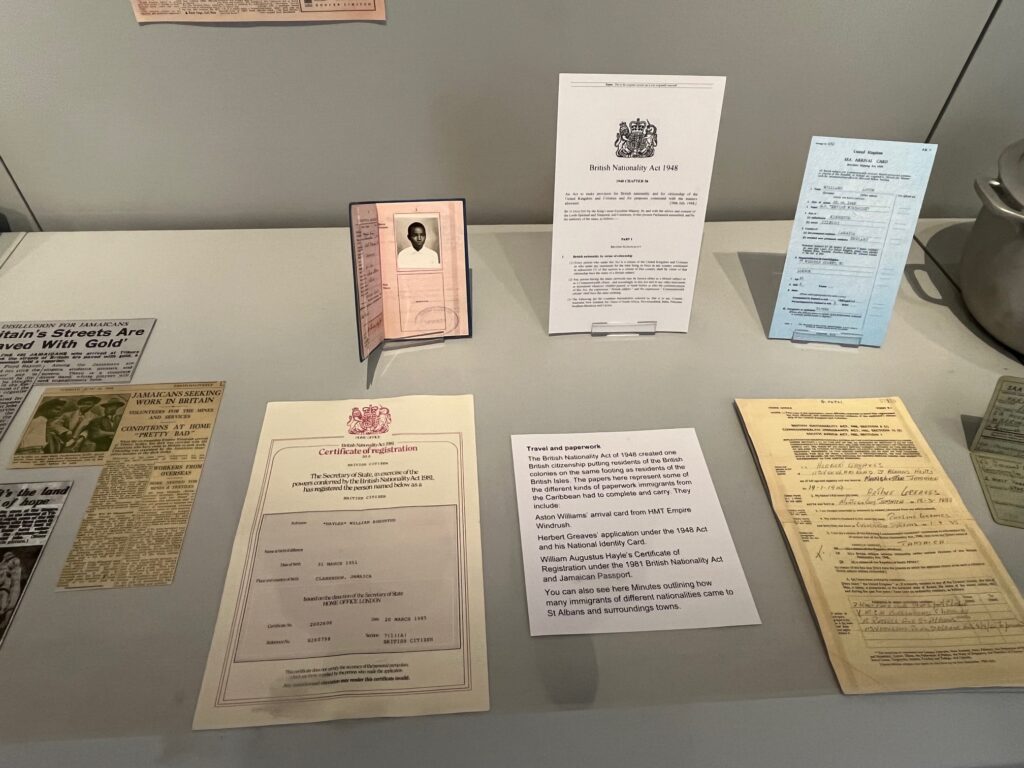
People shared how they thought the streets would be cleaner and the houses would be nicer. They had not anticipated living in one tiny room. One woman describes it as “an eye- opener” having seen photographs from Britain that made her think the “streets were paved with gold”.
She remembers the shock of having to share bathrooms and kitchens in contrast to her previous experiences in the Caribbean.
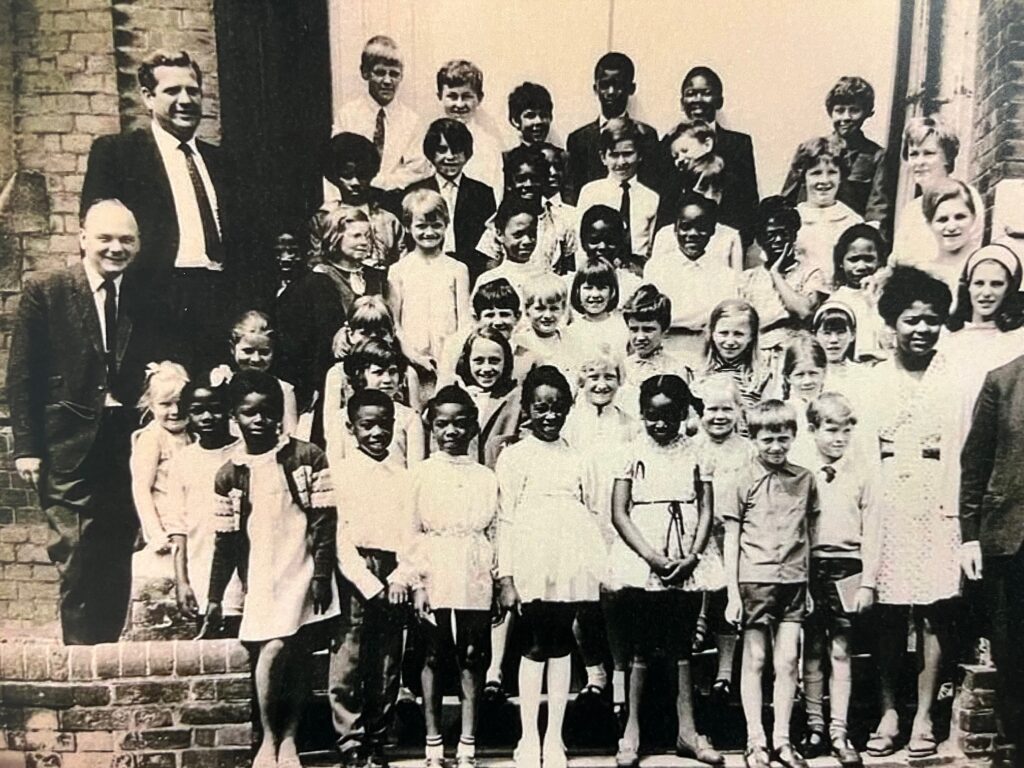
Many of the Windrush generation worked in public services becoming the backbone of St Albans’ former mental health and learning disability hospitals, which were the largest long-stay hospitals in Europe.
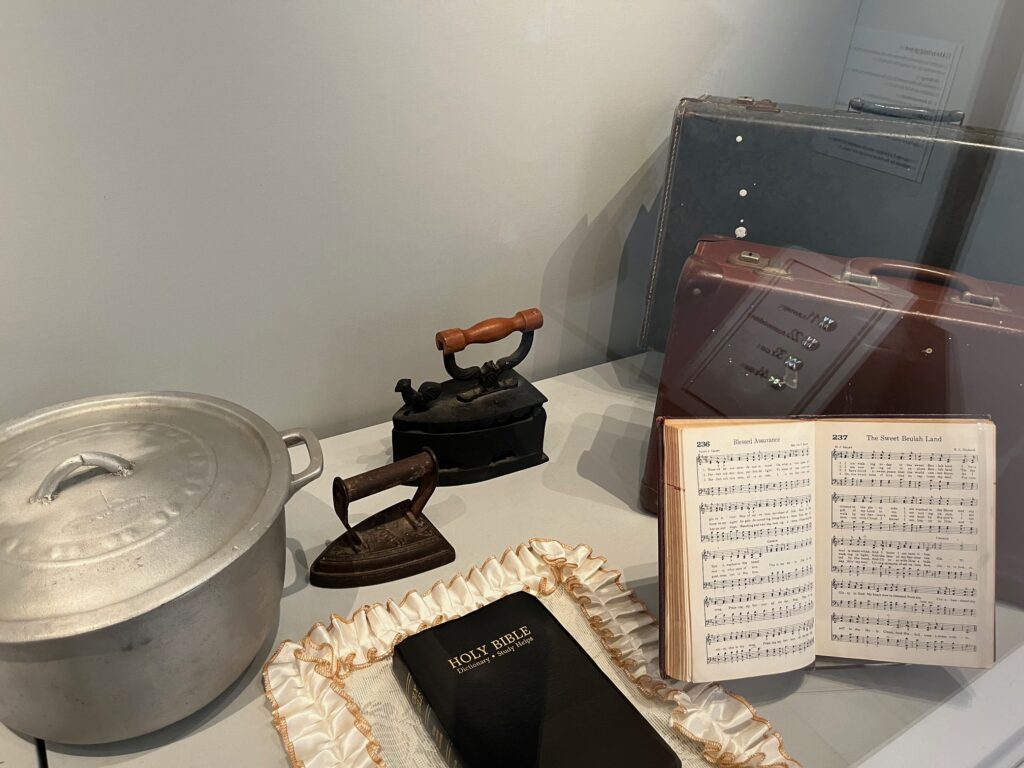
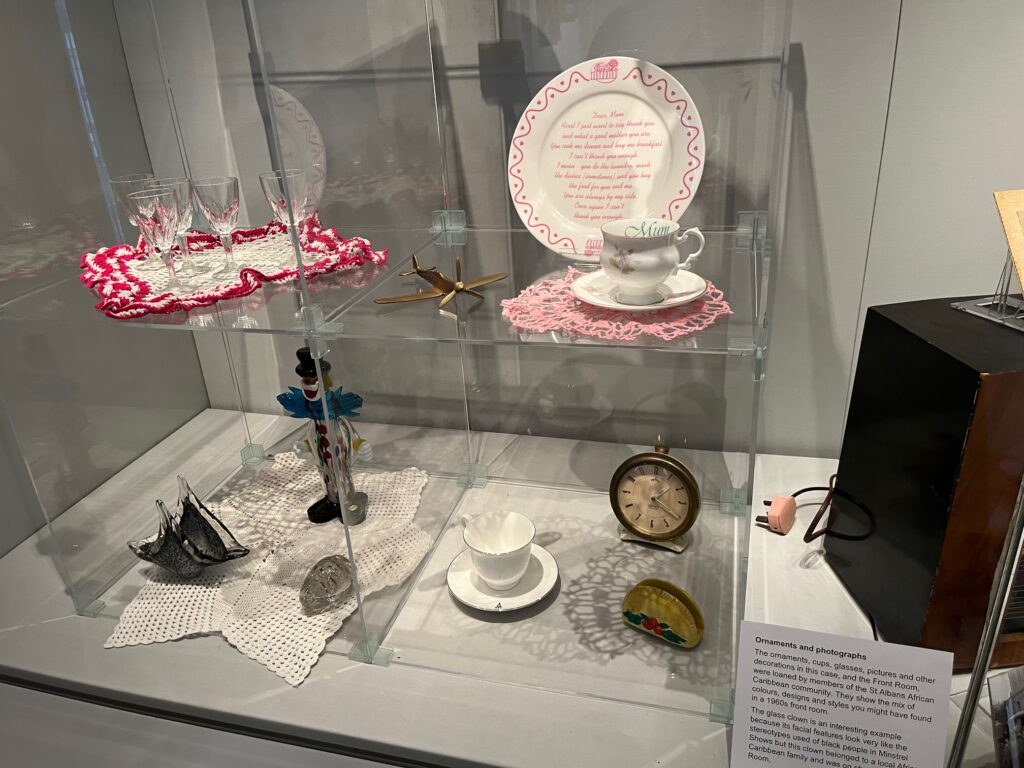
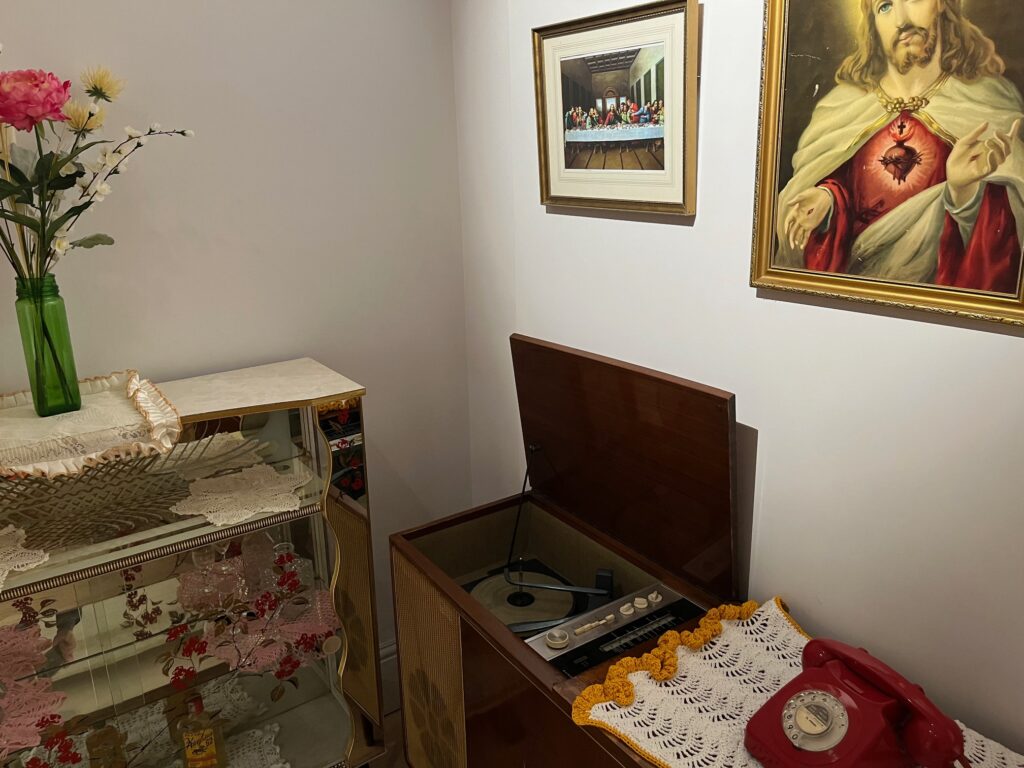
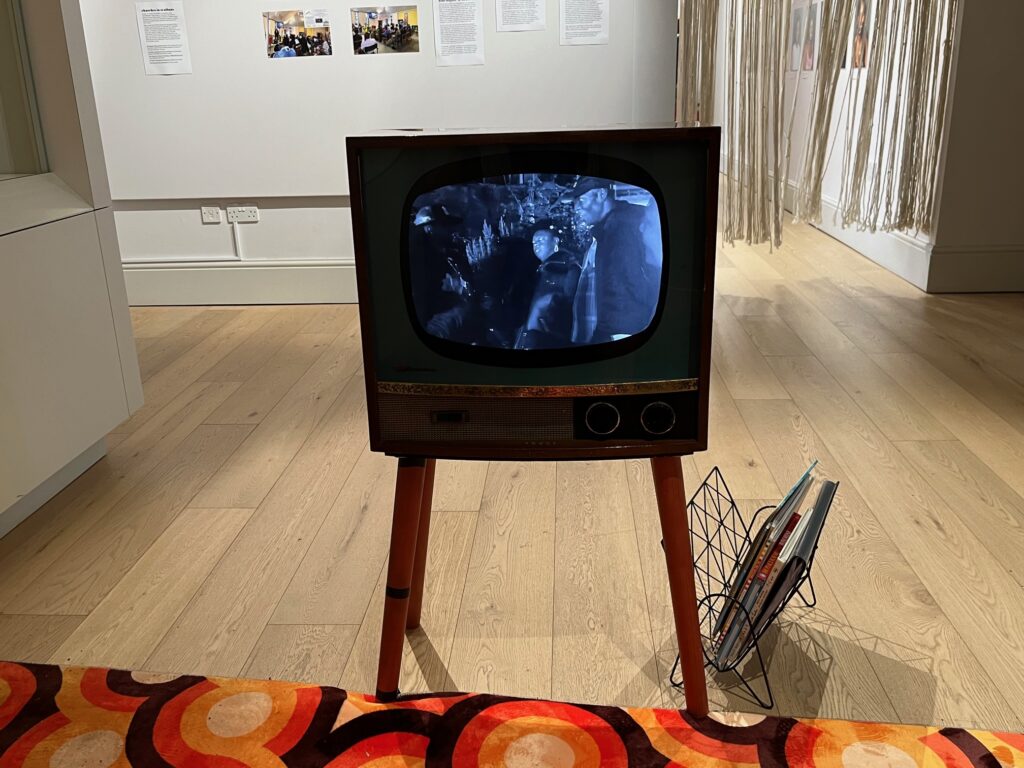
A reconstructed 1970s West Indian front room, featuring original ornaments and furniture, forms part of the exhibition and the orange swirls of the mat reminded me of a carpet I had in my lounge as a child.
Naran showed his grandchildren the small black and white television and explained that this room would not have been accessible to the children most of the time, and that the door would only be open on special occasions for visitors.
I asked him if that would have also been the case in his homeland and he said it wasn’t the case, but a certain sense of pride emerged once people had built up a home for themselves here in England and that they wanted to protect it. The living room also provided a sanctuary from the racial prejudice which could found in restaurants, clubs and pubs at the time
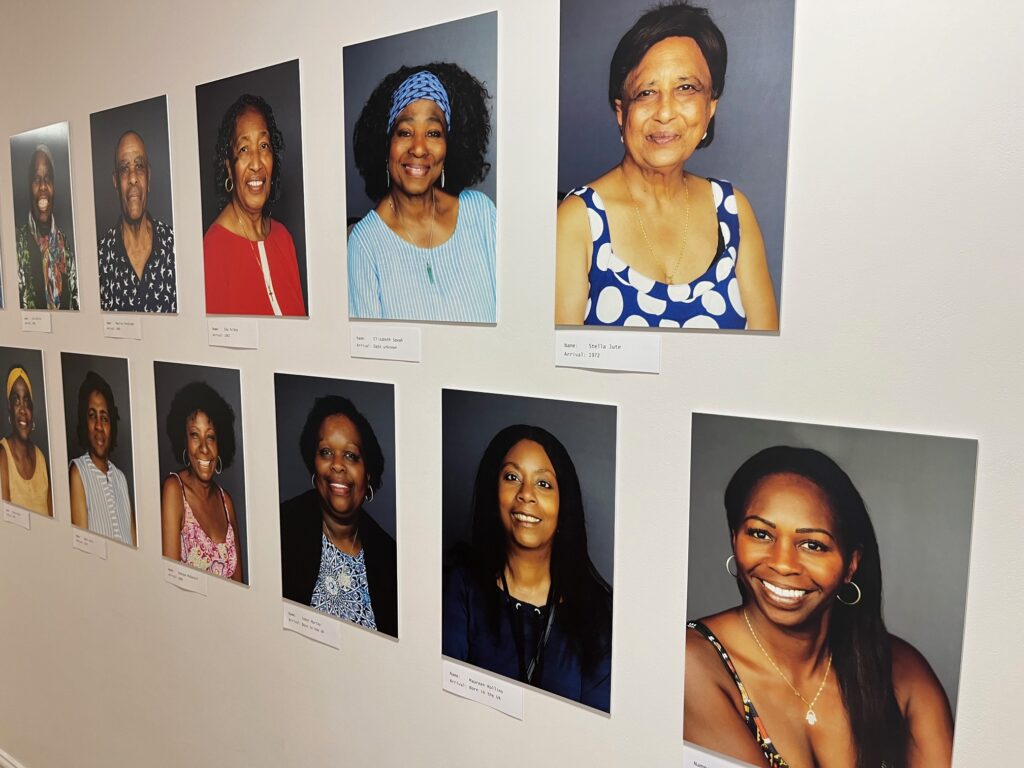
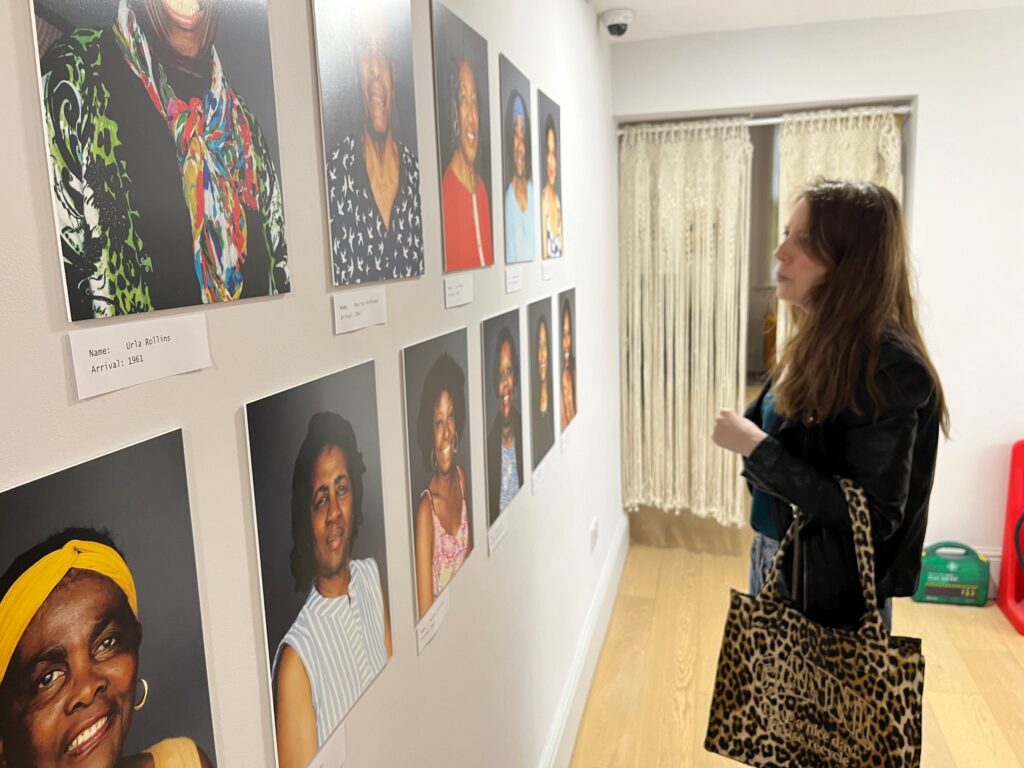
I walked down a corridor which features a whole wall of stunning portraits by photographer Stephanie Belton: a powerful collection of local faces and names who have been affected by Windrush in some way. Some who have travelled here, some who were born here. Many faces I recognise. I see a powerful and possibly painful story behind each portrait, yet a sense of pride and keenness to share within a collective piece.
I learn that many people who settled here to work and who contributed huge amounts to the St Albans we know today were initially turned away by landlords because of their skin colour. It shocks me that it was only in our recent history that this explicit racism was prevalent. Signs such as “no blacks, no dogs, no Irish”… seem almost unfathomable to my 21st century mind.
The cold was a shock too. One woman told the story of not having seen snow before and her classmates laughing at her. Imagine coming from a beautiful sunny country to the grey misery of England? They shared how the gloominess had not been what they had anticipated when they were sold the dream of coming to the UK. I considered how this must be true for a lot of immigrants today too.
Having overcome so many changes and working so hard in often low paid and demanding jobs which were often shunned by English-born citizens, in 2018 many Windrush immigrants were faced with the threat of deportation back to a country that did not feel like home, where they had no support, no work, nowhere to live, no friends or family. And for what? Why?
Naran spoke emotively about this: “A lot of people died. They were told they didn’t belong here. They did the jobs people over here didn’t want after the war.
“The government today is still talking about ‘immigration’ as its primary agenda. They mean people of colour. Getting rid of them.”
He spoke to me about prejudices faced on a daily basis by Black people: “I used to get pulled over by police all the time when I was younger. I was the only Black boy in my school when I arrived at Camp School. Things are better today but we still face prejudice.”
I sometimes think I can comprehend what it is like to be part of a minority group – I remember feeling very different and misunderstood being an identical twin growing up, for example, when everybody else didn’t have another human their age who looked and sounded exactly like them.
But racism runs far deeper. The subtleties, the wanting-to-challenge but not wanting to feel like a trouble-maker or to perpetuate a stereotype, the ignorance woven
through most of our society because of the inequality of our judicial system, social injustices such as poor housing and lack of educational support, the fact that if you are black you are three times more likely to be put in prison (Census 2021).
These are the conversations I have had in the past which
have helped me to be more aware of the actualities faced. I want to know. I want to hear. If I am not part of the solution then I part of the problem and that is why we must seek out experiences such as this exhibition in order to be useful and active allies.
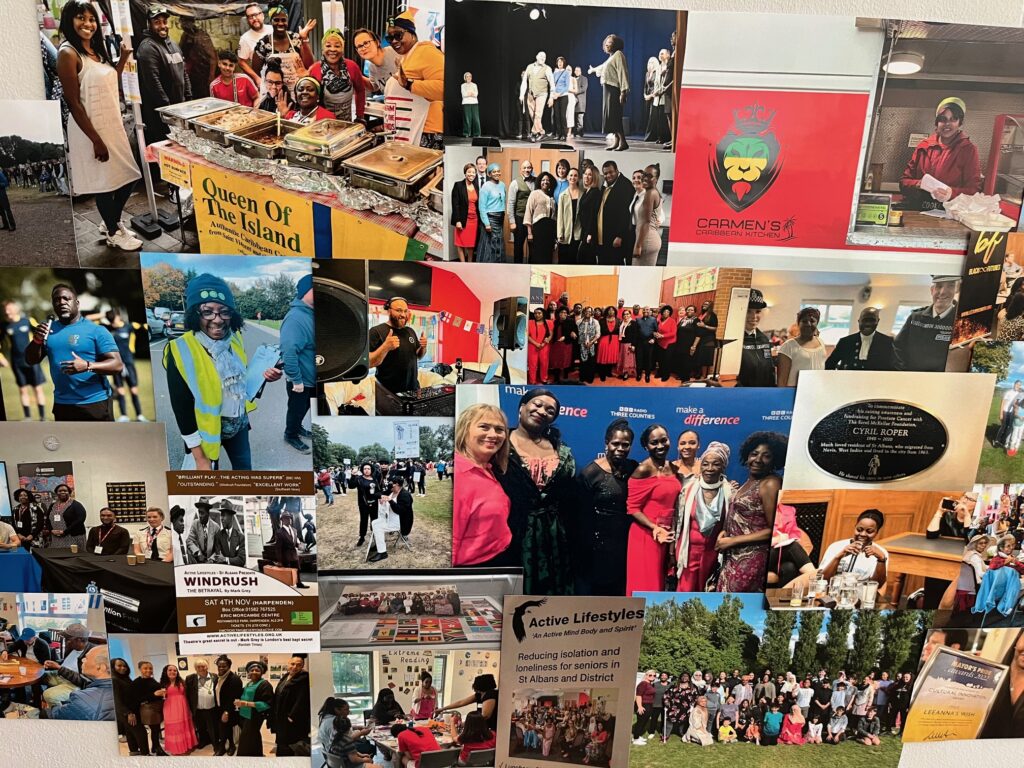
Cottonmill-based community group LeeAnna’s Wish was recently shortlisted as a finalist in the Inclusive Communities Award Category in this year’s Mayor’s Pride Awards which recognises individuals and projects that unite people of different backgrounds and abilities.
Speaking at the preview of the Becoming Us museum exhibition director Antoinette Strachan said: “We are so proud to be nominated once again by our community. Community is the heartbeat of our work and at the core of our every act we do.
“Thank you for your belief in us and recognising us once again.”