20 Feb 2024
Last week I had the pleasure of attending a Masterclass in Gavi, hosted by Patrick Schmitt, MW and the Consorzio Tutela del Gavi, an organisation commissioned by the Ministry of Agriculture to promote, enhance and protect the Gavi DOCG denomination in Italy and around the world. So, this week I’m going to give you a mini-masterclass in Gavi and share my three favourite wines from the tasting.
So, what is Gavi? Well, its many things, it’s a wine, it’s the DOCG, one of the villages, a city, in fact the smallest city in Italy. It’s named after Principessa Gavia, daughter of the King of the Franks, and is found in the south- east of Piedmont, 30km from the sea, between Liguria and Lombardy.
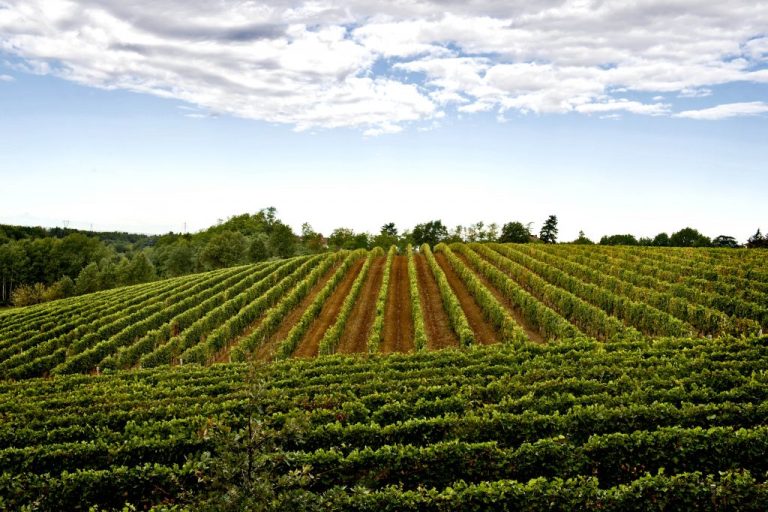
Made from 100 per cent Cortese, a native Piedmontese white grape, it is planted across 1,600 hectares of vineyards in the 11 municipalities of the denomination. 14 million bottles of Gavi are produced each year, with 80-85 per cent of it being exported (the UK is number 1).
Oh, and I learnt ‘Gavi Di Gavi’ does not exist, it’s Gavi DOCG or Gavi del Commune di Gavi or Gavi del Commune one of the other 10 villages (11 in total). Rarely used, but also seen is ‘Cortese di Gavi DOCG – Cortese used to be called Gavi.
The Cortese grape is used to produce both still (Tranquillo) and sparkling wine (spumante and frizzante). The sparkling can be made using either the Charmat or classic method, but despite its long history, sparkling Gavi tends to be a niche for local consumption, accounting for only 1% of production. The fourth type of Gavi is ‘Riserva’, and describes wines meant for ageing. They are released to the market after refining for no less than one year, of which at least six months are spent in the bottle.
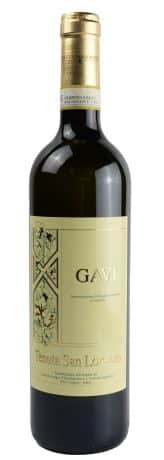
Tenuta San Lorenzo Gavi DOCG 2022 (£16.95 from Champagne & Chateaux)
Tenuta San Lorenzo was established in the late 19th century by the Marquis Raggio d’Azeglio along with the families Cambiaso, Serra, Spinola and Sartorio. The Cazzulo family have been the owners since 1967.
This is a very high standard of wine, unoaked and has been aged for five to six months in steel tanks. There’s real texture to this wine, a viscosity that fills the mouth without being heavy and has the ability to cleanse the palate without being too harsh or bitter.
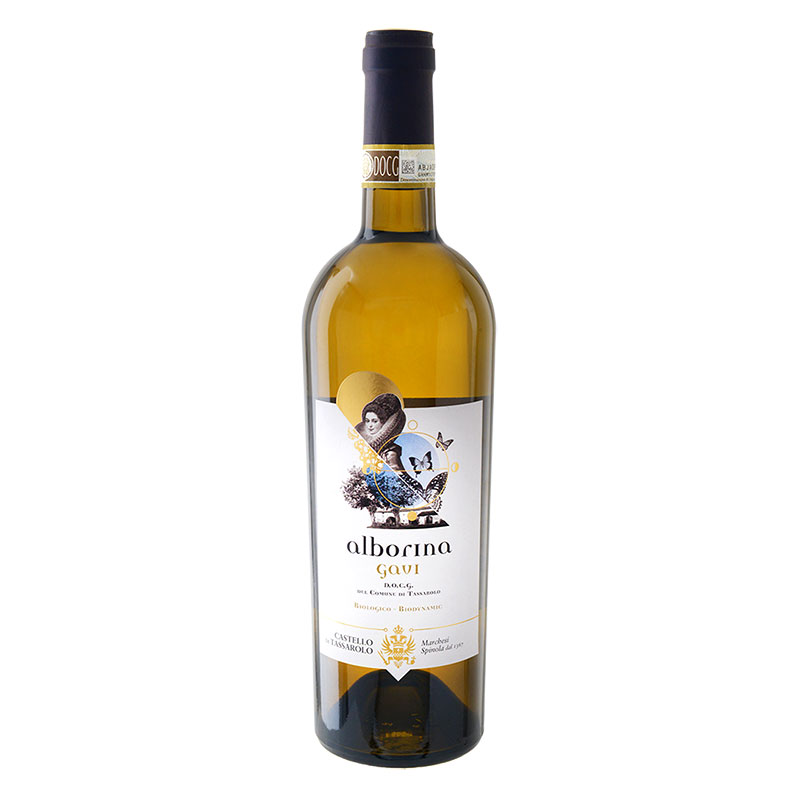
Castello di Tassarolo Gavi ‘Alborina’ 2021 (£21.00 per bottle from Woodwinters)
This wine is a single-vineyard expression of the Cortese grape, grown organically and biodynamically by Castello di Tassarolo, a historic estate owned by the Spinola family since the 14th century. This wine has been aged for several months in stainless steel tanks, but has a rich, creamy style which shows evidence of a little oak influence. I’ve been reliably informed that some producers are keeping back this style of Gavi for the sommeliers.
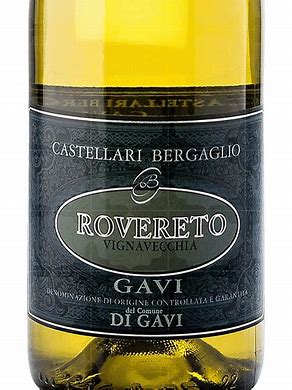
Castellari Bergaglio, a family-run winery founded in 1890, have produced a complex and refined white wine.
The grapes come from old vines planted on calcareous clay soils and are harvested by hand and fermented in stainless steel tanks. The wine is aged on its lees for 12 months, adding richness and texture to the crisp and mineral profile. The palate is dry, balanced, and persistent, with a refreshing acidity and a long finish. As a 2018 vintage this is an old wine when it comes to Gavi. Having benefited from six years in the bottle, it’s aged well developing honeyed, dried apricot flavours but still has time on its side.
Gavi’s versatility and pleasant nature makes it an ideal pairing to a wide range of international dishes. This white wine is perfect for the entire meal, whether than be ravioli (invented in the village of Gavi by the Ravioli family), corzetti, beef tartare, white fish, and amaretti, the traditional Italian cookie (also from Gavi).
If you’re looking for even more wine recommendations, then please follow me on Instagram @dmc_uncorked. And if you are a wine retailer or a drinks PR company who would like me to feature your range of wines, then please contact me via mccabetwe@gmail.com