27 Jan 2024
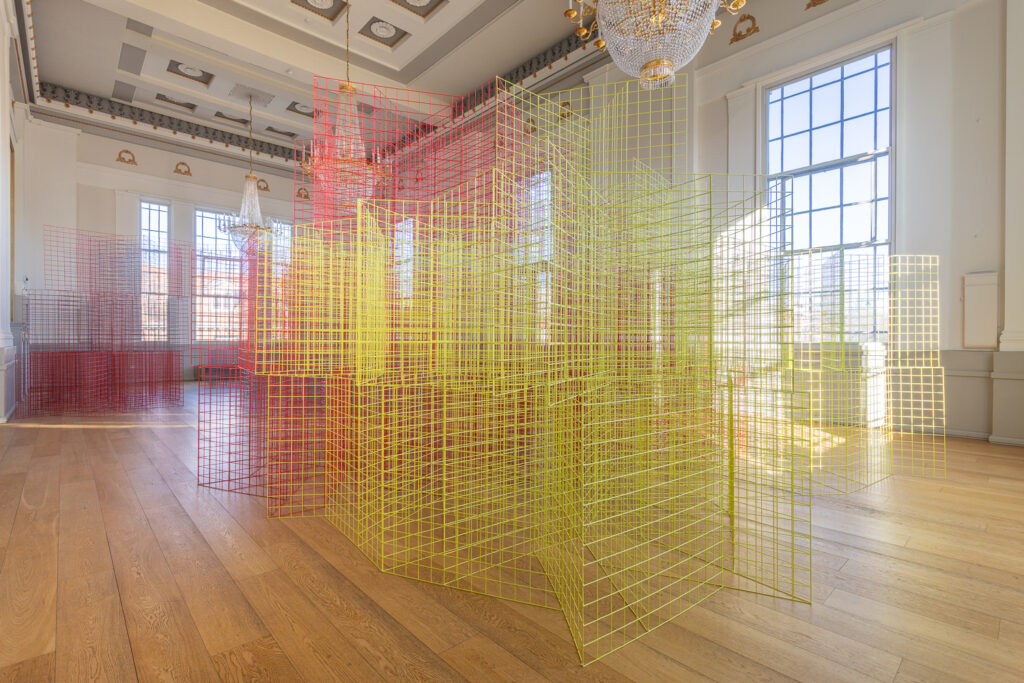
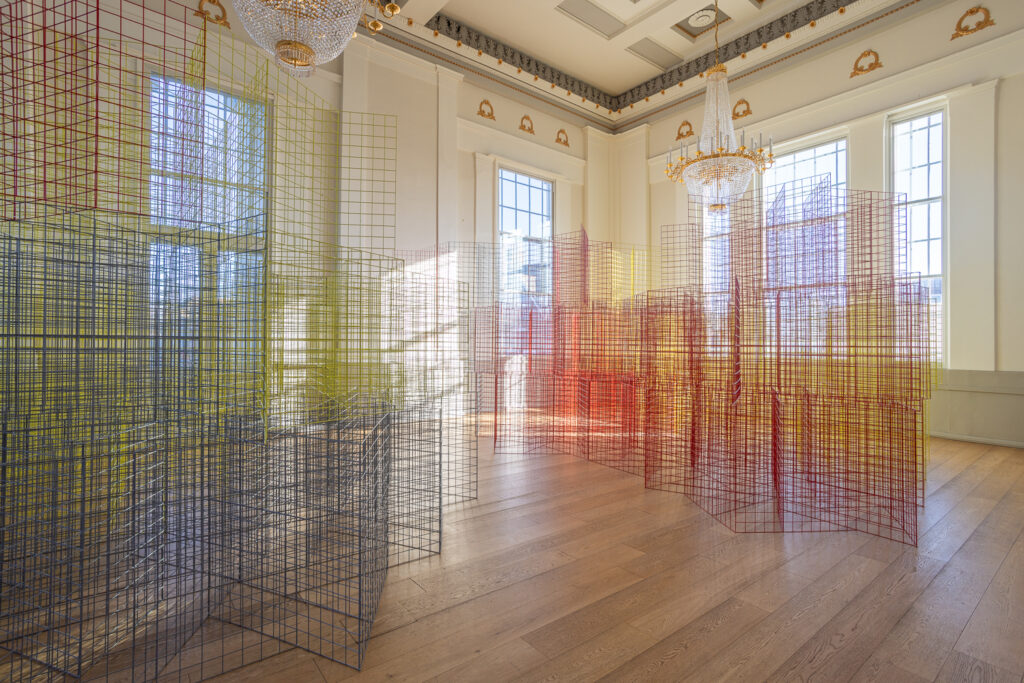
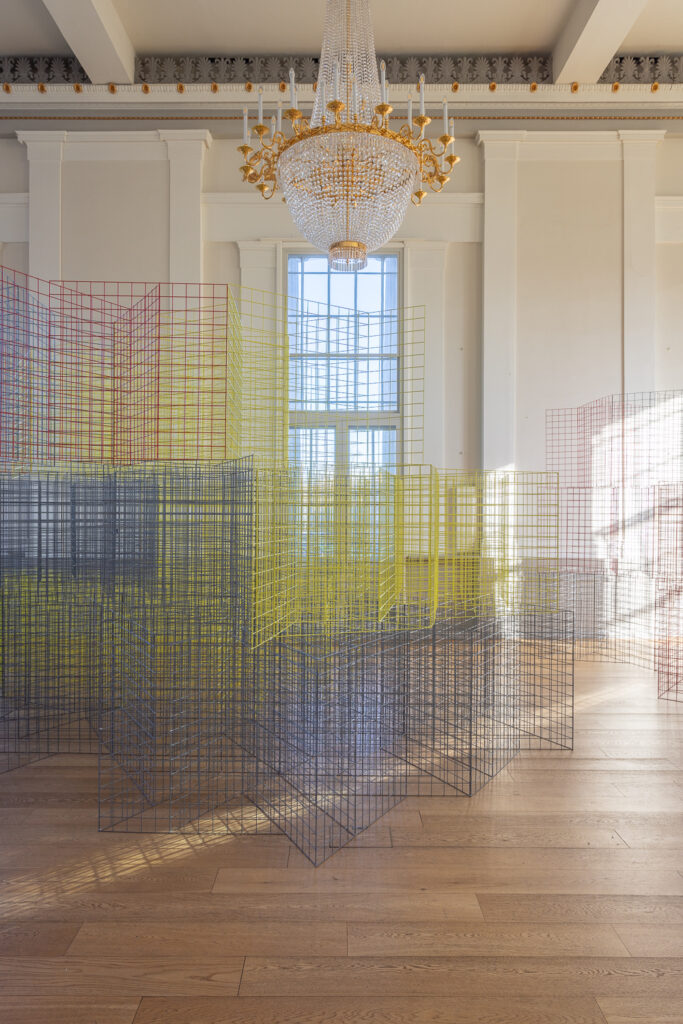
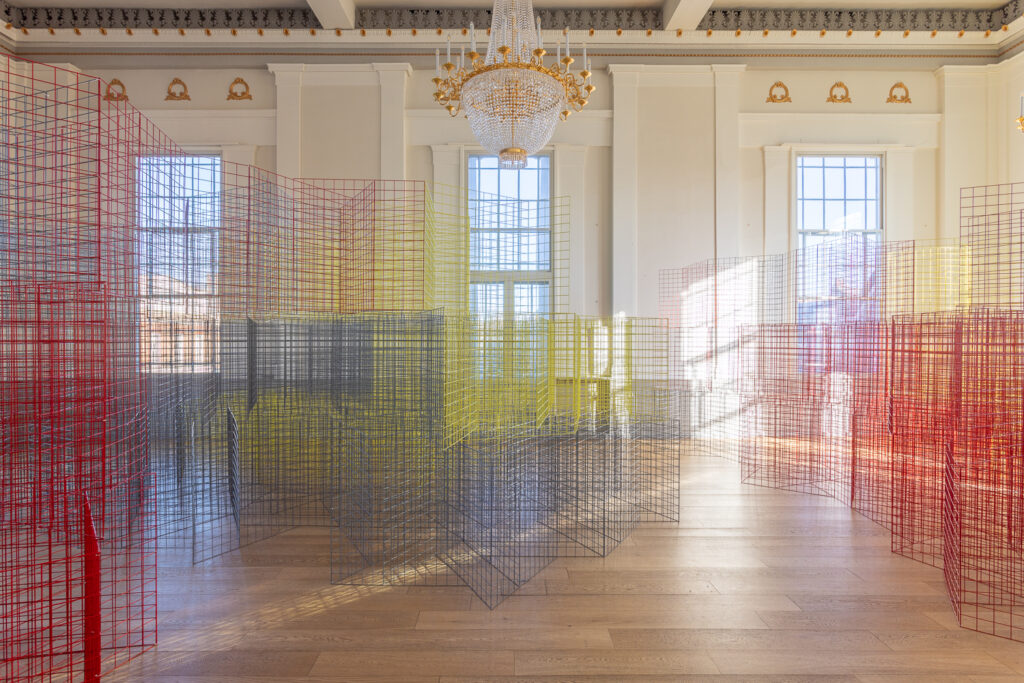
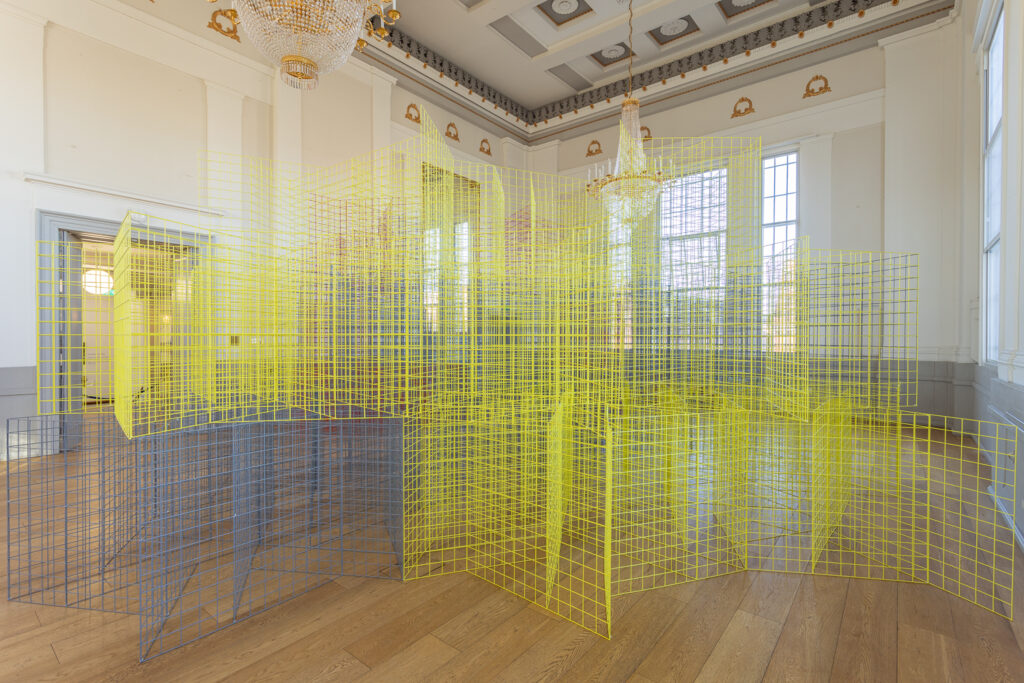
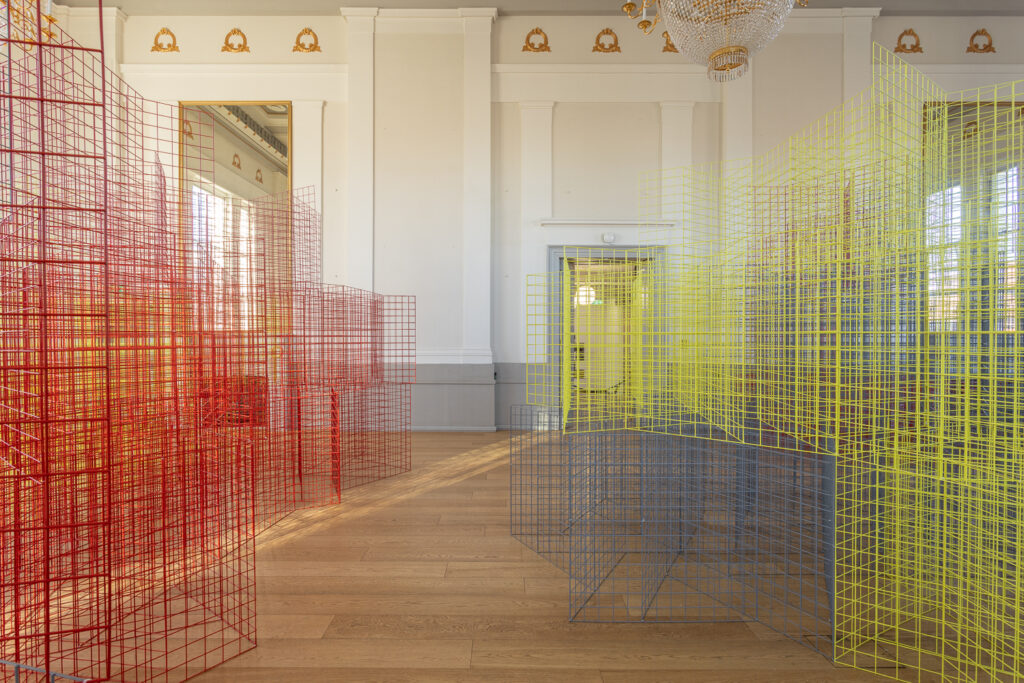
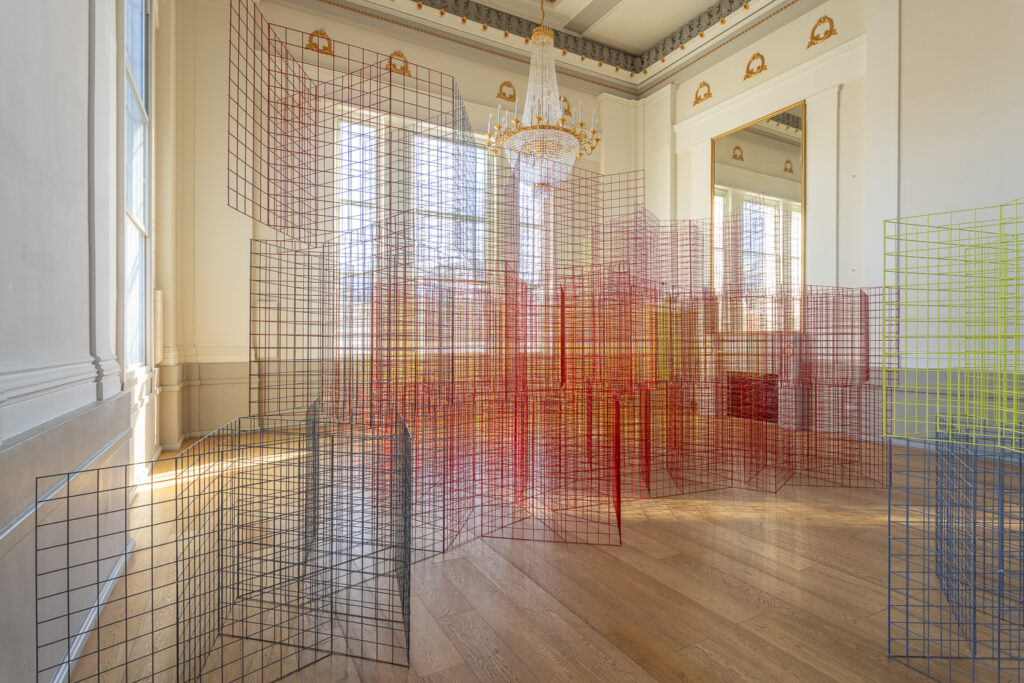
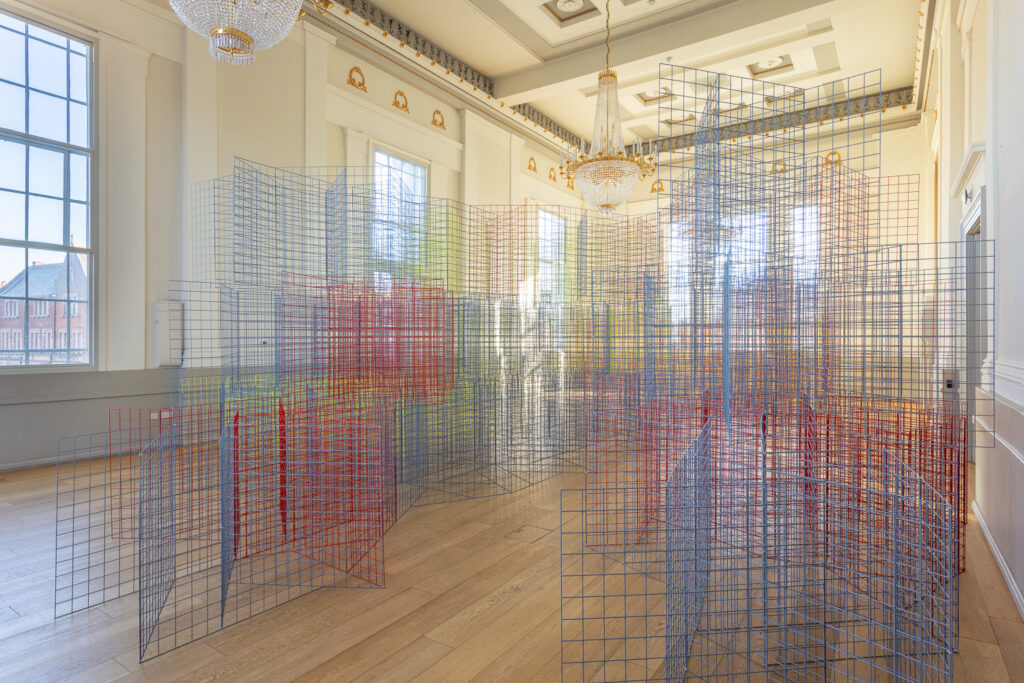
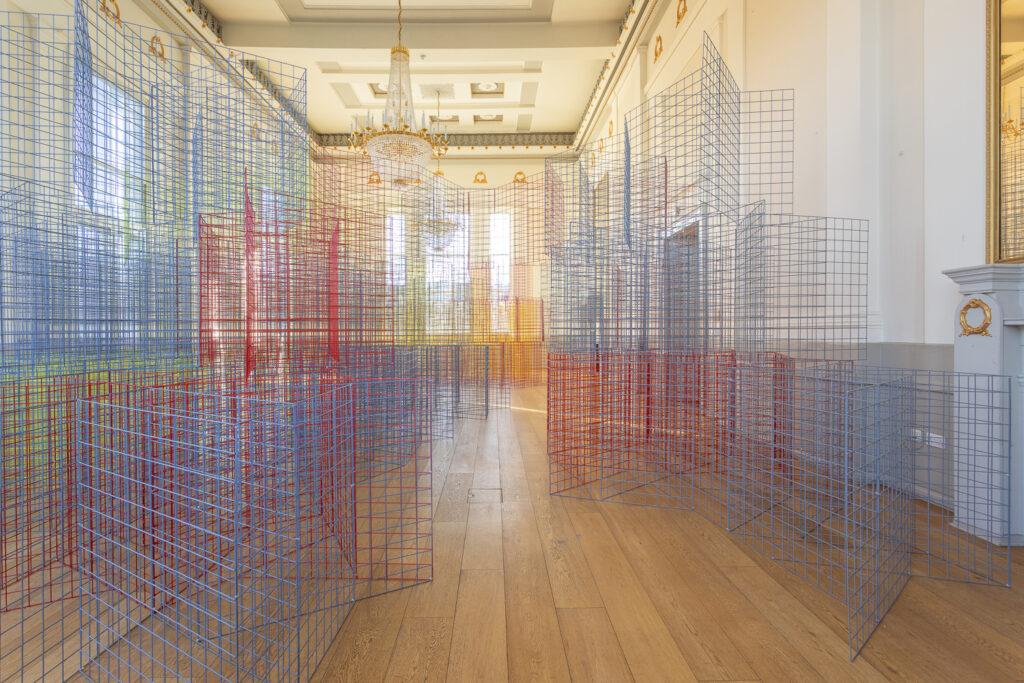
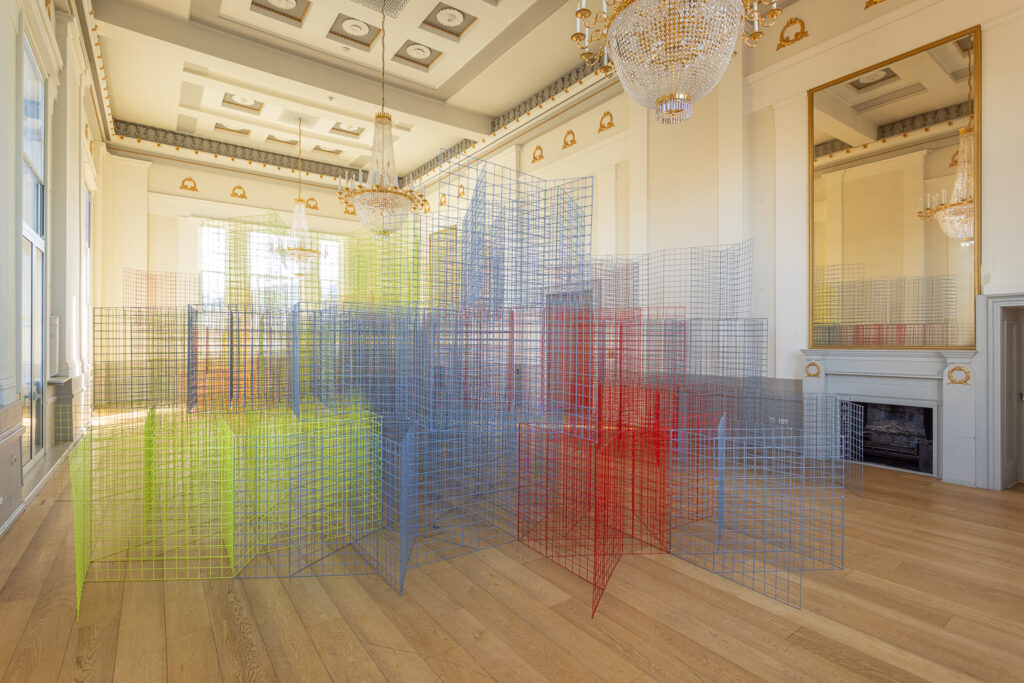
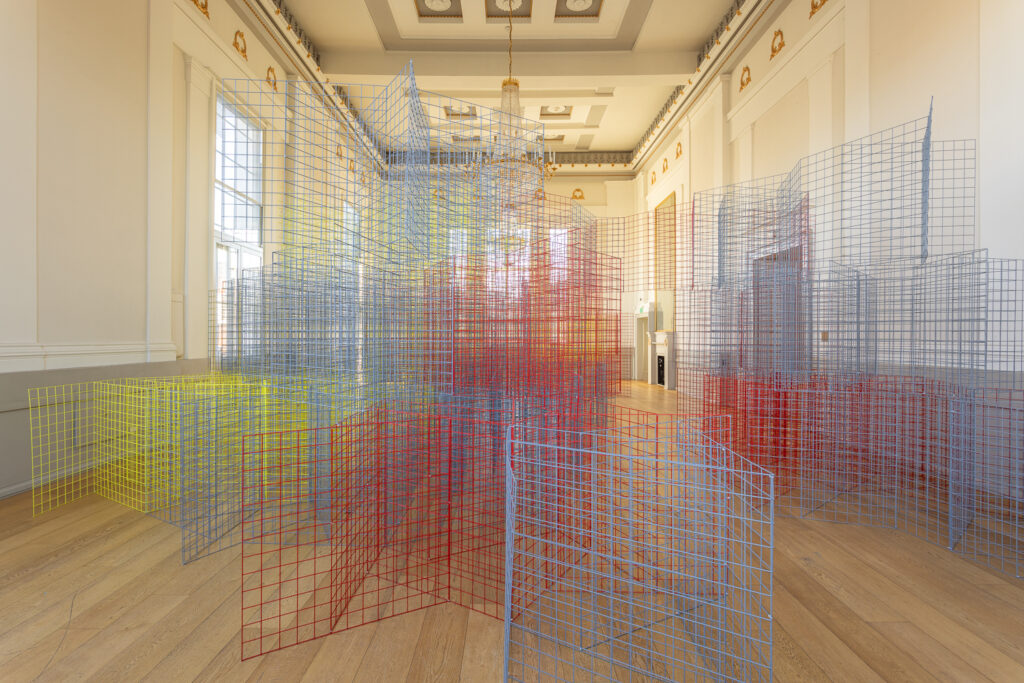
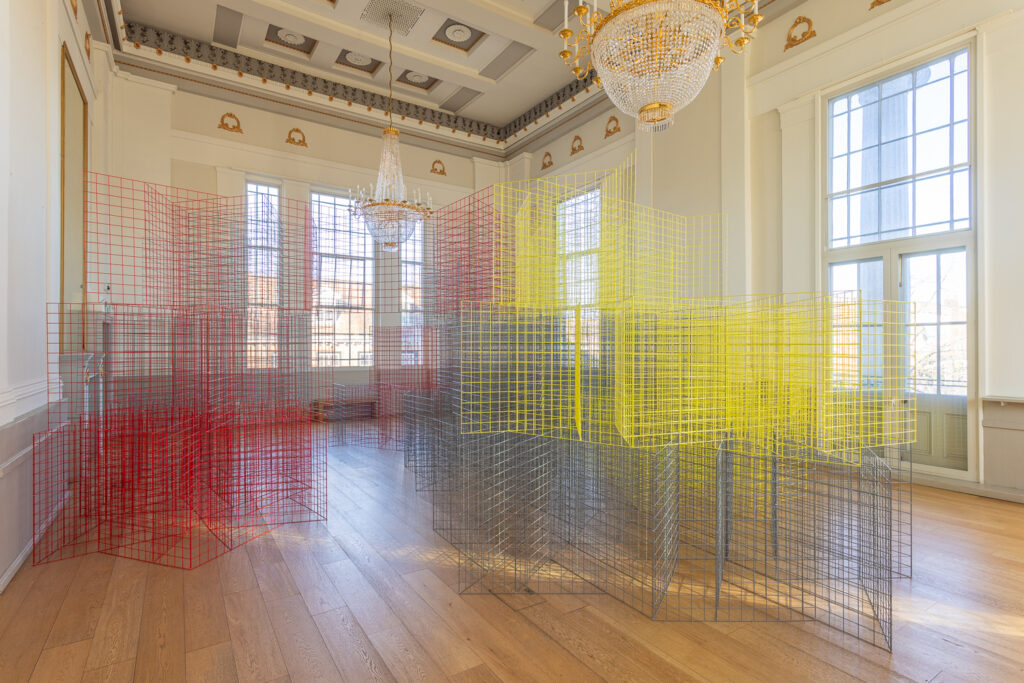
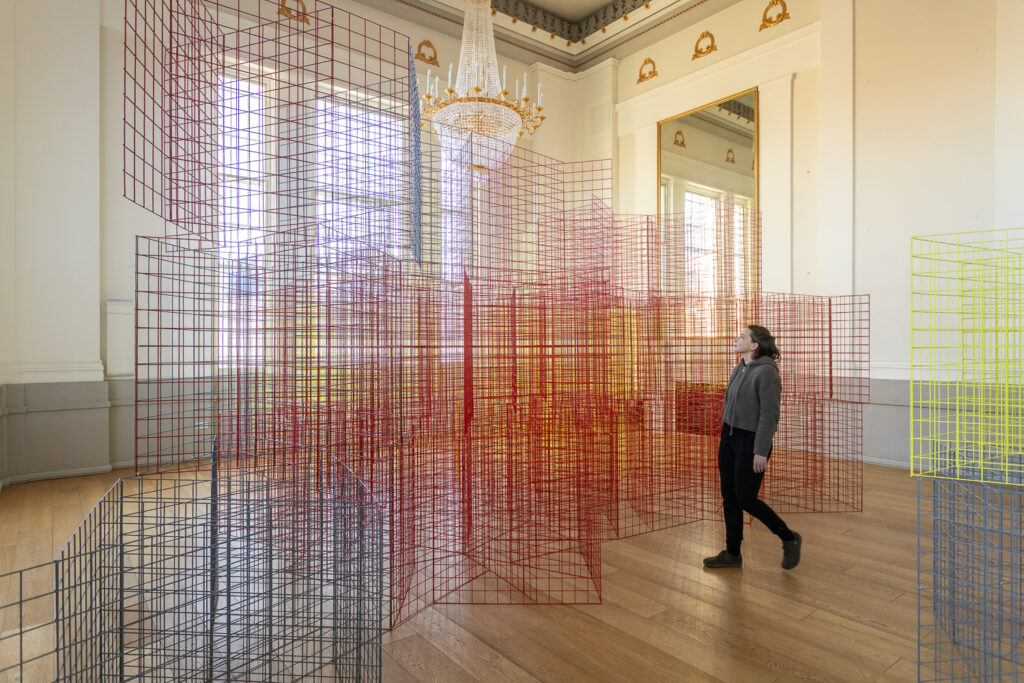
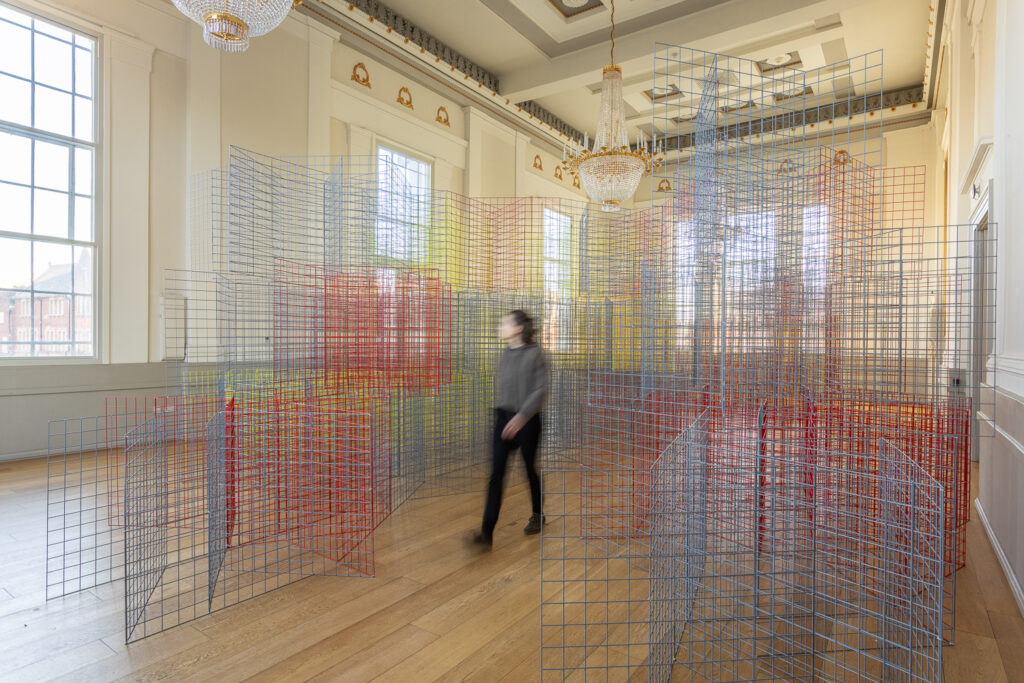
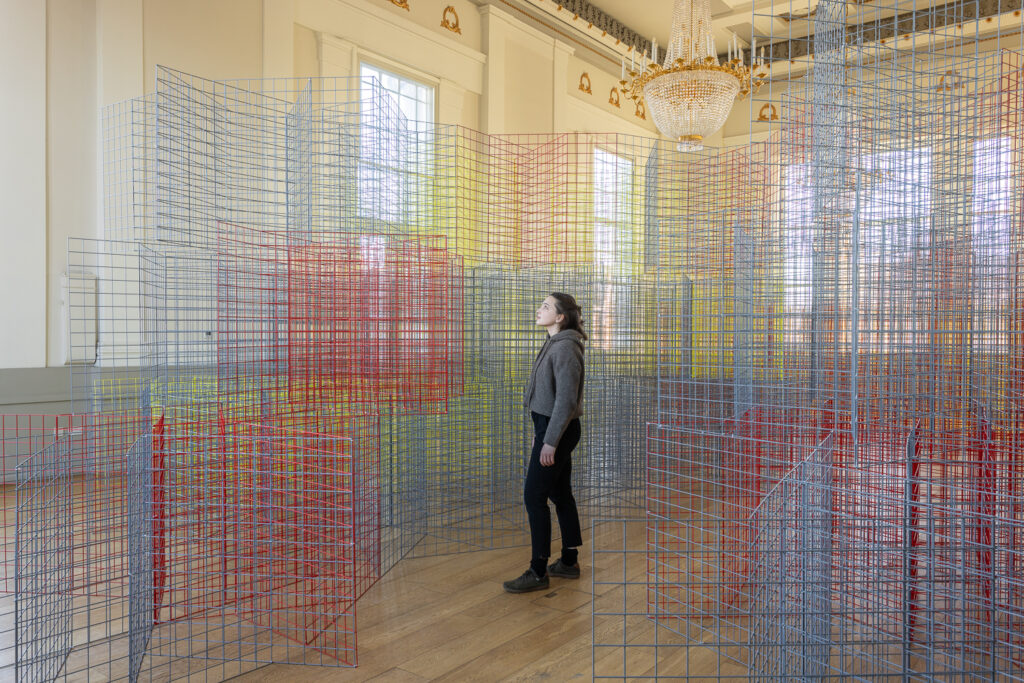
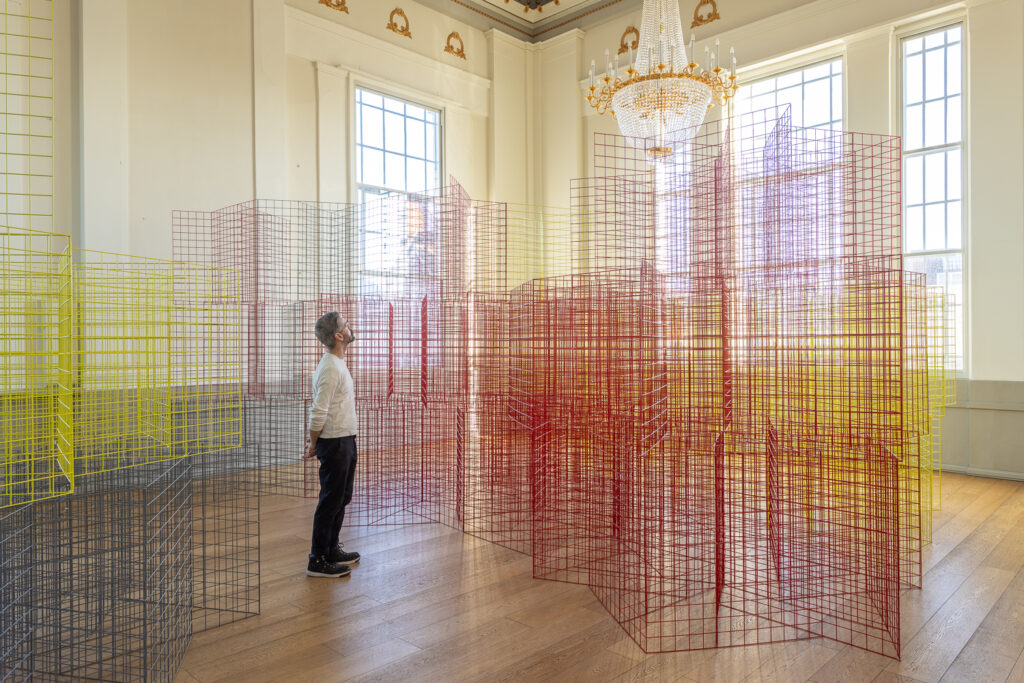
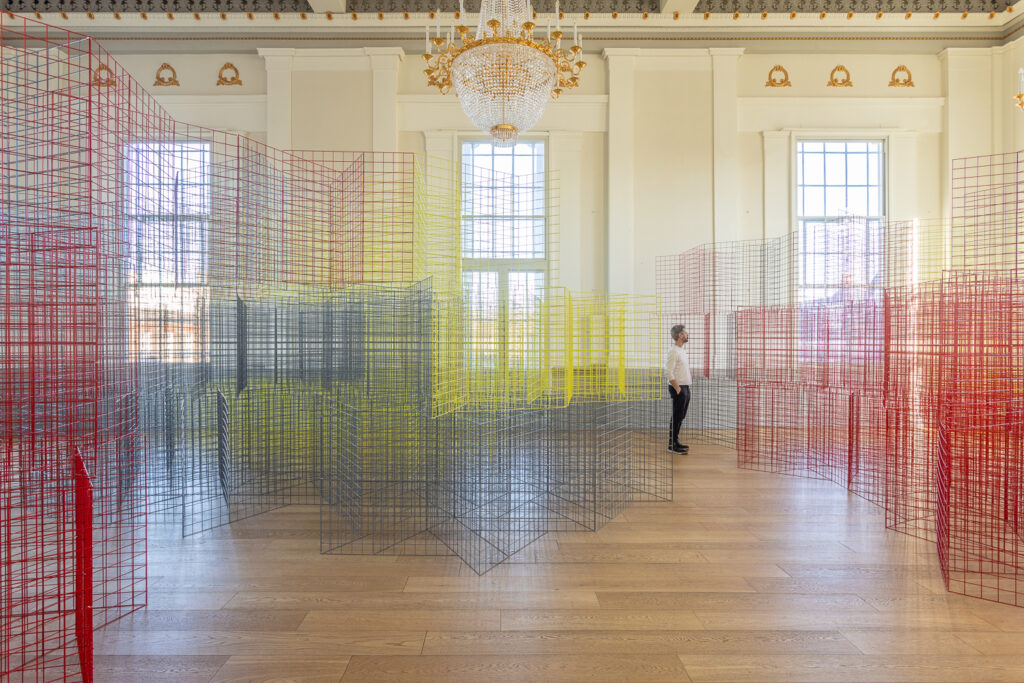
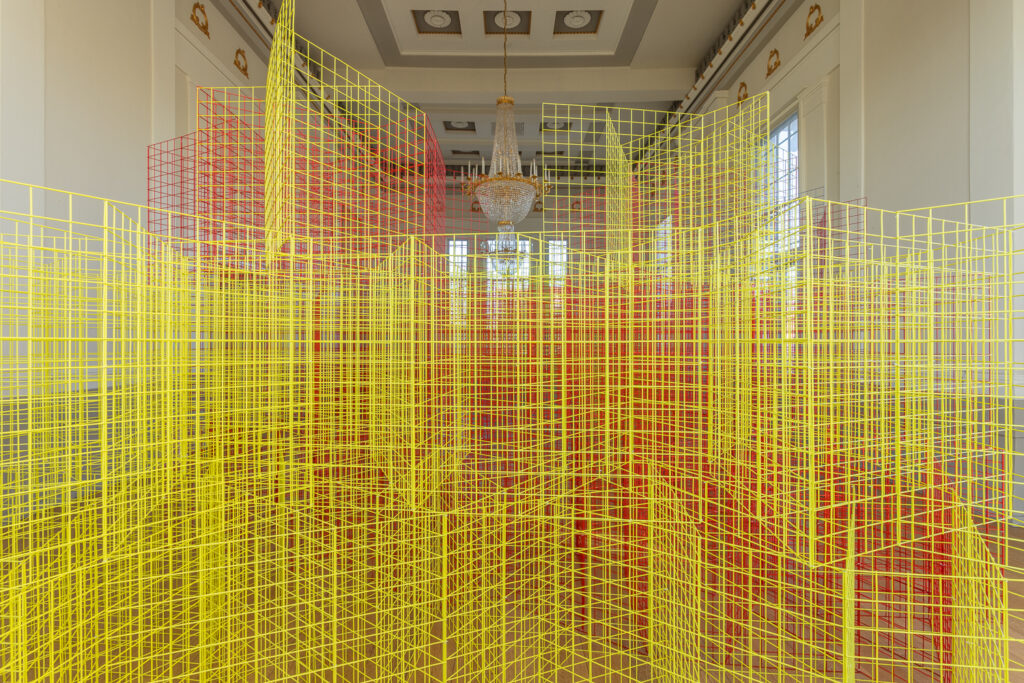
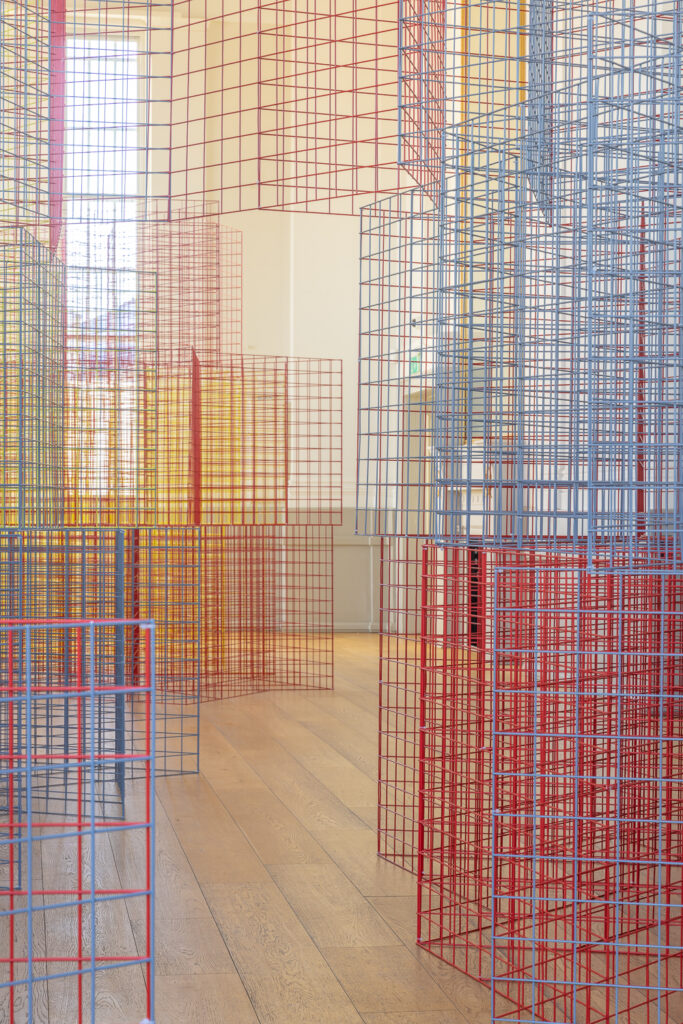
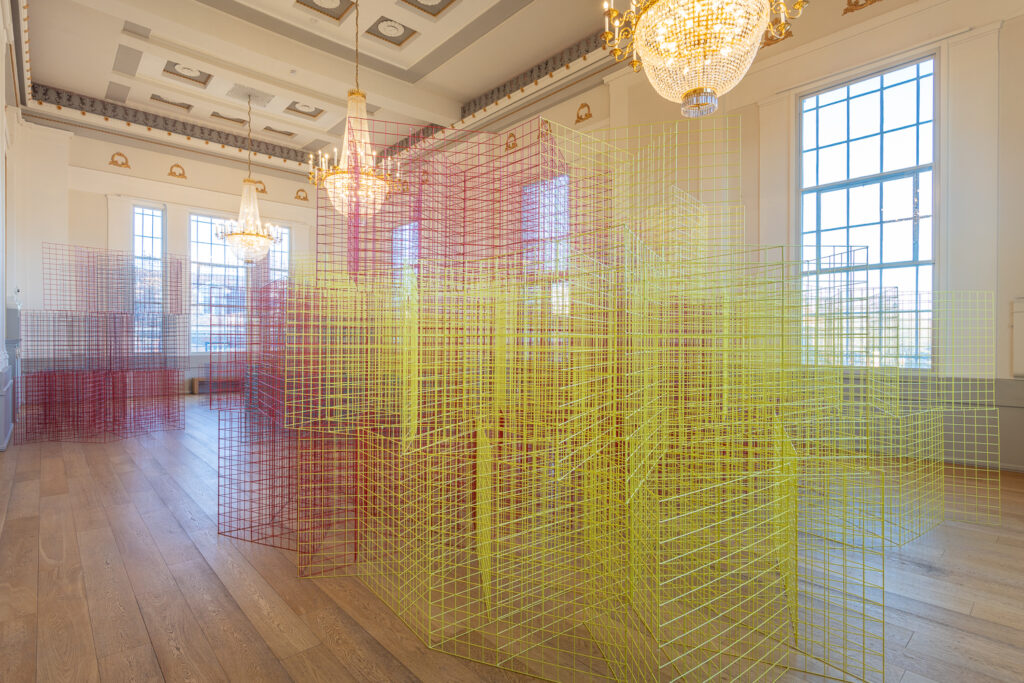
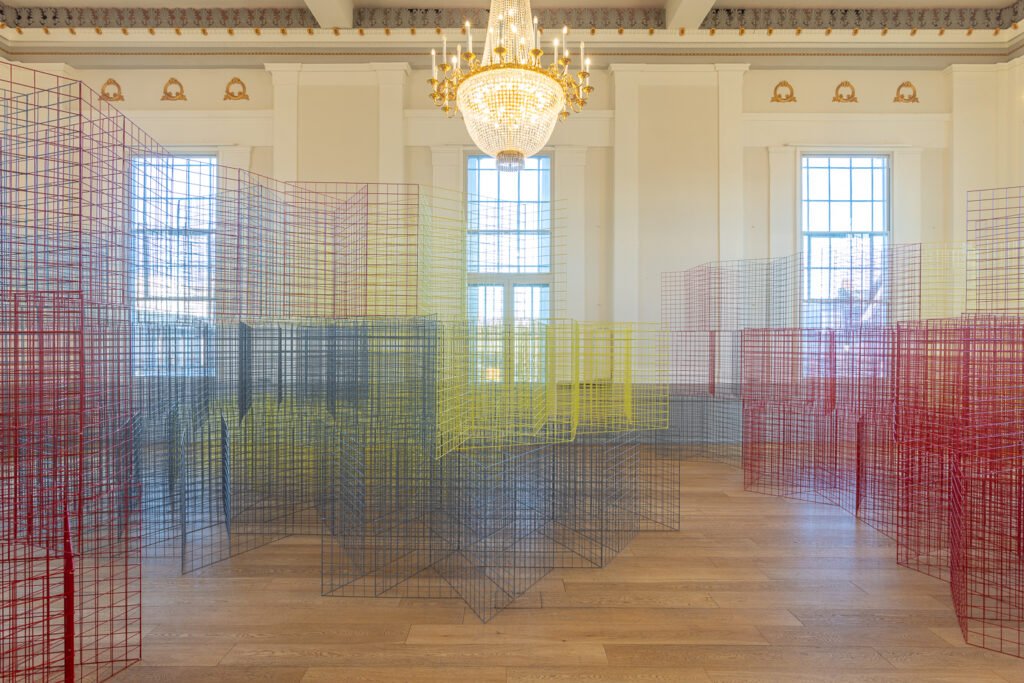
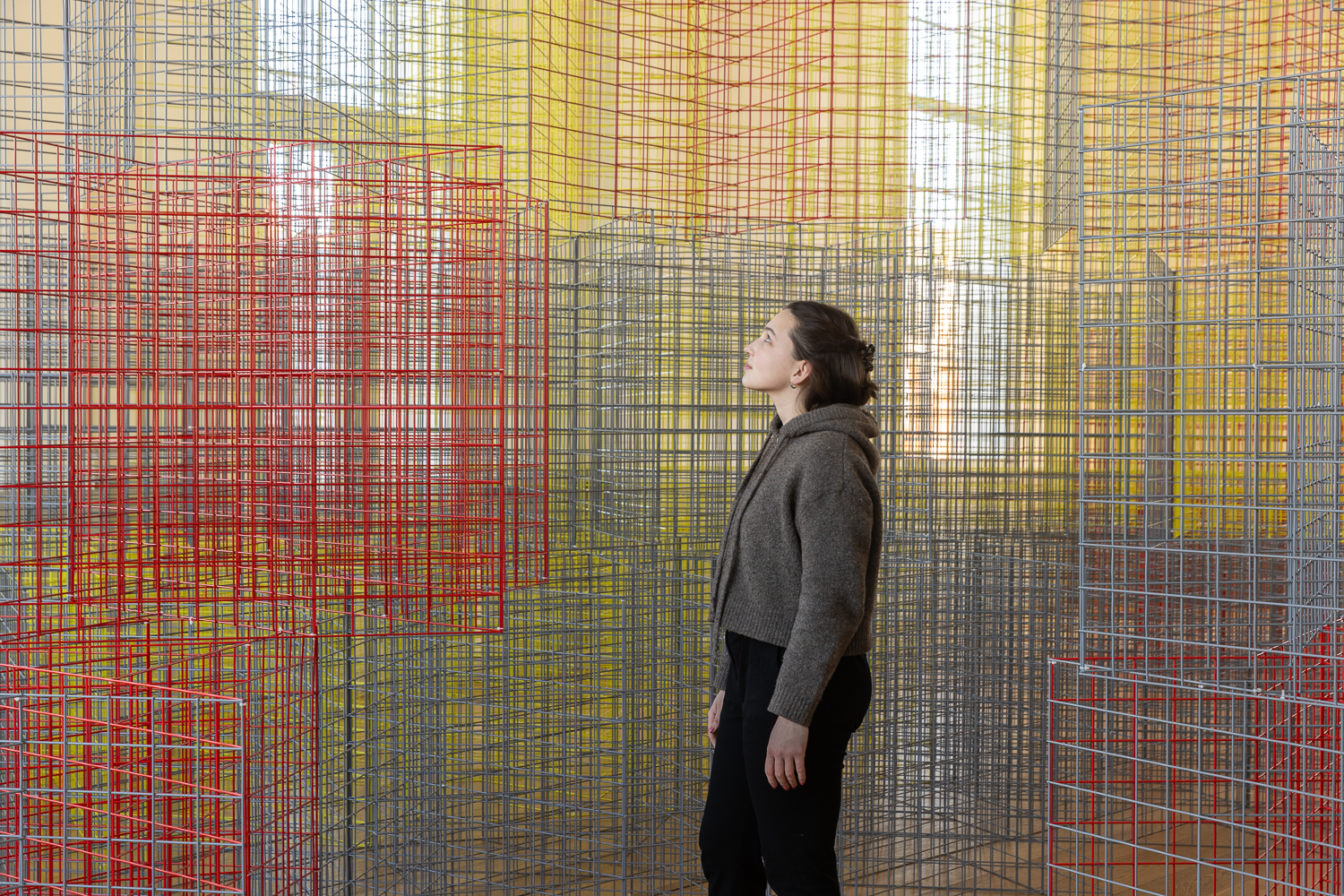
Rana Begum’s new exhibition, Ordered Form, curated by University of Hertfordshire Arts + Culture, is currently on display at St Albans Museum + Gallery. Following the unveiling of her vast and vibrant No. 670 Mesh installation in the venue’s historic Assembly Room last week, we can’t help but wonder: what exactly is Contemporary Art?
Melissa Procter, a recent fine art graduate and now marketing coordinator at UH Arts + Culture, offered her own insight.
“Contemporary Art is artwork made in the present day and the recent past. Generally, the term refers to work made in the second half of the 20th century and in the 21st century.
“Therefore, there are many different movements and styles within Contemporary Art; it is defined by its diversity and lack of one dominant idea or principle. However, the use of unconventional materials, the pushing of boundaries, and themes around both personal and cultural identity are quite typical.”
So when did this era of artwork start? “It can be tricky to define exactly when Contemporary Art begins, and there is some debate around this within the art world. Some critics and historians trace it back as far as the early 20th century. This can cause confusion with Modern Art, which characterises artwork made between the 1860s and the 1970s. As such, many define the start of the contemporary era as being somewhere around the 1960s and ’70s, marked by the emergence of movements such as Pop Art.
“Many people are familiar with Pop Art, which is arguably one of the key movements that indicated the end of the Modern Art era and the beginning of the Contemporary Art era. Pop Art was radical at the time as it used imagery from advertising, comic books and product packaging to reflect popular culture and everyday life, challenging the traditions of fine art by using ‘low’ subject matter.
“Minimalism is another key movement, often seen as a reaction against some of the movements that came before in Modern Art. It rejects the idea that art should represent an aspect of the real world, or that it should reflect an emotion. In Minimalism, simple, geometric shapes, and the use of industrial materials, like aluminium and concrete, are common and can be seen to represent qualities such as truth and order.”
Who are some of the most prominent and well-known contemporary artists?
“There are many successful, famous contemporary artists. Andy Warhol was a leading figure in Pop Art many people will have heard of. His artworks depicting items such as a Campbell’s tomato soup can, and celebrities like Marilyn Monroe, are known throughout the Western world and have been reproduced on a mass scale.
“Grayson Perry, who is well-known for his ceramics, tapestries, and cross-dressing, has become increasingly popular due to his solo exhibitions at major galleries and his various television programmes on Channel 4, such as Grayson’s Art Club which aired during the pandemic and encouraged viewers to make and share their own artwork.
“Often a controversial figure, Tracey Emin is known for her infamous My Bed installation, which was nominated for the Turner Prize in 1999.
“It gained a lot of media attention and divided public opinion because it presented her dishevelled bed littered with empty vodka bottles and cigarette packets, as well as the artist’s used underwear.”
Why is Contemporary Art important and why should people engage with it?
“There are many reasons why Contemporary Art is important. In addition to documenting a specific time in history and reflecting a range of human experiences,
“it can help to question existing ideas and norms, stimulate critical thinking, and start important conversations about the world we live in. Art is an important form of self-expression that may even predate written or spoken language, and there are many studies exploring the importance of art for our wellbeing. “Moreover, art has the power to be transformative, and by engaging with it, we open ourselves up to a rich variety of potentially life-changing experiences.”
Rana Begum: Ordered Form runs until April 14 at St Albans Museum + Gallery from 11am-5pm daily. The vast Mesh installation in the Assembly Room is available to see until until March 17.
Rana Begum explained the thinking behind the installation: “This work changes with every install, and a lot of planning and thought goes into each incarnation.
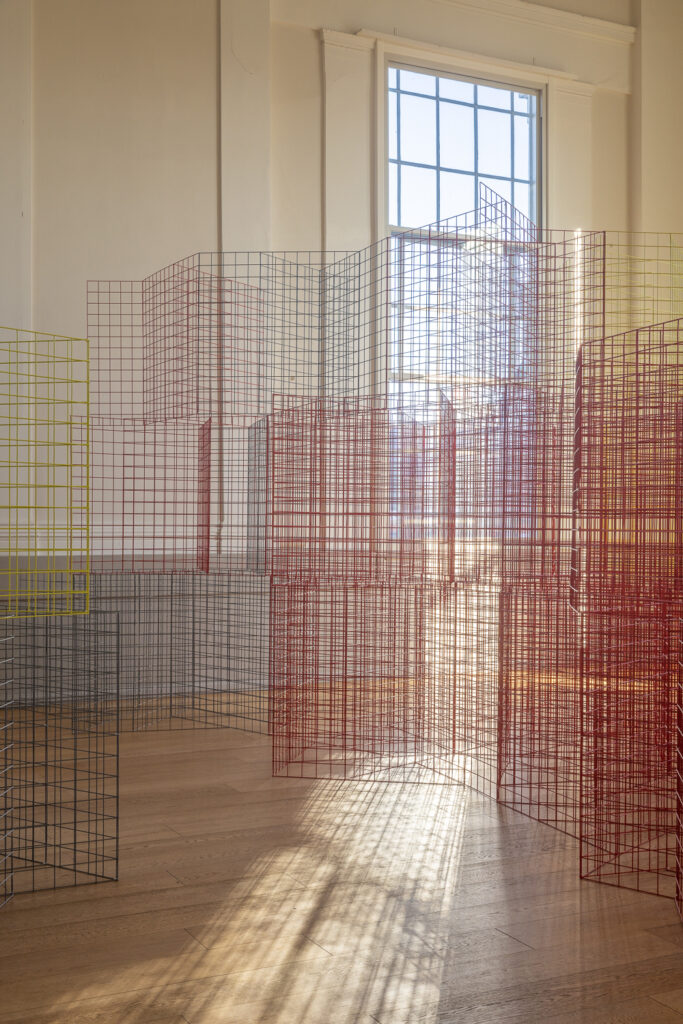
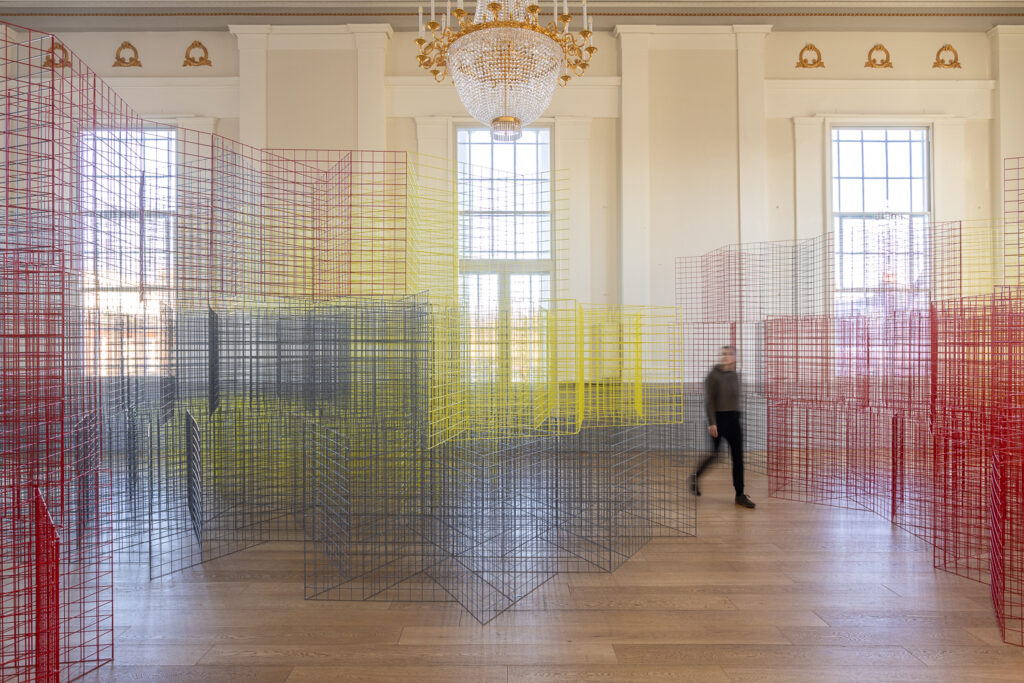
“Every time it is both thrilling and nerve-wracking, because, despite the planning, you never know what the final result will be. I’m excited by the finished piece and how the experience changes every time you see it, depending on the time of day and how the light hits the material.
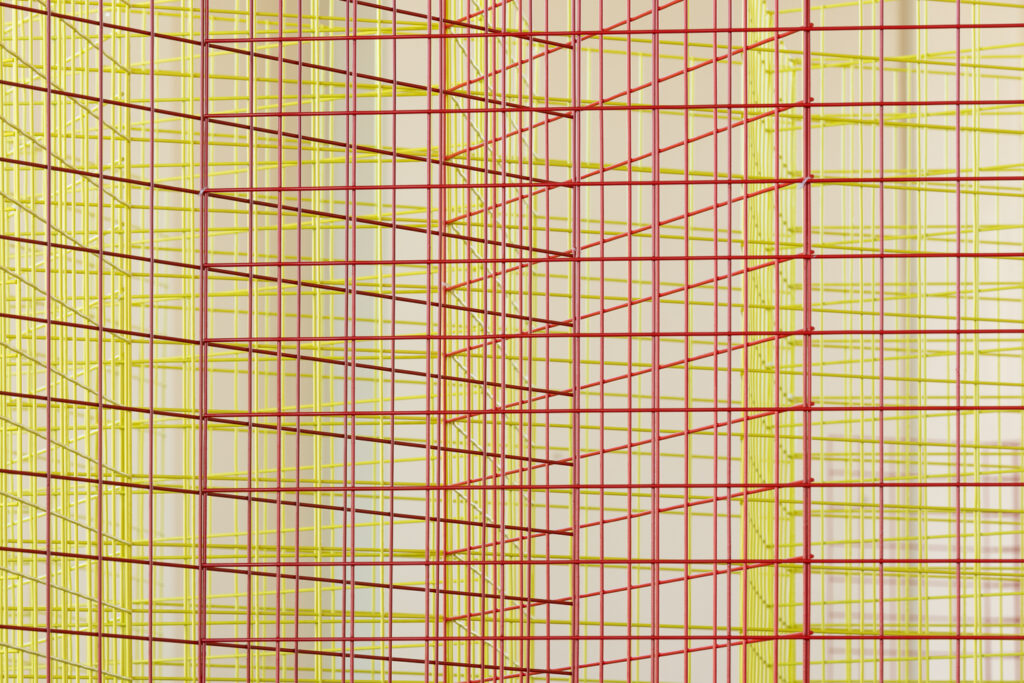
“Areas of density allow the colours to layer and merge, creating a shifting surface that moves in and out of focus depending on your perspective. I love how participatory the work is, inviting the viewer to navigate through it and experience both a sense of wonder and peace.
“This exhibition is very special, allowing me to return to St Albans and give back to the city I grew up in. It has allowed close family and friends to see my work without having to travel. I was also delighted that some of my primary and secondary school teachers came to the private view, and I’m truly thankful for them for supporting me and igniting my love of art.
“My niece even helped during the install of No. 670 Mesh which has been fun. She is a keen art student, so it’s been great for her to gain valuable experience.”
Catherine Newley, audience development manager at St Albans Museums, added: “As a space that celebrates global arts and culture it’s incredibly important that we continue to offer our visitors a wide range of exhibitions, including Contemporary Art. Our historic Assembly Room is utterly transformed with No. 670 Mesh installation and it’s delightful to hear the amazement from visitors as they enter the room. It’s an incredible spectacle and we encourage everyone to come along and enjoy the immersive experience.”
Inna Allen, head of UH Arts + Culture and curator of Ordered Form, said: “We’re overjoyed with the positive response we’ve had to Rana’s exhibition so far, and we’re sure that people will be really blown away by the Mesh installation. The bold colours and epic scale of the piece create a dramatic, immersive intervention. Visual art is so important, so we hope that people will engage with this incredible installation and feel inspired by the exhibition as a whole.”