06 Nov 2023
Deborah Heath is in awe of the Company of Ten Youth production of Mojisola Adebayo’s black history drama…
This youth production, scheduled to take place during Black History Month was a positive and bold move from Company of Ten to encourage diversity in their cast and audiences. In their central story, a group of young history students explore the origins of a ghostly presence in their common room.
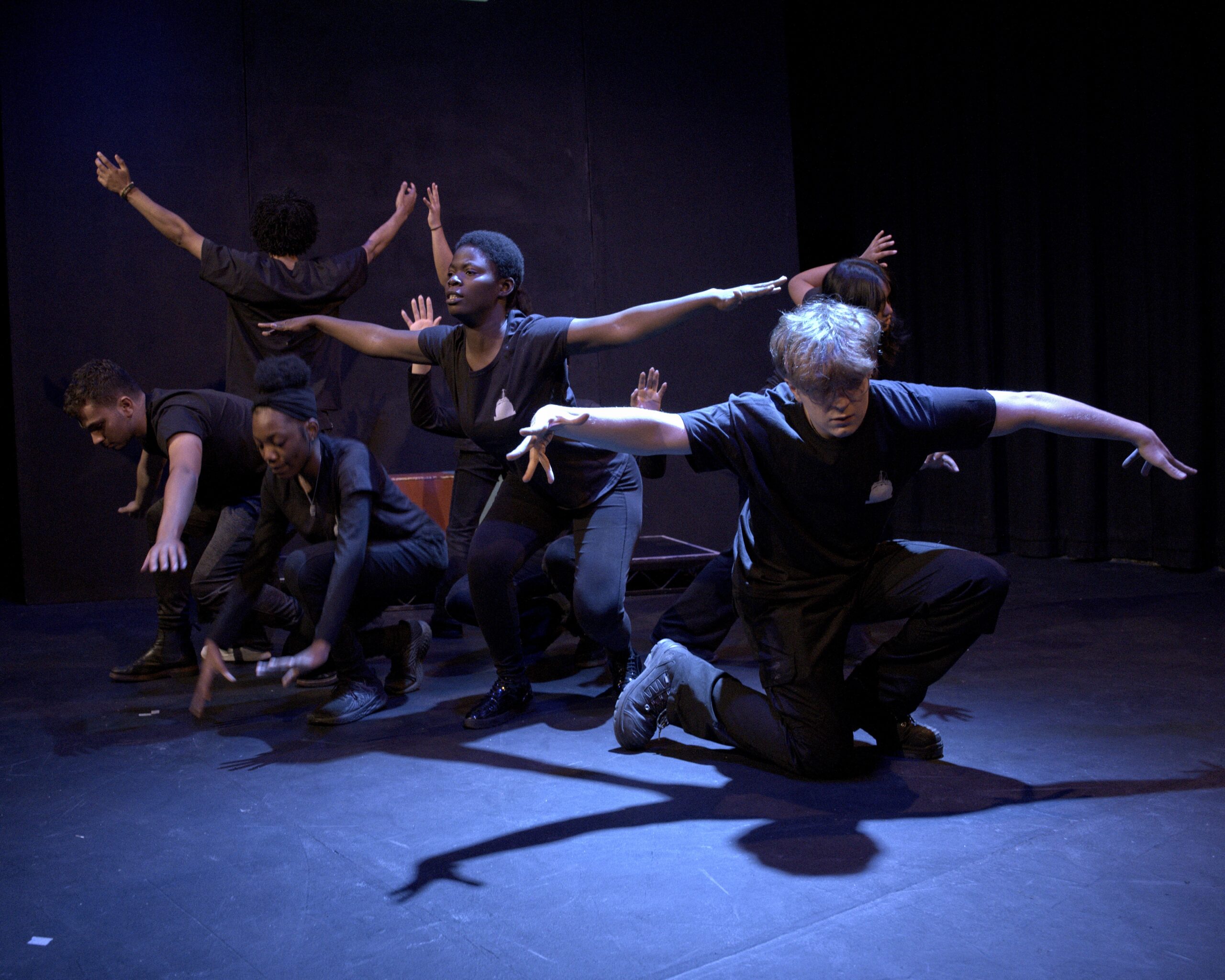
What followed were a range of non-linear historical and present day scenes which bravely conveyed the plight of the Windrush Generation and its links to other stories of slavery and discrimination that have taken place in history and still do today.
This was a massive undertaking and I applaud Company of Ten’s commitment to inclusivity in choosing a cast with a range of dramatic experience – it was a risk but one that paid off and was entirely in keeping with the nature of the play itself.
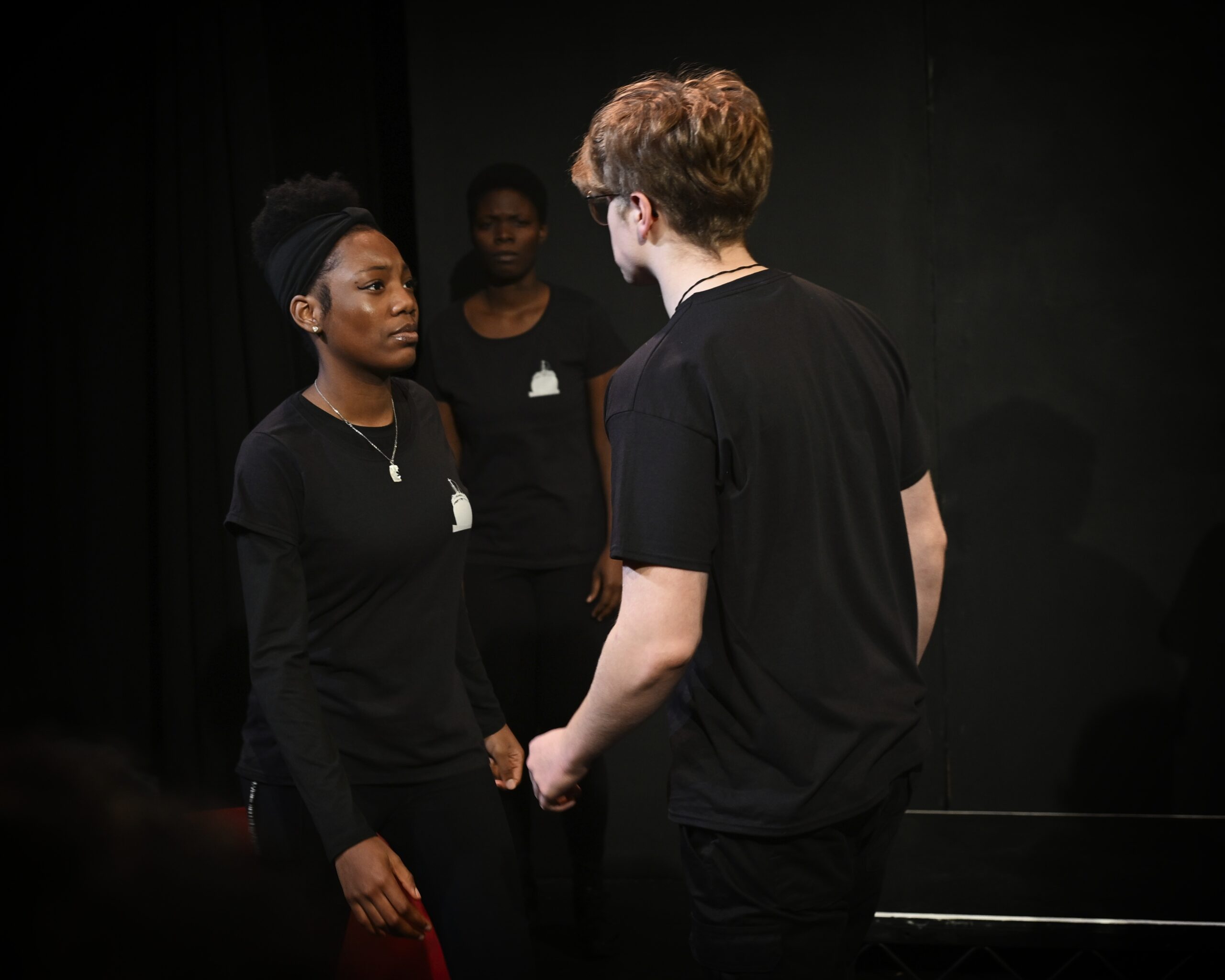
It was a real pleasure to see experienced performers working with newcomers to the stage. I got a real sense of teamwork from this cast who had clearly learned from each other under a nurturing guidance of directors Elena Markham, Sim Marsh-Henry and Tina Swain.
What they all had in common was an infectious energy for telling a story that everyone needs to understand.
I myself learned some uncomfortable truths and am still considering them now.
For instance, I had been unaware of the Windrush ship’s previous history as a 1930s German cruise vessel which became requisitioned by the Nazis during WWII. The chilling tale of how it deported Jews to concentration camps was portrayed powerfully by the cast.
The directors explain “This play is not always a comfortable watch” and they weren’t wrong. This was especially poignant given the parallels in today’s Israel-Gaza conflict – a stark reminder that this kind of discrimination is not a thing of the past. Yet, somehow this play gives us hope because it highlights how attitudes are changing and that there is power in our hands.
This was a minimalistic production which was entirely suitable for a play that changes its setting frequently. I particularly applaud the creation of the ship using one length of rope, anchored around the actors. There was a powerful indication of a Ouija board simply from the actor’s movements and reactions. Sound was kept simple too, although at times I felt it was too loud against the actor’s voices.
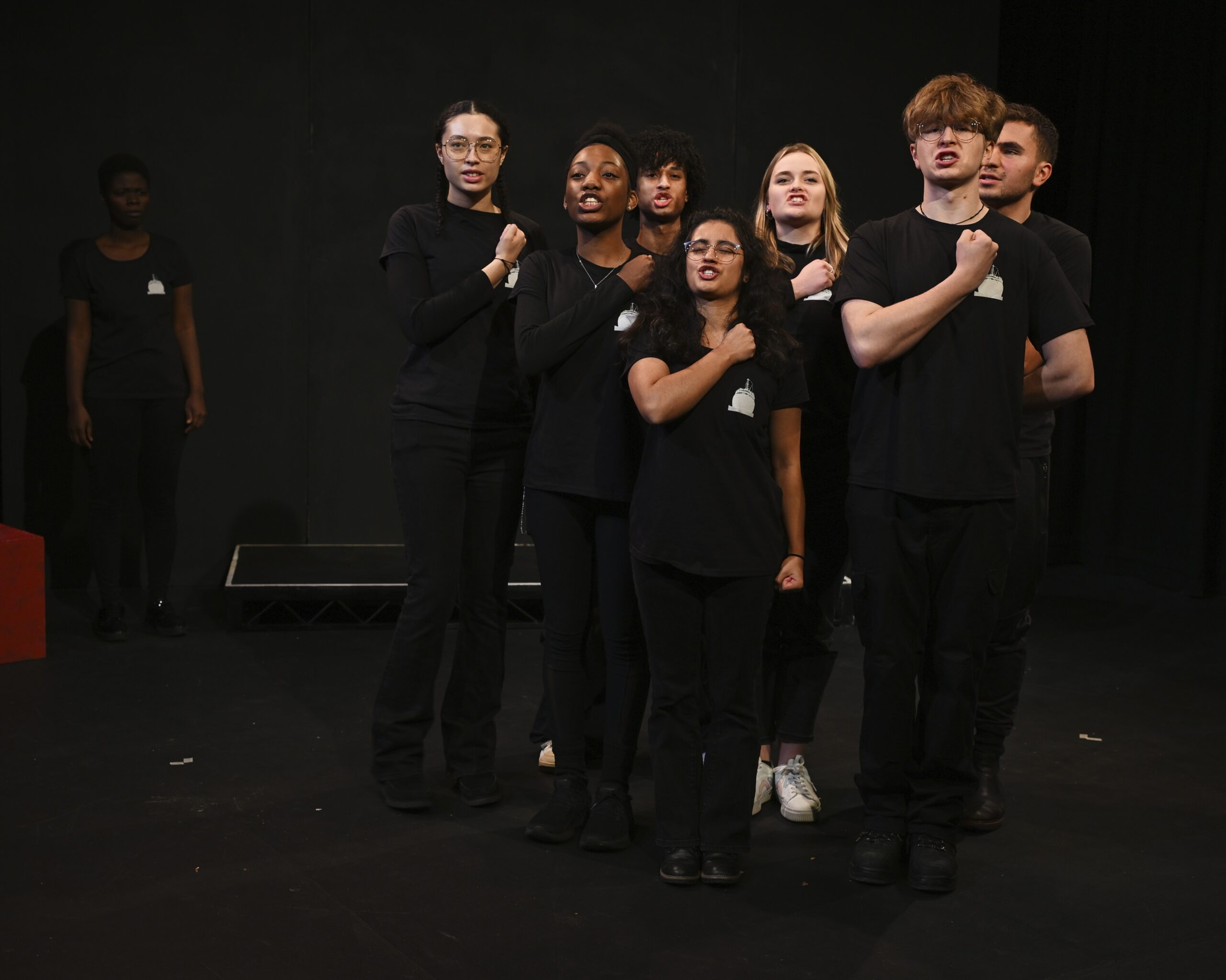
The play contained a lot of unison speaking which is something I have often witnessed go horribly wrong, particularly in the youth theatre sector. However, I was absolutely transfixed by the way in which these nine young people spoke together with an accuracy that indicated meticulous rehearsing. I was so mesmerised in fact that I found myself focussing on their rhythmic musicality rather than the words they were actually saying! However, I am sure that I was in the minority here and that playwright Mojisola Adebayo had a good reason for using this device so often. The main point is that the cast really nailed a theatrical device that has been the stumbling block of many – another indication of their strong teamwork and direction.
Other highlights for me were the Monte Rosa rocking chair monologue sections. Benedict Gaskin’s German accent was superb and his sections genuinely chilling. Krisha and Rhea Pereira’s portrayals of Rosa were strong and compelling. These three actors were clearly established and confident.
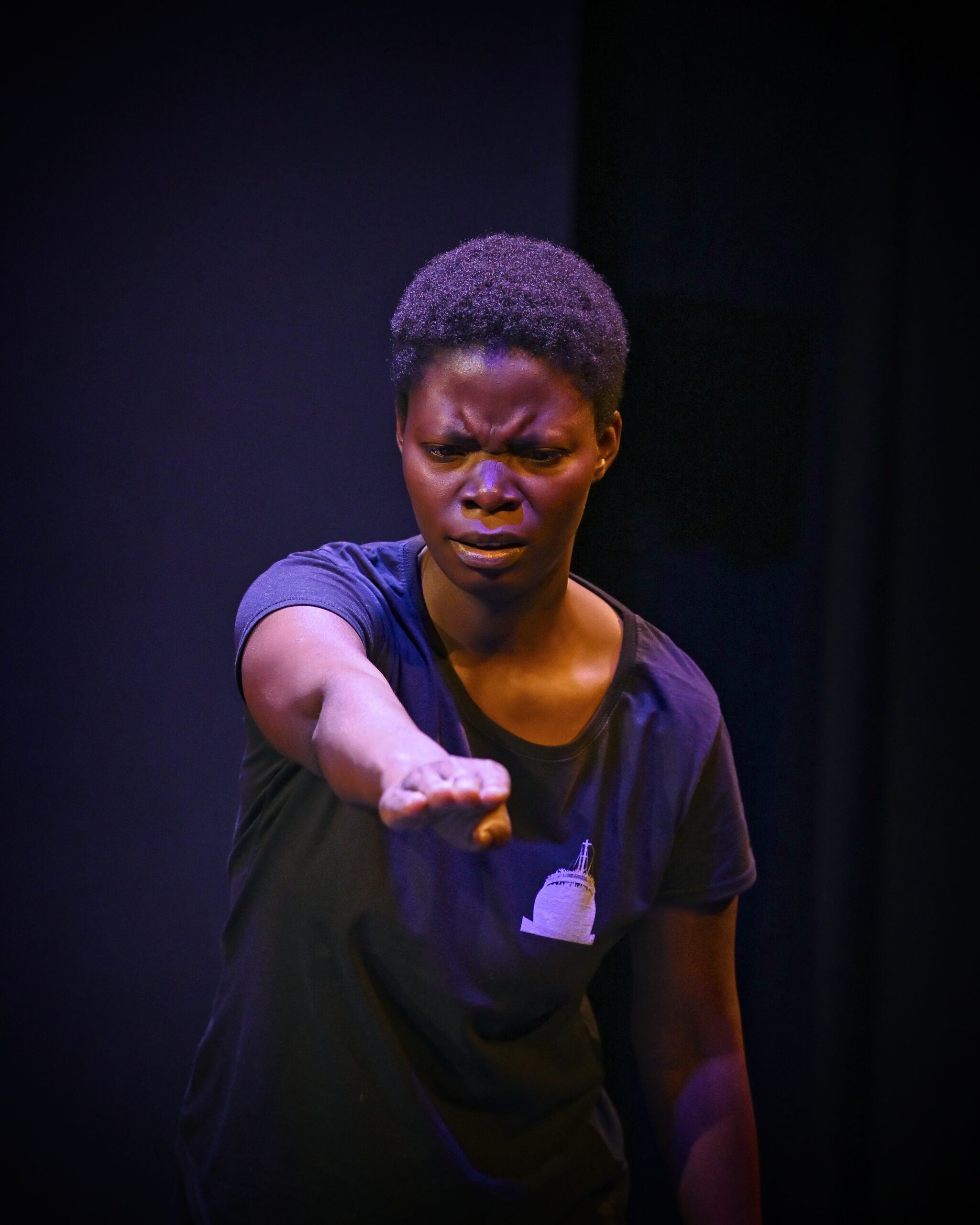
However, it is great to see Company of Ten encouraging those with less experience and I hope to see everyone else on stage again in the future. Nathan Townsend and Lois Holness had great stage presence. I admired the energy of Luca Finco, the passion of Emiola Jobi and the sensitive expressiveness of Mamley Djangmah and Sadiya Hussain.
All in all, this was a marvellous celebration of how youthful energy can tackle some harrowing subject matter. Well done Company of Ten – I hope that this will be the first of many Black History Month projects.