


14 Sep 2026
Let’s face it, the Seventies were nothing if not eventful. It was a period of strikes, power cuts and economic upheaval. Even the Beatles shocked the nation with their break-up.
But despite industrial action, power cuts causing three-day weeks, high inflation and trouble kicking off in various parts of the world, there was colour, hope and always, always there was music.
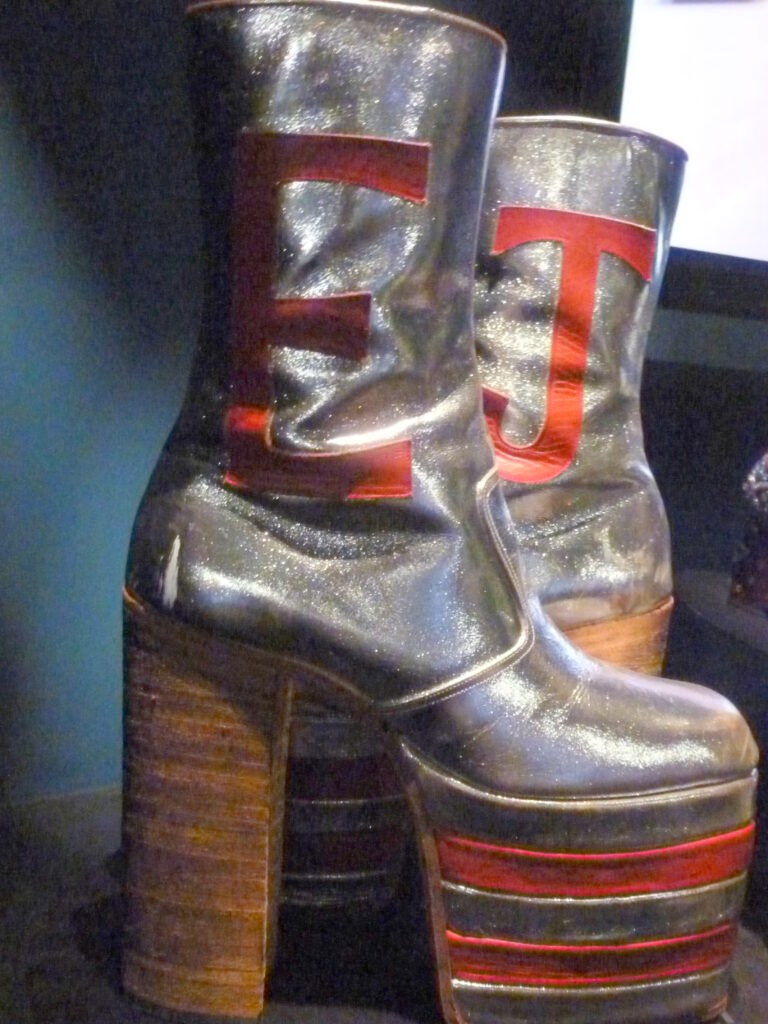
Pop stars like David Bowie, Marc Bolan in T Rex and Elton John led the way with glittering glamour rock. Their flashy fabrics, vibrant colours, long hair and make-up gave them an androgynous appeal. Elton John fully exploited the trend, wearing feather boas over sparkling jumpsuits, stomping around the stage in his signature extravagant glasses and platform boots.
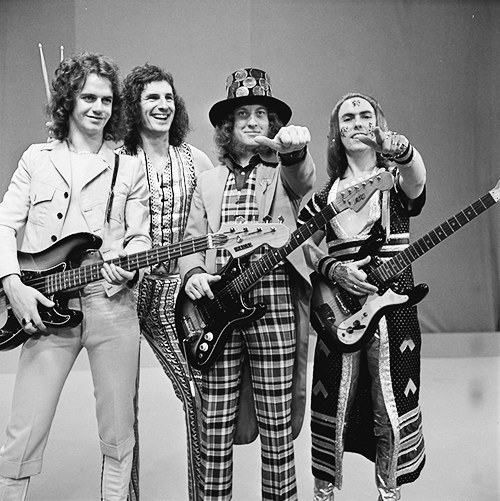
Slade had burst onto the scene with their fizzing energy, flamboyant clothes and six number one hits, including their huge, but misspelt, 1973 hit Cum On Feel The Noize. In St Albans dance halls, you could dance the night away to The Sweet, Stevie Wonder and yes, even Kung Fu Fighting. In 1974, a Swedish group called ABBA had won Eurovision with Waterloo and never looked back. A year later, Bohemian Rhapsody was released by Queen. It was a heady time for music in an amazingly wide choice of genres.
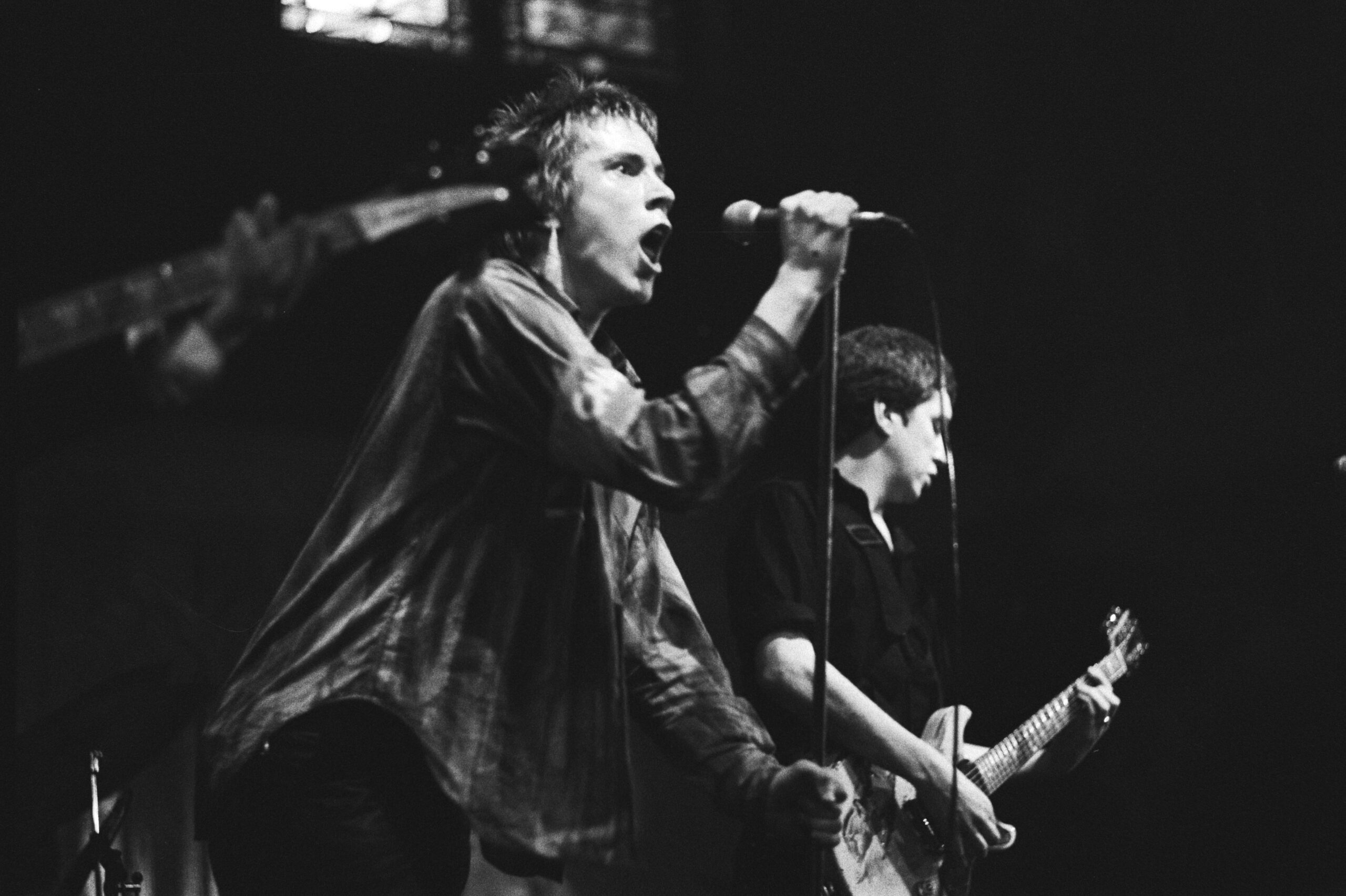
By the mid-70s, an anti-establishment movement took hold. The Punks. Malcolm McLaren and Vivienne Westwood opened their boutique, SEX, in the King’s Road. Their range of bondage trousers and aggressive slogans on printed T-shirts were worn by the band managed by McLaren, the Sex Pistols. The look spread all over the country, along with the heavily gelled Mohican haircut, often brightly coloured.
A new generation of teens glued themselves to the TV screen to watch David Cassidy in musical sitcom, The Partridge Family. Girls also screamed themselves silly at Donny Osmond performances. Even the Bay City Rollers ensured their fans incorporated tartan in virtually everything.
![The Bay City Rollers – always in tartan (GaHetNa [Nationaal Archief NL].Creative Commons CCO 1.0 Universal Public Domain Dedication](https://stalbanstimes.co.uk/wp-content/uploads/2026/09/IMG_1654-1024x817.jpeg)
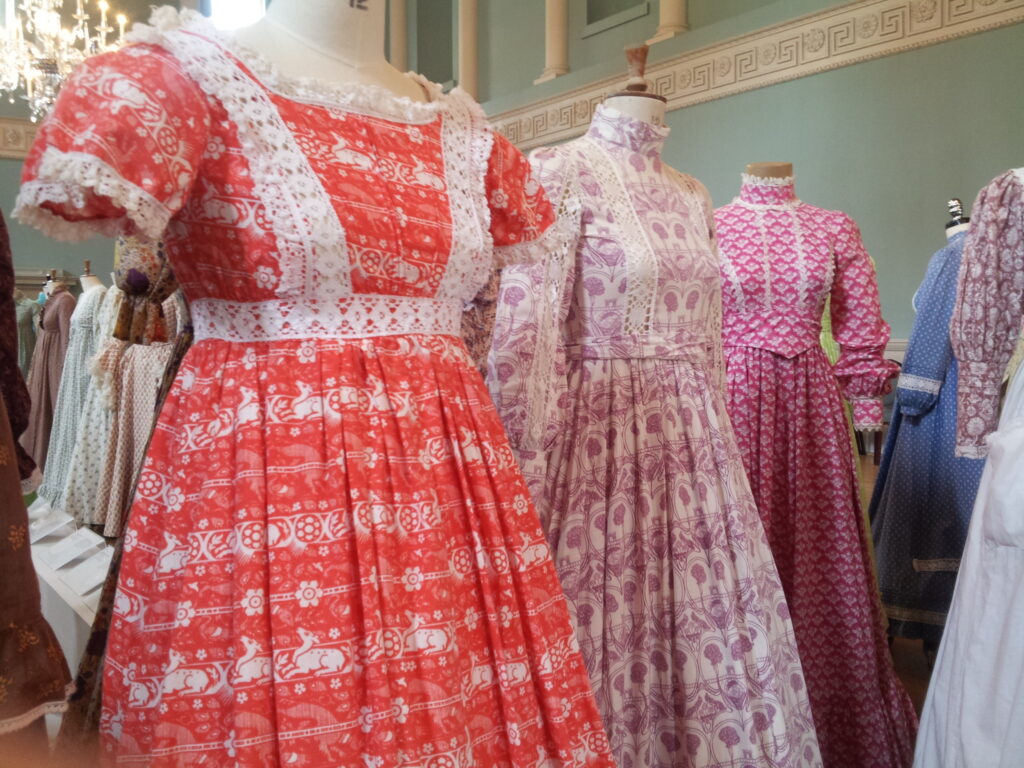
The teenagers of St Albans had a whole choice of fashion styles to choose from. If they didn’t fancy the Punk or Glam Rock trends, they could browse amongst the feather boas and distinctive satin and jersey clothes in Biba, newly opened in Kensington. For those who hankered after Victorian-style romantic fantasy and natural fabrics, there were Laura Ashley flowery dresses. These and the cheese cloth ‘boho’ look provided a relief from the heavy focus on synthetic fabrics. Otherwise polyester and crimplene dominated and oh, those vividly coloured nylon sheets with their crackle of static electricity.
license).
As always, people could create their own clothes. Crafts like crocheting, felting, smocking and hand-painting and dyeing fabrics moved from craft fairs to mainstream. The poncho arrived from South America and suddenly everyone wanted one. Batik and tie-dyeing from Asia and Africa become hugely popular. Hot pants, bell bottoms, flamboyant suits with wide lapels, kipper ties, safari suits, dresses in groovy florals in bright yellows and oranges, there was pretty much something for everyone. Well, maybe not for granny.
Despite the growing threat of television, people still flocked to cinemas to see gritty films like The Godfather or tremble in their seats at The Exorcist. By late 1975, the menacing theme music of Jaws sent shivers through the auditorium. For audiences who wanted something less terrifying, there was the cosy comfort of The Railway Children or a succession of Carry On films.
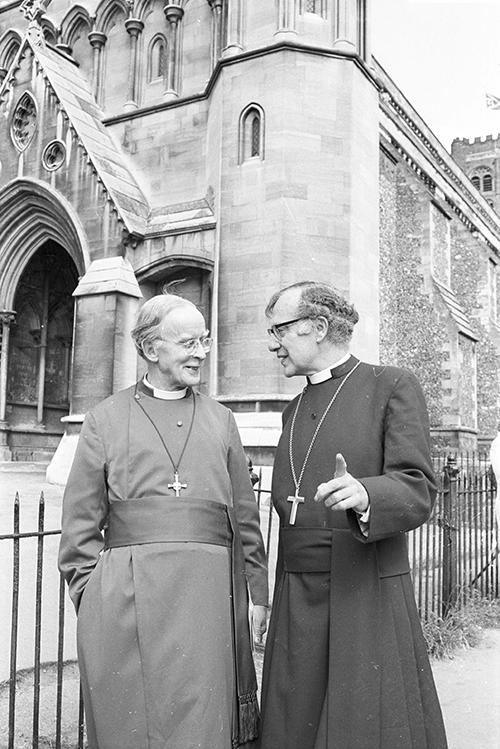
In St Albans change was also afoot. A new Bishop, Robert Runcie, arrived in 1970 and remained throughout the decade, before his promotion to Archbishop of Canterbury. He was to achieve worldwide TV fame as the priest who married Prince Charles and Lady Diana Spencer, but later retired to St Albans and is buried in the Cathedral graveyard.
People from southern Asia began to arrive, recruited by local factories in need of labour.
There was an Asian food shop on Hatfield Road, but otherwise few facilities for this new community. With no shops selling traditional clothing, the women bought fabrics in the market to make their own.
CAMRA (the Campaign for Real Ale) was founded by four enthusiasts at the Farriers Arms in Lower Dagnall Street to champion traditionally brewed, high quality beer, which seemed to be disappearing from pubs. They campaigned from their offices above a bicycle shop in Victoria Street, enlisting over 30,000 paid up members and many more supporters.
In 1971, to great acclaim, St Albans’ first indoor swimming pool opened at Westminster Lodge, so that swimmers no longer had to brave the cold in the outdoor pool in Cottonmill Lane.
A local landmark disappeared when the gas works at the bottom of Holywell Hill closed, no longer required with the move to North Sea gas. The site was cleared when the buildings were blown up, rather appropriately on the 5th of November.
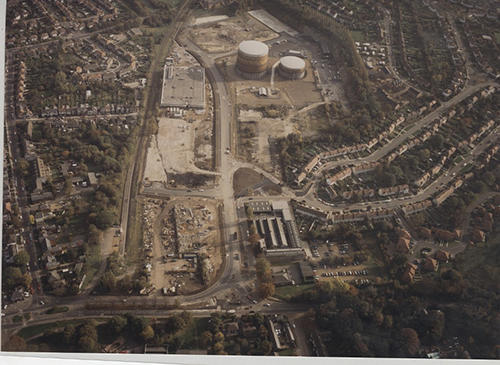
This paved the way for Sainsbury’s to close their shop in St Peter’s Street (now Costa Coffee) and build a new supermarket. And the city centre lost another shopping institution when Blundell’s department store in the High Street closed to be replaced by Heritage Close.
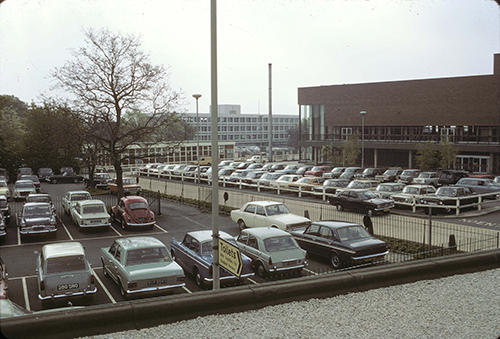
For the local council, managing the competing claims of progress and heritage continued, in particular the need to cope with increasing amount of traffic. New parking space had been created when City Hall (now the Alban Arena) was built, but it was not enough. When the cattle market in Drovers Way finally closed in 1970, the council seized the opportunity to build the city’s first multi-storey car parks. Maybe not the best example of 1970s architecture?
Nationwide, a change in the law meant that eighteen-year-olds could now vote. Life slowly (very slowly) improved for women, with the Equal Pay Act passed in 1970. By 1975, the Sex Discrimination Act tried to stop discrimination against women in work and education. Banks could no longer refuse mortgages to single women or demand a signature from a father or husband.
Things were moving on, but there was more change to come….
History in colour: www.stalbanstourguides.co.uk
