09 Sep 2026
Charity Hearing Dogs for Deaf People is calling on St Albans dog lovers to open their homes – and their hearts – to some of its most extraordinary dogs: the charity’s ‘supermums’, who are responsible for bringing the next generation of hearing dogs into the world.
Hearing Dog mums play a vital role in the journey of each hearing dog. Their puppies go on to become lifelines for deaf people, alerting them to vital sounds, such as smoke and fire alarms, providing them with companionship and emotional support, and rebuilding their connection to the world around them.
Fostering involves welcoming a breeding dog into your home and caring for her – especially during the exciting time when she gives birth, then helping her raise her puppies and playing a crucial role in their early development before they go to live with one of the charity’s volunteers at the age of eight to 10 weeks. After her last litter, foster carers can adopt the hearing dog mum as their pet dog.
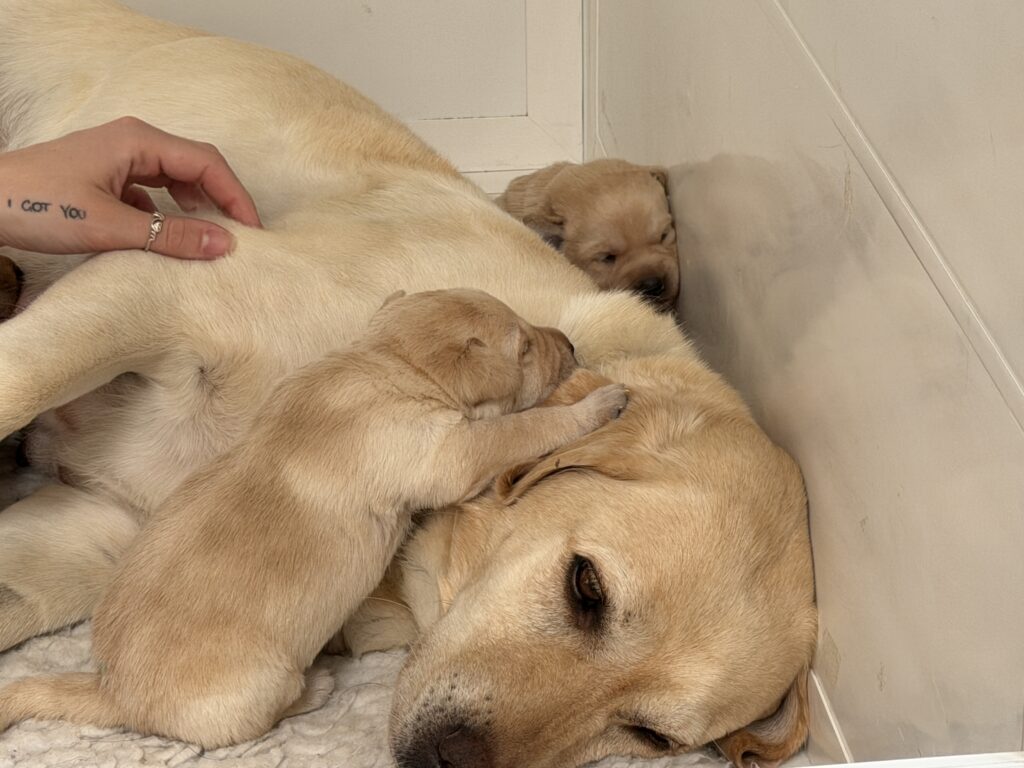
St Albans resident David Egenes (pictured) and his wife Joan first heard about the charity when two of their neighbours volunteered as Hearing Dogs puppy trainers. They fostered mum Luna, a yellow labrador, in 2022, who has just had her final litter of puppies – four boys and three girls.
David said: “Luna’s a lovely dog – very relaxed and friendly – and a great mum.
“For 10 months of the year, fostering is similar to having a pet dog. There are only two months when you’re busy with the birth and the pups.
“When the puppies are born, it’s pretty special. By the time they are three weeks old, their eyes and ears are open and then they toddle around – just flopping down for a snooze or walking on top of each other!
“Luna’s puppies are six weeks now and we’re starting to see their little personalities coming out.
“Part of our role is to introduce them to sights, sounds and smells so they become familiar with them, so we play them sounds of music, fireworks and thunderstorms.
“The support from the charity has been fantastic. They fund all the costs, and the welfare of the dogs is clearly paramount. I often joke that the dogs have more medical and welfare checks than us humans!”
Hearing Dogs breeds the majority of its own puppies. The charity has found that cockapoos, cocker spaniels, labradors and poodles are the breeds best suited to becoming hearing dogs. They are highly responsive to sound, eager to learn, motivated by positive rewards and thrive on close companionship with people – all qualities that help them excel in the role.
Breeding scheme manager Charlotte Perrottet said: “Every hearing dog’s journey starts long before they begin formal training. It starts with an exceptional mum, a dedicated fosterer and a home where puppies are given the time, care and opportunities to develop during those all-important first weeks of life.
“Fostering a hearing dog mum is a unique and incredibly rewarding experience. Our foster carers help us introduce the puppies to the world around them in a safe and loving environment. They gently teach them to embrace new experiences so that they grow into confident, adaptable young dogs, while giving our hearing dog mums the support they need to raise healthy, happy litters. It’s a role that has an impact far beyond those first eight weeks, and we’re incredibly grateful to every volunteer who chooses to be part of that journey.”
Foster carers don’t need any previous experience – the charity provides full training and 24/7 support, including guidance during the birth. A dedicated breeding scheme advisor will be on hand to help every step of the way.
Hearing Dogs provides all food, bedding, whelping and puppy equipment, medical expenses, treatments, grooming and insurance for the dog and her puppies. The charity asks fosterers to provide a safe and comfortable home where she and her puppies can thrive, as well as a secure garden for exercise and play.
Fosterers should be prepared to dedicate some time and energy to supporting the mum’s ongoing development, including helping her maintain her training.
To begin with, very young puppies in the nest should not be left at home alone. At this stage, they are entirely dependent on constant care and supervision to support their health, wellbeing and development. If you need to go out, another responsible adult in the household over the age of 18 – should stay with them.
As the puppies grow and become more independent, particularly as they approach seven or eight weeks of age, it is reasonable to leave them for short periods, such as popping out for the school run or a small food shop, before returning home promptly, as their routine allows.
If you have room in your heart for a very special Hearing Dogs mum, the charity would love to hear from you. This role is more than fostering a dog; it’s playing a crucial role in an extraordinary journey from day one.
To find out more about fostering, to speak to a current foster carer, or to find out more about the charity’s other volunteering opportunities, please visit the website, contact the Volunteering Team at volunteer@hearingdogs.org.uk or call 01844 348129.