03 Sep 2026
Elena Hogg, founder of local culinary company FOOD by Elena, has returned from her family holiday full of inspiration…
We arrived home a few days ago from beautiful, rugged Crete. The landscape was almost other-worldly: craggy mountains covered patchily with scorched vegetation towering over rocky promontories or sweeping beaches met by crystalline, warm waters.
We hired a car for a couple of days during our week’s stay and, driving around the north-east of the island, we were astounded by just how much land is taken up with olive trees. They stretched as far as the eye could see in almost every direction, with their gnarly trunks and dusty-green crowns adding to the near-prehistoric, Jurrassic Park-esque scenery.
It’s somehow incongruent that these rough-hewn, weathered trees produce the pure, silky-slick nectar that is olive oil. We were lucky enough, while in Crete, to visit the Vassilakis family estate: an organic and sustainability-driven producer of an awful lot of olive oil.
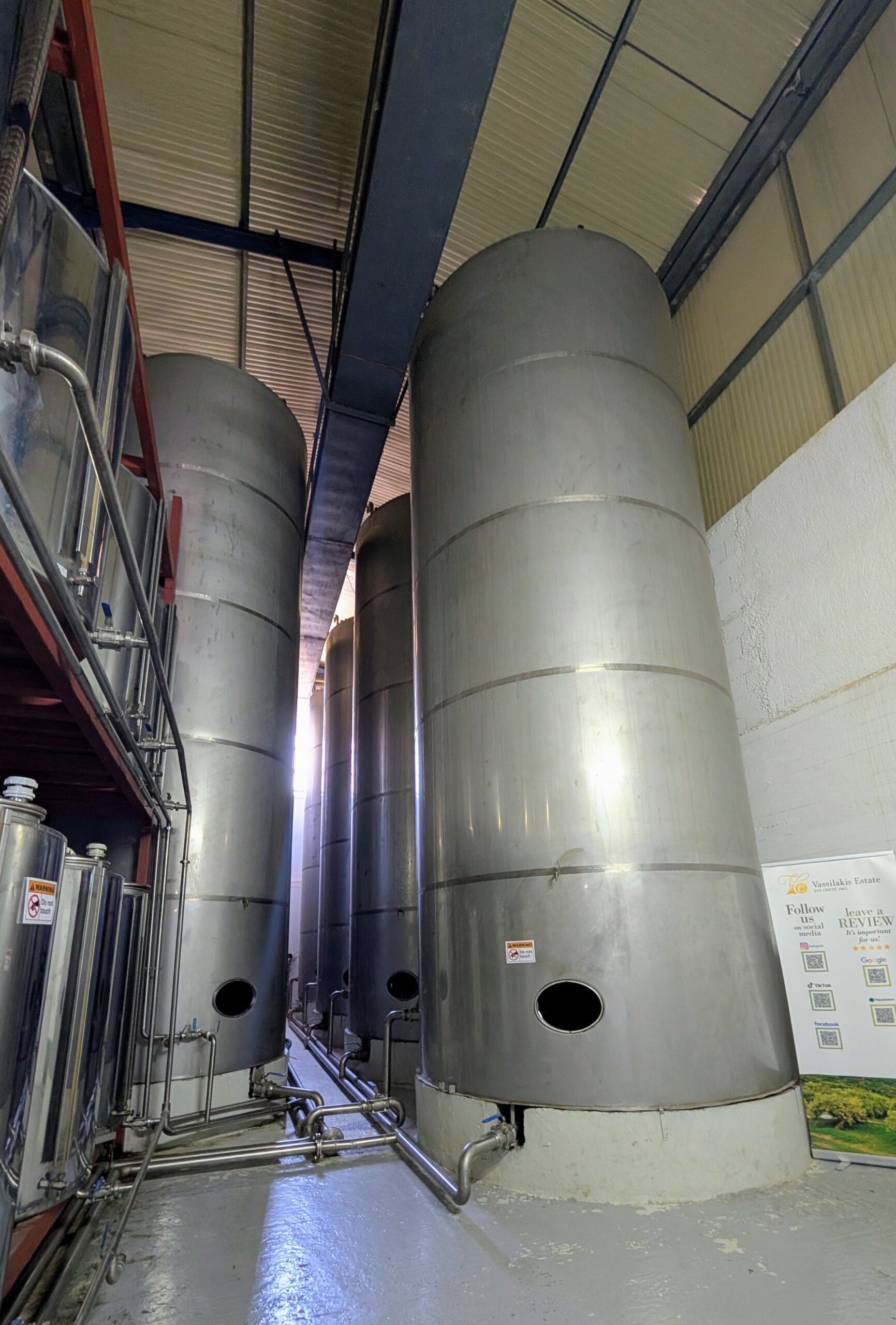
I can’t quite recall the exact numbers our tour guide gave us, and a quick online search reveals the factory’s exact output is not publicly disclosed, but I do remember the huge stainless steel cylinders that each house 10 thousand litres of oil.
What surprised me the most about the process was how fast it is. The olives are collected and pressed, then the resultant paste is separated and filtered all on the same day. They don’t bottle their oil immediately, preferring to store it in the aforementioned gargantuan cylinders because it keeps better in those, and they bottle the oil to order, effectively.
They also treat their olives with huge respect.
They talk of the trees being ‘part of the family’, and their olive harvesting proves it: rather than harsh machines that shake the trees (and cause them trauma), the workers use special brushes to essentially comb the olives from the branches. It’s a pampering session more than a collection process.
We greedily accepted the offer to try the olive oils they produce. The estate collaborates with about 500 small tree-growers in the area and make an oil that combines everyone’s olives, which was delicious. It was more yellow than green (though nothing as pale as sunflower oil), and had a mellow, rounded flavour.
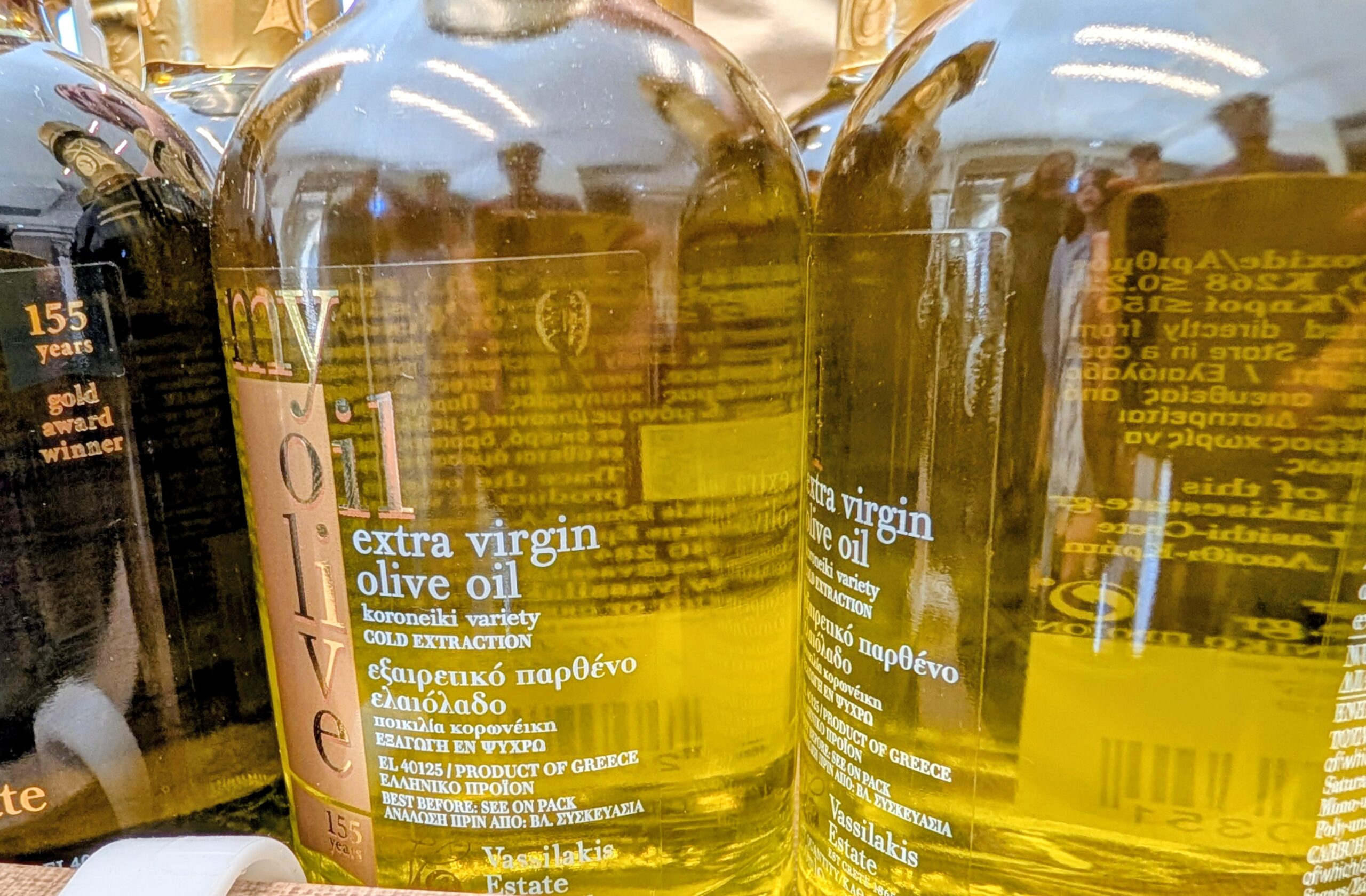
They also produce bottles of oil made with only one kind of olive – the Koroneiki olive – which is the olive oil version of a single malt whisky, as opposed to a blend.
We were compelled to buy a bottle of it – a rich, dark green colour and so full- flavoured. Like with wine-tasting, I could discern different flavours coming through as it journeyed through my mouth – balmy, fruity notes to begin with, finishing with a peppery heat at the back of my mouth and down my throat as I swallowed. Hugely pleasurable and more complex than I’d expected.
Interestingly, we learned that the difference in flavour is largely due to how early or late the olives are harvested. Olives that are collected early in the season (around November and December) produce a greener, grassier and spicier oil, while the milder, yellow-coloured oils come from olives harvested in January and February.
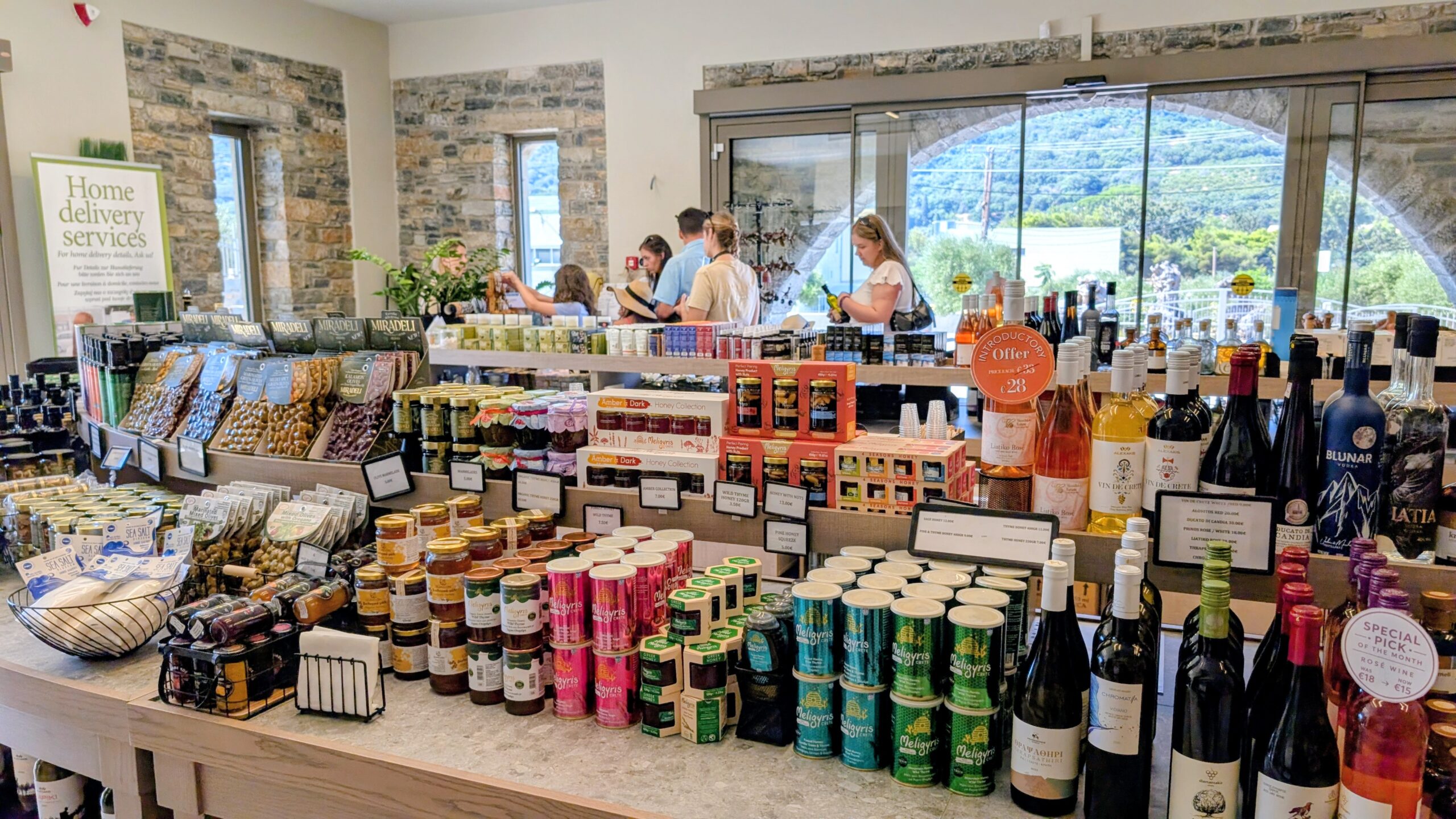
The olives used to make the single-origin oil we fell in love with were also on sale for eating, in vacuum-sealed packs, but our (very honest) tour guide said they have a big stone and only a thin layer of flesh, so other varieties are better for eating.
Another product we were able to taste was their olive marmalade; a savoury, salty olive flavour rendered sweet and jammy. It was so surprising in my mouth that I was obliged to buy a jar. Rather than necessarily on my morning toast (because Marmite holds that role for me and always will), I am looking forward to it on my weekend cheeseboard.
Our tour guide talked about the world’s supply of olive oil and how Greece is the third largest producer (with Crete accounting for 60 per cent of Greece’s output), but she proudly declared that, in terms of quality, Greece comes first.
My Italian DNA prickled a little at that, but that’s for another column, and I have to admit, the little bottle of (rapidly depleting) unctuous green liquid we brought home from holiday is certainly flagging that further research is required. Don’t mind if I do – pass the bread for dipping.