


22 Aug 2026
It’s usually the case that the summer Parliamentary recess offers MPs of all political parties the opportunity to take a pause on the shenanigans of Westminster, enjoy some extra time in their constituencies, and refocus ahead of a return to the Commons in September.
This year, however, all eyes remain on firmly fixed on the new Prime Minister Andy Burnham: scrutinising his every new policy announcement, examining his past comments, and trying to predict what to expect from his new Government.
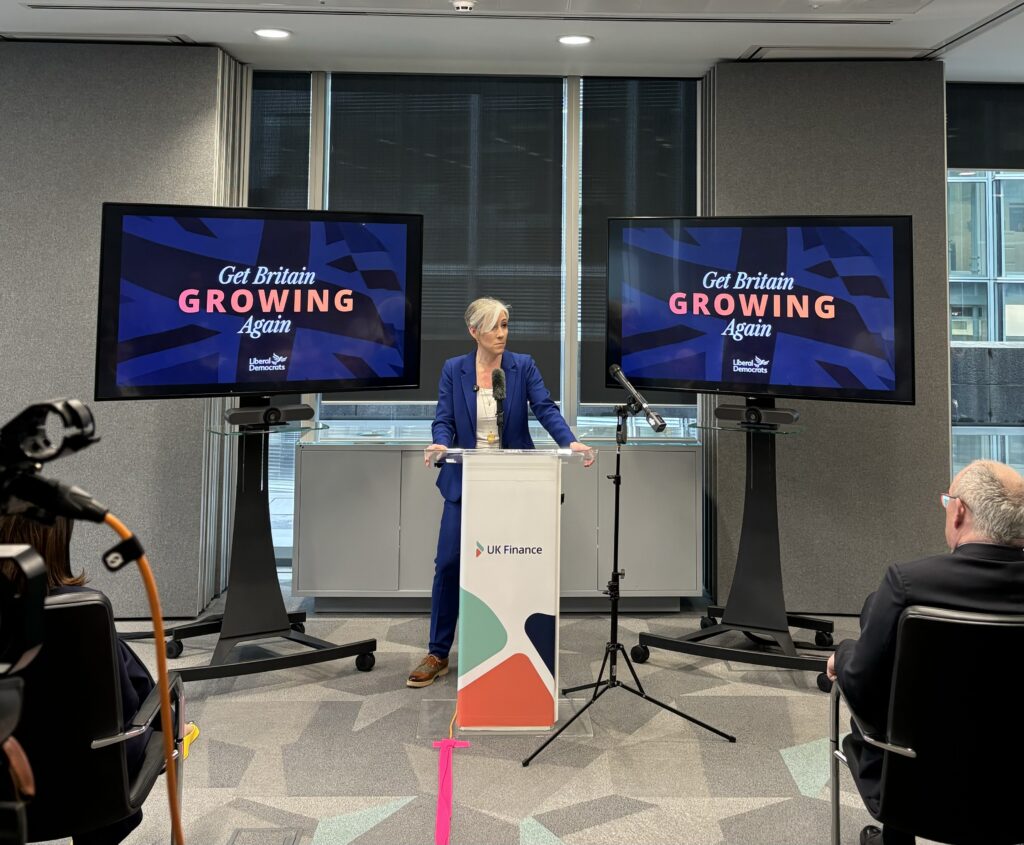
For St Albans MP Daisy Cooper, who is also the deputy leader of the Liberal Democrats and their shadow Treasury spokesperson, that has meant a string of national media interviews on television and radio, coupled with an unexpectedly busy local caseload for this time of year, resulting in a summer which has been less of a break, but more business as usual.
She is in good spirits though, when we catch up at her constituency office in St Peter’s Street, overlooking the war memorial from an 18th century building which ironically was once the city’s parish workhouse.
Although there are local issues on our agenda, it’s hard to ignore the implications of a new and untested Prime Minister taking the reins of power just weeks after his election as an MP.
Speaking to her at Christmas, she said then that the writing was already on the wall for Sir Keir Starmer’s time as PM, and today her predictions have played out largely as expected.
“After the Government’s second Budget, which was another disaster really, I was pretty convinced that Starmer was going to go after the May elections.
“There were a couple of weeks earlier in the year when it looked like he might actually go even sooner, and one week where potentially he might have been out by the end of the week, and as it turns out he stuck it out until the local elections.
“But as soon as Andy Burnham put his head above the parapet back in February, we’ve just been stuck with this bundle of contradictions as we’ve had a Prime Minister who was in office but not in power.
“We’ve had a Government that has been pushing through a major structural overhaul of our health service, local government and pension schemes, all reforms that make absolutely no difference and no impact on people’s everyday lives. The frustration that people feel about the lack of change has perpetuated and has expressed itself in people voting for almost every other political party going.
“The last few months have been a real mess. As soon as it became clear that Andy Burnham was going to become Prime Minister after he won the Makefield by-election, there’s been a very strange feeling in Parliament.
“I would say that Labour MPs are very giddy in a way where they are massively relieved that the bad thing is over, but they’re not really sure what comes next.
“So there’s a kind of paralysis at the moment, but they’re also trying to project this sense of new energy, even though nobody really knows what Burnham’s going to do.
“He’s sending some of the right signals, but it’s not remotely clear what choices he’s going to make later in the year, and I think most Labour MPs in the Government themselves don’t know what decisions he’s going to make. So we’re in a bit of a holding pattern, I would say.”

Given the wasted opportunities of the past two years, does she expect the Government to press reset and pretend they’ve come clean out of an election?
“Well time will tell. I think the Labour Government have made a lot of mistakes, but one which is very pronounced is they didn’t focus on change that affected people’s lives. Over the past couple of weeks, Andy Burnham has sent signals that he understands that, but many of the policy changes he’s announced have been very small.”
As a Liberal Democrat who believes decisions should be made close to people, she is obviously in favour of his policy of devolution, transferring power from Whitehall to “every postcode in the country”, but cautious about the immediate benefits.
“I’m pleased that’s something he wants to pursue, but people won’t feel the benefits for a few years’ time, possibly even before the next General Election.
“While he passionately believes in devolution and can be an advocate for how powerful it can be in the long term, at the same time he needs to demonstrate that he will pull some kind of level to make an immediate different, and it’s not remotely clear yet what that’s going to look like.”
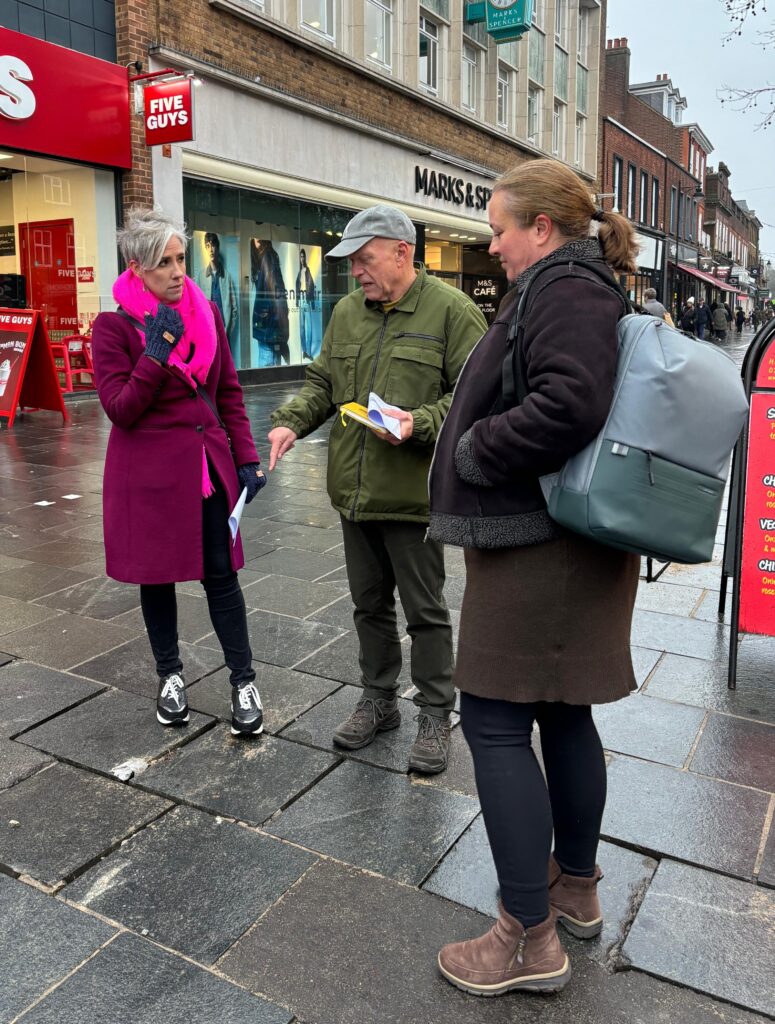
Normally by the midpoint of a Government’s tenure, the drumbeats of a General Election would start to be heard from Westminster, but at the moment this hasn’t happened, leaving a sense of confusion about what to expect under Burnham’s helm.
“They’ve had two major Budgets and two King’s Speeches, and all of them have disappointed. So are they going back to the strategy of just trying to hold onto as many seats as they can – steady as she goes – or will there be a chaotic, dangerous and divisive party running the country? No one really has an instinct as to what Andy Burnham’s going to do, and I think here in St Albans, as in the rest of the country, people are holding back judgement for now, but he’s got a very short window within which to turn things around, and I think by Christmas the country will have made up its mind whether it’s yay or nay.”
What we have seen is a cursory move towards helping the beleaguered hospitality industry by offering 20 per cent off their business rates, which actually only translates to about £1,000 off their already staggering annual bills.
In response to this announcement, Save St Albans Pubs spokesperson Sean Hughes told the St Albans Times that much more needed to be done to help the industry: “Andy Burnham says Britain needs a 10-year plan. Well we say hospitality needs a 10-year plan which includes business rate reform, reduction in VAT and an overhaul of employment taxes to ensure that businesses can grow and we can return to being the biggest employer of young adults.
“Under this Government the average age for a person working in hospitality is early 30s where it used to be early 20s. The 10-year plan must enable hospitality businesses to be able to invest in the future; something that they can’t do currently as they are just about surviving.”
Daisy is well known for her outspoken push for major business rates reform, but after campaigning for years with no real sign of change, does she think we are reaching a turning point or will she be continuing to hit her head on the table for the foreseeable future?
“It’s too early to tell. I simply don’t know what Andy Burnham’s instincts are on this. His initial announcement of 20 per cent off business rates sounds like a big number, but it really doesn’t touch the sides, so it was a nod in the direction of hospitality and admitting the Government had got things wrong, but it was also a sign that he doesn’t know if he can achieve bigger reform.
“He’s talked before about the need for a VAT cut for hospitality and overhauling the broken business rate system, but whether he’s got the courage or time to do it we’ll know by the end of October.”
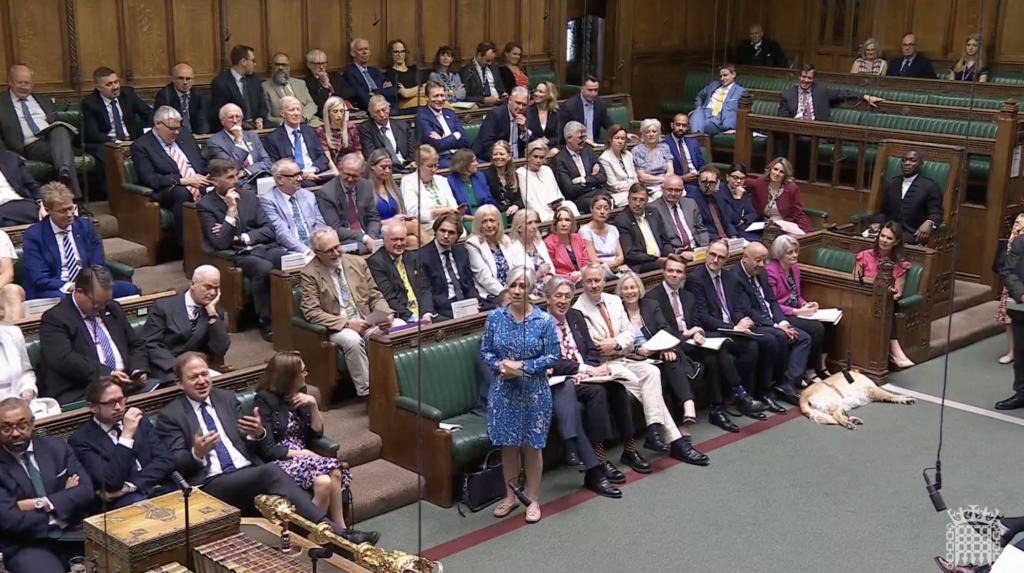
Daisy is also passionate about supporting our high streets as civic spaces where people from all backgrounds can come together, and of course hospitality businesses play a huge part of this.
“High streets provide the opportunity for communities to see people that they don’t normally see, binding us together so that we have a collective narrative about where we live, the kind of people that we are, and what we represent as a place.
“At their heart are the hospitality businesses where people go to form memories. They go there to fall in love, for divorce parties dare I say, for wakes and remembering loved ones. People remember the restaurants and pubs they’ve been to, and they’re part of the rites of the passage of life.
“At a time when our political debate is so divided, at a time when communities feel divided, to have a rich network of hospitality in your high street is something that we should really value for its social capital, and not just for its economic capital, which it has as well.
“I’ve made that argument passionately for years now, and I just hope so much that the Prime Minister and his Chancellor hear that message.”
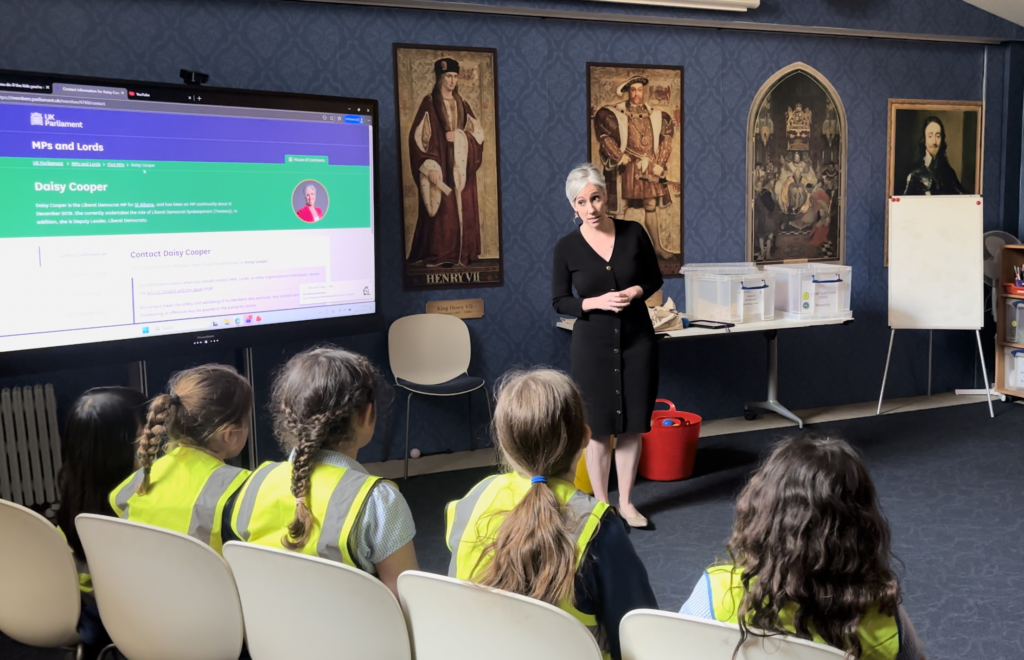
Moving on to the issue of Local Government Reorganisation, which is set to dominate the activities of local councils for the next few years. The model agreed for Hertfordshire is for four unitary authorities – with St Albans and Dacorum forming one and picking up responsibilities from Herts County Council – which is not what Daisy wanted to see, preferring just two bodies. Now that it’s been approved, can she see it working successfully?
“The first thing to say is that I think it’s a massive distraction, as I would much rather have a Government that was focused on improving outcomes for people and for families, whether that’s through special educational needs or social care, rather than big top-down reorganisations, which always cause disruption to services.
“When you get disruption in these services that support vulnerable people, they turn up on my door because they can’t get through to the right person because they’ve changed their job or their job title’s moved and all the rest of it. So I’m braced for impact in terms of the families that will be affected by this change.
“I also don’t think it’s devolution – reorganising the boundaries is a way for the Government to have fewer councils to deal with. That’s basically what it’s about.
“What I’m worried about is that at the moment vulnerable people in our community in St Albans are able to walk into the Civic Centre if they need help, if they have questions around arrears, if they don’t understand their bills, if their life is complicated, if they’re interacting with a number of different services and they just need somebody to see them as one person and their family as a whole unit rather than split across five or six different agencies.
“But it’s quite possible that our Civic Centre won’t continue to operate and people won’t have that access, and so rather than bringing services closer to people, it’s taking them further away.
“I think the very thin benefit is that people will only have one council to deal with, not two, but they’re going to lose out on having somewhere to walk into and present as a person, as a family, and have a face-to-face conversation with somebody who might understand their life.
“One of my other priorities is to make sure as Local Government Reorganisation goes forward that healthcare services for people who are end of life aren’t disrupted, there are big question marks about tourism and arts and culture and where any of that sits. Nobody knows how we’re going to guarantee the future of our museums and art galleries and things like that.
“So there are quite a lot of questions about preserving the special nature of St Albans and making sure that actually we’re not in a situation where we’re suddenly losing out.”
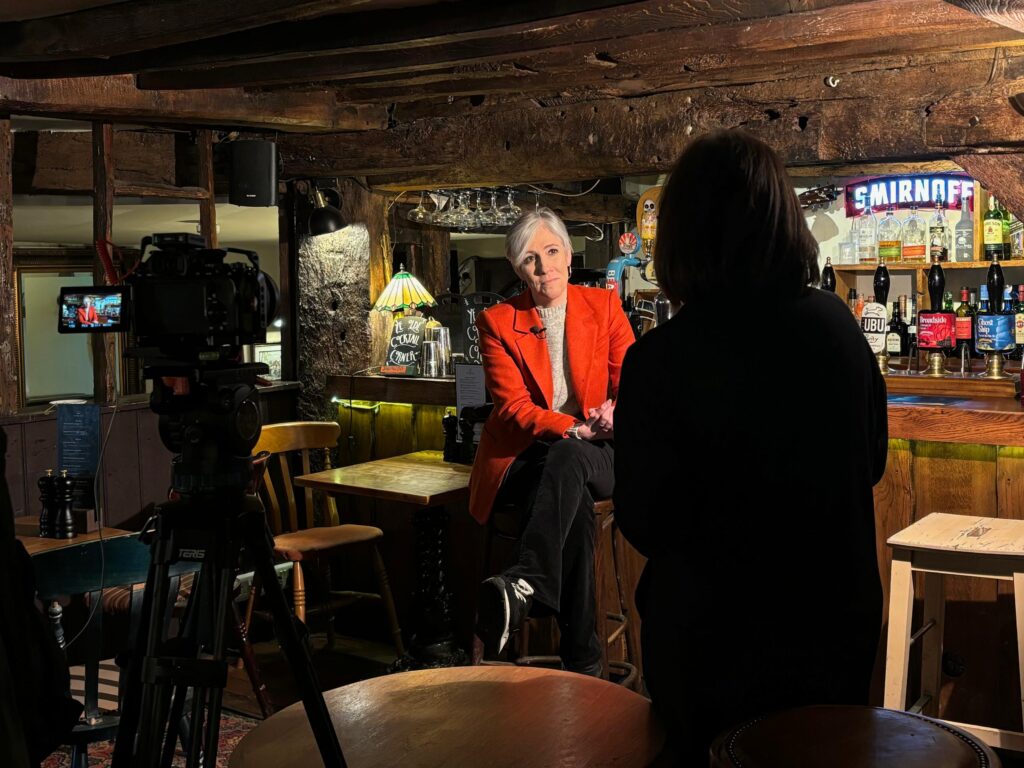
Daisy’s constituency office team are always keeping up with local casework, but at the moment they are busier than expected considering it’s the summer holidays.
“St Albans has the same trends as most other parts of the country. There are more people using the food bank and really worried about their energy bills, and when they’re worried about their finances they often get ill and fall behind on all sorts of things.
“When there’s pressure on services, whether it’s through Local Government Reorganisation or anything else, we do find that people end up falling between the cracks and coming to us to ask for help to get attention to their case.
“So it is quite an unusually high amount of cases at the moment, but I wouldn’t want anyone reading this to think they can’t contact us because we are very good at triaging cases and making sure that people who are in urgent need get that urgent help.”
One of Daisy’s biggest successes of recent years was undoubtedly her fight for improvements to Special Educational Needs services at Herts County Council following years of failings.
She has consistently campaigned for local SEND improvements, joined parent-led protests in the city centre, and challenged Government policies affecting vulnerable pupils, and after the Liberal Democrats took control of HCC last year and made it their number one priority, things began to turn a corner.
HCC’s SEND provision achieved a major milestone in April when the Department for Education officially lifted its Improvement Notice, recognising better statutory response times, stronger governance, and increased parental satisfaction following systemic reforms.
“What I have noticed as an MP is that we no longer get the very acute cases contacting us. We still have families who feel unsupported, but I not longer have people coming to me saying if they don’t get a reply from HCC in a few weeks’ time they are going to lose their job and their home and their kids will be going into care.
“The Lib Dems running the county council have created more SEND spaces in schools but they are still limited by the overall amount of money they have to spend on it. I am waiting to see what the Government is going to do on that. The county is doing a pretty good job but we do need central government to work out how we are going to fund the system properly.”
Is she concerned that all of this hard work will fall apart in a few years when the work of HCC is split across four different unitary authorities?
“It is a big worry. It is one of the reasons why I supported two unitary councils is because ultimately the two biggest responsibilities are going to be Special Educational Needs and social care, and the best way to get the most out of taxpayers’ money is to deliver them on a countywide basis.
“We are now going to have teams split up into four areas which will increase the overheads so we won’t get as much out of the money we are spending, and it could also create artificial barriers where a parent in St Albans won’t know where SEND school places are because they’re in discussions with two or three other councils.”
But she’s not always successful in achieving change. The situation with SEGRO’s strategic rail freight development in Park Street has been fraught with problems for local residents, including excessive dust from the construction work and the failings of the promised country park to emerge due to tree planting not being properly managed.
Although Daisy is regularly in touch with SEGRO representatives, she doesn’t seem to be making any progress in ensuring they listen to local residents and tackle these problems.
“Everything we said to go wrong has gone wrong and you can see why. This was a decision made by a former Conservative Secretary of State and not a local authority, which would have attached a whole string of conditions about engaging with residents and taking provisions to make sure there wasn’t any interference to them.
“Everything they’re doing is legal. There were few planning conditions put in place so the local authority cannot enforce anything over and above what these say. We’re in a situation where SEGRO are legally building what they’re allowed to build, they’re staying within the limits of what they’re being told to do, and yet it’s still causing massive disruption to residents and the reason for that is the location.
“This is a major piece of infrastructure stuck next to small villages, and we’re seeing the impact we were warned about in terms of noise and dust. I can see the disruption that it’s causing and we all feel powerless to do anything about it.
“This is a major corporation worried about its bottom line, and anything they do over and above the conditions that have been set will cost them money. You know from the correspondence that I’ve sent that I’ve asked them if there would be a goodwill gesture of compensation for the dust and everything and they’ve basically said no, and we’ve no lever to compel them to do that.
“I hope people know I can be pretty punchy in my letters to various organisations, and I’ve met with SEGRO face-to-face on a number of occasions, but I can write letters, I can be as stroppy as I like, I can make all sorts of demands but I’ve got no lever to force anybody to do anything and it’s just really frustrating.”
Looking forward, the reality of the challenges facing the country and the Government are both stark and unavoidable.
“We have to get serious about spending on defence. We have to get serious about growing our economy. Having a better relationship with Europe is the single biggest lever staring this Government in the face. They can’t afford to ignore it.
“Any future war with Russia wouldn’t be a boots on the ground thing. It would be cyber war, and we’ve have seen the damage that can do.
“In today’s environment where we do our bank transfers on our phones, we rely on the internet to buy food, clothes, it could have a major impact on people’s health, on the economy. It’s not to be dismissed even though it’s not boots in the ground. A major cyber threat will impact on people’s lives and cause a lot of disruption.”
Rather than finish on that rather grim note, we chat about some of the things she’s enjoyed over the past six months…
“I always love campaigning in St Albans and speaking to local residents and that kind of stuff. I get a real energy and real buzz from being out on the door. I love it.
“It makes a nice contrast to this holding pattern of Parliament where we’re waiting to see what happens next.”
It’s also hard not to highlight how often she’s been on television and radio as well, either deputising for Ed Davey or covering Treasury issues, but she always makes sure to properly prepare: “I think Nick Ferrari on LBC is a fantastic interviewer. He really knows his stuff and sometimes he will really go for an MP if he knows they haven’t done their homework. If they’re not across their brief and have been given a top line to announce but don’t understand it, they can really come a cropper.
“So far, touch wood, I’m pretty conscientious about these kind of things and I generally don’t make announcements on behalf of the party unless I’m pretty confident that I understand it and I’m convinced it’s workable. But I always quite enjoy doing his shows because I know he’s going to ask a difficult question and I get a bit of a kick thinking, I knew you were going to ask that and I’ve got the answer!”
As we prepare to wrap things up, future journalism student Delphine Sydenham, who has sat in on the interview, has the opportunity to ask a question of her own. With her university course starting in September, the expense of fees is obviously at the forefront of her mind, so she wanted to know whether Daisy thought the situation would change at any point.
“It’s a really good question. The university fees system has been changed so many times over the last few years. With every single new generation of students coming into university, politicians haven’t been able to help themselves but tinker with the system again to try and sort of get more money out of students. It’s hit a real crisis point.
“We have said that the original terms of the contract should be honoured and that students who are in the public sector for 10 years or more should be able to get a portion of their fees back.
“I don’t know what the Labour Government’s going to do, and it’s part of this holding pattern that we’re in.
“Ultimately, what we do know is that the next budget is going to be on October 28 and this Government’s got some difficult decisions to make. It needs to decide which issues it wants to fix and how far it can go on each one, and to date, I just don’t have a sense of what they’re going to prioritise and how they’re going to fix it.”
