22 Jul 2026
We at the St Albans Times care about St Albans, and we do all that we can to preserve its history, its welcoming ambience and distinctive character by accurately reporting events and public opinion … and sometimes (just occasionally!) influencing policy makers in making key decisions about the city and district.
Part of that process is regularly following-up on issues after they have faded from the headlines and seeking updates from all interested parties, including any campaigners.
Over the years, we have carefully monitored the controversy surrounding Bedmond Lane Wildlife Meadow, as it has been the subject of numerous planning applications, legal actions and appeals… yet is consistently very highly rated and valued by ecologists who describe it as “unique in Saint Albans”.
Just last year, we reported that the influential Local Nature Recovery Strategy had formally recognised the value of the meadow, designating it as an ‘Opportunity Area’, based on its strategic significance for nature, biodiversity and the wider environment.
The landowners have also vigorously pursued four separate legal challenges, at ever higher levels of tribunal and court, contesting the continuing status of Bedmond Lane Meadow being designated as an Asset of Community Value. All these challenges – including, ultimately, that heard by the Court of Appeal at the High Court in London – failed. Regrettably its status as an ACV has now lapsed.
Bedmond Lane Wildlife Meadow covers 14.5 acres of beautiful countryside and is discreetly tucked away behind thick hedgerows. It adjoins the southwest corner of Verulamium Park and covers two fields between Bedmond Lane and Mayne Avenue.
Local campaigner Dr Robert Wareing explained: “The biodiversity and breathtakingly rich mosaic of different forms of life this meadow sustains is huge. Inherently, the beauty of the meadow is like an ecological kaleidoscope, constantly changing through the seasons. It is breathtaking and unbelievably spectacular and its value to the environment is immense. It is entirely the work of nature over decades as nature has organically reclaimed this neglected piece of land.
“But Cala Homes who own the meadow have declared their aim is to build 78 houses on the site.”
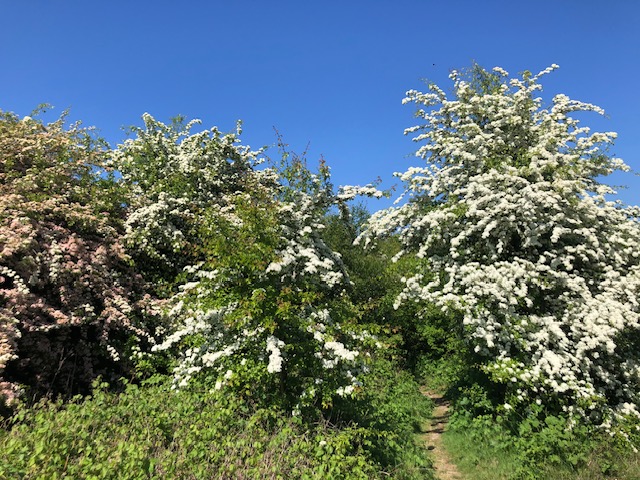
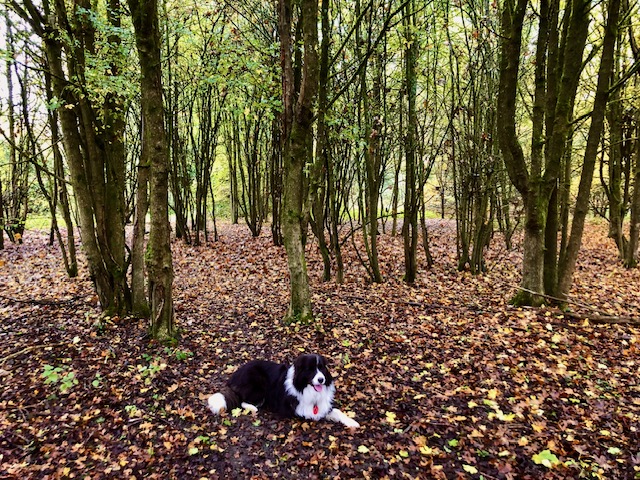
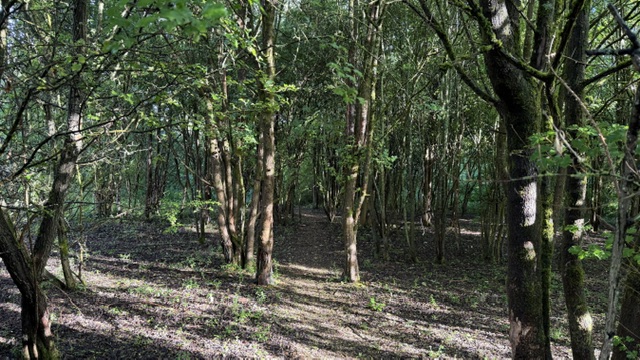
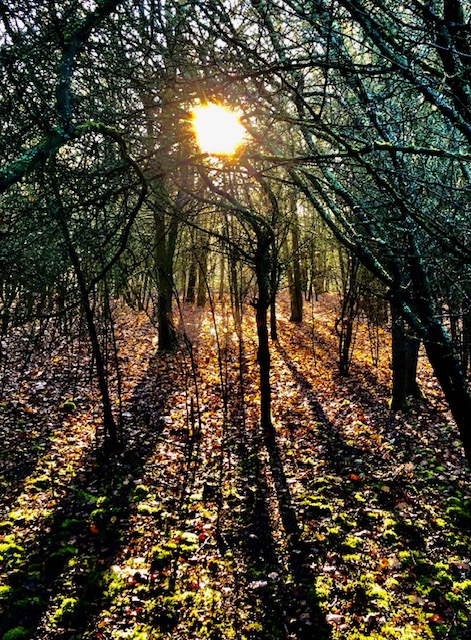
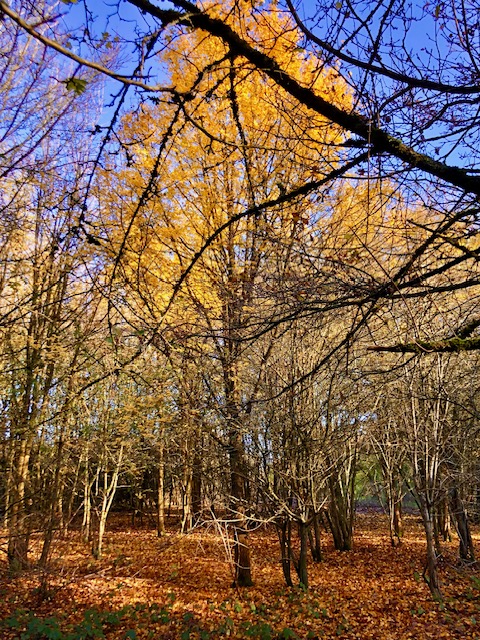
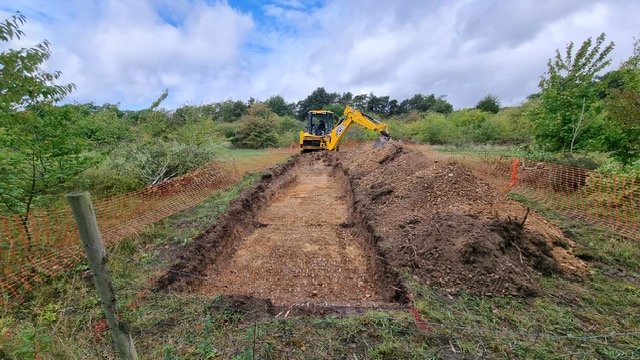
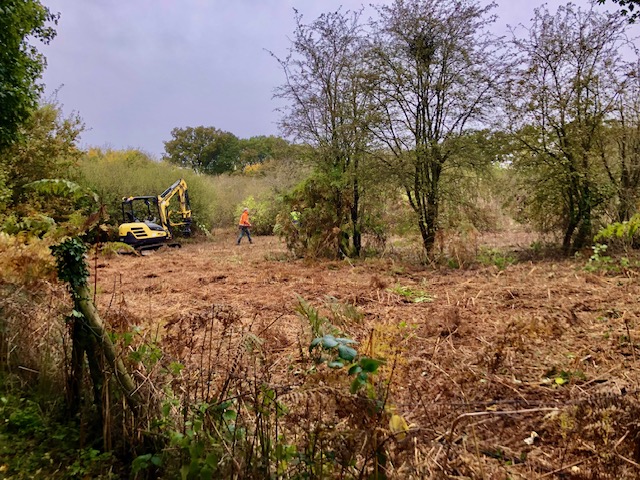
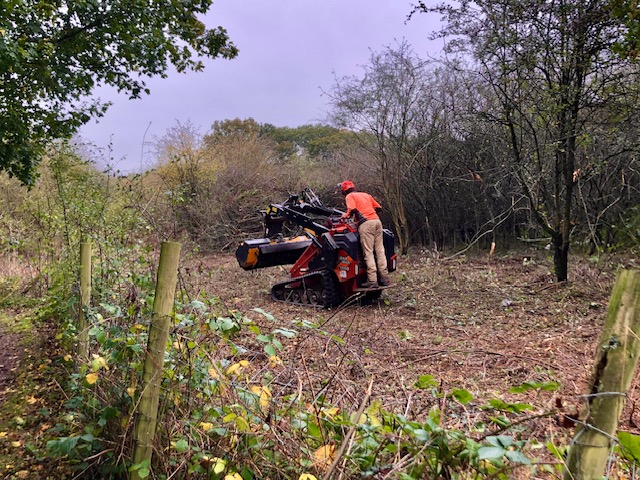
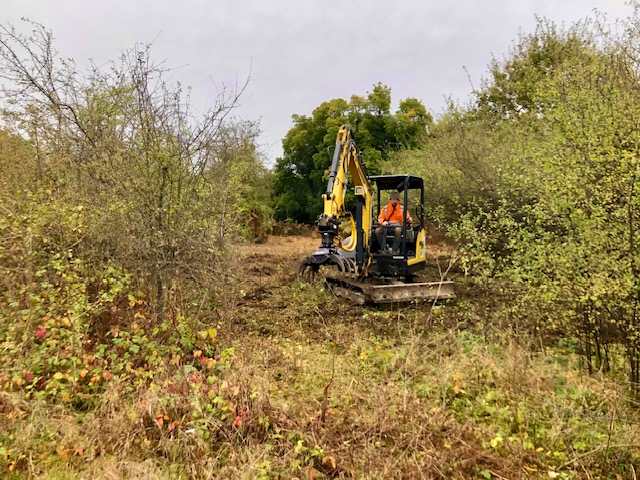
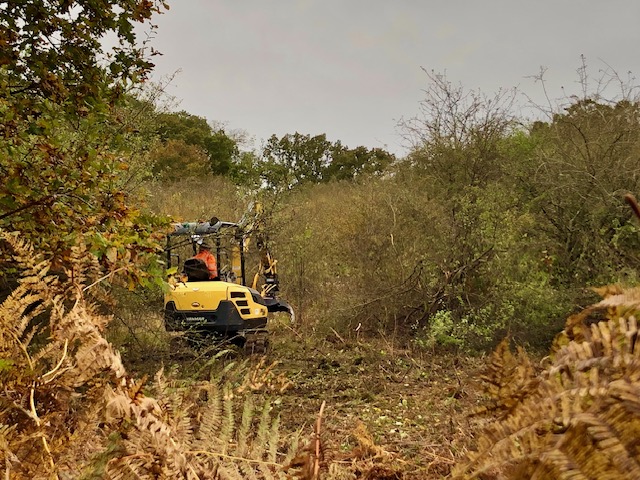
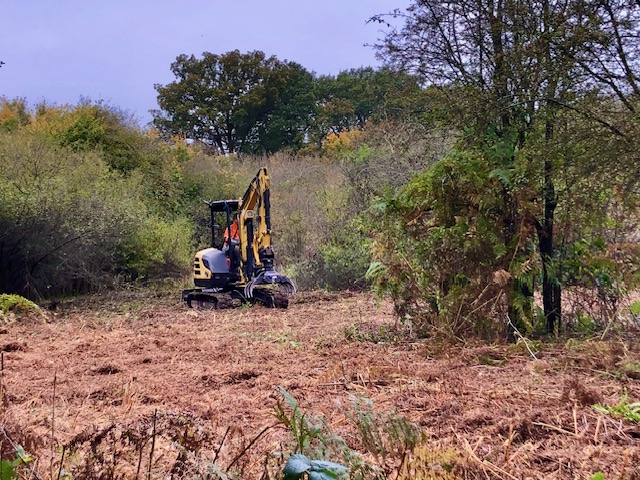
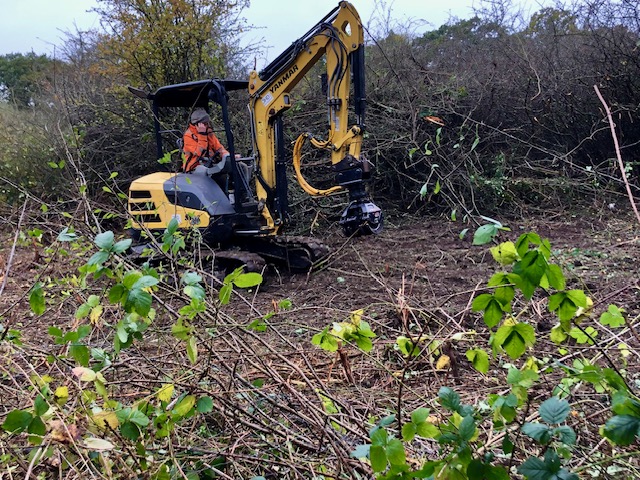
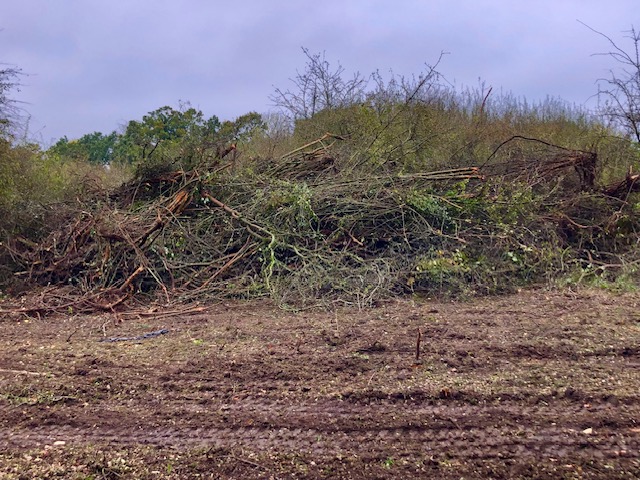
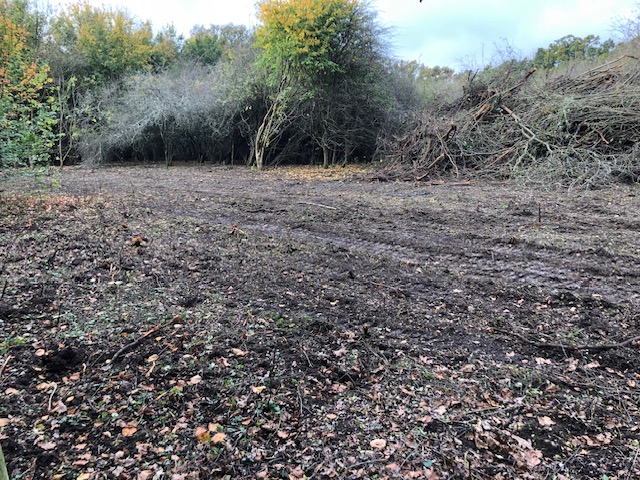
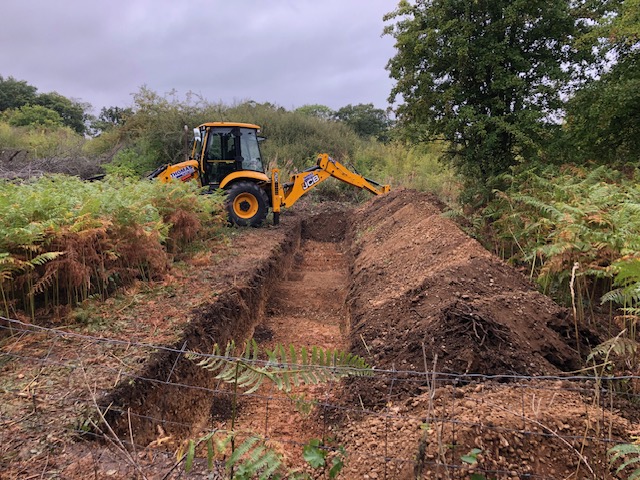
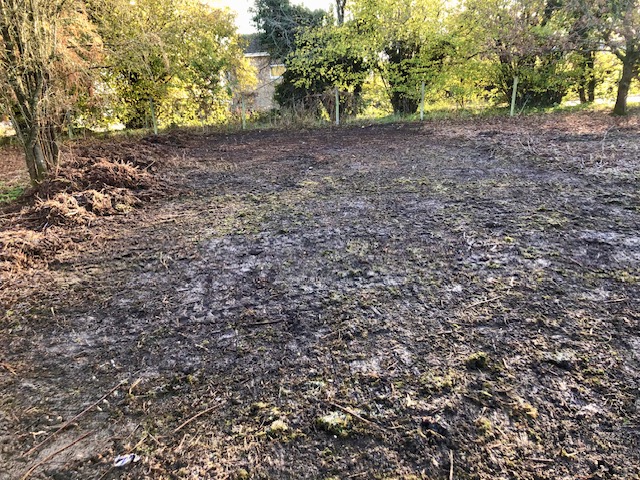
In October, 2024, in an article headed ‘Woodland to wasteland’ we reported how work to clear areas to facilitate an archaeological survey had decimated large areas of woodland comprising mainly established field maple, hazel, hawthorn and blackthorn trees.
Cala claimed the work was carried out in the presence of an ecologist appointed by them but, according to Dr Wareing, early reassurances given to residents that no trees would be felled proved to be but hollow promises.
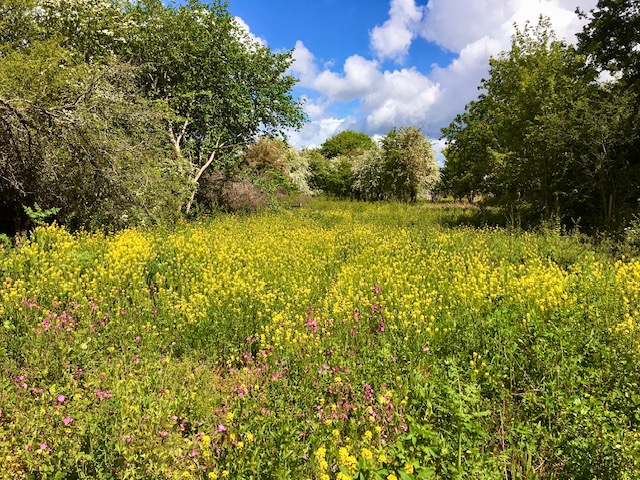
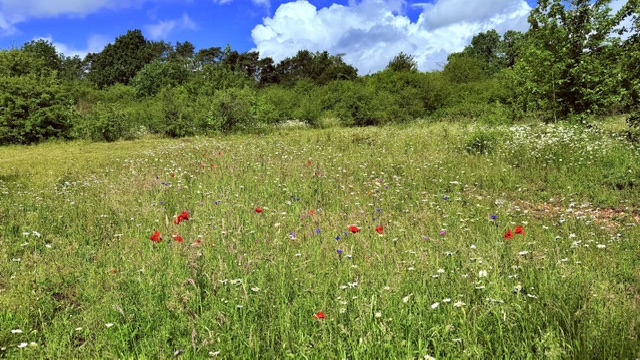
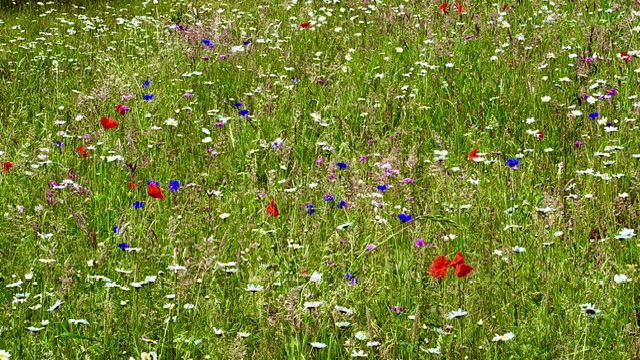
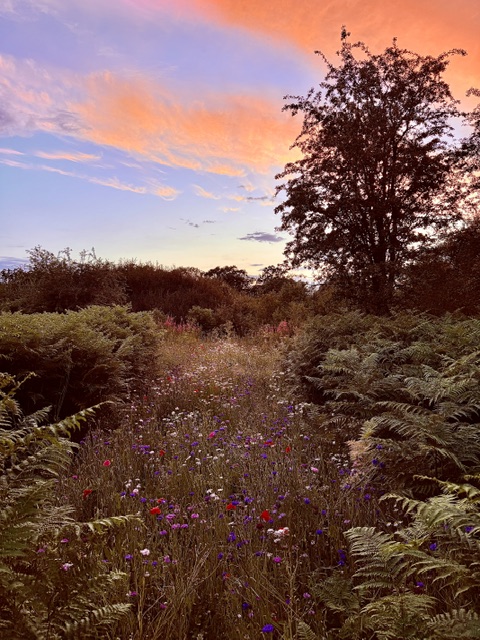
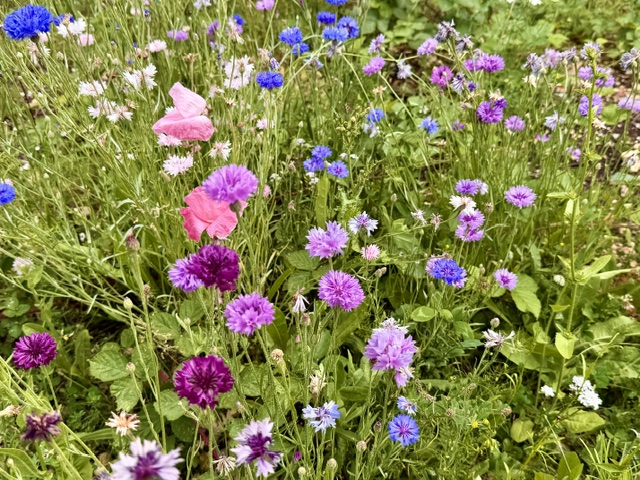
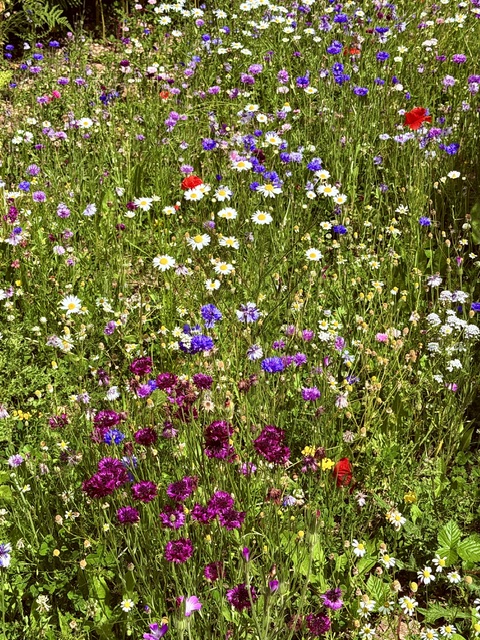
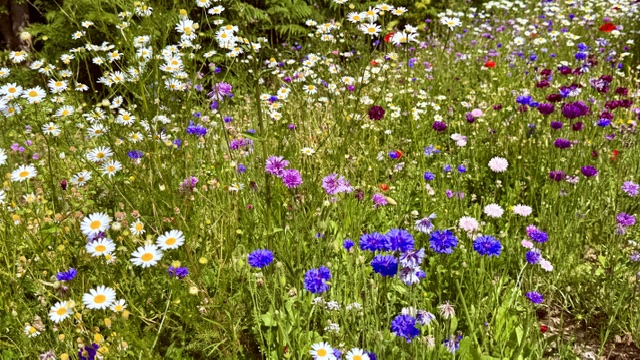
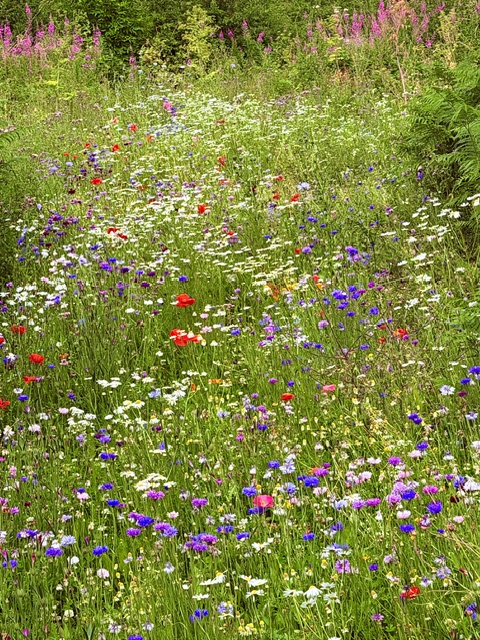
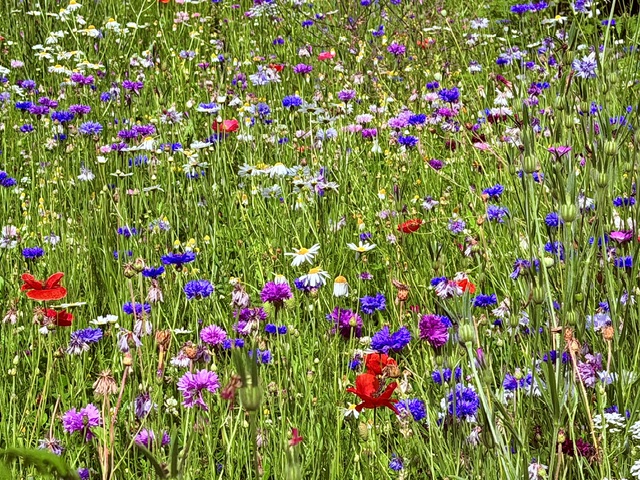
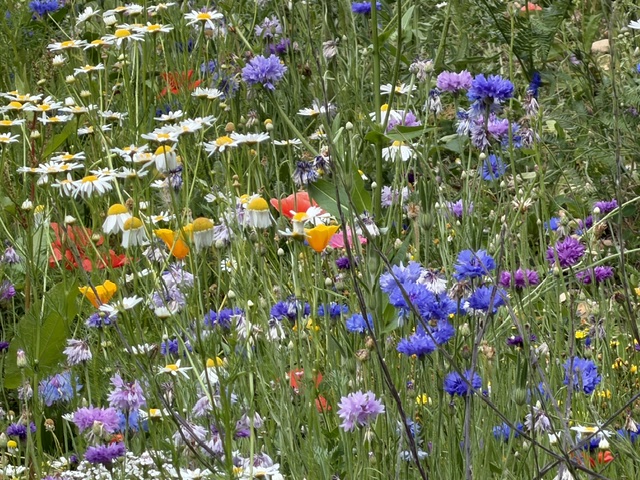
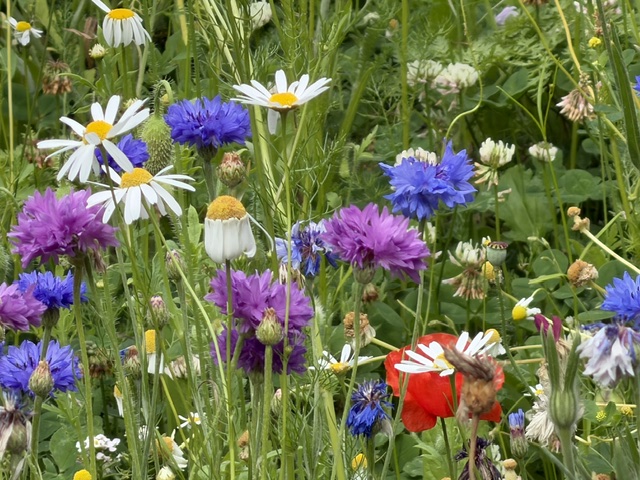
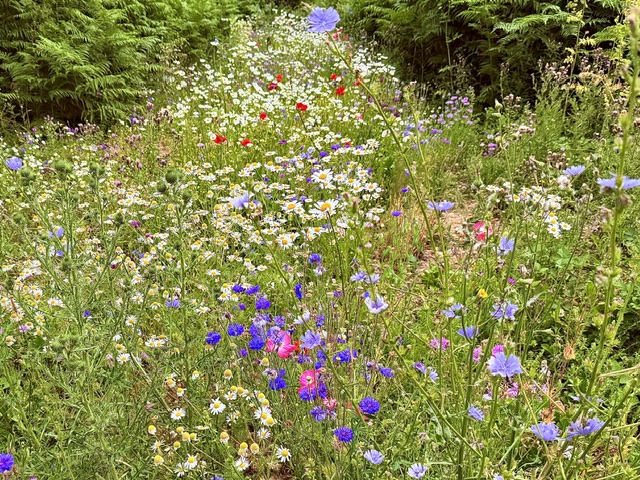
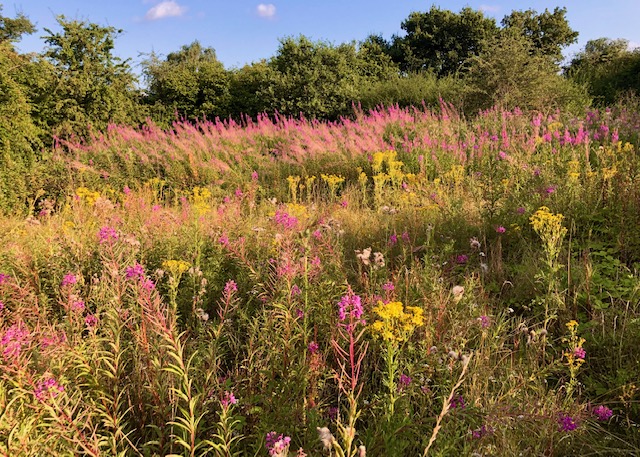
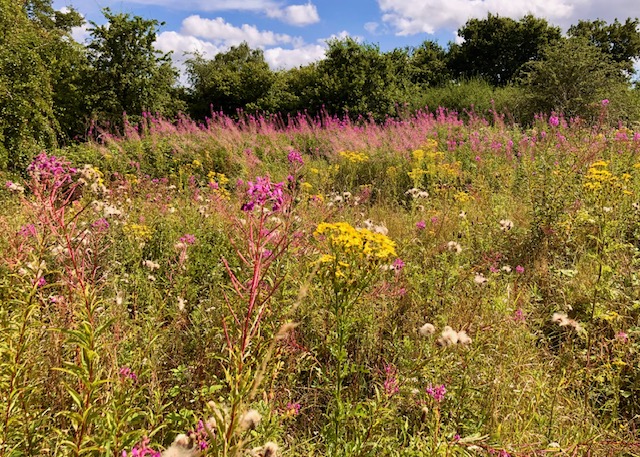
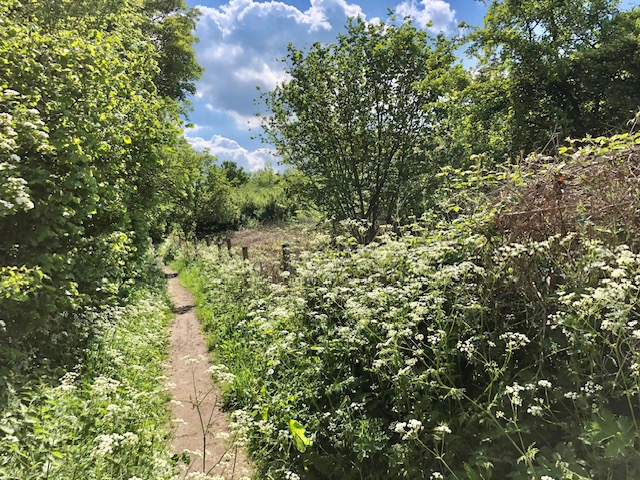
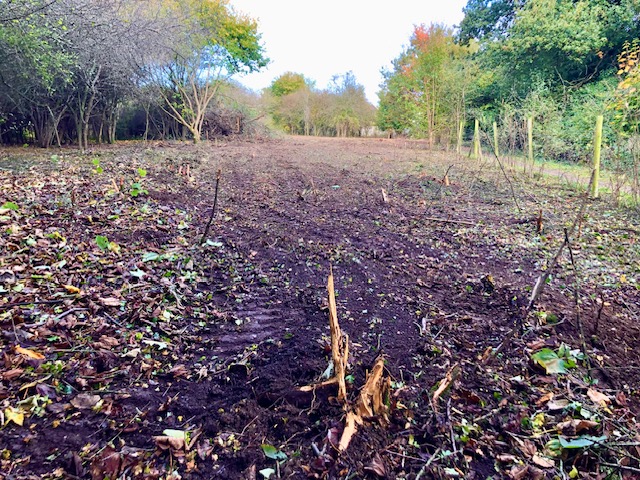
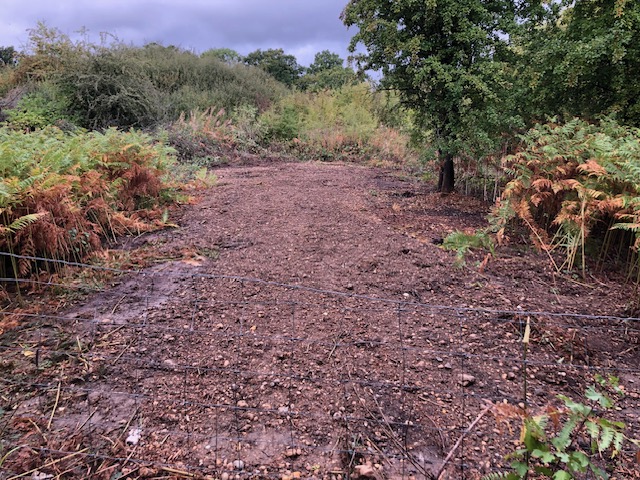
Further phases of woodland clearance have since been undertaken with more trees felled. Thus, woodland became wasteland… but now nature has responded, bouncing back to create a spectacular wildflower wonderland.
In this feature, Dr Wareing first describes the whole of Bedmond Lane Wildlife Meadow, in words, in detail, because this sets this story in context. This is followed by photographs he has taken showing the different phases of the metamorphosis of the woodland.
Photographs first show the way the woodland area was. Then the way it was devastated by man to become a wasteland… And then, how it is now, miraculously, transformed by nature to a wildflower wonderland.
Dr Wareing said: “Bedmond Lane Wildlife Meadow is a perfect example of a complete and diverse ecosystem encompassing all living organisms – plants, animals, fungi and microorganisms – within a specific area, together with their complex interactions with the non-living components of their environment – such as sunlight, soil, and water – and the flow of energy and cycling of nutrients between them.
“This meadow supports a huge variety of life forms and, in essence, it is self-sustaining where all parts are interconnected and function together to maintain life and balance. Complete ecosystems such as this provide essential elements for humans, such as clean air and water, pollination, and climate regulation.
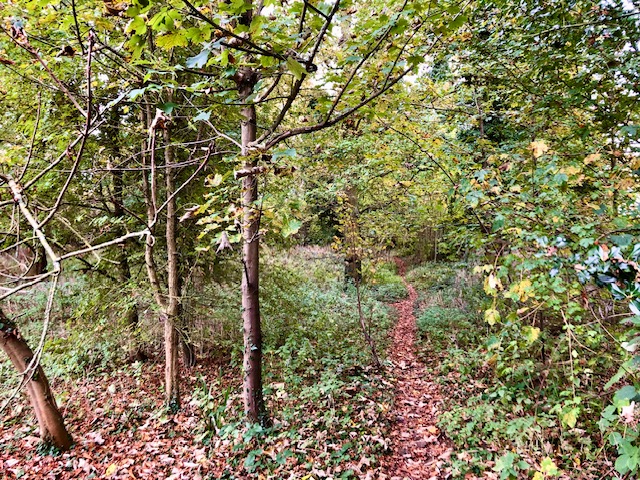
“This meadow landscape includes many different forms of woodland including ancient, veteran and mature oak trees (some with Tree Preservation Orders). There is one small area of woodland – with more than 20 100-year-old majestic oak trees – affectionately known locally as ‘The Oak Cathedral’, the floor of which is submerged beneath a seasonal lake (a ‘turlough’) during the wettest part of winter.
“One ancient, massive and majestic oak, in the bottom field of the meadow bordering Bedmond Lane, is believed to be more than 150 years old, and therefore known locally as ‘The Wellington Oak’, historically referencing ‘The Iron Duke’.
“There is also a range of other established trees across the meadow – mainly field maple, hazel, sycamore, ash, elder, elm, horse chestnut and dogwood – together with a considerable number of saplings of all kinds.
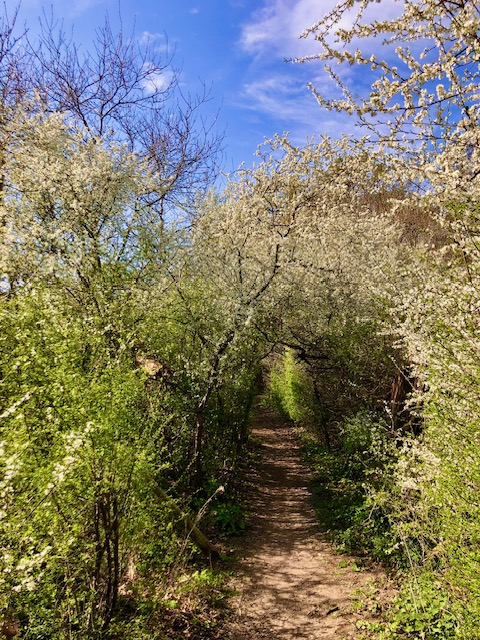
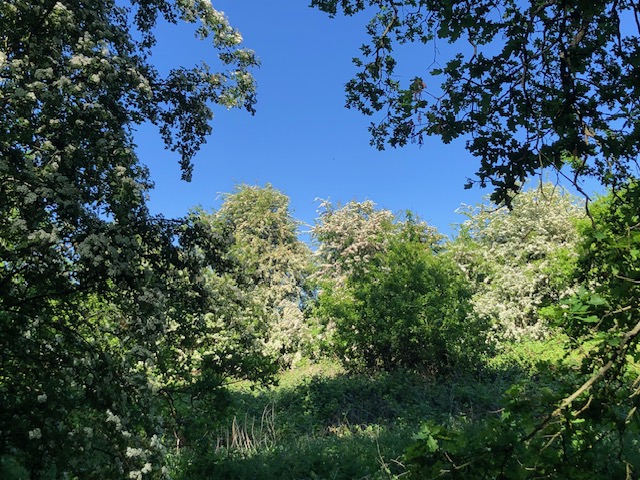
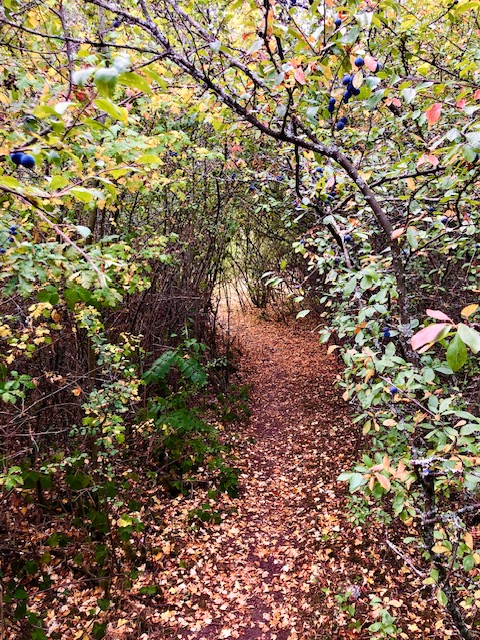
“Several separate and expansive spinneys – formed mainly of blackthorn, bramble, wild roses and hawthorn – create the most wonderful displays of pink and white flowers and blossom followed by crops of sloes, blackberries, hips and haws.
“Children refer to these areas as ‘the jungle’ because twisting pathways which have been carefully cut through the undergrowth by local people have formed into tunnels as the spinneys have matured, enclosing the pathways with roofs – or ‘crowns’ – of thorns.
“In addition to sloes, blackberries, hips and haws, the meadow provides a rich source of apples, cherry plums, hazel nuts, sweet chestnuts and elderberries from numerous self-seeded trees. A bountiful larder for wildlife … and human foragers alike!
“Tall ferns with beautiful foliage dominate some areas of the meadow and mosses, liverworts and lichen are abundant. Other bushes and shrubs – some evergreen, some deciduous – such as holly, snowberry (also known as ‘coralberry’) and broom, live together with a magical kingdom of fungi, all of which thrive in the soils of this meadow and add to its rich mosaic.
“Many different forms of grass cover the rich chalk grassland meadow, mainly Yorkshire fog but also including patches of hanging sedge and the rarer sheep’s sorrel.
“It is also important to note that the meadow is also graced with a truly remarkable number, range and variety of flowers growing wild all around with huge variations in their size (for example the tiny violet and forget-me-not compared to the huge giant-hogweed).
“Their structure, colour, form and texture form an ever-changing kaleidoscope.
“Prominent amongst the glorious flora are large swathes of English bluebells, snowdrops, anemones, wild daffodils, celandines, oxeye daisies, cornflowers, cow parsley, rosebay willowherbs, field scabious, and bird’s-foot trefoil. together with prolific displays of primroses, poppies (including ‘Californian’, ‘oriental’ and ‘opium’) wild roses, traveller’s joy, tansy, wild strawberries, chamomile, wild basil, wild garlic, spearmint and oregano.
“In a meadow that’s filled to overflowing, crocus, marigolds, dame’s rocket, white and red clover, ground ivy, centaurea-montana, greater knapweed, toadflax, ragwort, common mallow, yarrow, red and white campion, honeysuckle, herb Robert and various varieties of thistle, all thrive.
“A special mention should be made of the profusion of delicate pyramidal orchids – of which there are hundreds across the meadow – together with distinctive diminutive bee orchids; and even the exceptionally rare and protected species, the lizard orchid is found here”.
Dr Wareing estimates that there are more than 500 different species of wildflowers: “If the trees and beautiful wildflowers are stunning, the fauna that share this precious space is rich, diverse and delightful.
“It is home to ‘all creatures great and small’.
“An impressive variety of animals all thrive in this precious space including, badgers, bats, muntjac deer (whose barking can occasionally be heard), foxes, squirrels, hedgehogs (although fewer since the badgers arrived!), rabbits, field mice, voles … and rats! I have video evidence of these.
“Countless other wonderful creatures all call this meadow ‘home’. For instance, an incredibly disparate range of species of insects, especially many different varieties of butterflies, moths and bees.
“Using just butterflies as an example, from the early arrival of the brimstone, a magnificent array of colourful butterflies flutter and dance around enjoying this meadow including peacock, red admiral, tortoiseshell, painted lady, ringlet, speckled wood, gatekeeper, meadow brown, silver-washed fritillary, large skipper, common blue and holly blue, marbled white, green veined white, and large and small white.
“Significantly, two protected species of butterfly have also been sighted, the white-letter hairstreak and the small heath.
“A large range of birds – from red kites, kestrels and owls, to robins, goldcrest, cuckoos and green woodpecker, jays and sparrows – create a melodious meadow chorus. And lots and lots – an infinite number – of invertebrates enjoy this environment. The landscape is also peppered with mounds and domes of ant hills. All join in calling this meadow ‘home’.
“The meadow also welcomes many occasional visitors: pheasants and partridges seek sanctuary from the nearby Gorhambury Estate shoot; together with herons, ducks and geese who fly in from nearby Verulamium Park to graze and enjoy the turlough in the ‘Oak Cathedral’. Even the peregrine falcons (from St Albans Cathedral) are occasionally seen scouting for food above the meadow. Swallows, too, are sometimes seen gracing the sky.
“Extensive use and enjoyment by local people have created a network of well-worn, unofficial footpaths that criss-cross and meander through the meadow (clearly visible on Google maps). It is well used by dog walkers and ramblers – and by some, just to quietly wander, relax in tranquillity and admire nature – whilst others cycle or jog through the meadow. It is also very popular for those taking photographs and those taking young children on nature trails. It is an inspiration and joy for many, many people”.
The extensive range of photographs on these pages show the way the woodland became wasteland… but then nature responded, bouncing back to create a spectacular wildflower wonderland. The conditions were perfect for this to happen as the newly disturbed soil and bare ground provided the most inviting conditions for seeds to germinate.
It said that seeing is believing. According to Dr Wareing Bedmond Lane Wildlife Meadow needs to be seen to be believed.
He concluded: “Yet, perversely, SADC have earmarked the meadow for development in the district Local Plan. This implies that the phases woodland to wasteland, to wildflower wonderland… will culminate in building development land. “Perhaps Cala will name some of the roads after the wildlife that called this their home … maybe the theme will be different kinds of animals, or butterflies or it could be wild flowers.”
The Open University has stated: ‘The UK has lost a staggering 97 per cent of its wildflower meadows in less than 100 years.” Can we really afford to lose any more?