


14 Aug 2023
For the first time in two millennia, Greek tragedy is returning to the Roman Theatre in St Albans.
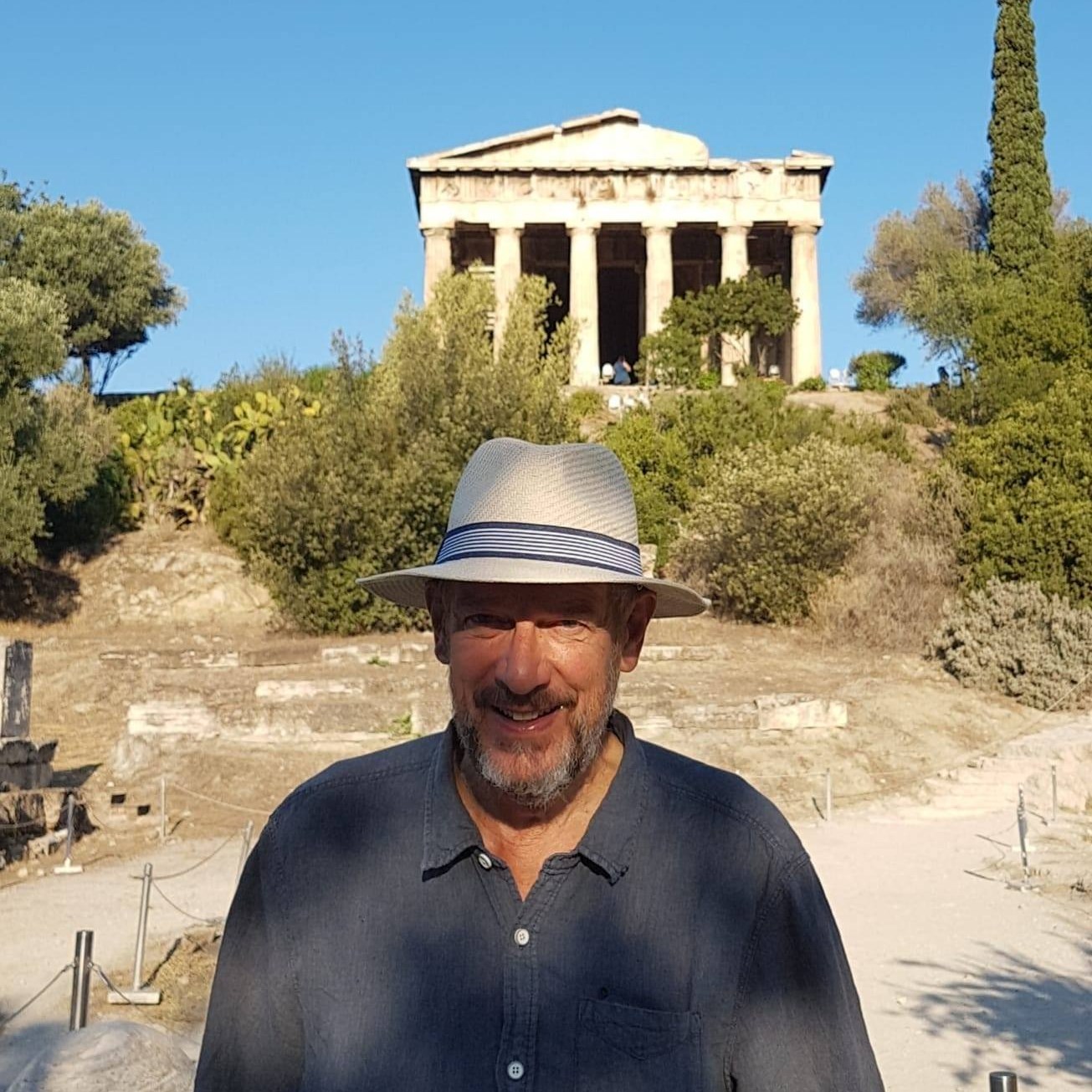
Professor of history and anthropology Tim Boatswain is teaming up with a talented troupe of OVO actors to provide an entertaining and enthralling introduction to Greek tragic drama in the spectacular and authentic setting of the Verulamium outdoor venue.
The event is for one night only, at 7.30pm on August 16.
Tim explained the concept: “The essence of Greek tragedy is the exploration of the human condition in the face of fate and the gods. Greek tragedies focus on the arbitrariness of life, often featuring a protagonist who is a good person, but who, often unconsciously, usually makes a mistake or error of judgment.
“Fate, then, ensures their ultimate downfall, and punishment by the gods. The audience already knows the plot of the play and so there are no dramatic surprises in Greek tragedy – all ends in woe and disaster. The protagonist’s downfall is guaranteed but even in their state of despair, there is some kind of conclusion and emotional release (what is often described these days as “closure”).
“Aristotle described this experience as catharsis: the purging of the emotions of pity and fear that are aroused in the viewer of a tragedy.
“Greek tragedies were often based on myths or stories about the gods and heroes of ancient Greece. This allowed the playwrights to explore universal themes in a familiar context.
“Besides the main characters, there would be a chorus, a group of singers and dancers who commented on the action of the play, representing the voice of the community,
and offering insights into the protagonist’s thoughts and feelings.
“It also has to be remembered that Greek drama was part of a religious ritual so they were often lavish productions with elaborate sets, costumes, and music. It was a spectacle designed to create a sense of sacred awe and wonder in the audience and added to the emotional power of the play.”
Greek tragedy is a complex art form that has had a profound impact on Western culture. The plays of Aeschylus, Sophocles, and Euripides continue to be performed today, and they offer insights into the human condition that are still relevant centuries later. This event will identify some key elements of Greek tragedy exploring universal themes of human nature, such as fate, free will, and the nature of good and evil. To book tickets visit ovo.org.uk/big-shows/the-essence-of-greek-tragedy/
