


30 Apr 2026
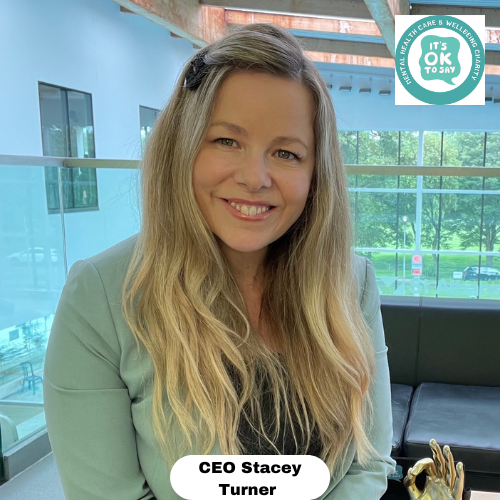
Stacey Turner, founder and CEO of St Albans charity It’s OK To Say, reflects on changing the narrative when it comes to mental health.
Mental Health Awareness Month invites us to reflect on something that shapes every part of our lives, yet can be difficult to see or define. Our mental health influences how we think, feel, connect, and cope and many people continue to struggle in silence, often because they have never been taught how to understand or express what they are feeling. It’s not always tangible. You can’t always point to it, measure it, or explain it clearly and that can make it even harder to talk about.
I have seen how powerful it can be when someone finds the courage to speak honestly. The words “I’m not okay” may seem small, but they can open the door to understanding, support, and change. And still, for so many, those words feel out of reach, not through lack of strength, but because they’ve never been given the space, language or permission to say them.
At times, the experience of struggling with mental health can feel a little like unrequited love.
There is a longing for calm, for clarity, for the version of yourself that feels steady and whole, but it can feel just beyond your grasp. Because it isn’t tangible, that sense of wellbeing can feel distant or hard to hold onto. You try to reconnect with it, yet it doesn’t always return in the way you hope. It’s a quiet, deeply personal kind of longing that isn’t always visible to others.
But unlike unrequited love, this is not a story that has to remain one-sided.
In many settings, resilience and independence are encouraged, sometimes at the expense of emotional honesty. Many people grow up without being taught how to talk about their emotions, how to sit with difficult feelings, or how to ask for help. Instead, they learn to “get on with it,” to push things down, or to carry on in silence. Over time, that silence can become isolating.
Mental Health Awareness Month is about changing that narrative. It is a time to raise understanding, reduce stigma, and encourage honest conversations before someone reaches crisis point. It is also a reminder that mental health deserves the same attention, care, and compassion as physical health.
By creating spaces within our communities, workplaces, schools, and homes where people feel safe to speak, we make early support and connection more possible.
At It’s OK to Say, our message is simple: your feelings are valid, and your voice matters. Whether someone is experiencing anxiety, stress, depression, or simply feeling overwhelmed, they deserve to be heard. And importantly, support looks different for everyone.
For some, it begins with talking to a friend. For others, it may mean seeking professional help. There is no single path, only the shared importance of taking that first step.
Through our work, we aim to create safe spaces for honest conversations, raise awareness, and help people access the support and information they need. If you would like to learn more, or to connect with the right support, we welcome you to get in touch at www.itsoktosay.org.uk .
Communities play a vital role in this shift. Change doesn’t only happen at a national level, it starts locally, in everyday interactions. A simple check-in, a willingness to listen without trying to fix everything, or making space for honesty can have a lasting impact.
This Mental Health Awareness Month, we can all be part of that change. By being open, by listening, and by helping to build better understanding of mental health, we begin to close the gap between how people feel and the support they receive. And by encouraging earlier conversations, we can help ensure that fewer people feel they have to struggle alone for too long.
Because while longing may be part of the human experience, no one should have to face it alone.
Sometimes, the most powerful thing we can say, and hear is this: It’s OK To Say.
